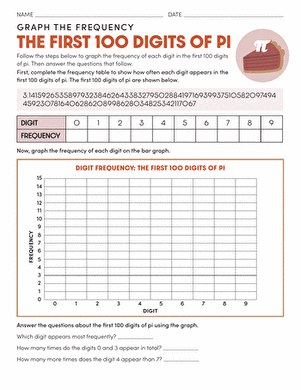
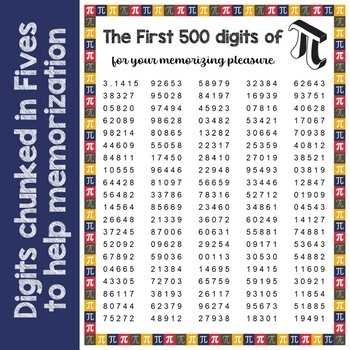
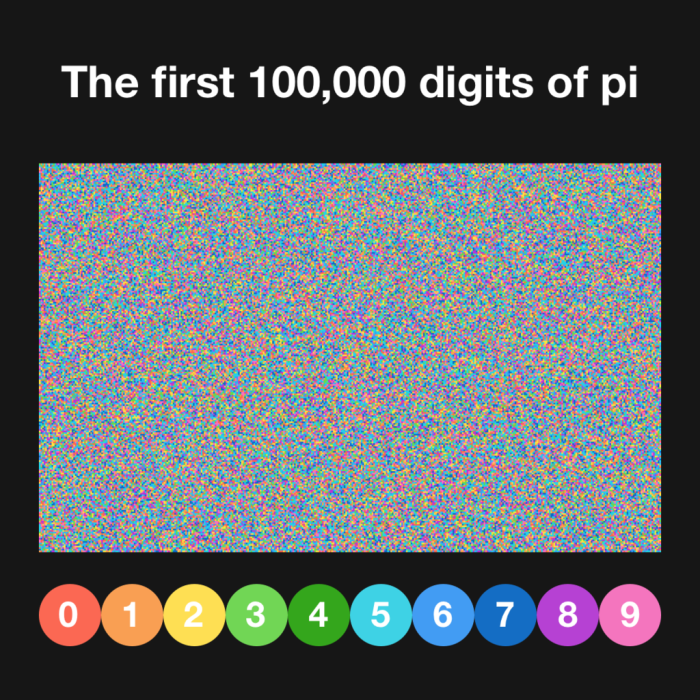
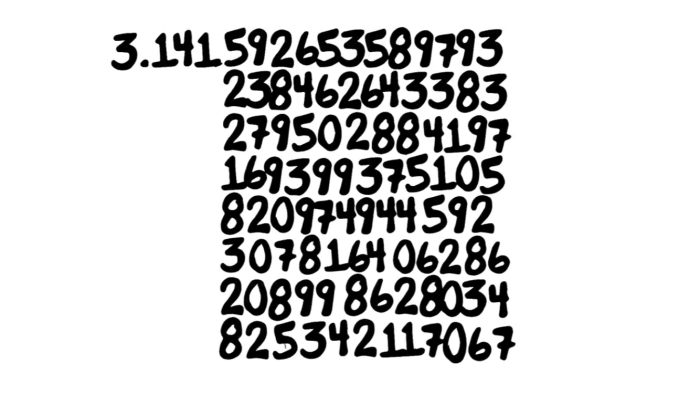
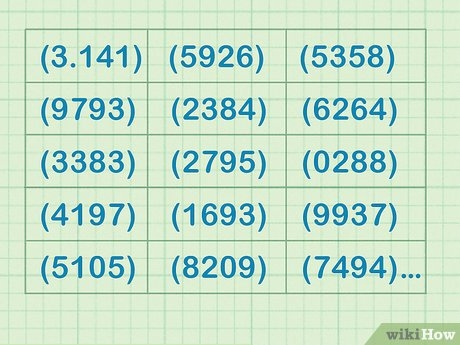
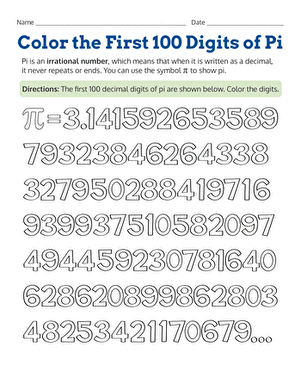
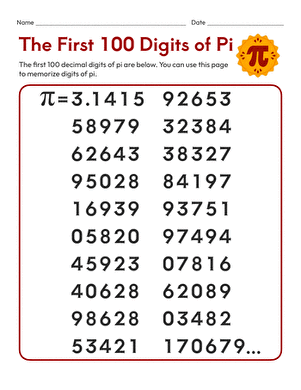
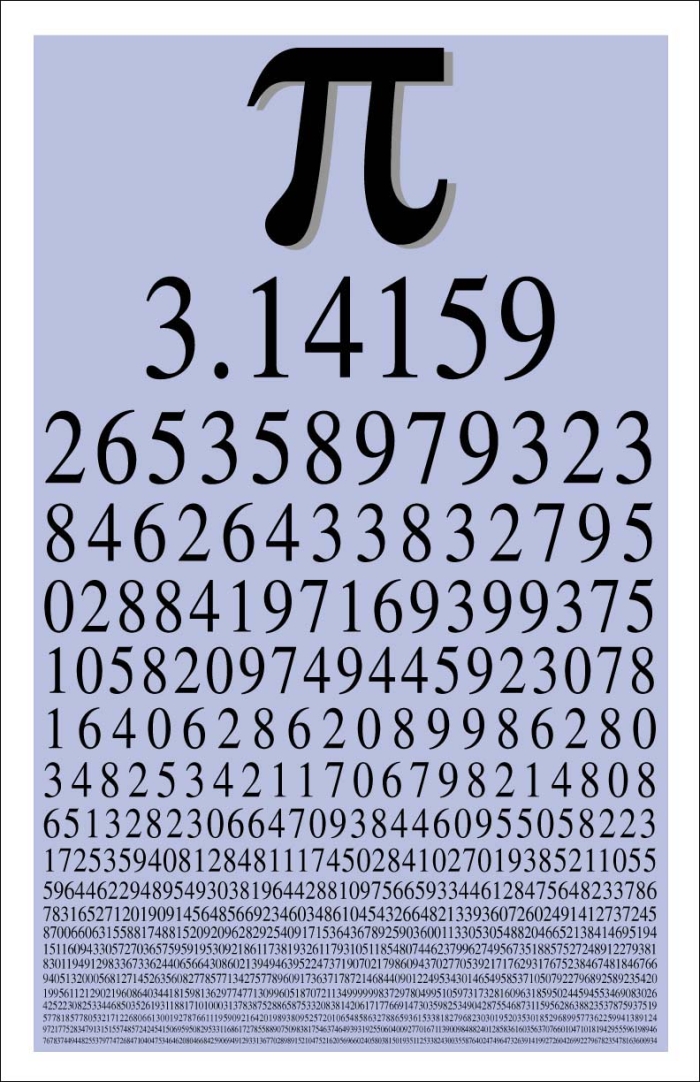
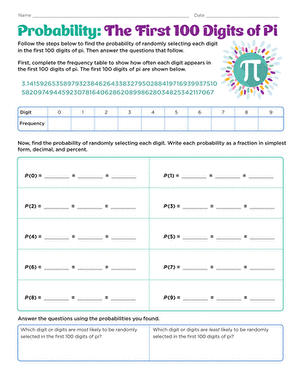
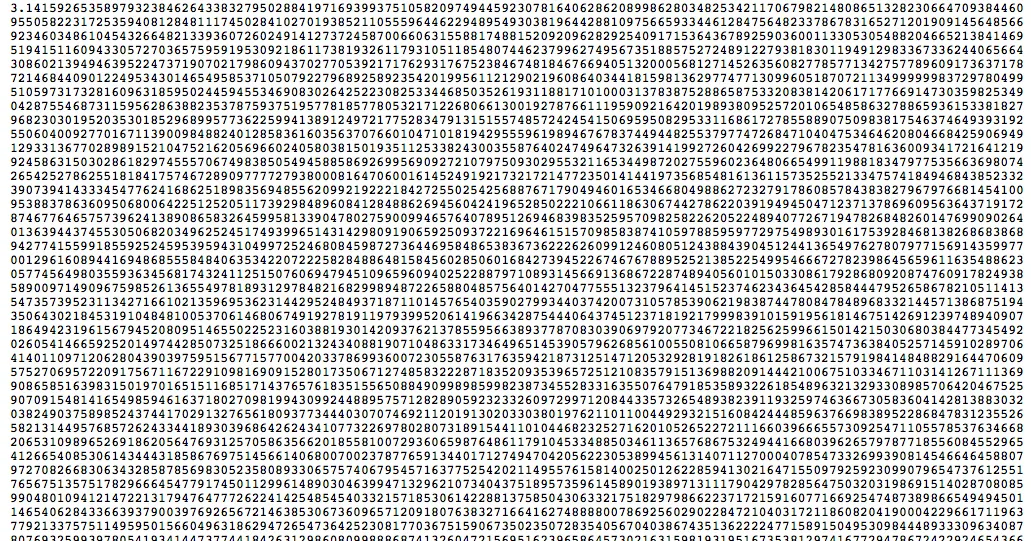
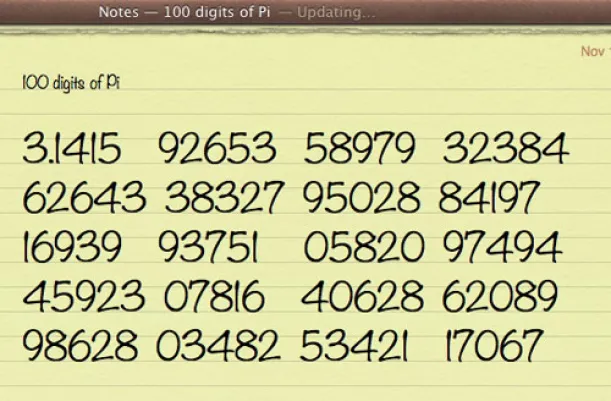
The first 100 digits of pi offer a fascinating opportunity to explore data and graphing, especially for seventh graders diving into statistics. By graphing the frequency of each digit from 0 to 9 in this iconic mathematical constant, students can strengthen their understanding of data representation and analysis.
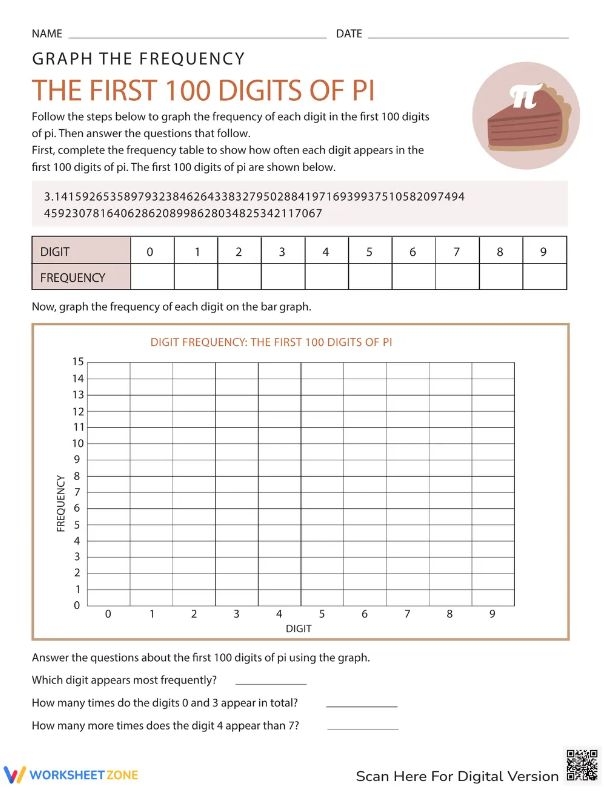
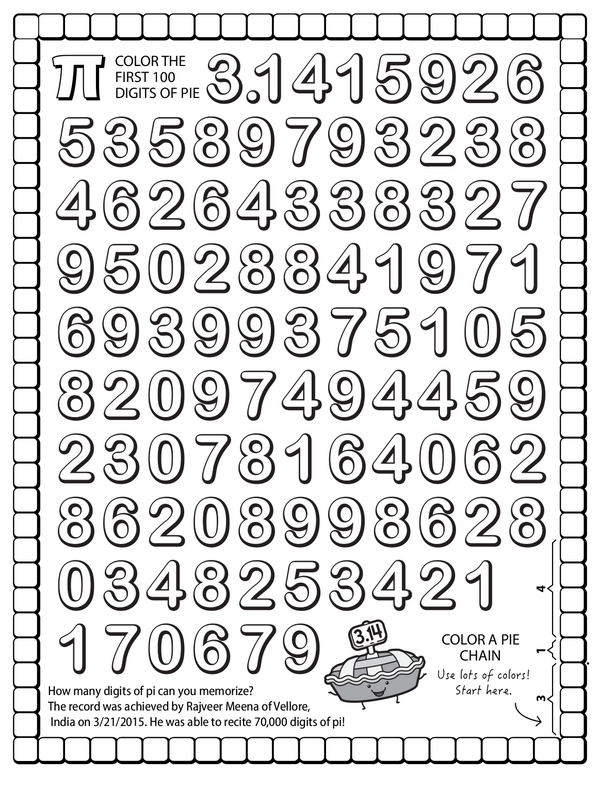
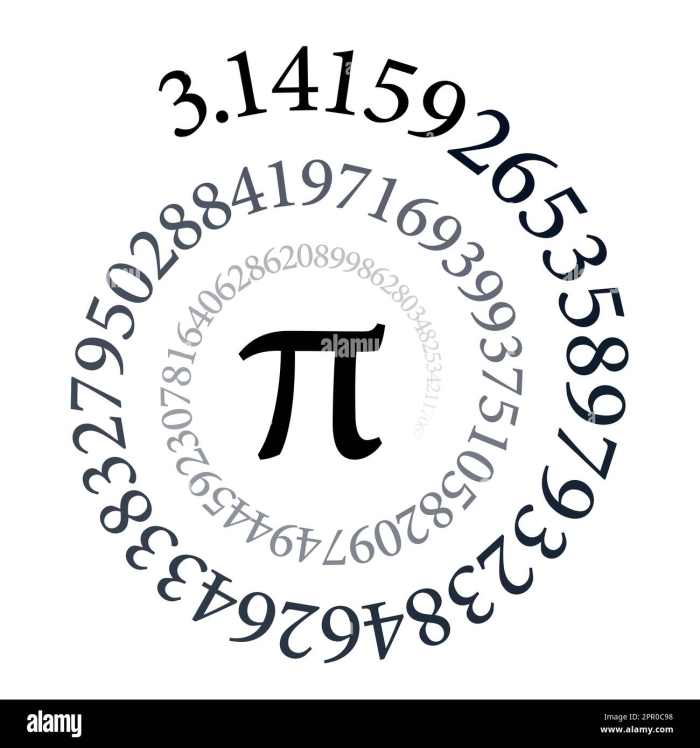
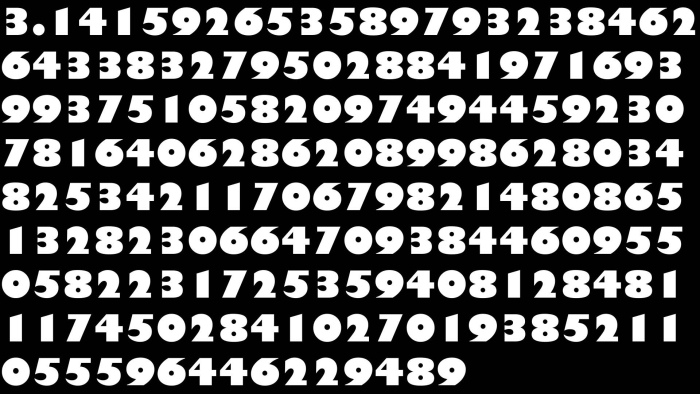
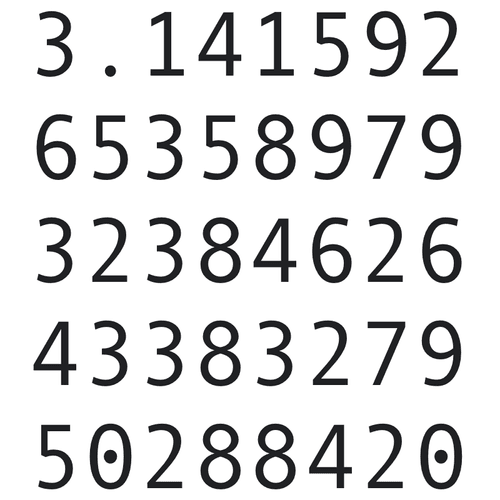
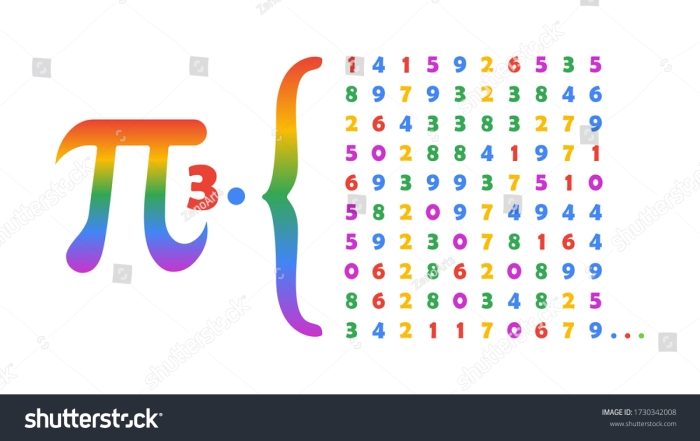
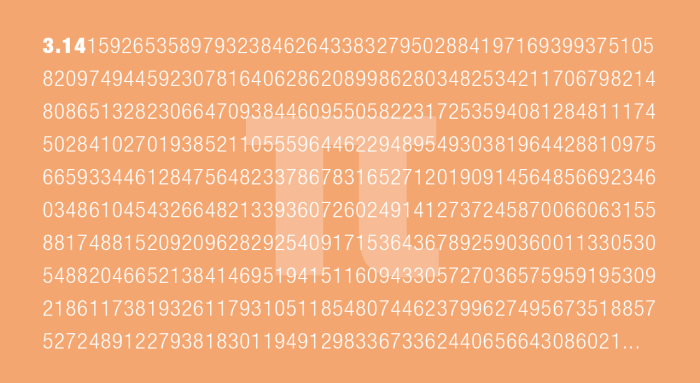
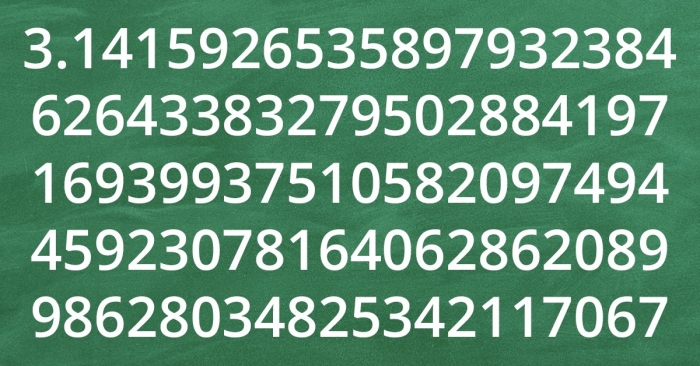
To embark on this activity, you’ll first need to list the first 100 digits of pi, which begins as follows: 3.1415926535… The next step is to count how many times each digit appears. For example, in the first 100 digits, the digit ‘1’ appears 12 times while ‘9’ appears 10 times. This counting exercise not only sharpens analytical skills but also encourages attention to detail.
Once the frequencies are recorded, the next phase is to visualize this data through graphs. Creating a bar graph is an excellent way to represent the frequency of each digit. Each bar should correspond to a digit, with the height representing its frequency. This visual representation allows students to quickly compare the data and see which digits are more prevalent. Graphing the frequency of each digit in the first 100 digits of pi can enhance comprehension of basic graphing concepts, making it a practical activity for seventh graders.
For those needing a structured approach, printable worksheets can be a valuable resource. You might consider exploring worksheets that focus on data collection and graphing, such as the figurative language worksheets or alliteration exercises. These resources can provide additional practice in data representation.
Ultimately, graphing the frequency of digits in pi not only enhances math skills but also builds confidence in handling data. As students engage with numbers in this fun, interactive way, they are likely to develop a lasting appreciation for mathematics and its practical applications.
Download These Worksheets for Practice