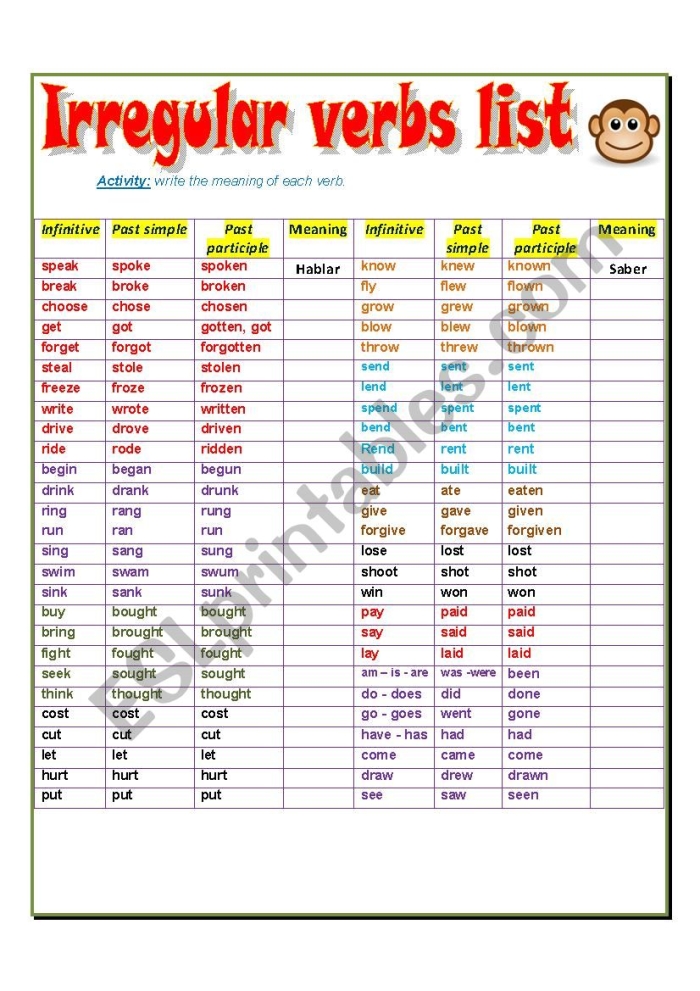
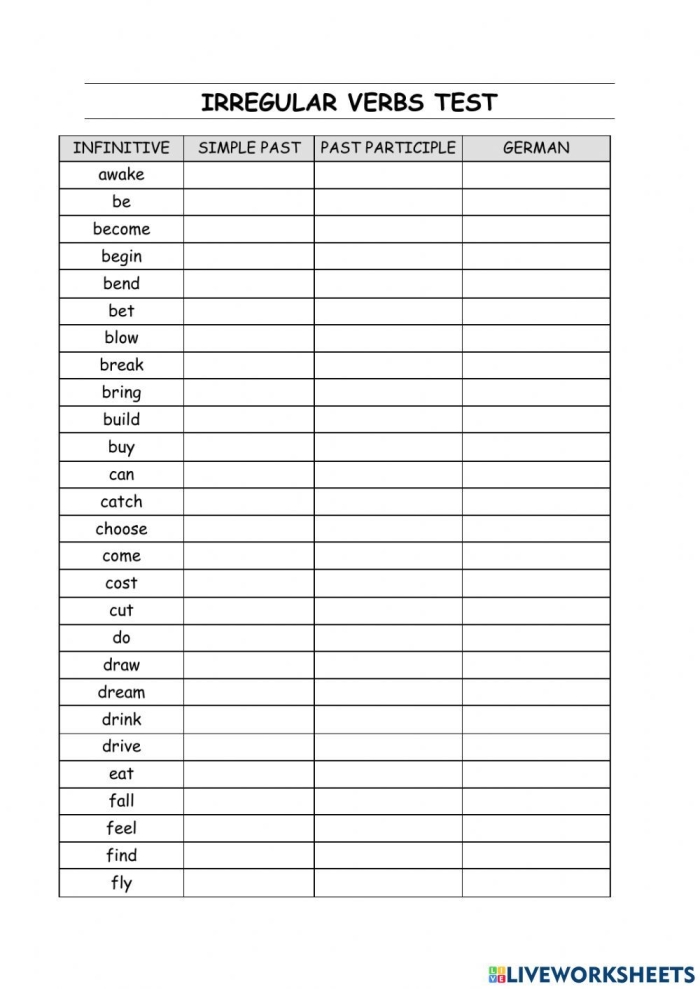
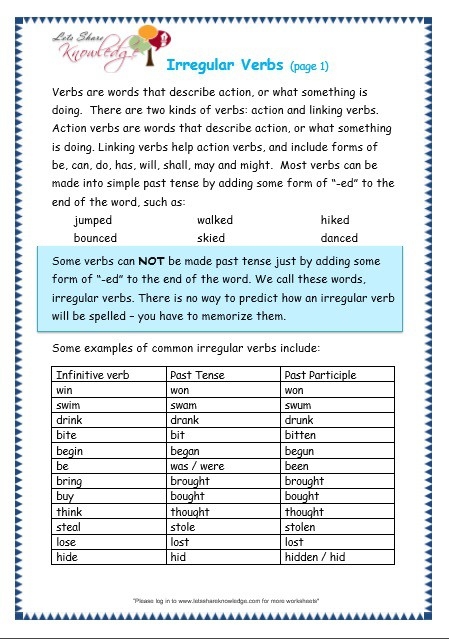
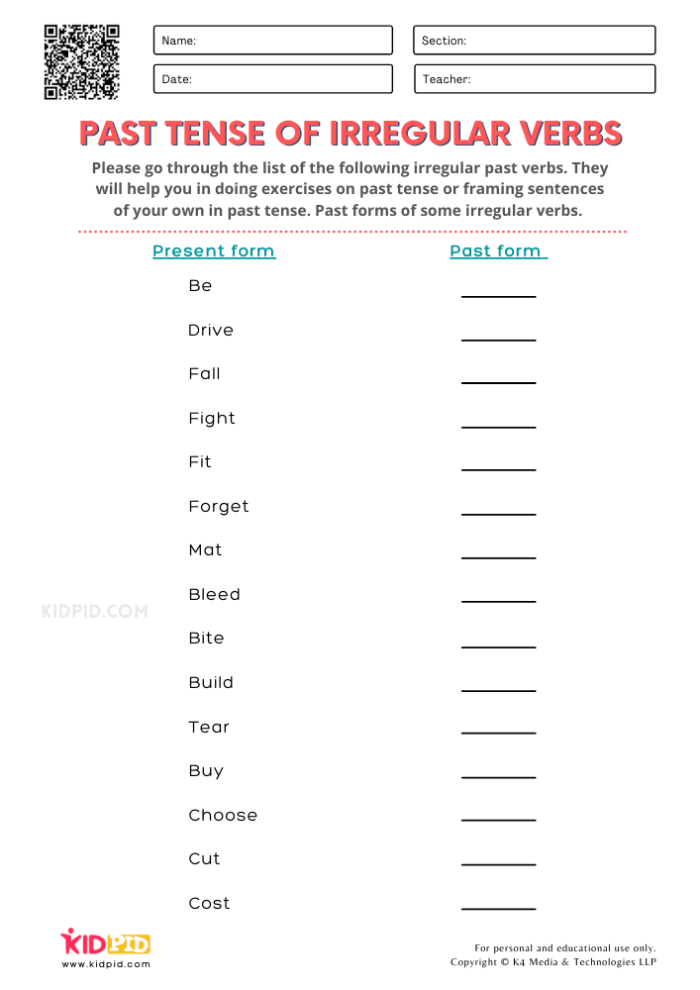
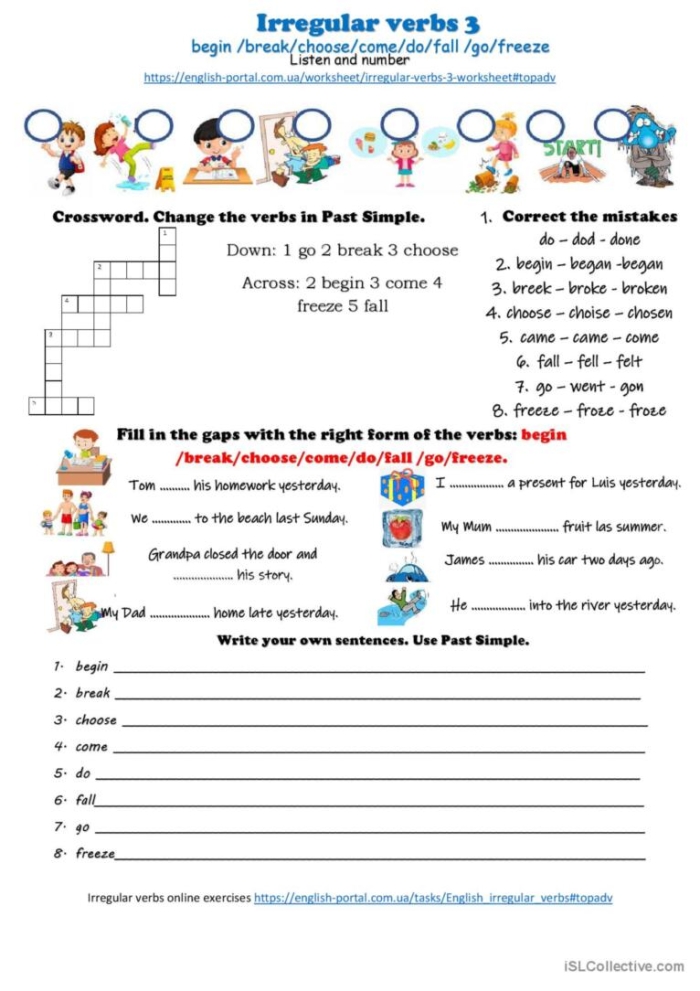
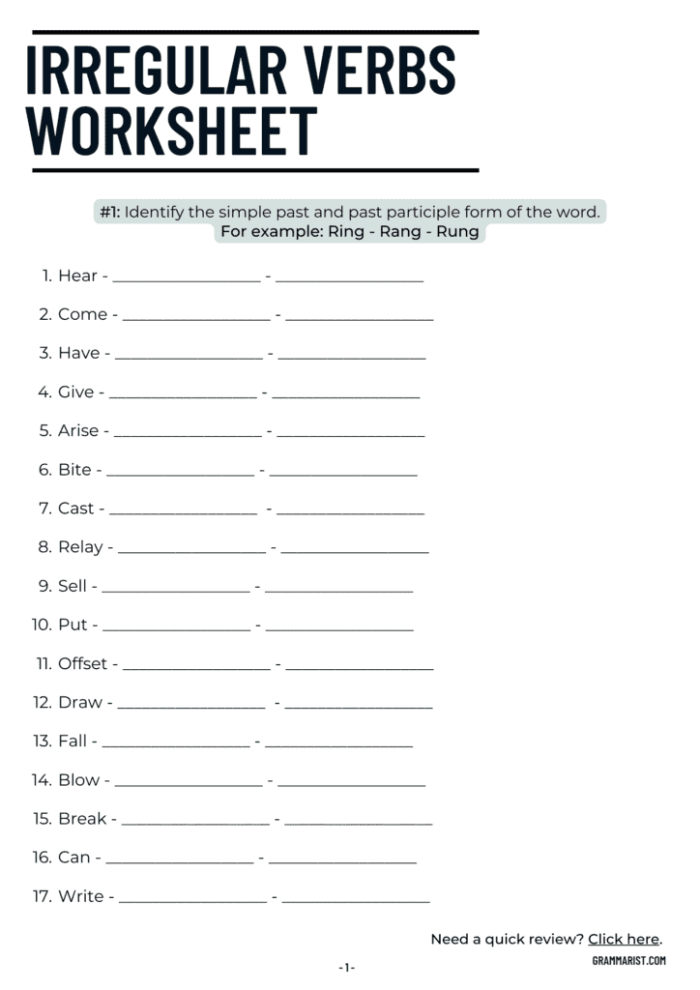
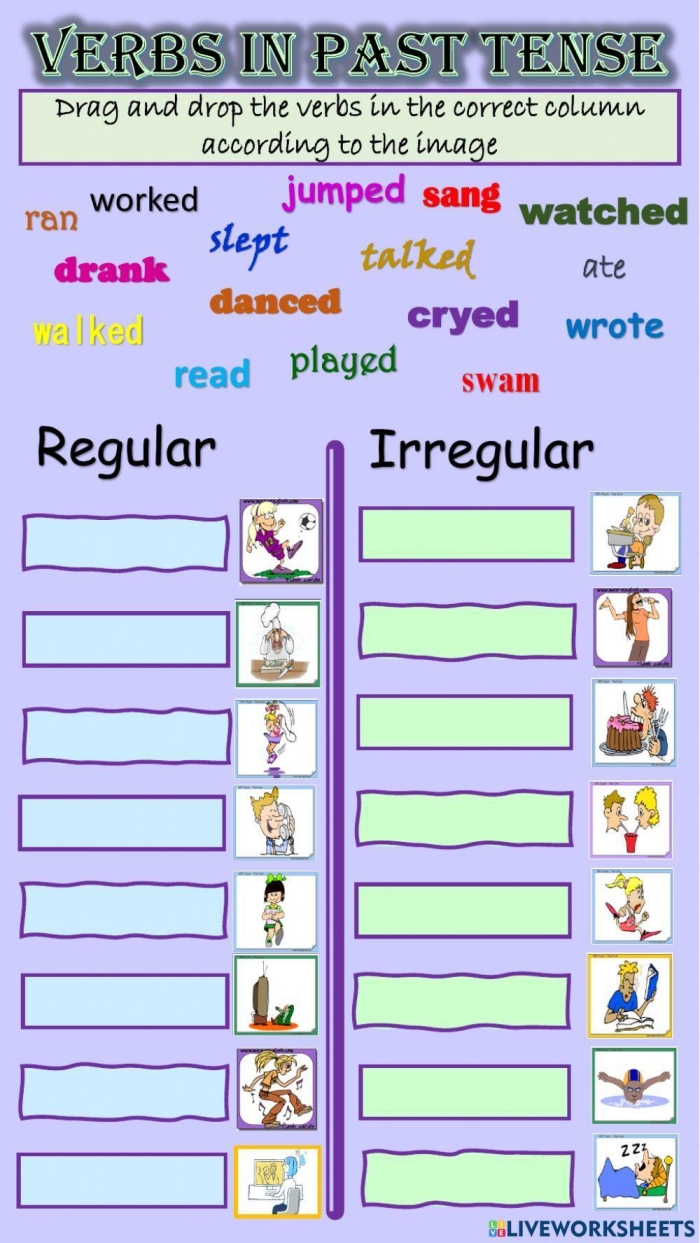
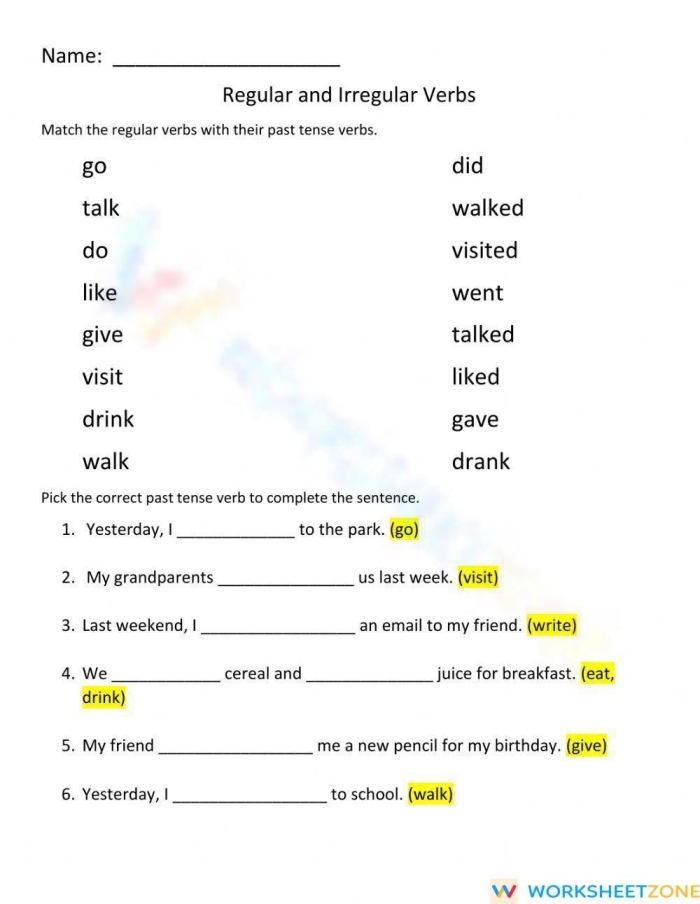
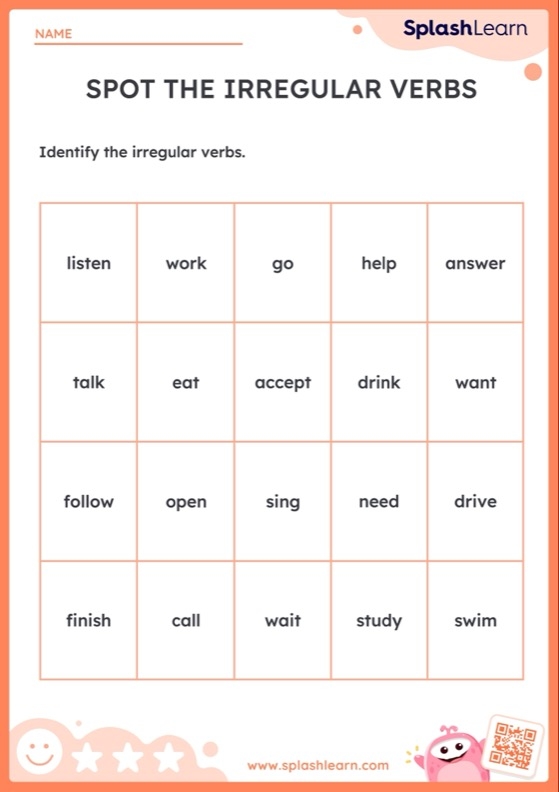
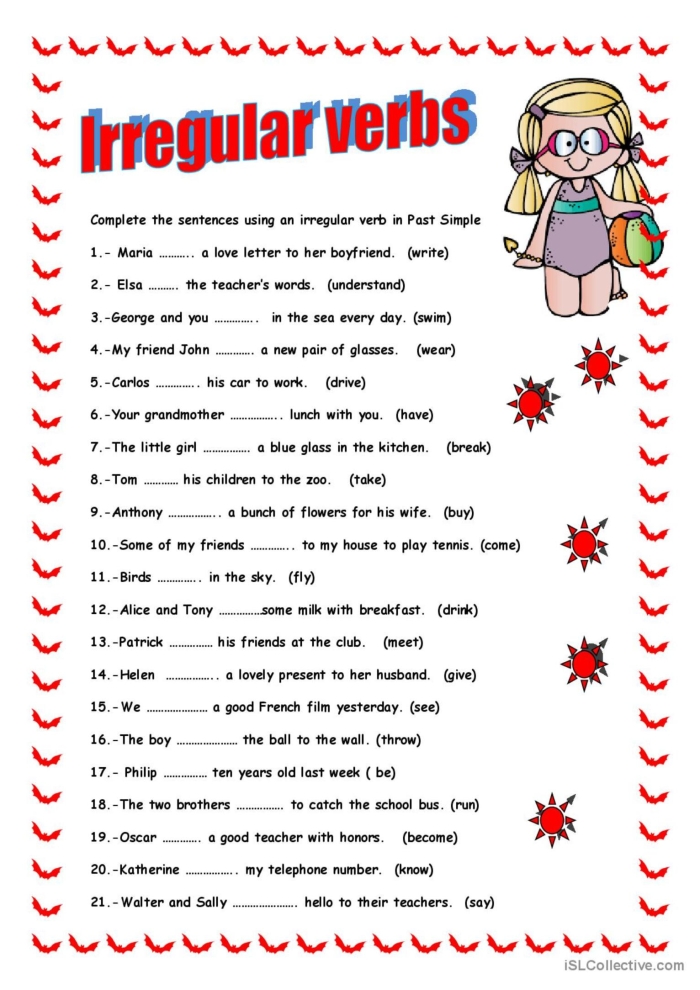
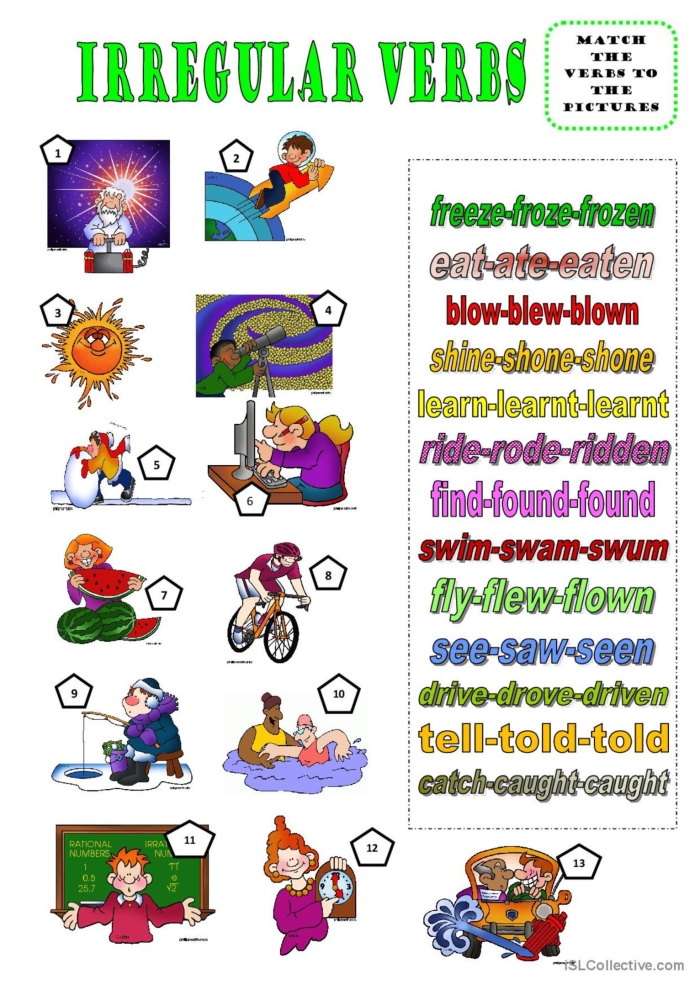
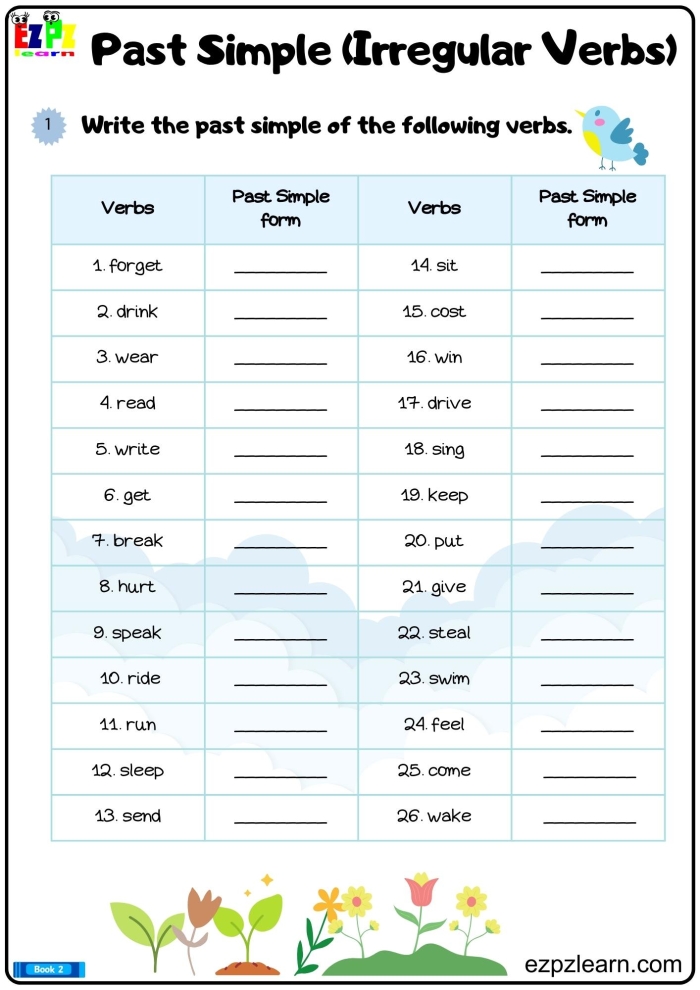
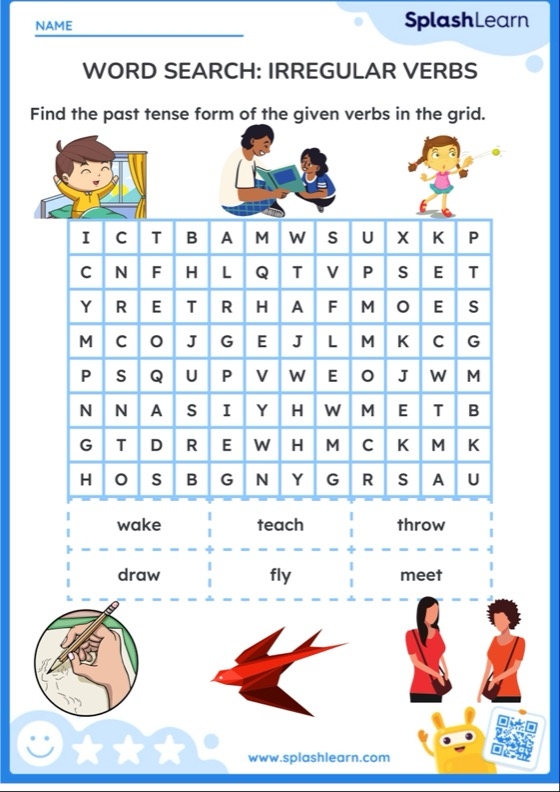
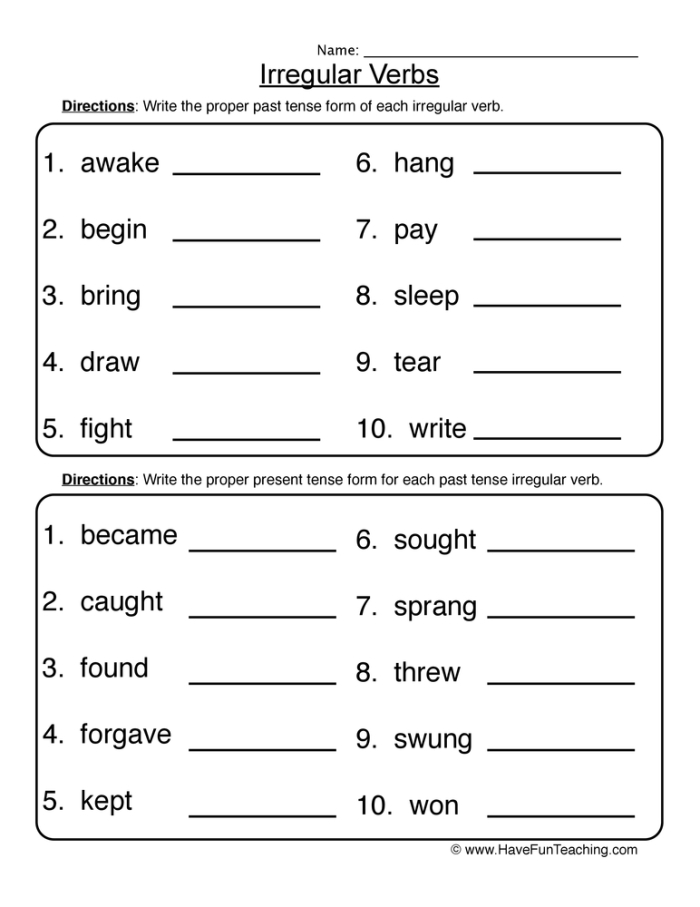
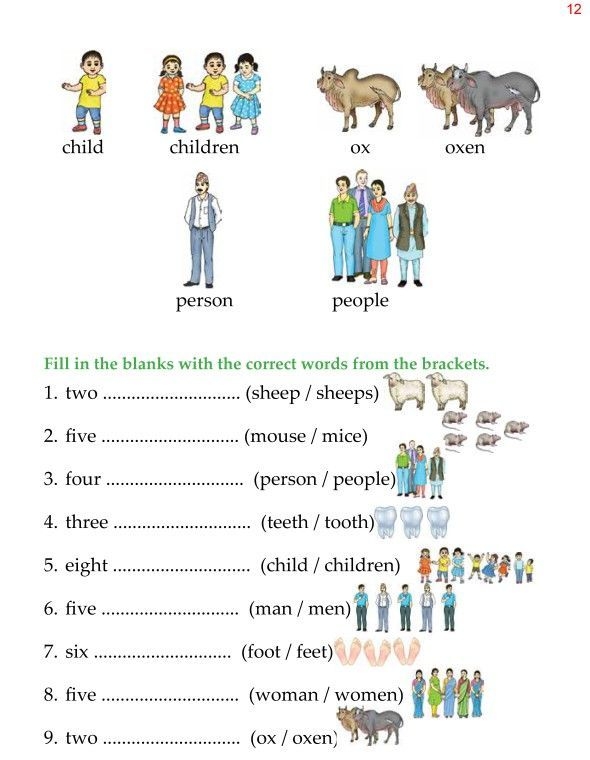
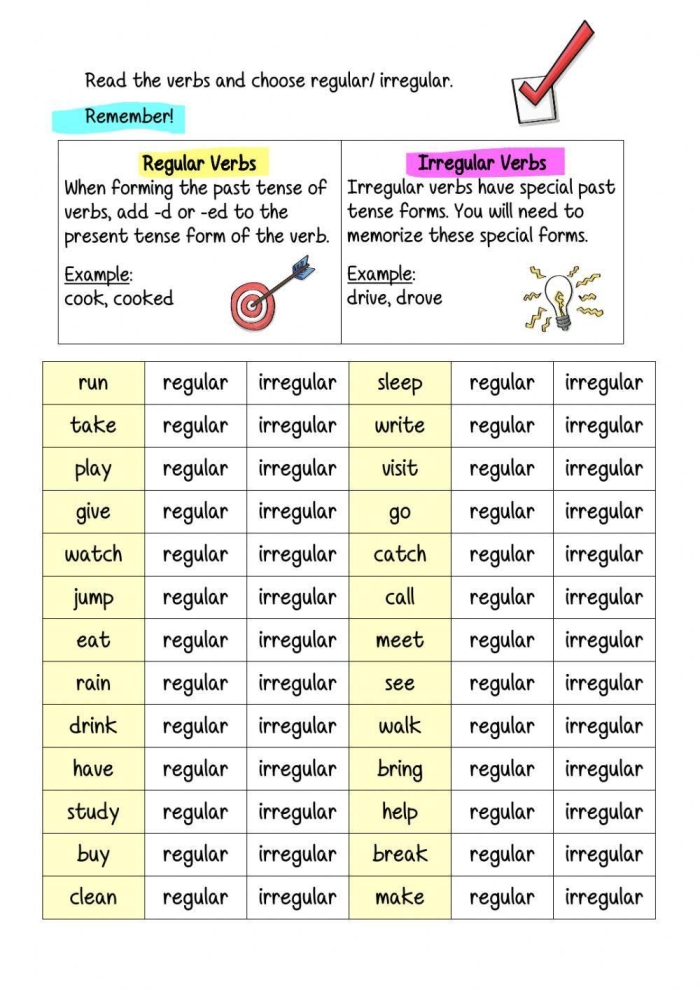
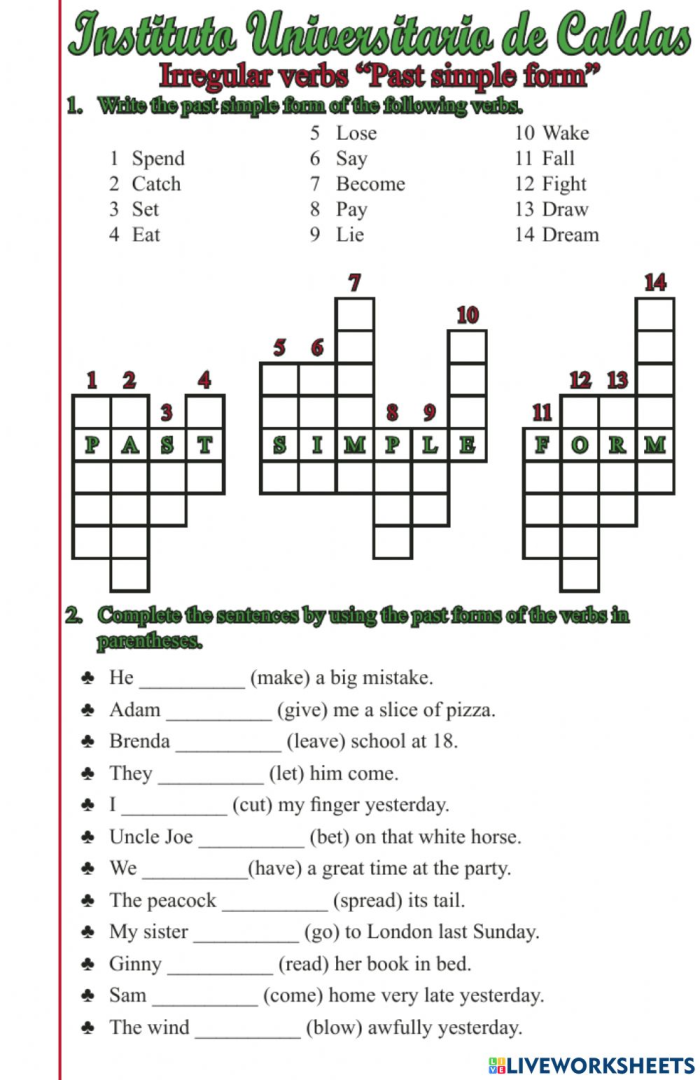
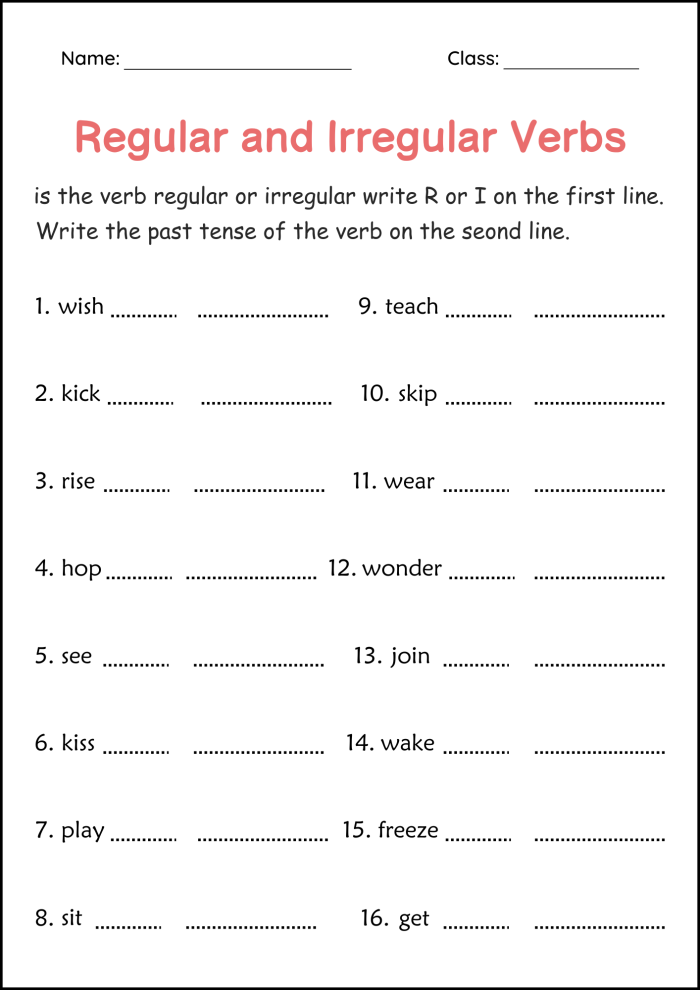
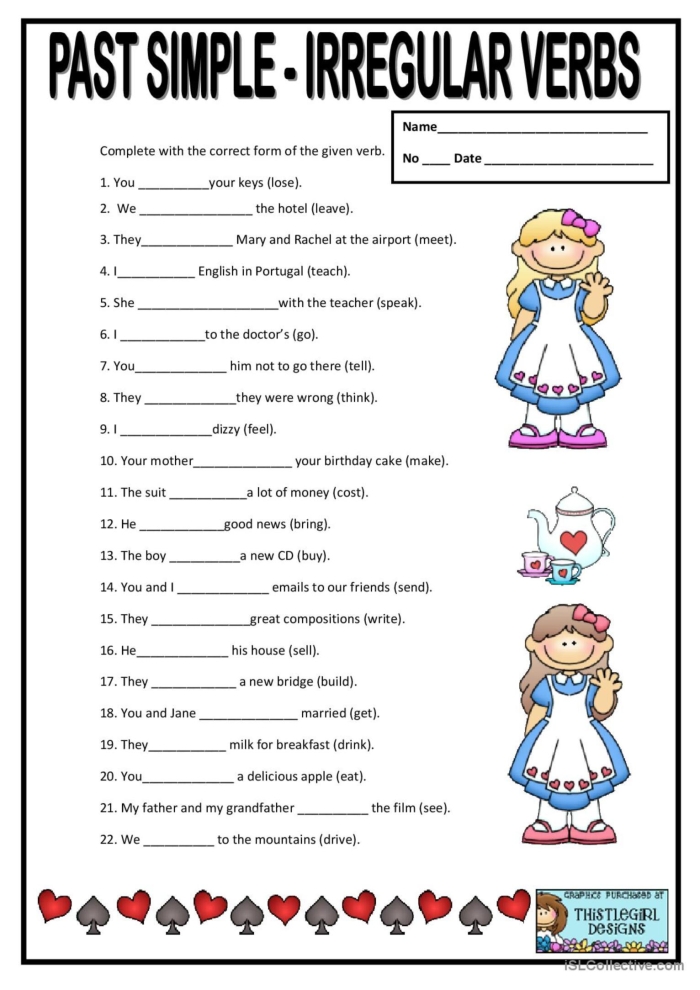
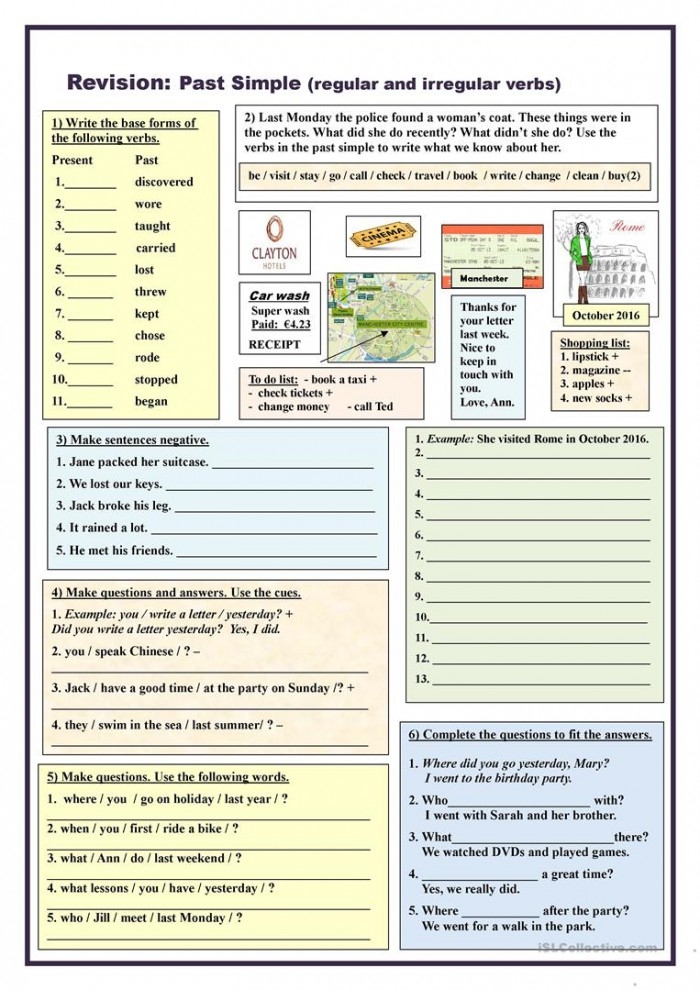
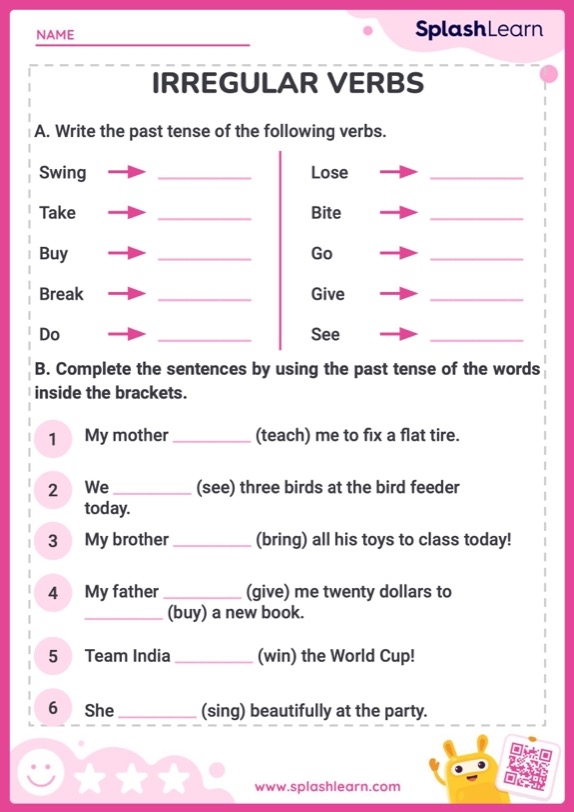
Teaching second graders about irregular verbs can be both fun and rewarding. One of the most effective ways to help children grasp these essential verbs is through engaging activities like fill-in-the-blank worksheets. Focusing on the verbs “to be,” “to do,” and “to have” provides a solid foundation while making learning enjoyable.
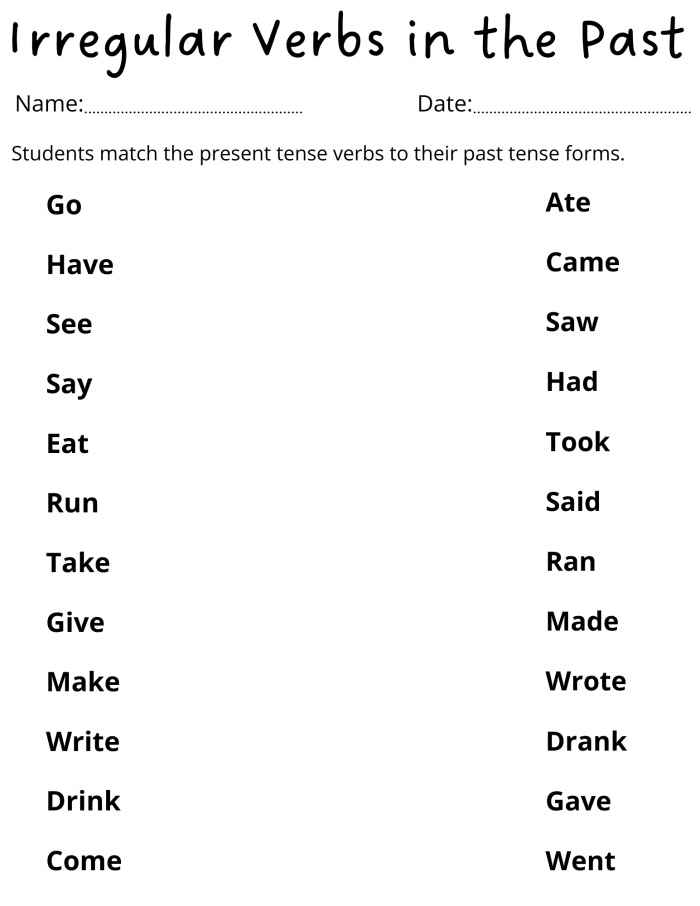
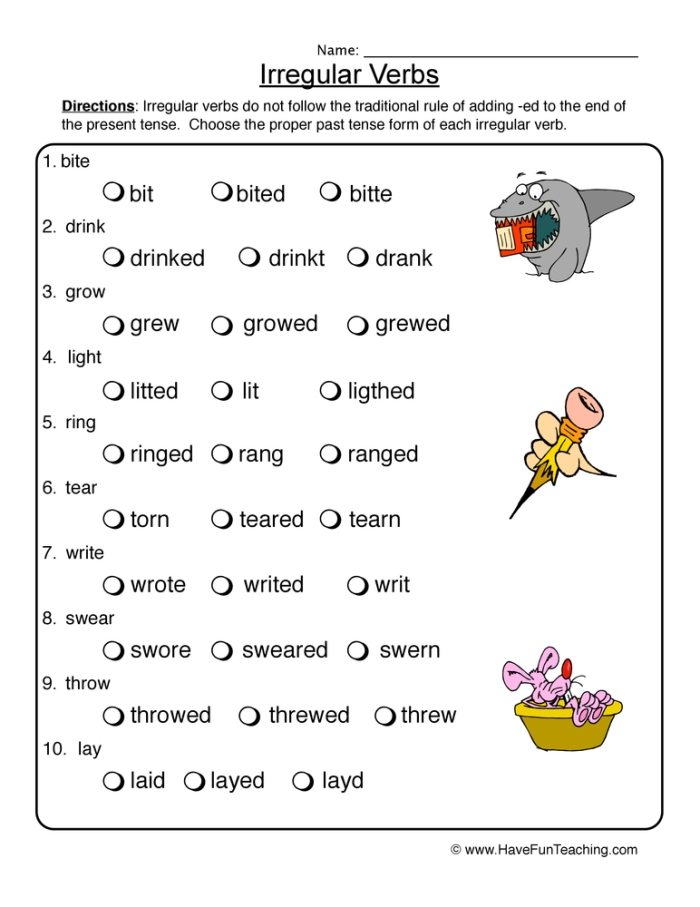
Irregular verbs do not follow the regular patterns of conjugation, which can confuse young learners. For instance, while most verbs simply add an “ed” to form the past tense, “to be” changes to “was” or “were,” “to do” becomes “did,” and “to have” turns into “had.” This is where a fill-in-the-blank worksheet can be particularly useful. It encourages students to think critically about each verb and its context, reinforcing their understanding through practice.
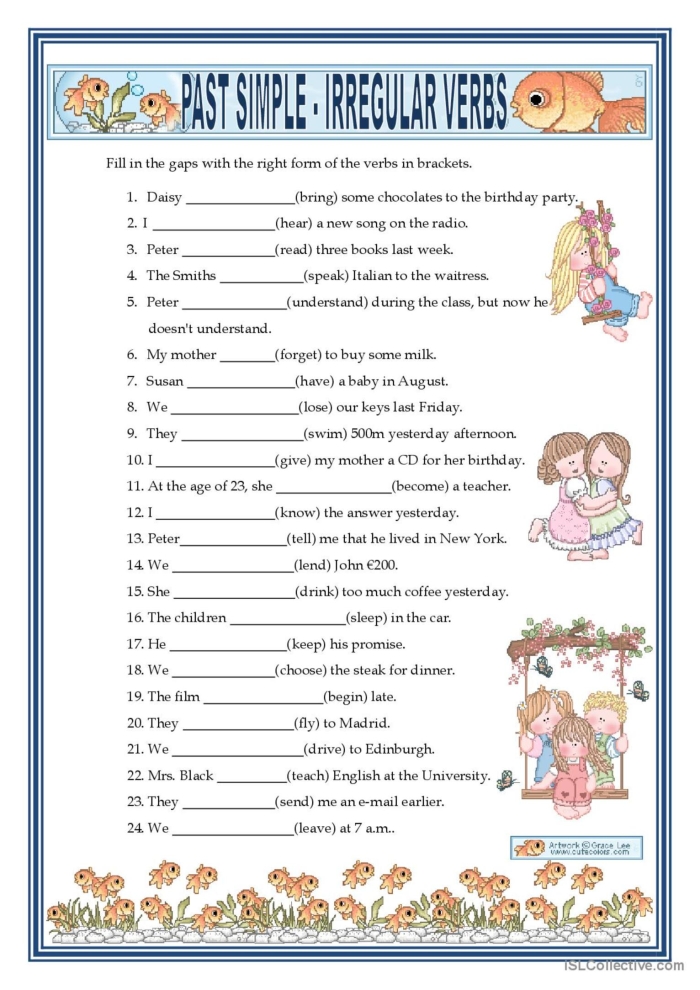
These worksheets can be tailored to include sentences that are relatable to second graders. For example, “I ____ (to be) happy,” or “She ____ (to have) a big smile.” By completing these sentences, children not only learn the correct forms of the verbs but also how to use them in everyday situations. This practical approach helps solidify their grasp of grammar, making it easier for them to express themselves accurately.
In addition, incorporating these worksheets into your teaching routine can complement other subjects, such as decimals and even storytelling. For example, while discussing the water cycle, you might say, “Yesterday, it ____ (to be) rainy,” connecting language skills with science and encouraging deeper learning.
Providing second graders with printable grammar time worksheets, like those found on Lumina Worksheet’s website, can significantly enhance their grammar skills. Such resources are specifically designed for their grade level, making the learning experience both effective and enjoyable. Explore a variety of worksheets that also cover other subjects, like similes or algebra, to maintain a diverse and engaging curriculum.
Use These Worksheets Today