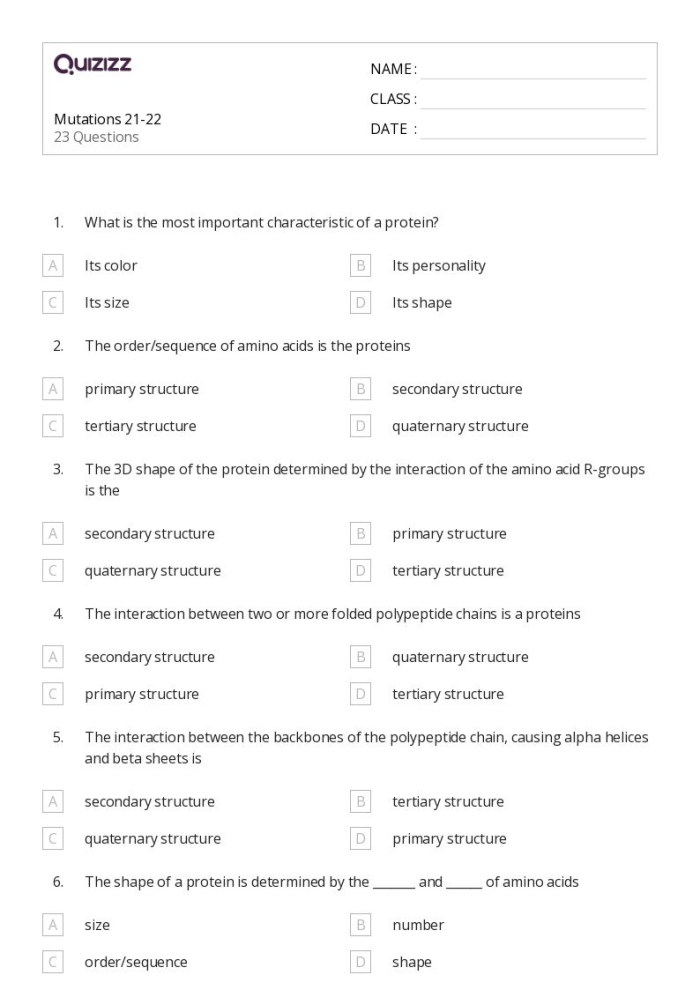
Genetic mutations shape every living organism on Earth, yet most sixth grade students encounter this concept without truly grasping how mutations actually work or why they matter. A well-designed worksheet on genetic mutations bridges that gap by walking students through real examples and asking them to think critically about cause and effect in biology.
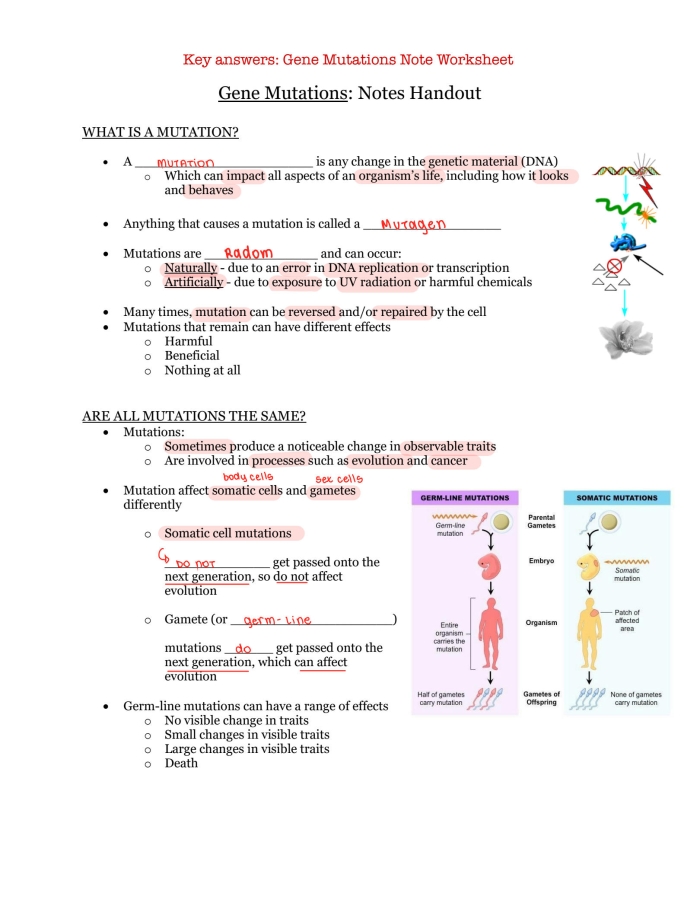
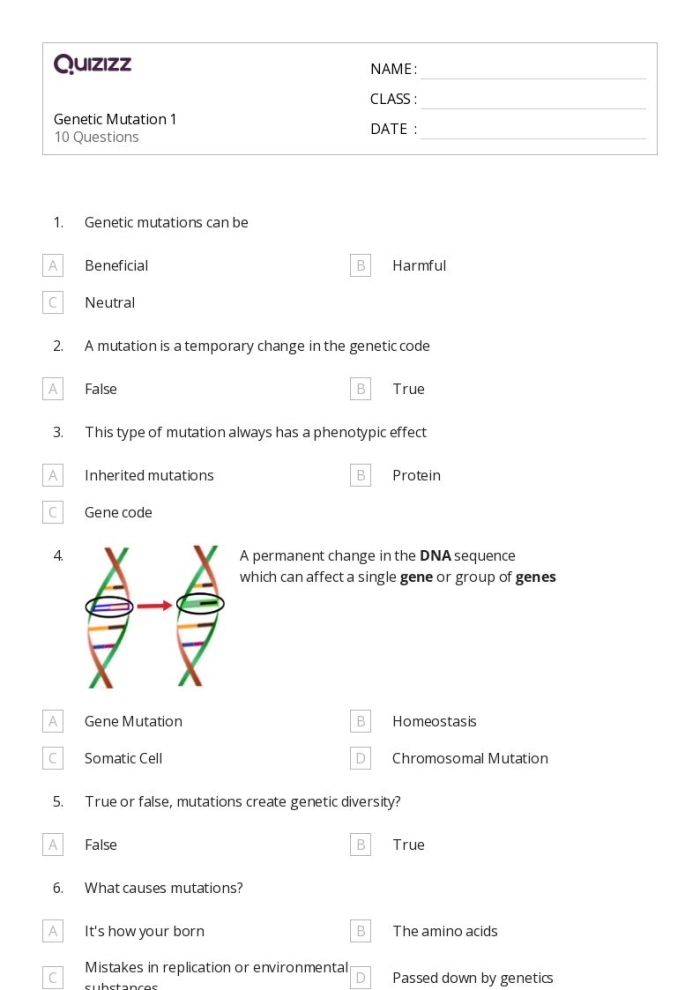
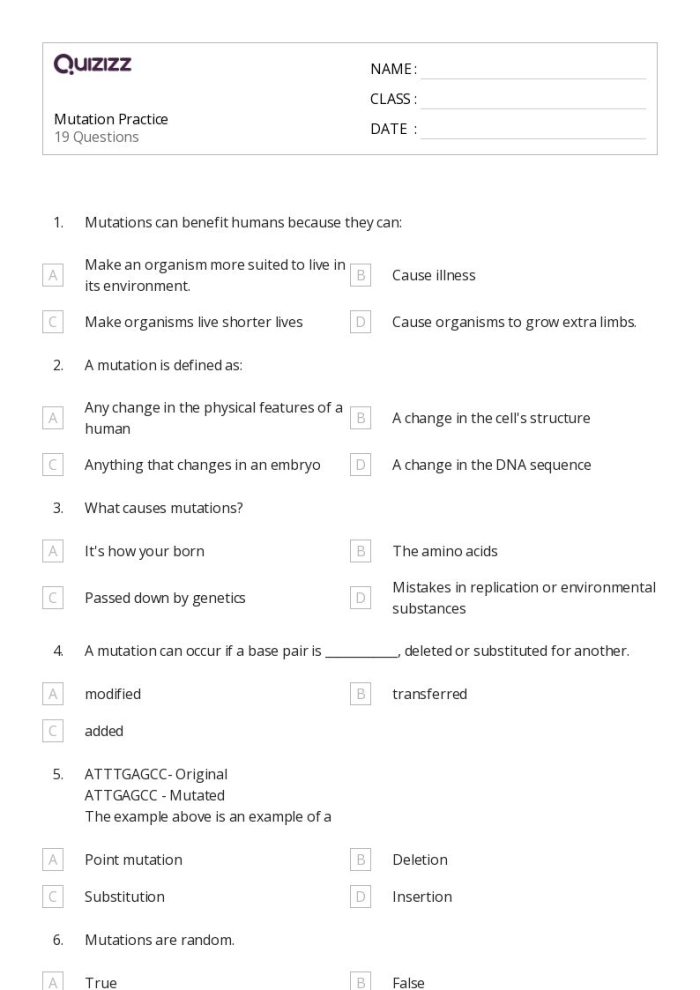
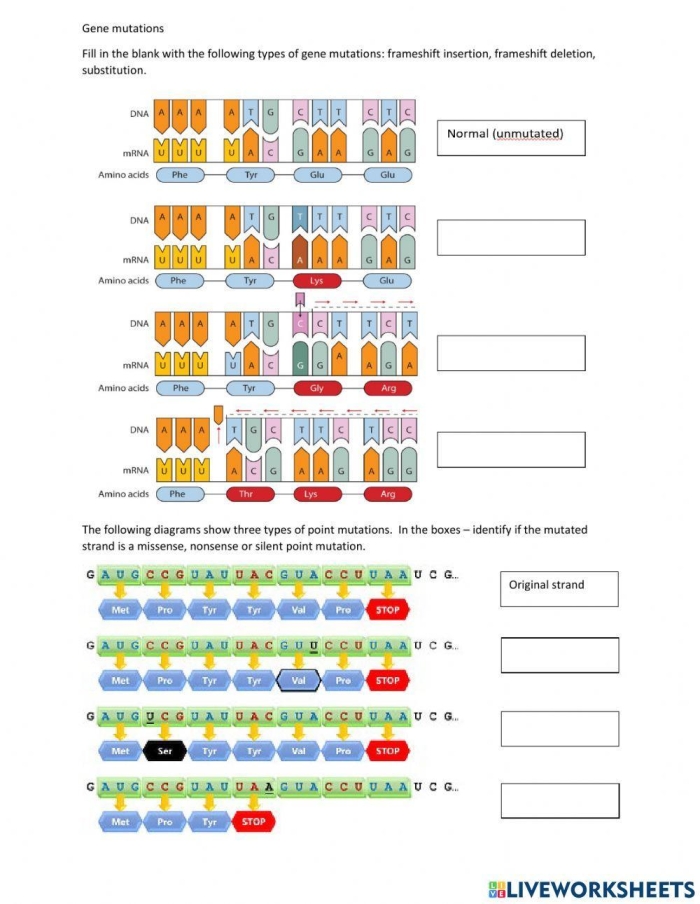
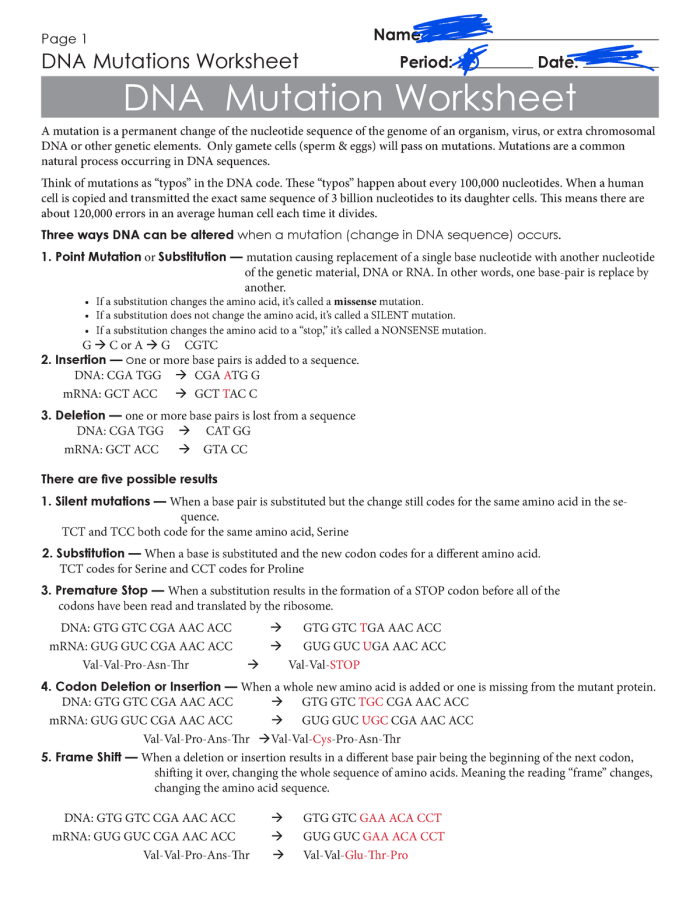
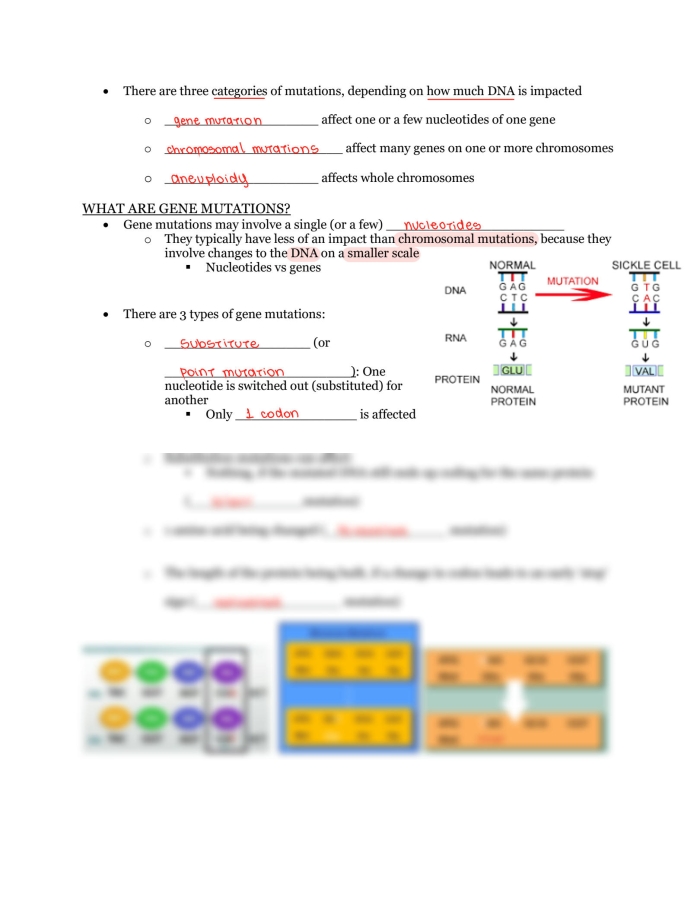
When students read about genetic mutations, they’re learning to distinguish between different types of changes that occur in DNA. Some mutations happen spontaneously during cell division, while others result from environmental exposure like radiation or chemicals. The key insight for sixth grade reading comprehension is understanding that not all mutations harm organisms. Some are neutral, some are beneficial, and only some are harmful. A sickle cell mutation, for instance, offers protection against malaria in certain populations, even though it can cause health complications in others.
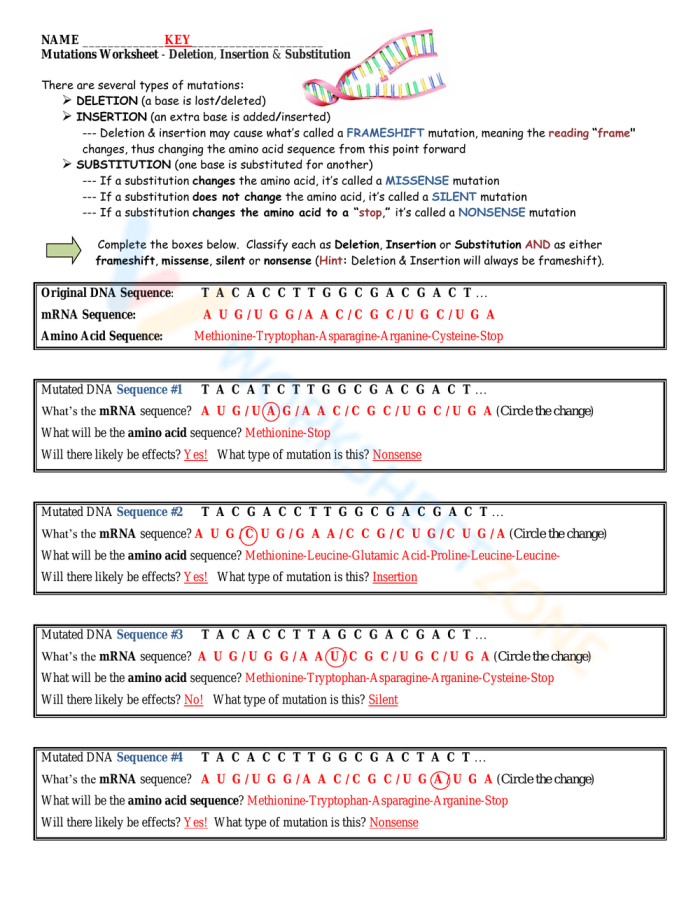
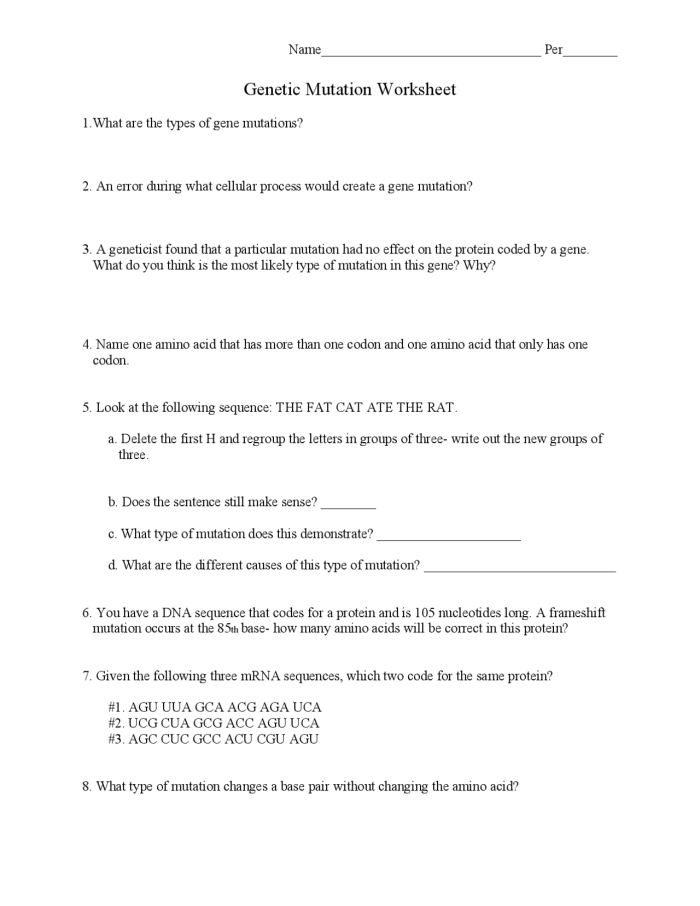
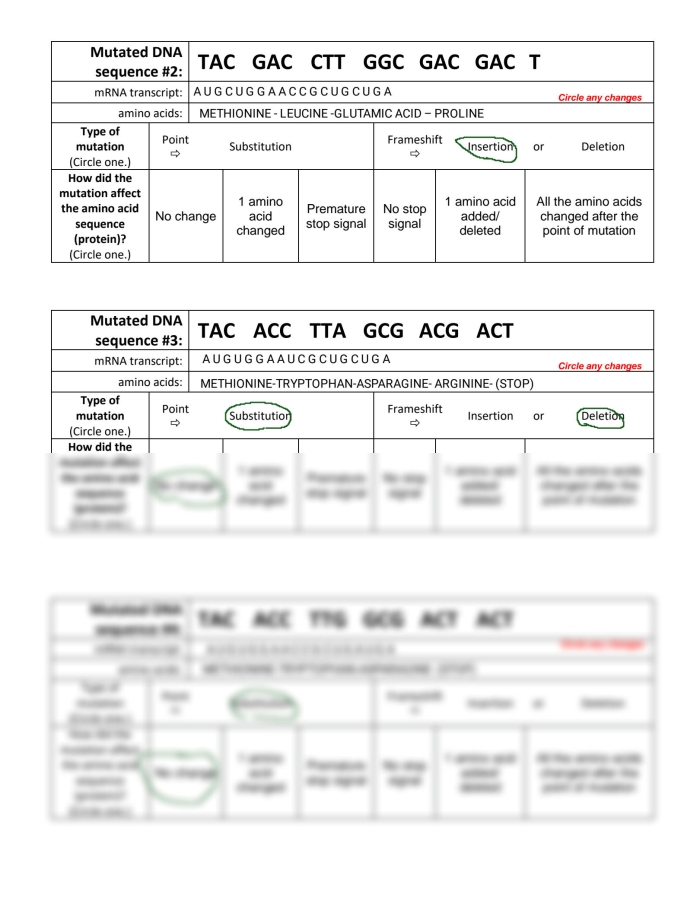
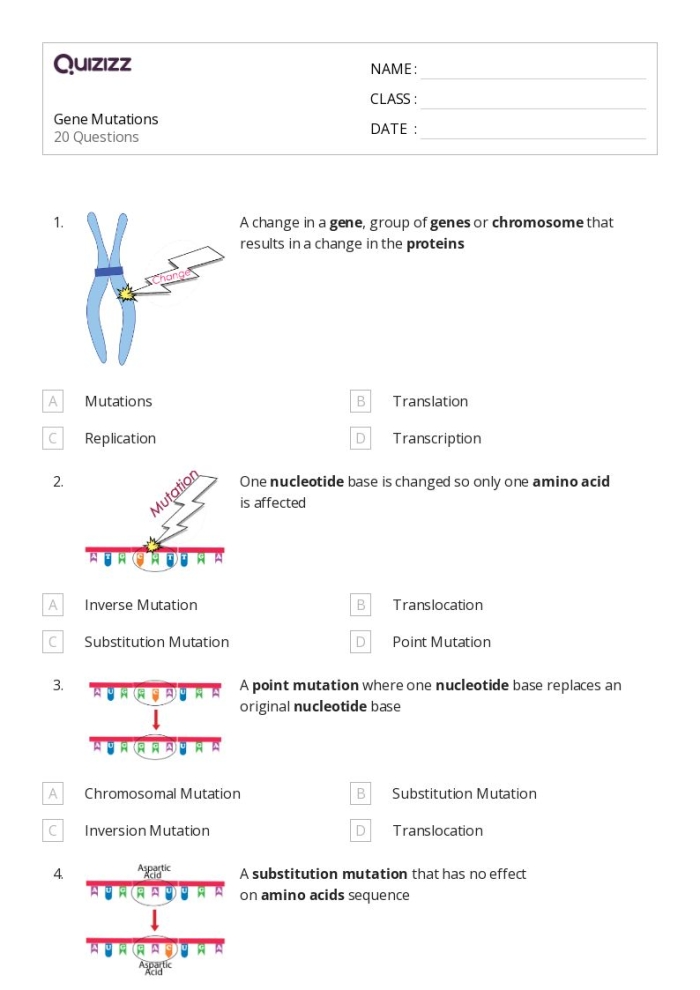
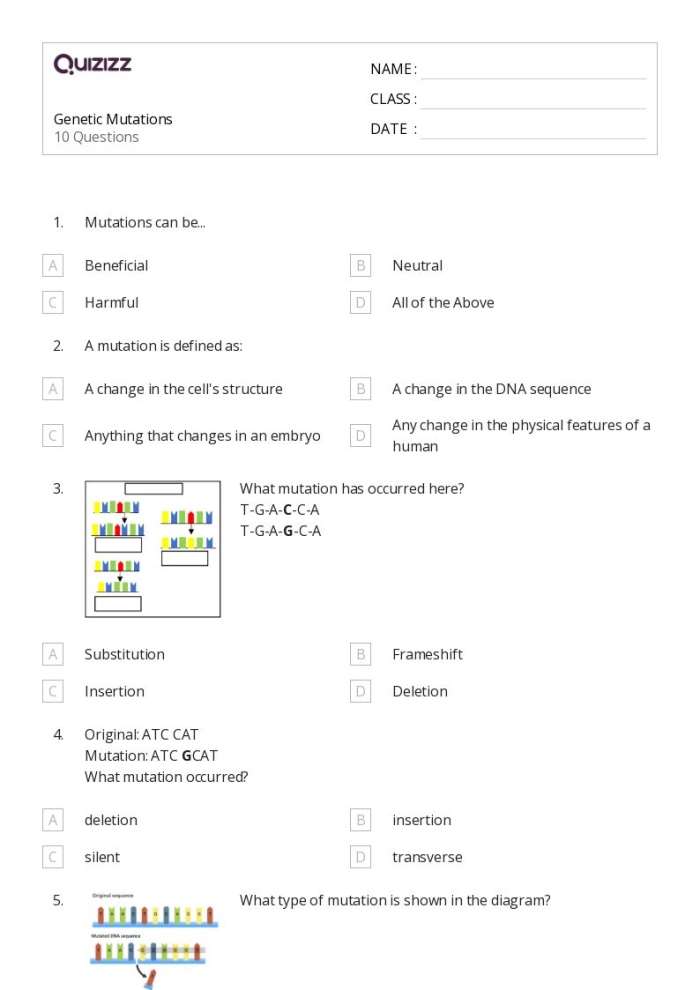
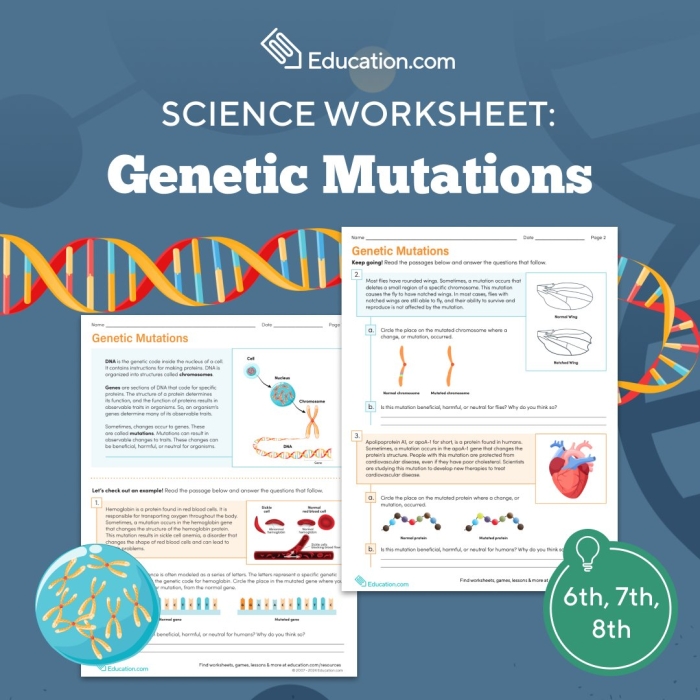
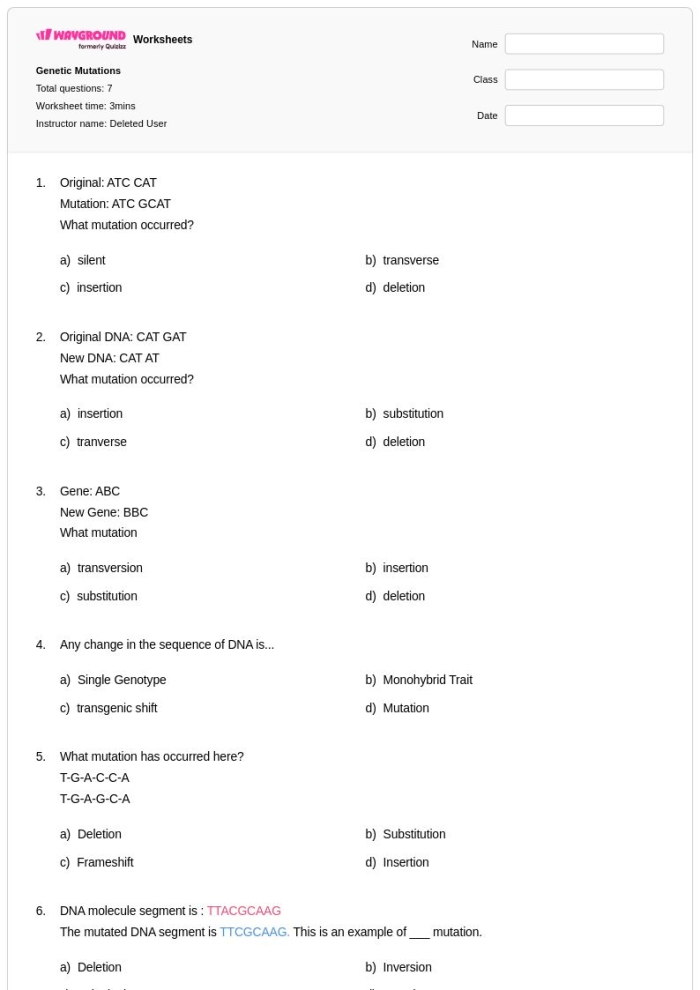
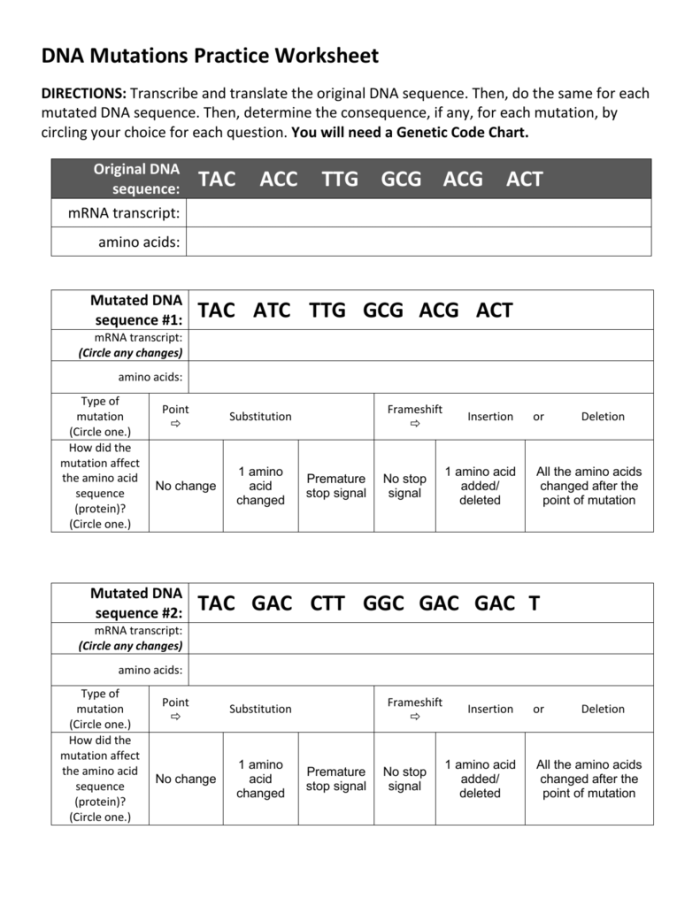
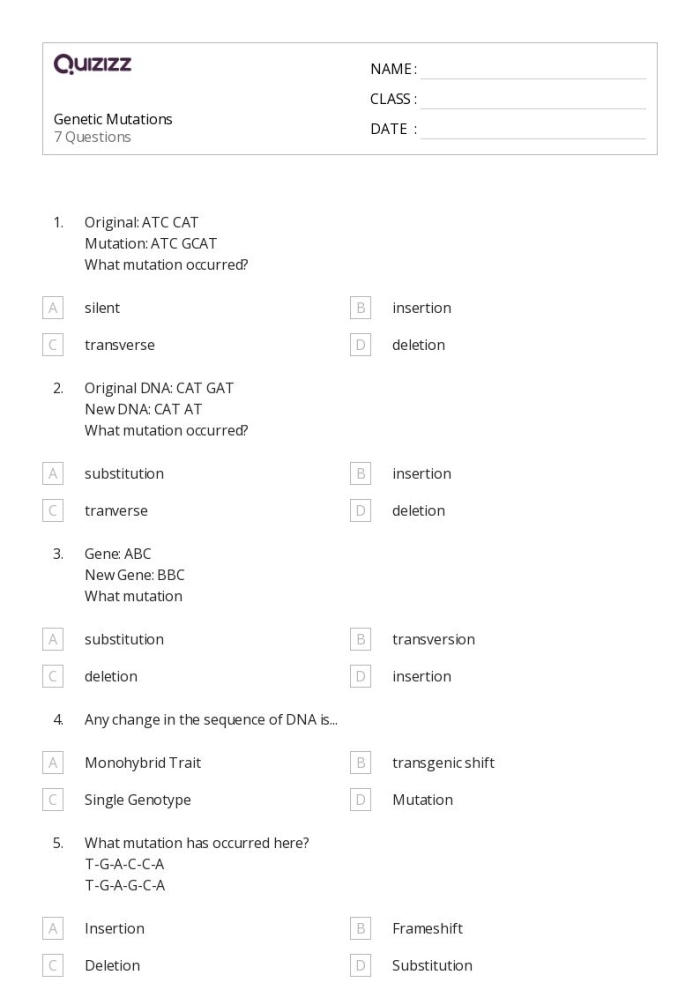
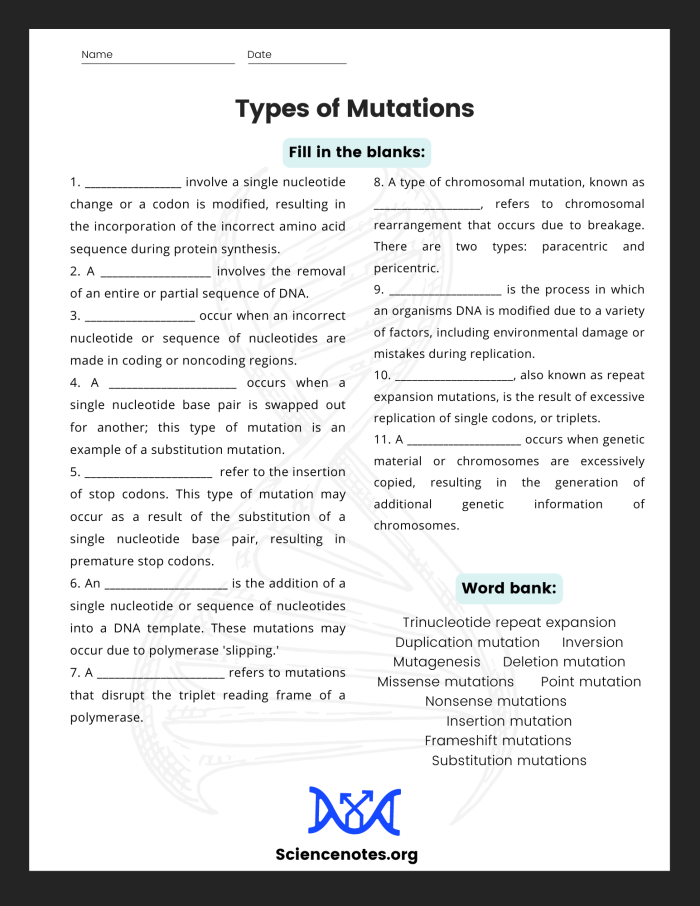
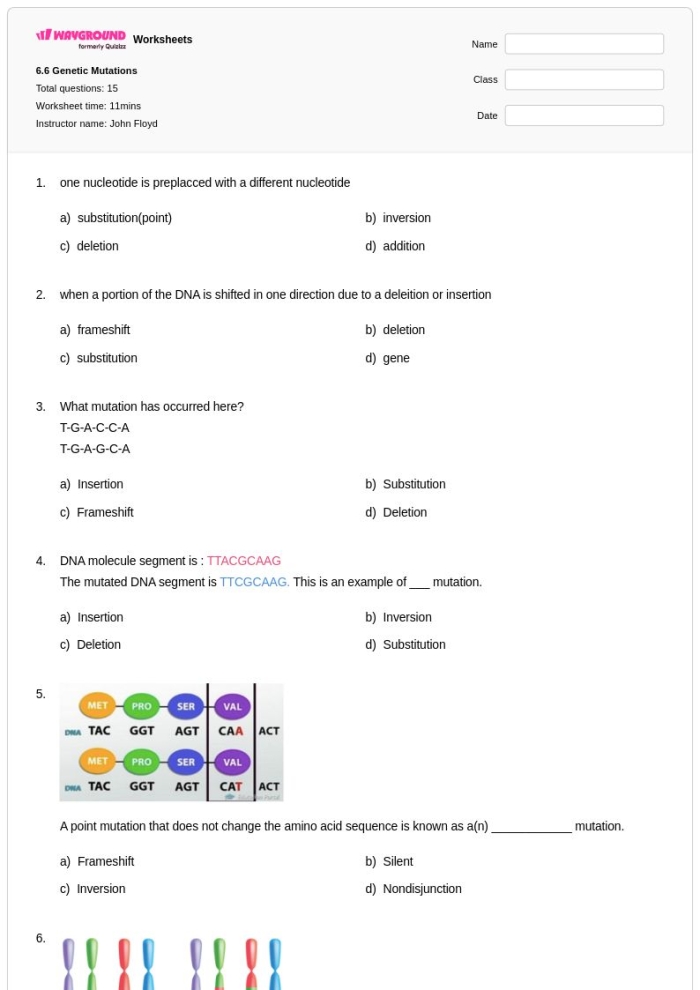
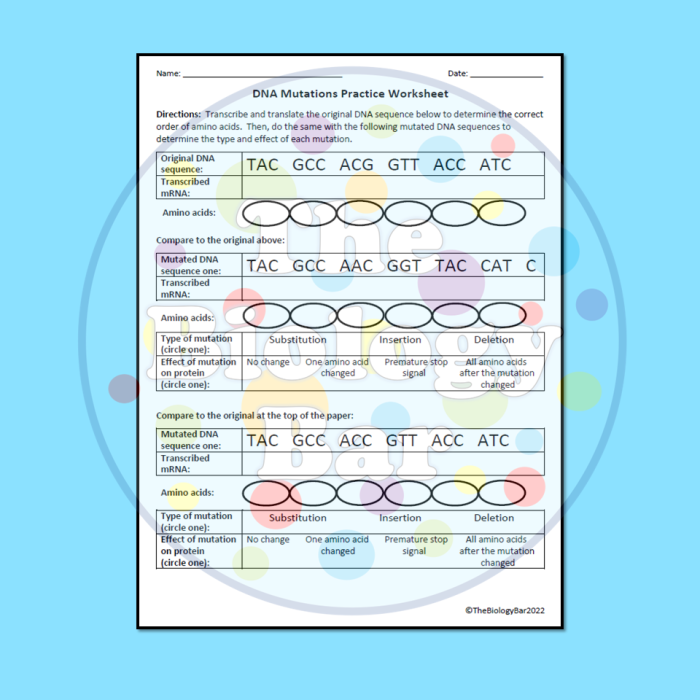
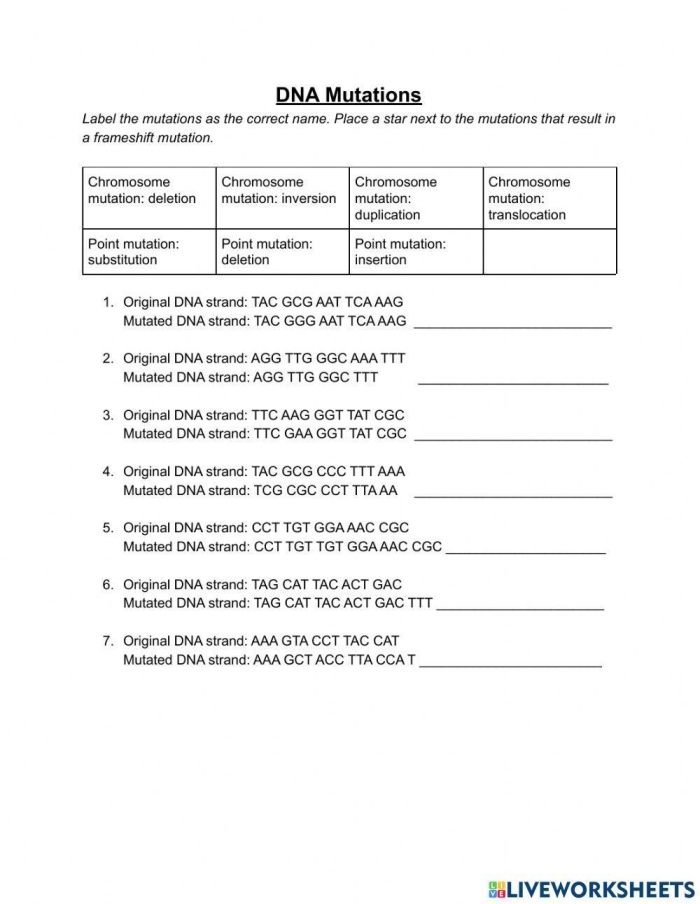
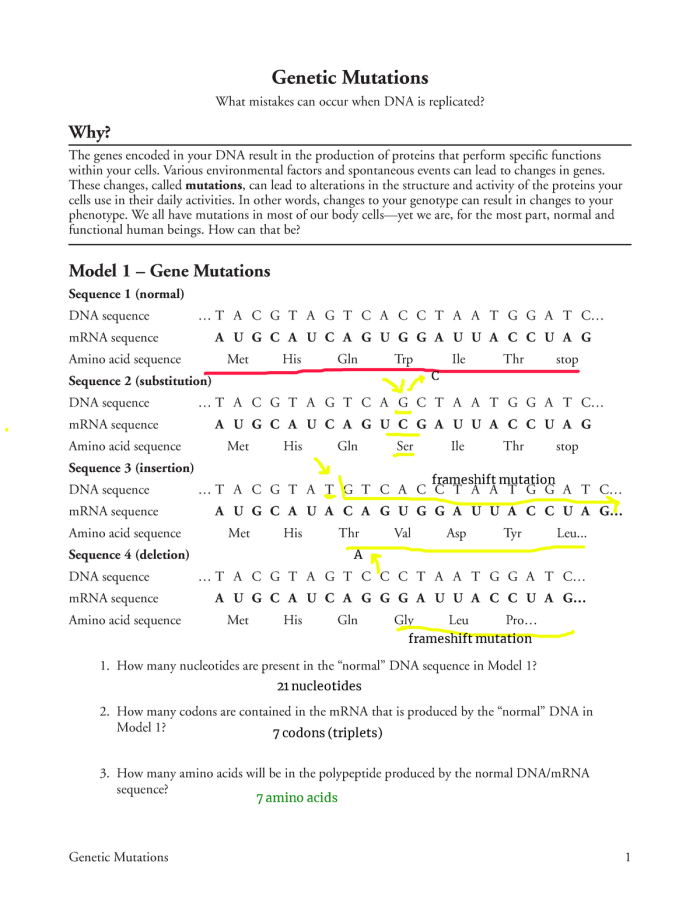
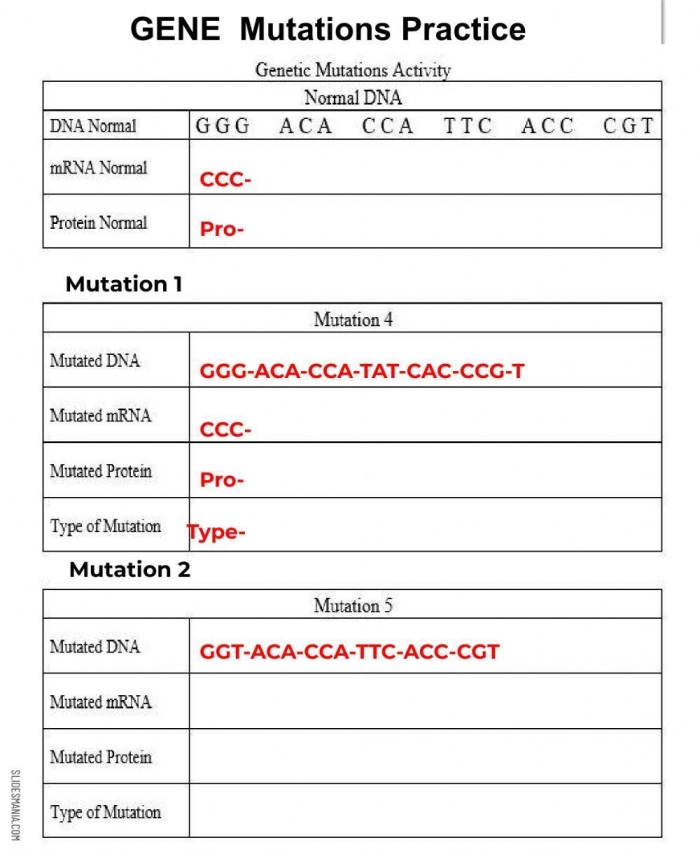
Printable genetic mutations worksheets typically guide students through case studies or scenarios where they identify how specific mutations affect an organism’s traits or survival. This approach connects reading skills with scientific reasoning. Students must extract information from text, interpret what they’ve learned, and apply it to new situations. This mirrors the kind of analytical work required in other subjects, such as when students practice analyzing characters in literature or examining an author’s purpose in nonfiction texts.
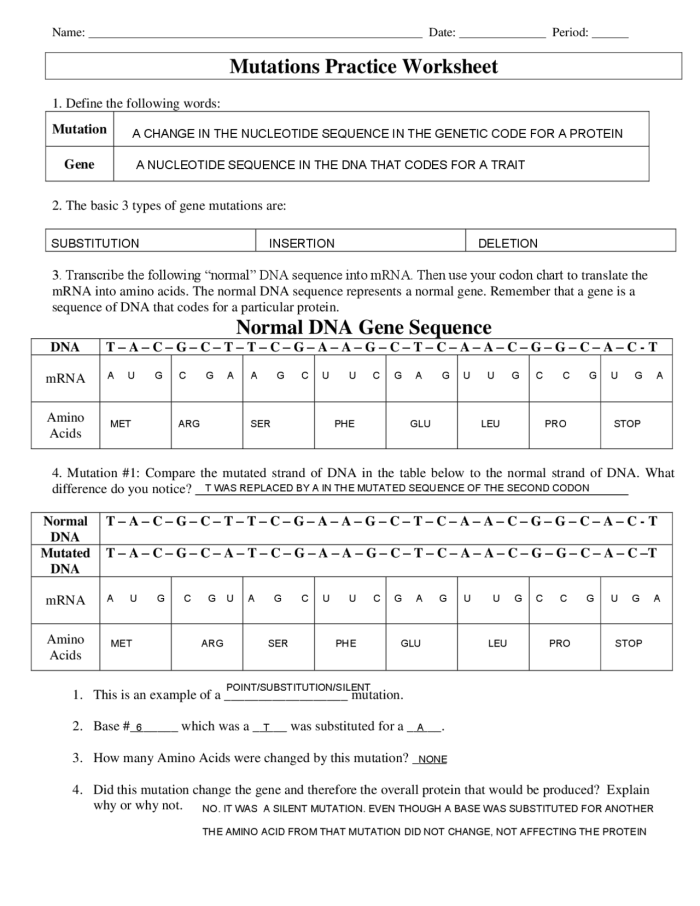
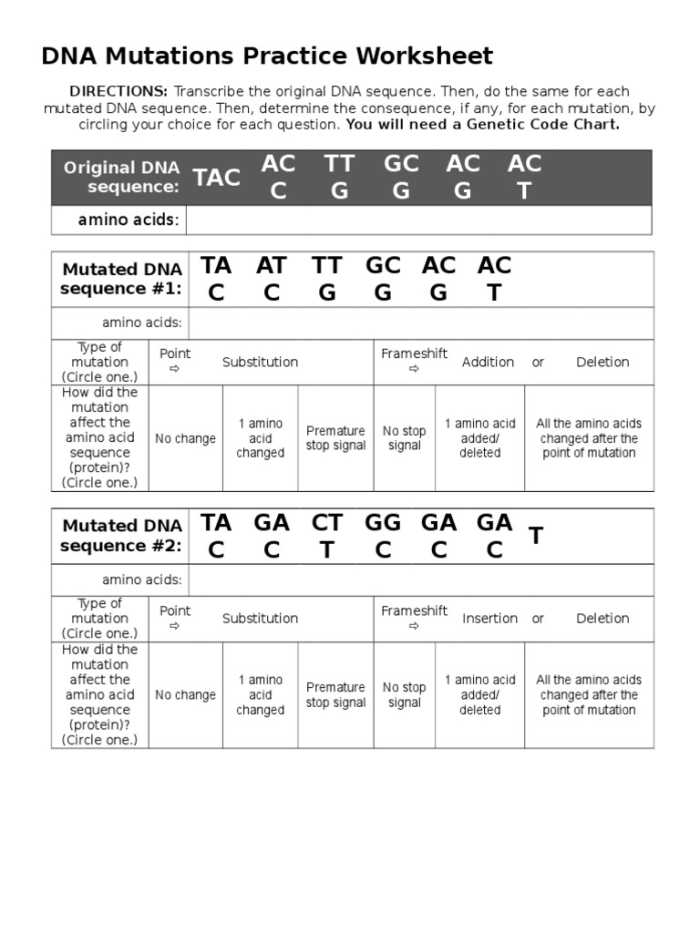
The engagement factor in these worksheets comes from making mutations tangible. Rather than memorizing definitions, students see how a single change in a DNA sequence can produce visible differences in organisms. They learn that mutations are the raw material for evolution itself. By the end of the worksheet, students understand mutations not as random errors to fear, but as natural processes that drive genetic diversity across species.
Use These Worksheets Today