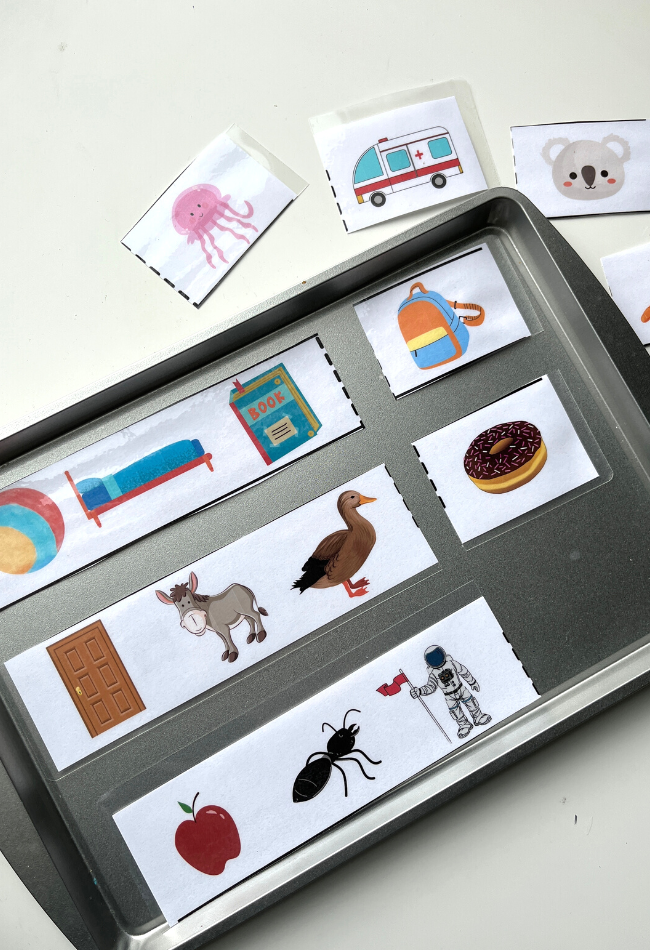
Aren’t alliterations awesome? They add a playful twist to language, making it engaging for young learners. For first graders, exploring alliterations can be a fun phonics activity that enhances their writing skills. By playing with sounds and words, children not only develop their vocabulary but also improve their creativity.
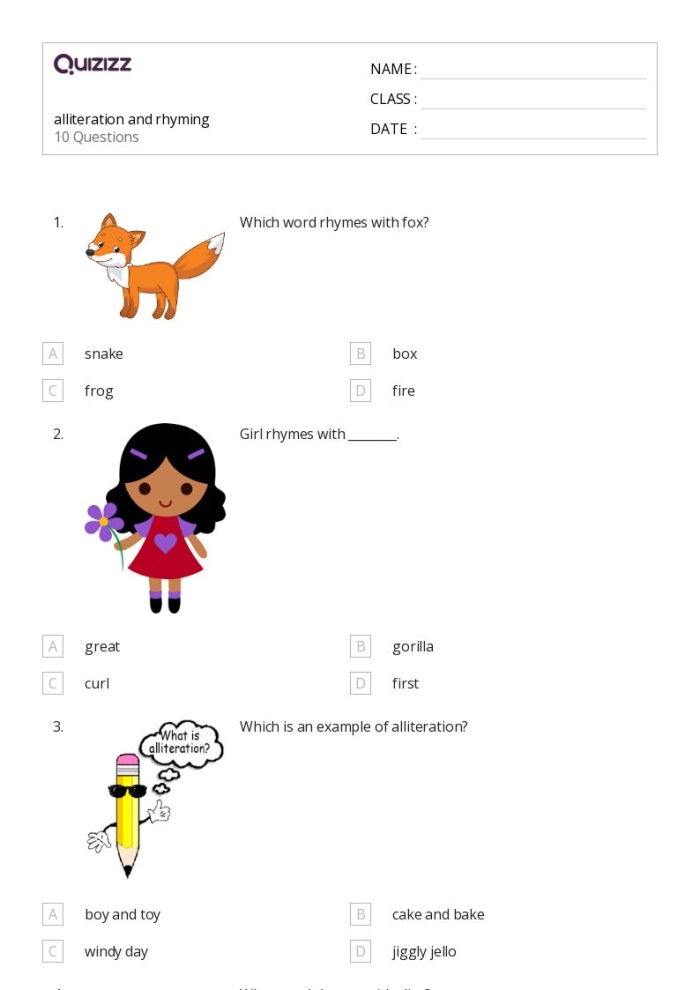
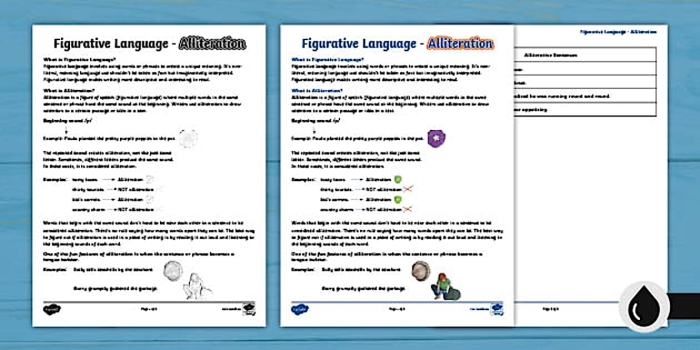
Alliteration is the repetition of consonant sounds at the beginning of words, creating a musical quality that can make phrases memorable. Think of tongue twisters like “Peter Piper picked a peck of pickled peppers.” This playful aspect of language encourages children to think critically about word choice and sound patterns. It’s not just about making sentences sound good; it’s also an excellent way to help young learners recognize phonetic sounds, which is a fundamental skill in early literacy.
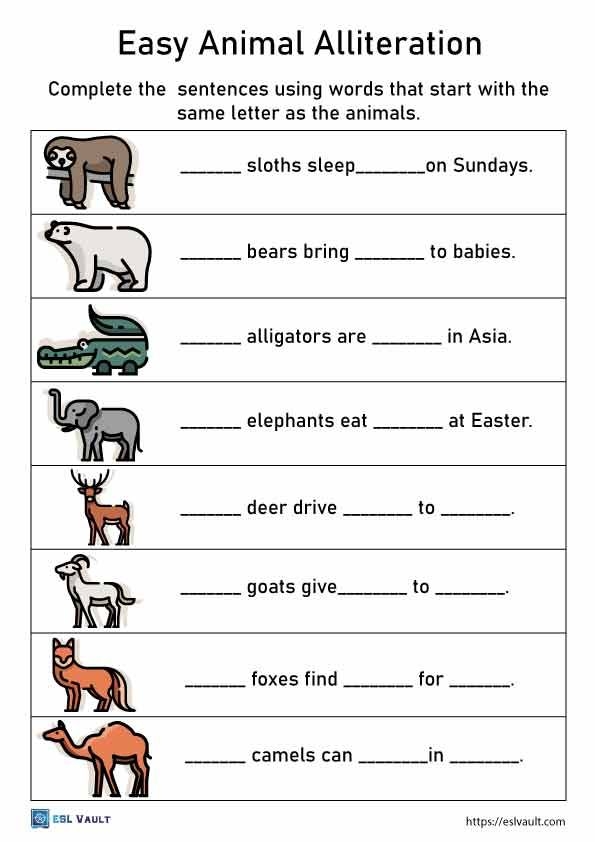
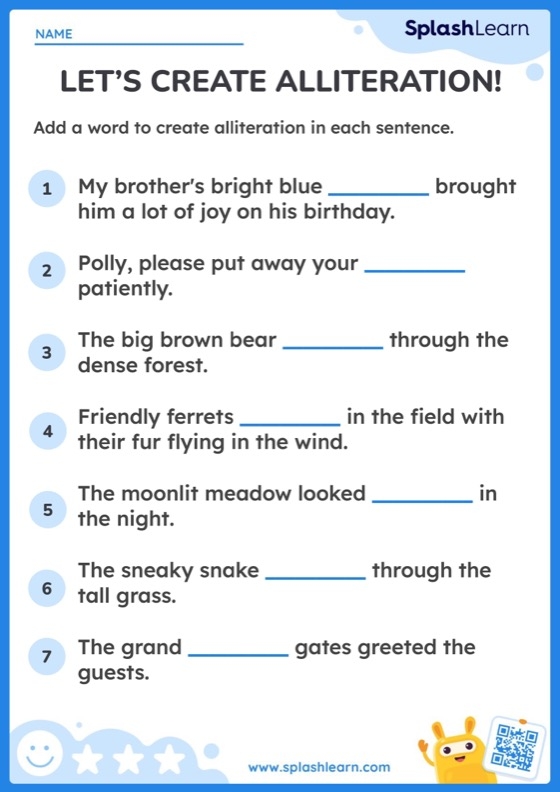
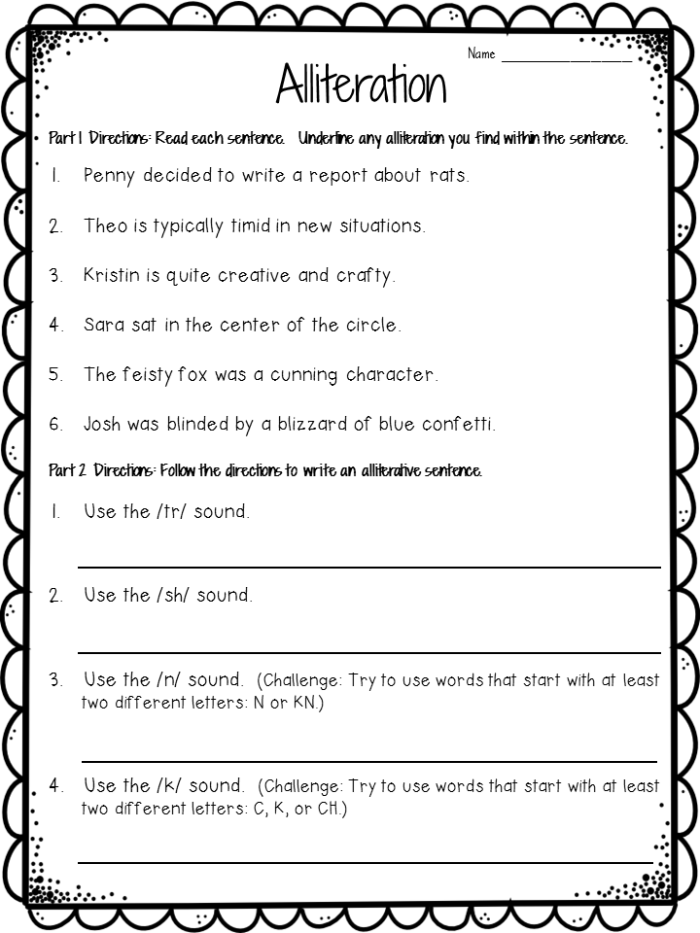
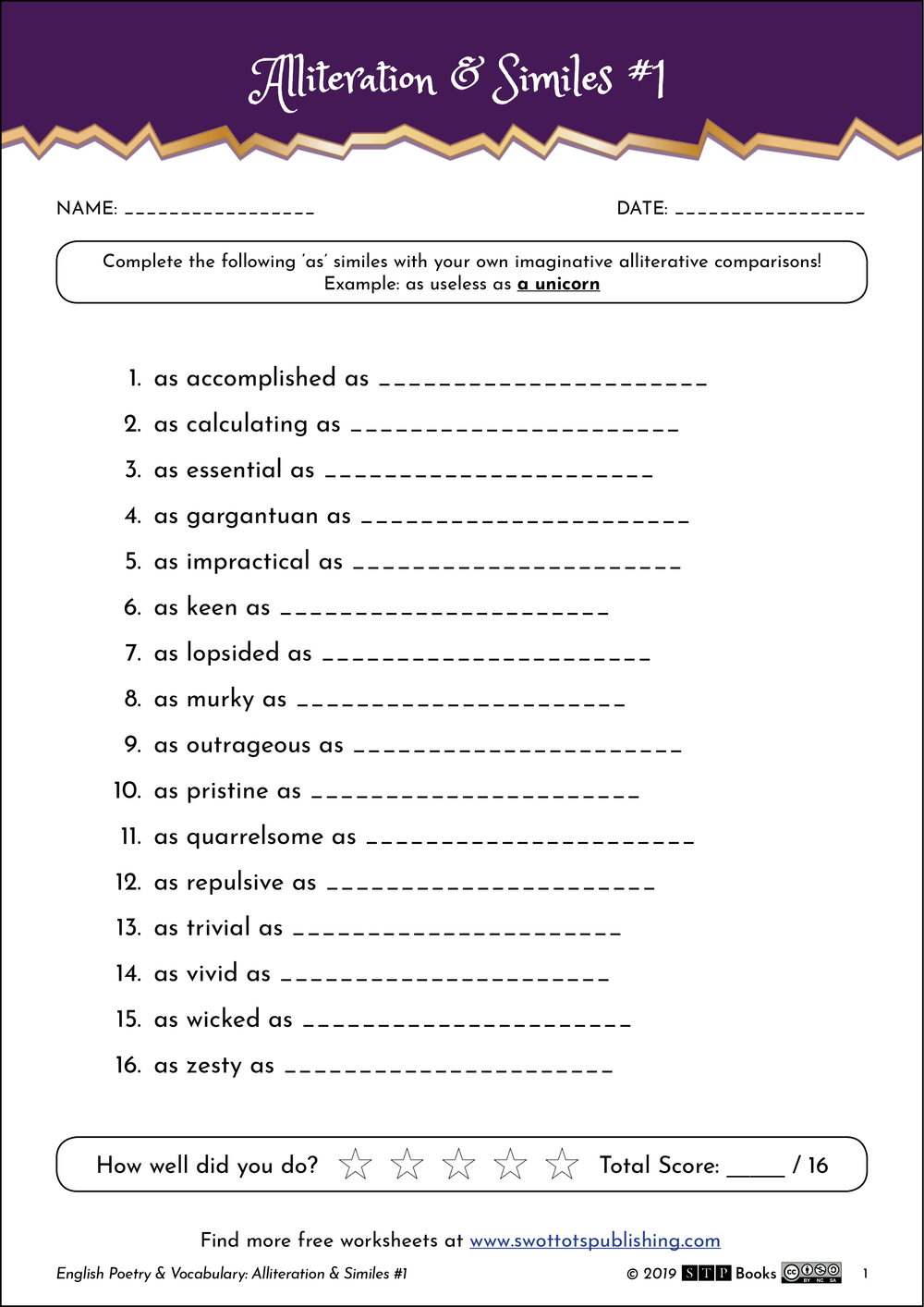
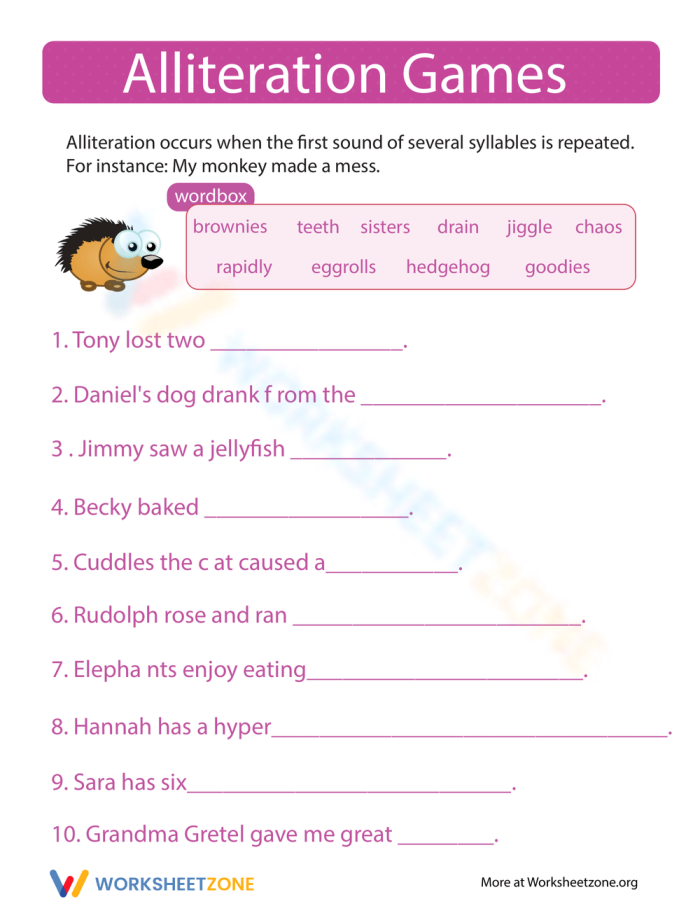
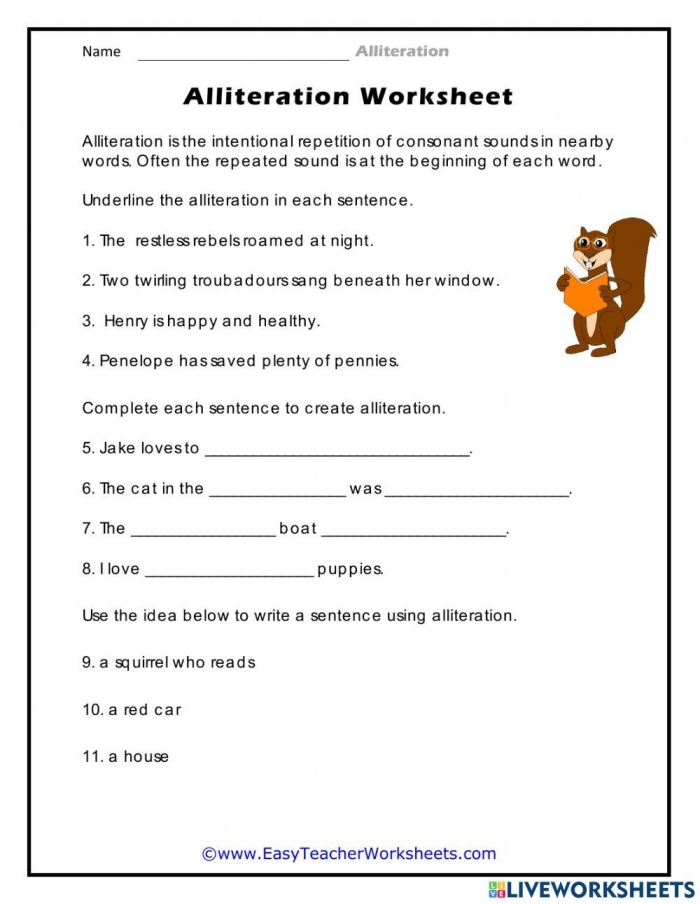
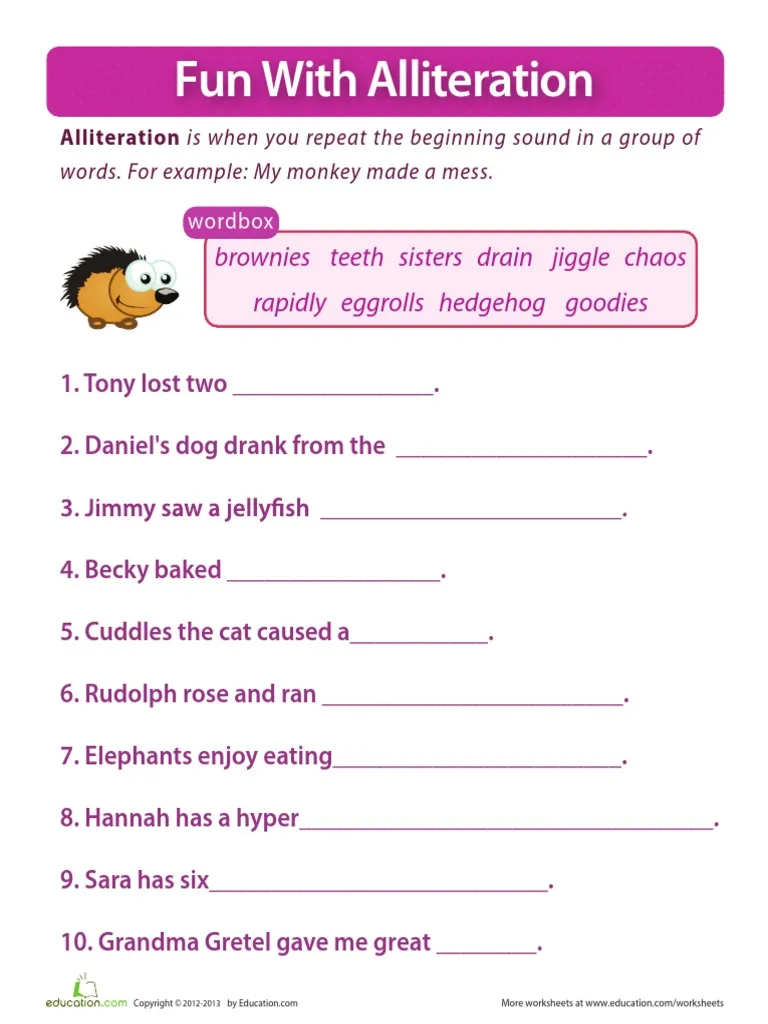
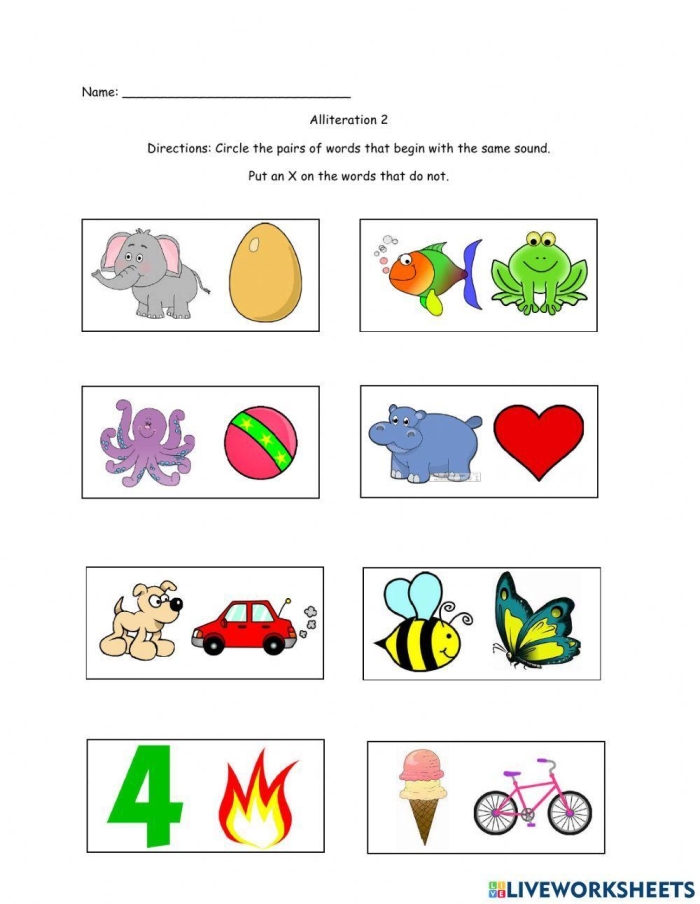
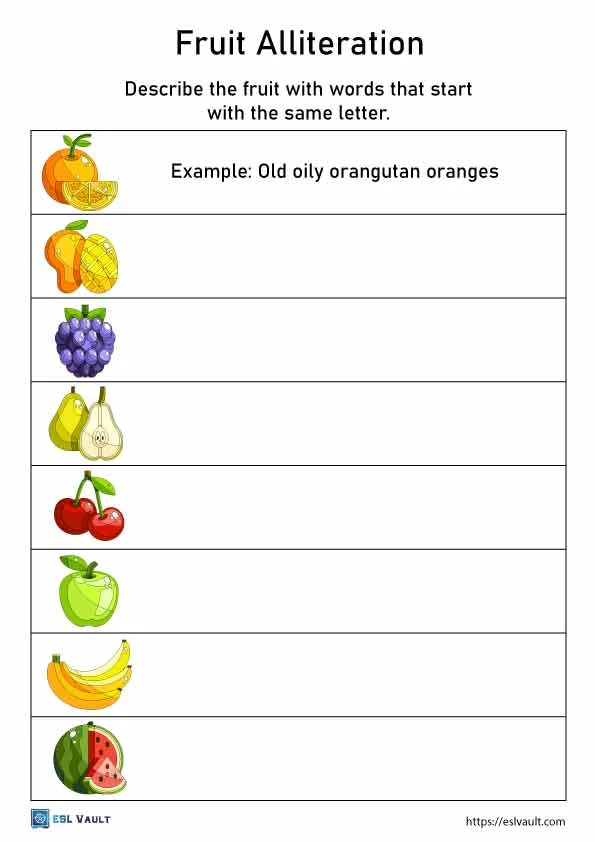
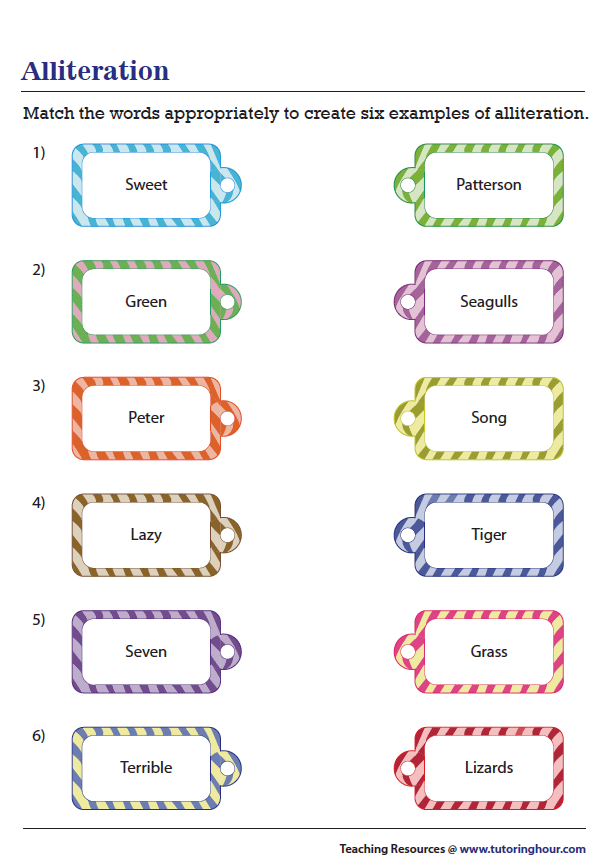
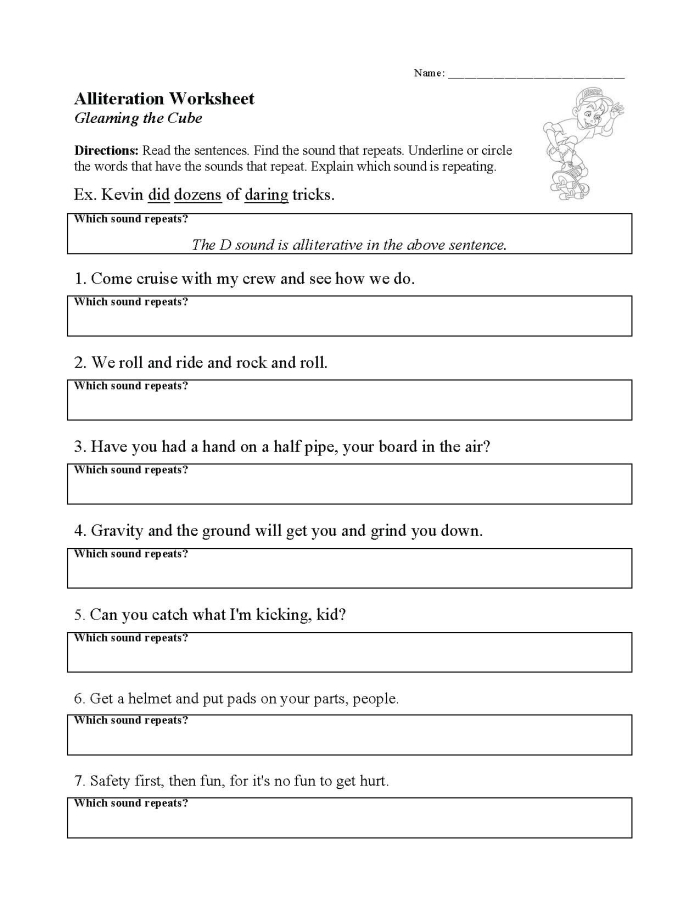
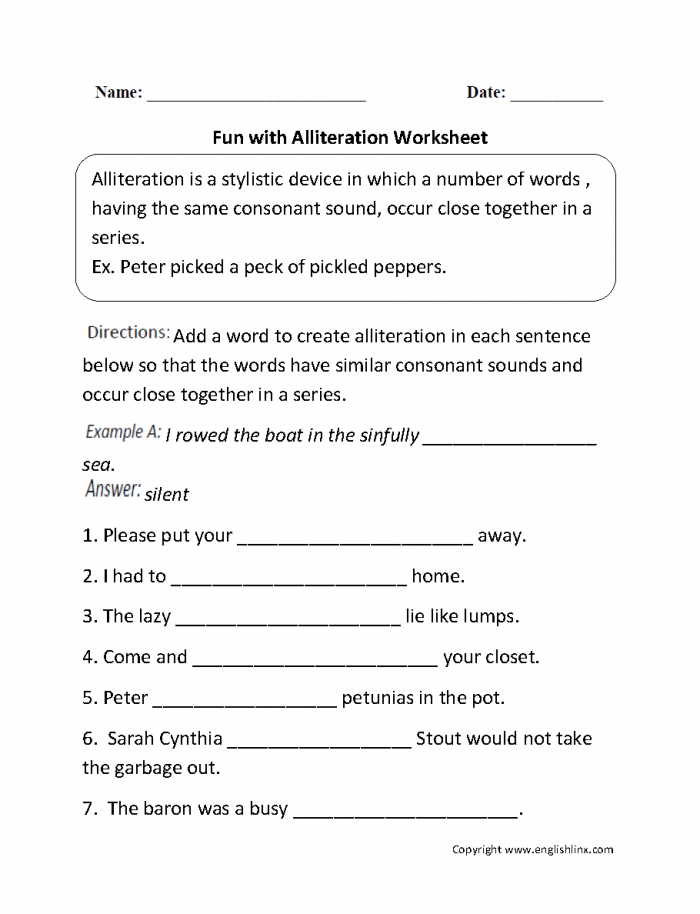
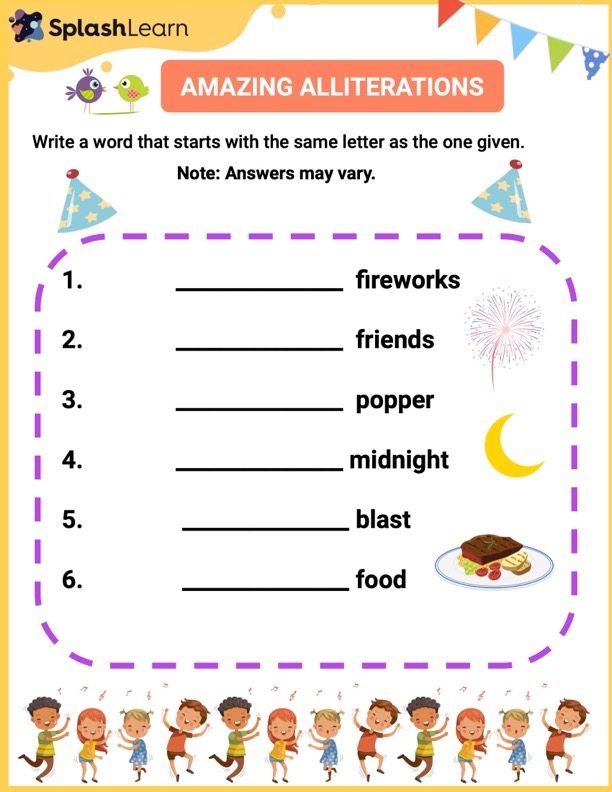
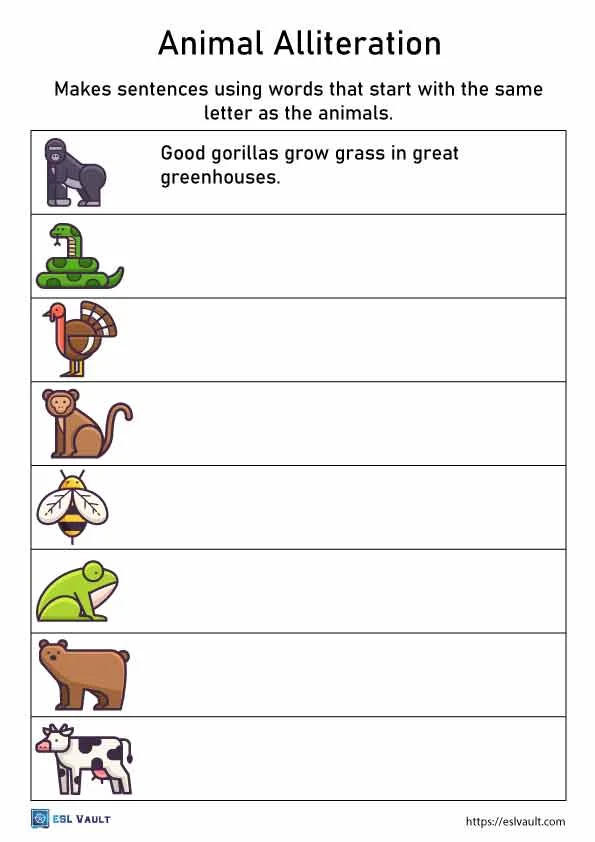
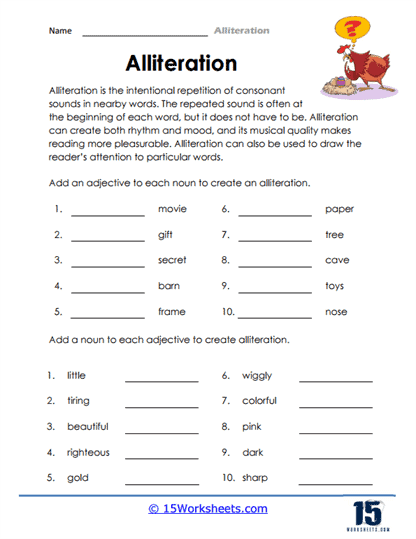
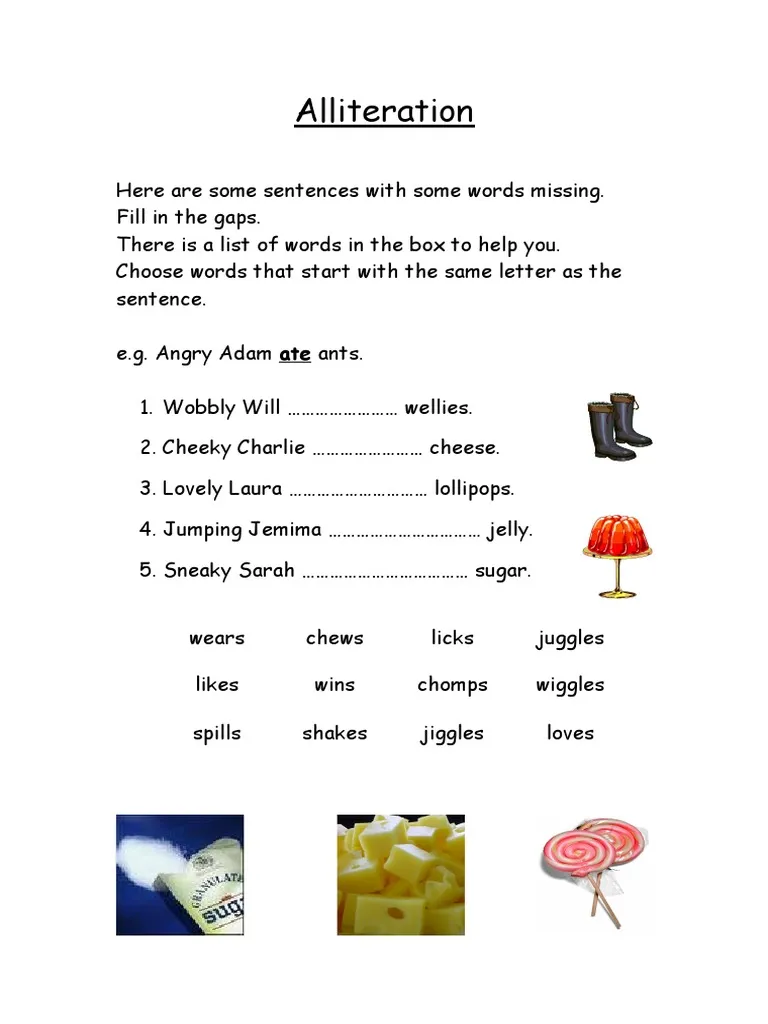
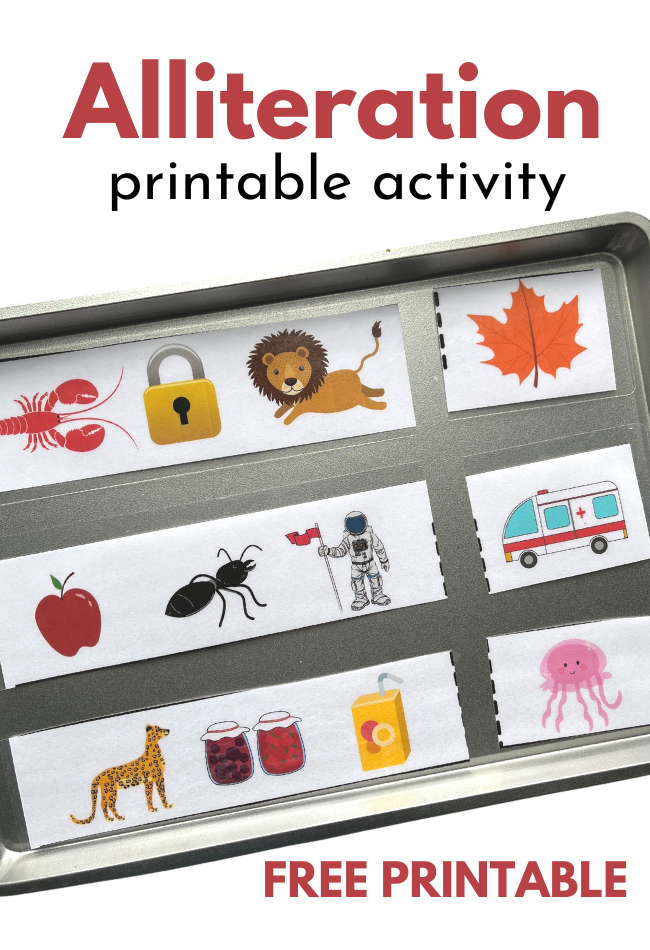
To get started, try some fun activities that involve finishing alliterations. You can create a simple worksheet where students complete sentences like, “Silly Sammy swiftly…” or “Bobby the brave bunny…”. These prompts invite children to think outside the box while reinforcing their understanding of sounds. Printable fun with alliteration worksheets can be an excellent resource for this type of exercise.
Incorporating these fun activities into writing lessons can significantly enhance engagement. When students enjoy what they’re doing, they are more likely to retain the information. Activities like this can also be tied to seasonal themes. For instance, using Easter-themed alliteration prompts can make learning even more enjoyable during that time of year. You can check out some related resources, such as the Easter egg hunt game worksheets for more engaging ideas.
Alliterations not only make learning enjoyable but also help first graders build a strong foundation in writing. By encouraging creativity in phonics, we can nurture a love for language that lasts a lifetime.
Hands-On Worksheet Activities