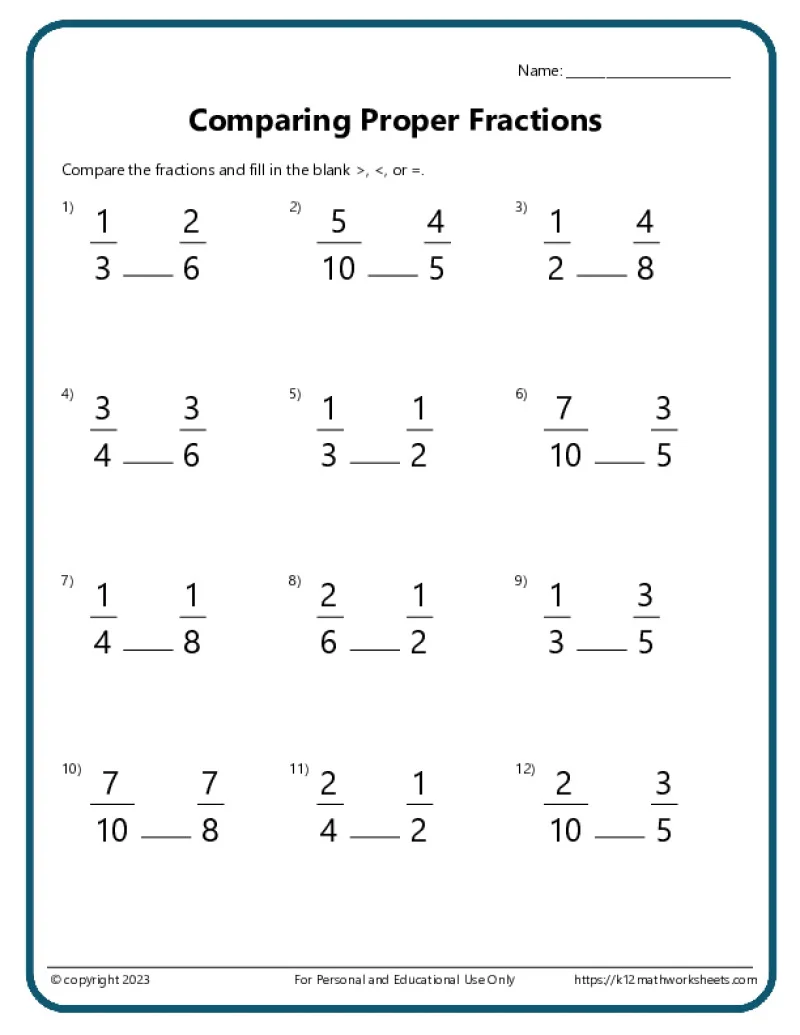
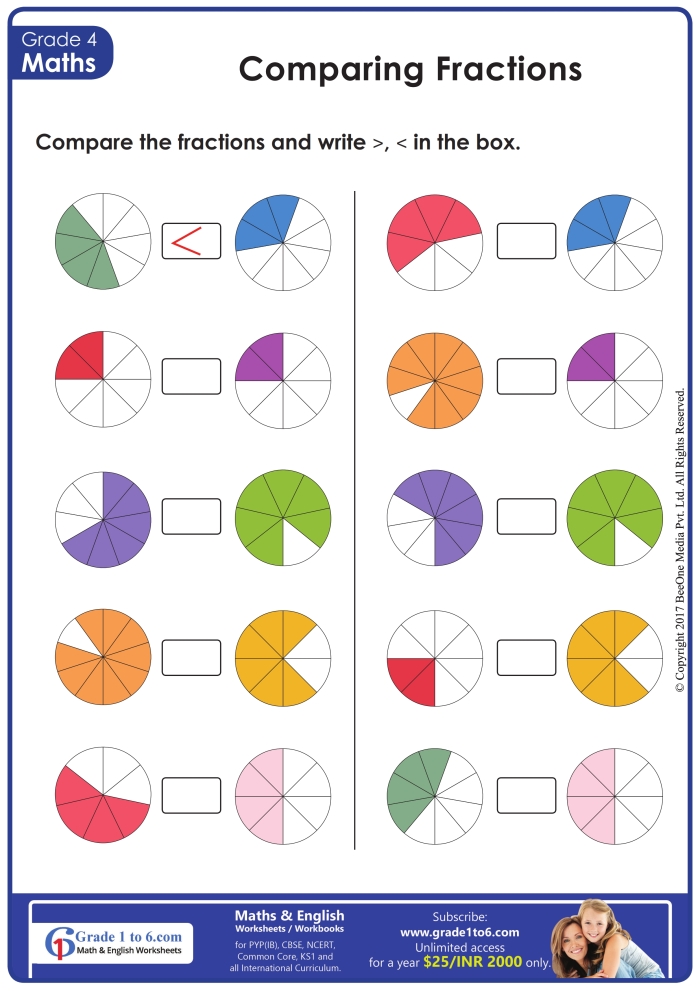
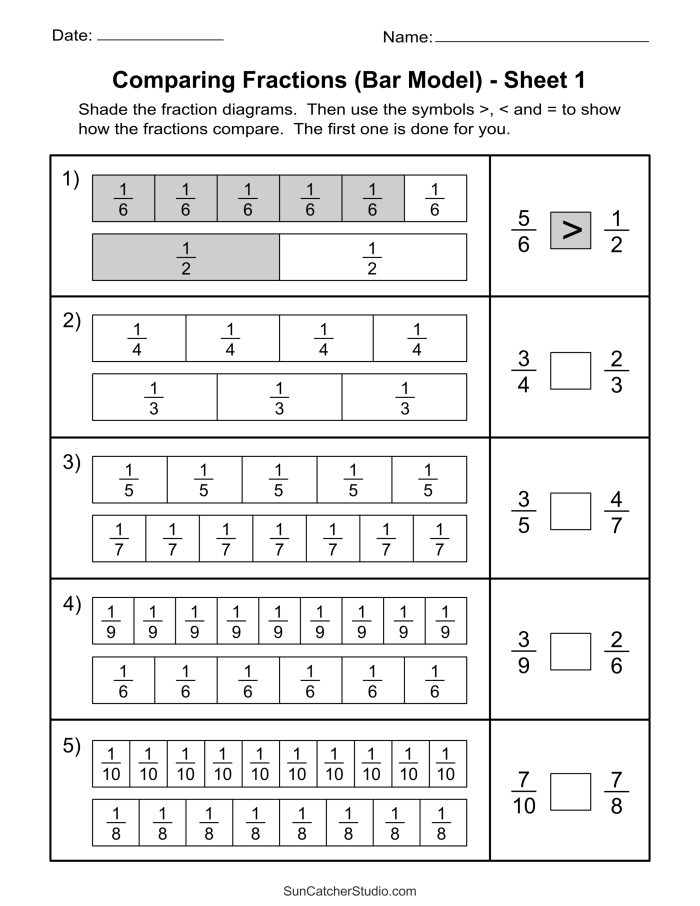
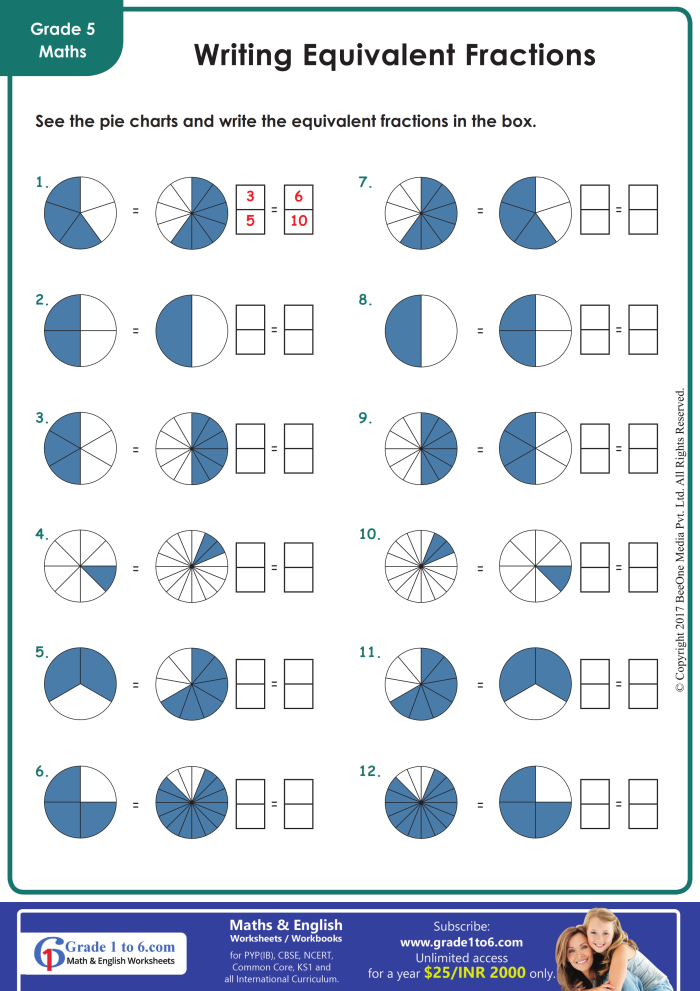
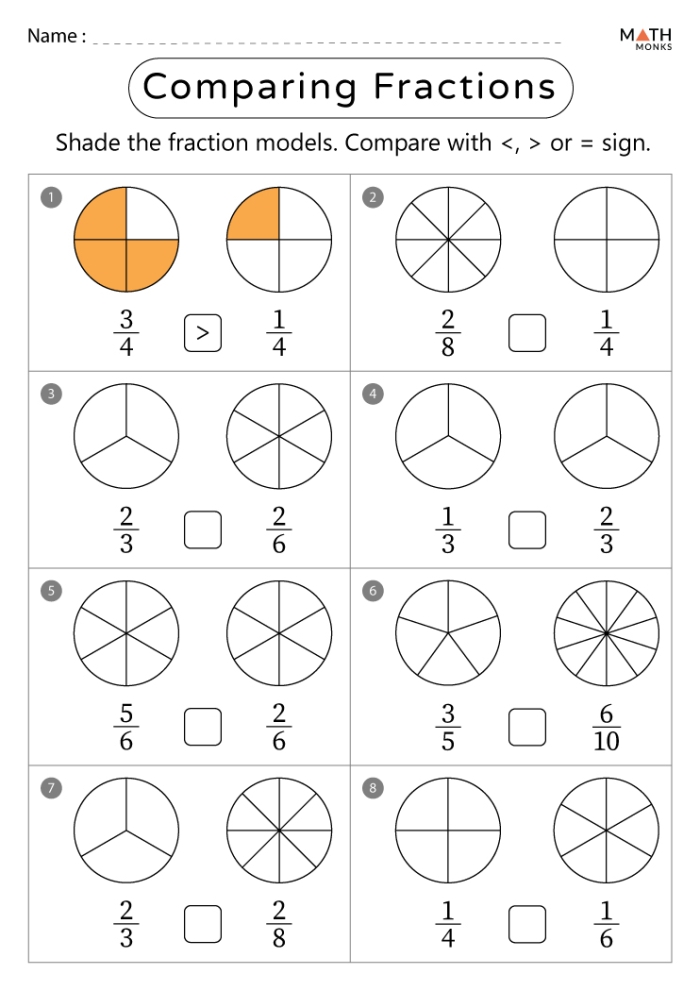
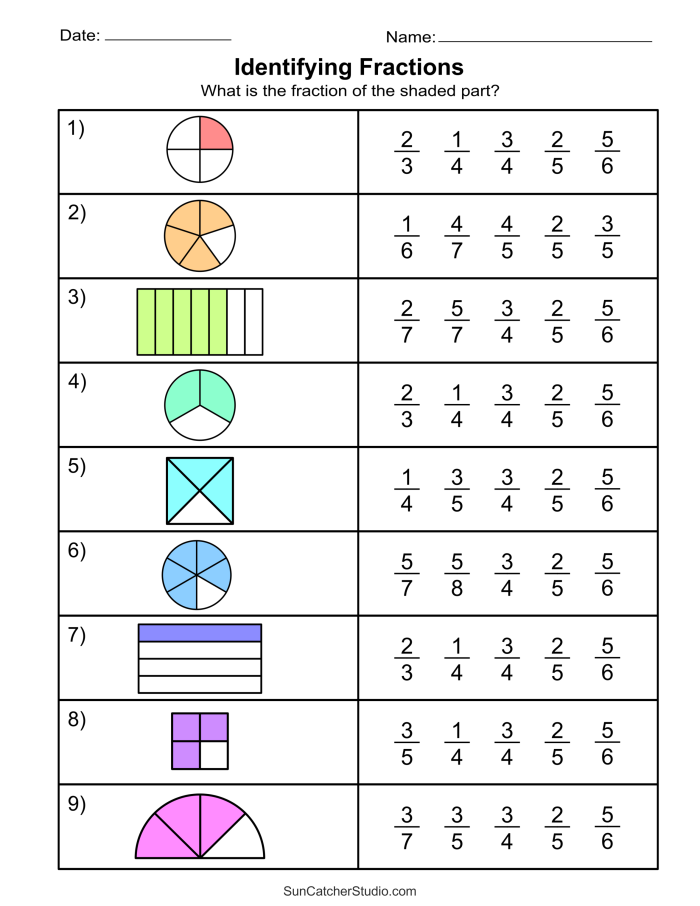
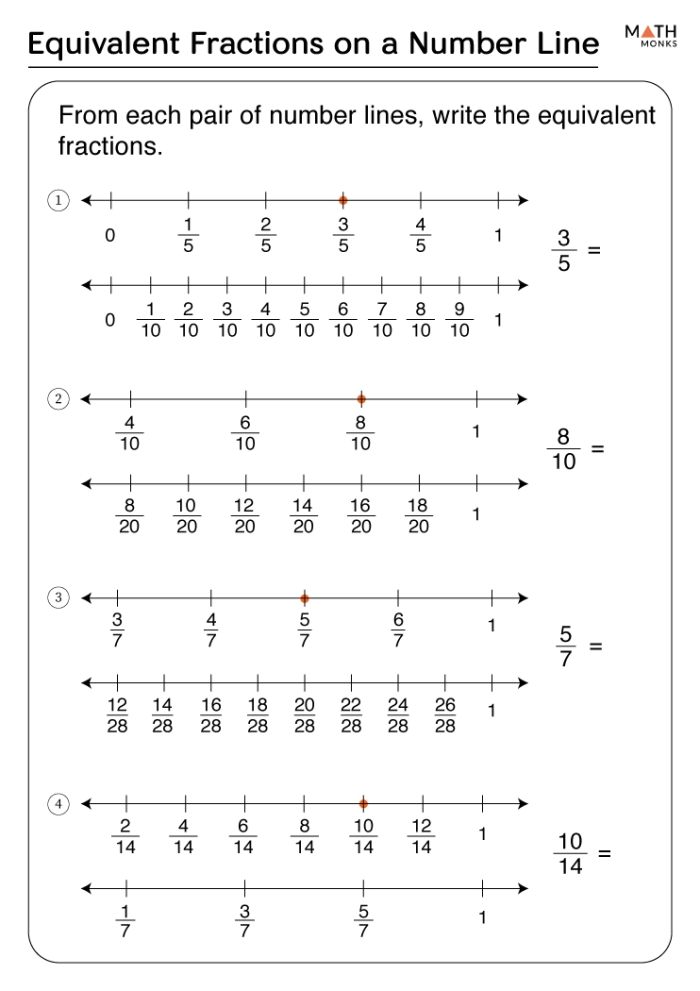
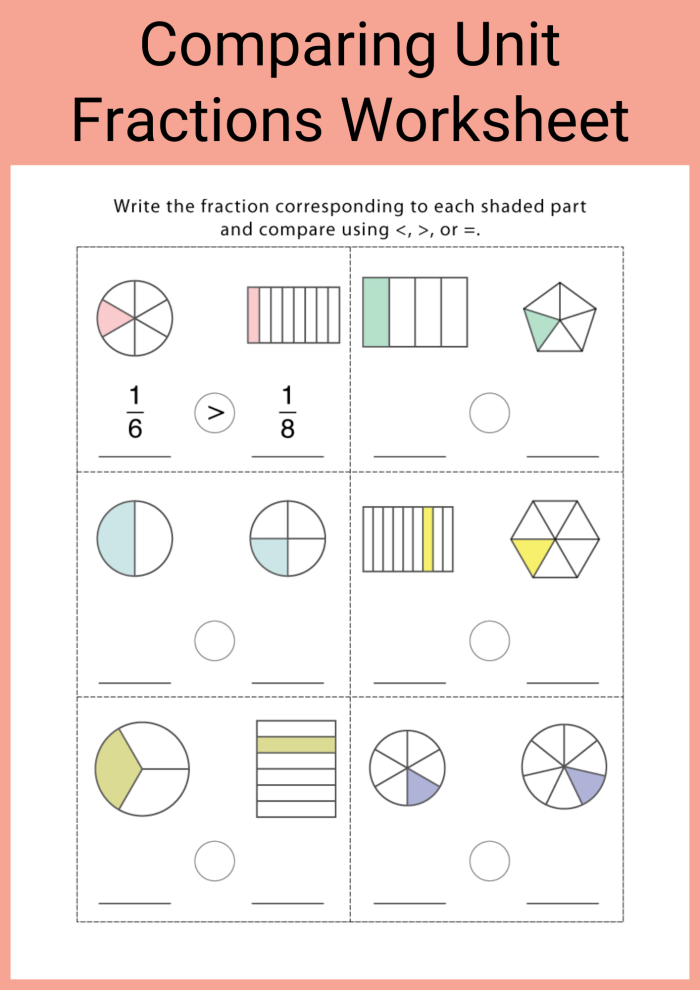
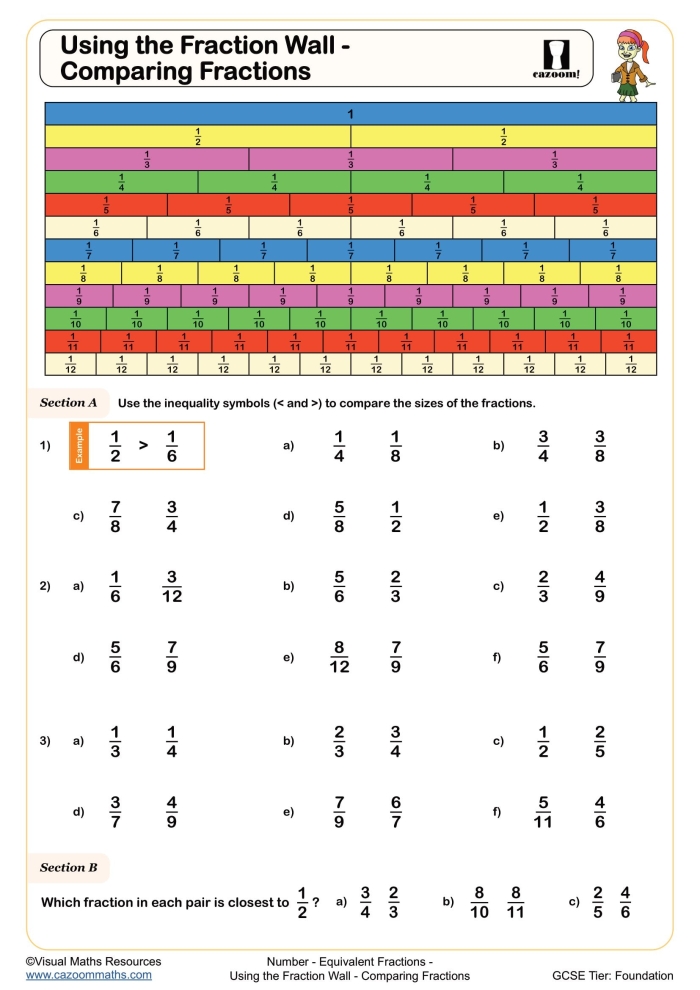
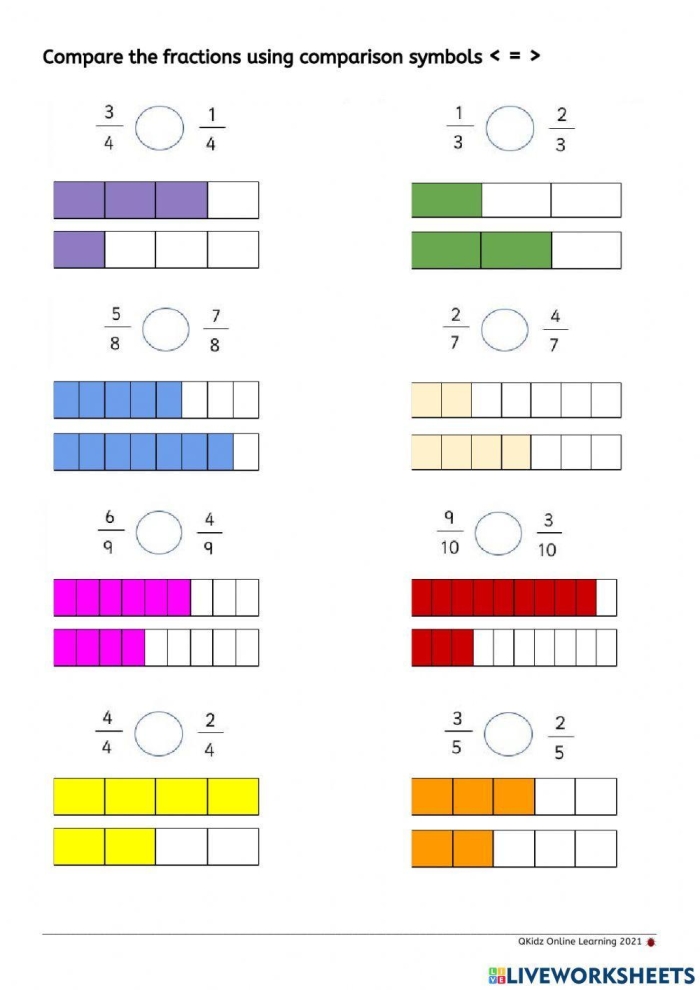
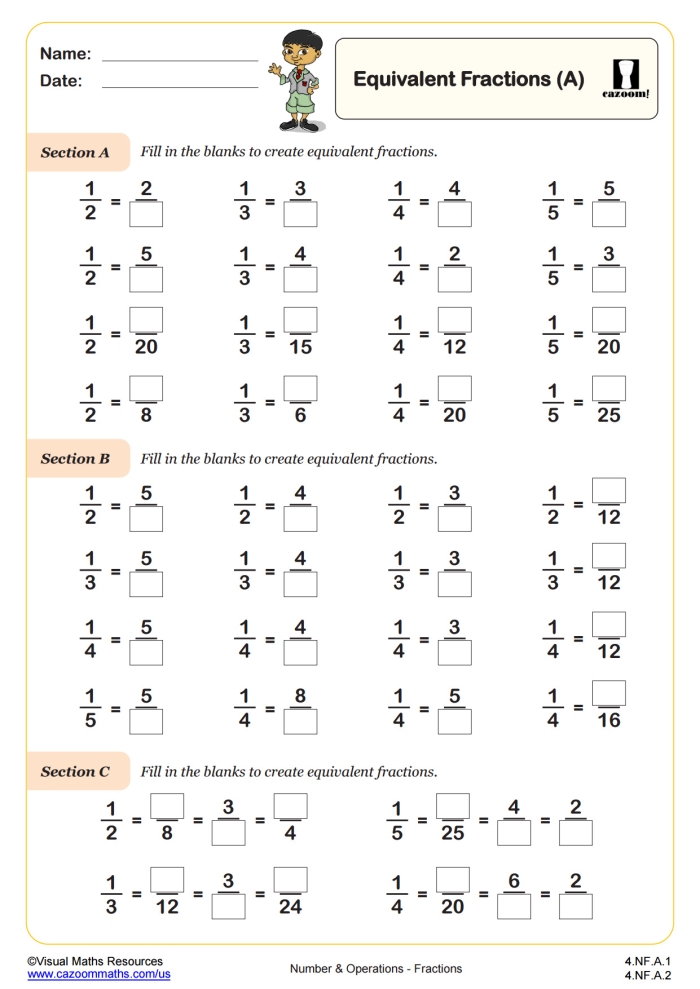
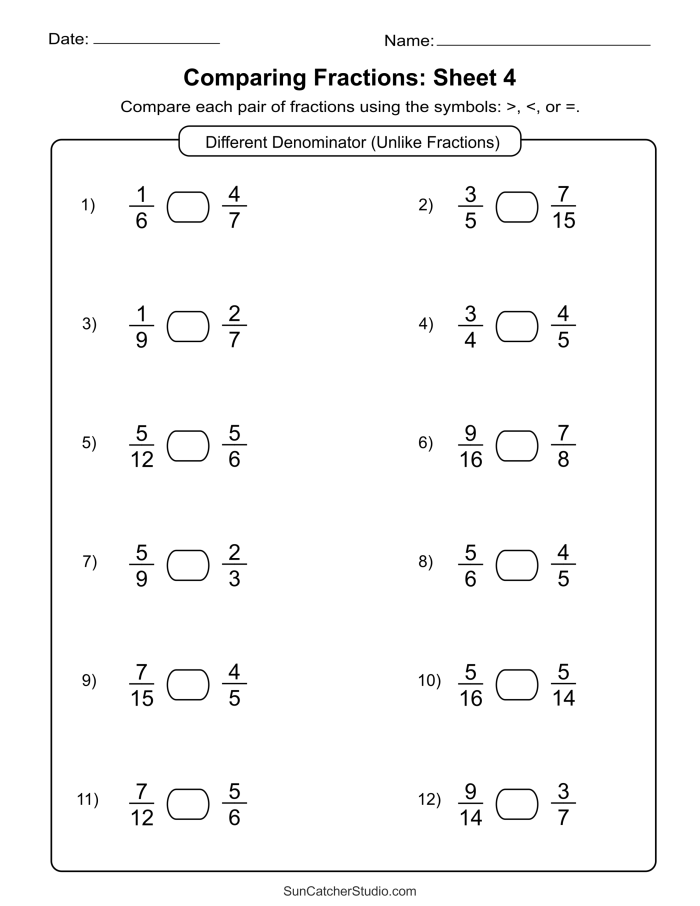
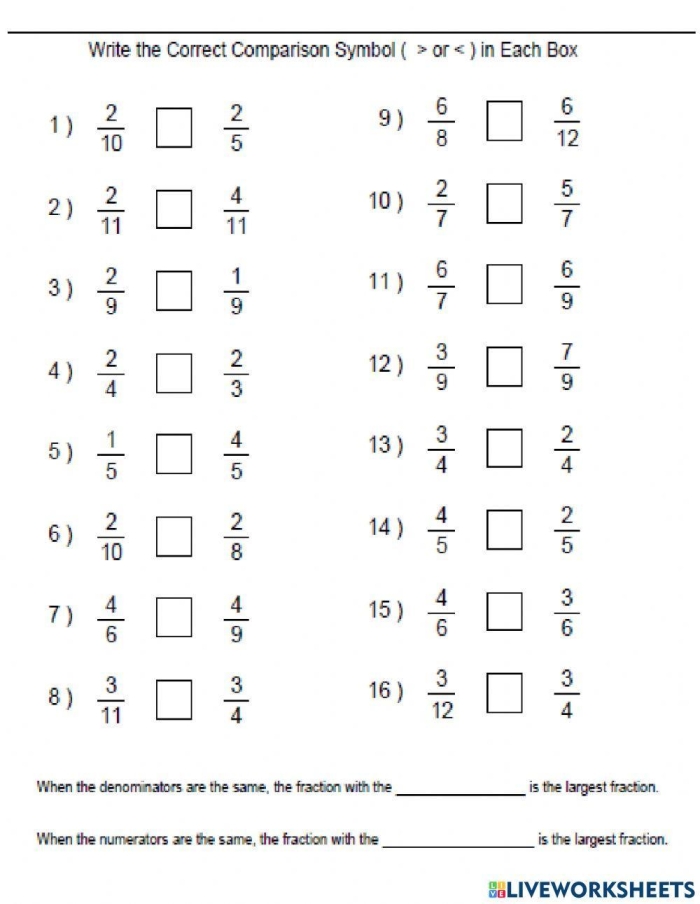
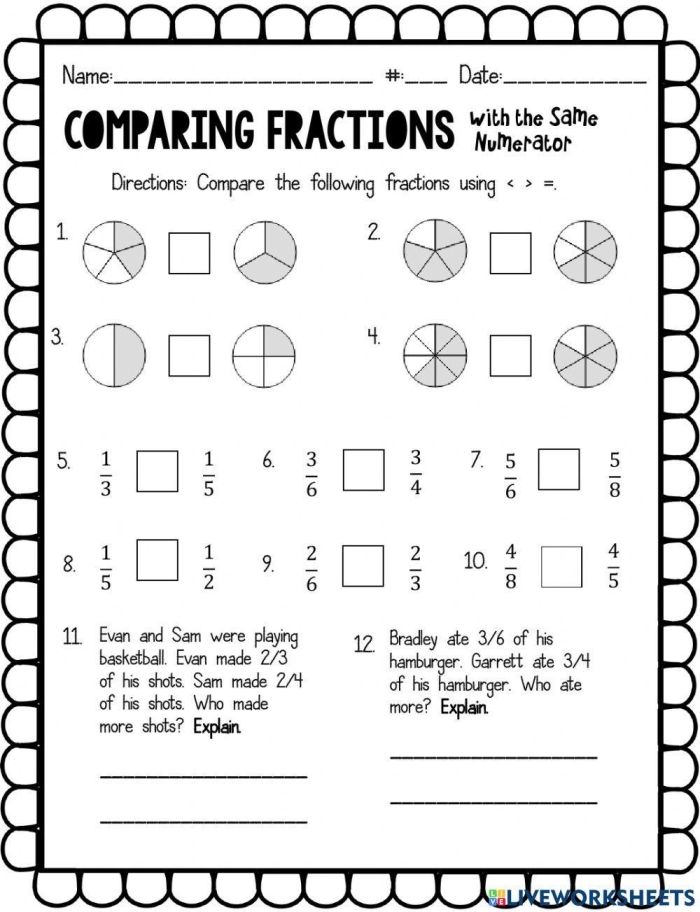
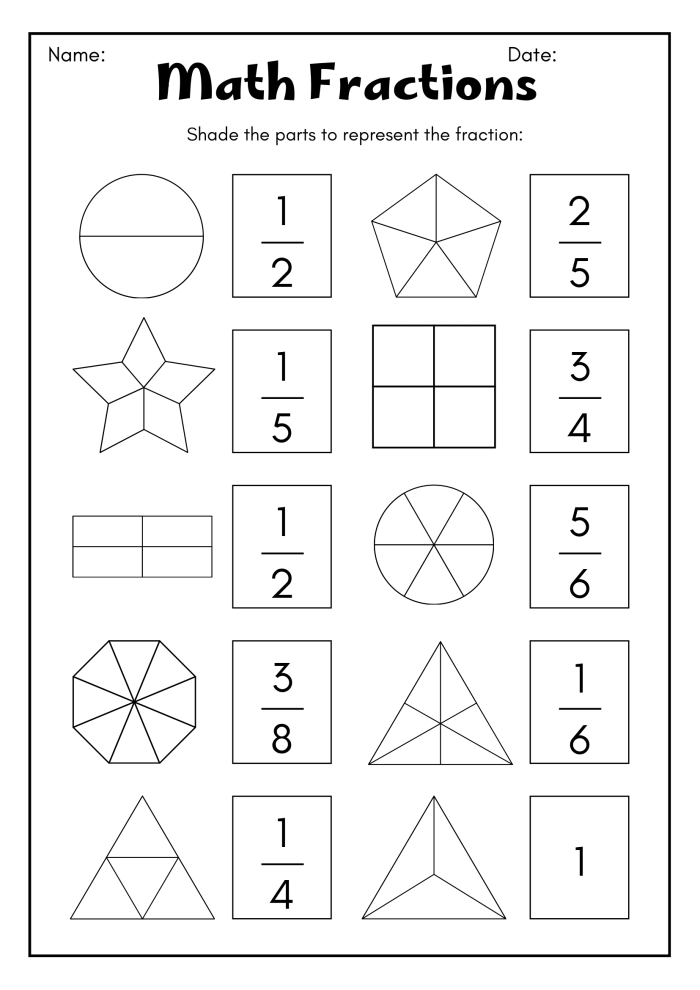
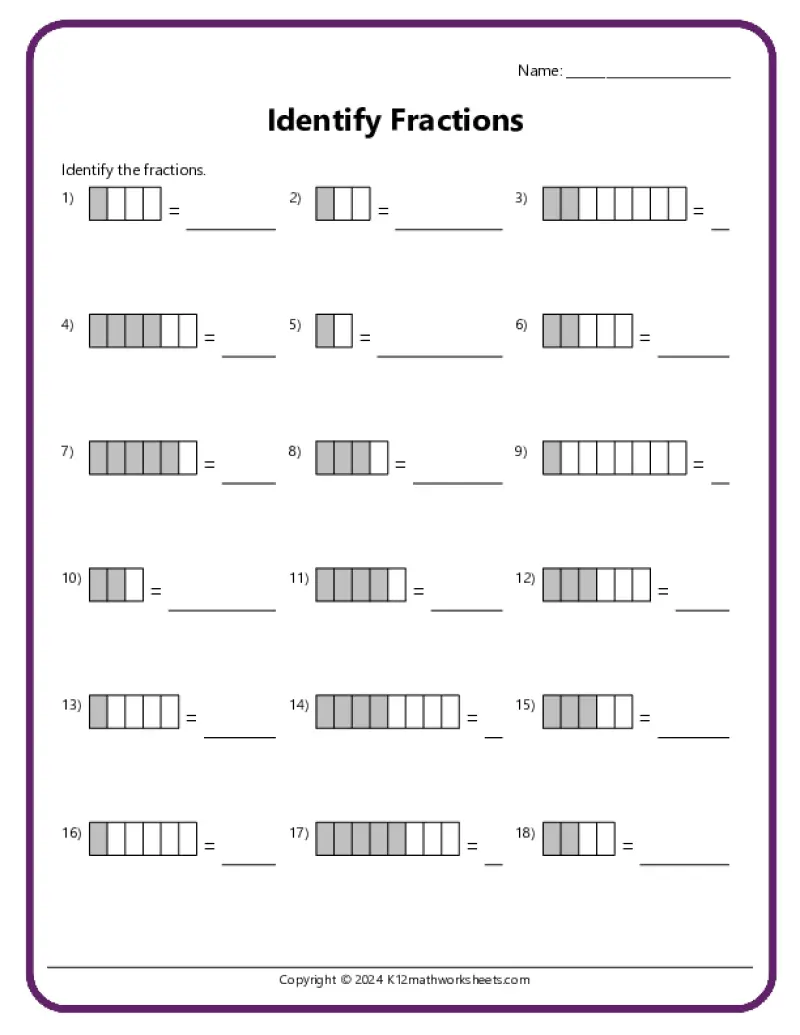
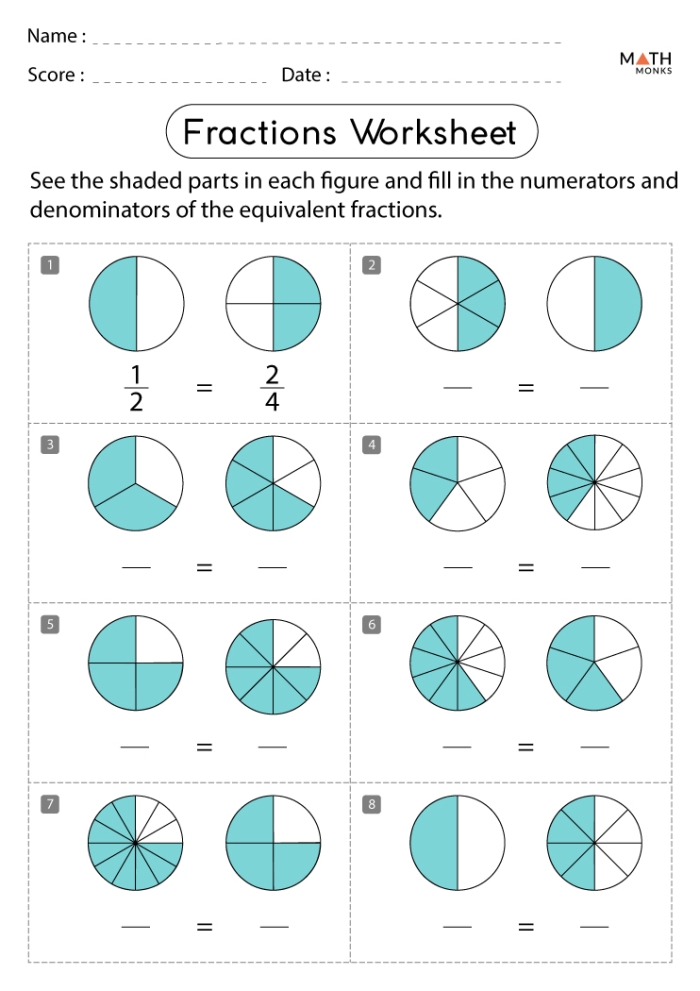
Once your child has a solid understanding of basic fractions, it’s time to elevate her skills by introducing the concept of comparing fractions. This topic not only solidifies her grasp of fractions but also enhances critical thinking and problem-solving abilities. Understanding how to compare fractions can be both fun and rewarding, providing a strong foundation for more advanced math concepts in the future.
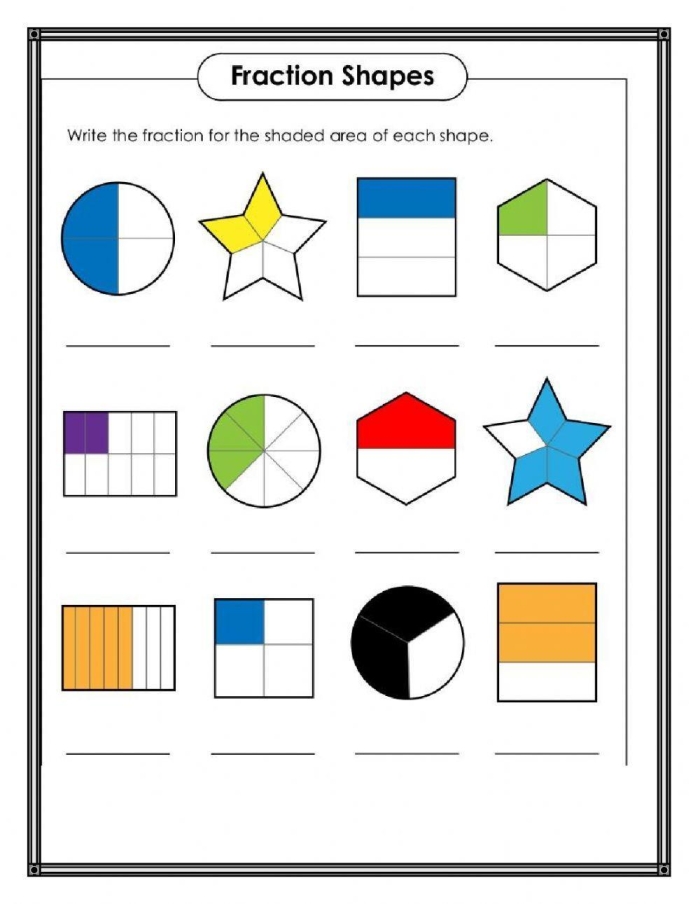
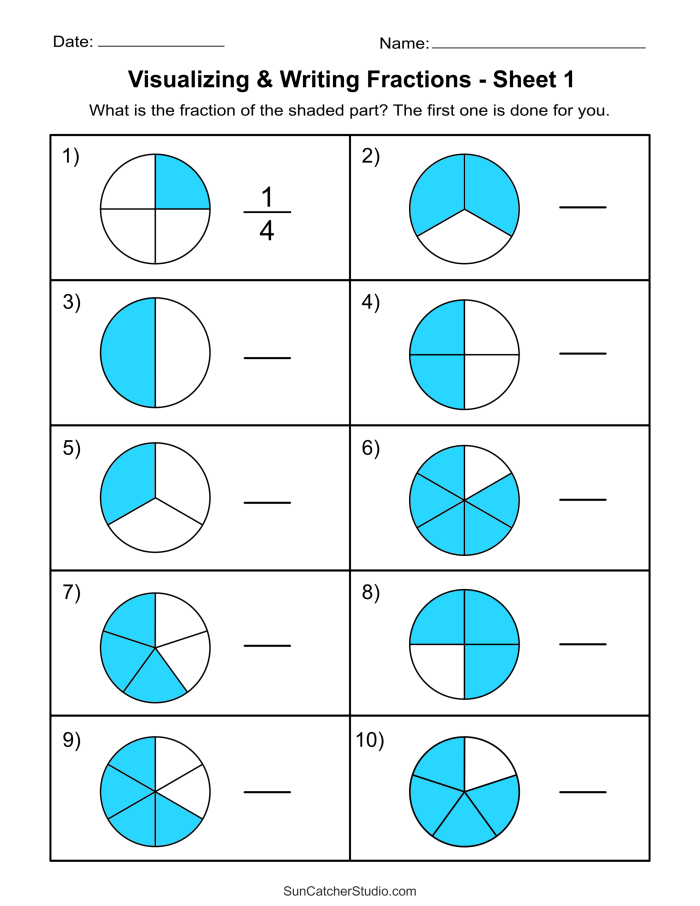
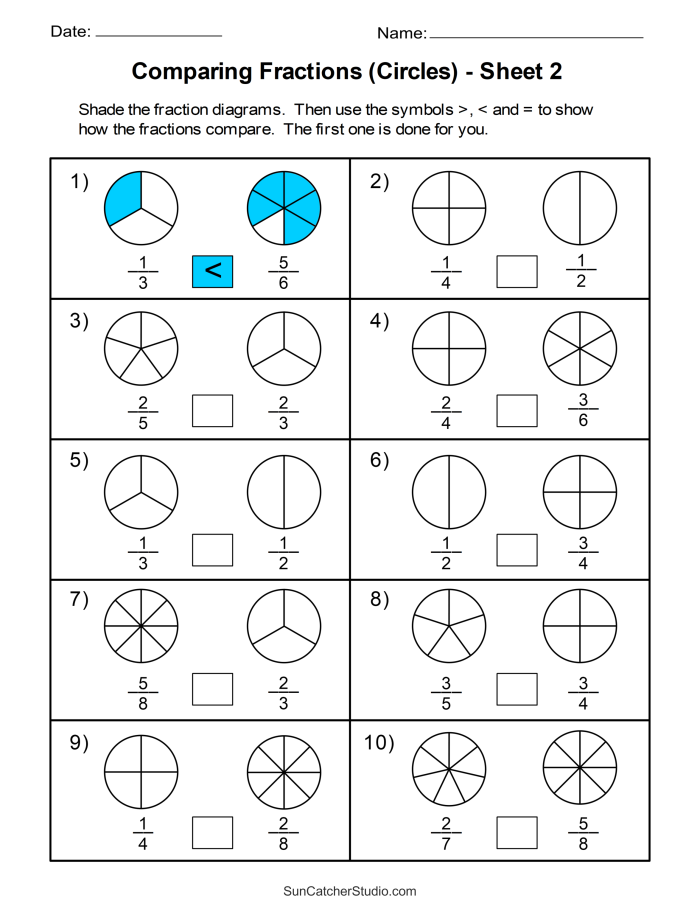
Start the lesson by explaining the idea of comparing fractions using visual aids. For instance, drawing pie charts can help illustrate how different fractions represent parts of a whole. You might use examples like 1/2 and 1/4. Show her how 1/2 is larger than 1/4 by visually demonstrating that half of a pie is more than a quarter of it. This visual approach makes the concept more tangible and easier to understand.
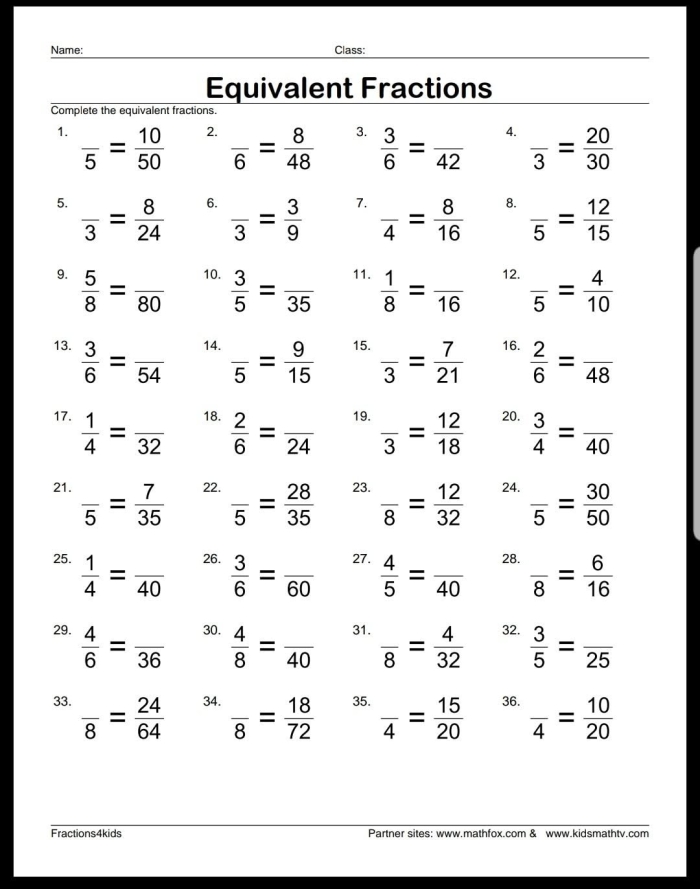
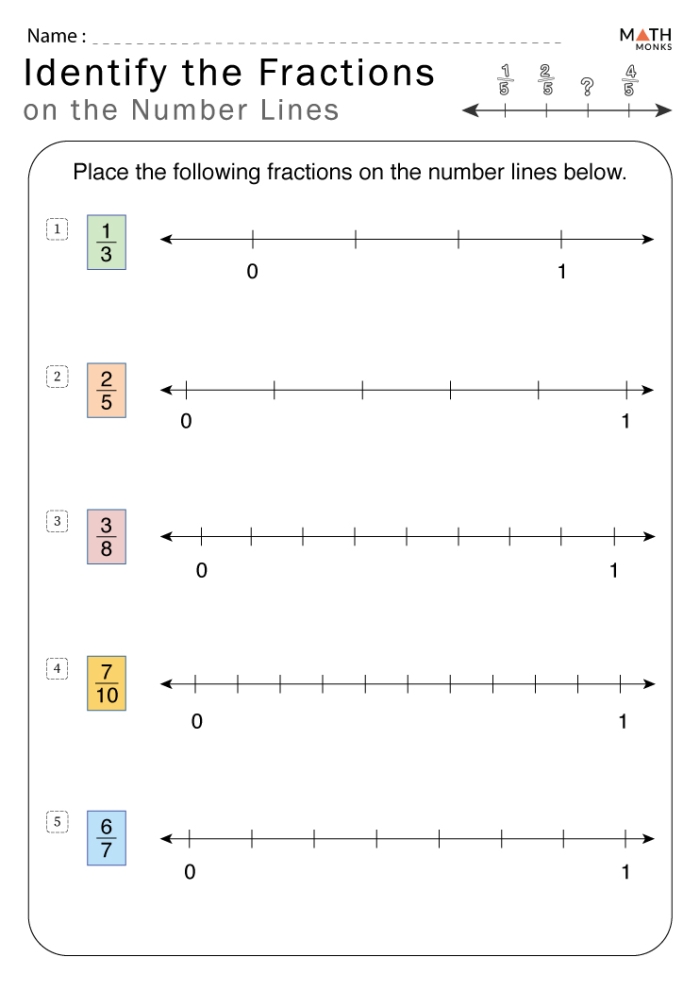
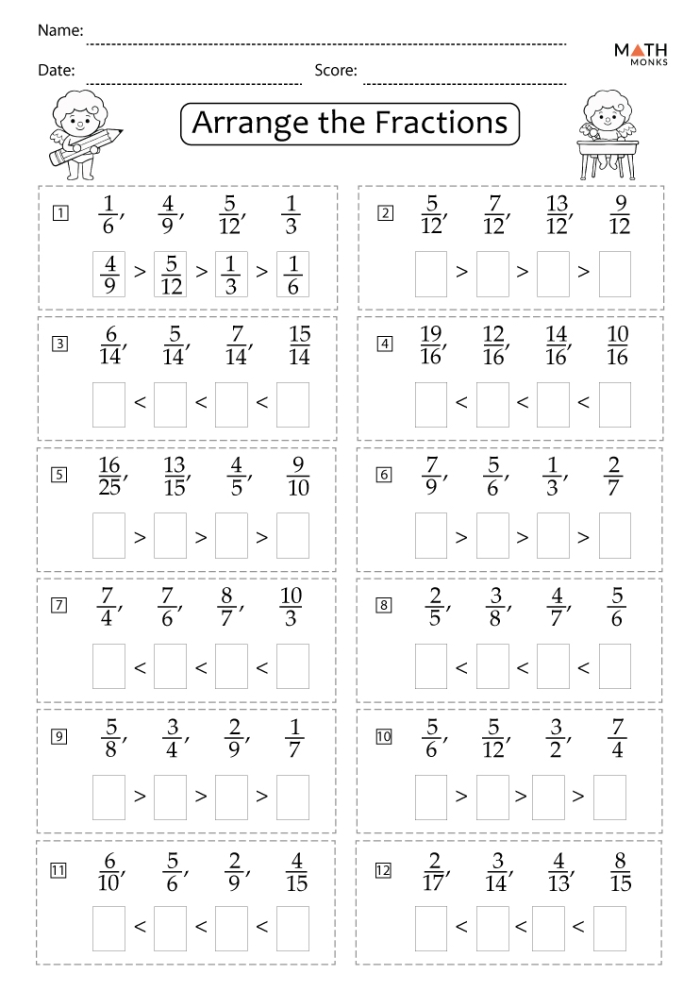
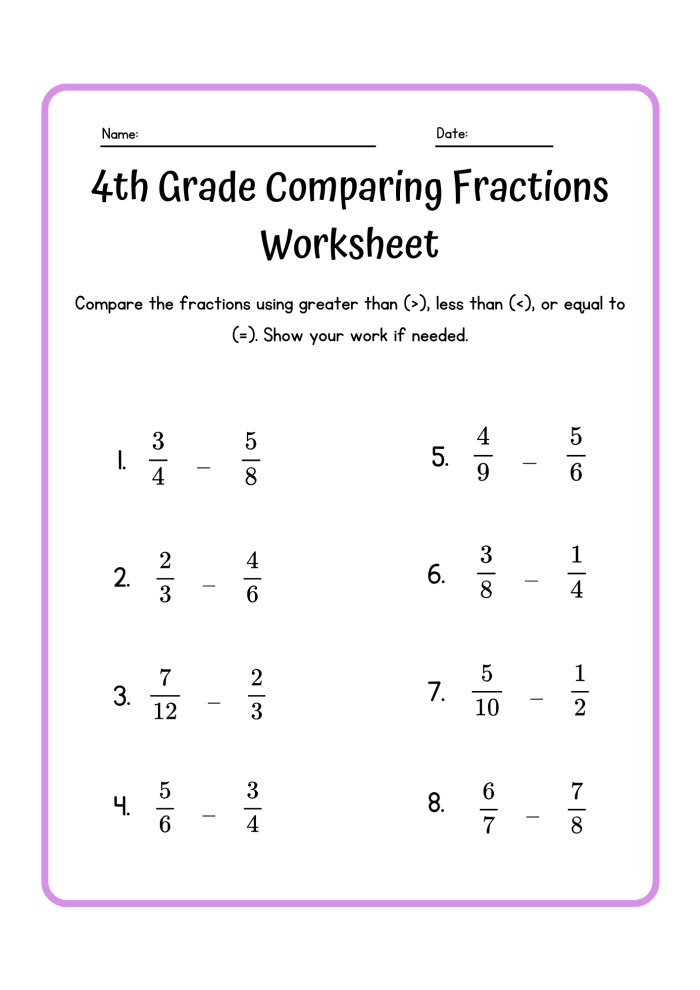
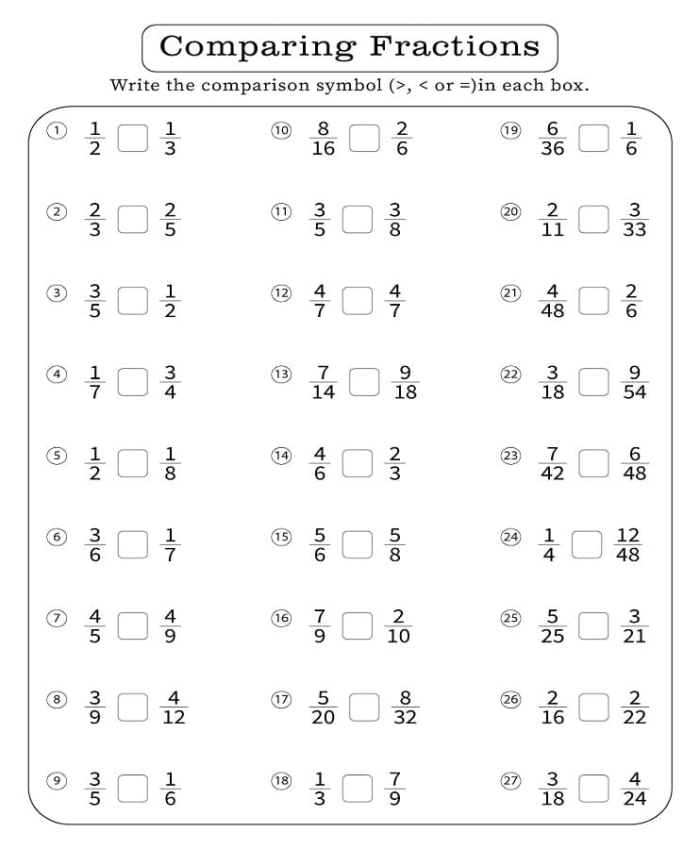
After grasping the basics, you can introduce more complex comparisons, like 2/3 and 3/4. Encourage her to find a common denominator, which reinforces her skills in addition and multiplication. This process will help her see that 2/3 is equivalent to 8/12 while 3/4 is equivalent to 9/12, leading her to conclude that 3/4 is larger. Providing her with printable worksheets can reinforce these skills through practice.
As she becomes more comfortable, introduce real-life scenarios where she can apply these skills. Ask questions like, “If you have 3/8 of a pizza and your friend has 1/2, who has more?” This helps her see the relevance of fractions in everyday life.
By challenging your child with comparing fractions, you not only enhance her math skills but also build her confidence as a learner. This fundamental knowledge will serve her well as she progresses through Second Grade and beyond. For additional reading resources, consider exploring reading comprehension worksheets, which can further support her learning journey.
Grab These Worksheets Now