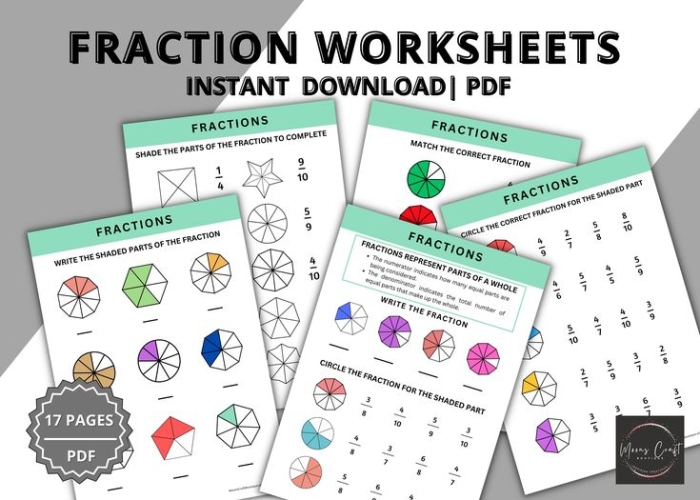
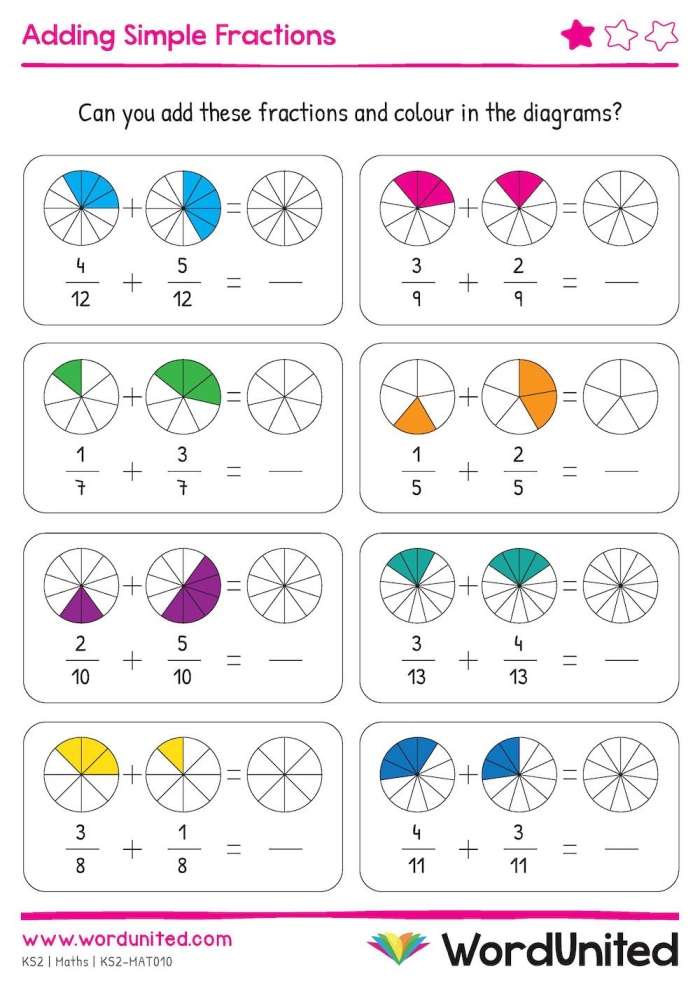
Third graders often struggle with fractions because they’re abstract, but shaded shapes make them concrete and visual. When your child can see exactly what one-half or three-fourths looks like, the concept clicks in ways that numbers alone never will.
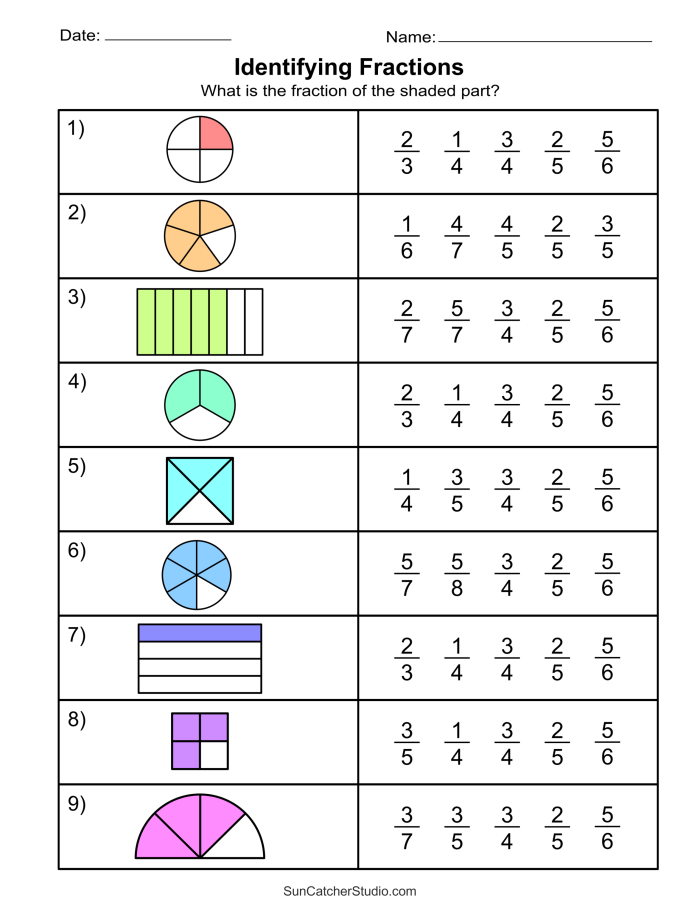
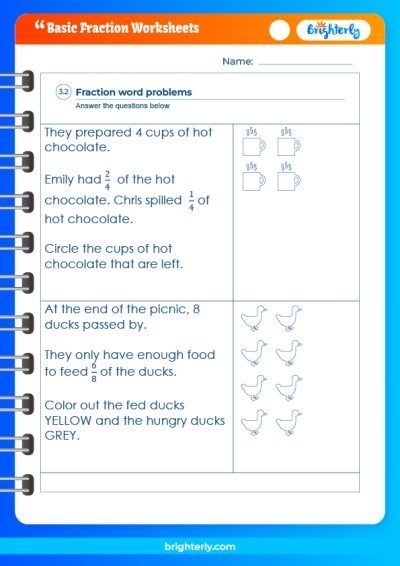
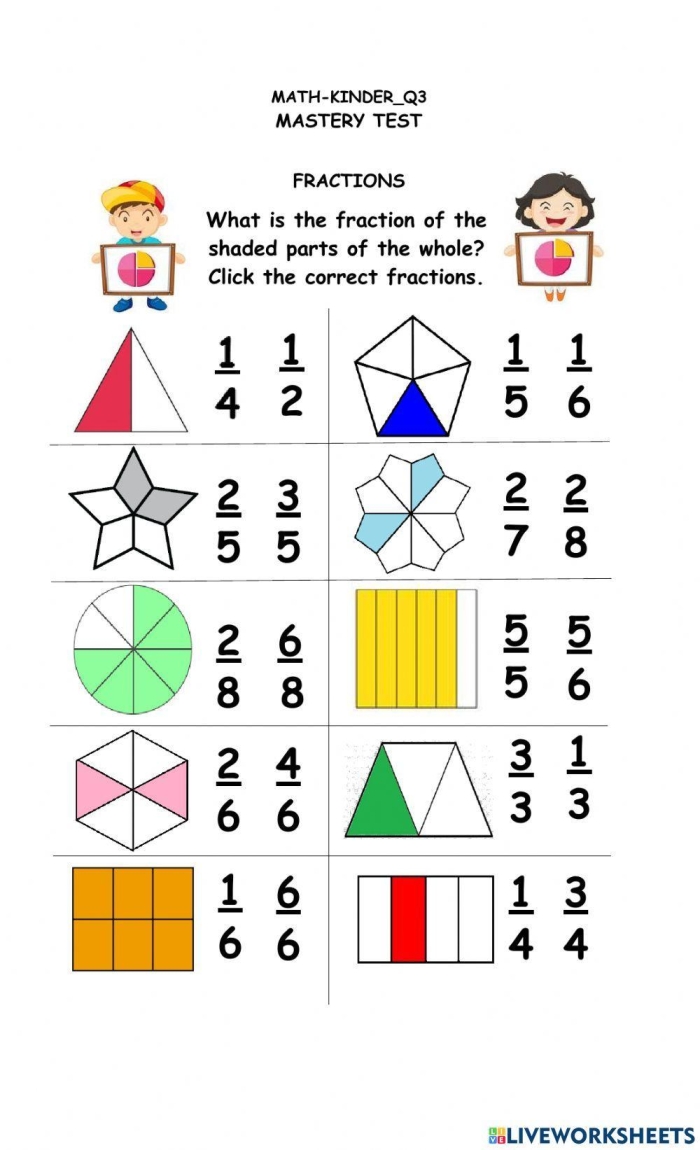
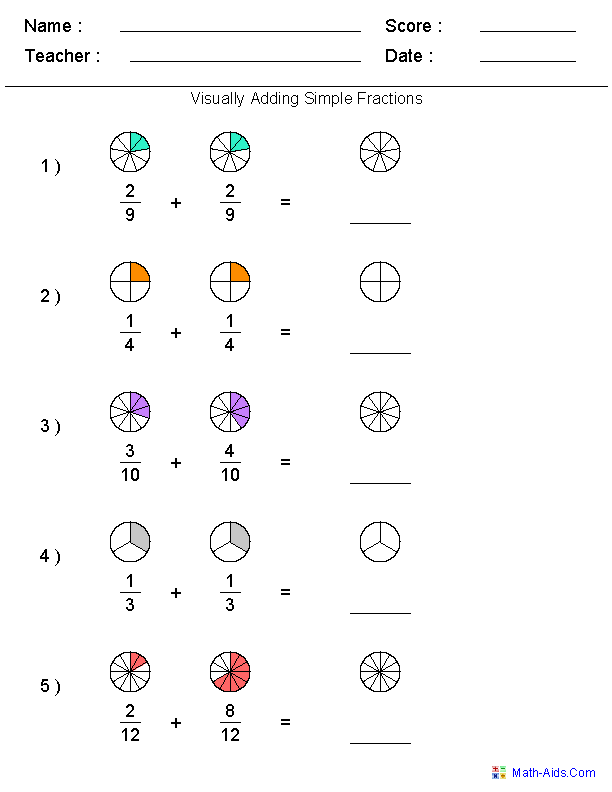
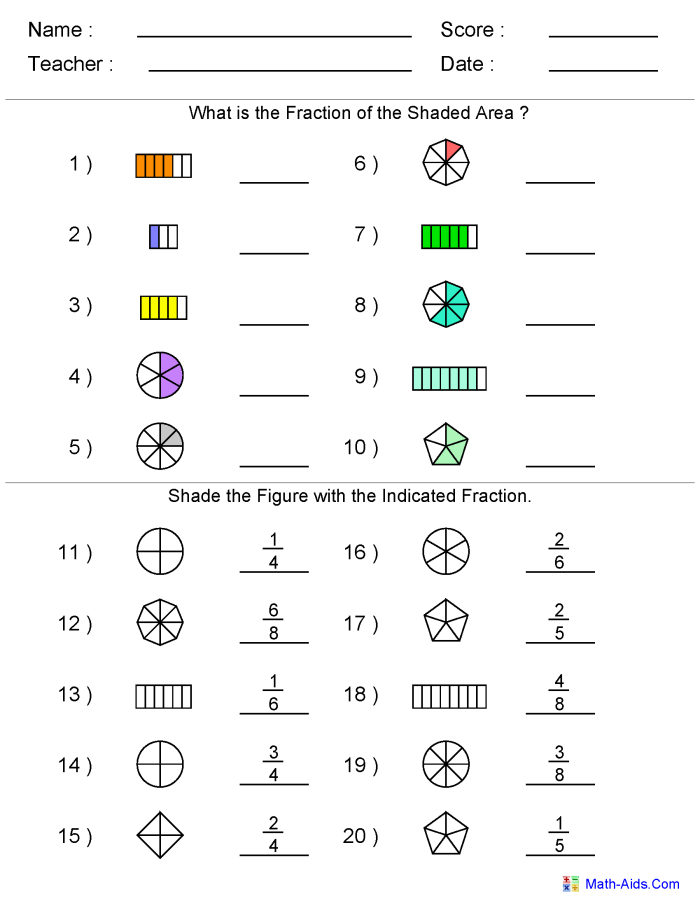
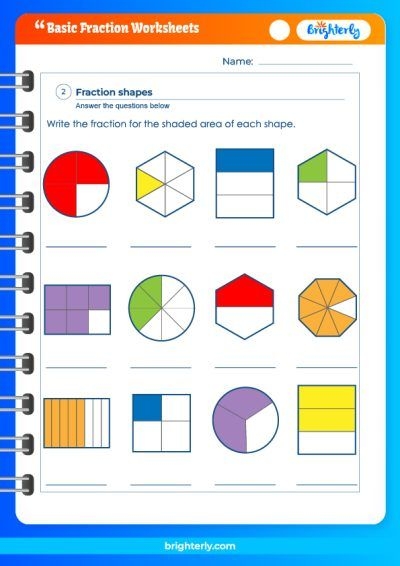
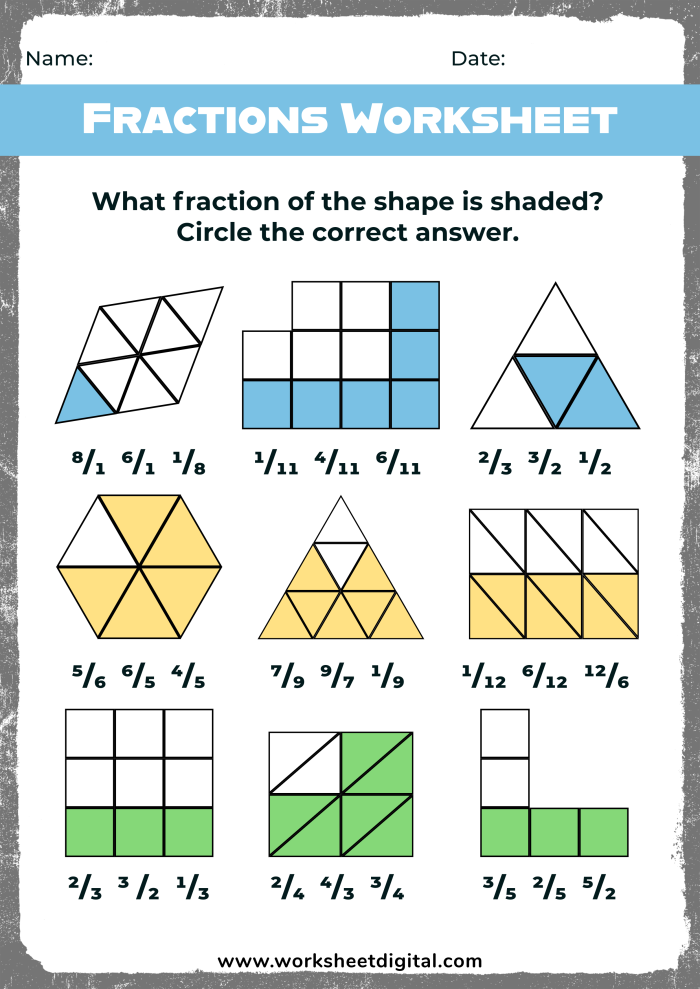
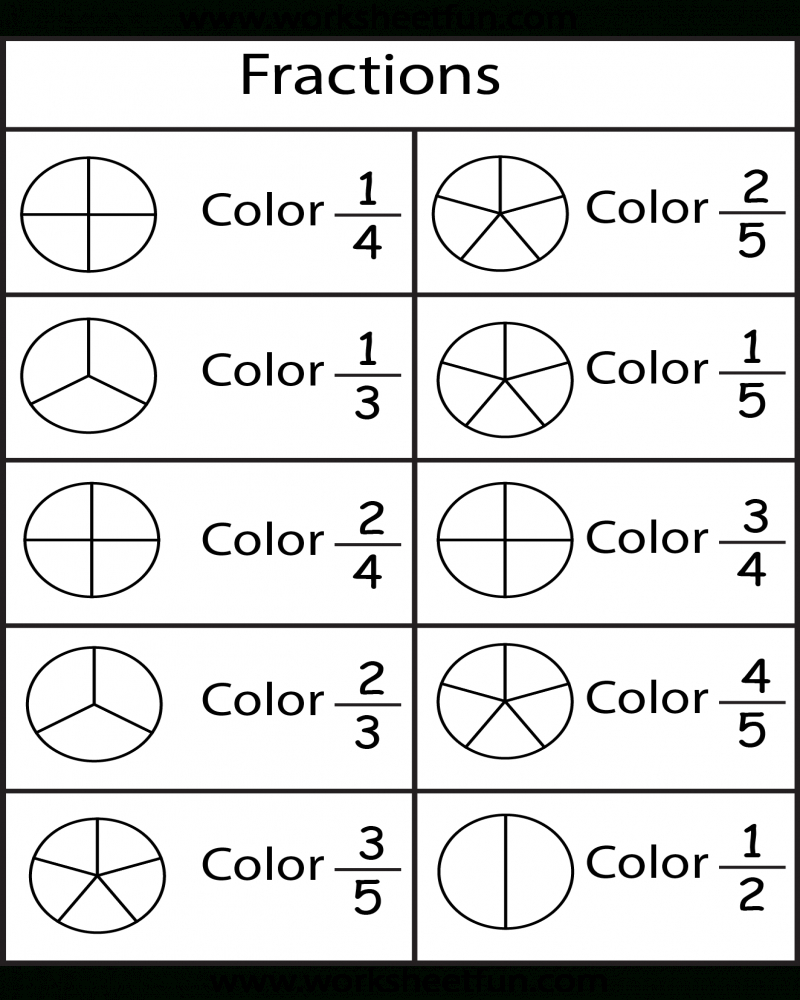
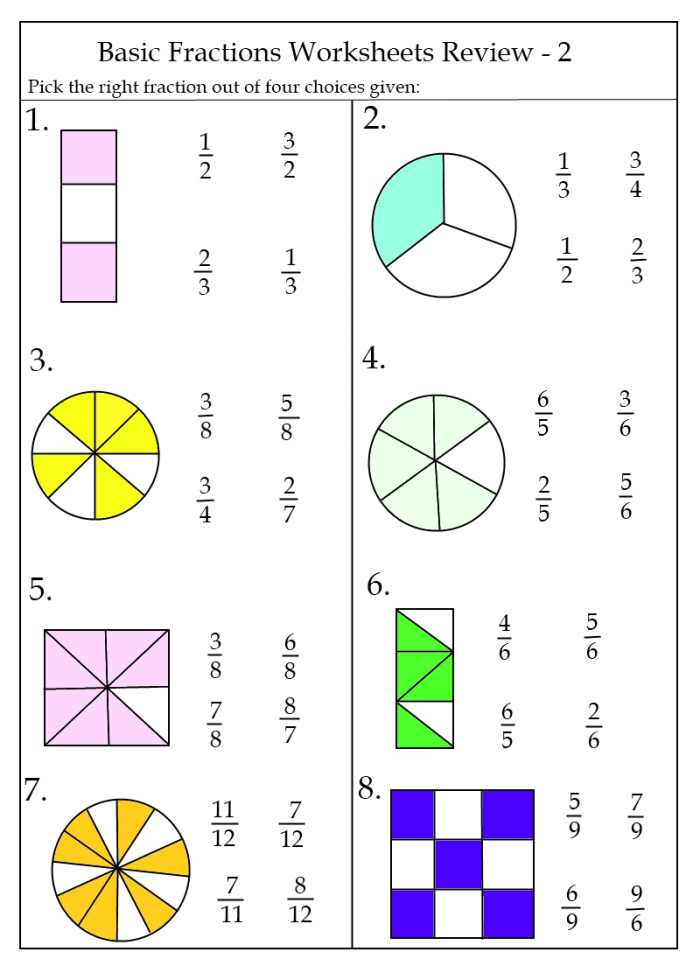
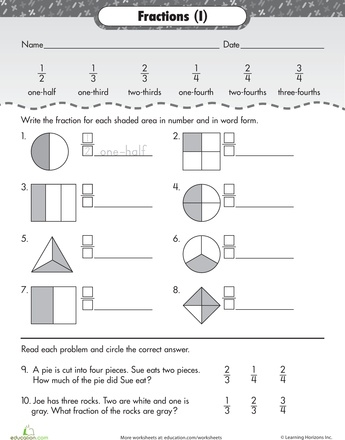
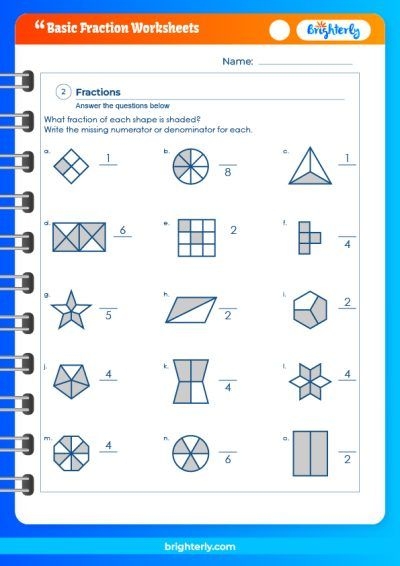
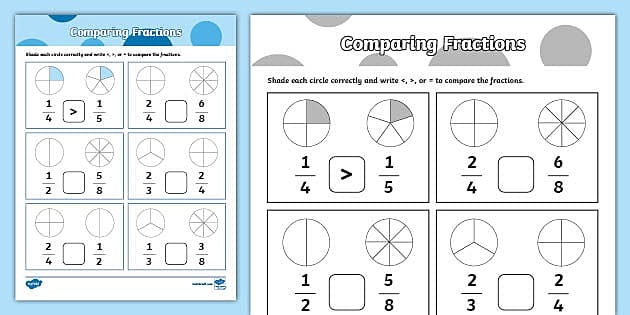
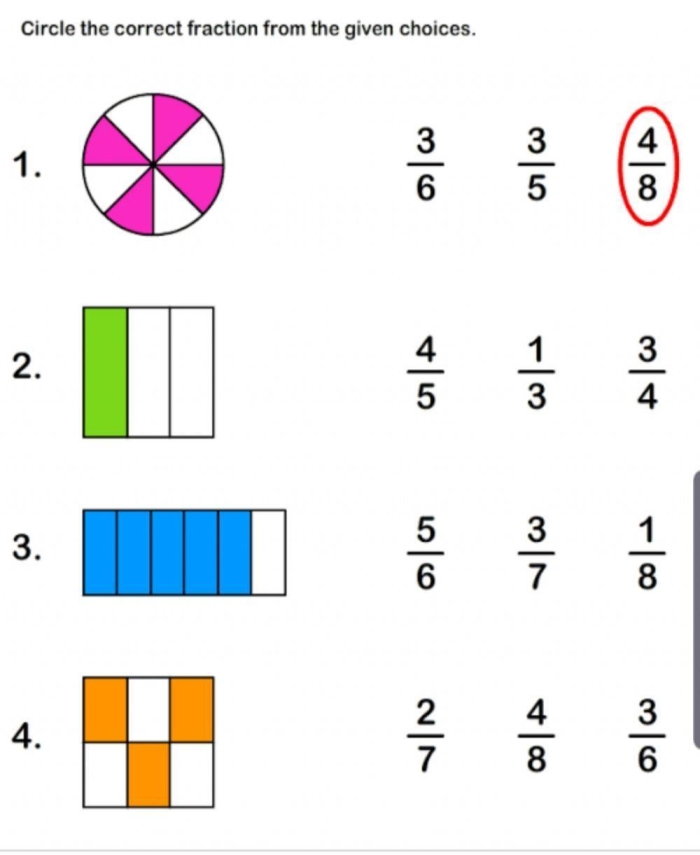
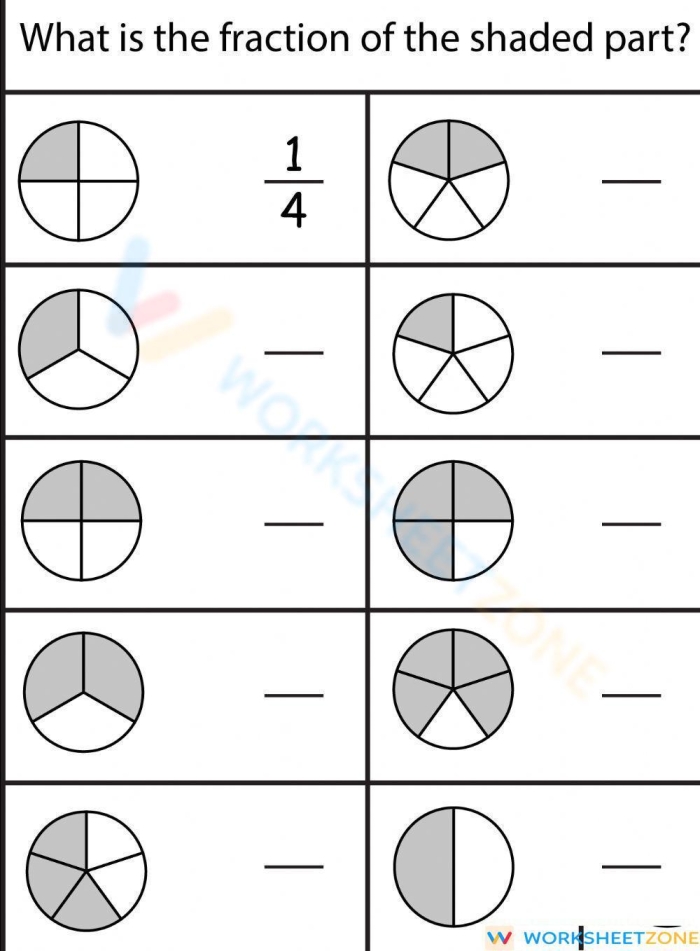
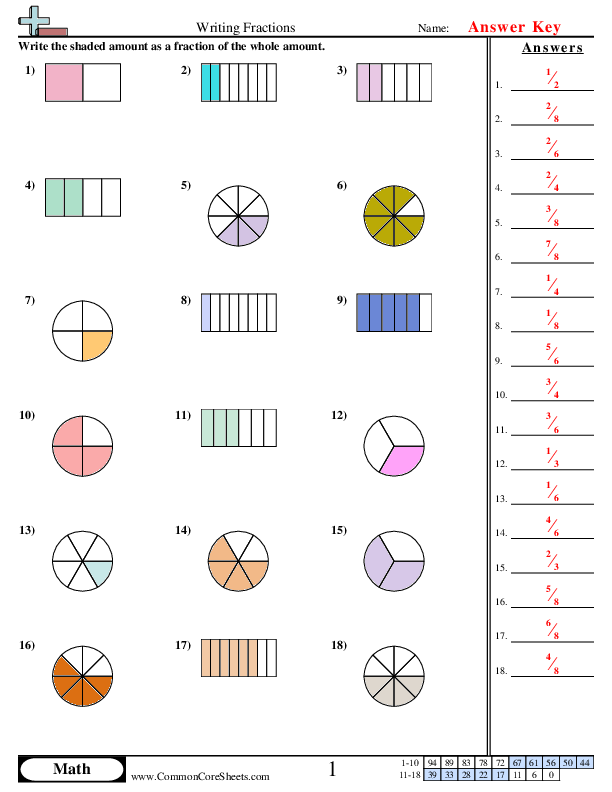
The most effective way to teach fraction basics is having students identify what fraction of a shape is shaded. Start with simple shapes like rectangles and circles divided into equal parts. Show your child a rectangle split into four equal sections with two sections colored in, then ask them to write the fraction. They’ll see that two out of four parts are shaded, so the answer is 2/4. This hands-on approach builds understanding from the ground up rather than forcing memorization.
When working with these exercises, emphasize that all parts must be equal in size. A circle divided into three equal pieces is different from one divided unevenly, even if only one section is shaded in both cases. This distinction matters because fractions depend on equal divisions. Your third grader should understand that the bottom number (denominator) tells how many equal parts exist, and the top number (numerator) tells how many are shaded.
Pair these visual activities with other learning approaches. While your child masters fraction basics through shaded shapes, they can also strengthen related skills like understanding divisibility rules and division concepts, which form the foundation for fraction work later on.
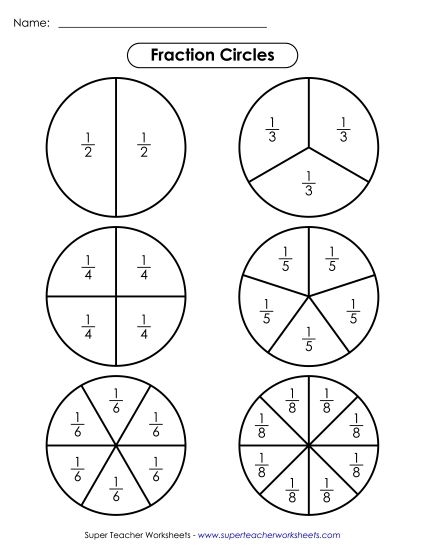
Repetition with different shapes and divisions keeps the practice fresh. Use triangles, squares, and hexagons divided into 2, 3, 4, 6, and 8 parts. Gradually introduce improper fractions and mixed numbers once your child feels confident with basic proper fractions. The key is patience and celebrating small wins as they progress.
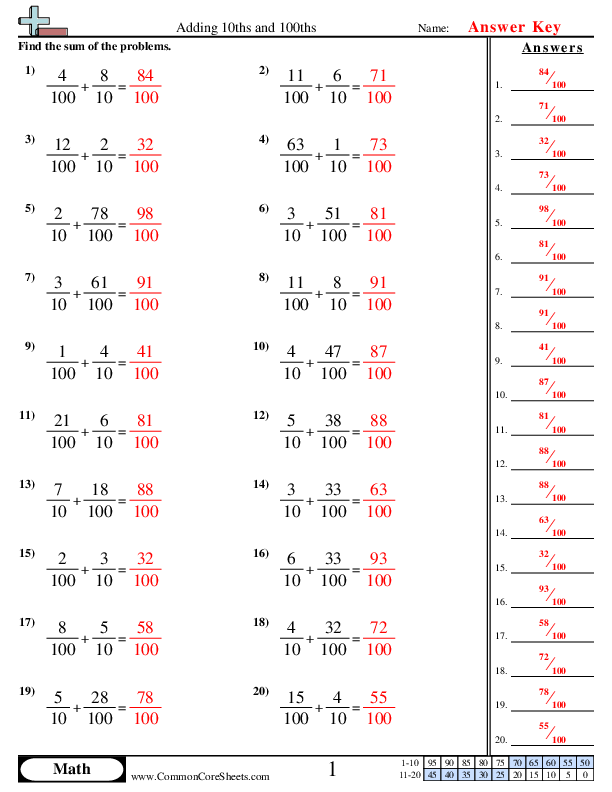
Worksheet Practice Section