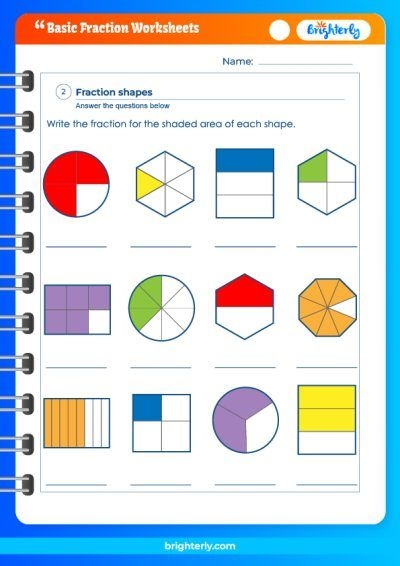
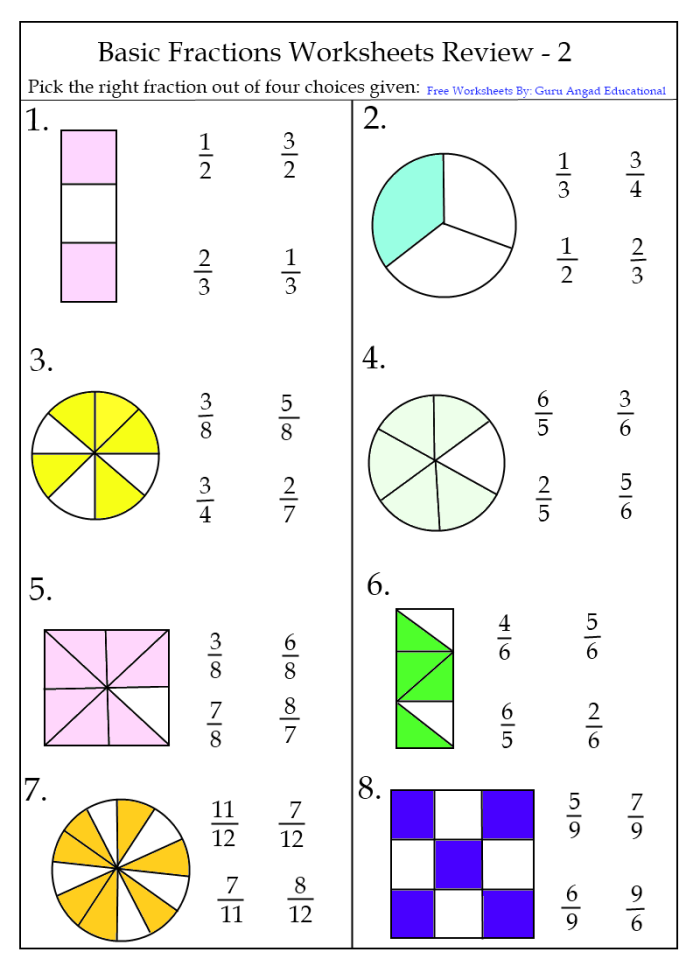
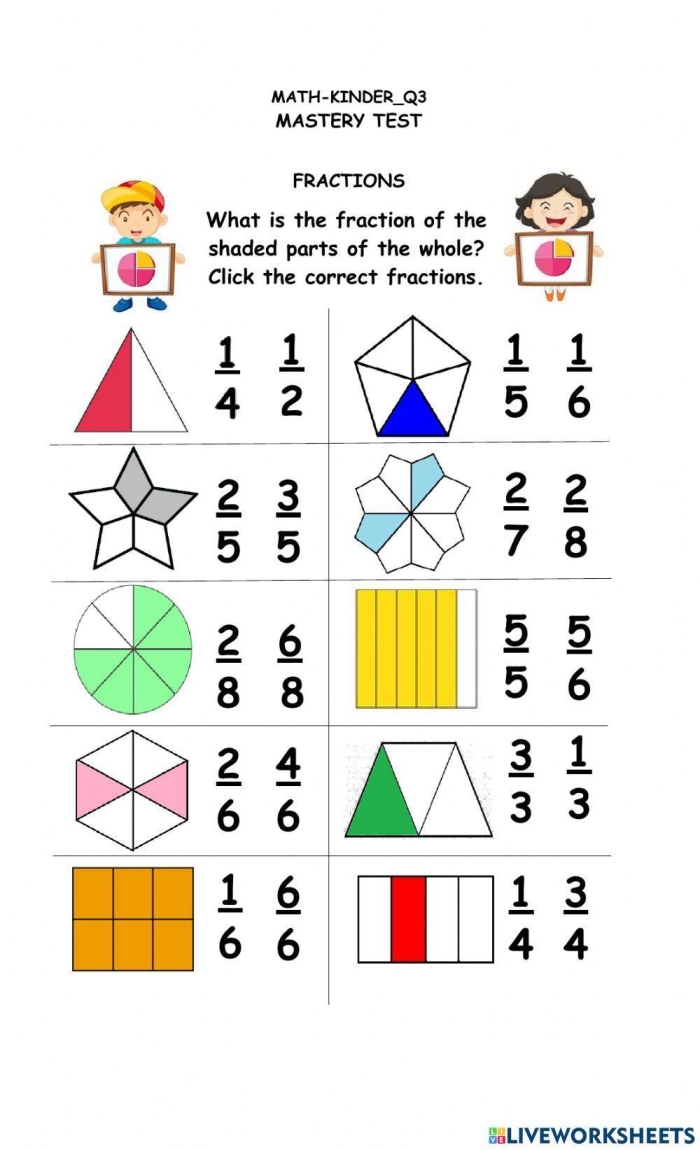
Fifth grade is when fractions stop being abstract shapes in textbooks and become real problems students need to solve. Assessing whether your students truly understand fractions at this level requires looking beyond simple recognition and checking if they can actually work with them in meaningful ways.
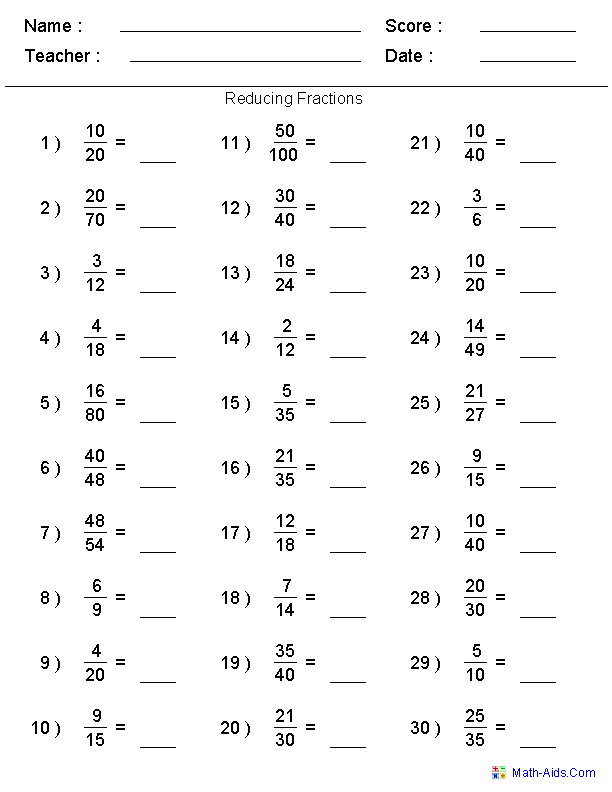
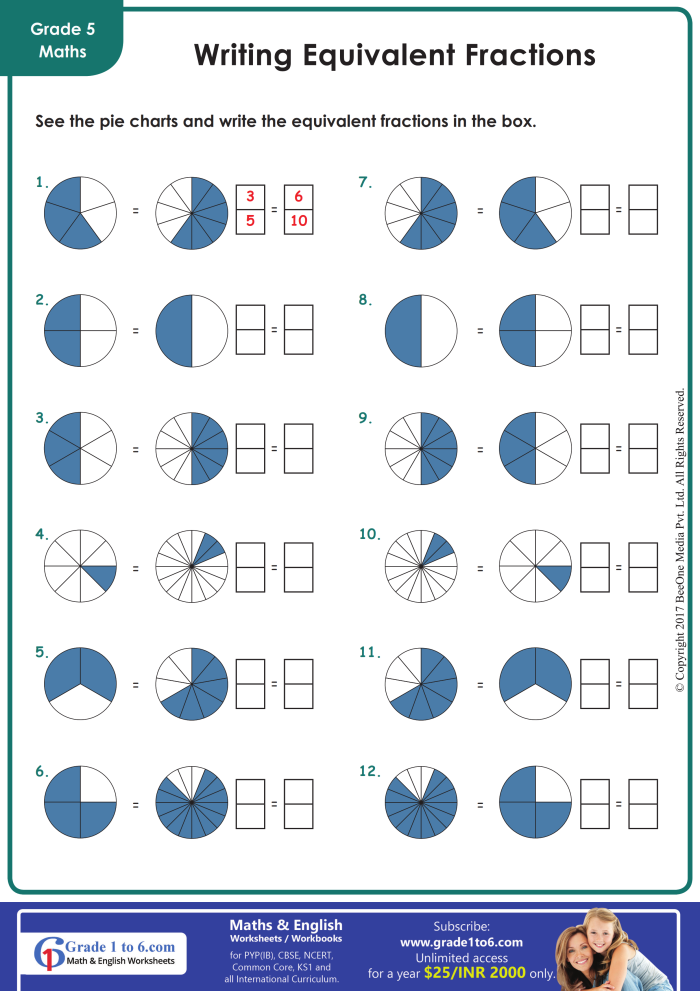
Equivalent fractions form the foundation for everything that comes next. A student who grasps that 2/4 and 1/2 represent the same amount has unlocked the key to most fraction operations. When assessing this concept, watch for students who can explain why these fractions are equal, not just identify them from a list. Ask them to find equivalent fractions without a visual model to see if they understand the underlying principle of multiplying or dividing both numerator and denominator by the same number.
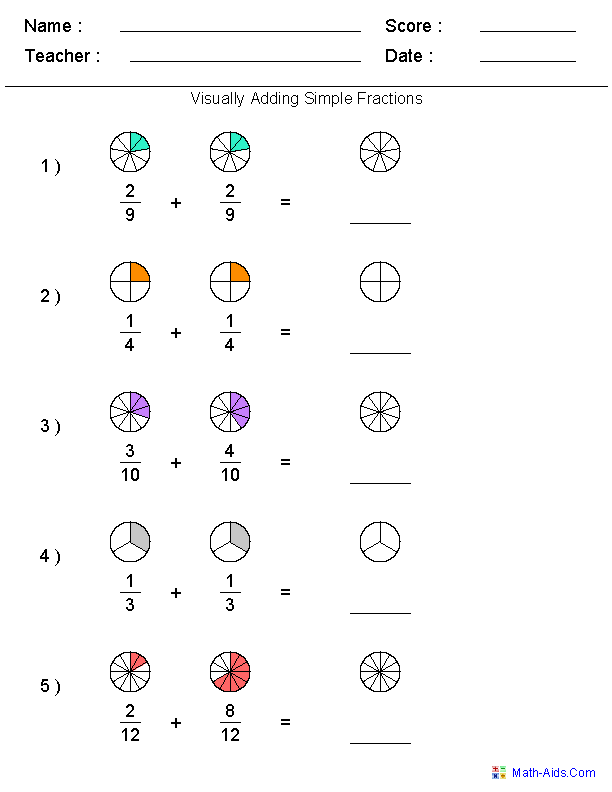
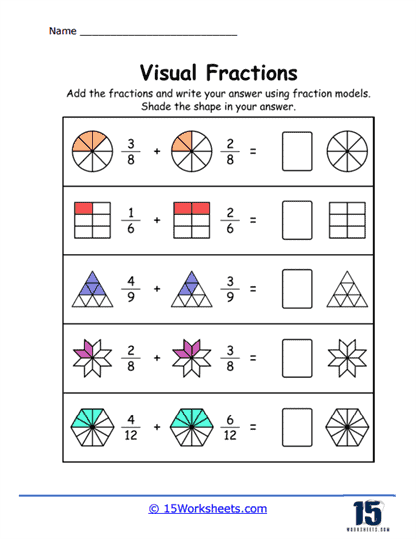
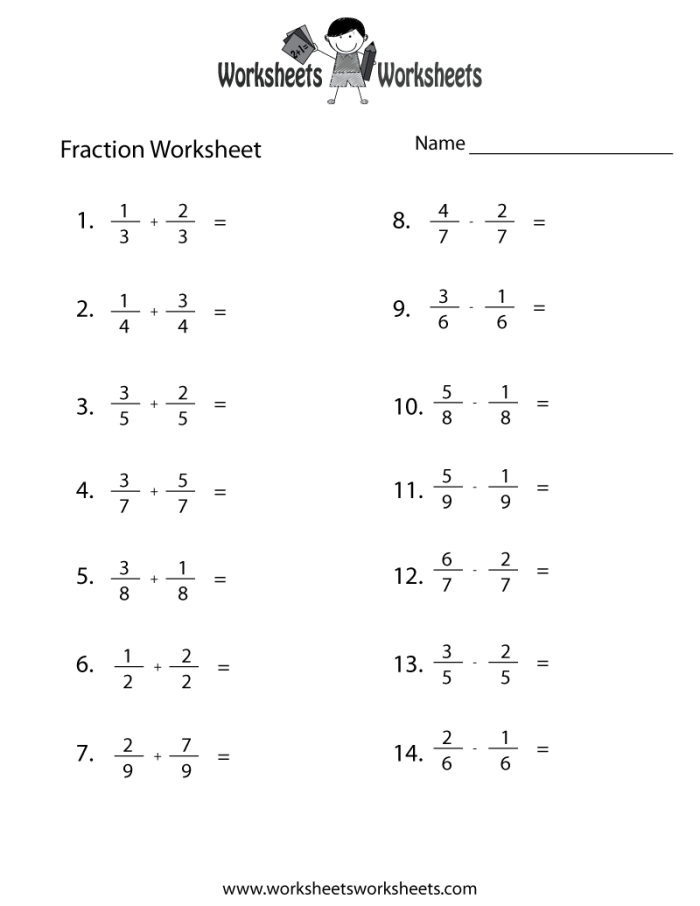
Adding fractions with unlike denominators trips up many fifth graders because it requires them to first find a common denominator, then add. This is where conceptual understanding matters most. Some students memorize the steps without understanding why they need a common denominator in the first place. Present problems where students must explain their thinking or use models to show their work.
Improper fractions and mixed numbers represent another critical checkpoint. Students should recognize that 7/3 and 2 1/3 express the same quantity and move fluidly between both forms. This concept connects directly to understanding how fractions relate to whole numbers, which is essential for later work with decimals and ratios.
When you assess these four areas, you’re building a complete picture of fraction readiness. Consider pairing your assessments with practice materials that reinforce these concepts. Resources like worksheets on decimal operations can help bridge fractions to the next mathematical concept your fifth graders will encounter.
Boost Skills with These Worksheets