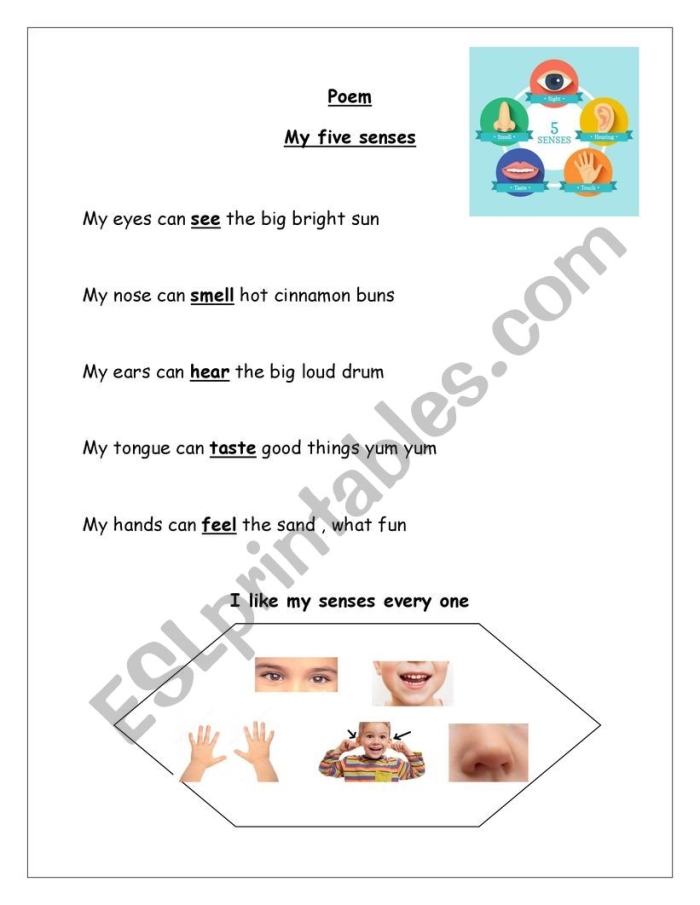
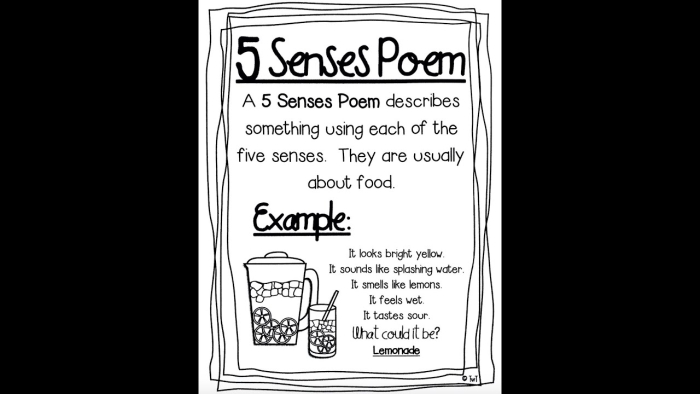
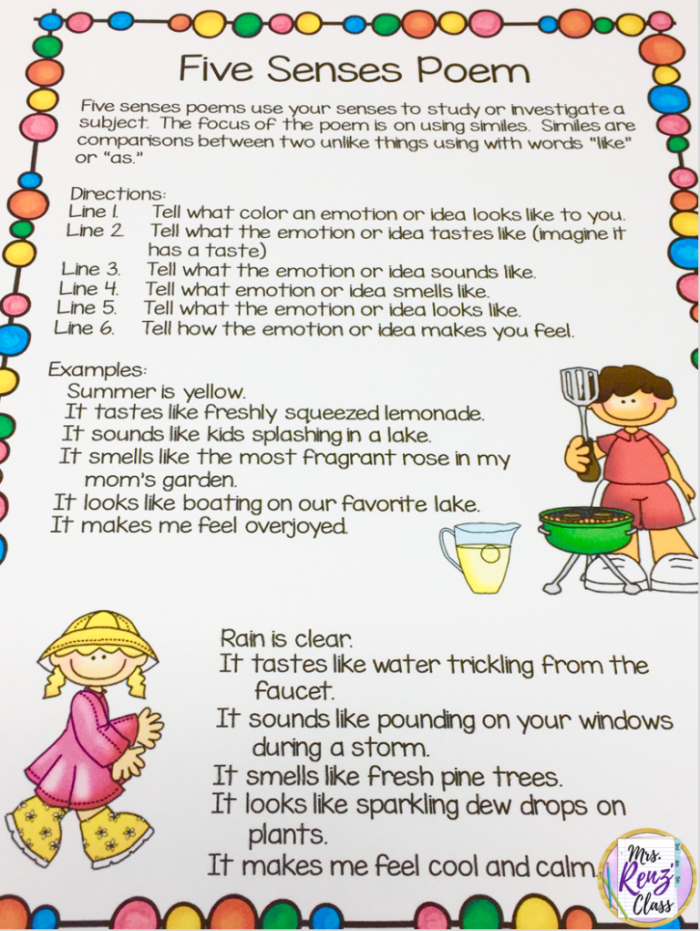
Encouraging your child to write a five senses poem opens up a world of creativity and helps them explore sensory language in a fun and engaging way. This activity invites young learners to tap into their senses—sight, sound, touch, taste, and smell—enhancing their descriptive skills while they express their thoughts and feelings. As they craft their poem, they learn to articulate their experiences, making the process both educational and enjoyable.
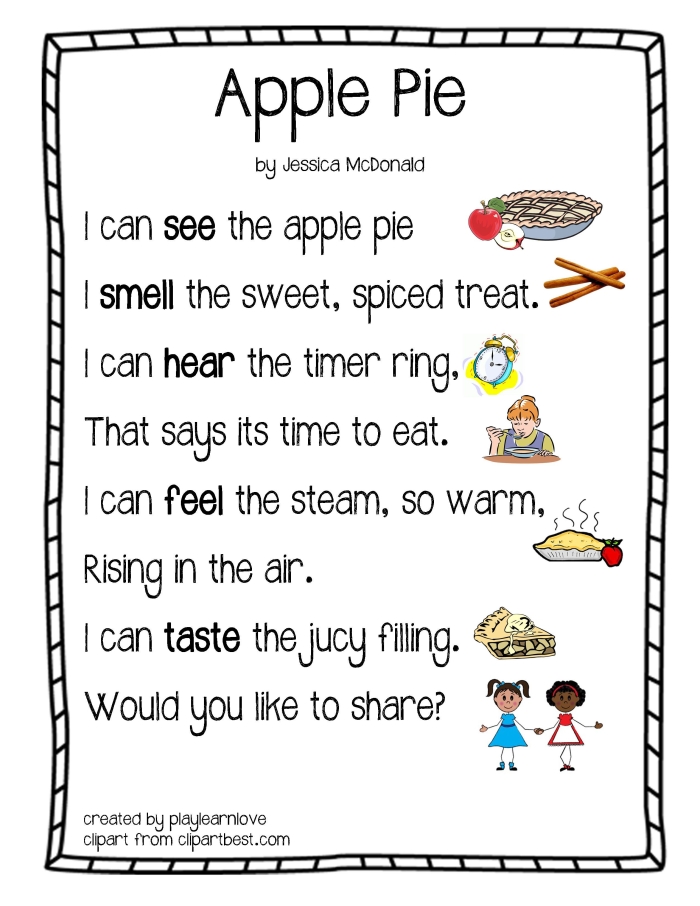
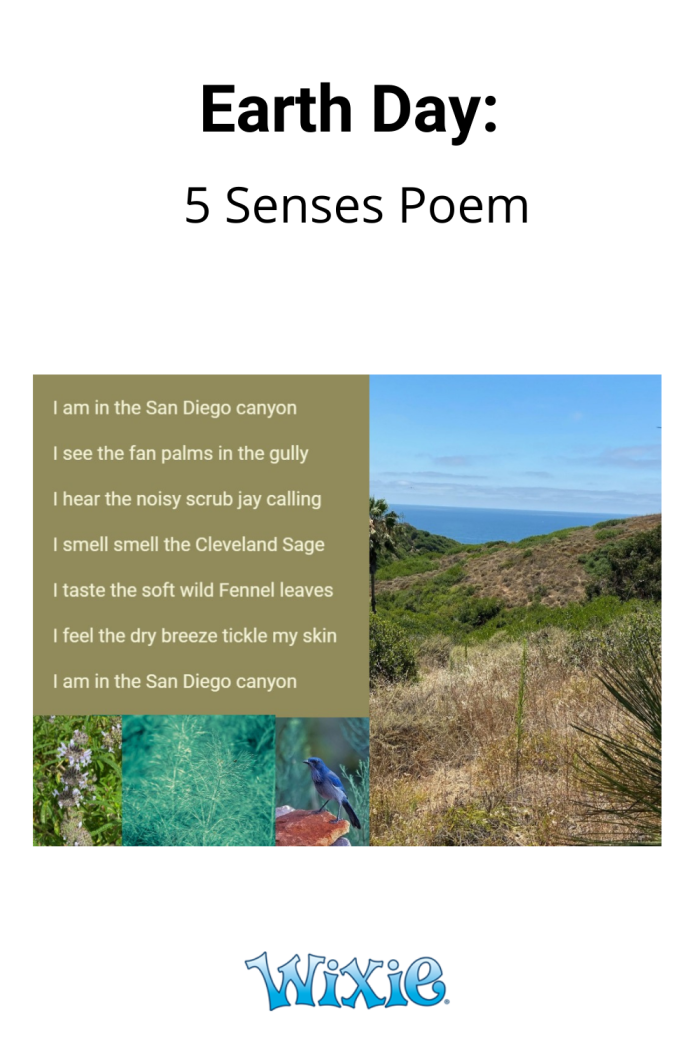
Start by introducing the concept of sensory language. Explain that this type of language helps readers experience what is being described, allowing them to imagine the sights, sounds, and feelings of a moment. You might read a few examples of five senses poems together. This could be a great way to illustrate how poets use rich, vivid descriptions. For instance, when describing a beach, a child could write about the “golden grains of sand” underfoot, the “crashing waves” in the distance, or the “salty breeze” that fills the air.
To guide your child in writing their own poem, encourage them to brainstorm sensory details about a specific topic. This could be anything from a favorite food to a seasonal event. Help them list out words and phrases that relate to each of the five senses. This brainstorming session can also be a fantastic opportunity to integrate geometry concepts. For instance, you might discuss the different shapes of objects they see, such as the roundness of a sun or the sharp angles of a building, linking their sensory observations with shapes they encounter.
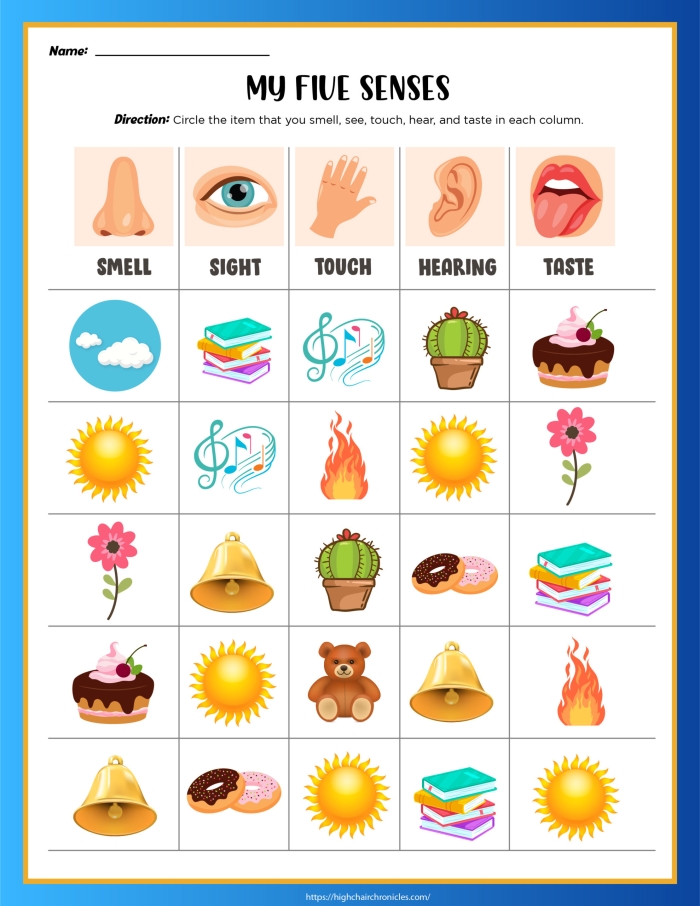
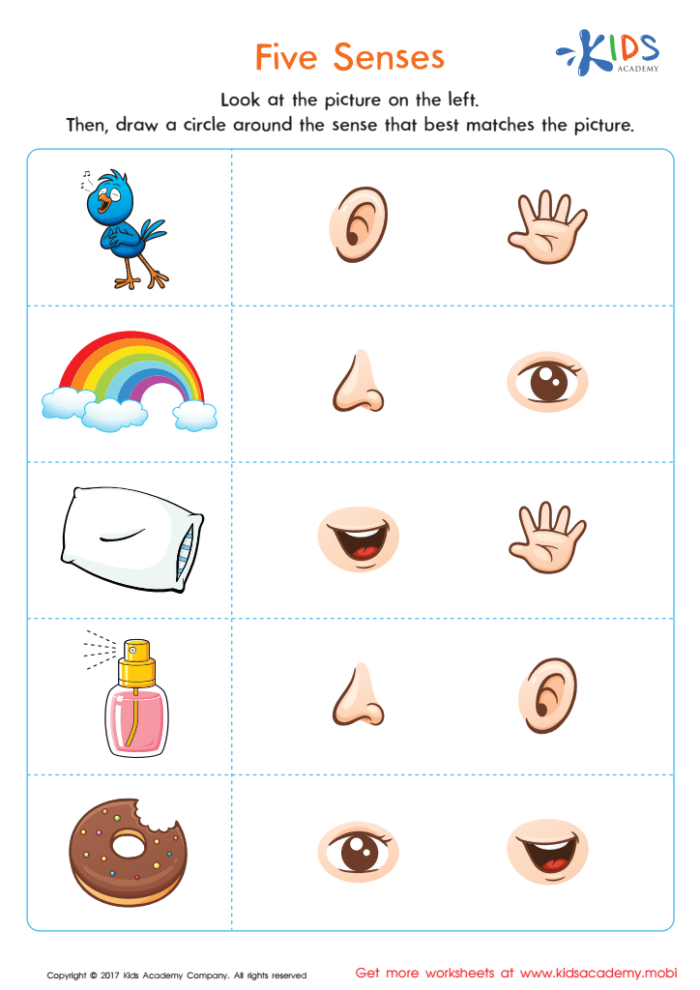
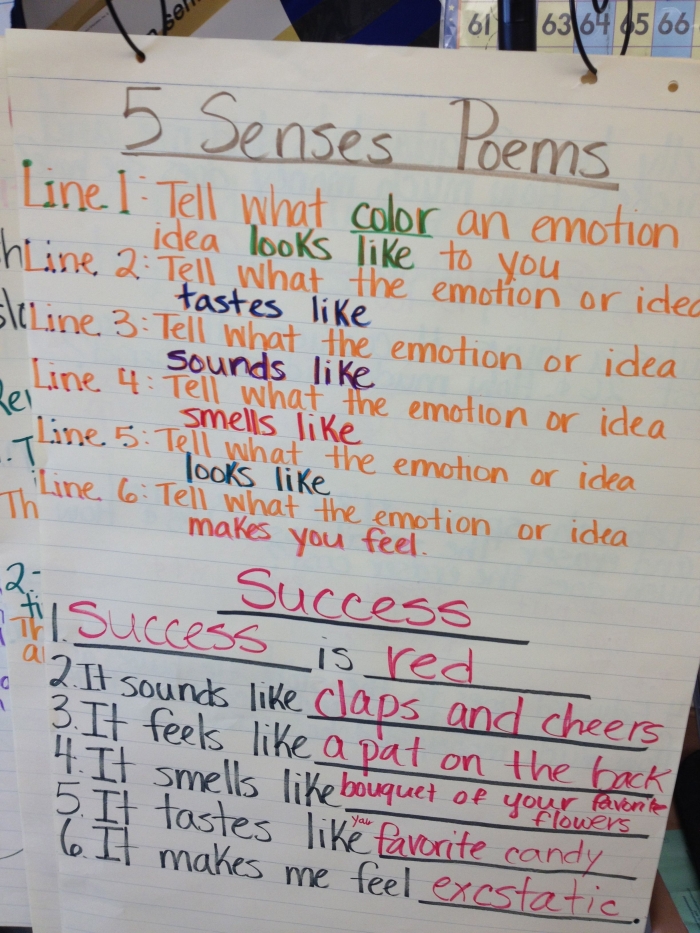
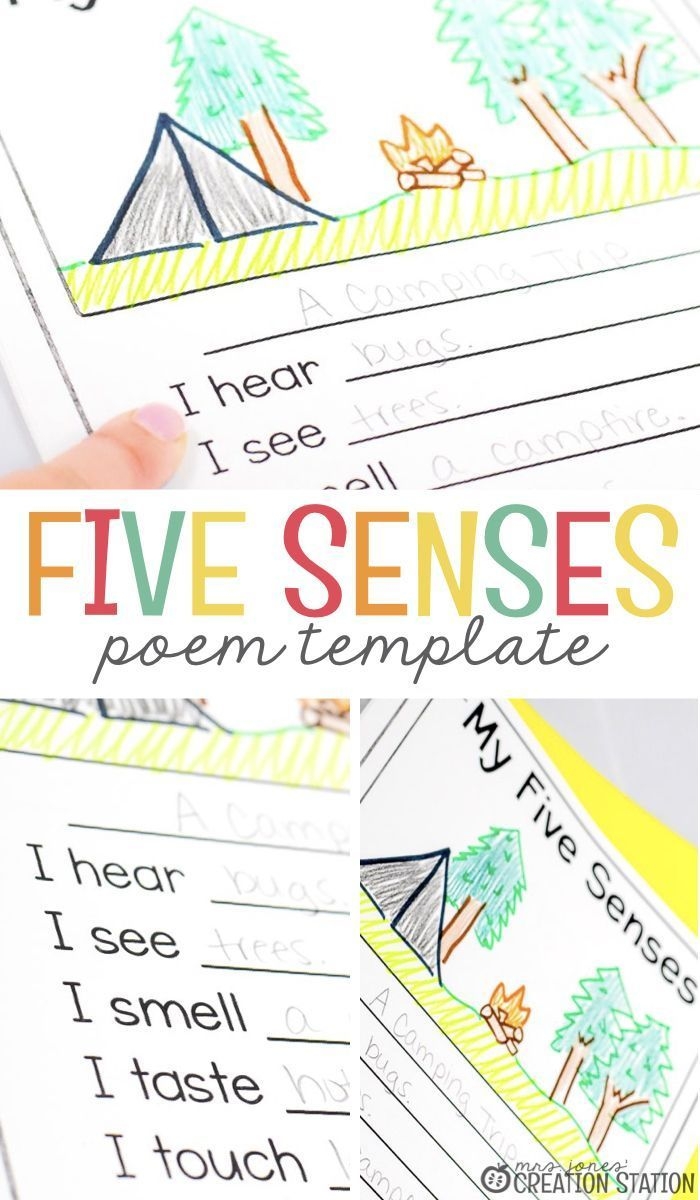
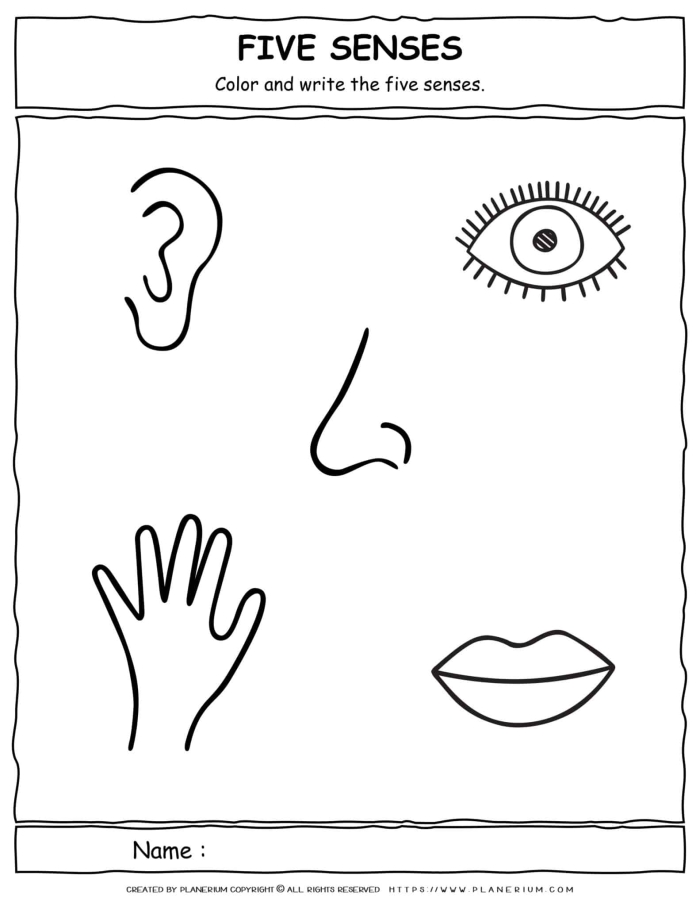
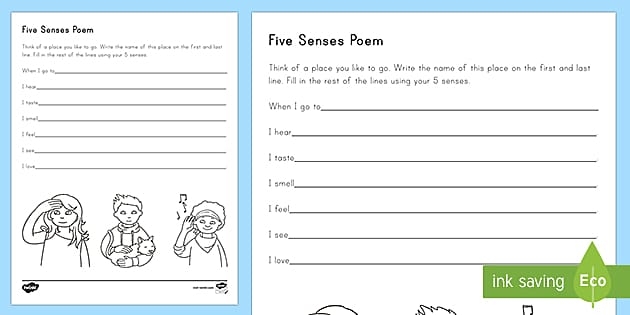
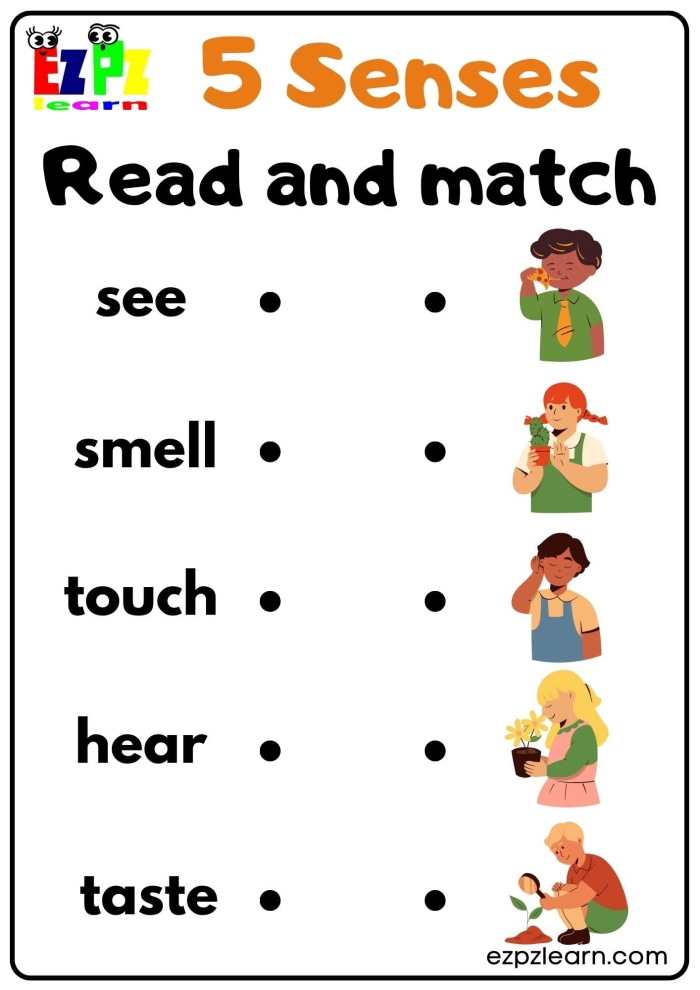
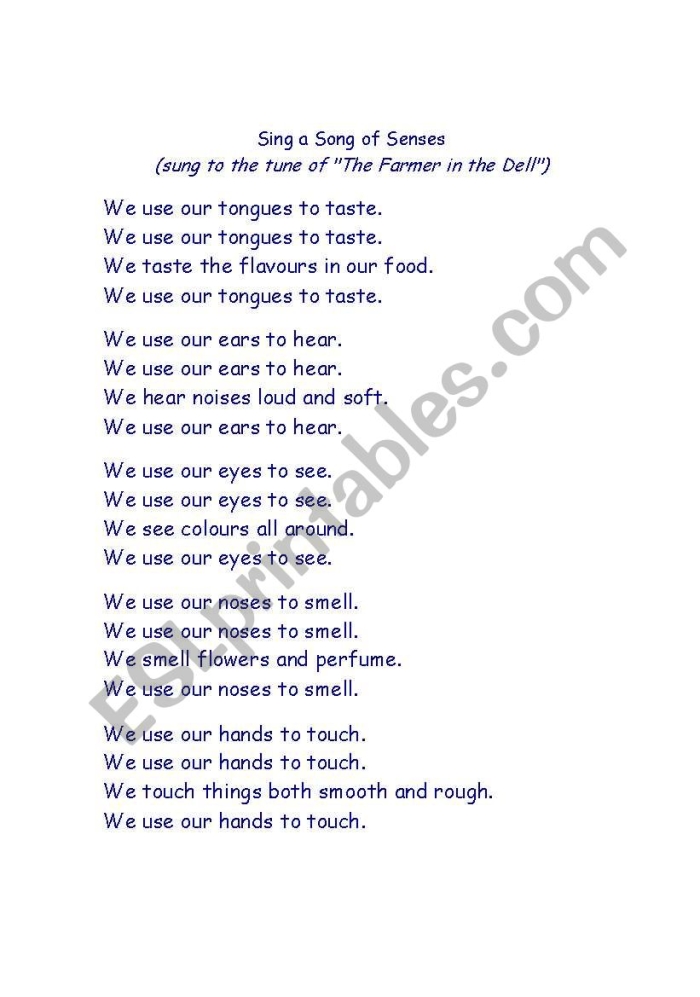
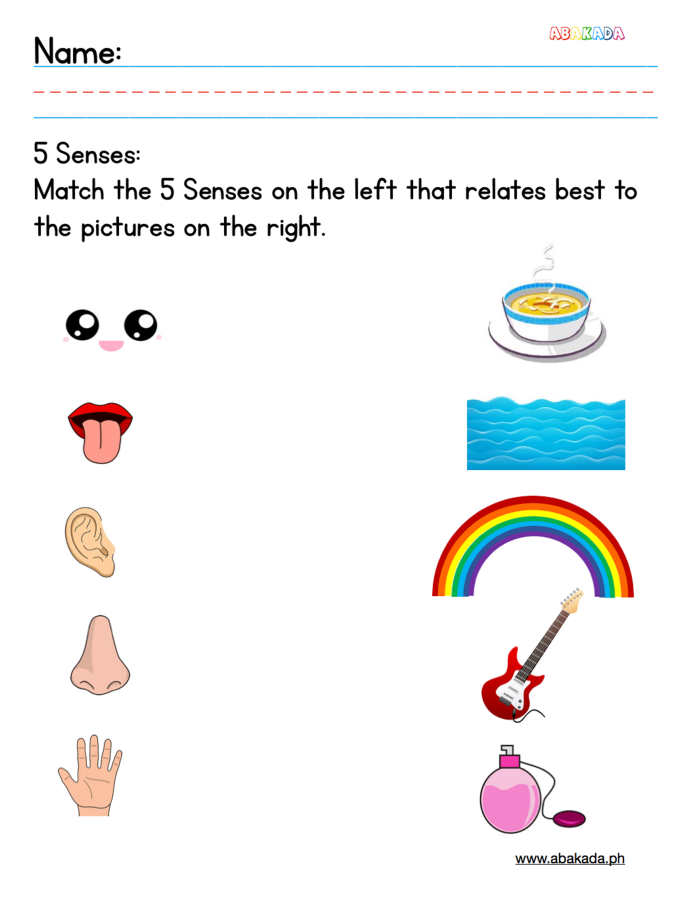
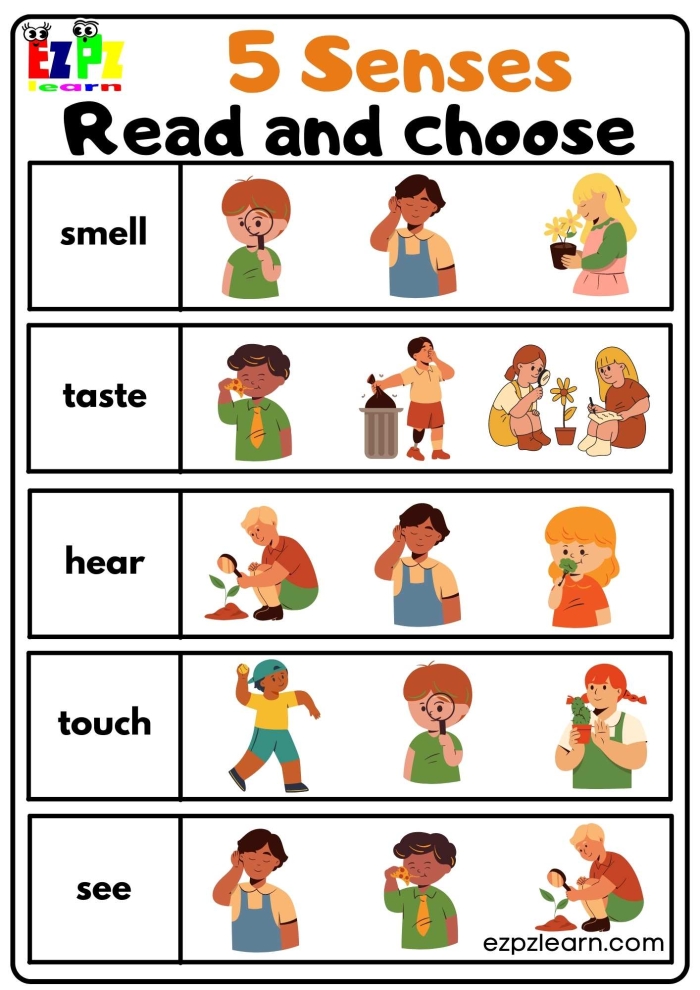
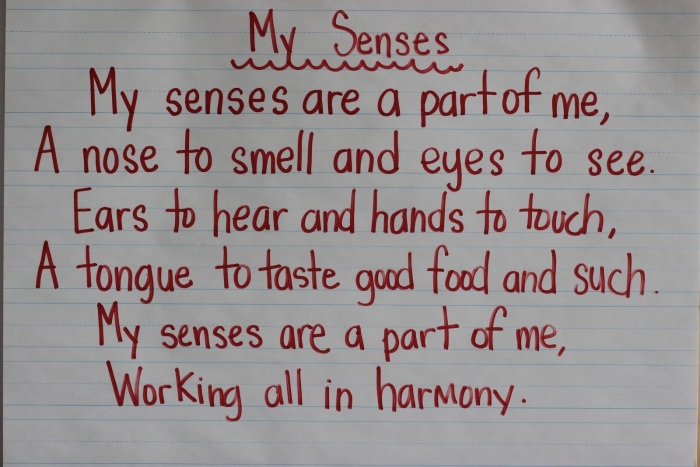
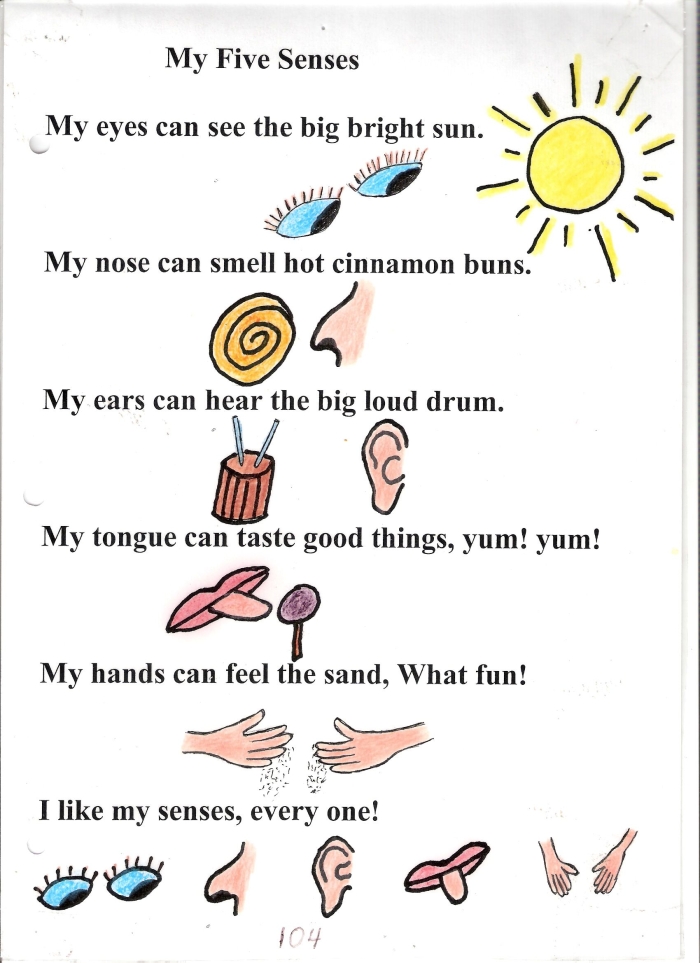
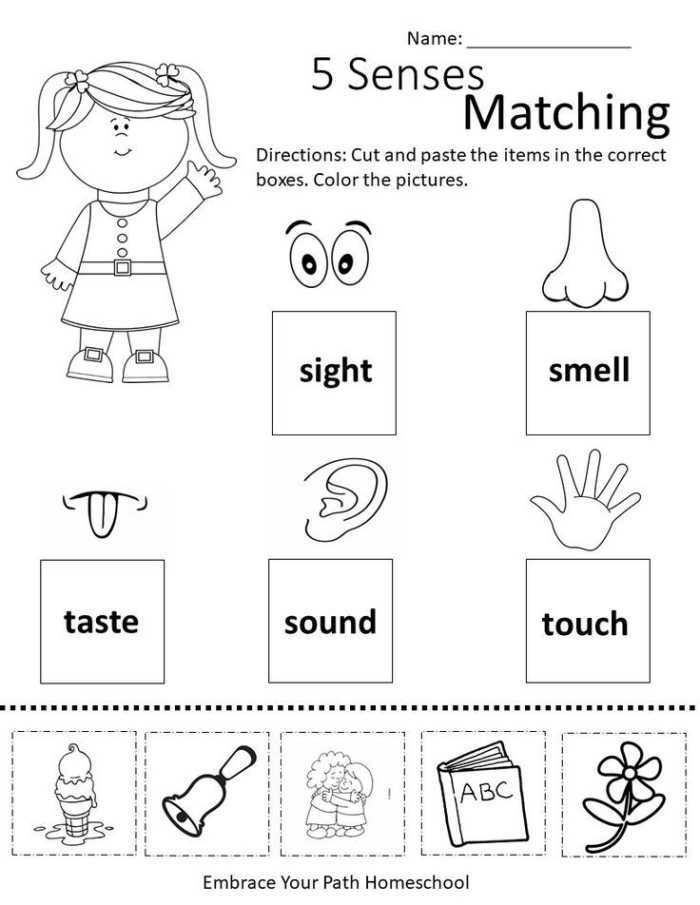
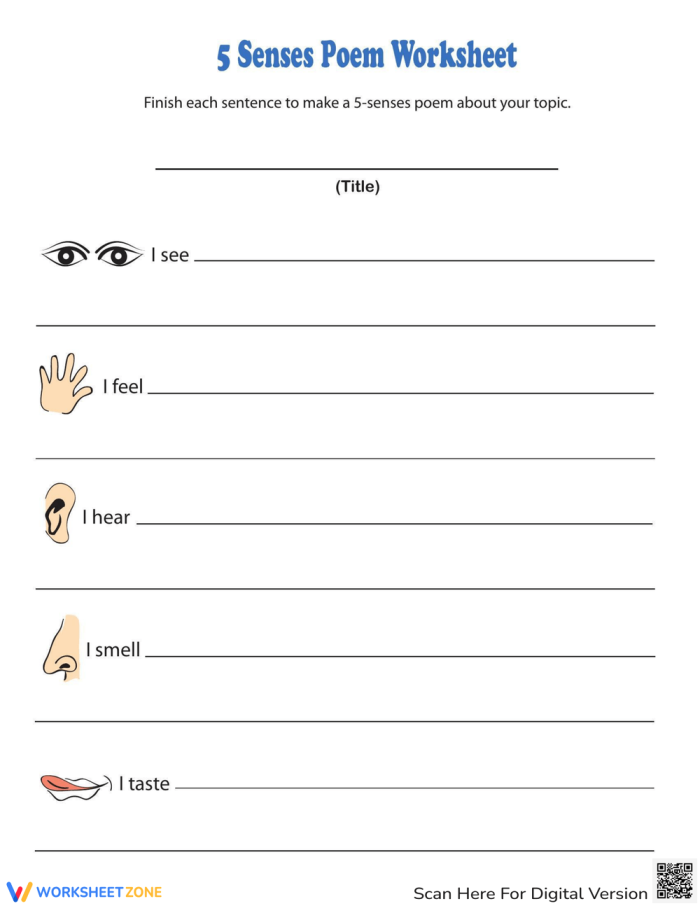
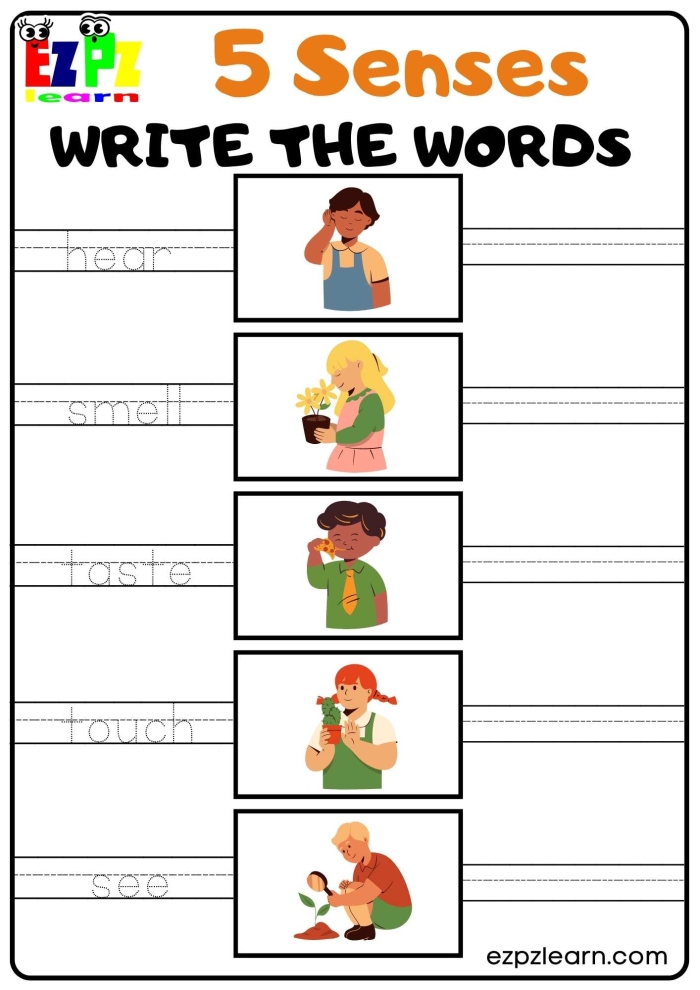
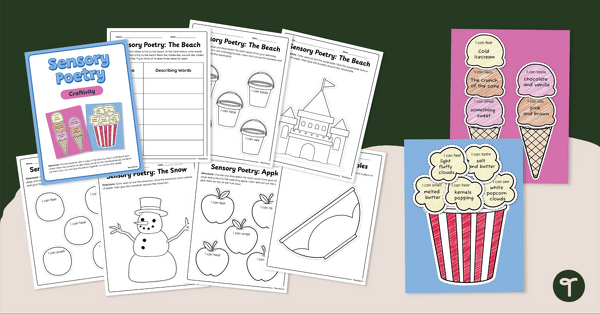
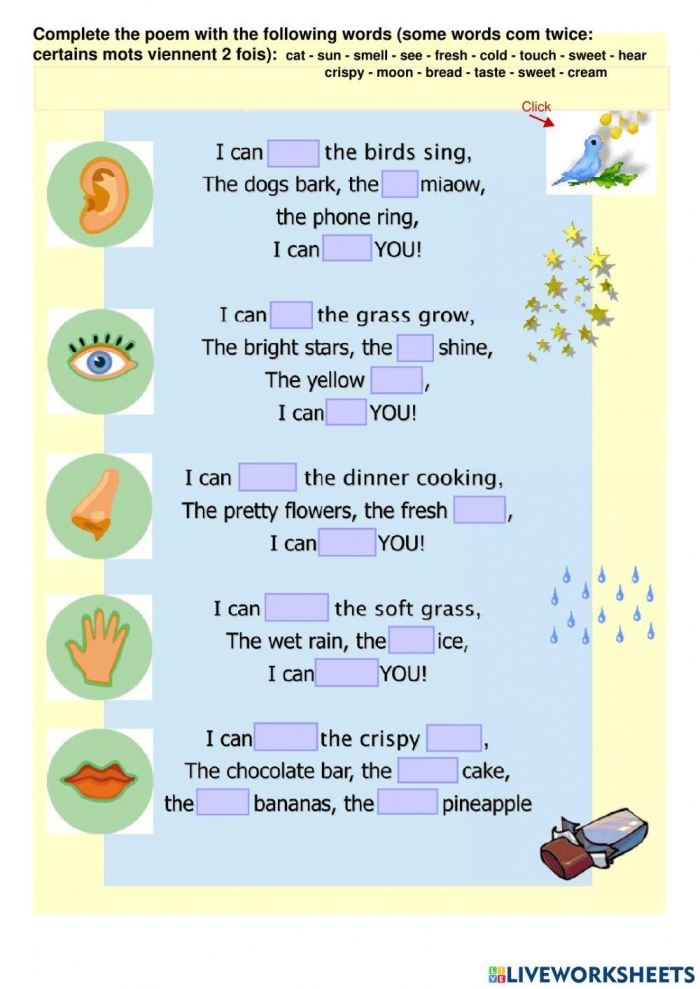
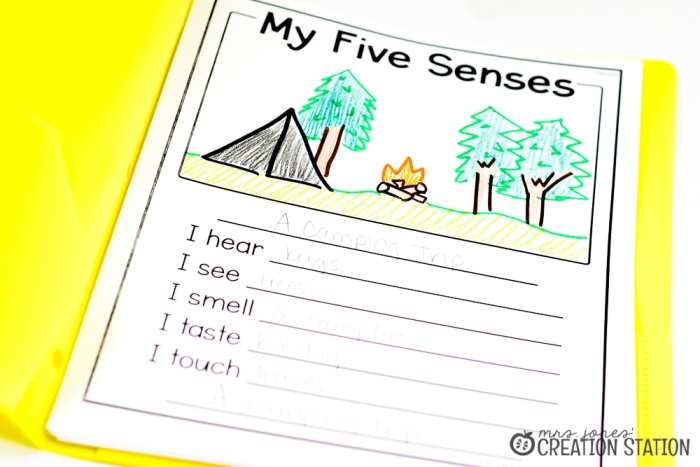
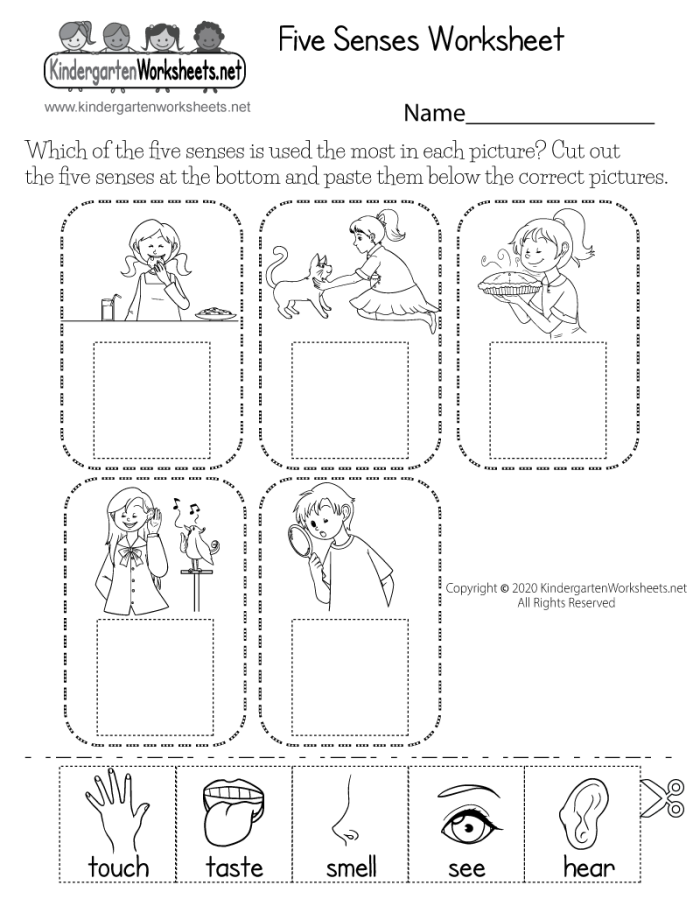
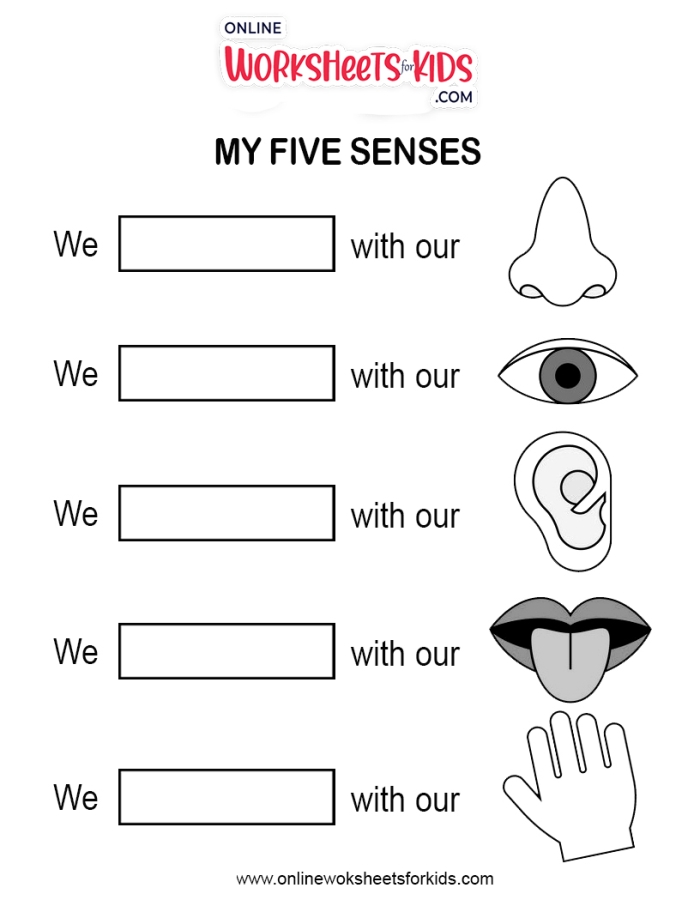
Once they’ve gathered their ideas, assist them in structuring their poem. It doesn’t have to follow a strict format; the important part is that it reflects their unique voice and perspective. As they write, remind them to include descriptive language that will help readers engage with their imagery. To further enhance their learning, consider using printable five senses poem worksheets available online. These resources can provide additional structure and inspiration for their writing journey.
Writing a five senses poem not only nurtures your child’s creativity but also strengthens their understanding of the world around them. By connecting their sensory experiences to language, they develop both their writing skills and their ability to observe and appreciate the details in everyday life.
Download These Worksheets for Practice