Teaching third graders to identify problems and solutions using question words is an effective strategy that enhances their comprehension skills. By focusing on six key words—who, what, when, where, why, and how—students can dissect short passages and uncover essential information. This approach not only fosters critical thinking but also empowers children to engage more deeply with texts.
When children read a passage, they can start by asking “who” to identify the characters involved. For instance, in a story about the Pilgrims, the children might ask, “Who are the Pilgrims?” This sets the stage for understanding the narrative. The “what” question helps them pinpoint the main events or issues. A question like “What challenges did the Pilgrims face?” can lead to discussions about their hardships and solutions.
Next, “when” and “where” place events in context, helping students grasp the timeline and setting. Asking “When did the Pilgrims arrive in America?” or “Where did they settle?” enriches their understanding. The “why” question encourages them to think critically about motivations. For example, “Why did the Pilgrims leave England?” prompts exploration of historical reasons behind their journey.
Finally, the “how” question wraps everything together. It leads to discussions on how problems were addressed. “How did the Pilgrims survive their first winter?” is a question that connects the events to the solutions they found, reinforcing the concept of problem-solving.
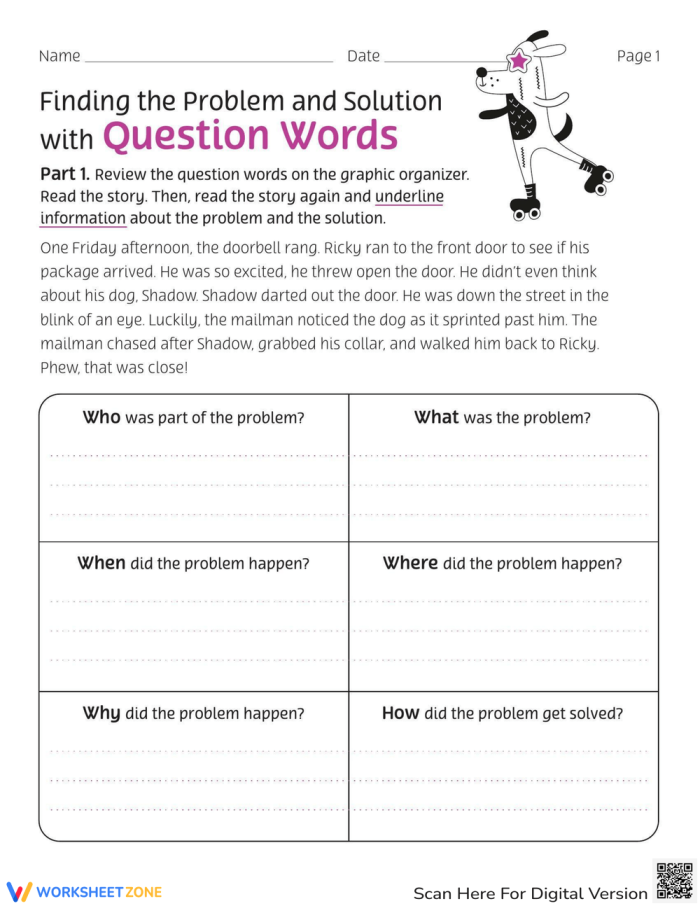
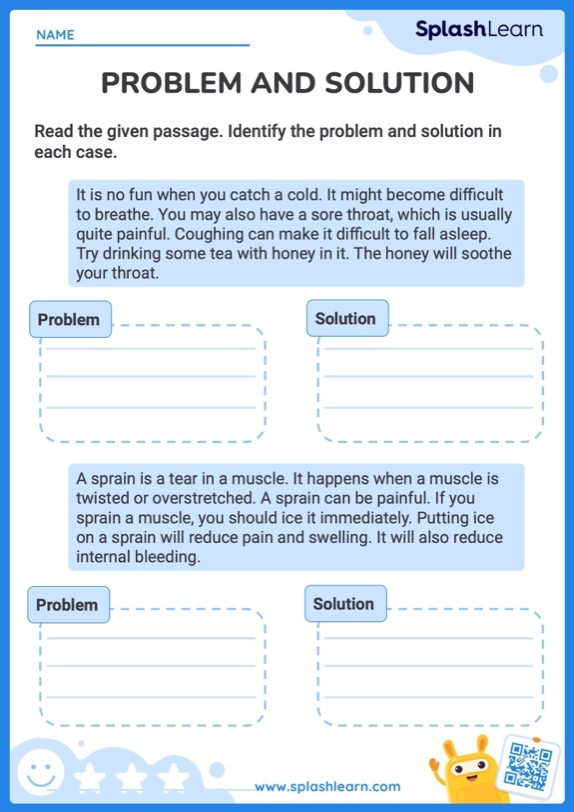
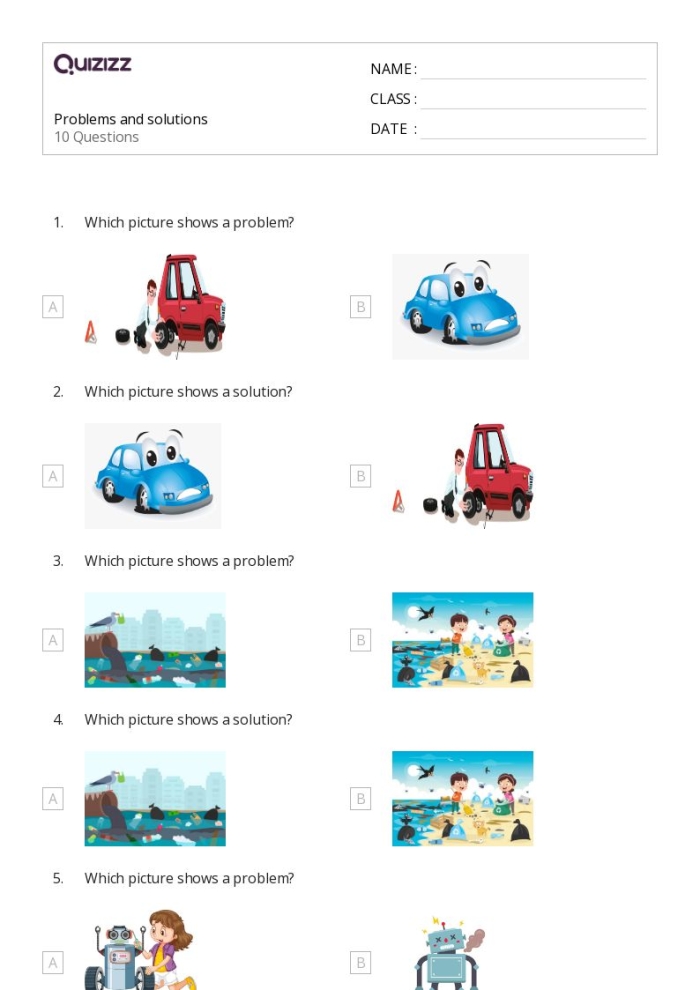
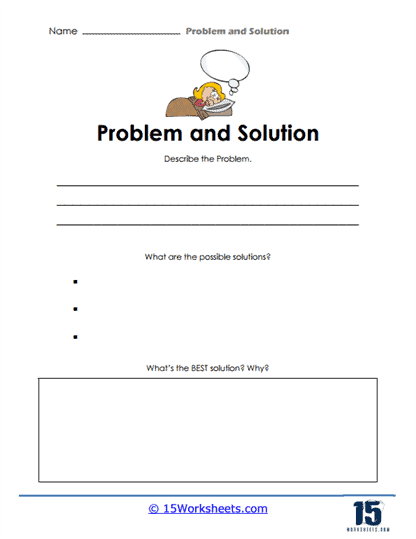
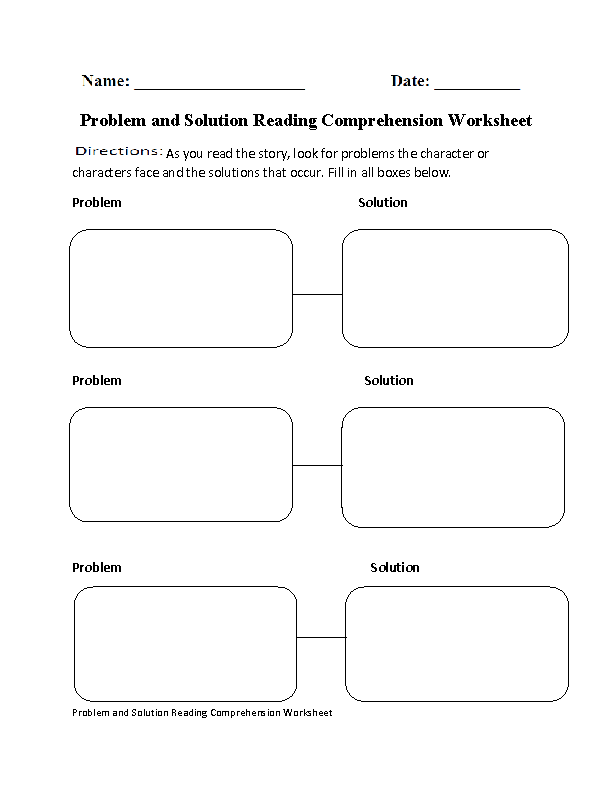
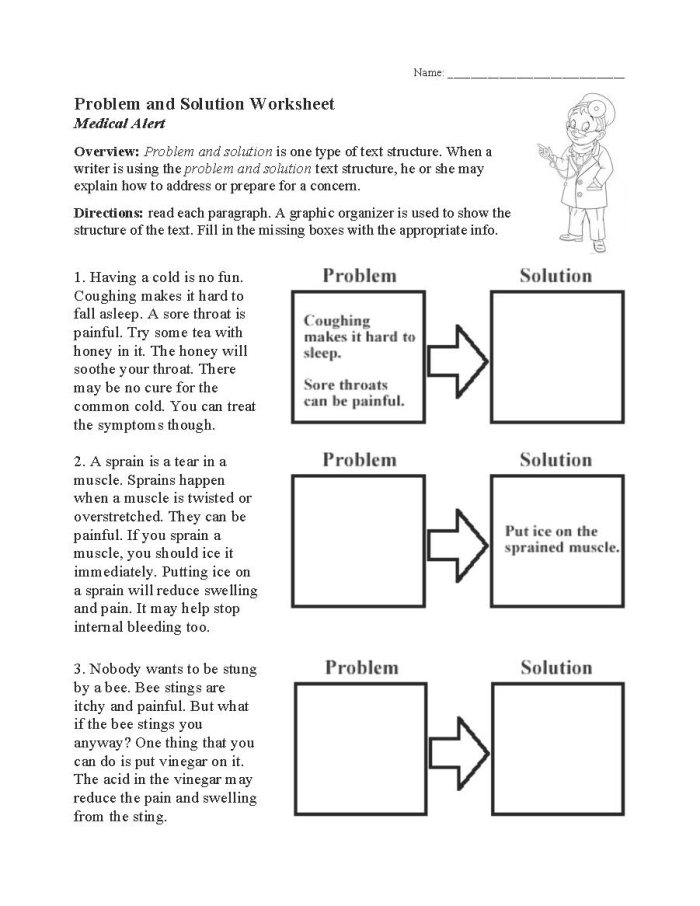
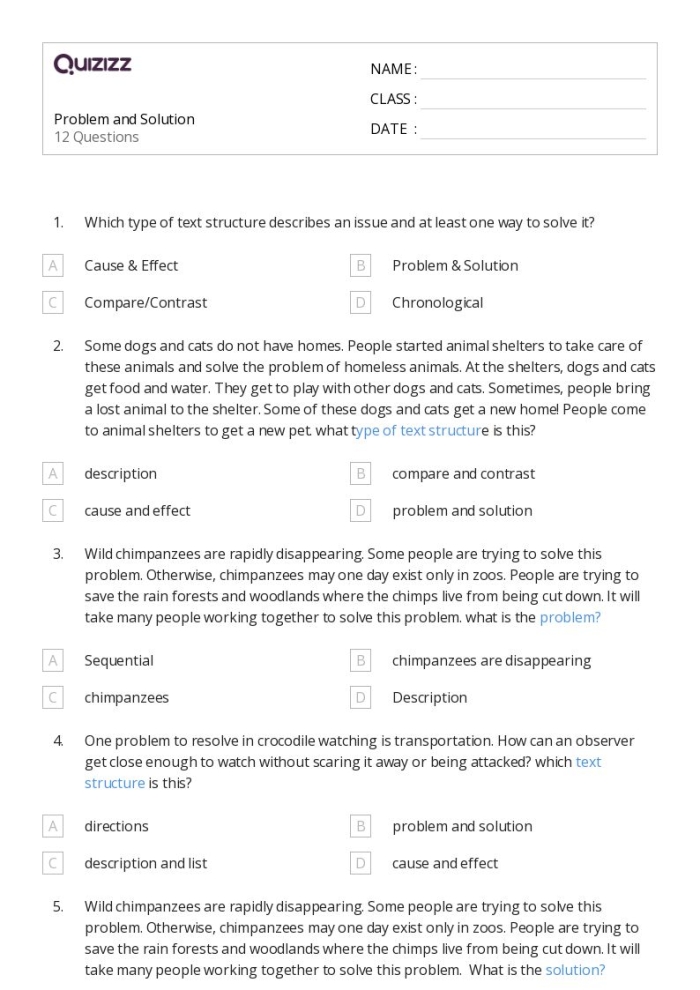
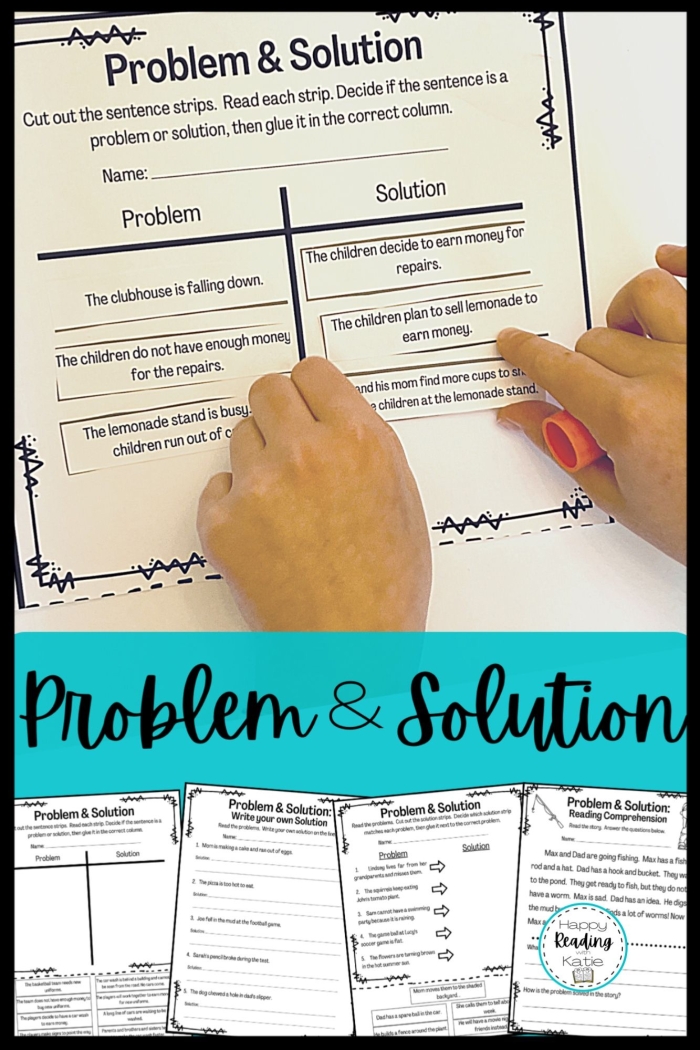
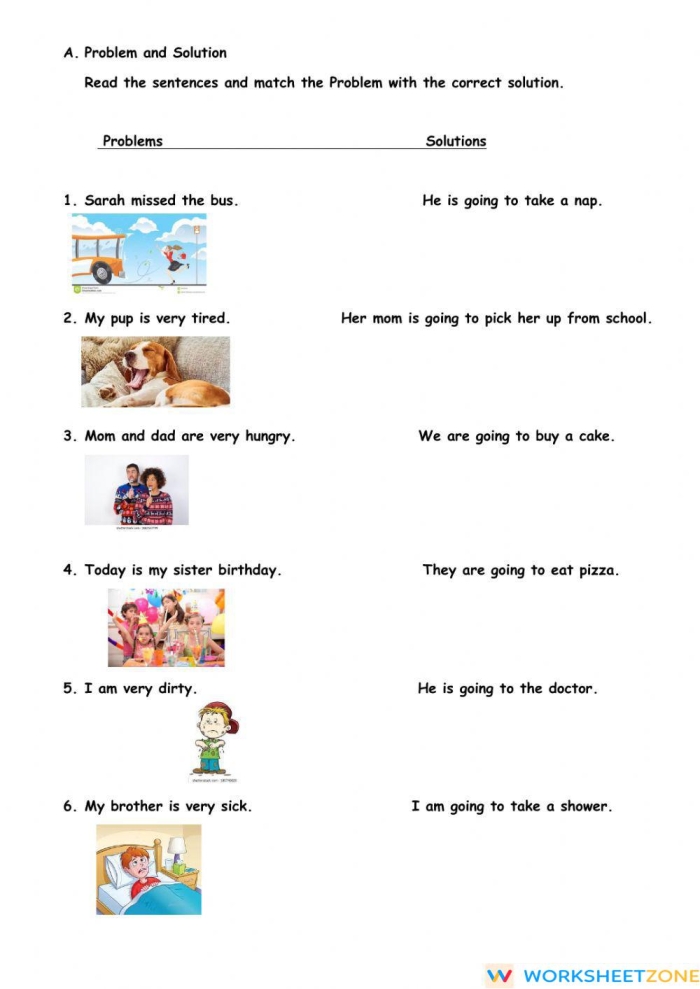
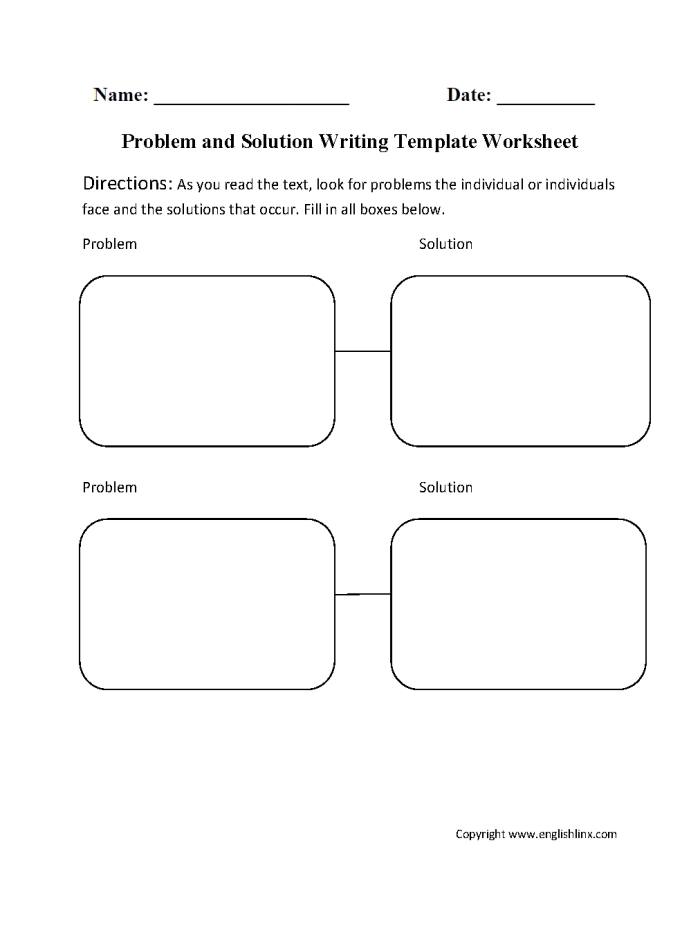
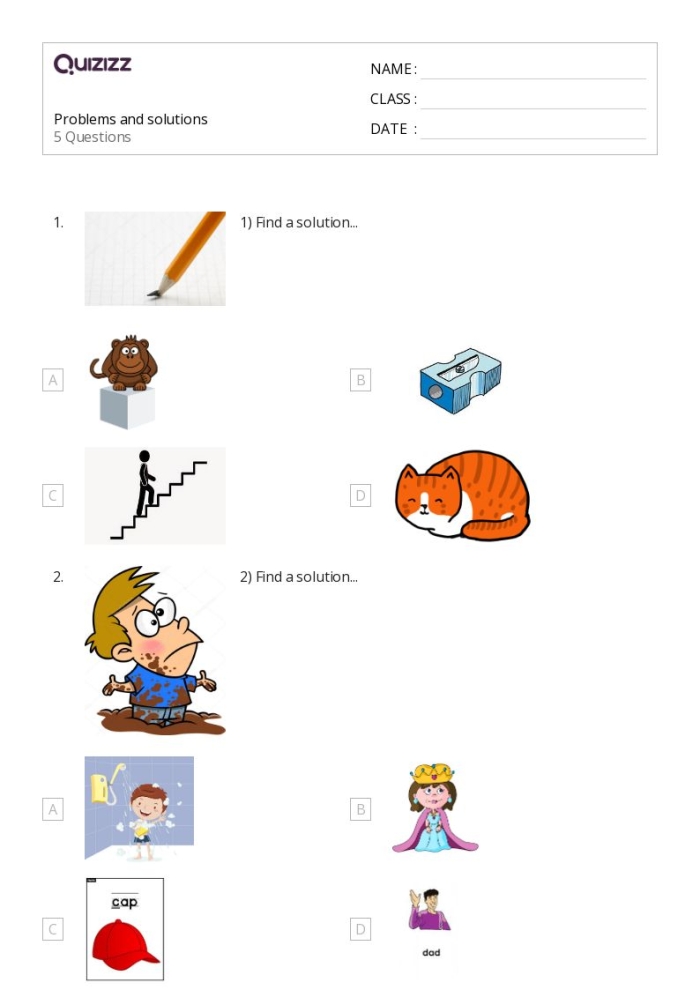
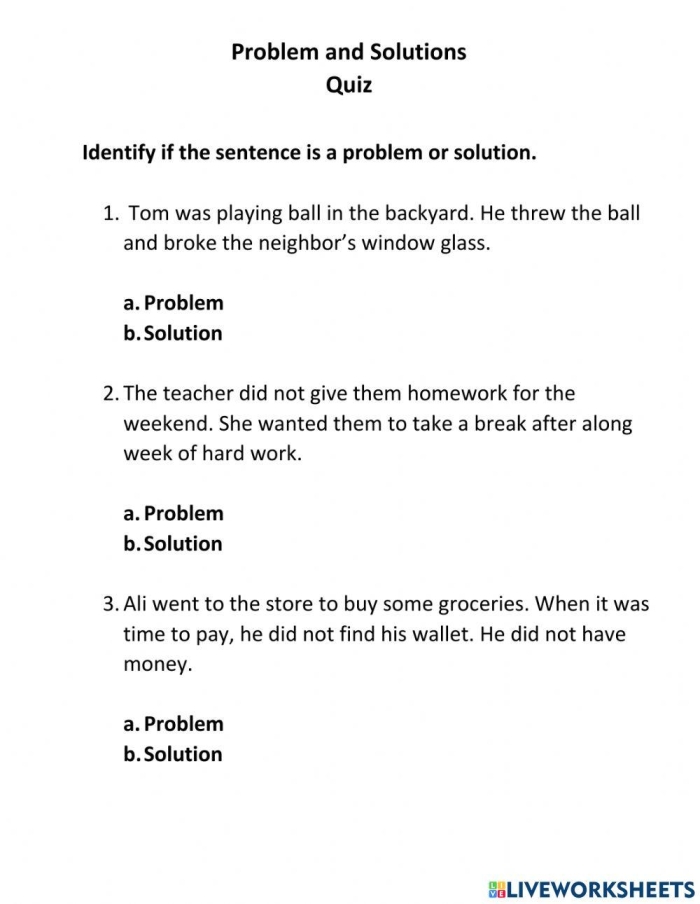
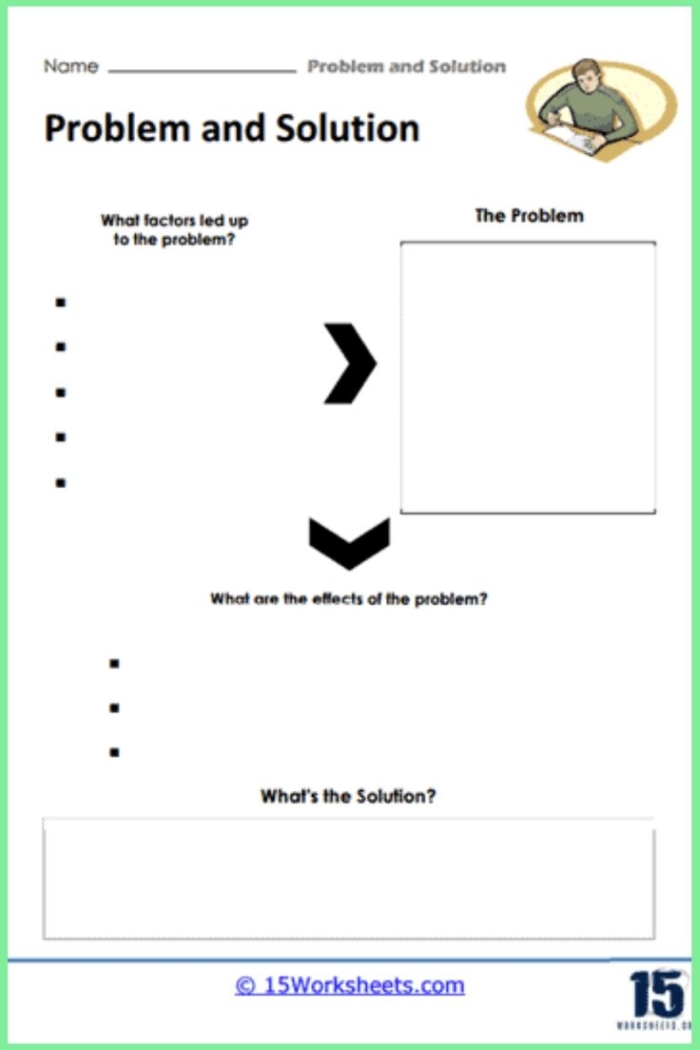
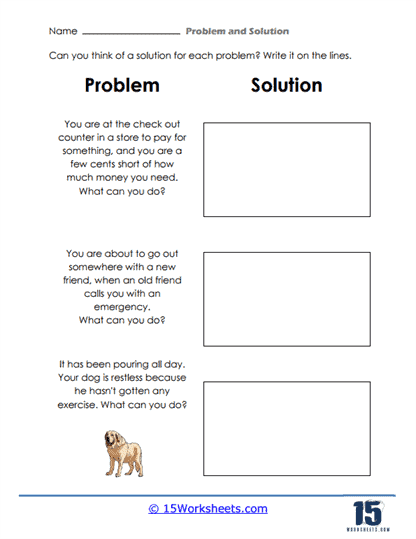
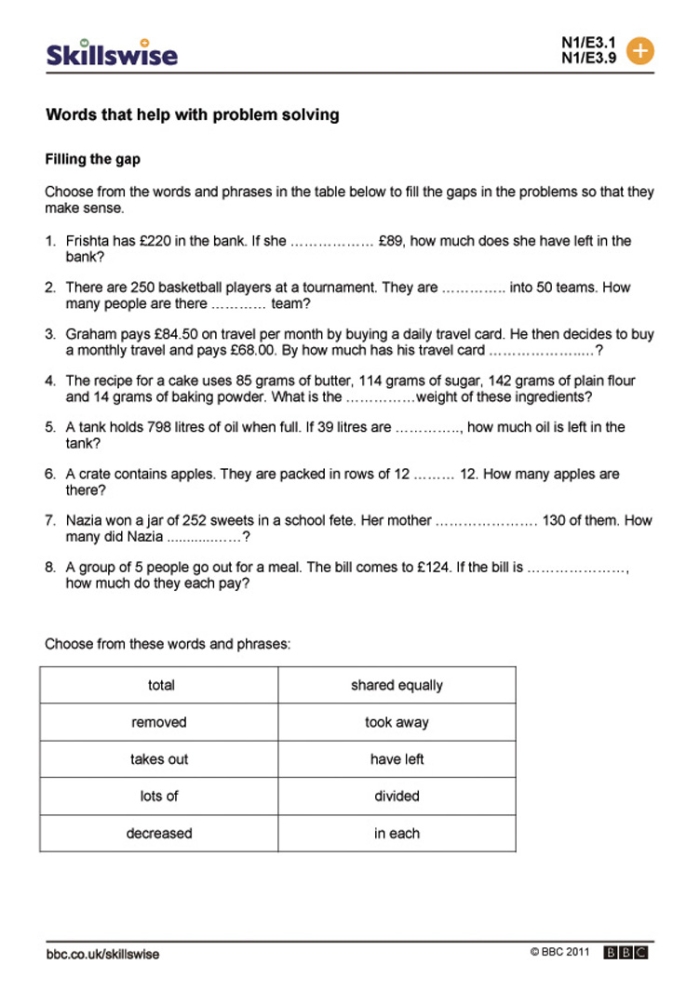
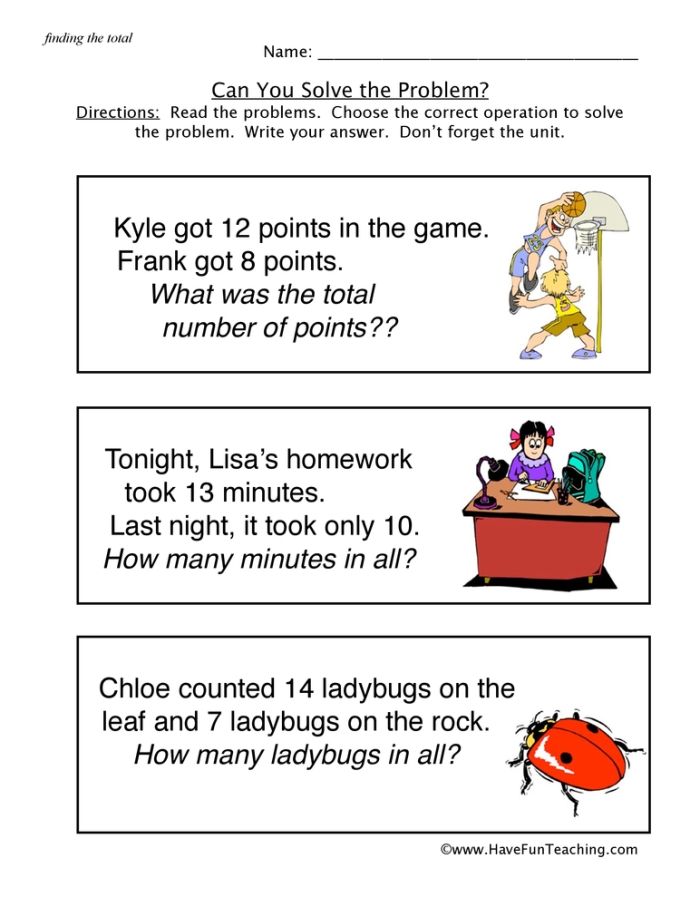
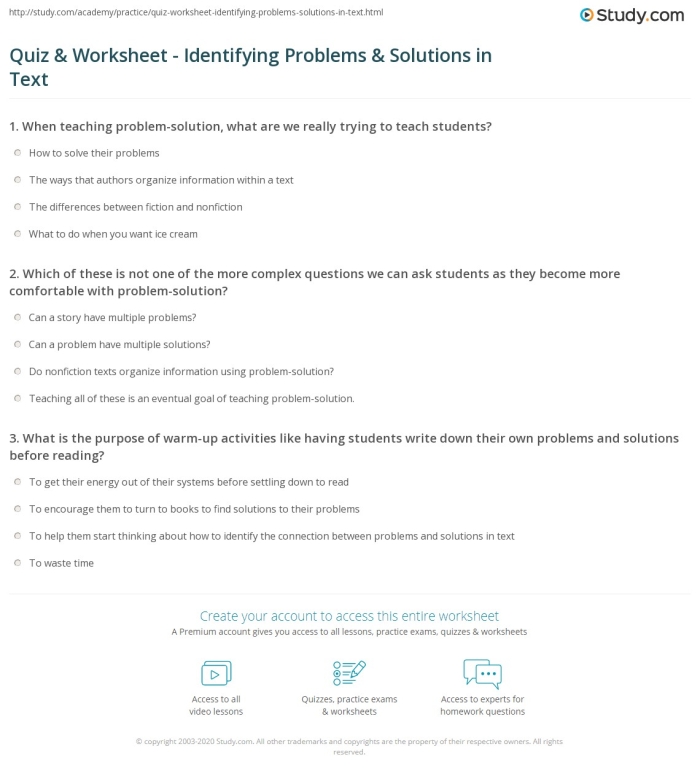
Utilizing these question words in worksheets, such as those found on Finding the Problem and the Solution with Question Words, makes the learning process interactive and engaging. Children can practice their skills in a structured way, reinforcing their understanding of both history and critical thinking.
Try These Printable Worksheets