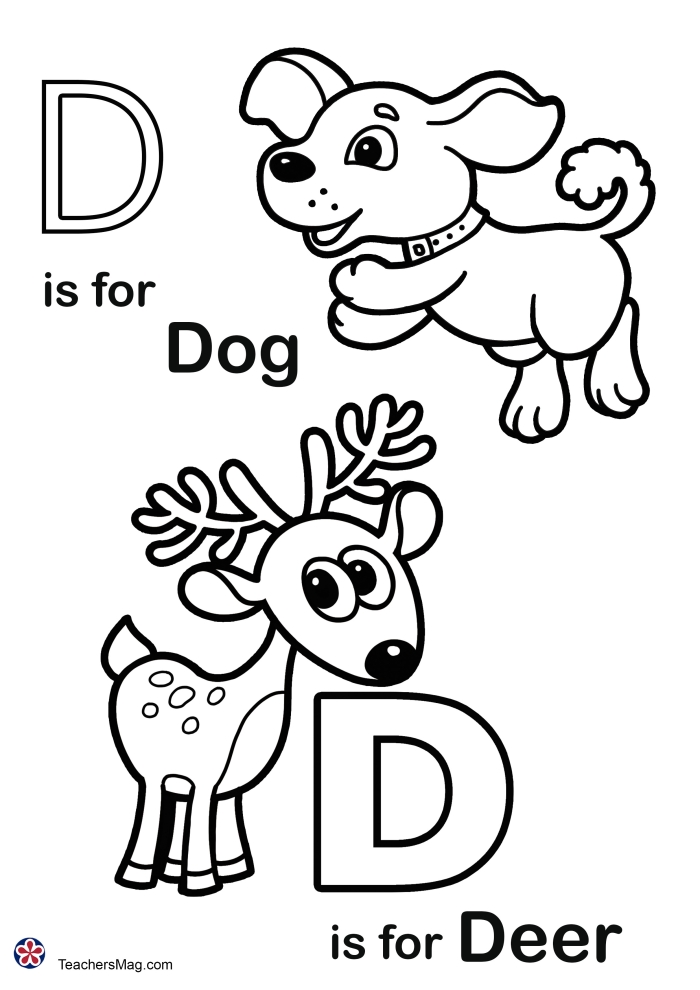
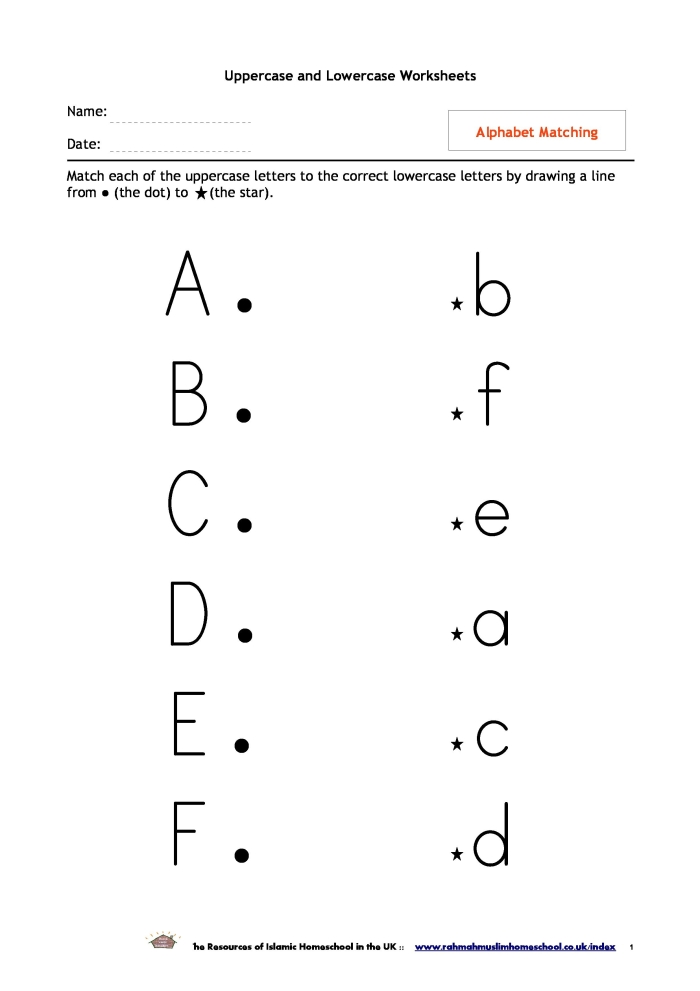
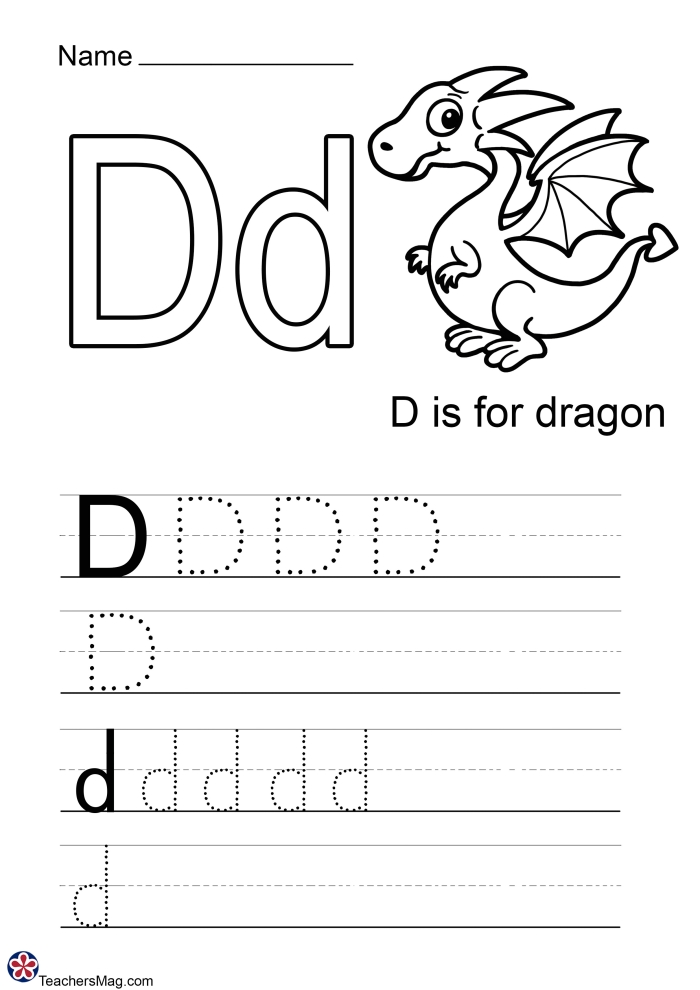
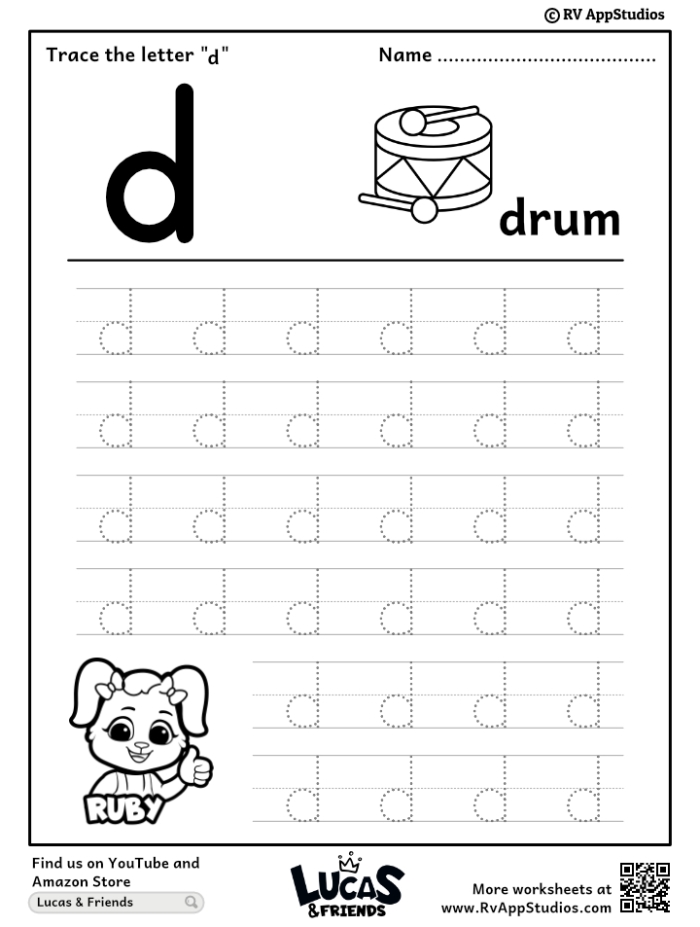
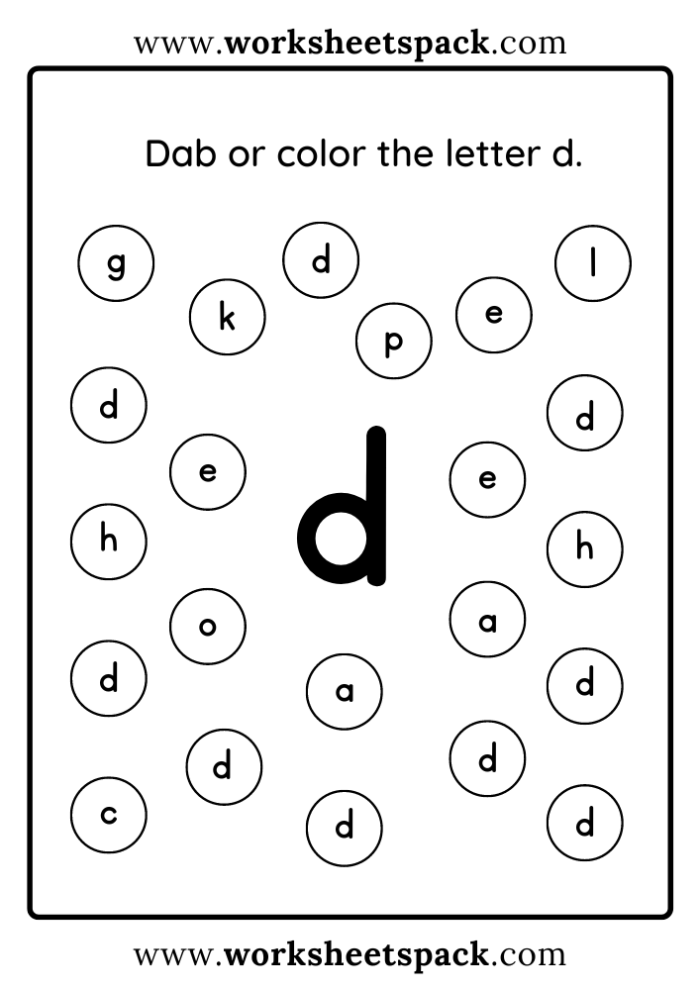
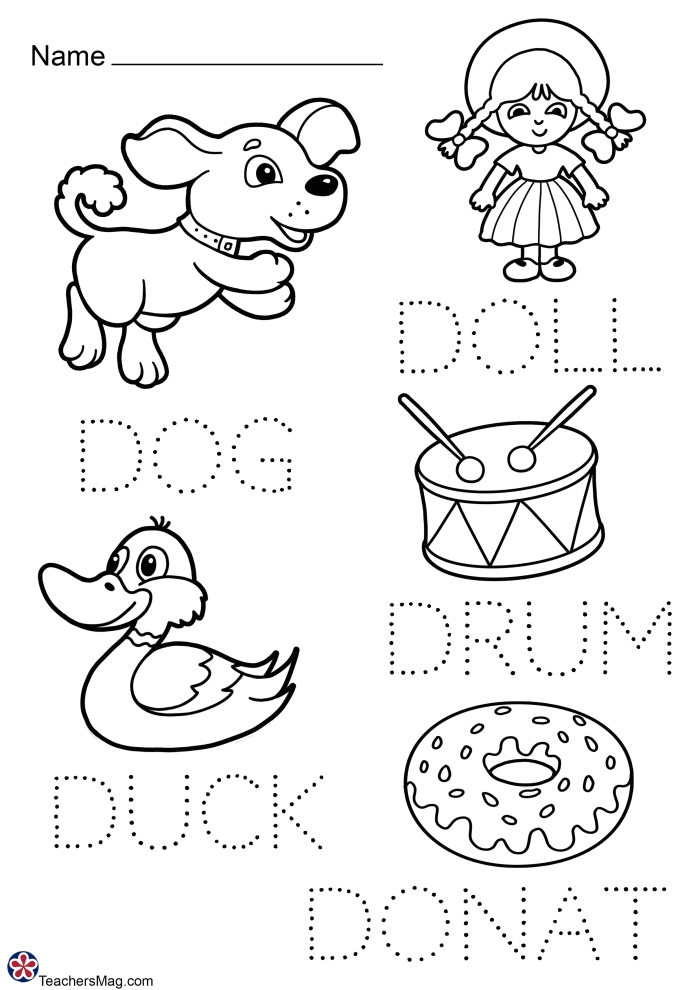
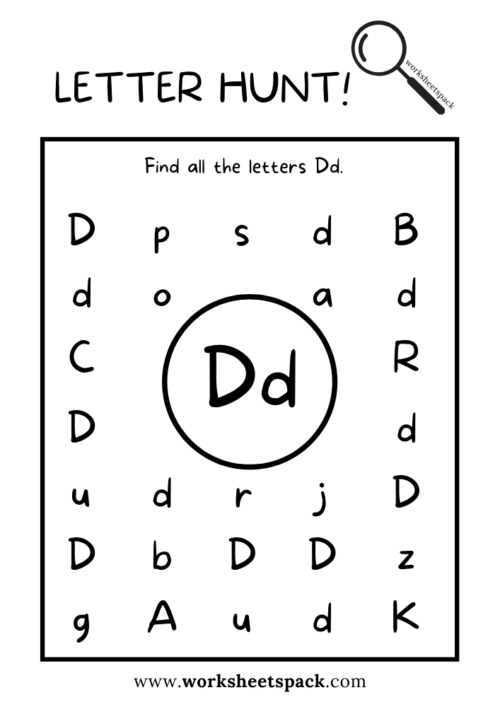
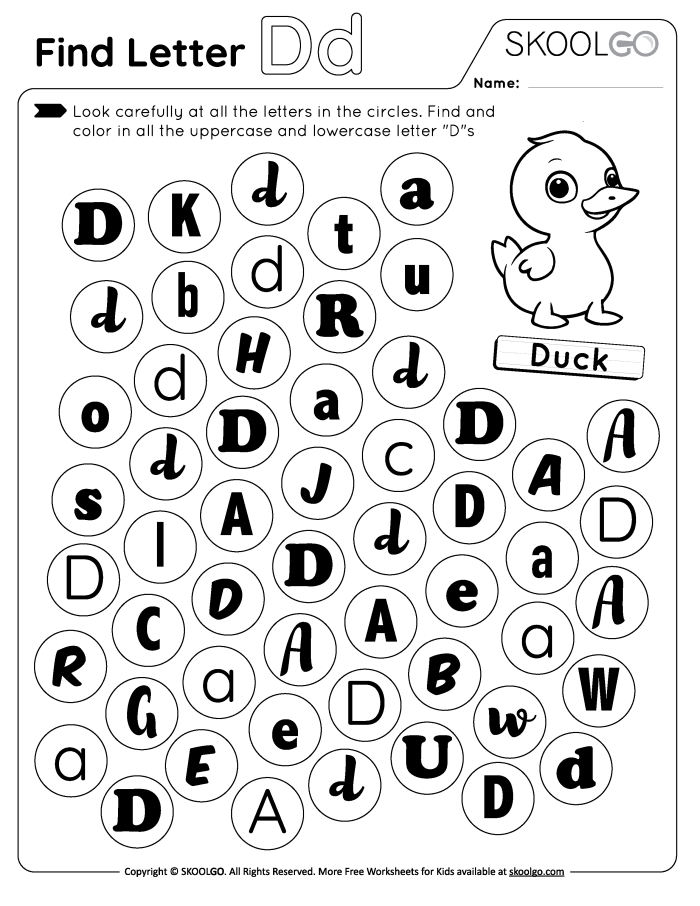
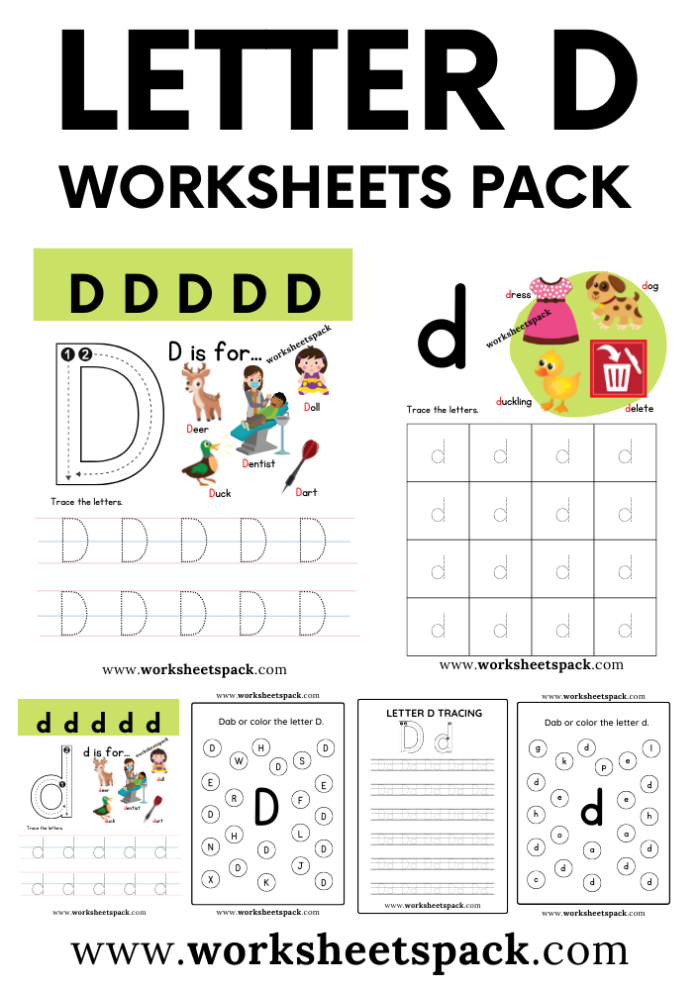
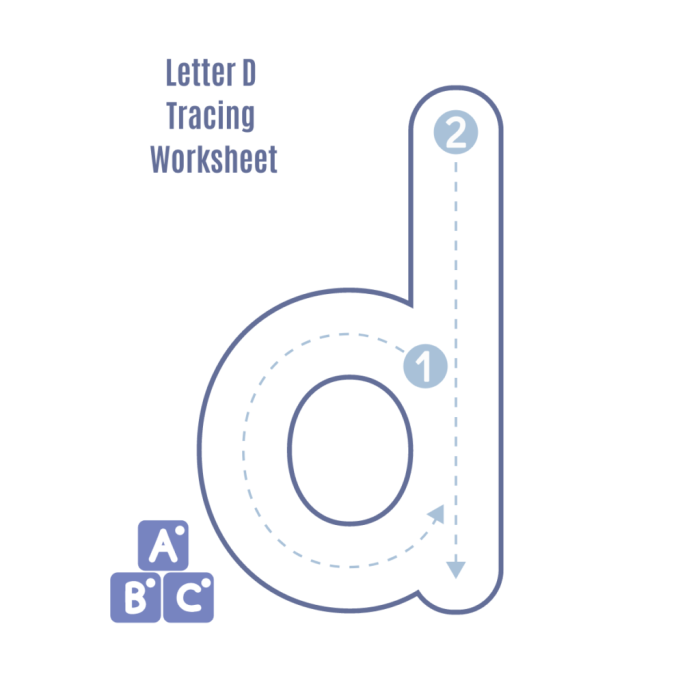
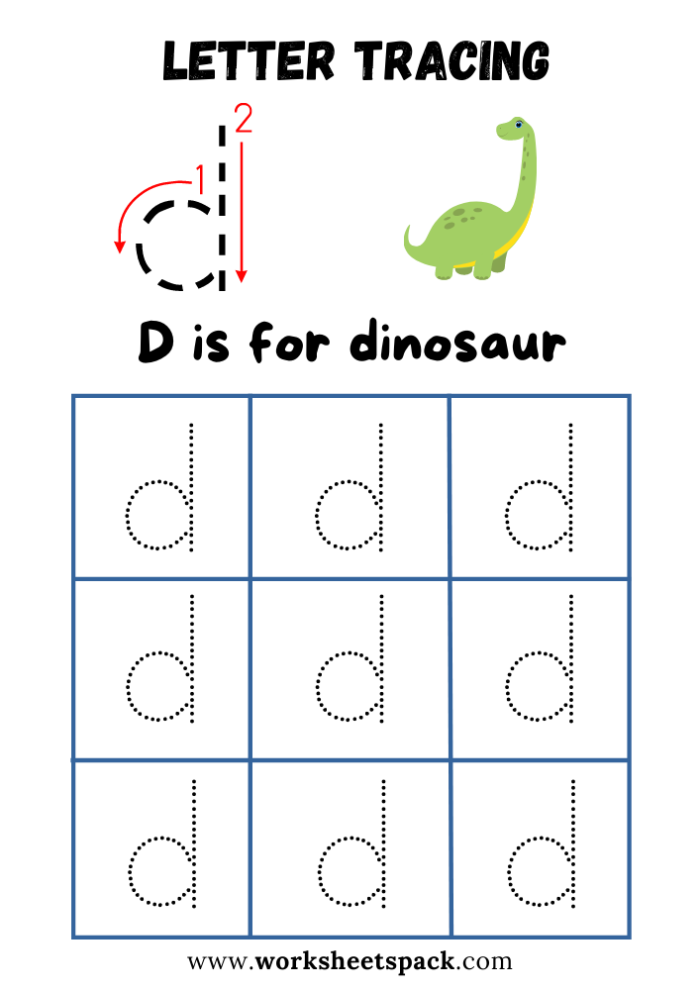
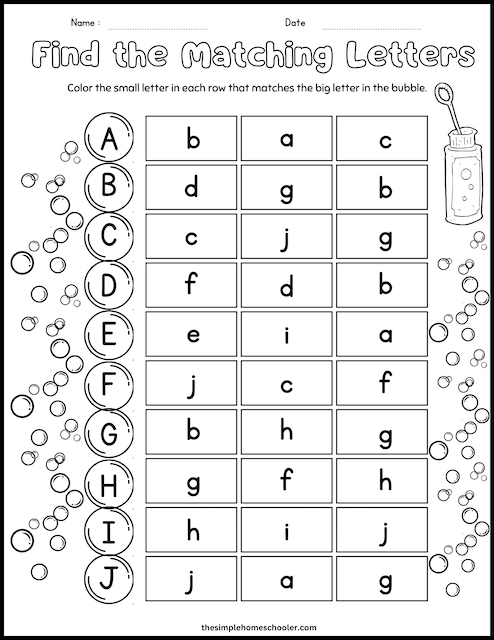
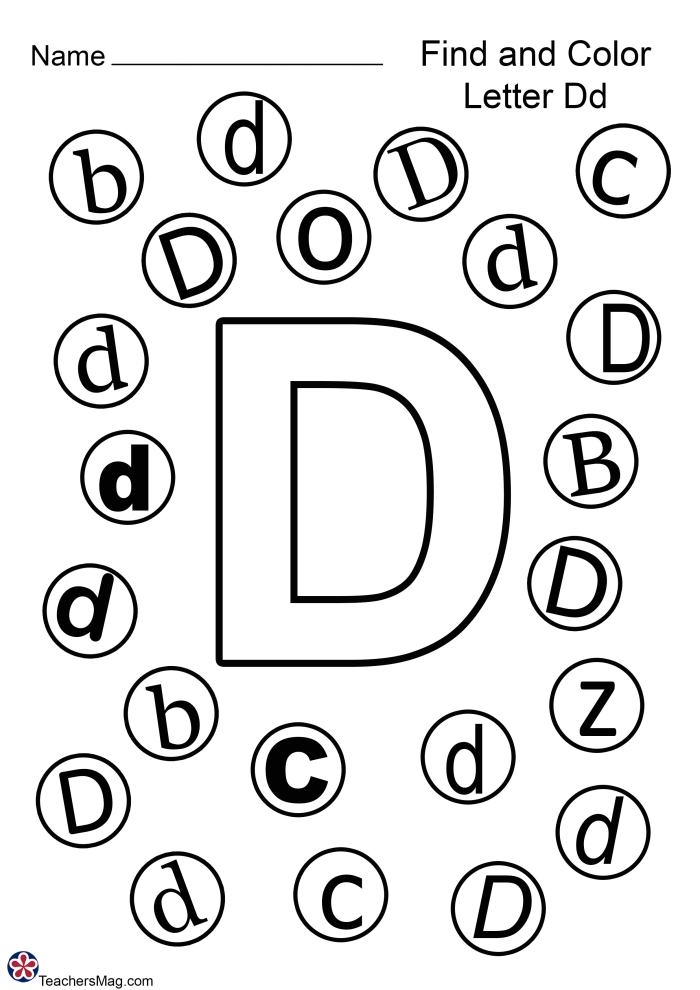
Helping a playful dog find all the lowercase d’s can turn learning into an exciting adventure for young learners. This engaging approach not only sparks interest but also fosters essential letter recognition skills, a foundational element of early literacy. When children embark on this letter-finding quest, they actively participate in their learning process, making it both fun and effective.
As children search for the letter d, they practice identifying its unique shape and sound. This playful activity allows them to connect the letter with real-world experiences, enhancing their understanding of language. For instance, while pointing out the lowercase d, learners can also discuss words that start with this letter, such as “dog,” reinforcing their vocabulary in a meaningful way.
Incorporating themes from life science can enrich this experience further. For example, you can introduce a few animal facts related to dogs, like their different breeds or habitats. This not only broadens their knowledge but also ties in the concept of letters with the world around them. As they help the dog in the activity, children can learn about the importance of animals and their roles in our lives.
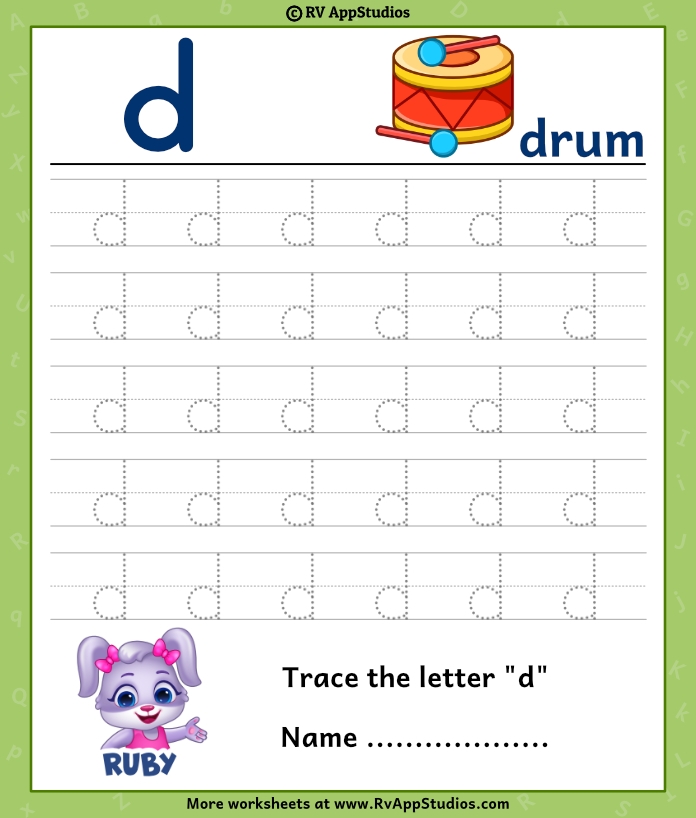
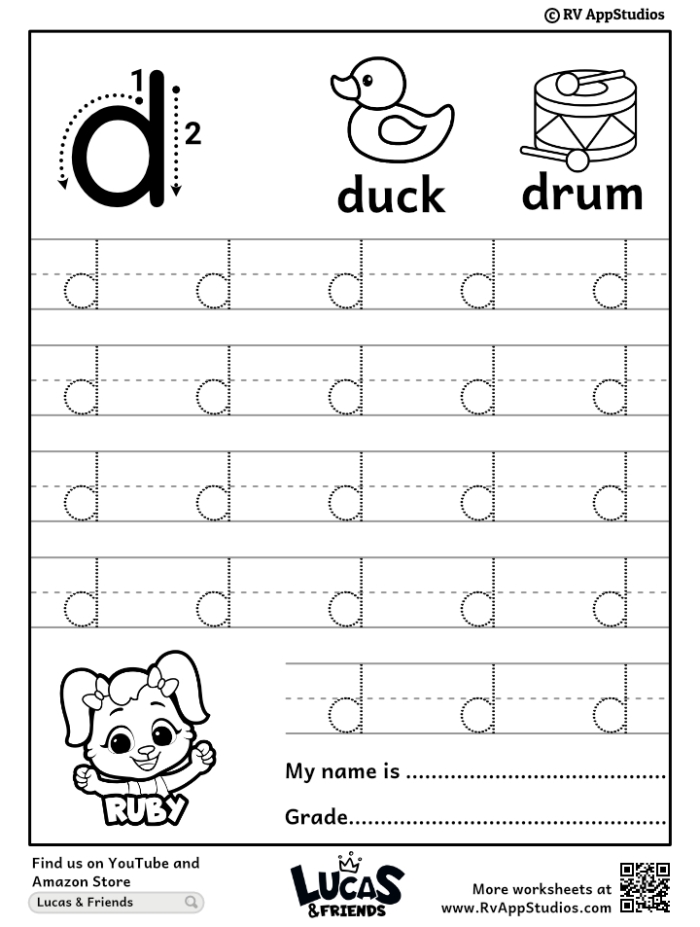
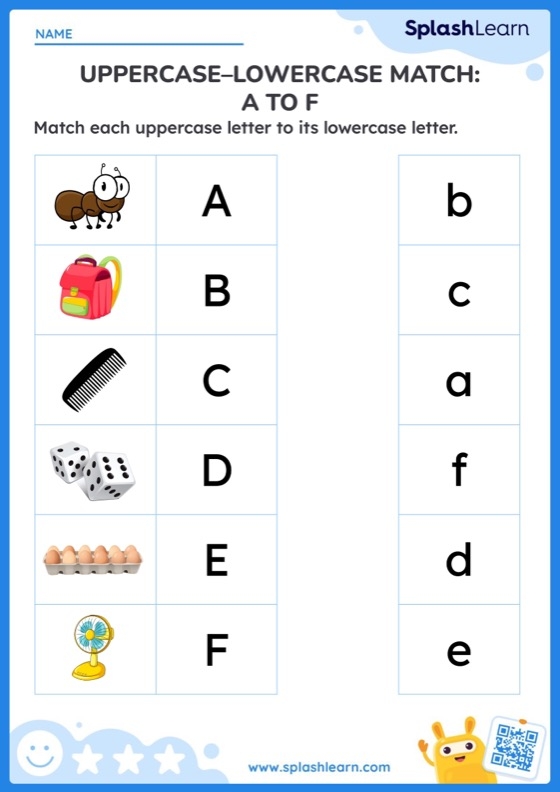
For parents and educators looking to enhance this learning experience, printable worksheets can be invaluable. Resources like writing uppercase letters or sight word activities provide additional opportunities for practice. These worksheets allow children to reinforce their skills in a variety of ways, making learning dynamic and interactive.
By turning letter recognition into a fun and engaging activity, educators can create a positive learning environment. This approach not only helps children master their letters but also builds a love for learning that will last a lifetime.
Worksheet Practice Section