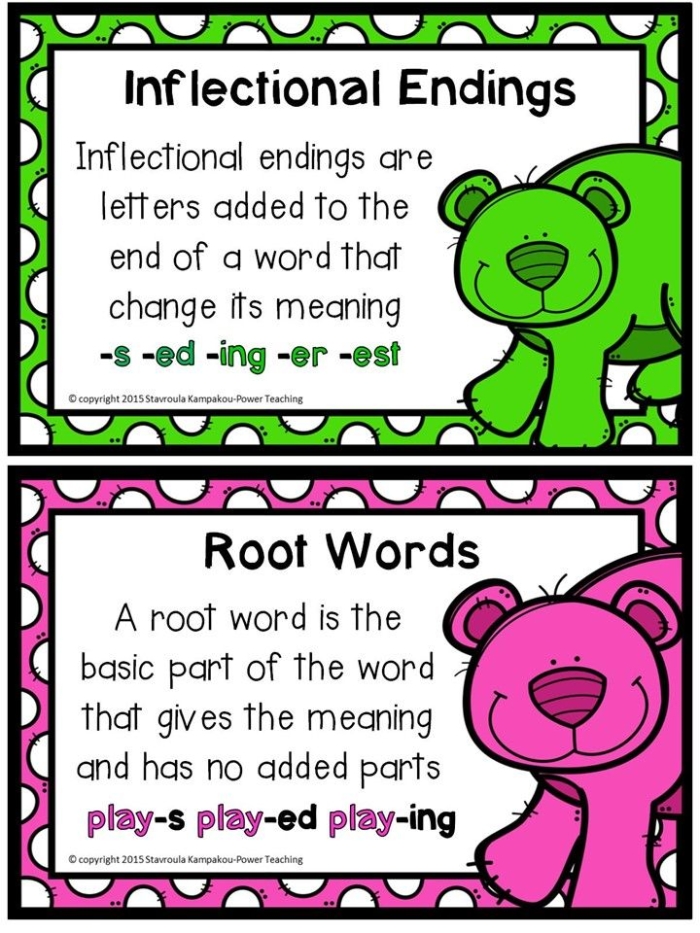
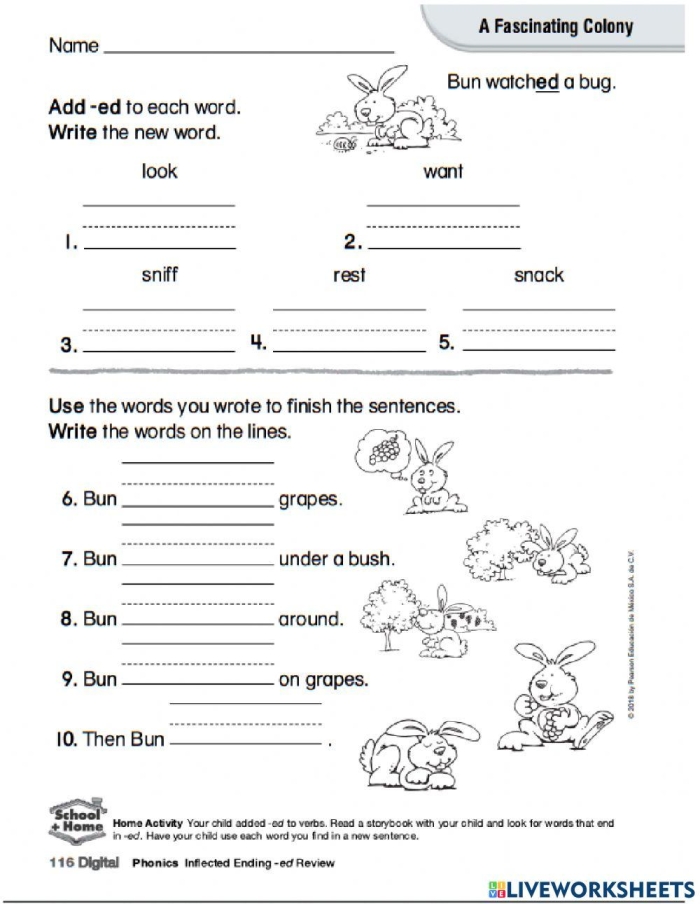
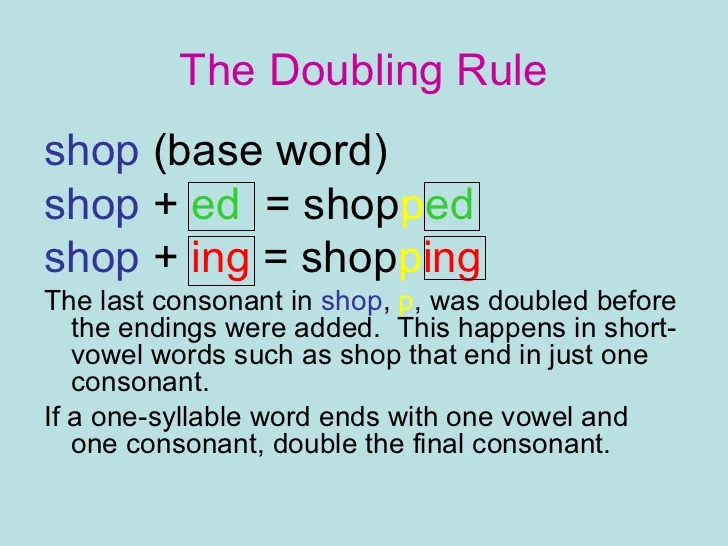
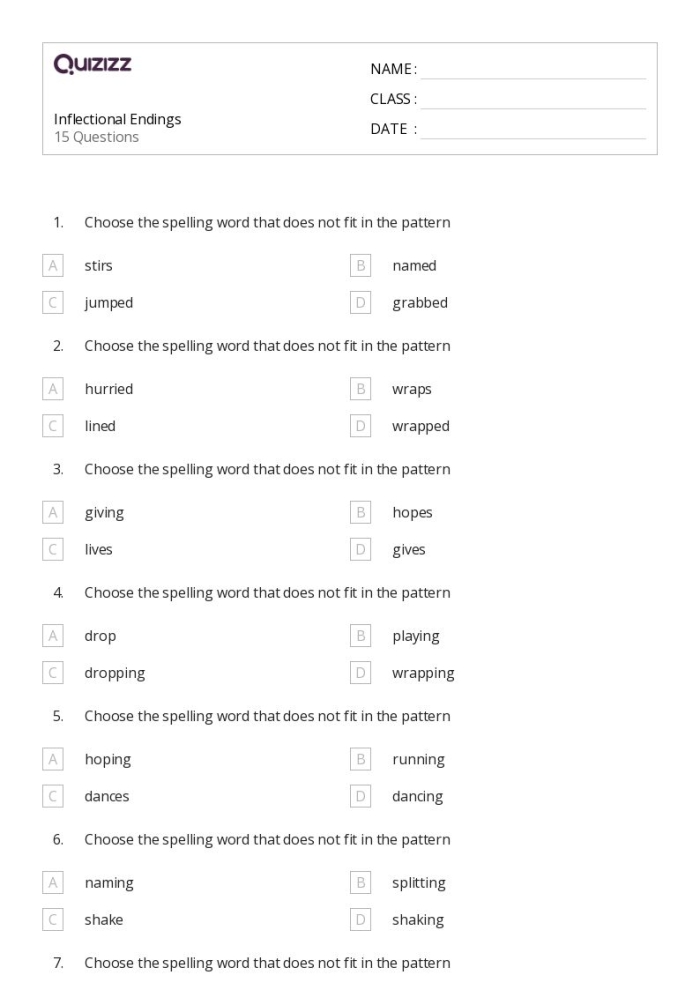
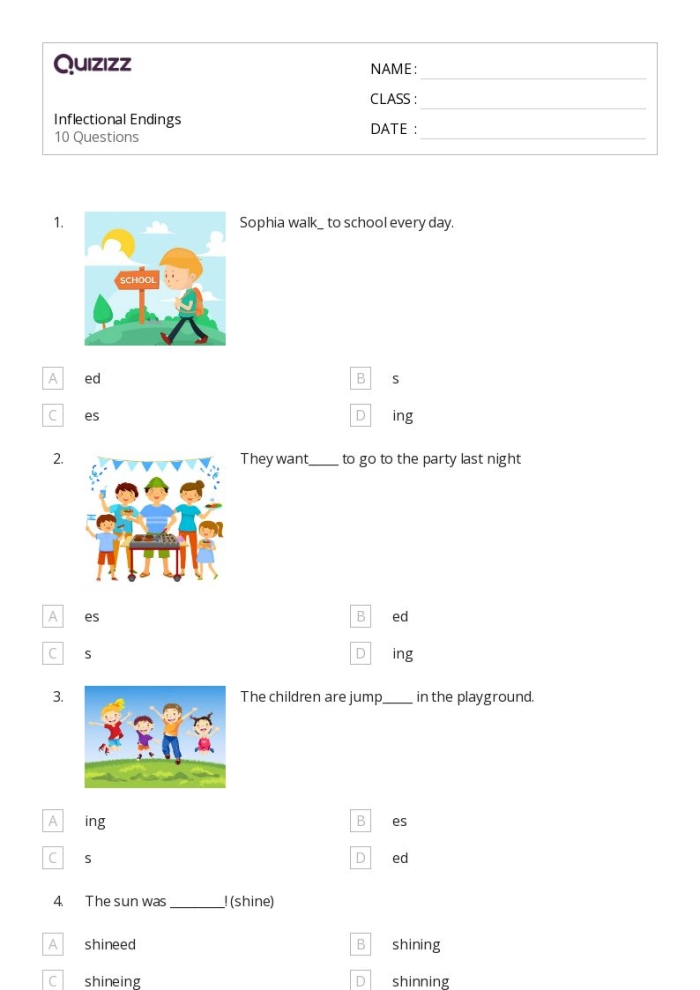
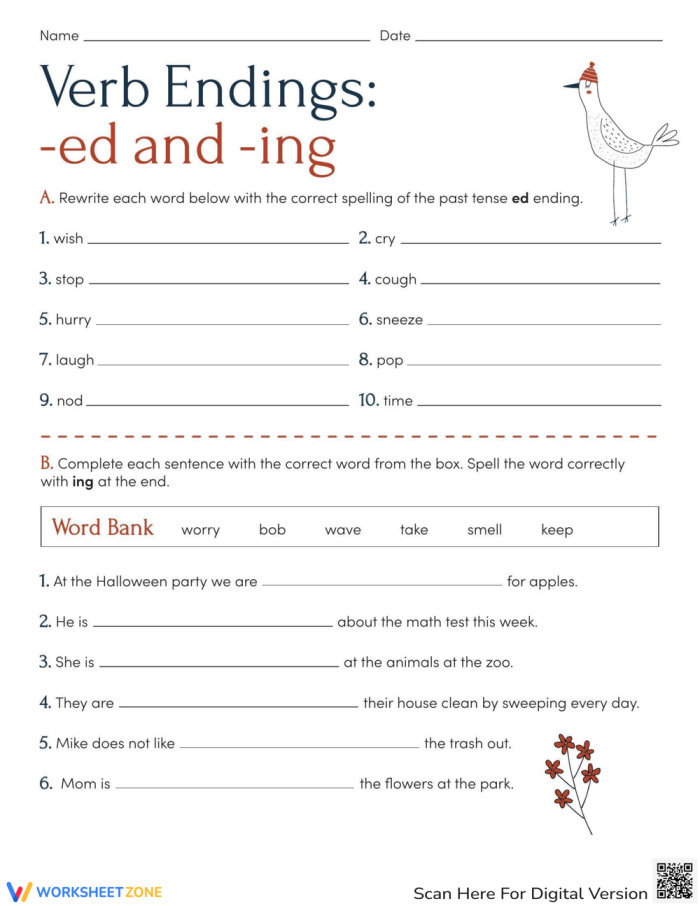
Most third grade students struggle with the silent e rule, especially when they need to add endings like -ing, -ed, or -er to words that end in e. The pattern seems simple enough until they sit down to write “making” instead of “makeing” or “baked” instead of “bakeed.” This is where explicit instruction and targeted practice make all the difference.
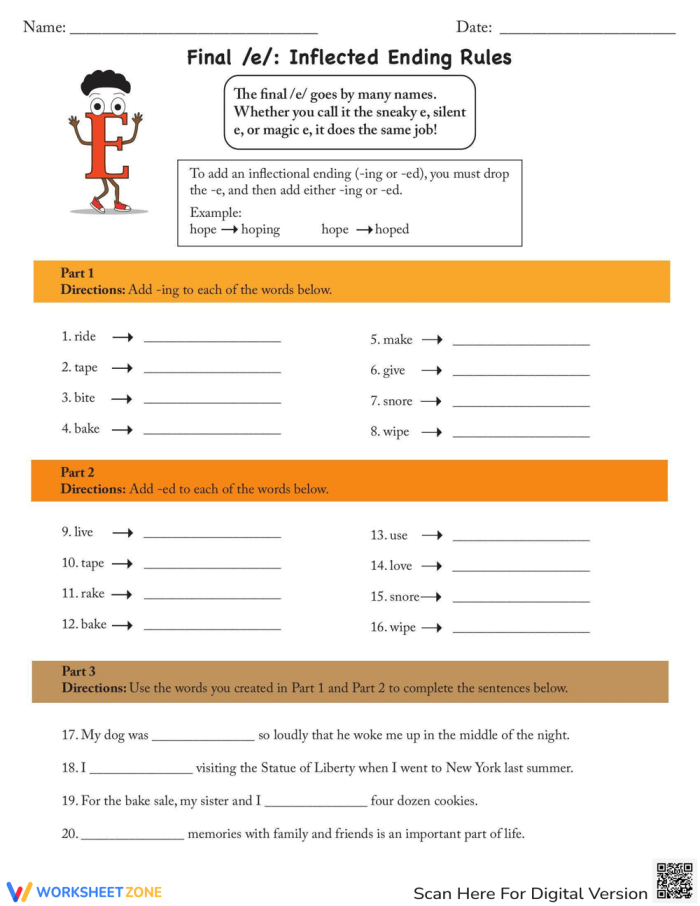
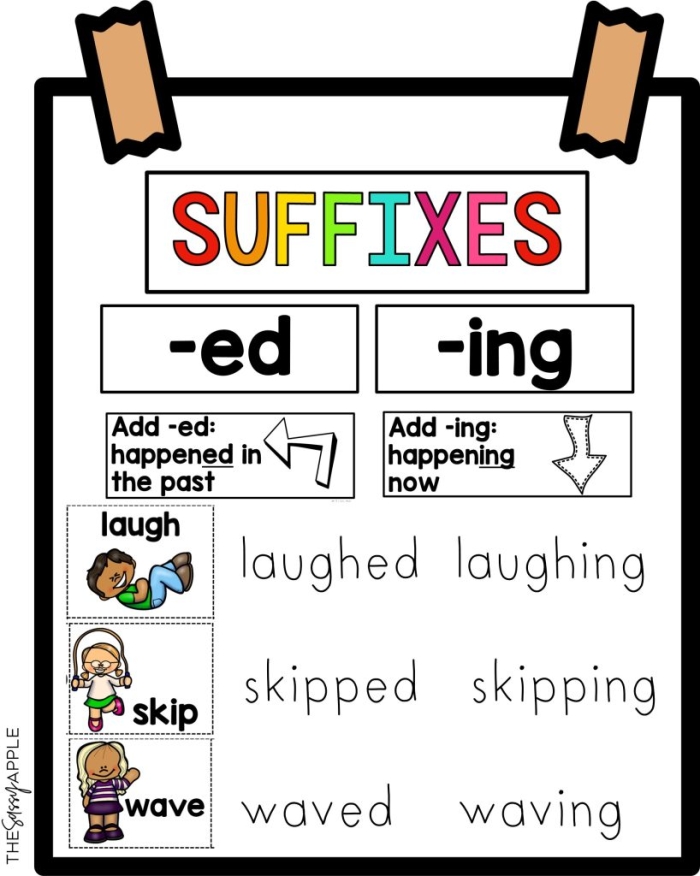
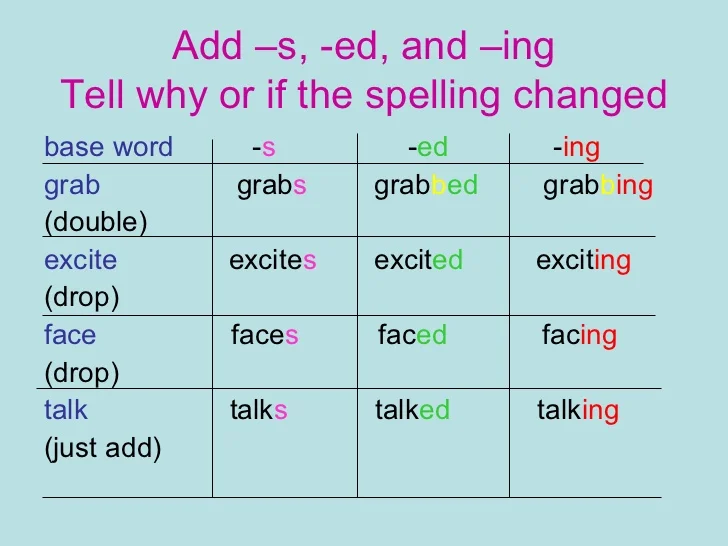
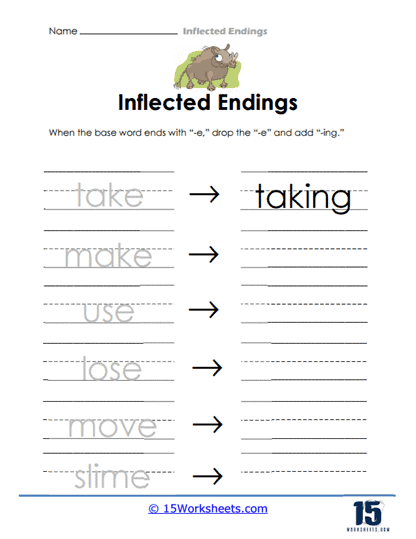
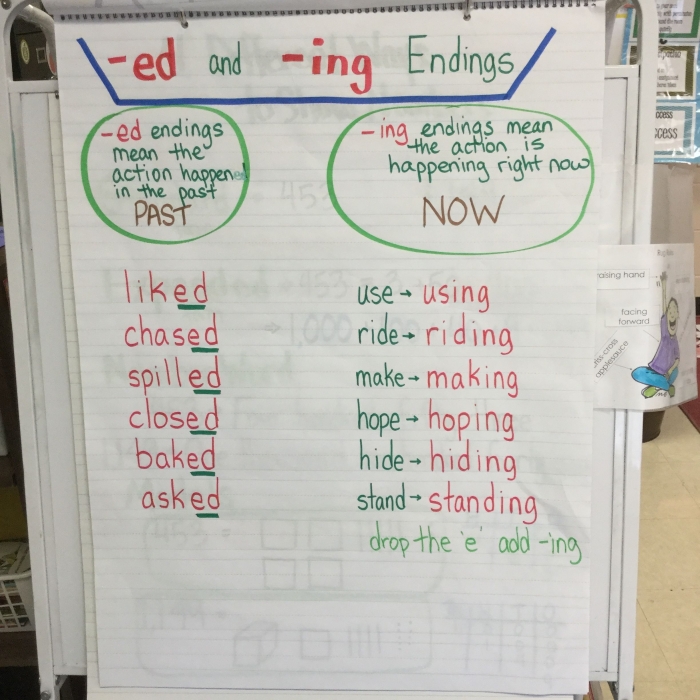
When you add an inflected ending to a word with a final /e/, the core rule is straightforward: drop the e before adding a suffix that begins with a vowel. So “bake” becomes “baking,” “smile” becomes “smiling,” and “chase” becomes “chased.” However, when the suffix starts with a consonant, you keep the e, as in “bake” plus “-ment” equals “bakement.” Third graders need to understand this distinction because it appears constantly in their reading and writing.
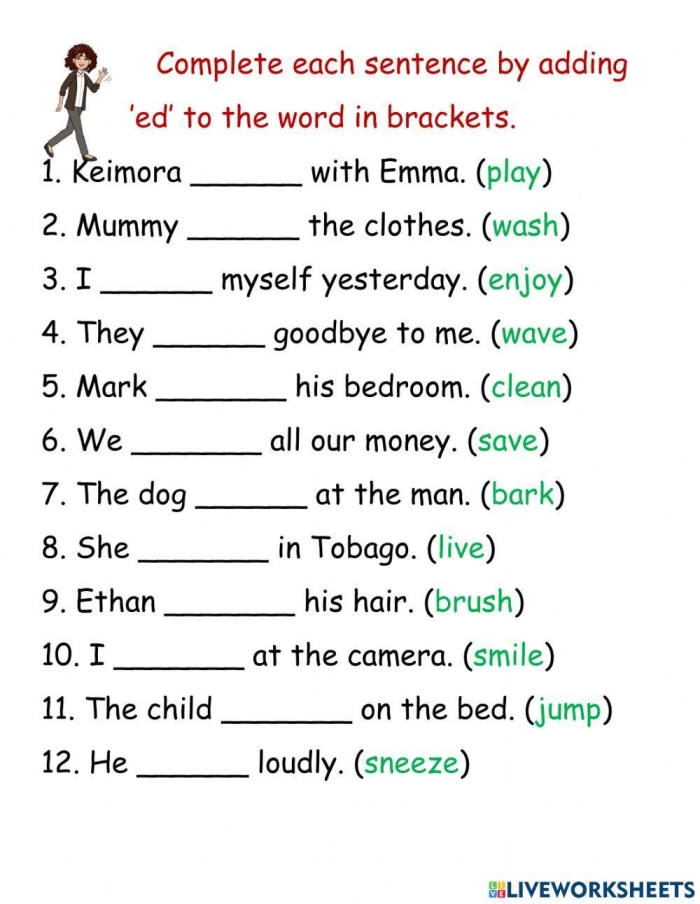
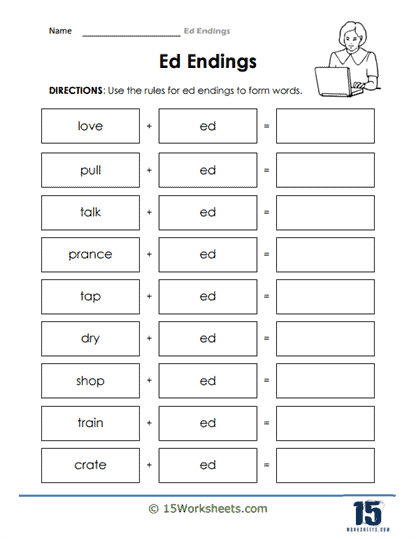
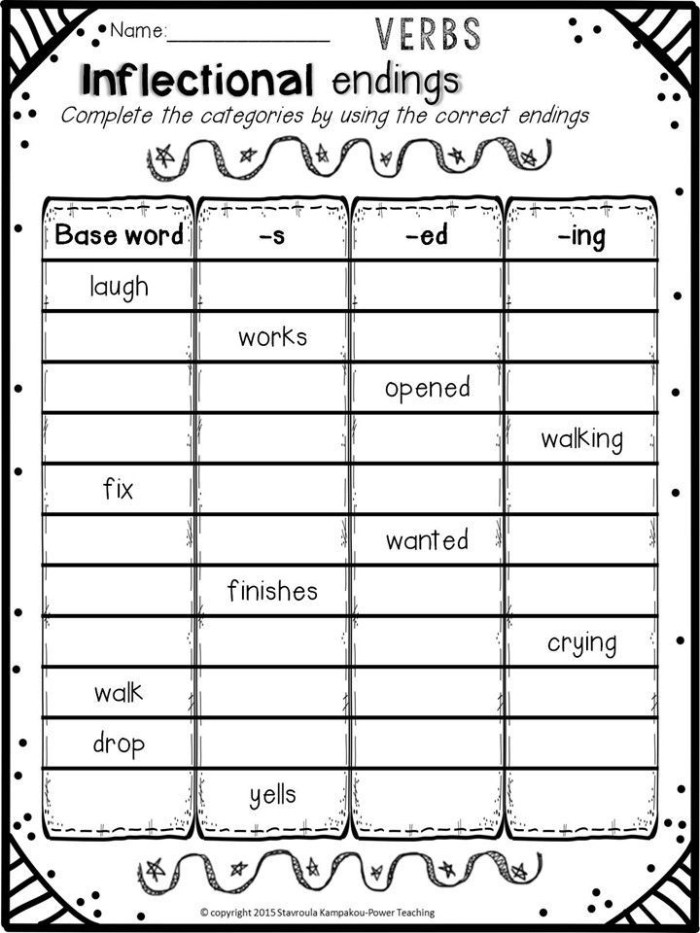
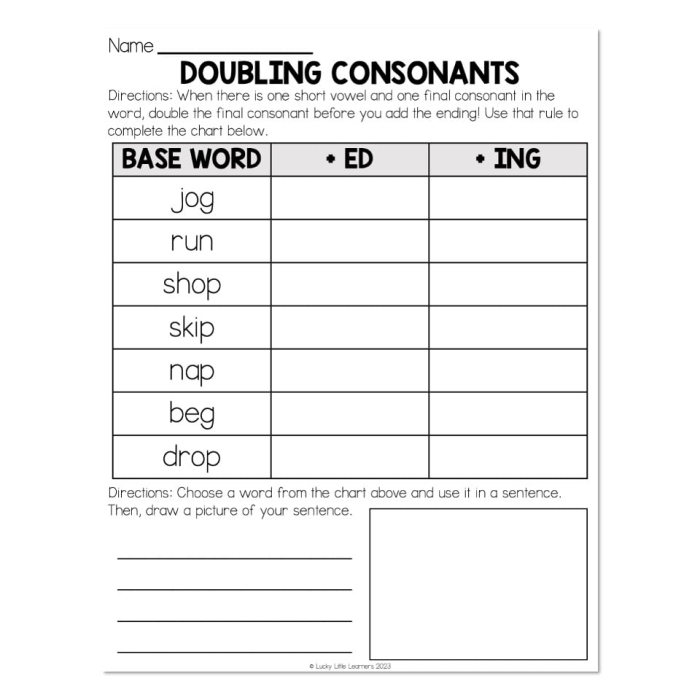
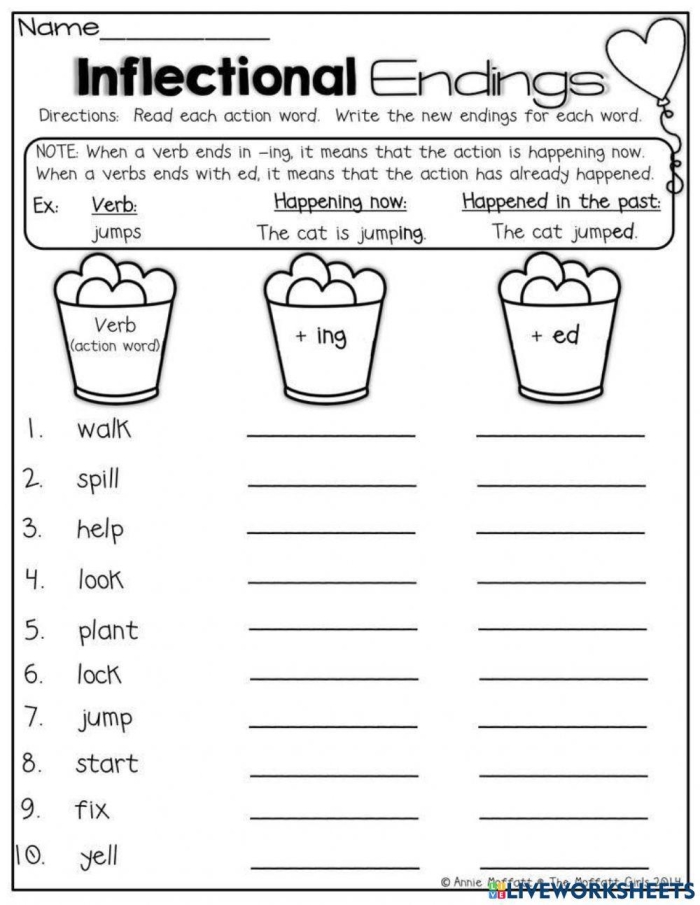
The challenge lies in making this rule stick. Students need more than a single explanation during a grammar lesson. They benefit from repeated exposure through activities that let them see the pattern in action. Worksheets that focus specifically on dropping the e before inflected endings help reinforce the concept through practice. When students work through examples like “hope” to “hoping” or “like” to “liked,” they build automaticity with the rule.
Incorporating this into your reading instruction strengthens both decoding and spelling skills. As third graders encounter words like these in their texts, they can apply the rule to understand unfamiliar forms. The same skill transfers directly to their writing when they’re composing sentences and stories.
Using structured resources that target this specific skill ensures your students develop confidence with inflected endings. The more they practice identifying when to drop the e, the more natural the rule becomes in their everyday reading and writing.
Boost Skills with These Worksheets