Looking to spice up how your kids refer to family? Learning new names for mom and dad can be a fun way to introduce Spanish vocabulary into daily life. With a bilingual worksheet, children can not only learn these terms but also understand the cultural significance behind them.
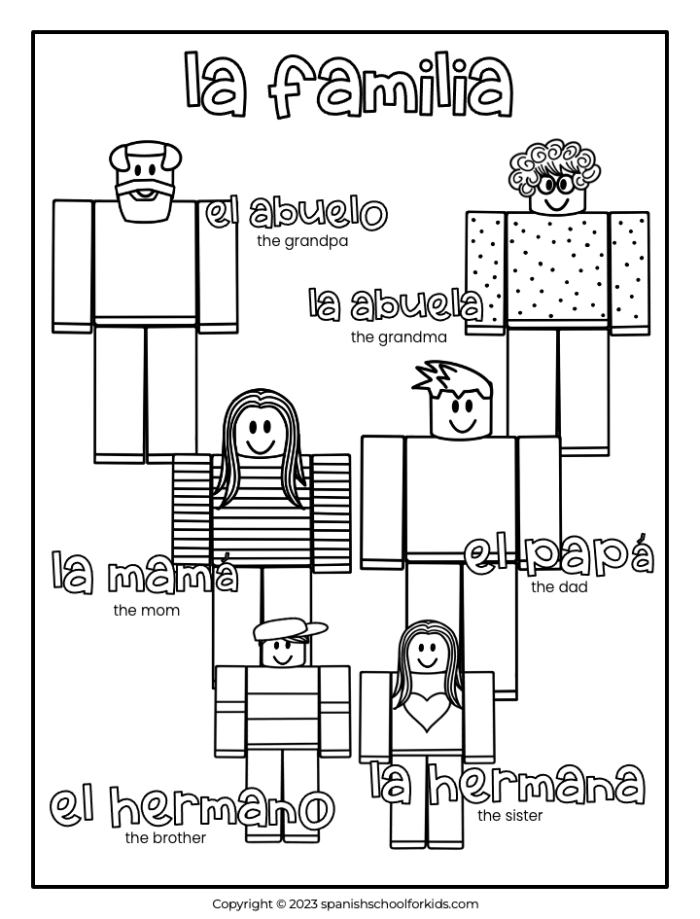
In Spanish, “mom” is commonly referred to as mamá, while “dad” translates to papá. These terms hold a special place in family dynamics, reflecting warmth and familiarity. Teaching children these words can strengthen their connection to both the language and their heritage, especially if they have Spanish-speaking family members.
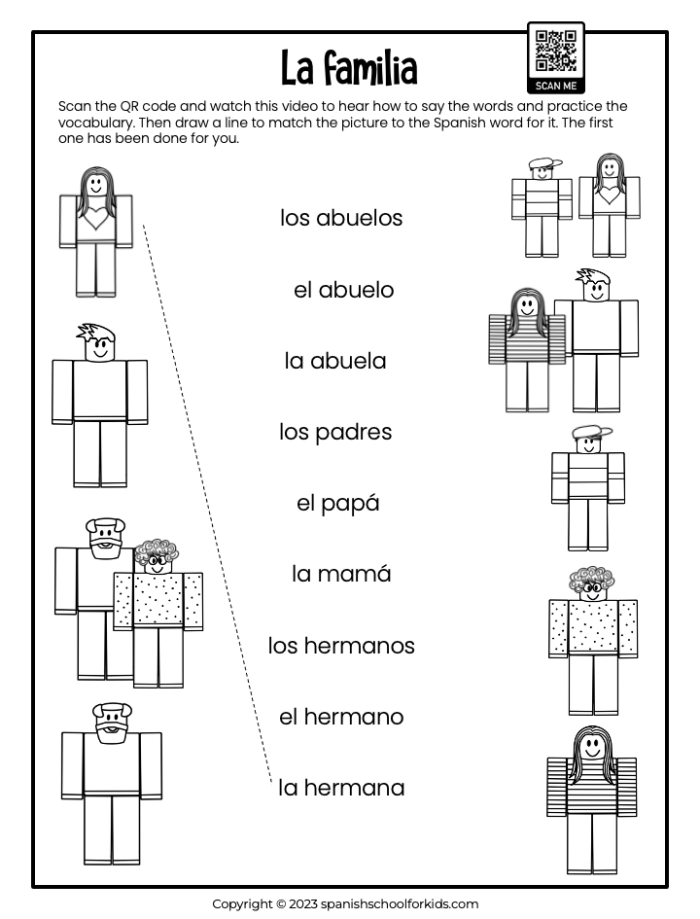
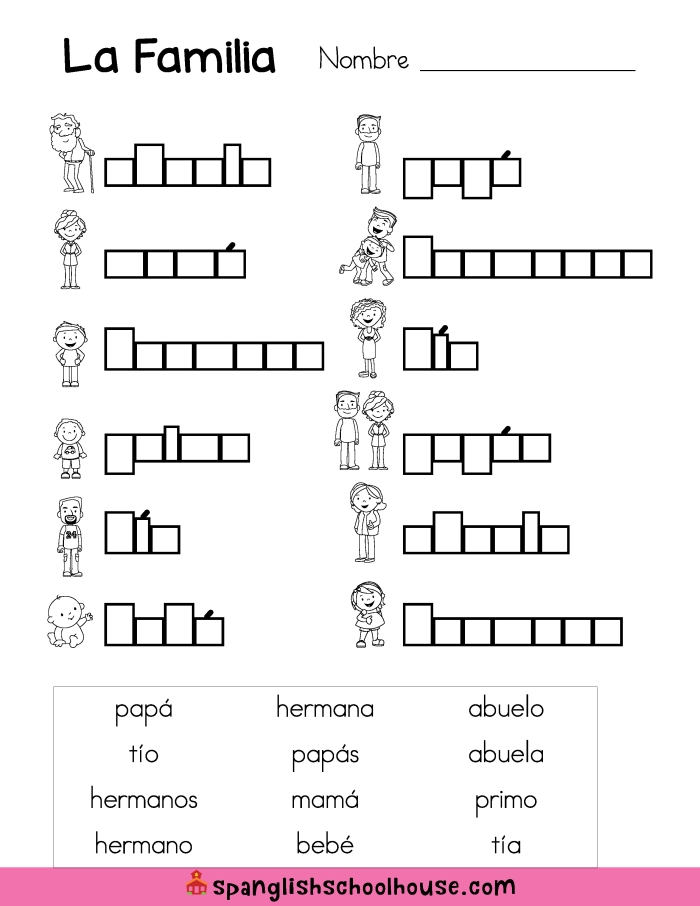
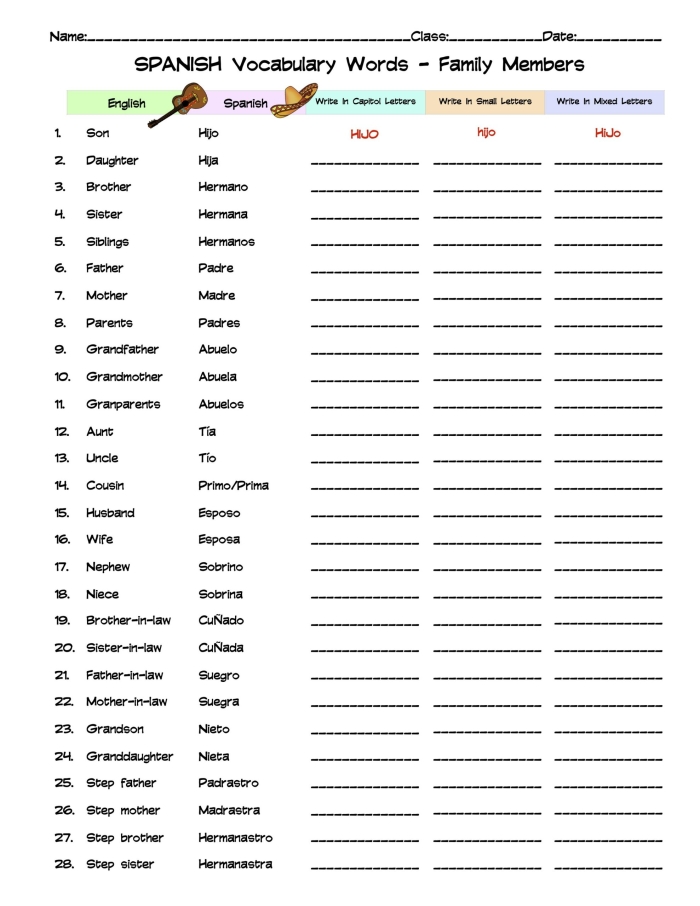
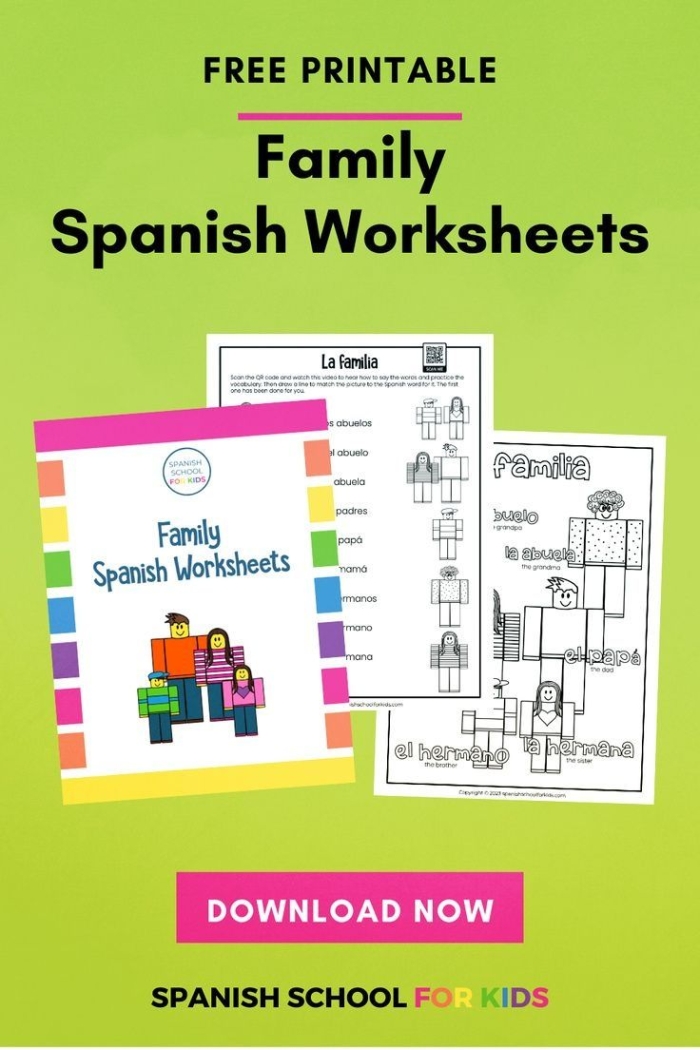
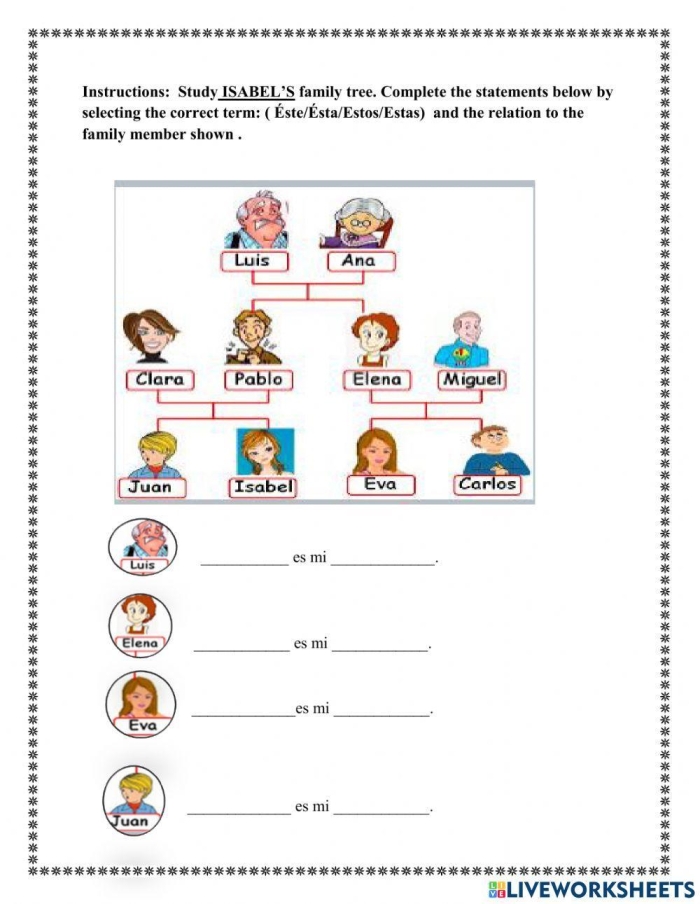
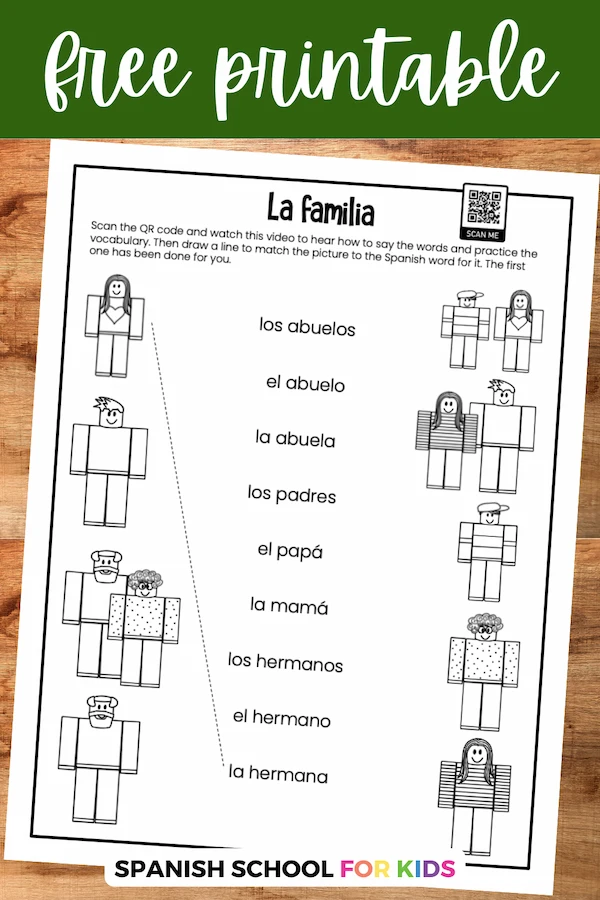
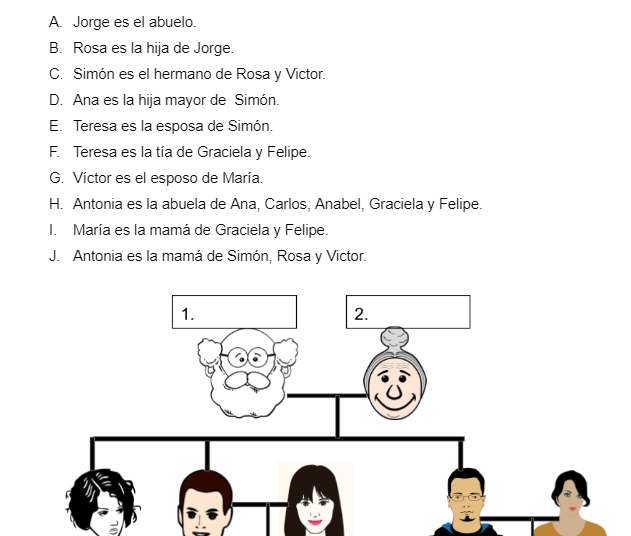
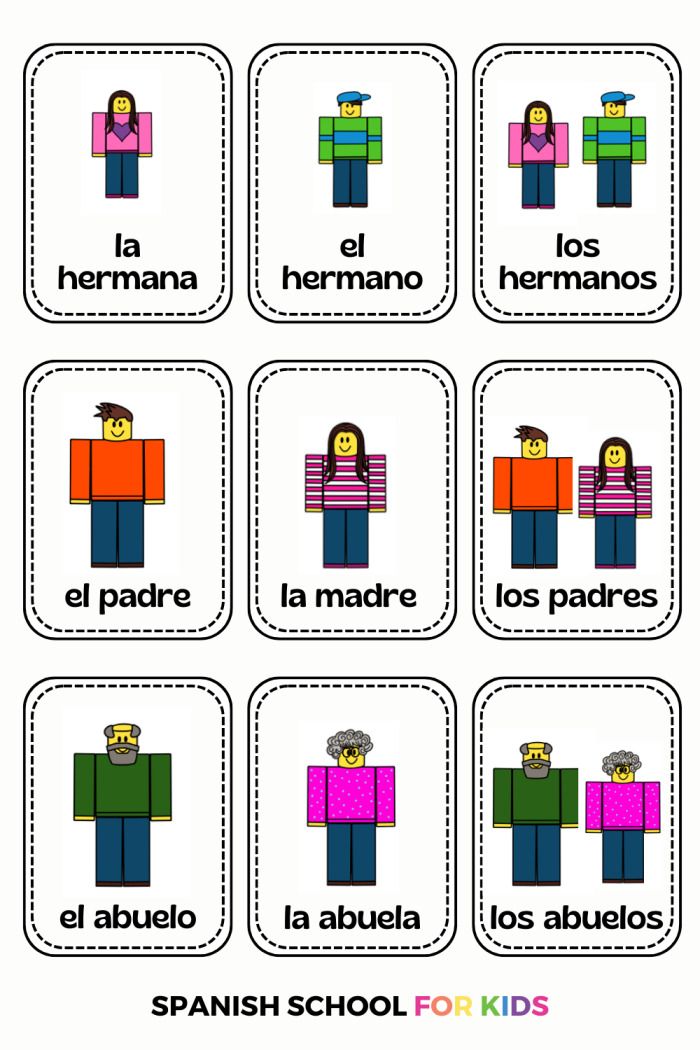
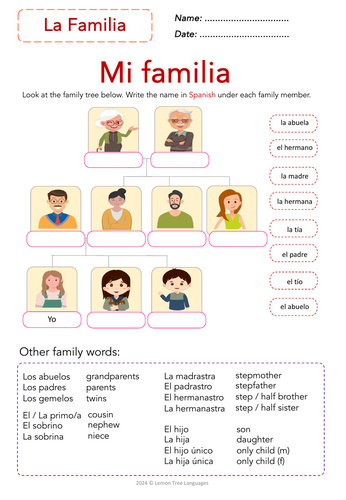
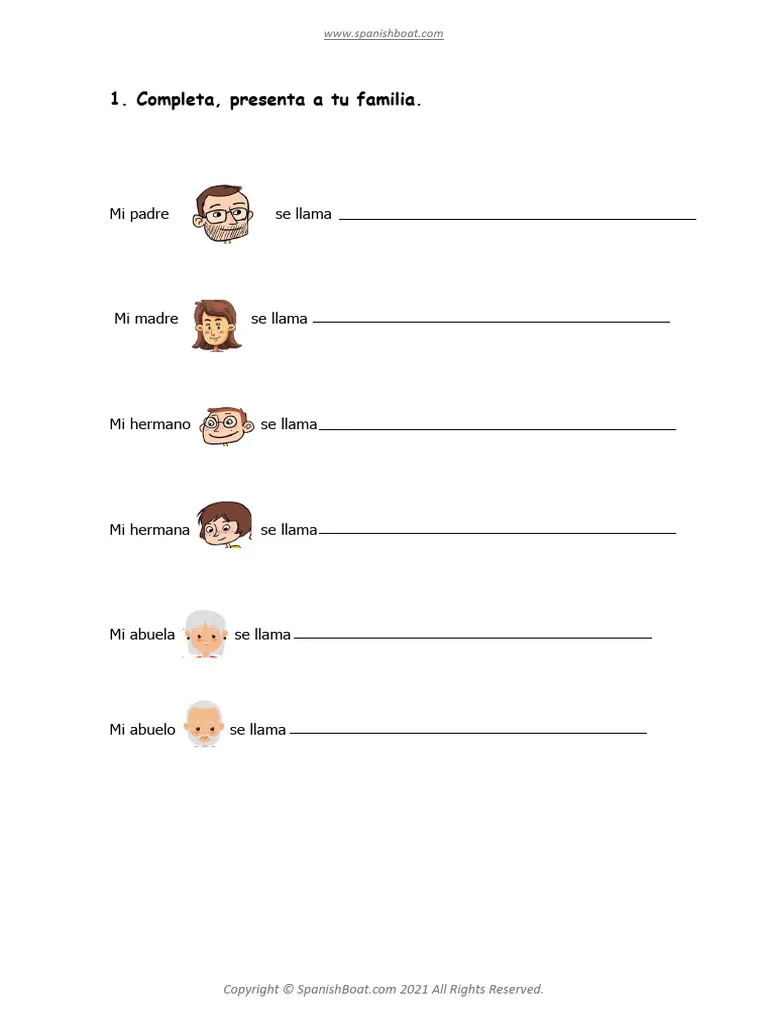
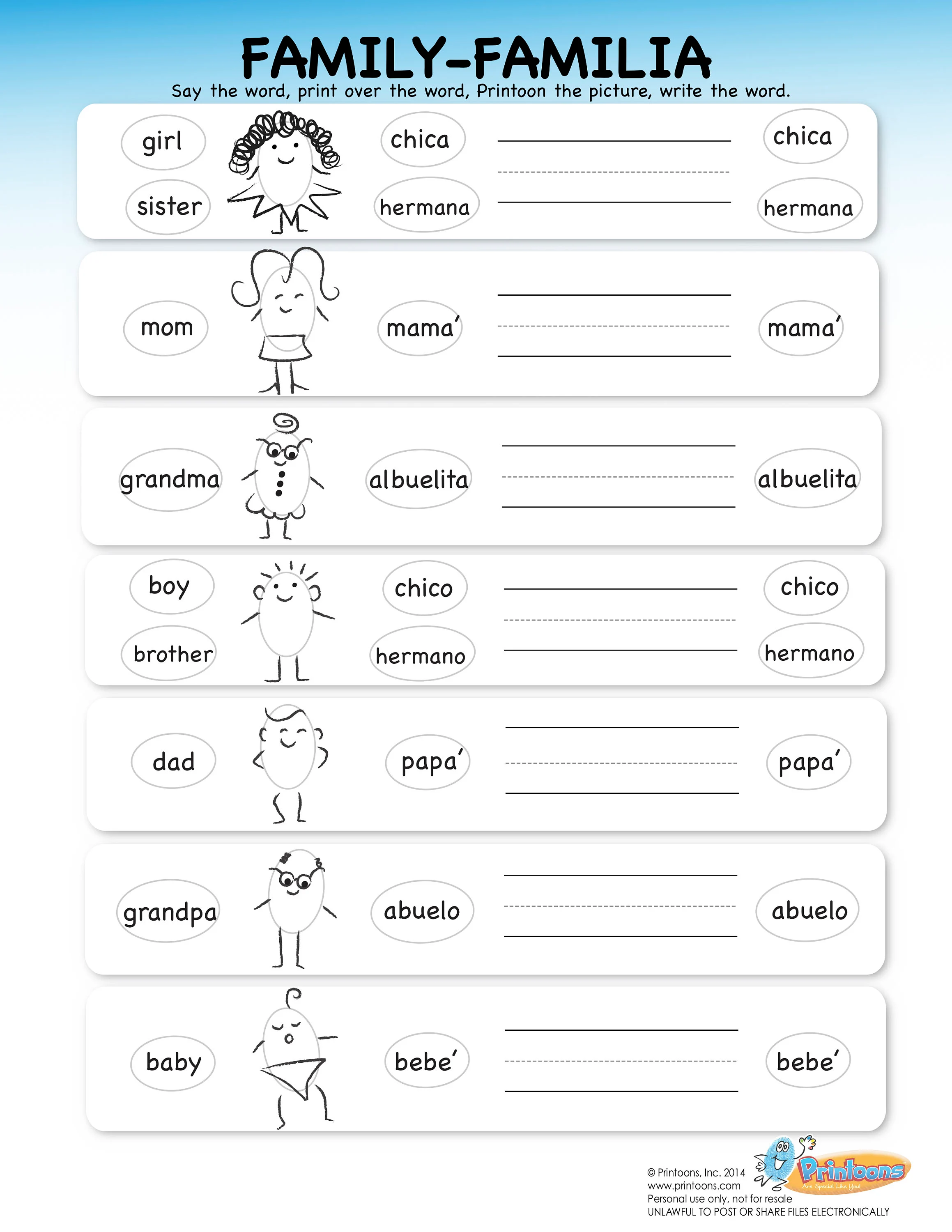
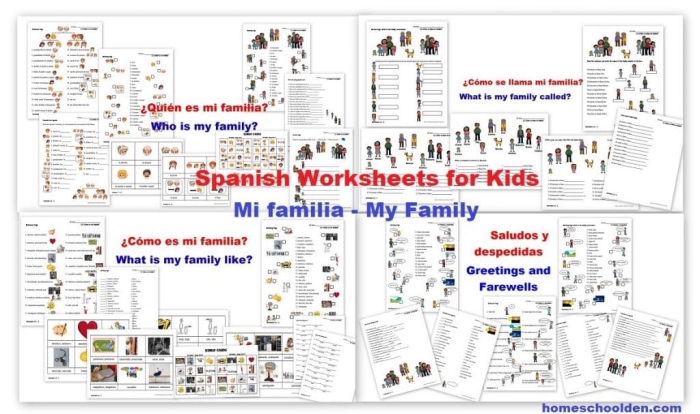
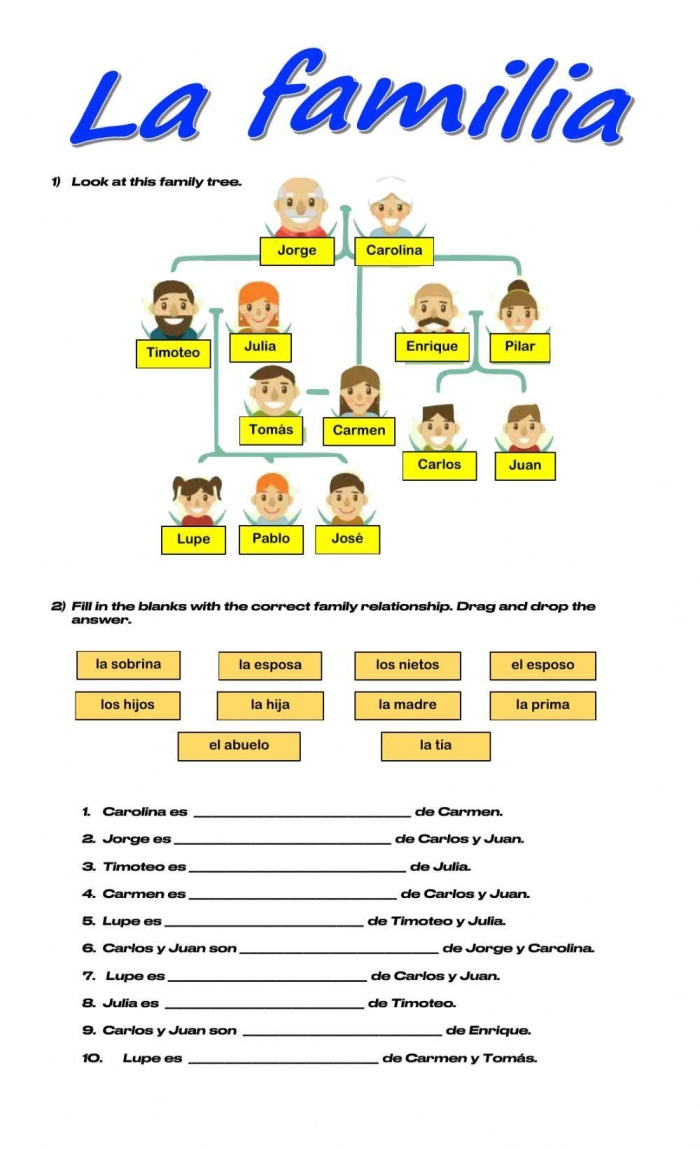
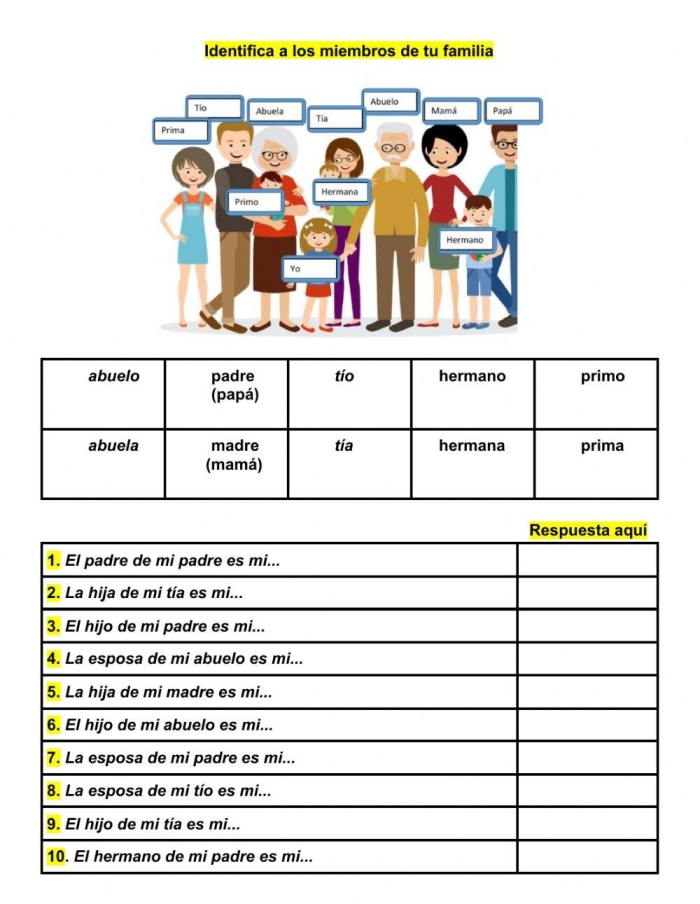
Using a printable family in Spanish worksheet, third graders can engage in interactive learning. These worksheets often include visuals, making it easier for kids to associate words with images. For example, alongside the word hermano (brother), there might be a picture of a boy, reinforcing the concept through visual memory. This method not only enriches vocabulary but also aids in comprehension.
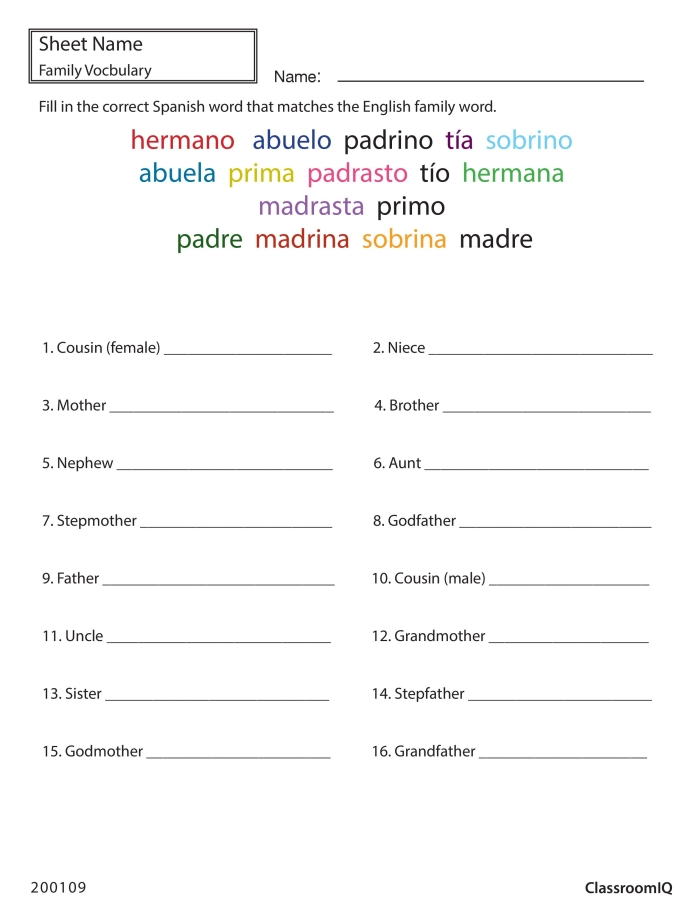
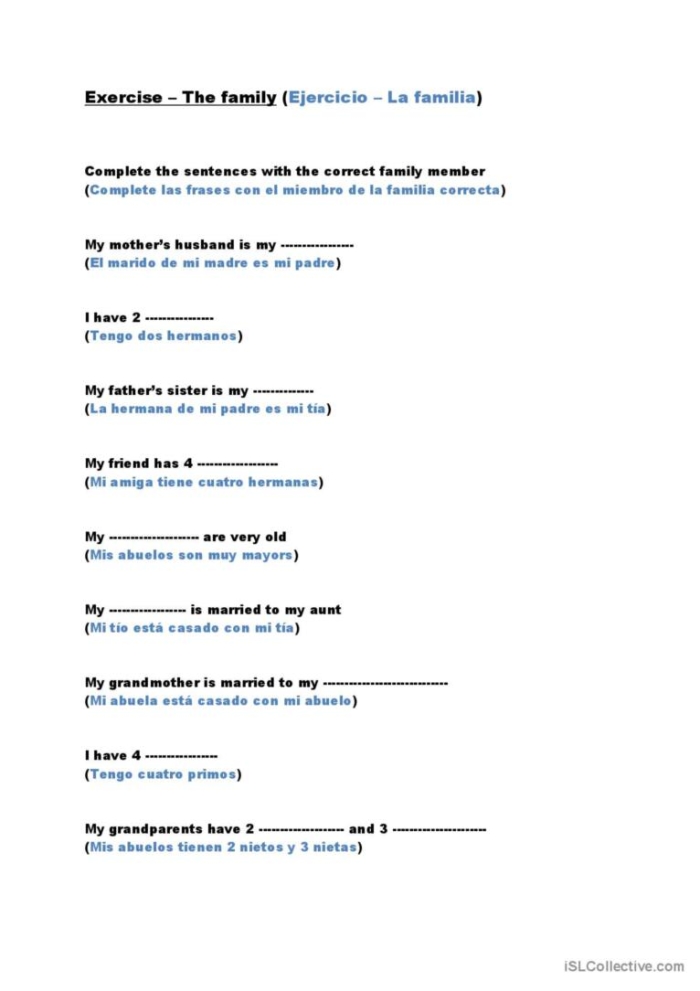
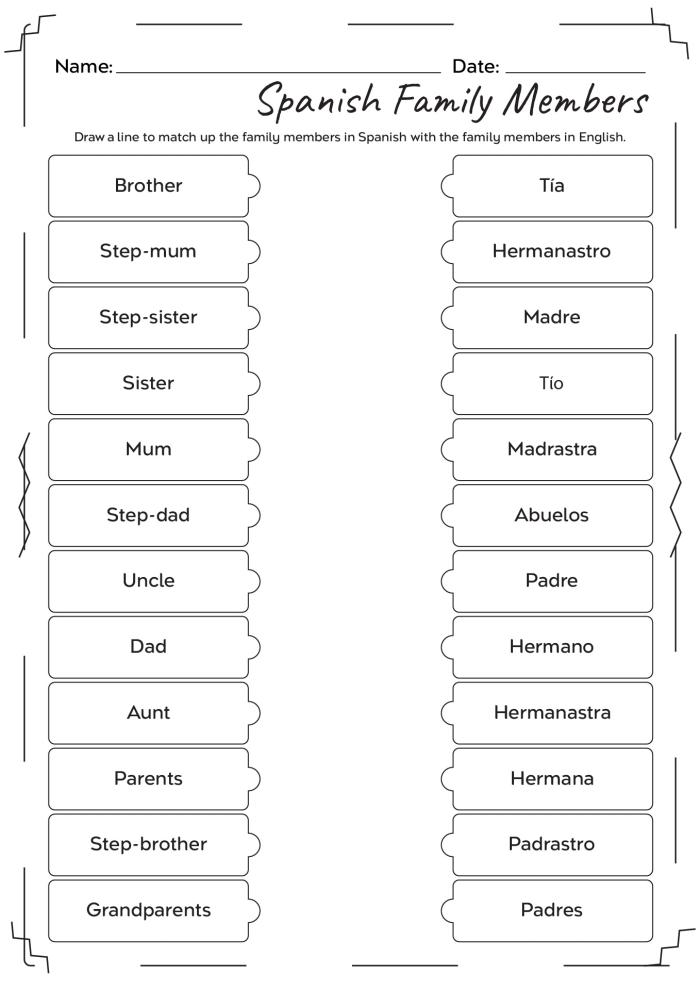
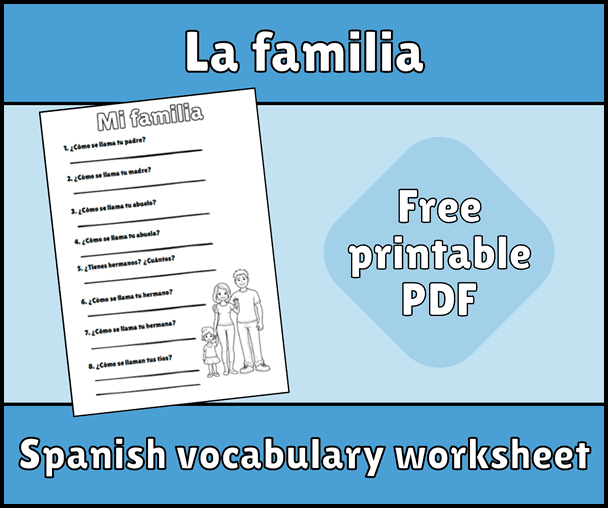
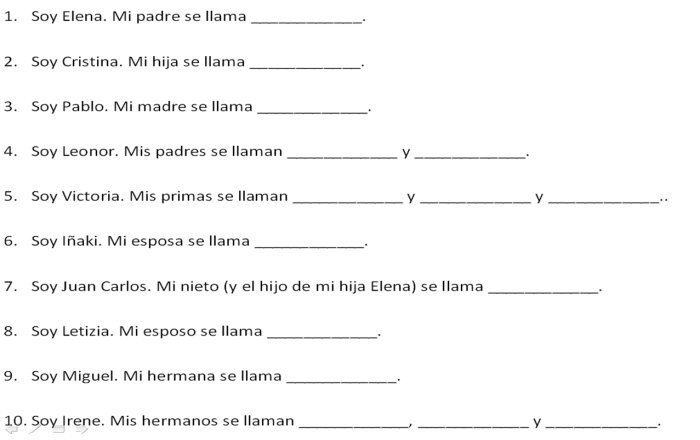
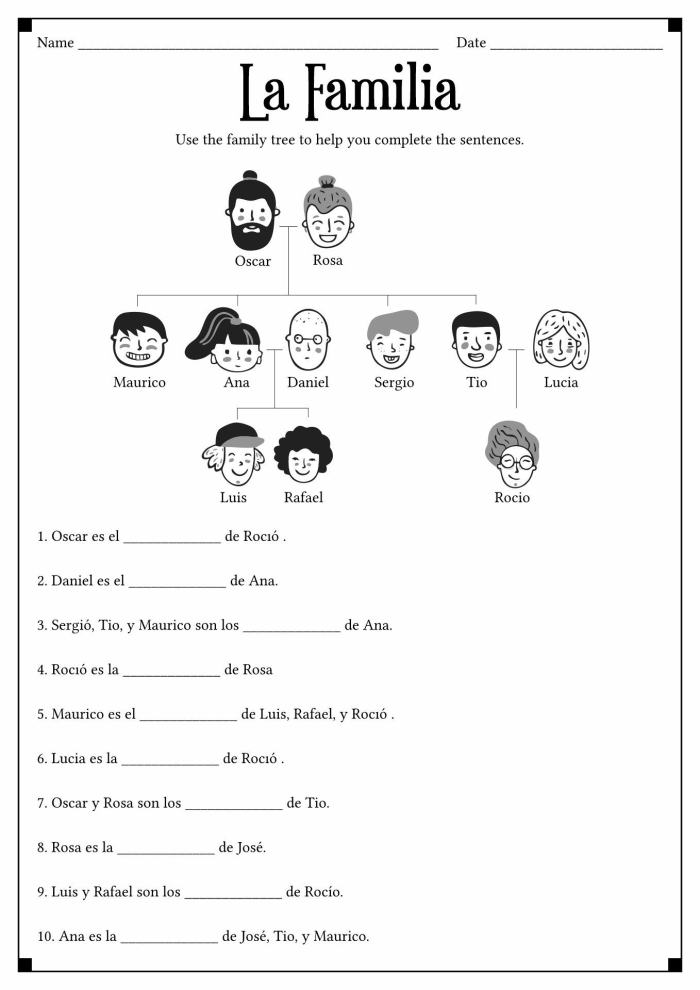
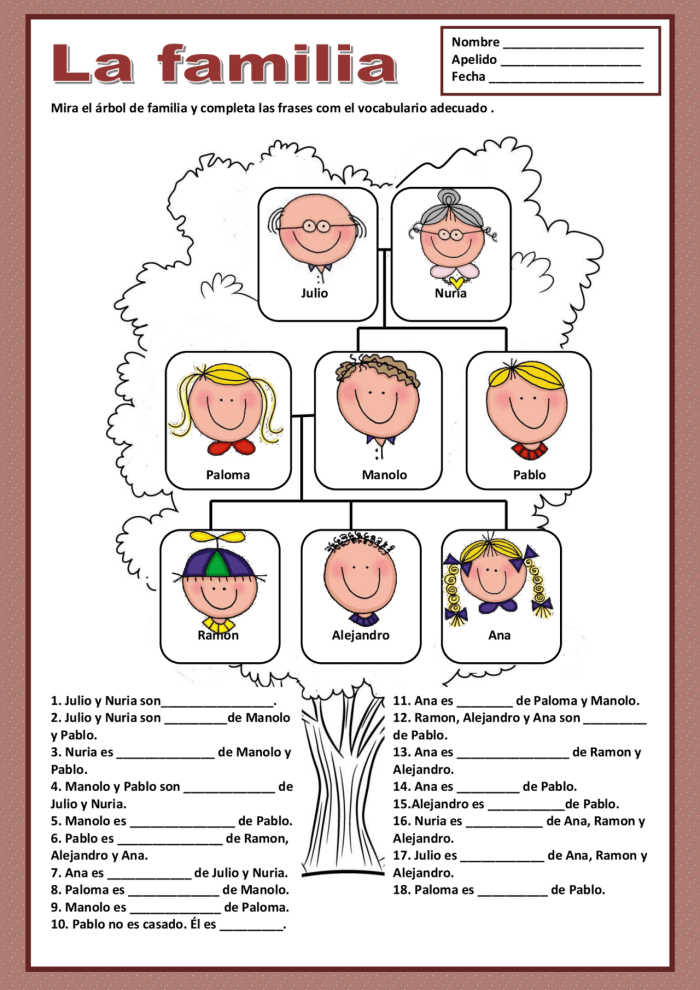
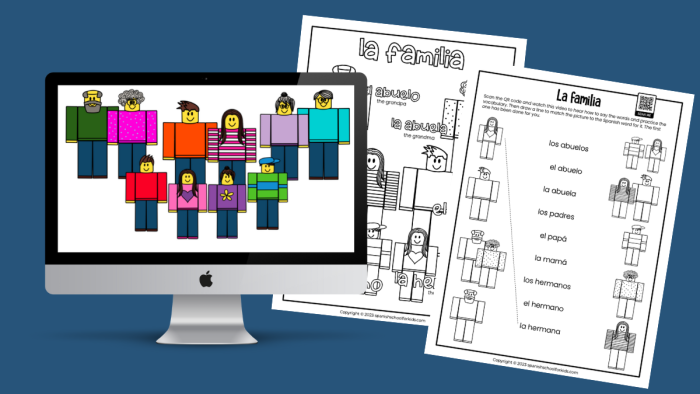
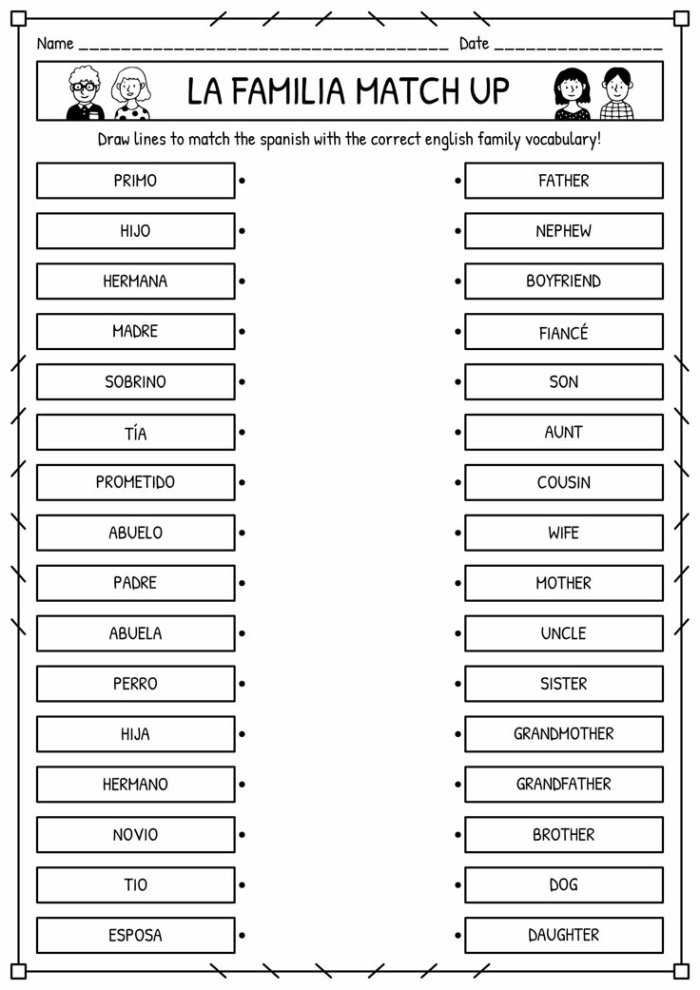
Moreover, worksheets can include exercises that require students to match words with their correct meanings or fill in the blanks. This type of practice is beneficial for honing language skills while keeping the learning process enjoyable. You can find great resources that align with this kind of learning, such as those on Lumina Worksheets, which offer a range of engaging activities for third-grade students.
Incorporating these Spanish terms into everyday conversation can also be helpful. Encourage your child to use mamá and papá when referring to you, or even introduce terms for other family members like abuelita (grandma) and abuelo (grandpa). These small changes can create a richer linguistic environment.
Ultimately, learning family names in Spanish opens up a world of communication and connection. Not only does it enhance language skills, but it also fosters a sense of belonging and cultural identity. To explore more engaging worksheets that aid your child’s learning, consider checking out other resources like those focusing on important supporting details or comparative adjectives.
Start Practicing with These Worksheets