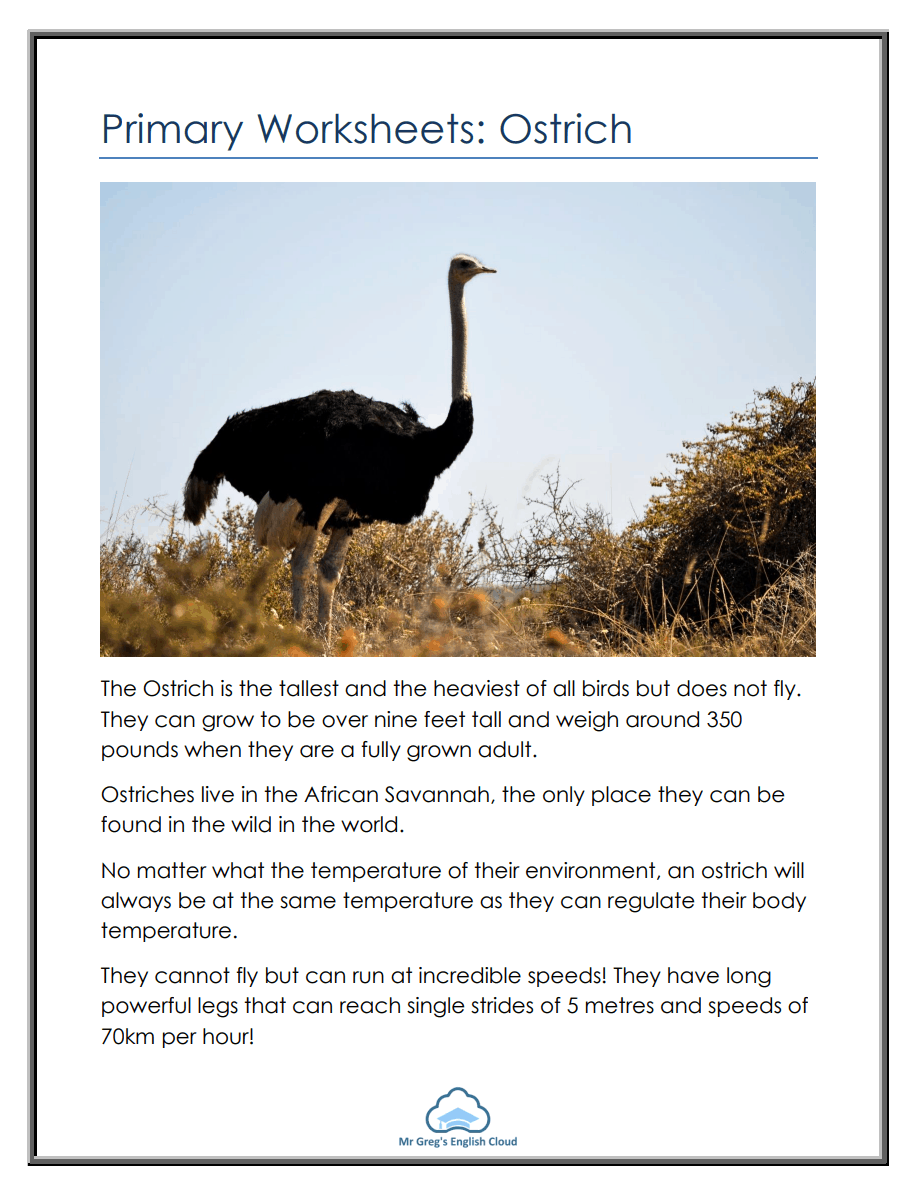
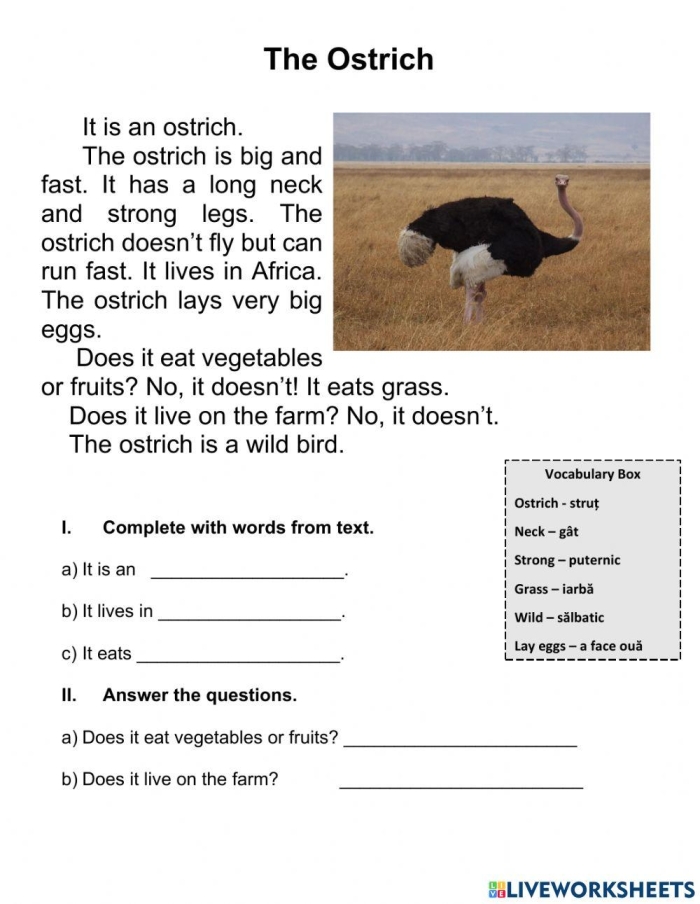
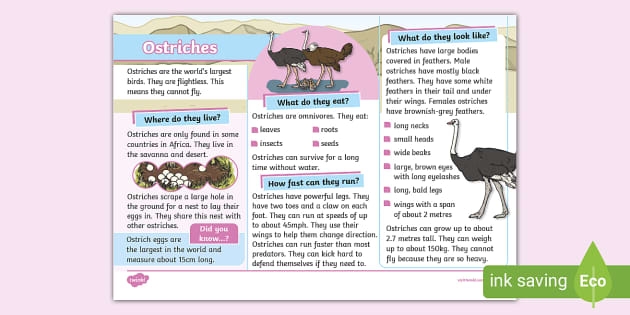
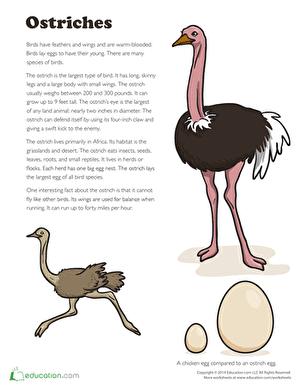
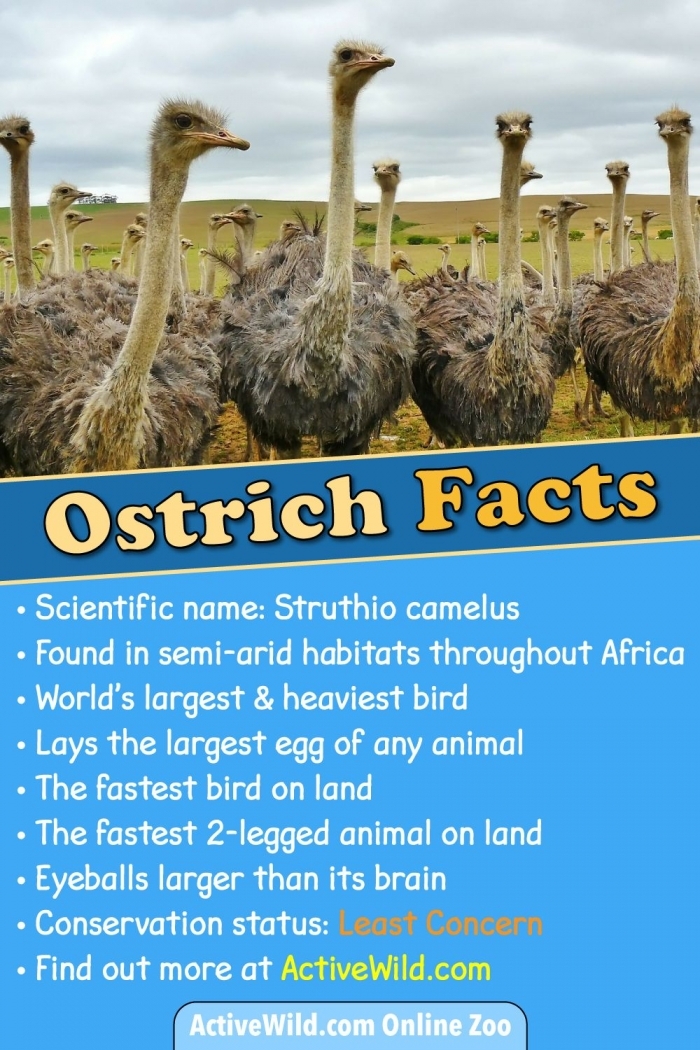
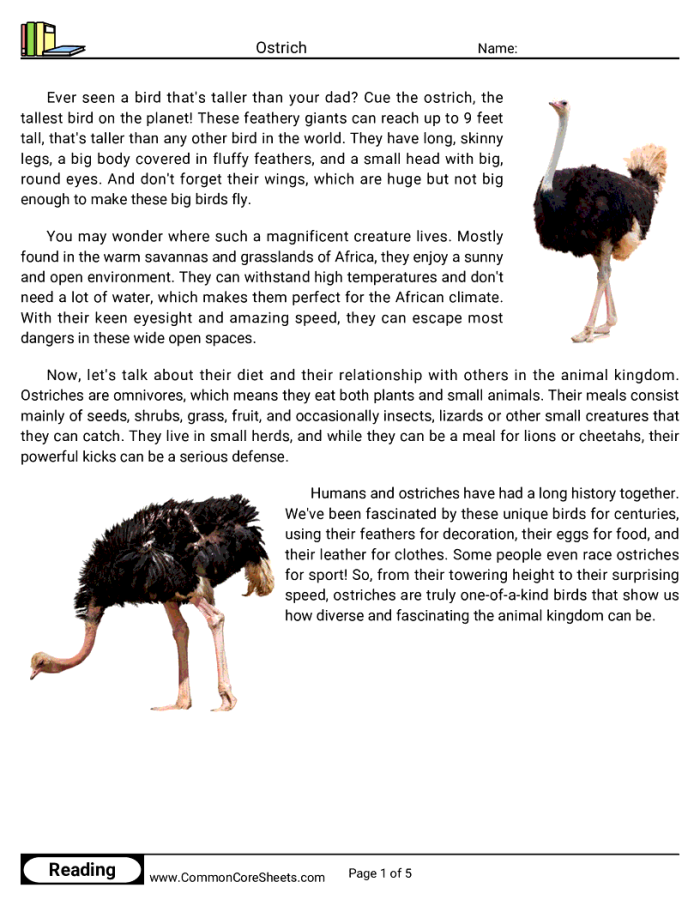
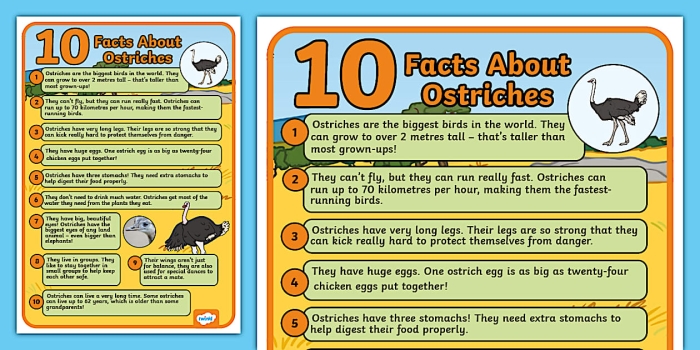
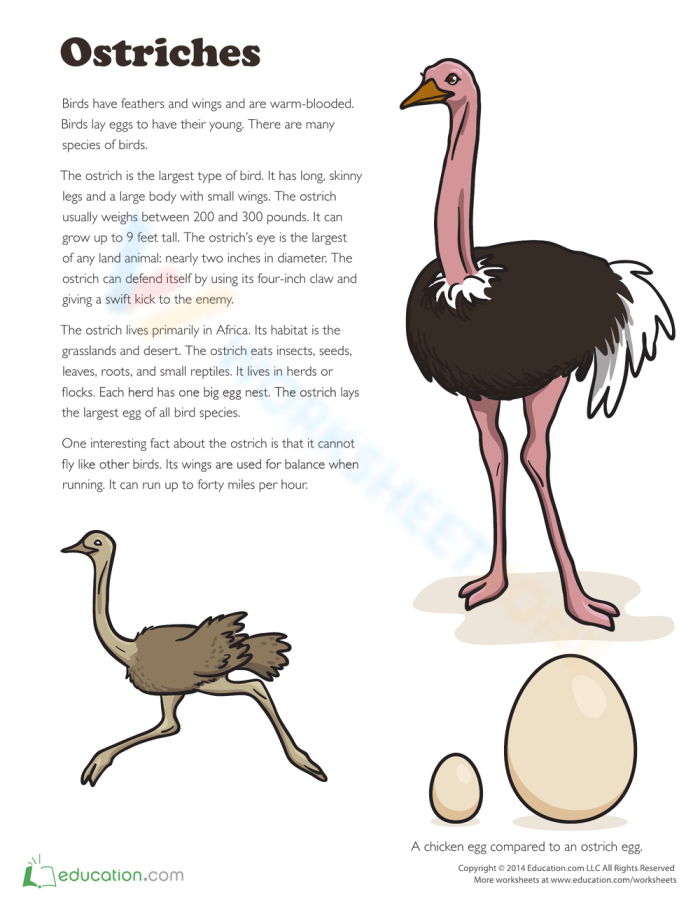
Ostriches are fascinating creatures, standing tall as the largest birds in the world. While they may not take to the skies, their unique adaptations make them remarkable in their own right. These flightless birds are native to Africa and can reach heights of up to 9 feet, weighing as much as 300 pounds. Their long legs allow them to run at speeds of up to 45 miles per hour, making them the fastest birds on land.
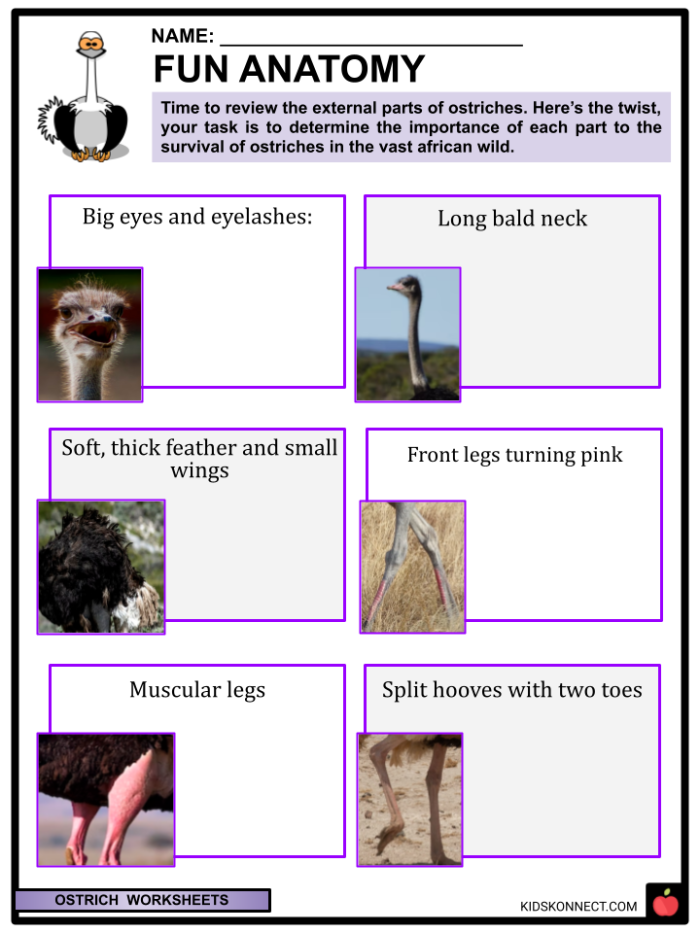
One of the most interesting facts about ostriches is their powerful legs, which they use not just for speed but for defense. An ostrich can deliver a kick strong enough to fend off predators like lions. Their legs are not only designed for running but also have two toes that help them maintain balance and agility while moving quickly across their natural habitat.
Ostriches have a unique social structure. They live in groups called flocks, which can consist of up to 50 birds. This social behavior helps them protect each other from threats. Within a flock, the dominant male and female often mate for life, showcasing a form of loyalty seldom seen in the animal kingdom.
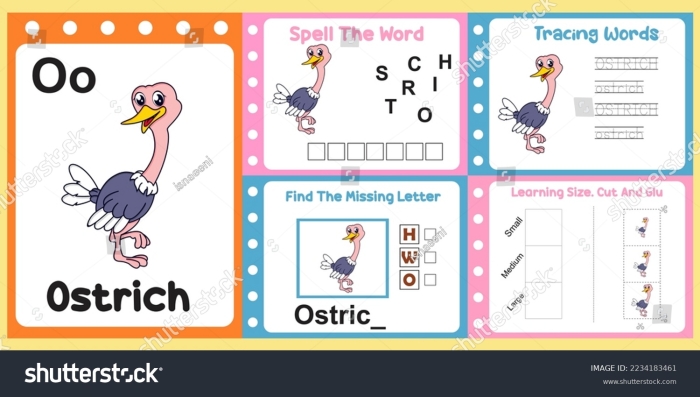
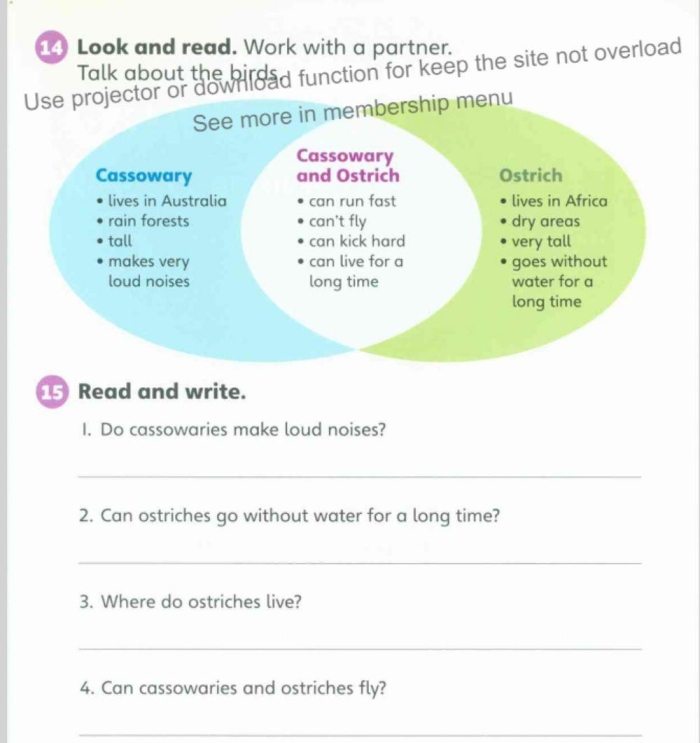
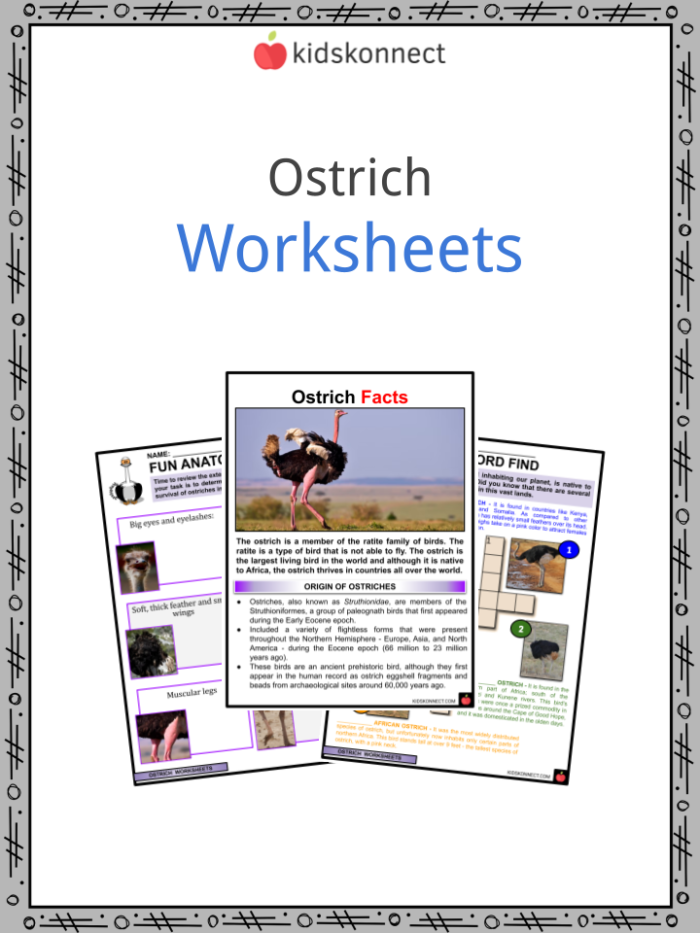
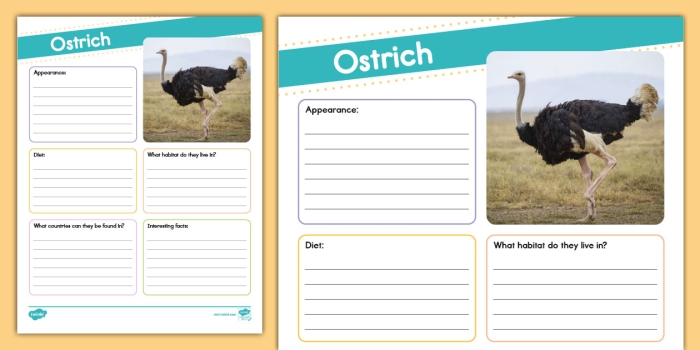
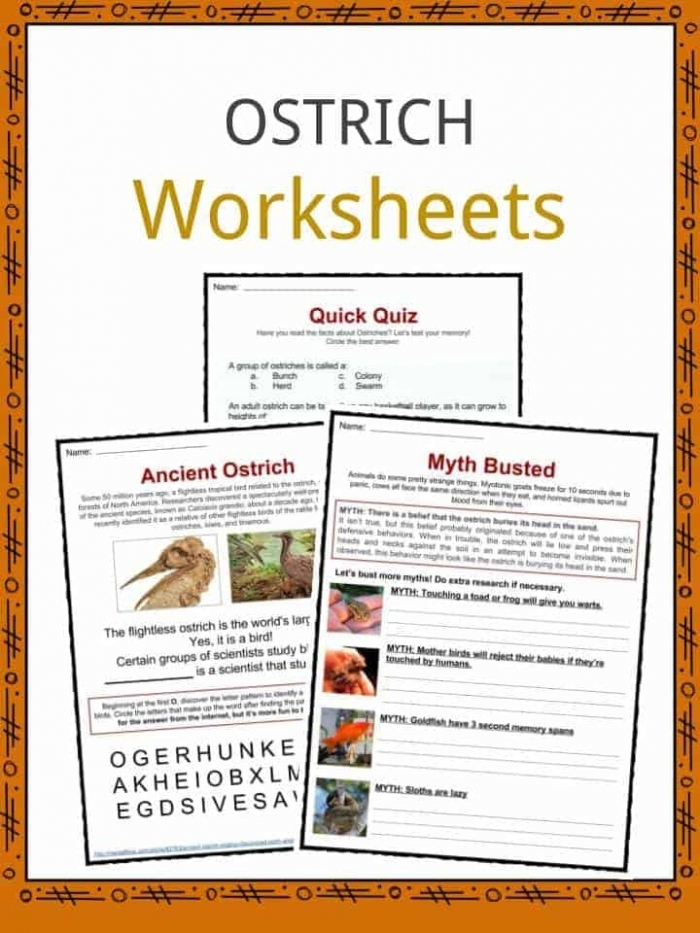
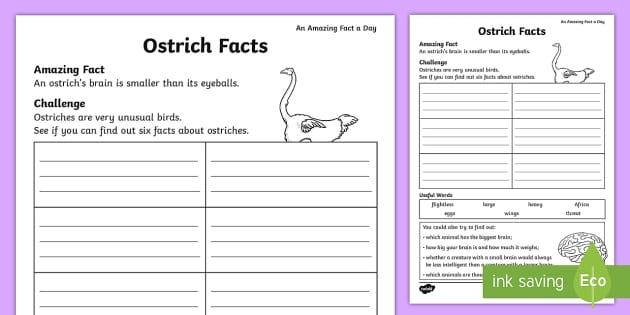
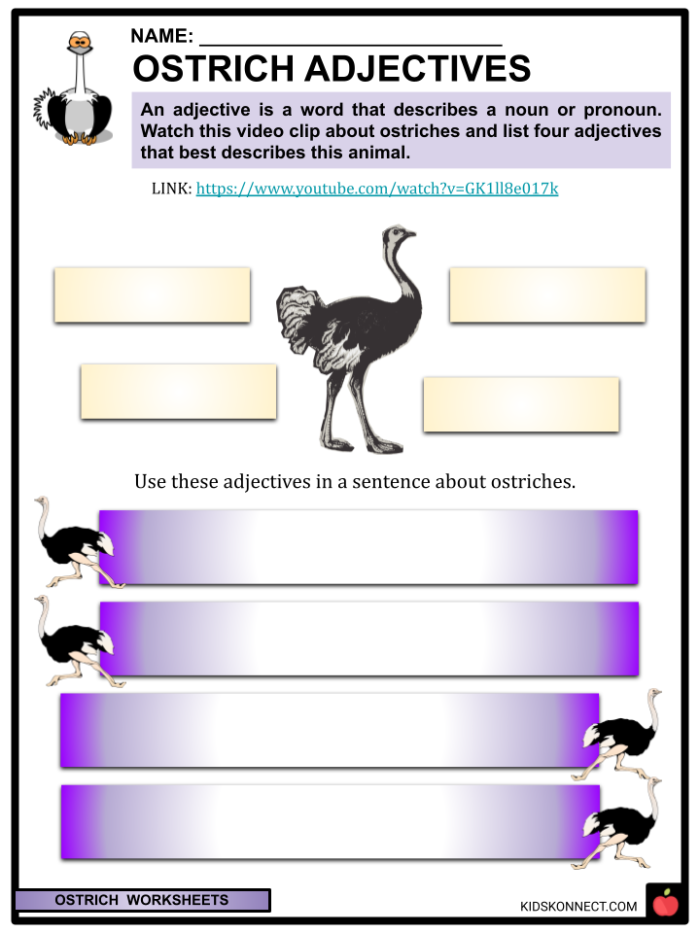
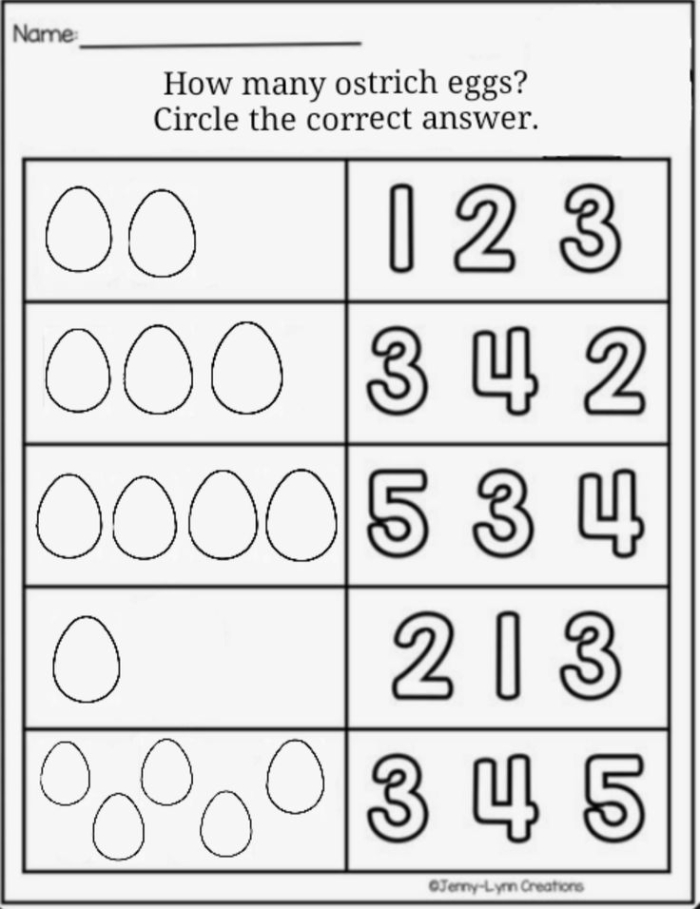
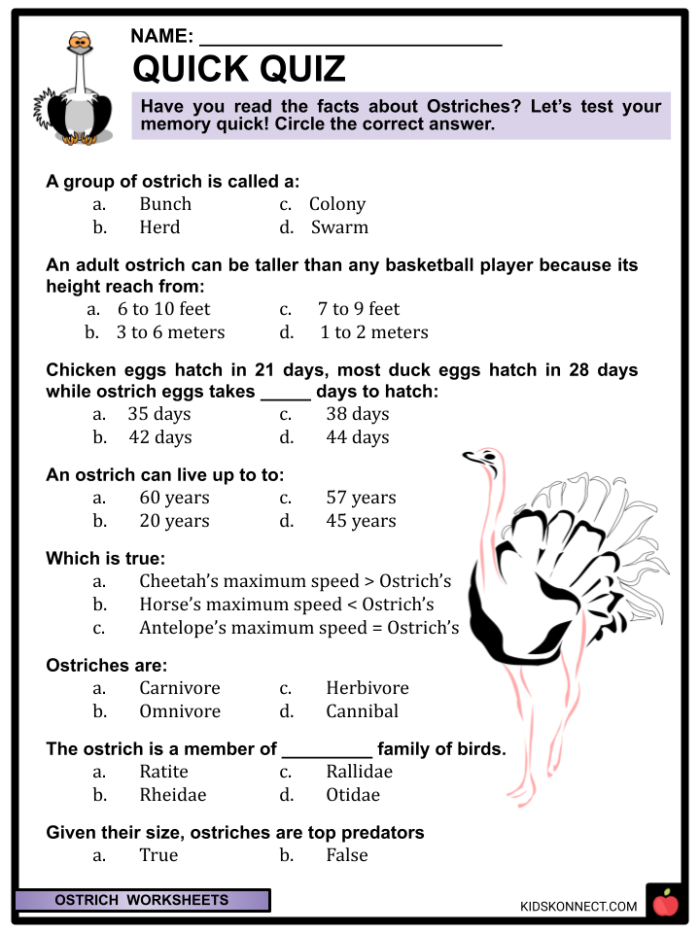
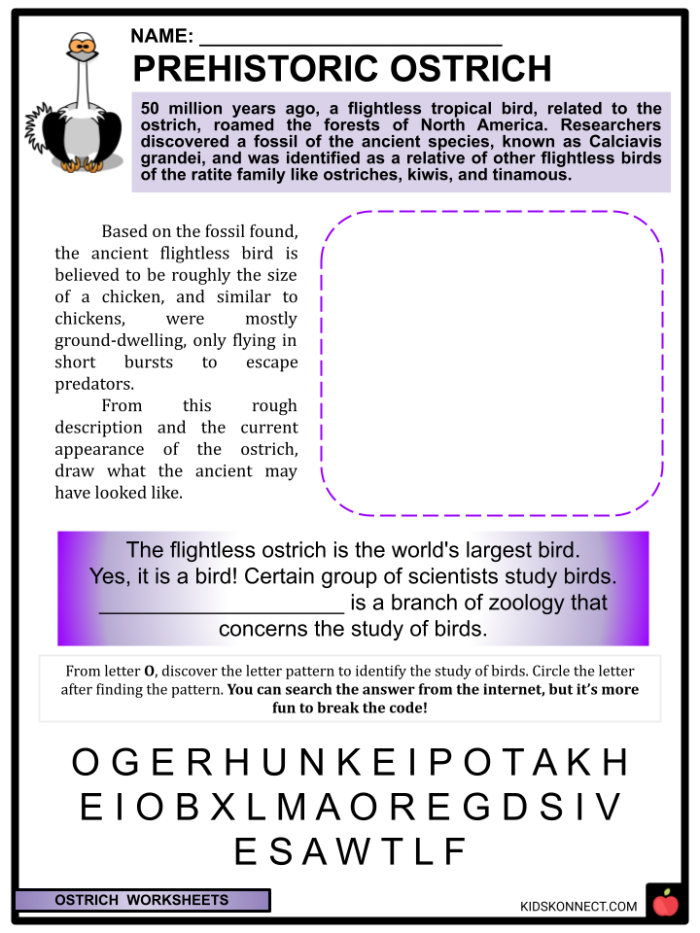
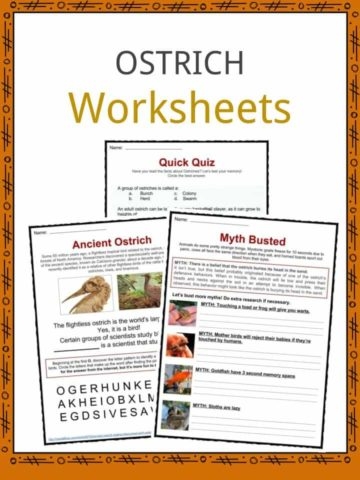
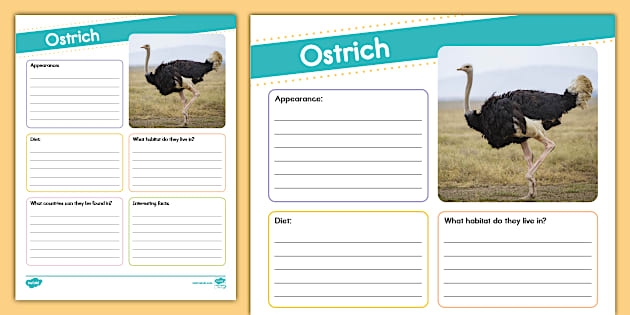
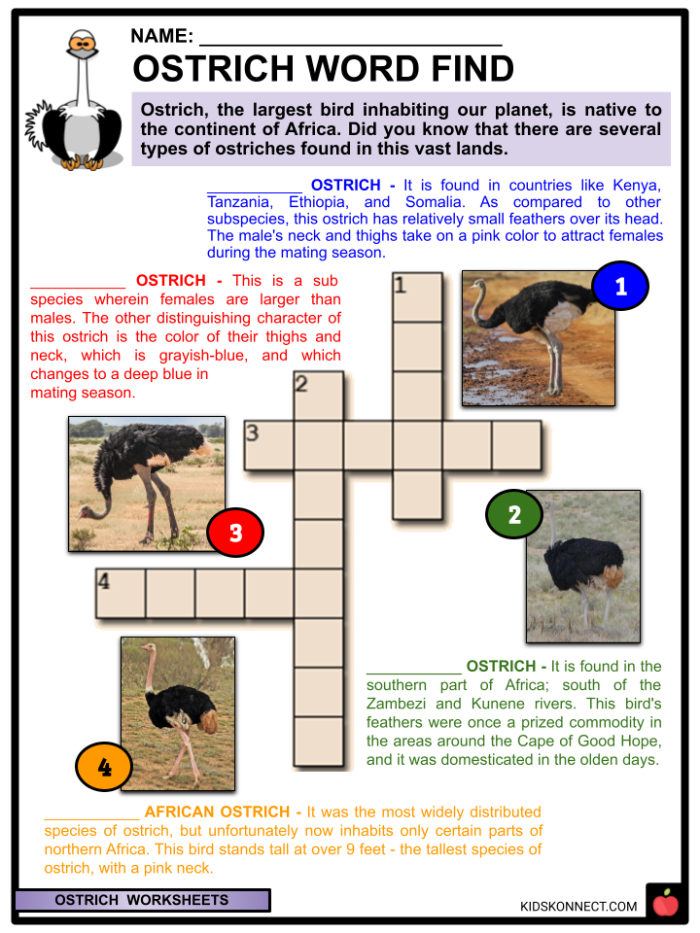
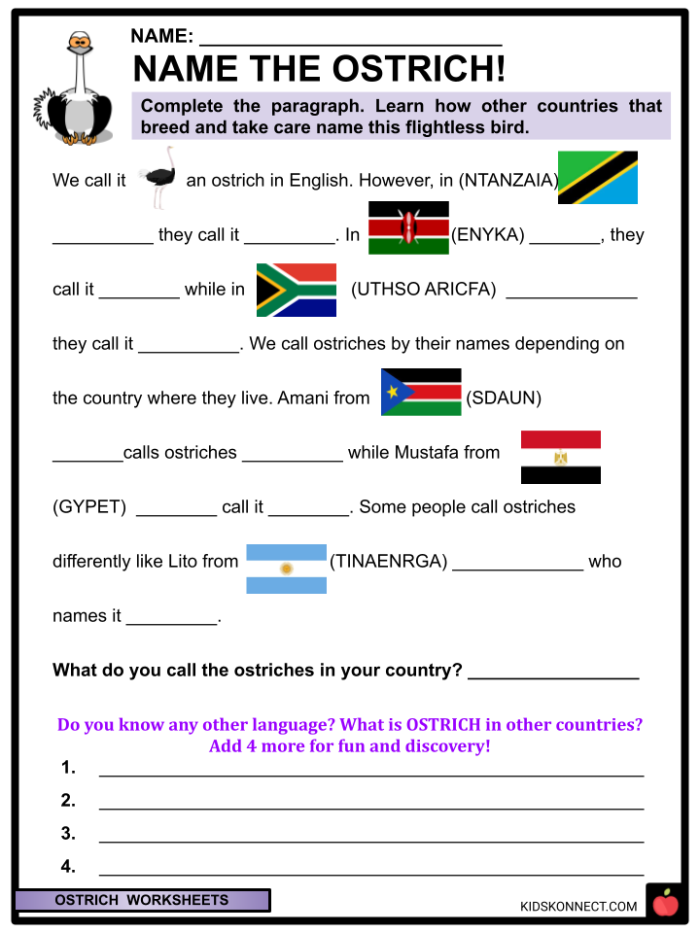
Additionally, ostriches lay the largest eggs of any bird, with each egg weighing about 3 pounds and being roughly the size of a cantaloupe. These eggs are not only impressive in size but are also incredibly strong, able to withstand the weight of an adult human. This makes them a fascinating subject for educational materials, such as printable facts about ostrich worksheets designed for second graders learning about animals.
In terms of diet, ostriches are omnivores. They enjoy a mix of plants, seeds, and insects, which they forage for on the ground. Their unique digestive system allows them to extract the necessary nutrients from their food effectively.
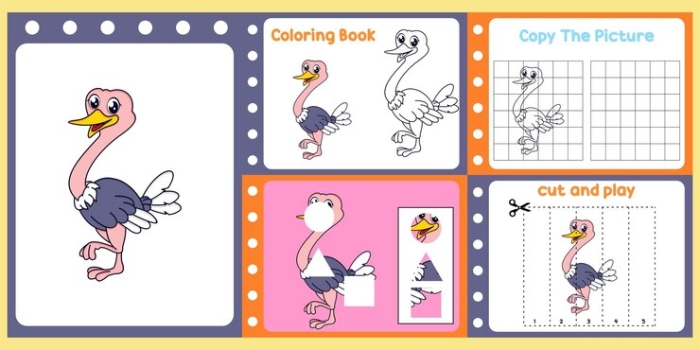
Learning about ostriches can inspire curiosity and understanding in young learners, especially when connecting it to broader topics like time and money. Whether through worksheets or interactive discussions, these incredible birds serve as a gateway to exploring nature’s wonders.
Start Practicing with These Worksheets