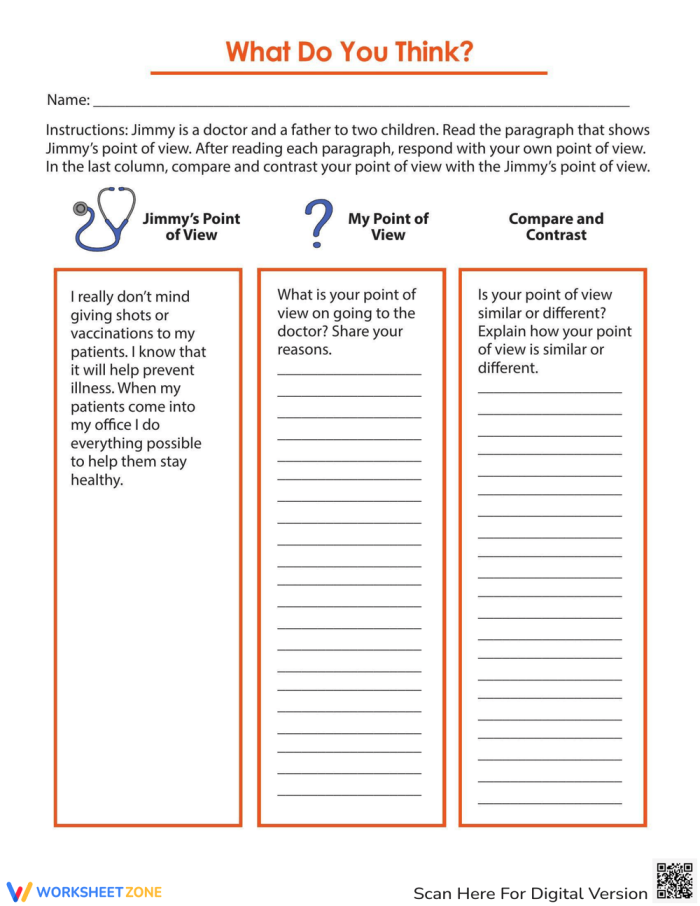
A third grade reading worksheet that asks students to compare their own opinions with those of a fictional character opens up a practical way to explore how different people can think differently about the same thing. This kid-friendly approach uses relatable topics, jumping from something exciting like roller coasters to something everyday like spinach, to help young readers understand that opinions vary from person to person.
The worksheet centers on a character named Jimmy and his viewpoints. Students read what Jimmy thinks about various subjects, then reflect on whether they agree, disagree, or feel somewhere in between. This exercise does more than just fill time. It teaches children to recognize that their perspective matters and that other people’s perspectives matter too, even when they clash.
Why This Matters for Young Readers
Third grade is a critical time when students begin moving beyond simple comprehension. They start noticing that characters in stories have feelings and opinions just like real people do. A worksheet structured around comparing opinions helps solidify this understanding. When a student reads that Jimmy loves roller coasters but hates spinach, and then considers their own feelings about those same topics, they’re actively engaging with the concept of individual perspective.
The range of topics covered keeps students interested. Roller coasters represent something thrilling and fun that many kids enjoy, while spinach represents something many resist. This contrast makes the comparison feel natural rather than forced.
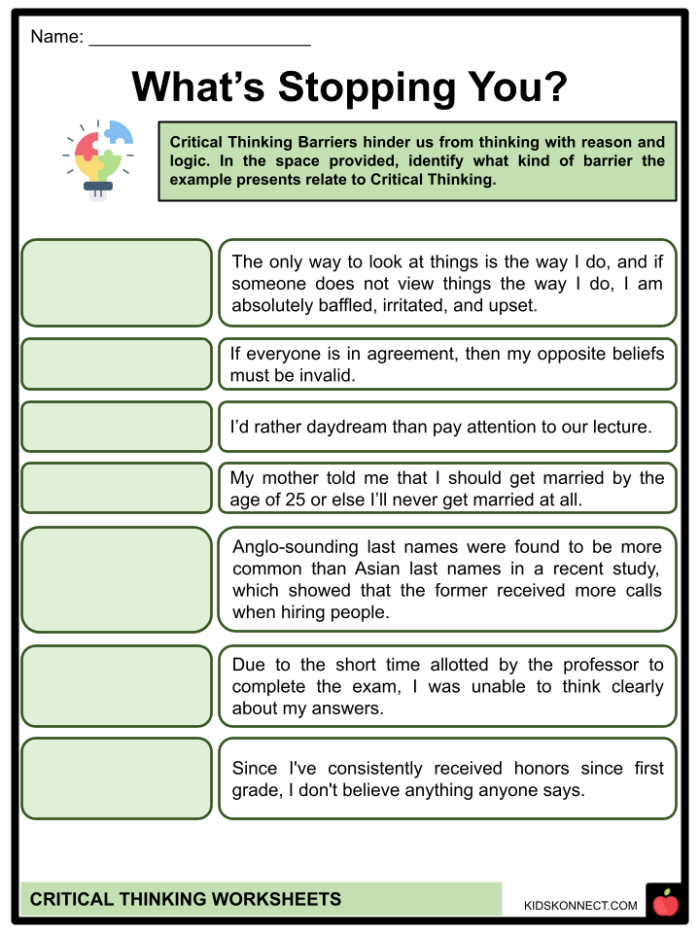
Building Critical Thinking Skills
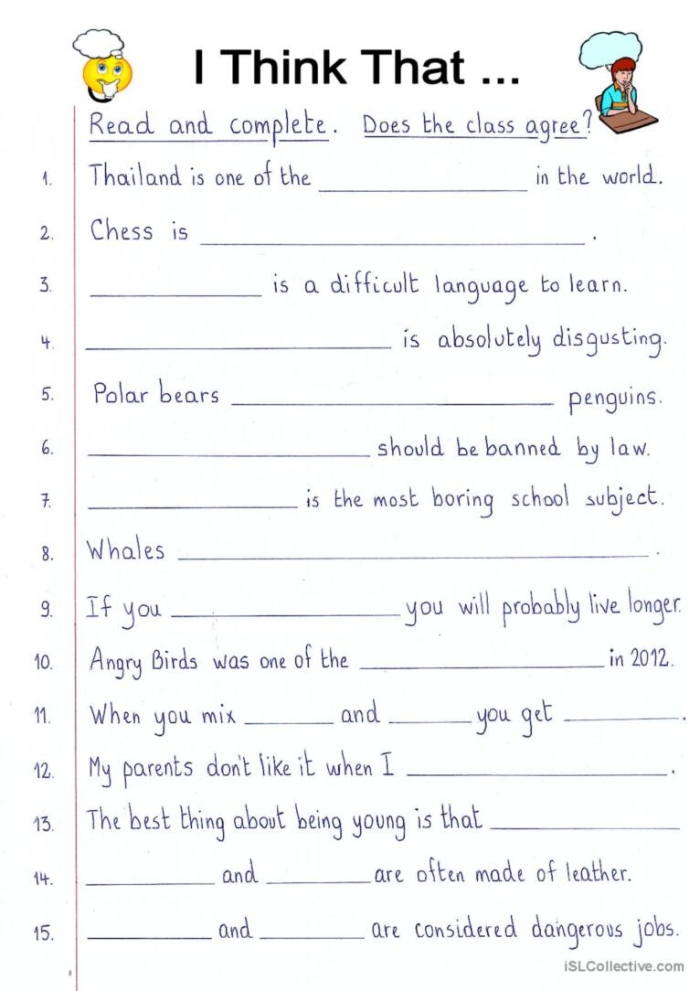
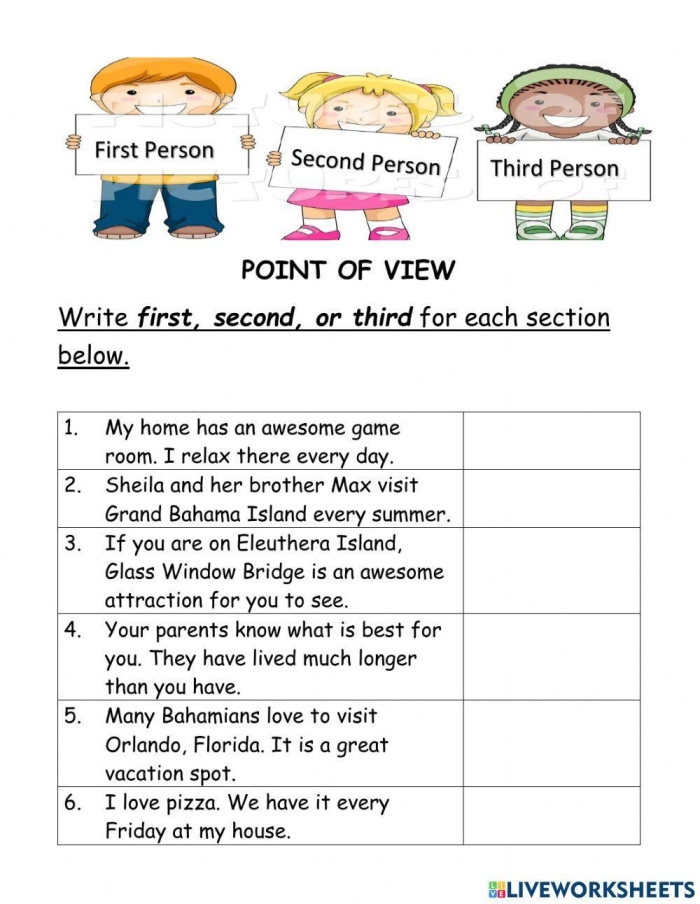
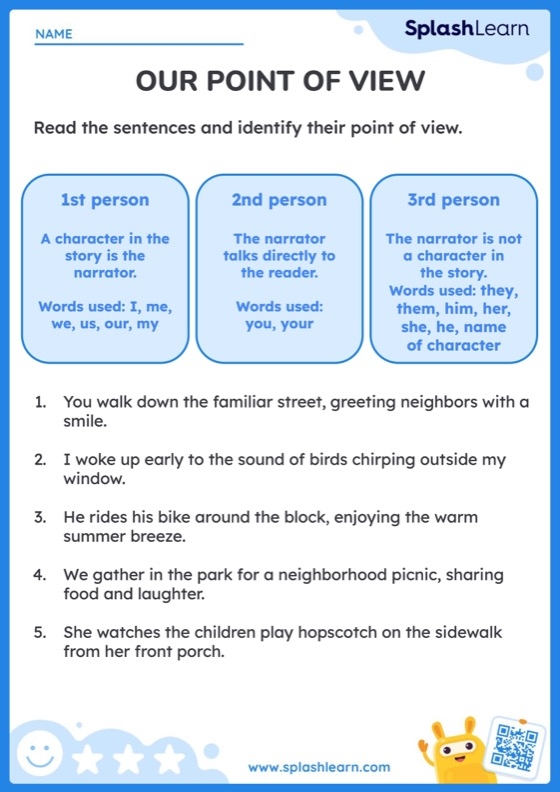
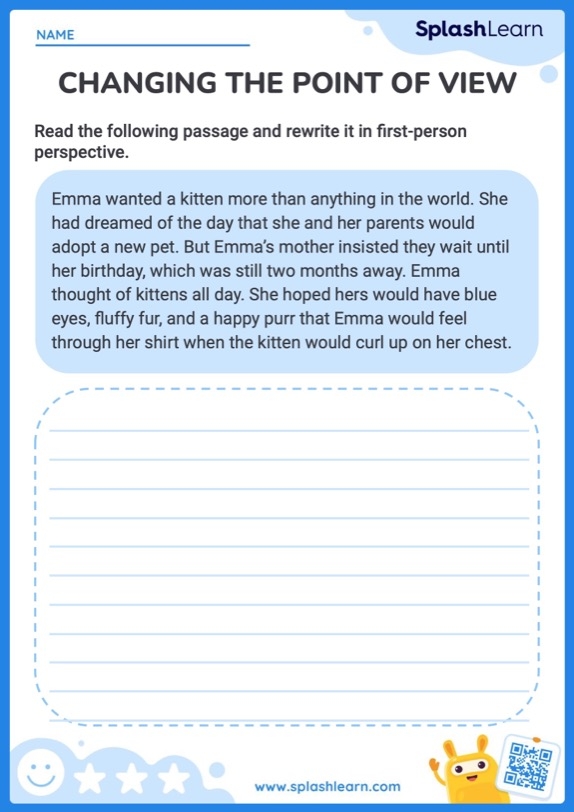
Working through opinion-based questions helps students develop critical thinking. They must think about why they believe what they believe, which strengthens their ability to articulate their reasoning. Similar worksheets that focus on point of view and being the new kid also guide students through perspective-taking in different contexts.
For teachers looking to build reading comprehension skills, pairing this worksheet with other third grade reading activities strengthens understanding. Resources like those covering writing compound sentences or finding the main idea complement opinion-based learning nicely.
This worksheet ultimately teaches young readers that reading comprehension involves more than just remembering facts. It involves understanding how different minds work and recognizing that their own thoughts are valid and worth expressing.
Worksheet Practice Section