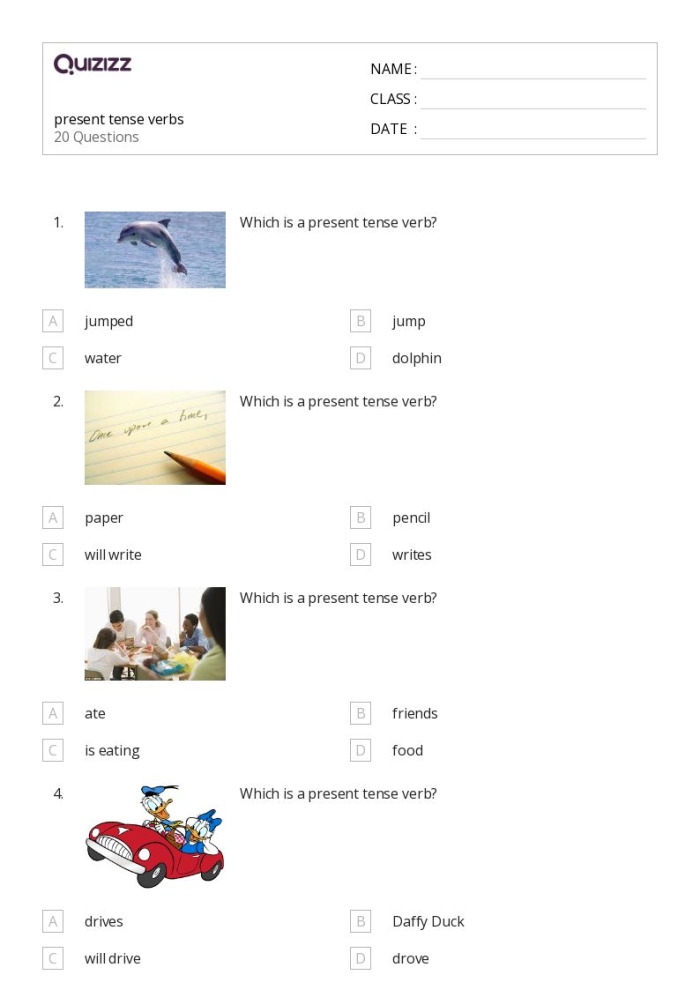
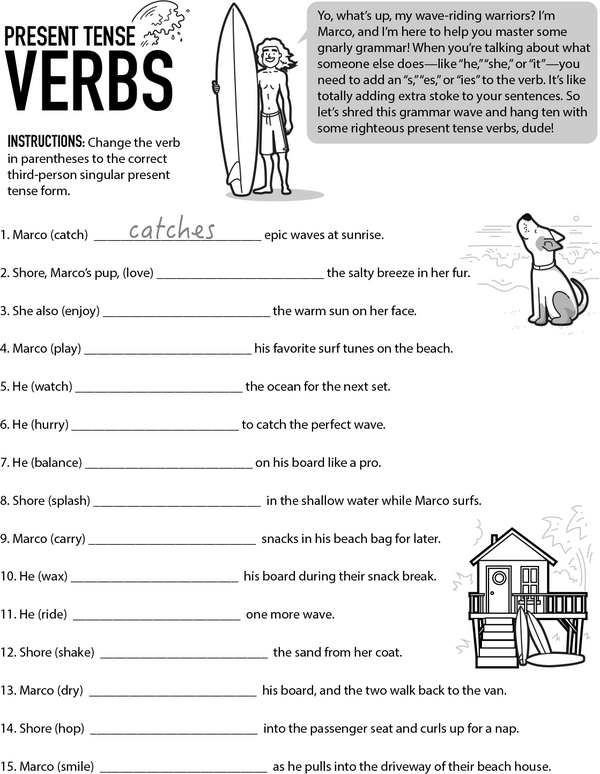
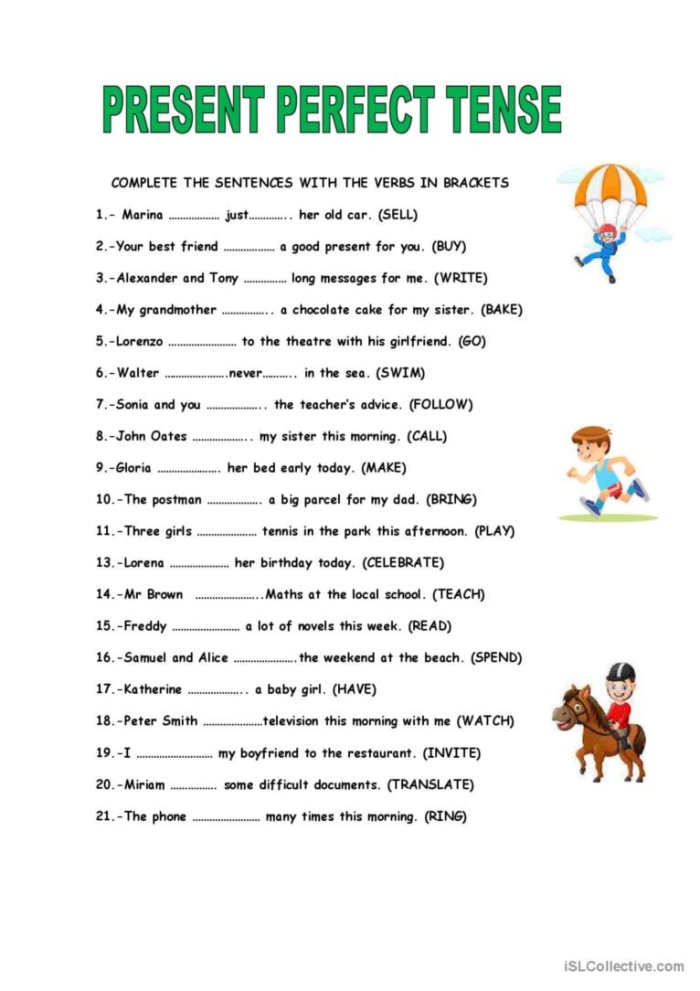
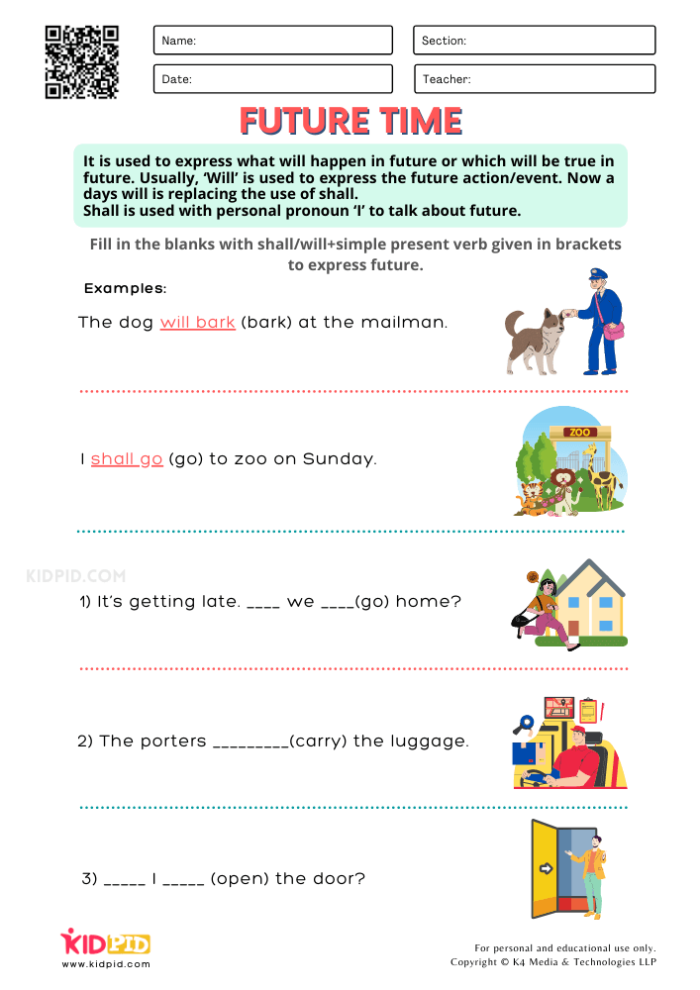
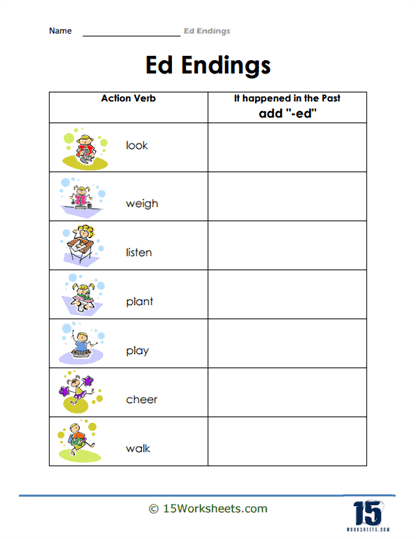
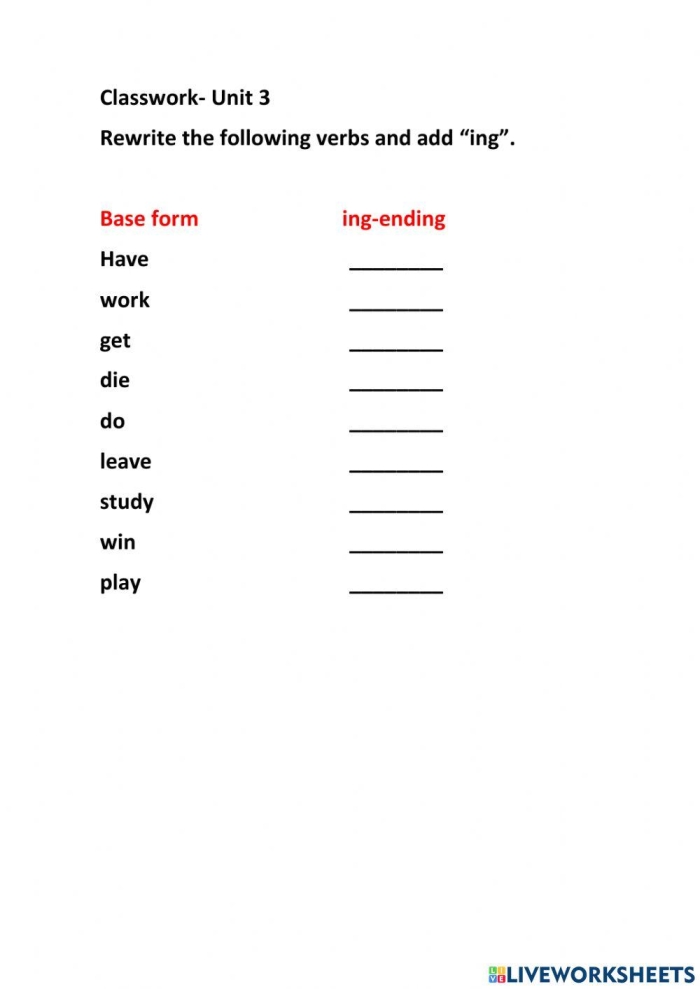
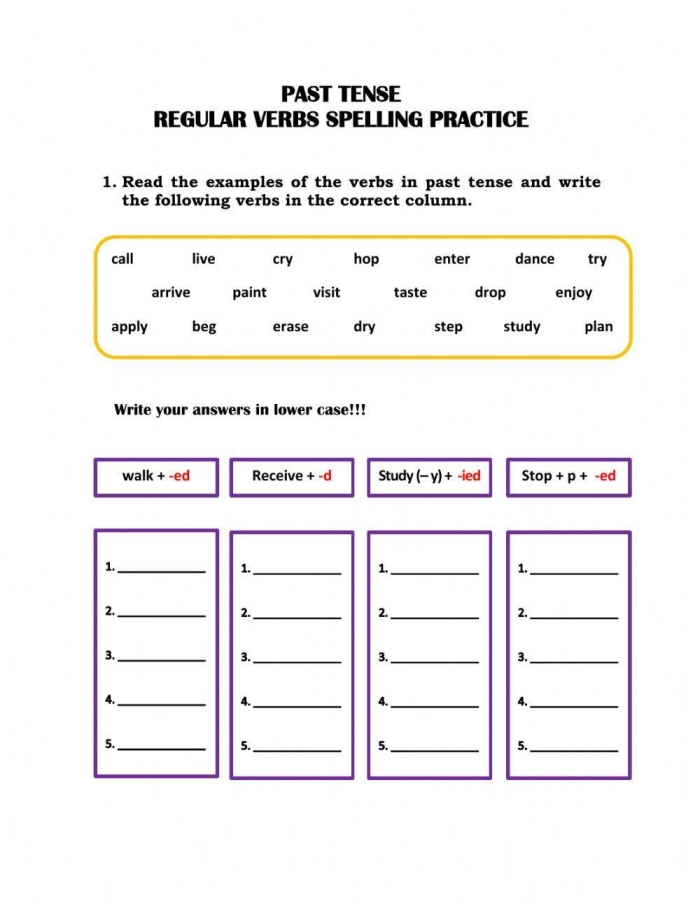
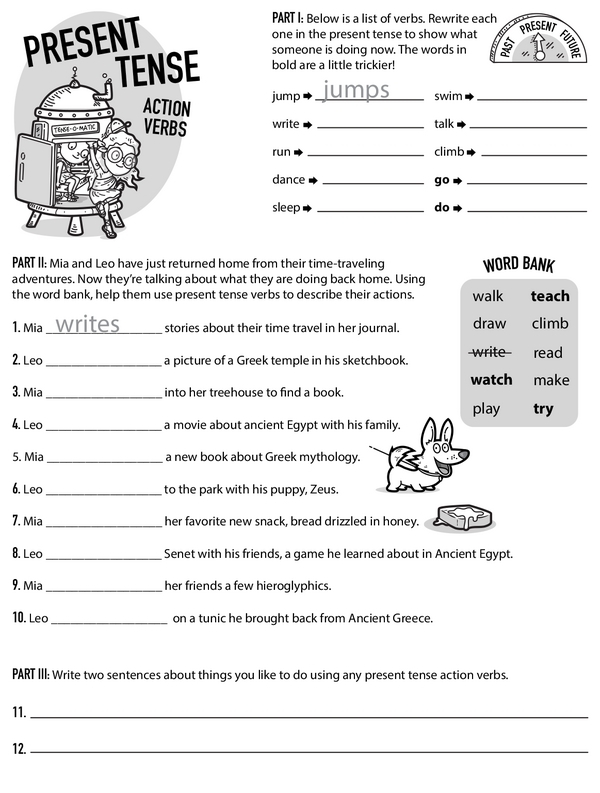
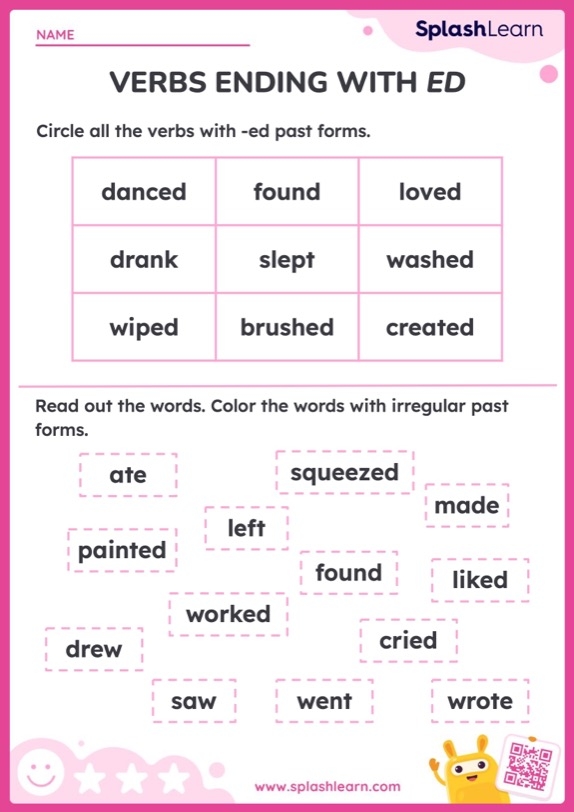
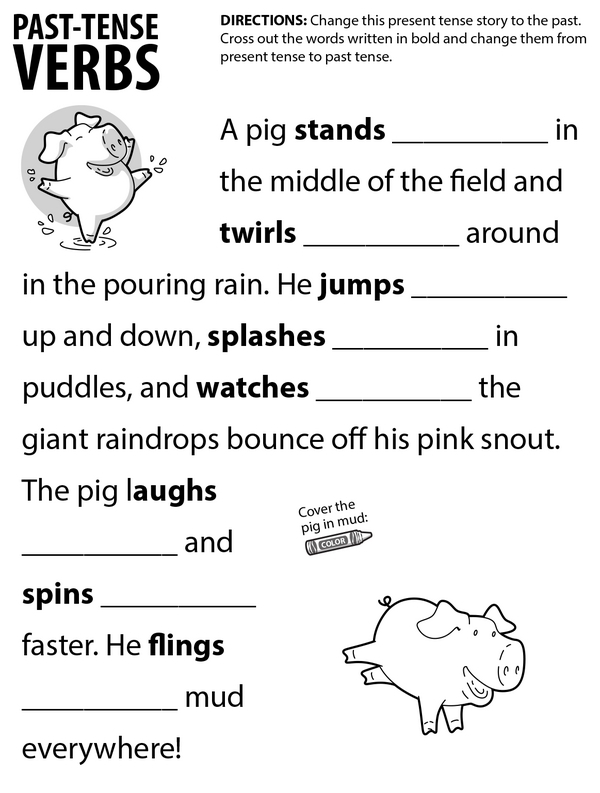
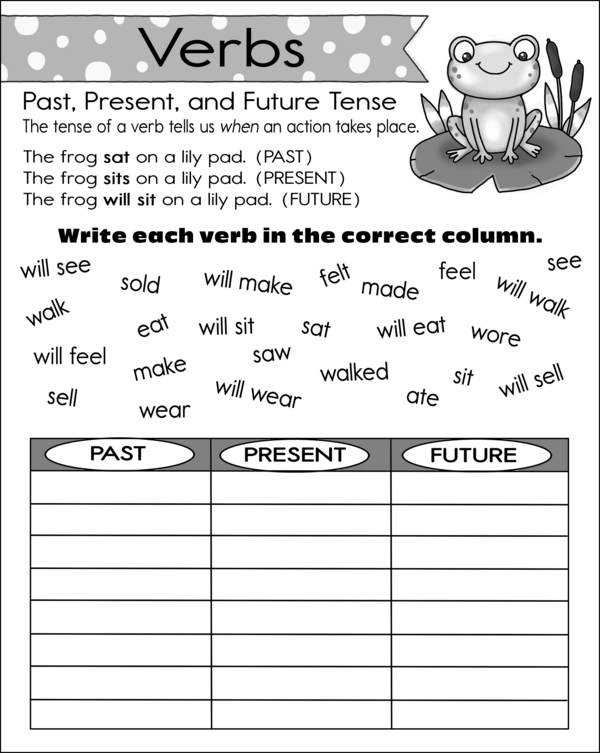
Most second grade teachers know the moment well: a student writes “I will play tomorrow” when the assignment asks for present tense, and confusion spreads across the classroom. Changing verbs from future to present tense requires more than memorizing rules. Young learners need to understand how verb tense shifts meaning and practice applying that understanding to real sentences.
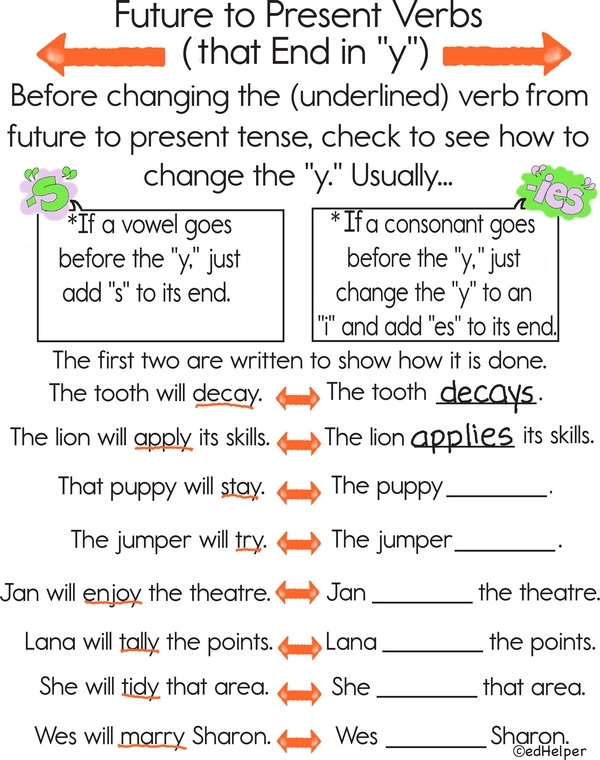
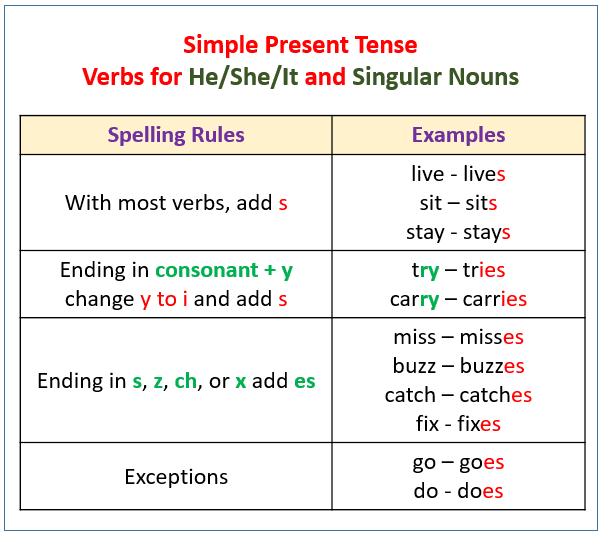
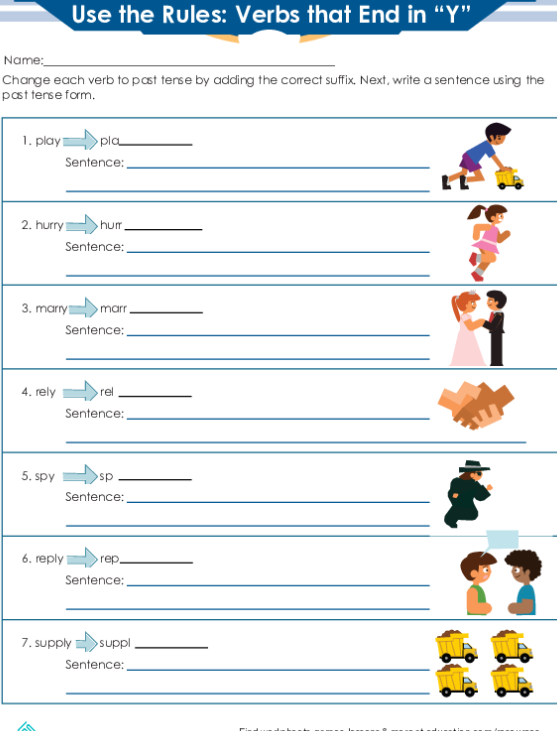
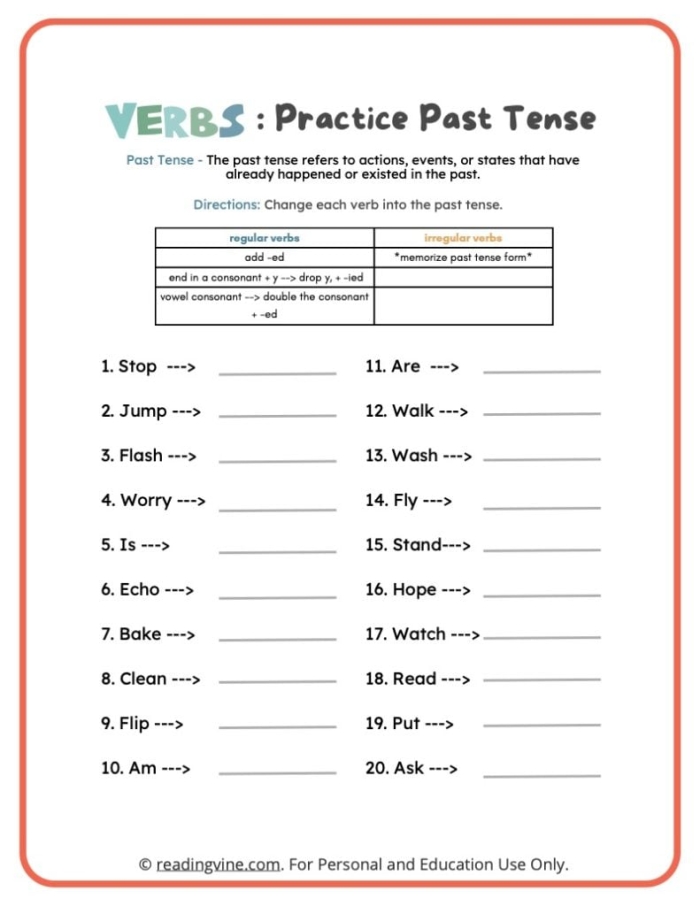
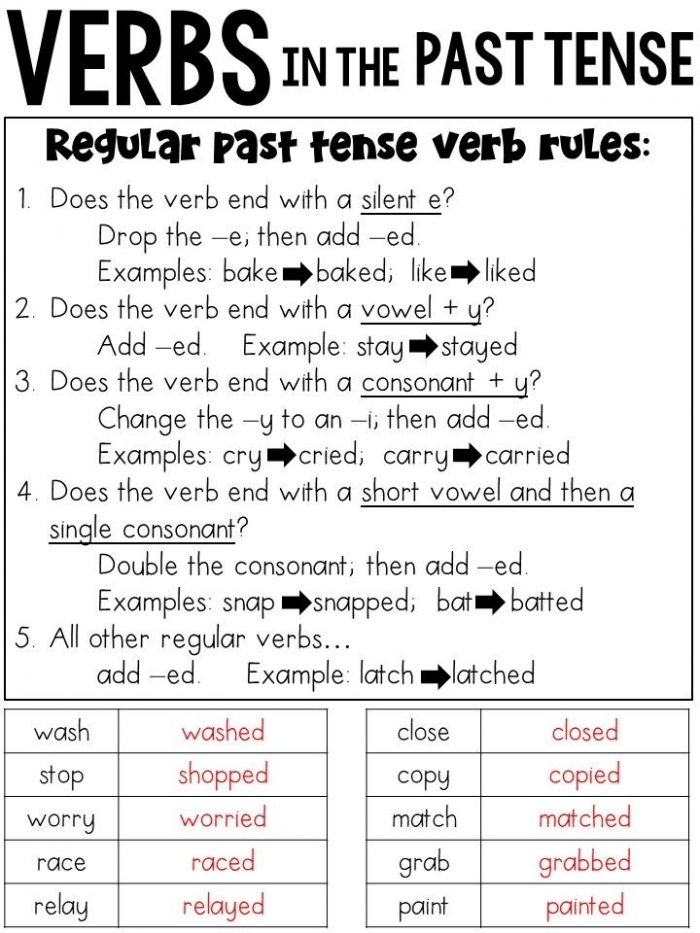
The challenge becomes even more nuanced when verbs end in Y. Words like “cry,” “try,” and “carry” follow specific patterns when converted to present tense. A student might write “he carrys” instead of “he carries,” or struggle to recognize that “will study” becomes “studies” in present tense. These aren’t careless mistakes. They reflect a genuine gap in understanding how English modifies words based on tense and subject.
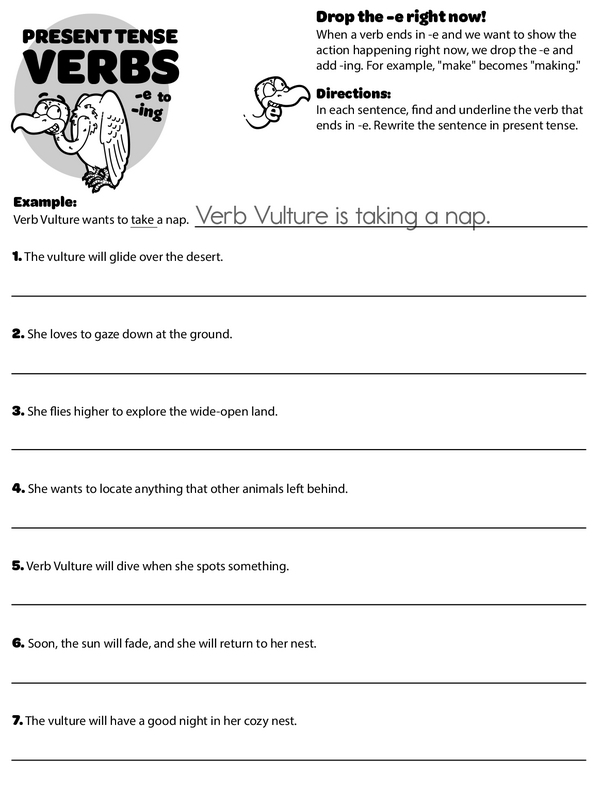
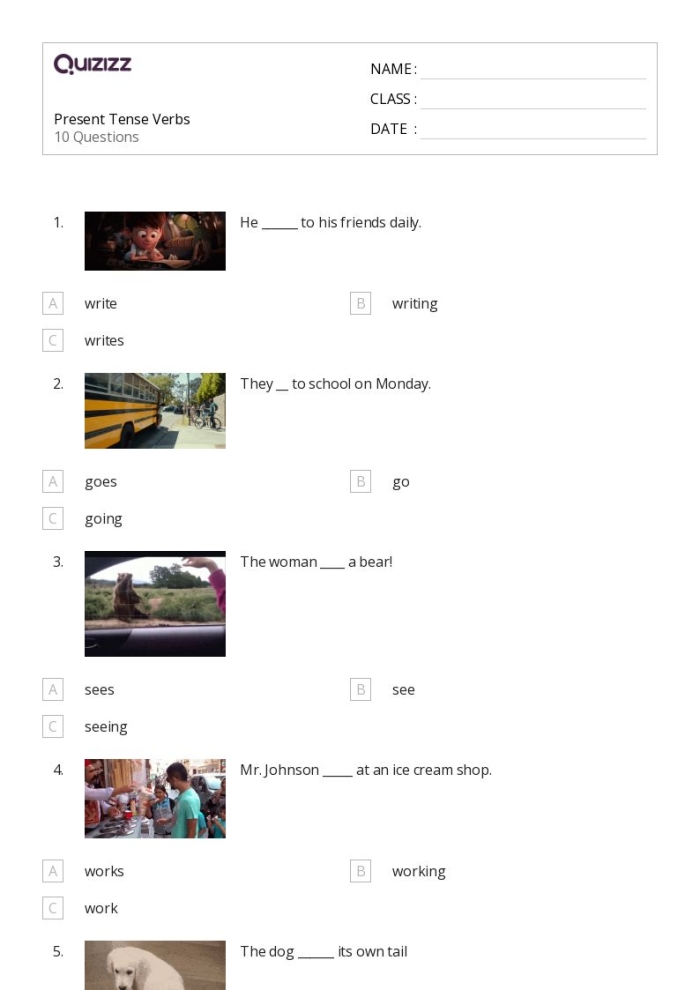
Worksheets that place grammar practice directly into sentences help bridge this gap. Rather than listing verbs in isolation, contextual exercises show students why tense matters. When a child reads a sentence like “Tomorrow I will jump in puddles” and must rewrite it as “Today I jump in puddles,” the meaning becomes tangible. The context makes the grammar rule stick.
For second grade classrooms, syllables and sentence structure work together. As students learn to break words into syllables, they also begin noticing how word endings change. A worksheet that combines both skills strengthens foundational literacy in multiple ways.
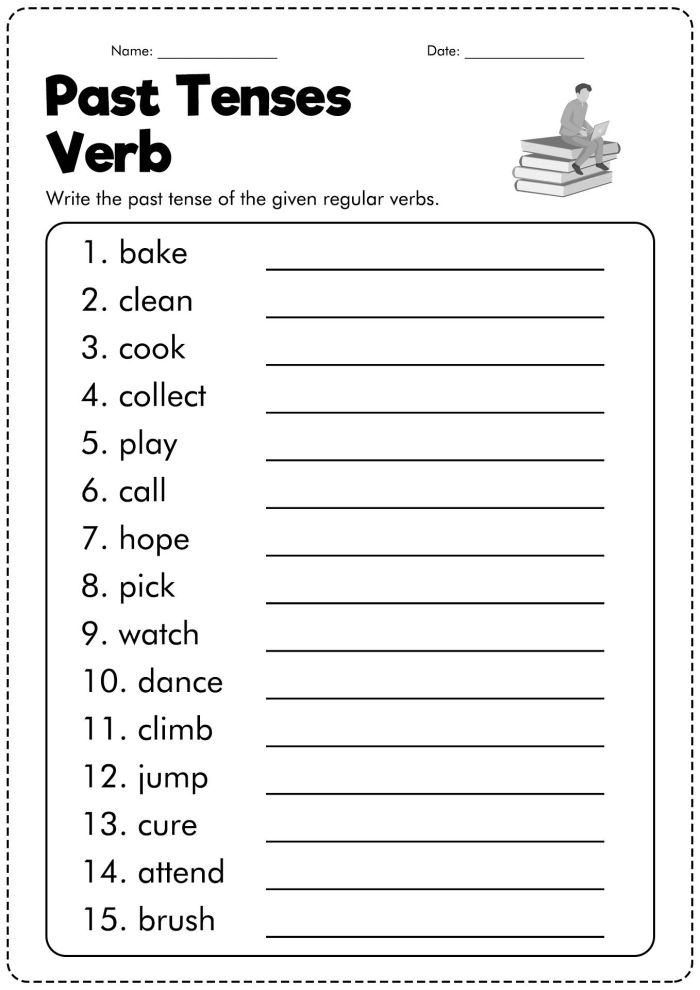
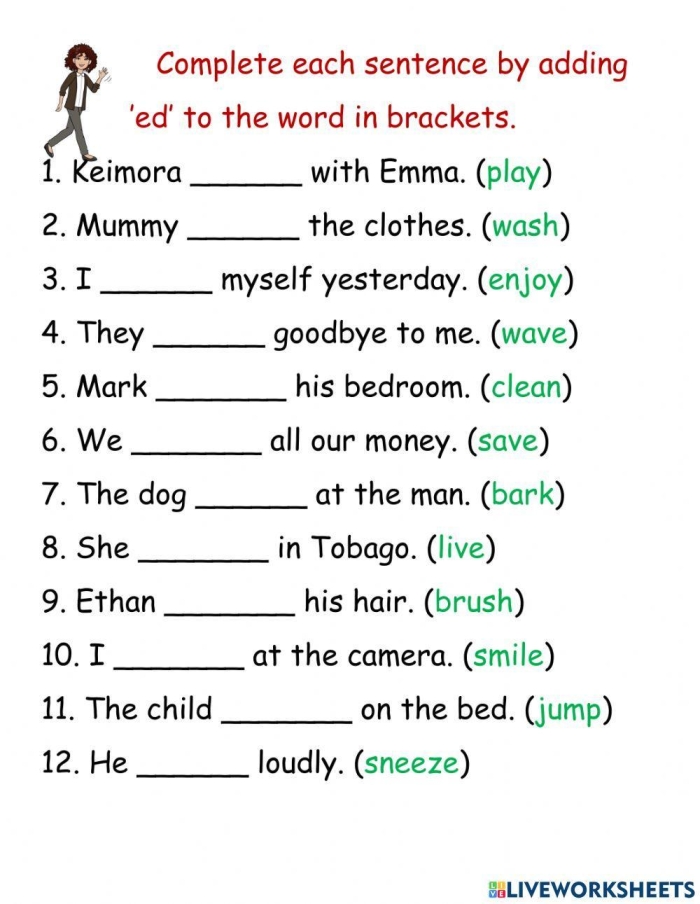
Teachers looking to strengthen their students’ grasp of present tense can explore resources that build progressively. Starting with complete the sentence activities helps students gain confidence. Moving toward worksheets that specifically target verbs ending in Y addresses the trickiest conversions. Pairing these with alphabetical sentence practice reinforces the skill across different exercise formats.
When grammar practice feels purposeful rather than repetitive, second graders engage more deeply and retain the concepts longer.
Try These Printable Worksheets