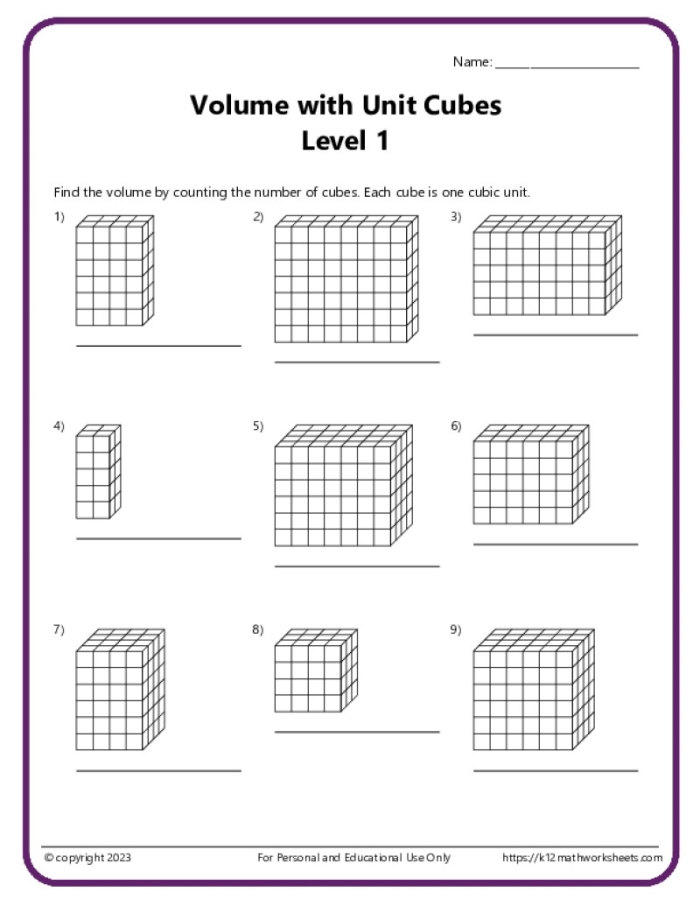
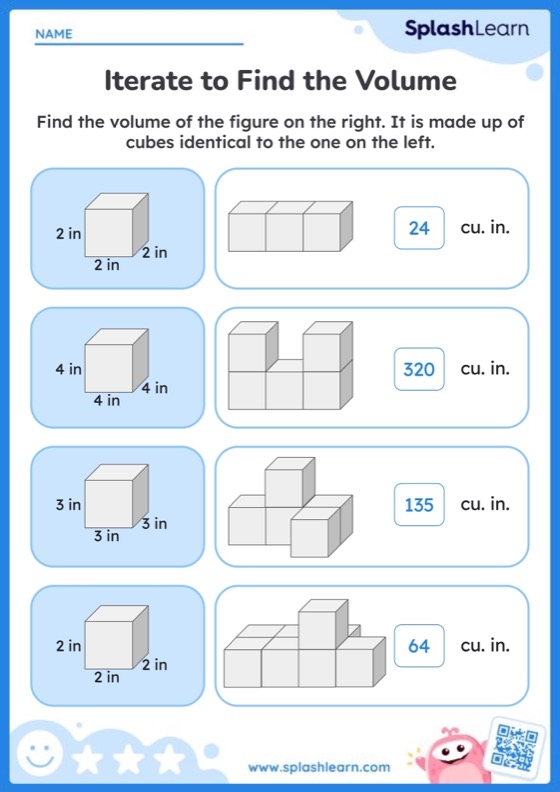
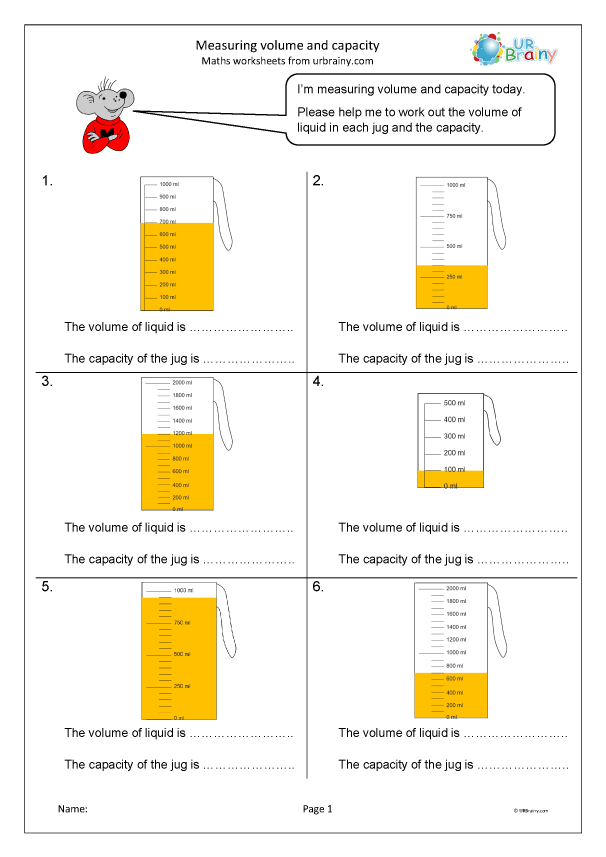
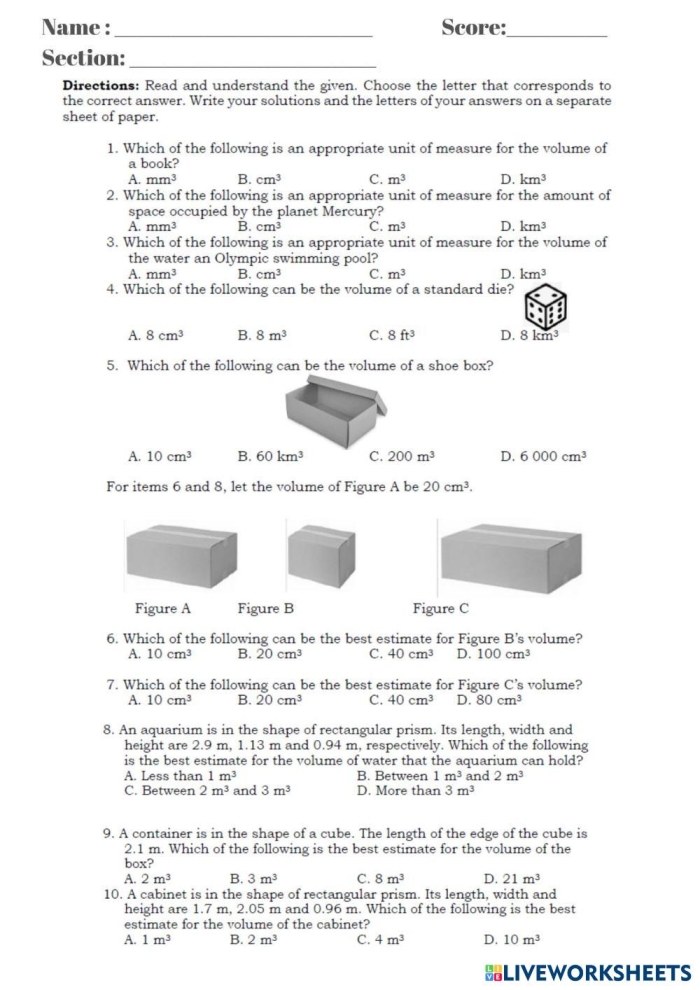
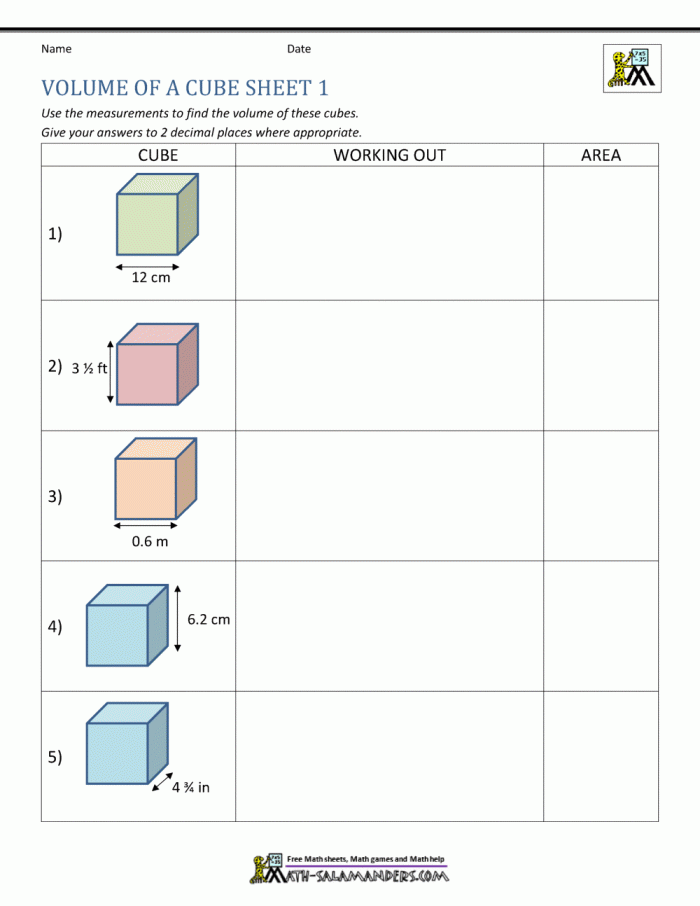
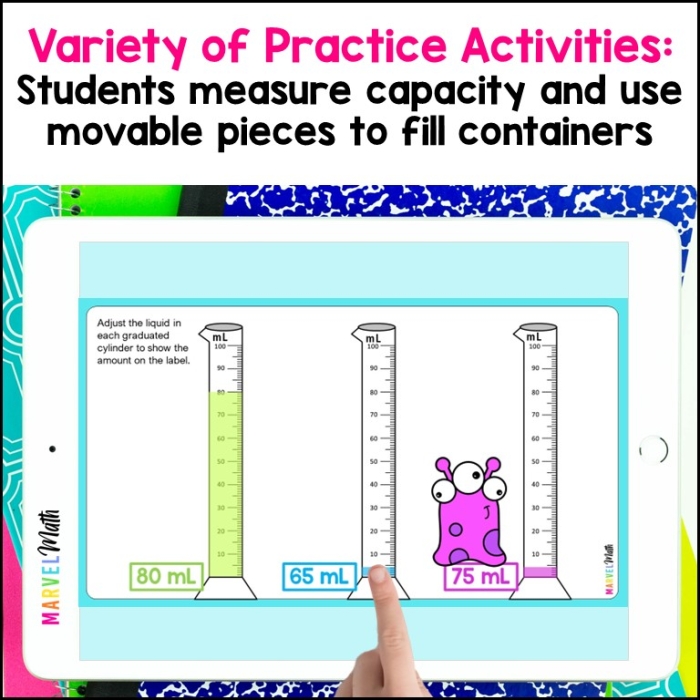
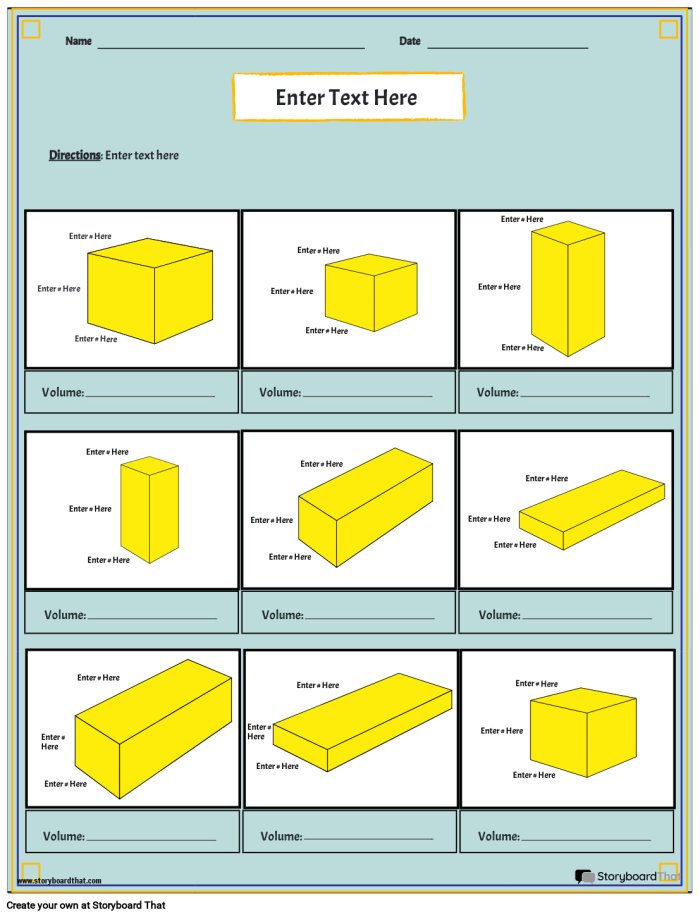
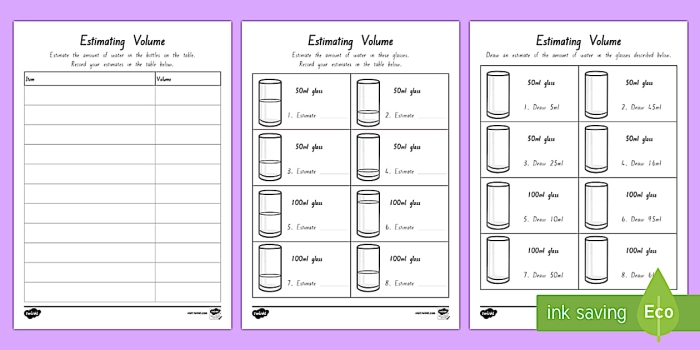
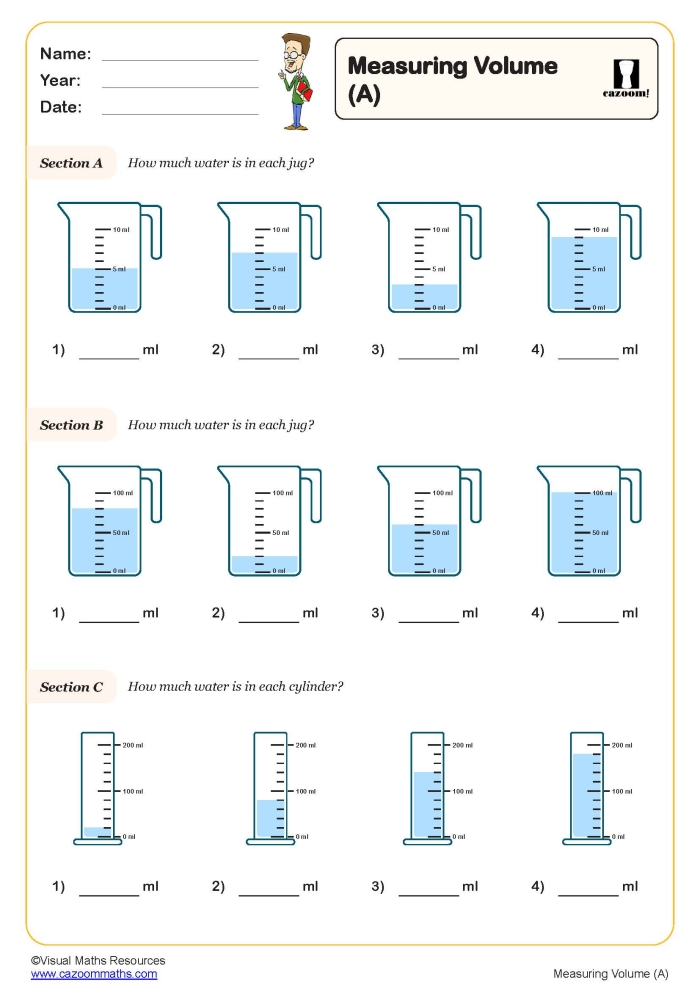
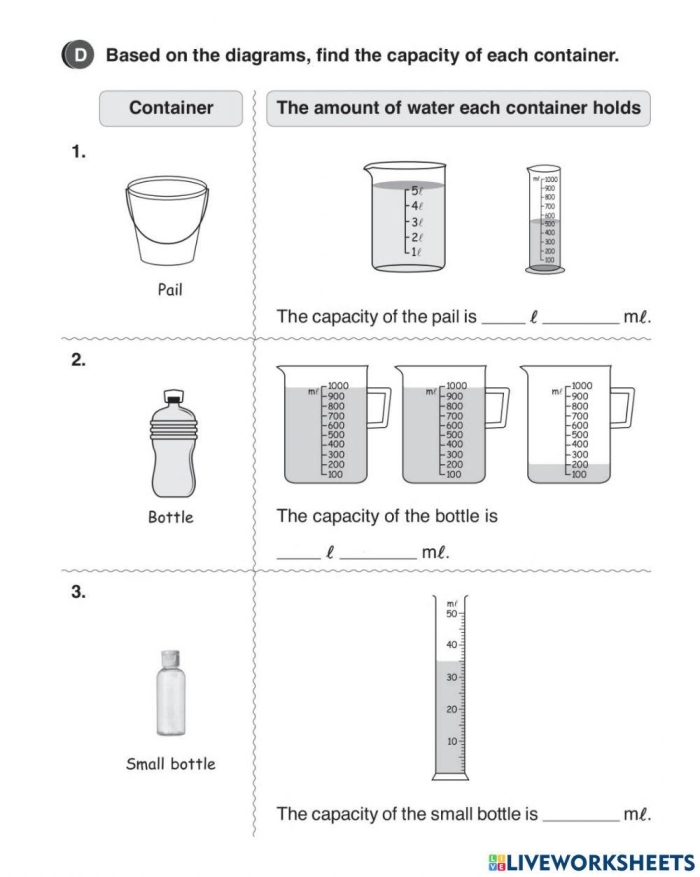
Estimating volume is one of those physical science concepts that young learners often find tricky because it requires them to visualize space and capacity. A printable estimating volume worksheet can turn this abstract idea into something concrete and fun, especially when it focuses on everyday containers and liquids that kindergarten students recognize.
The beauty of volume estimation activities is that they bridge the gap between what children see and what they can measure. When a kindergarten student looks at a cup, a bucket, or a glass, they’re developing an intuitive sense of how much liquid each one holds. This foundational understanding matters because it connects to real-world scenarios: filling a bathtub, pouring juice, or watering plants.
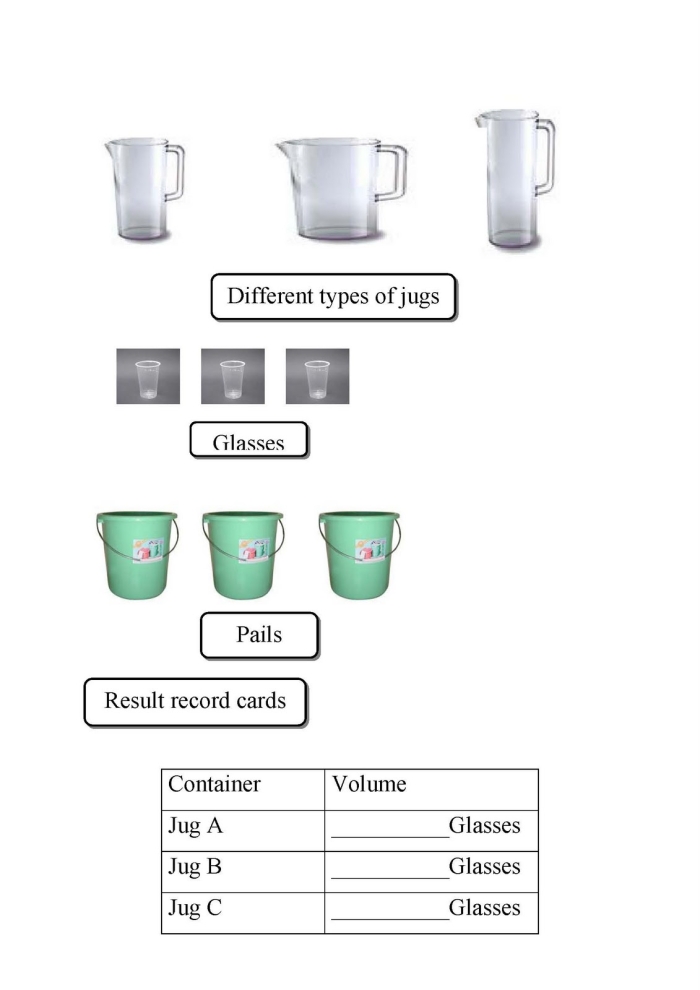
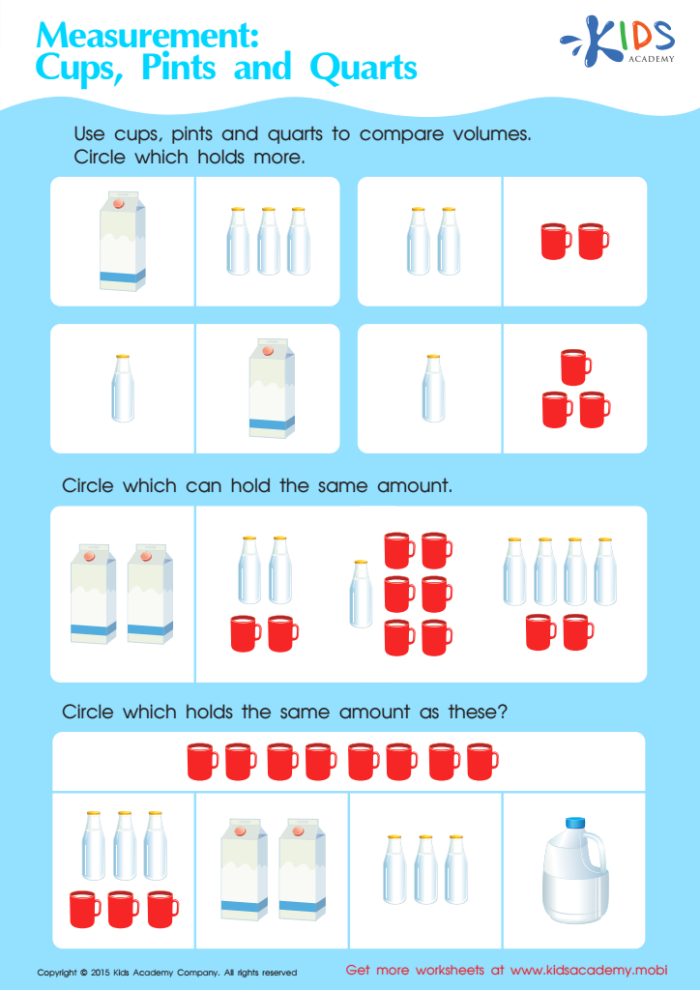
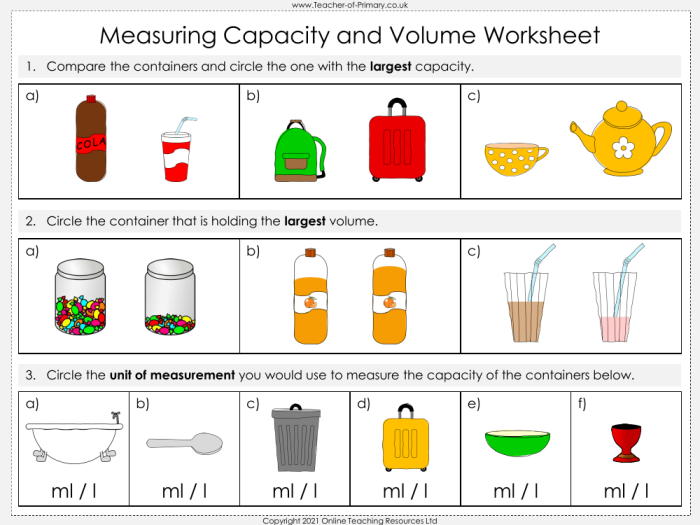
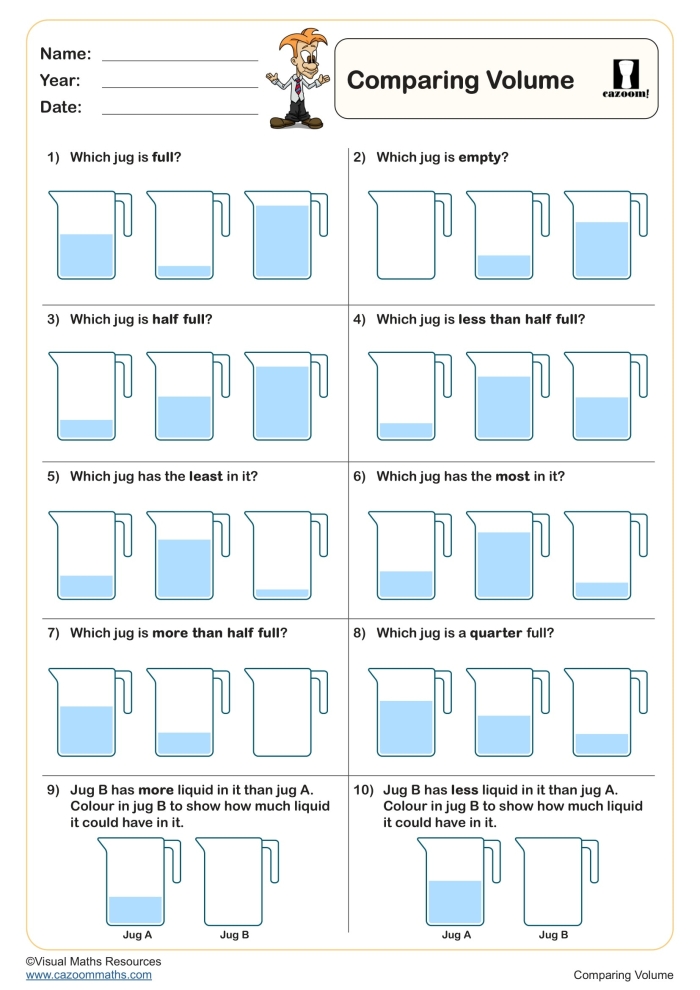
A well-designed worksheet presents several containers of different sizes and asks children to estimate which holds more or less. Some activities might show a tall, thin glass next to a short, wide bowl and ask which one could hold more water. Others might feature a sequence of containers arranged from smallest to largest, encouraging kids to rank them by capacity. This type of practice helps children understand that height alone doesn’t determine volume, a concept many young learners struggle with initially.
The hands-on nature of estimation work makes it ideal for kindergarten learners who are still developing their spatial reasoning skills. When children complete these worksheets, they’re not just filling in answers. They’re thinking about real containers, imagining liquids being poured, and making predictions based on what they observe.
Pairing volume estimation with other physical science activities strengthens learning. You might follow up with mixing primary colors activities to explore how liquids interact, or try counting assessments to reinforce measurement concepts in different ways.
These worksheets work best when you encourage your child to talk through their thinking. Ask why they believe one container holds more than another. Let them test their predictions with actual water or sand if possible. The worksheet becomes a starting point for deeper exploration rather than just a completion task.
Printable Worksheets for Practice