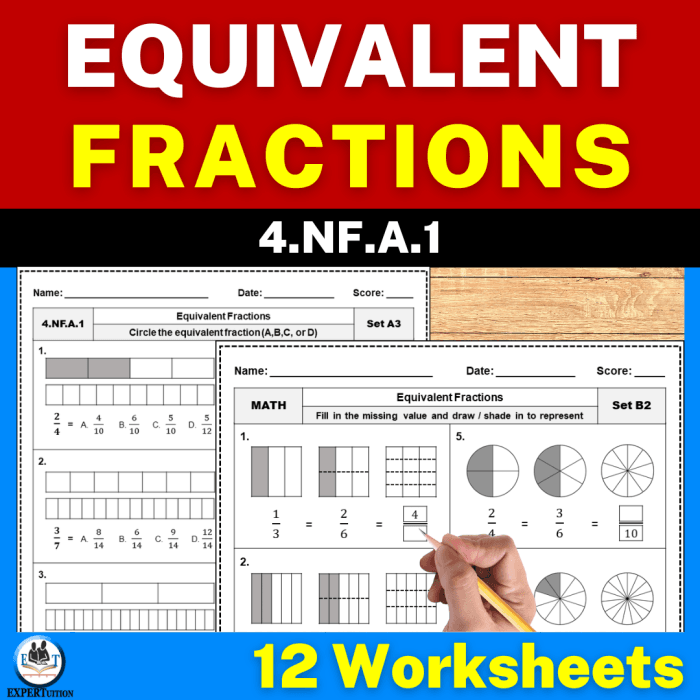
Third graders often struggle when fractions first appear in their math lessons, and equivalent fractions represent one of the trickier concepts they’ll encounter. The good news is that with focused practice, students can develop real confidence in identifying and writing equivalent fractions.
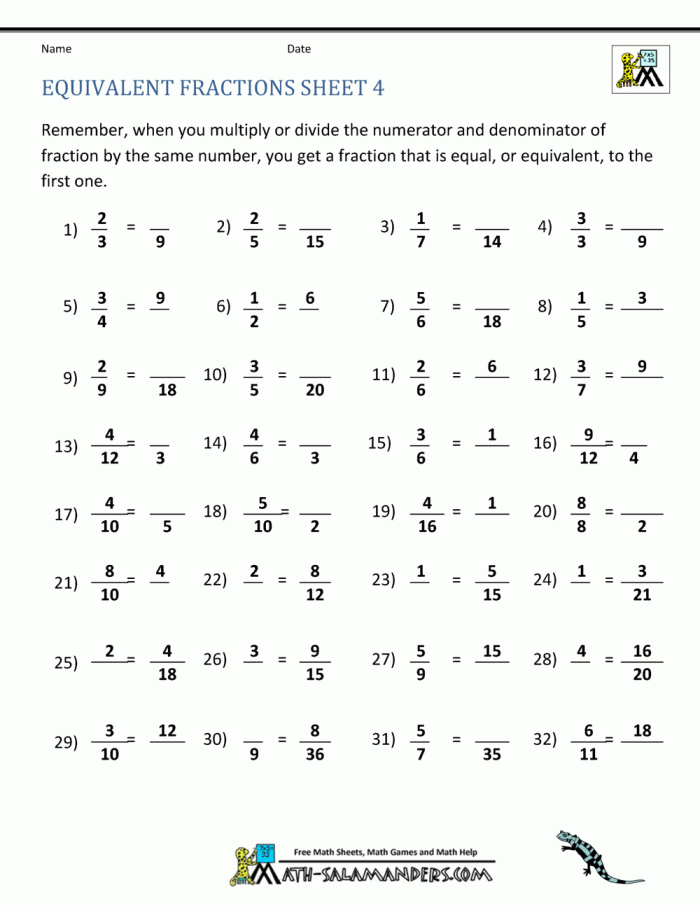
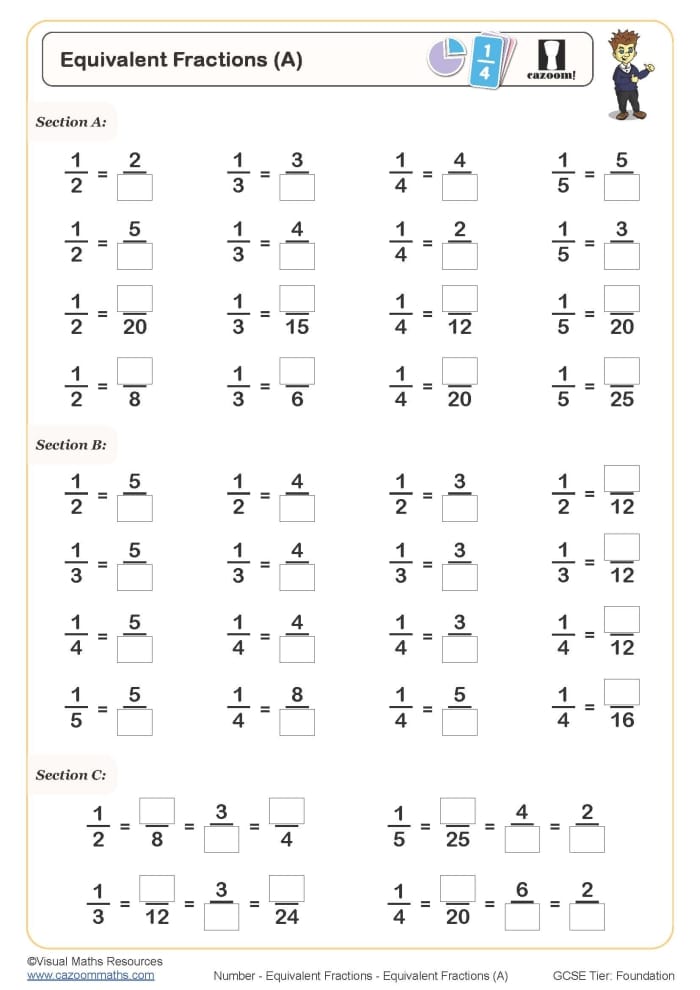
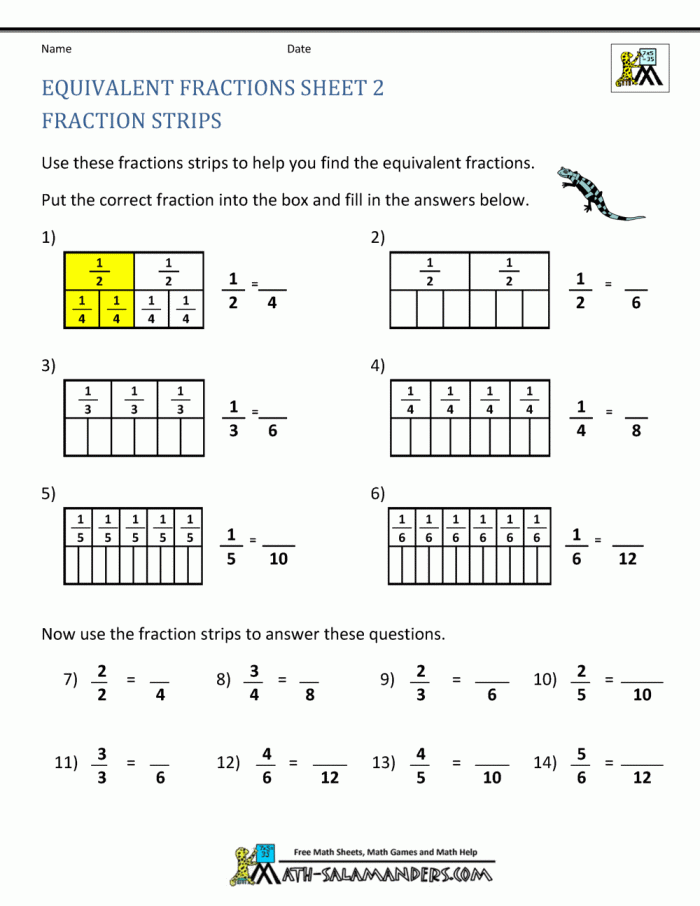
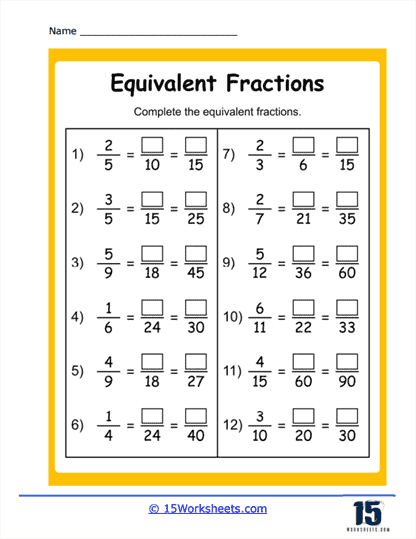
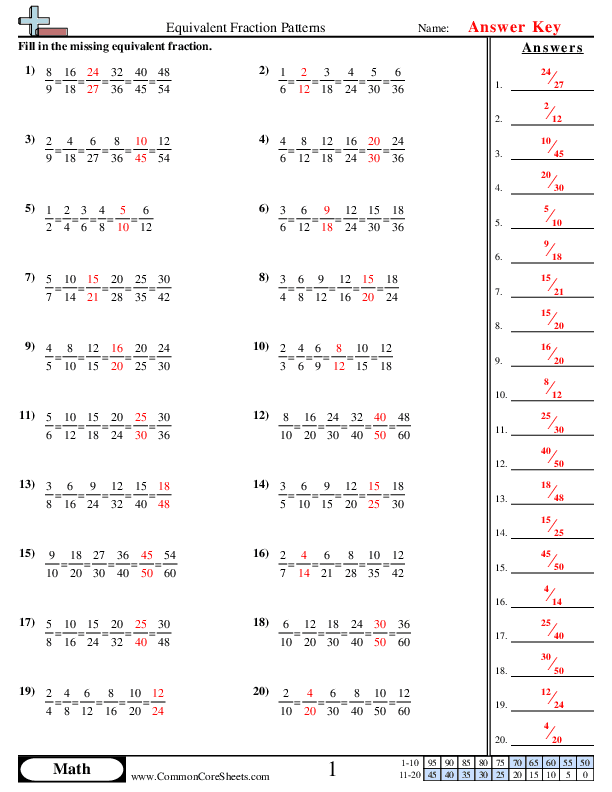
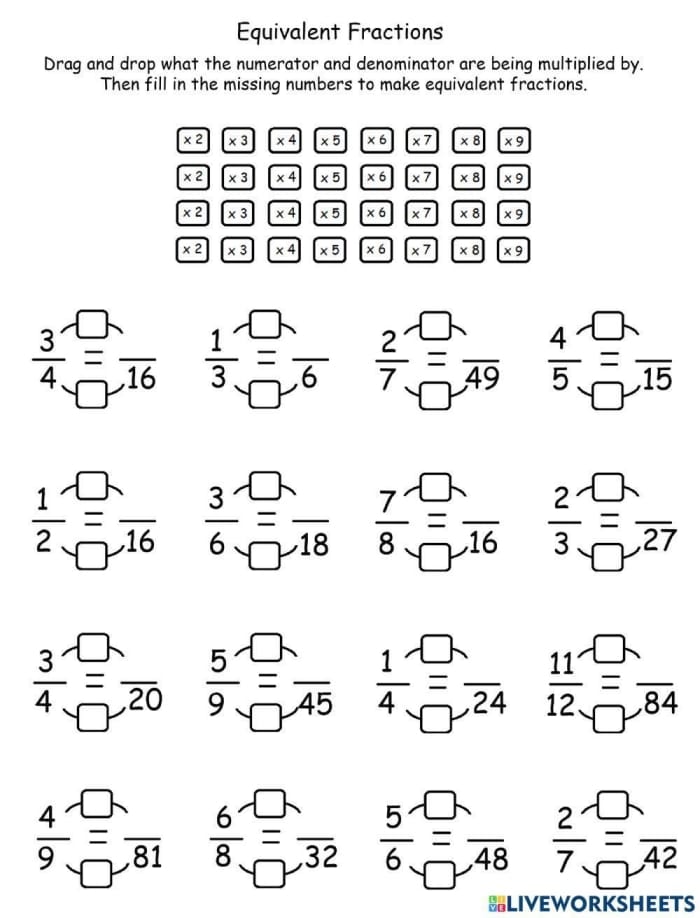
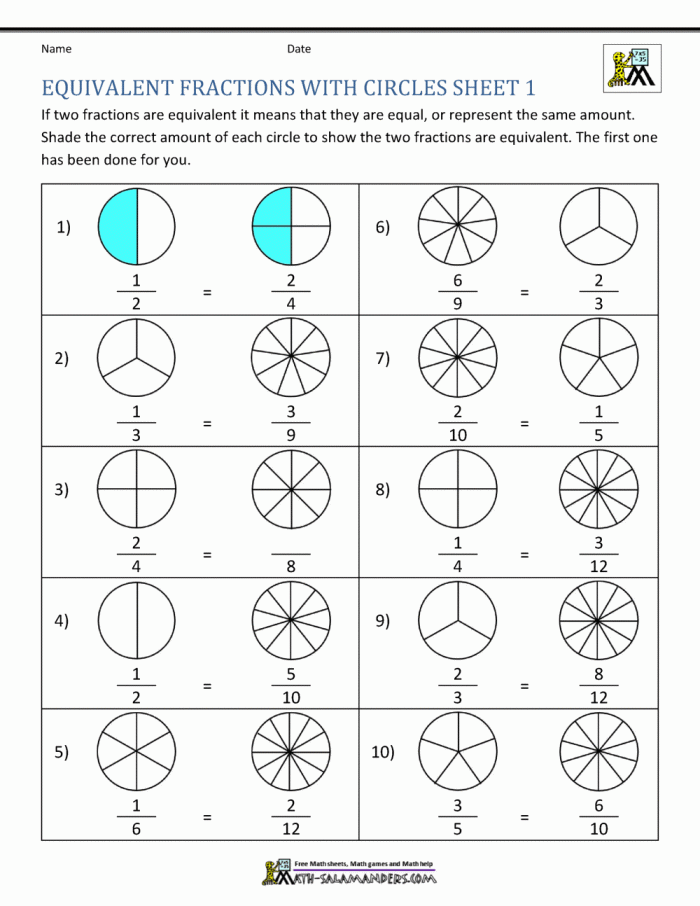
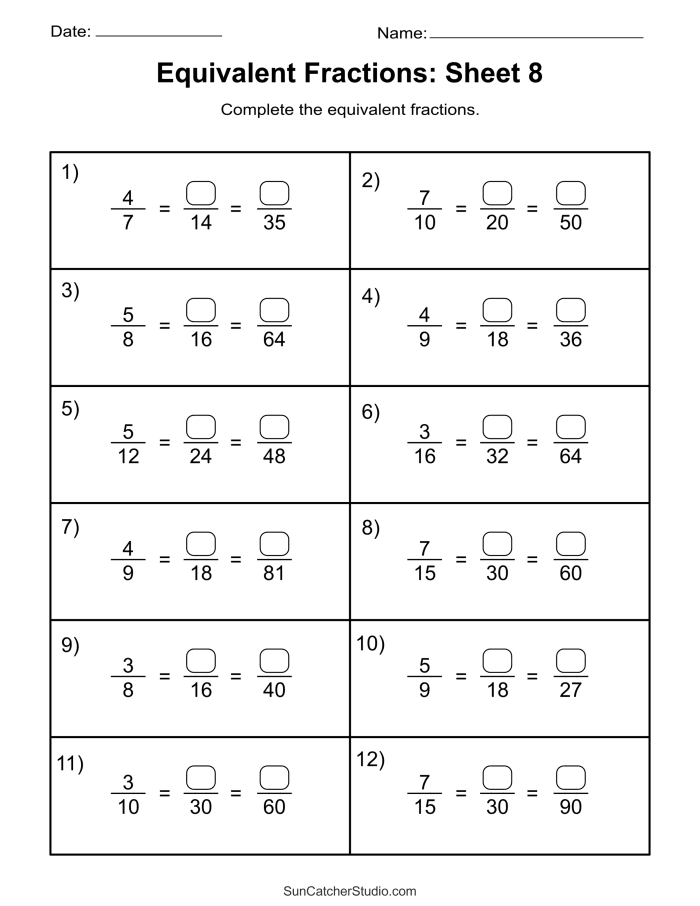
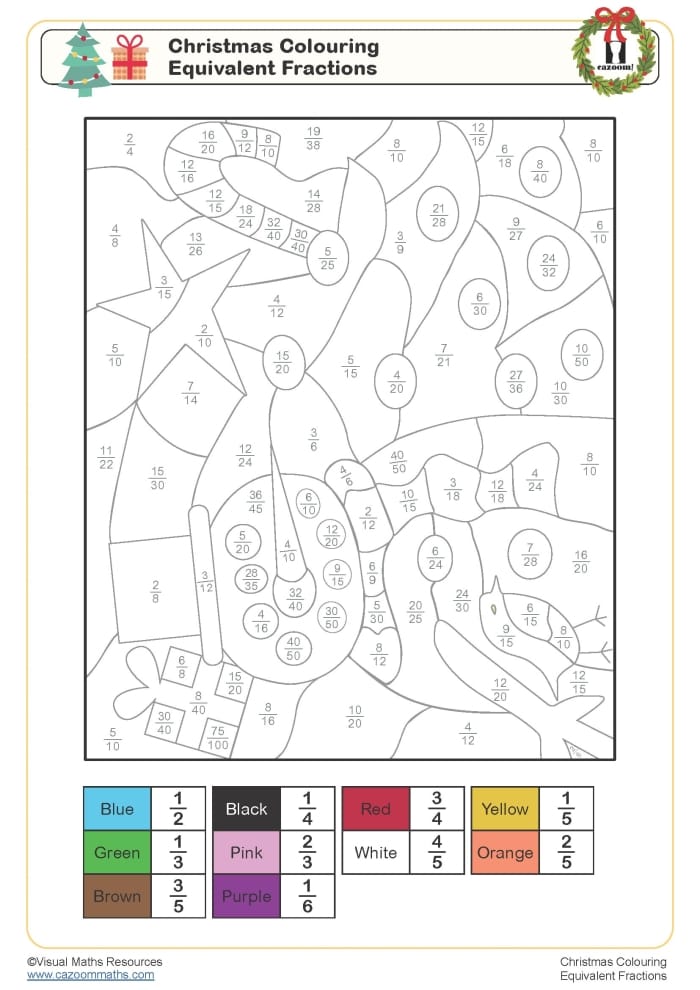
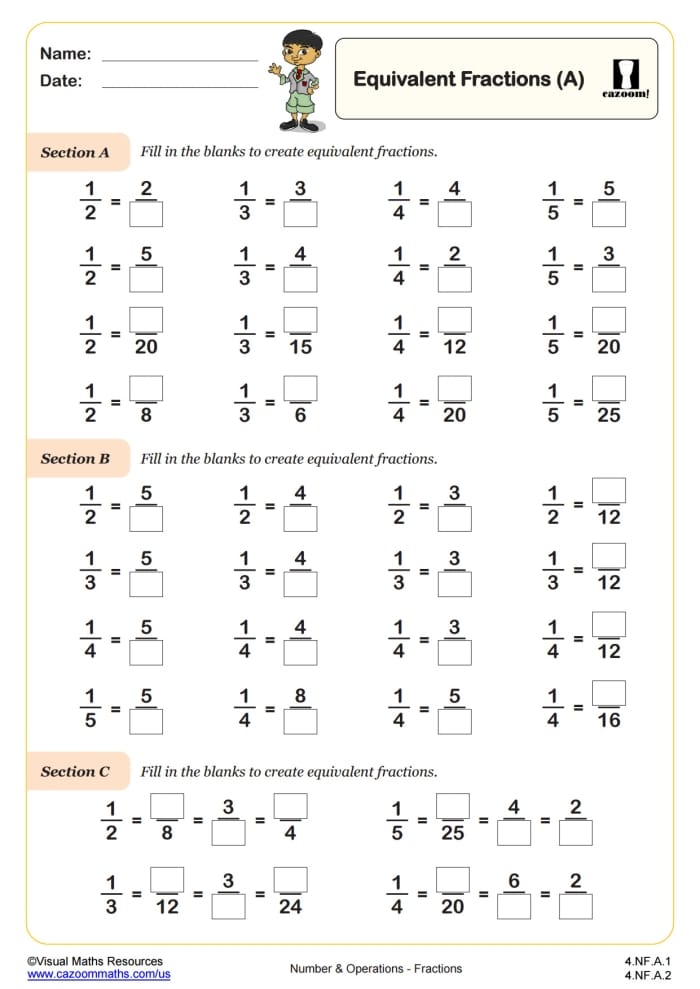
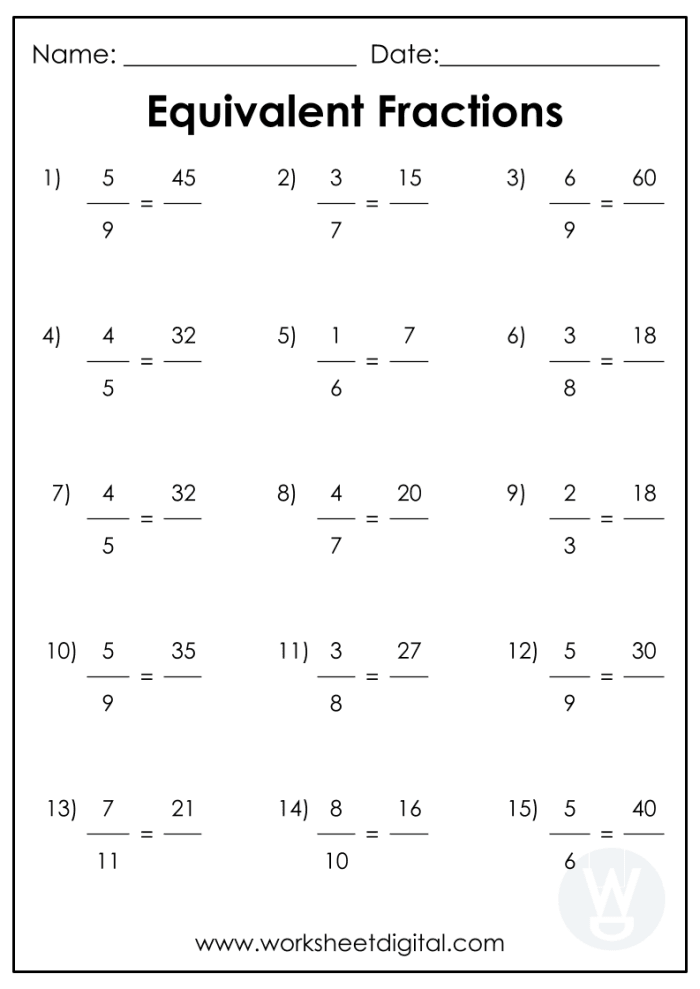
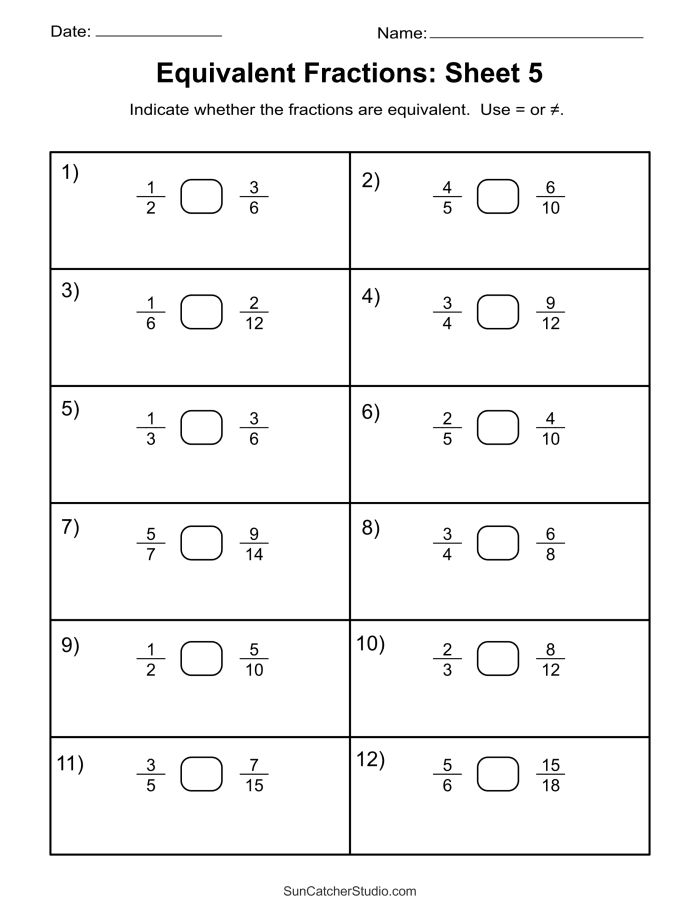
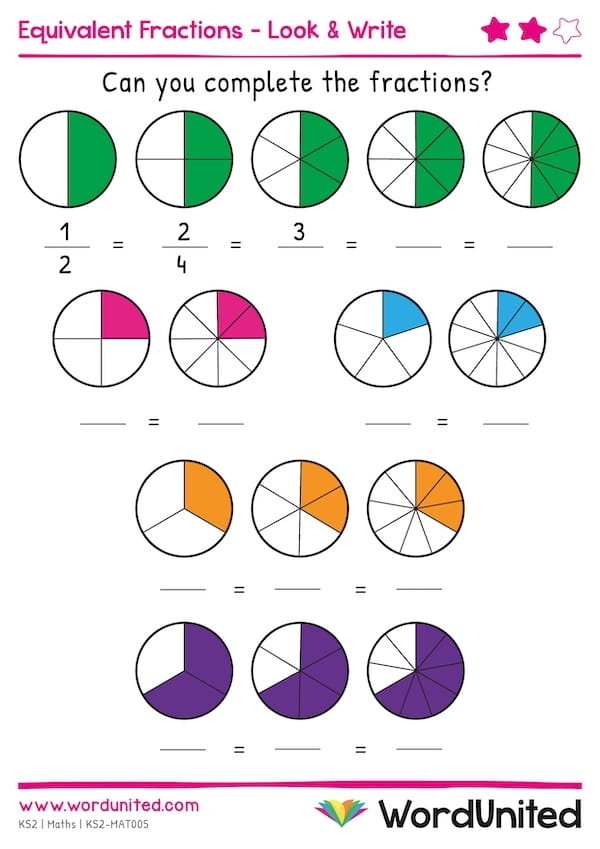
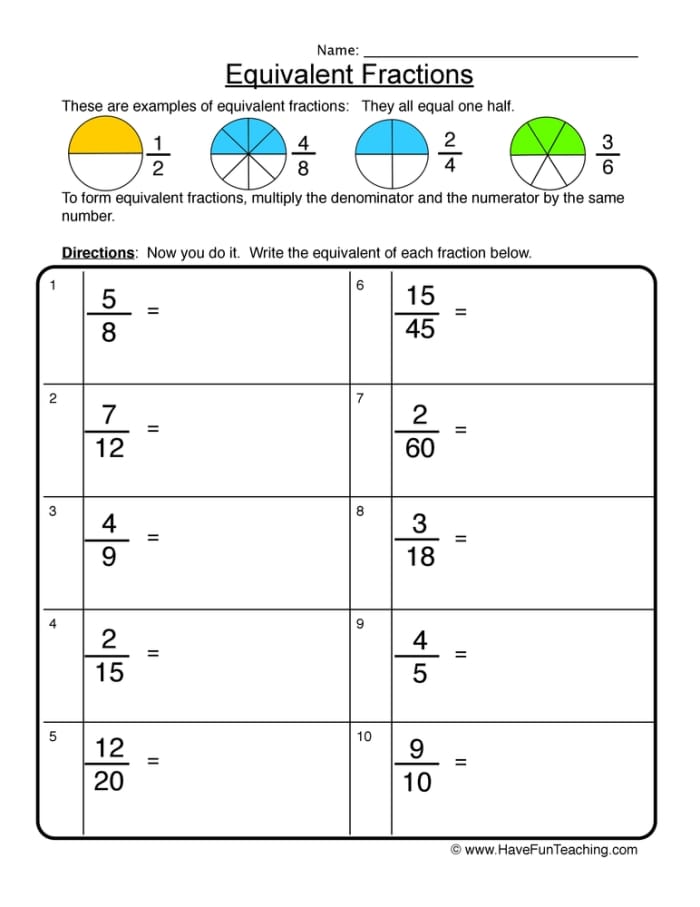
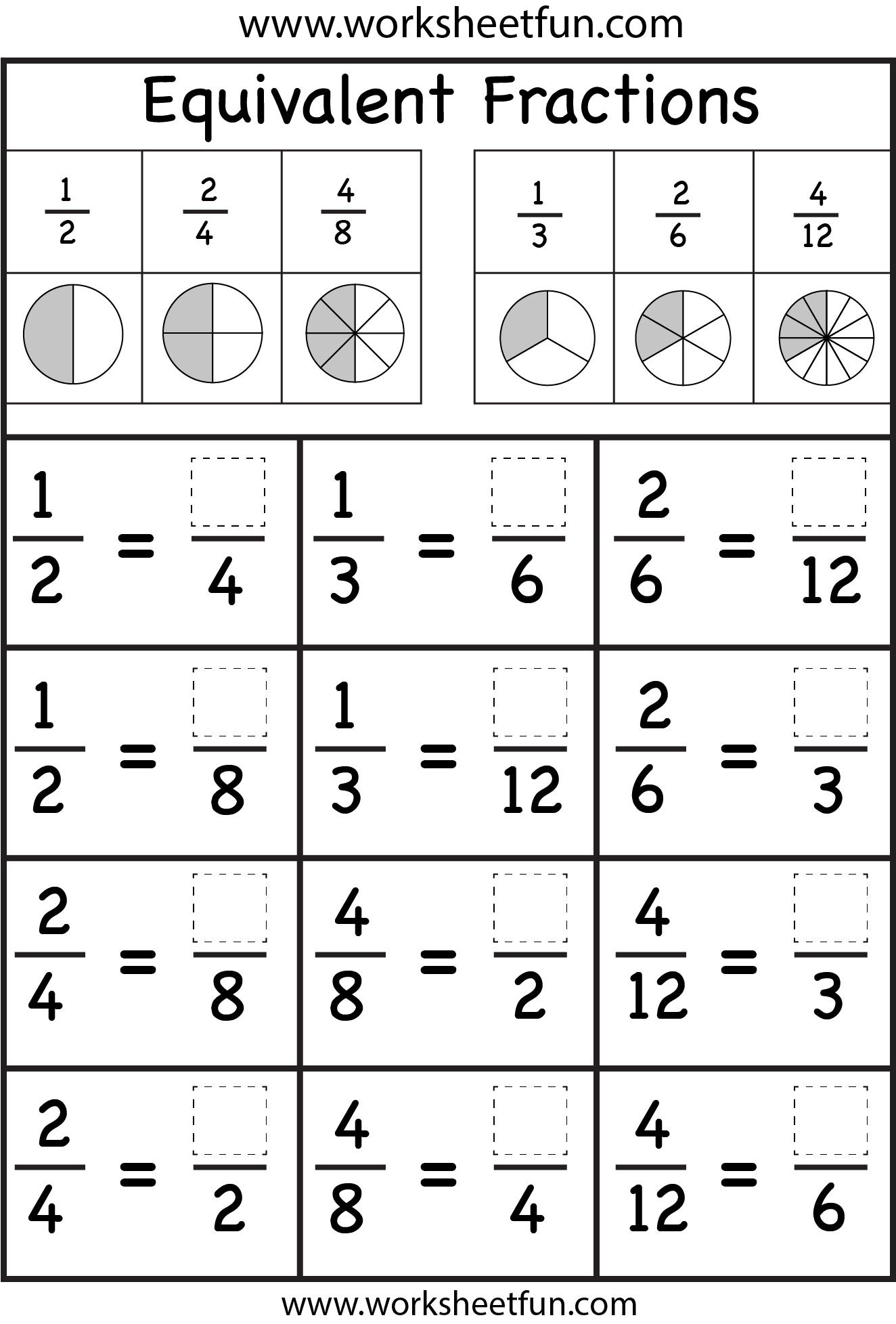
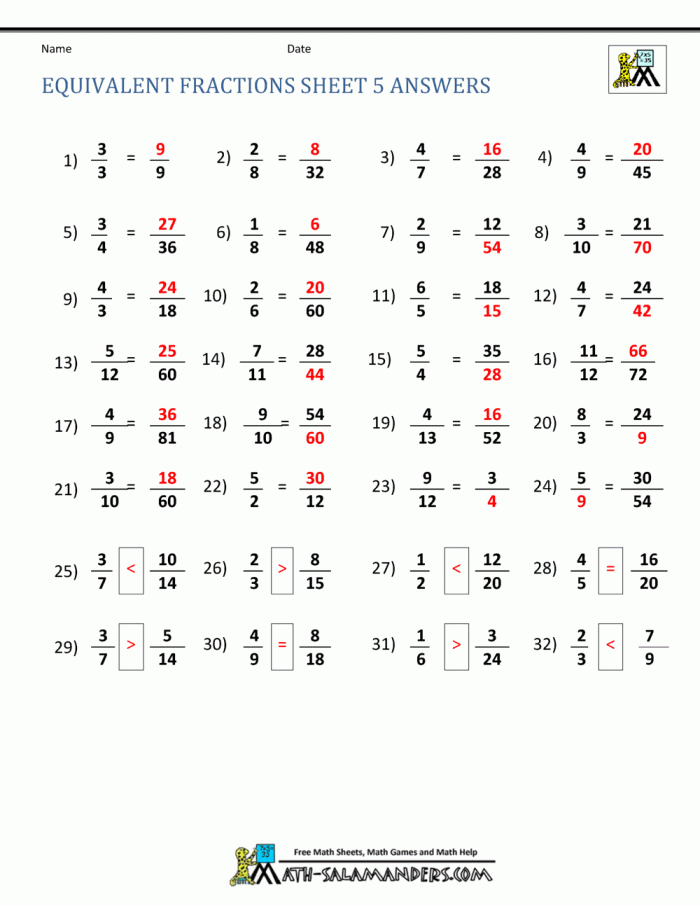
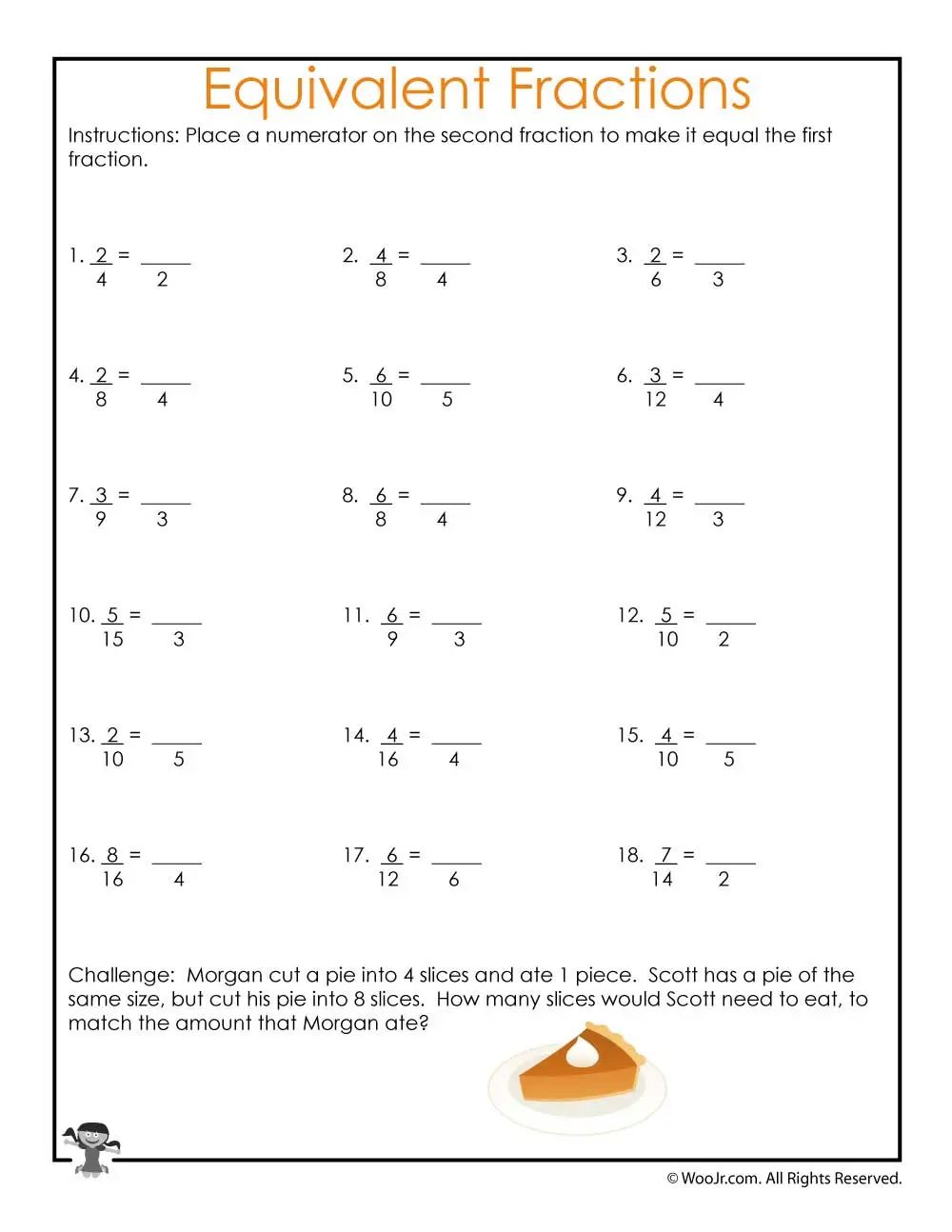
Equivalent fractions are simply different ways to represent the same amount. For example, 1/2 and 2/4 look different but equal the same value. Many third graders find this confusing because they’re used to thinking that different numbers always mean different quantities. A worksheet focused on this skill helps students see the pattern: when you multiply both the numerator and denominator by the same number, you create an equivalent fraction.
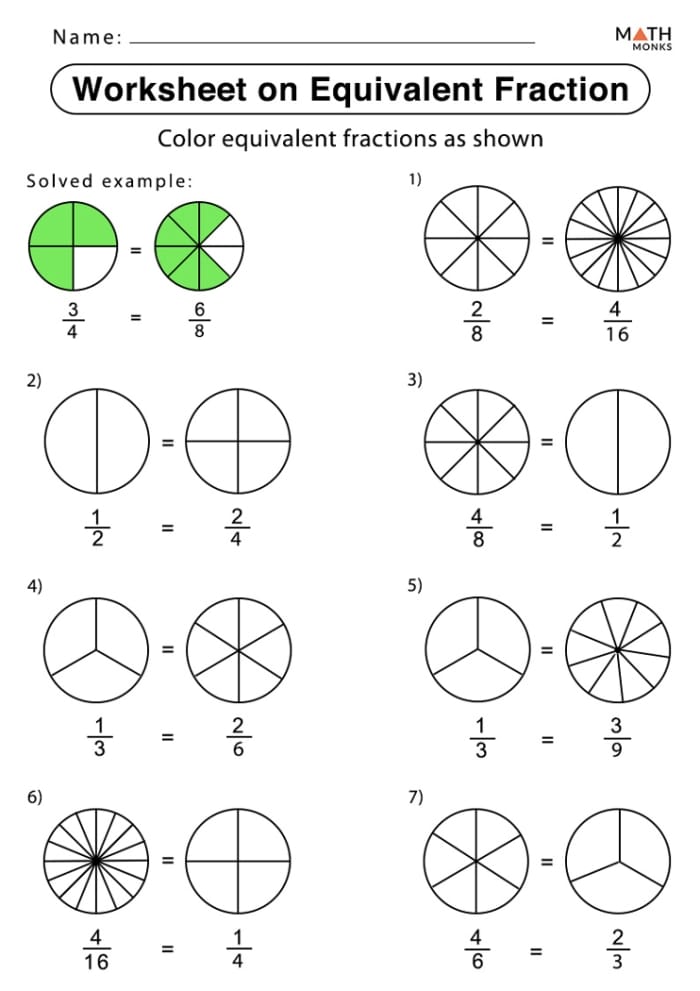
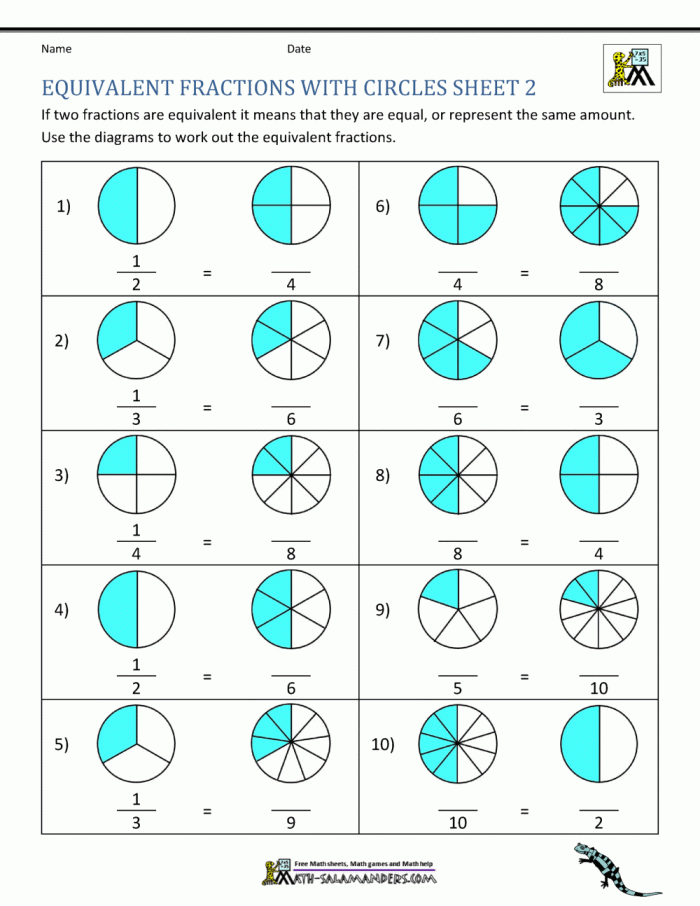
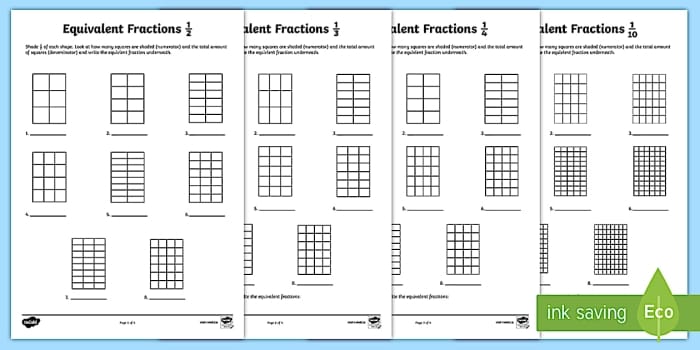
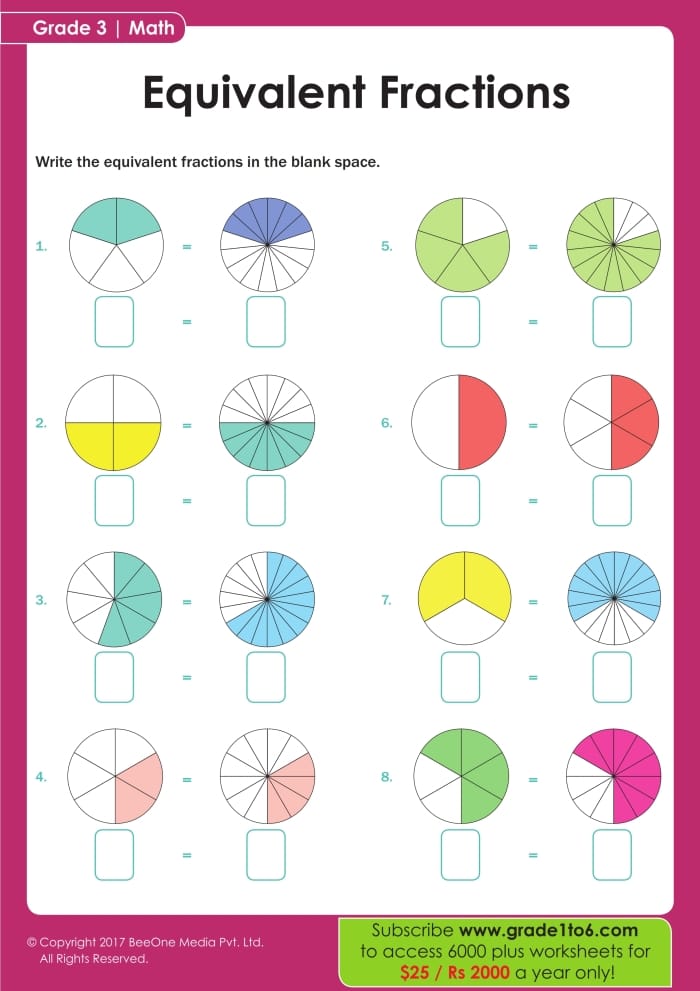
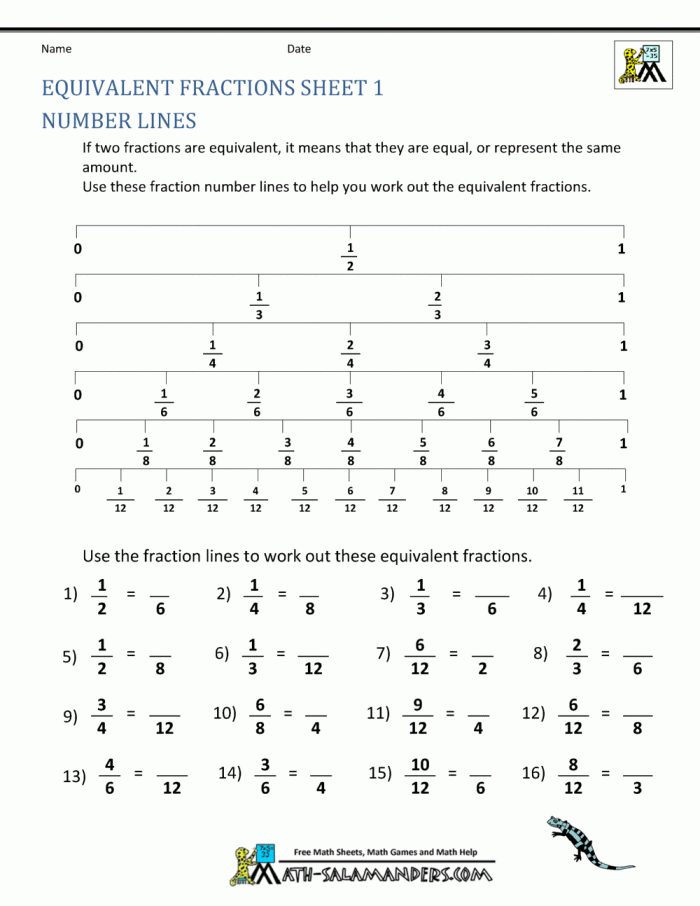
The practice works best when students can visualize what’s happening. Drawing circles divided into different sections or using number lines makes the concept concrete rather than abstract. When a child sees that half a pizza is the same as two quarters, the math suddenly makes sense. This is why using number lines to understand equivalent fractions can be particularly effective for visual learners.
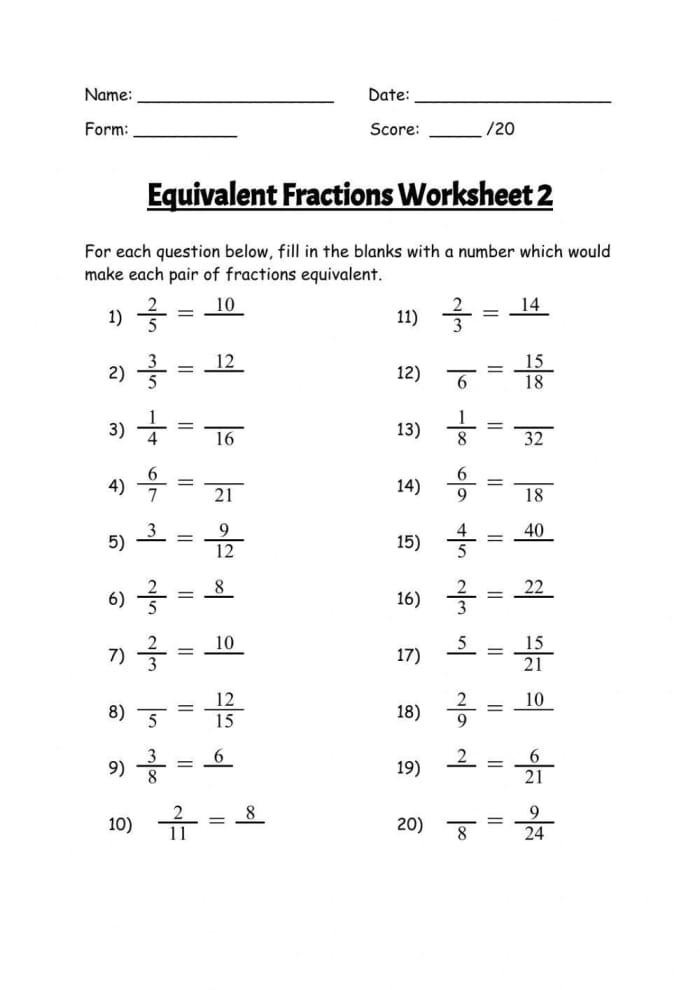
Repeated practice with printable worksheets allows students to work through problems at their own pace. They can tackle one problem, check their understanding, and move forward with confidence. Some worksheets combine fractions with other skills, like writing fractions as part of broader fraction fundamentals, which reinforces multiple concepts simultaneously.
The key to success is consistency. Third graders who spend ten to fifteen minutes several times a week on equivalent fractions develop automaticity much faster than those who cram practice into one session. Worksheets serve as that reliable tool for building this essential foundation that will support all future fraction work.
Hands-On Worksheet Activities