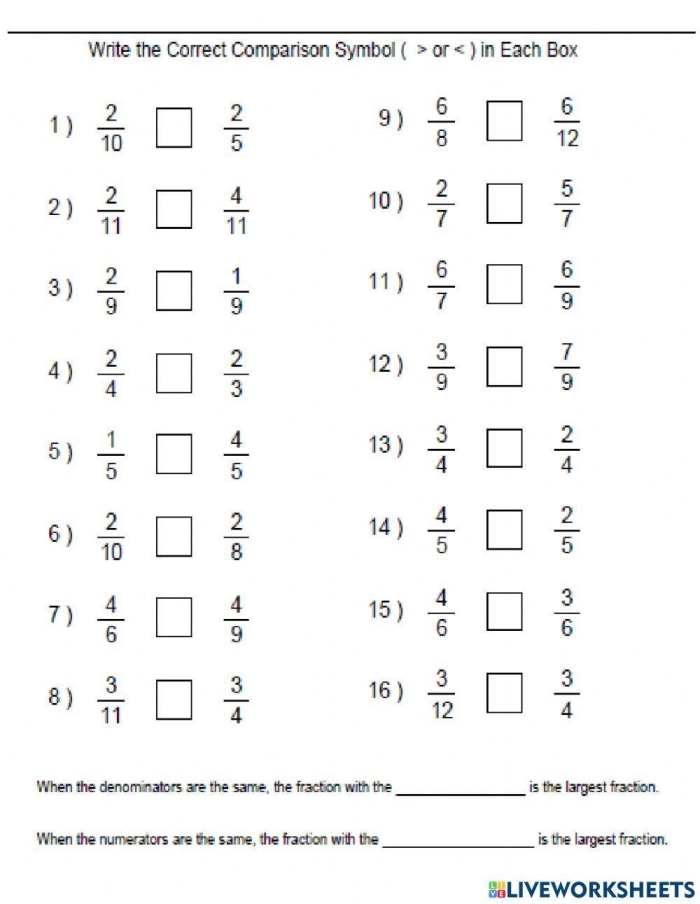
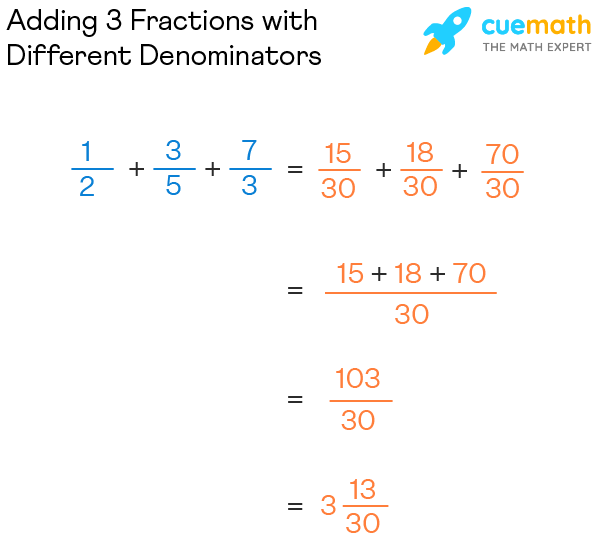
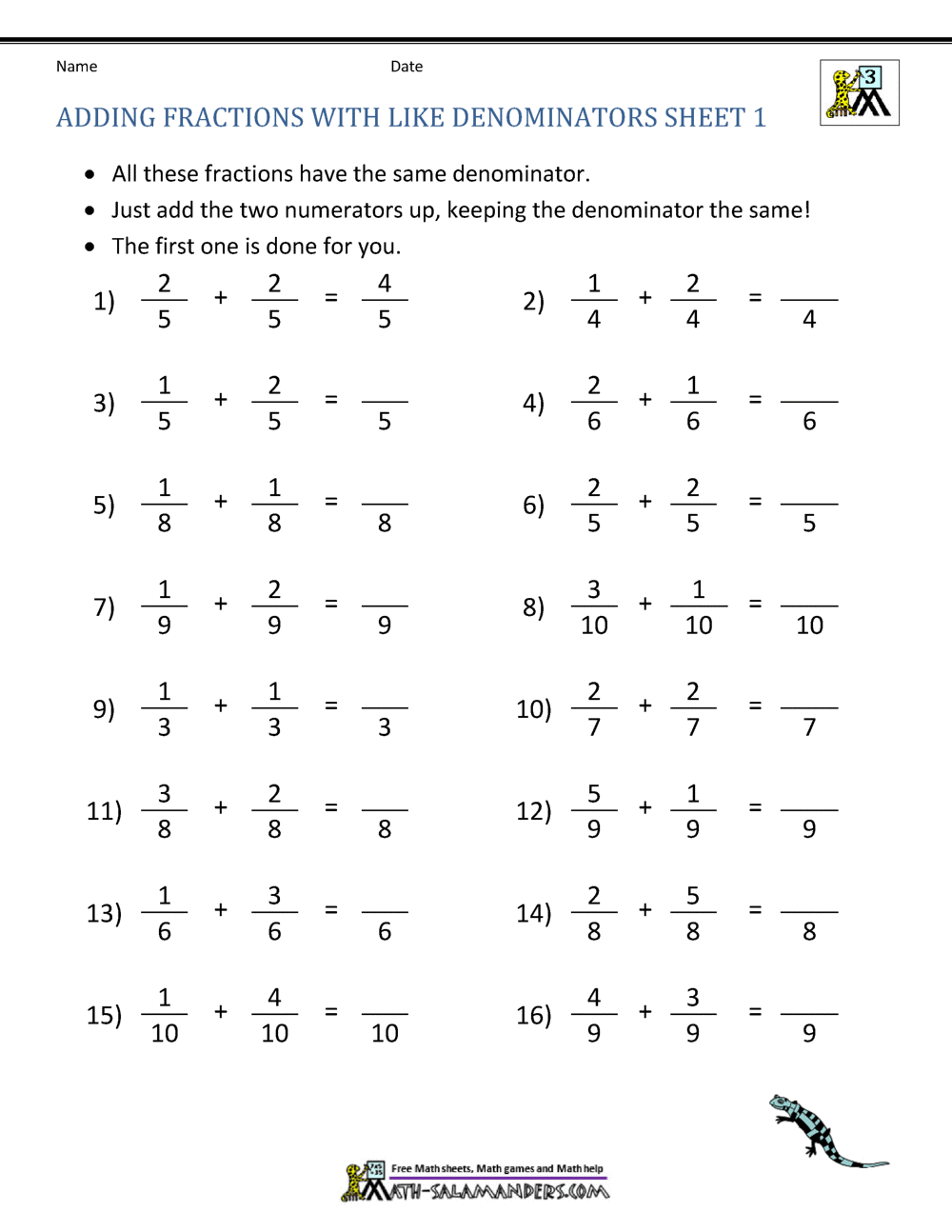
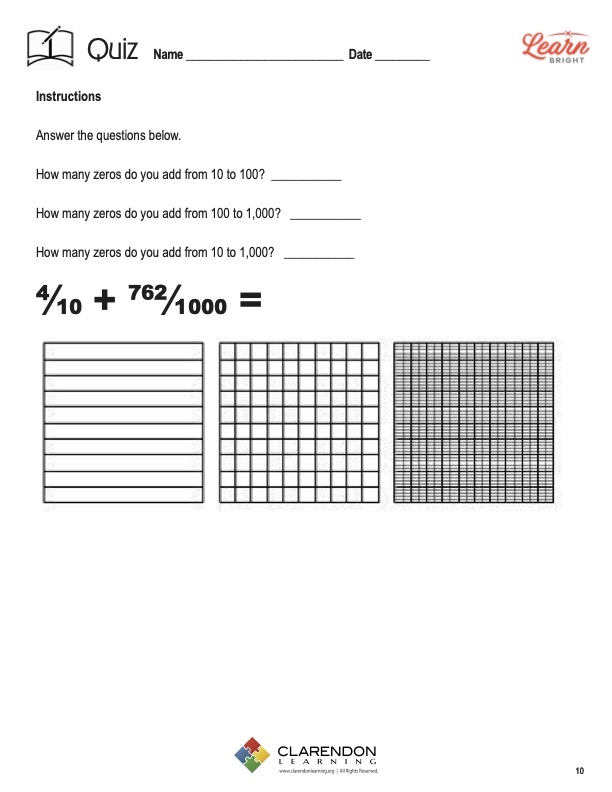
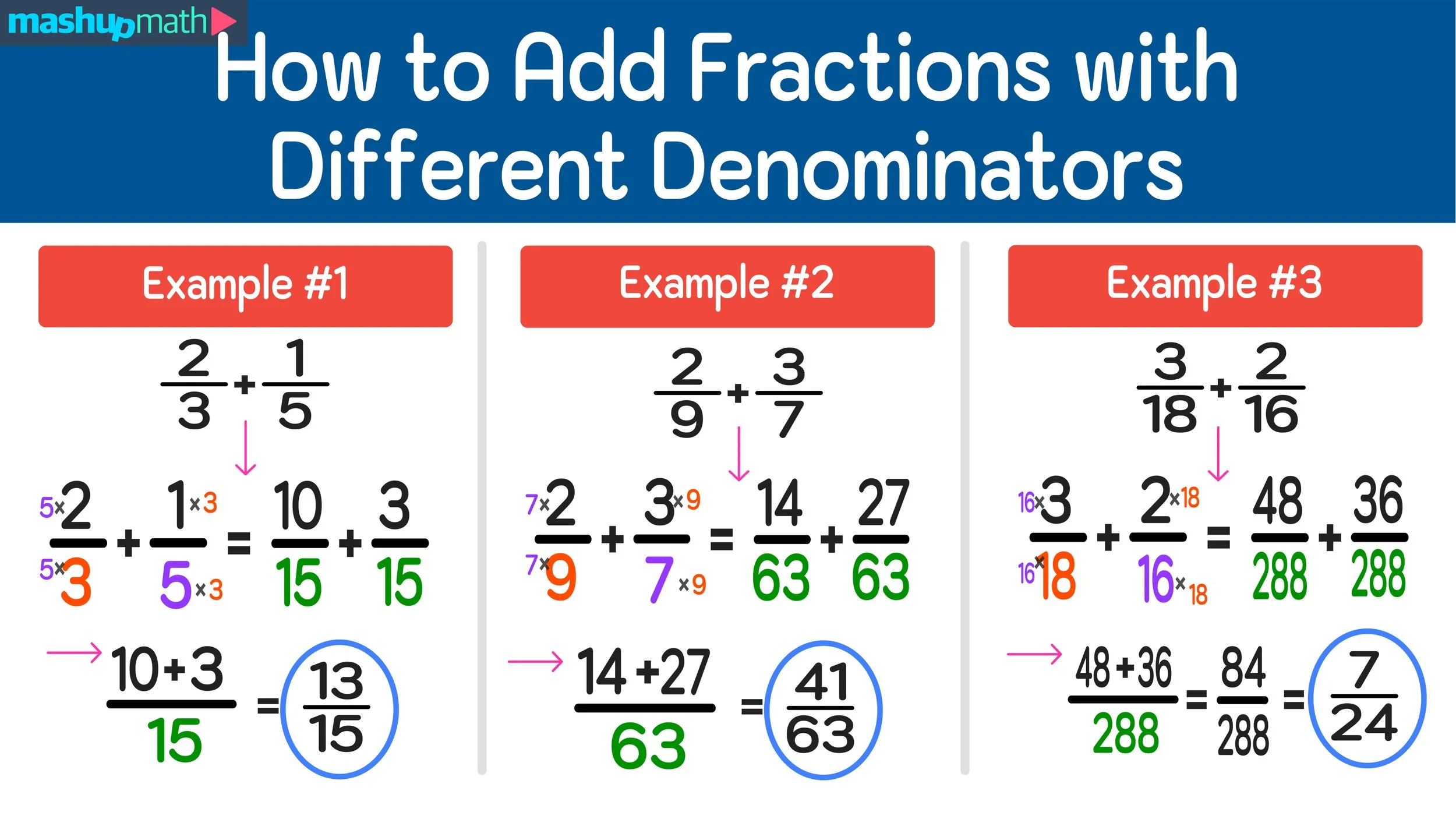
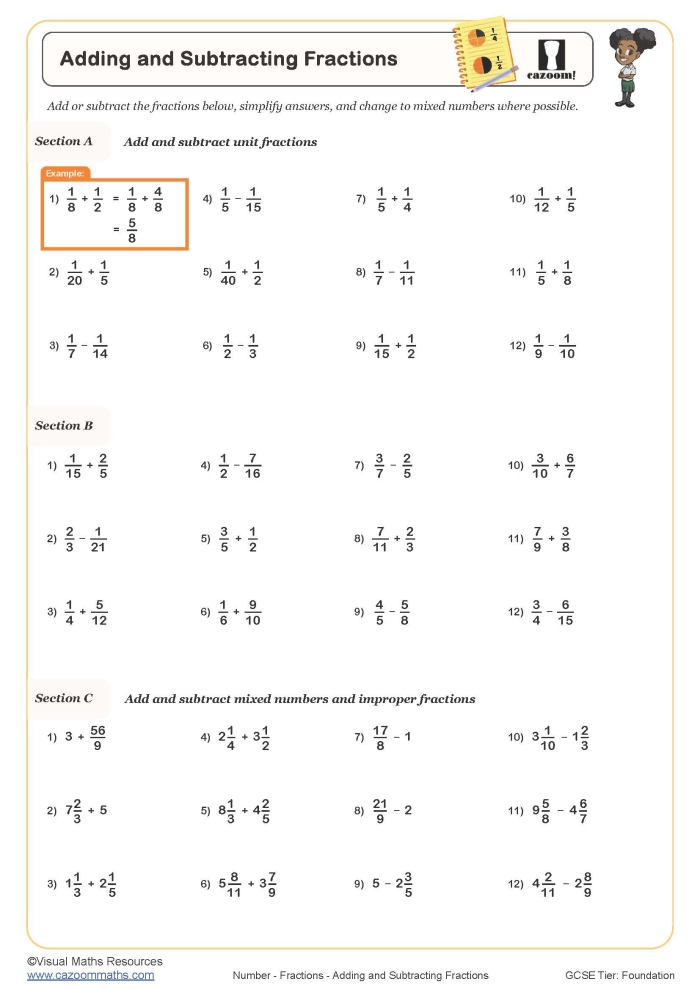
Finding equivalent fractions is a crucial skill for fourth graders as they build a foundation for more advanced math concepts. This skill not only enhances their arithmetic abilities but also fosters logical thinking and problem-solving skills. Engaging your students with a dedicated worksheet can make all the difference in their understanding of this topic.
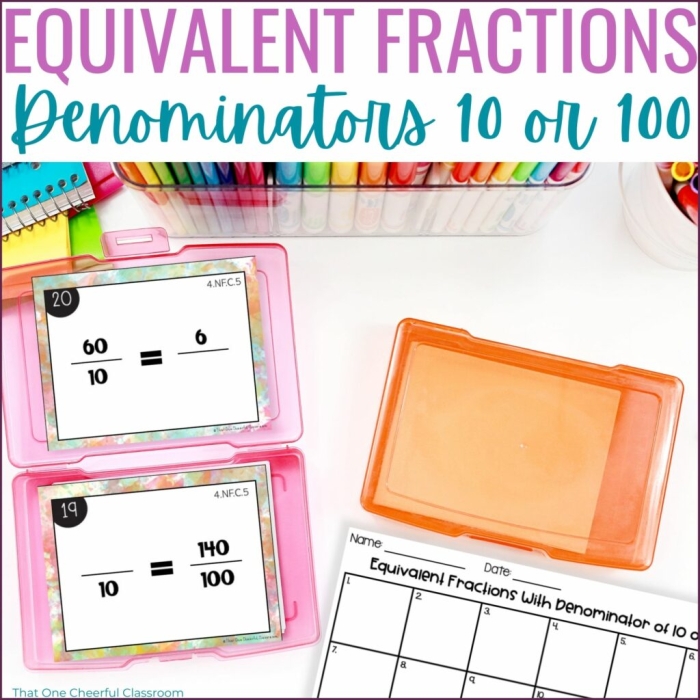
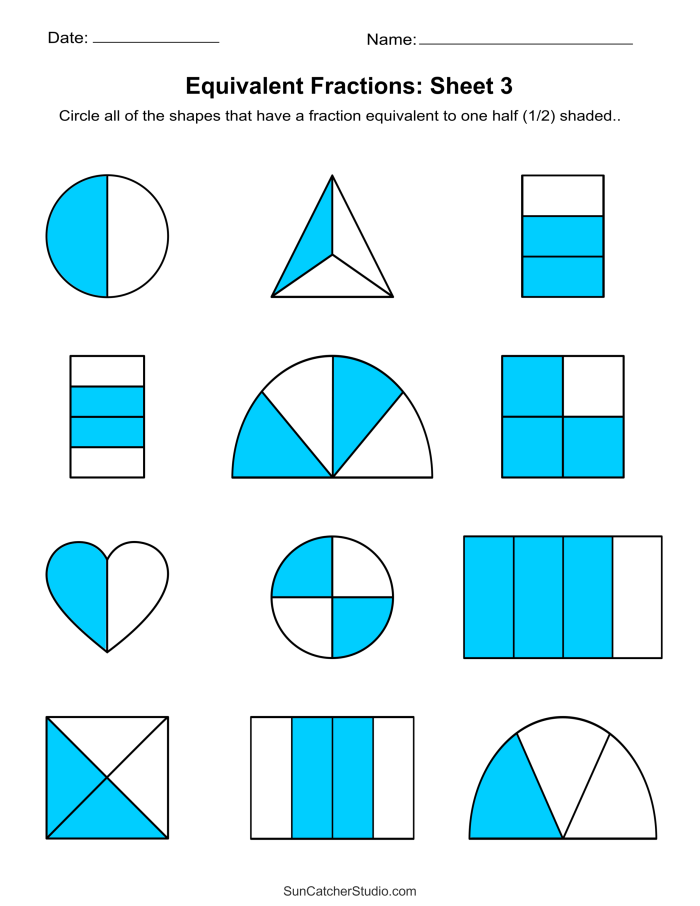
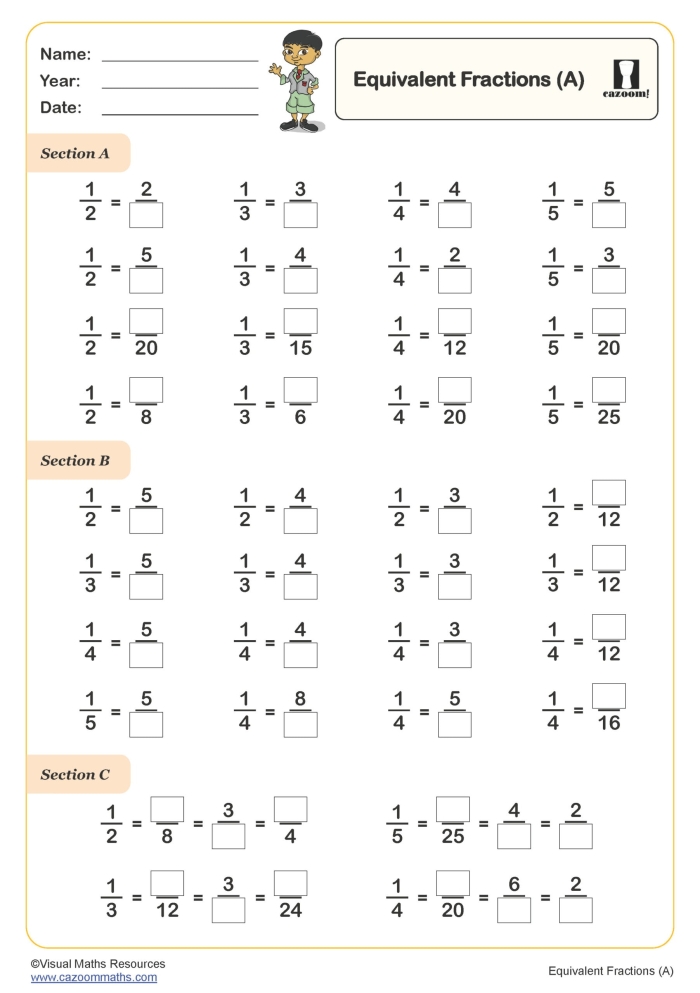
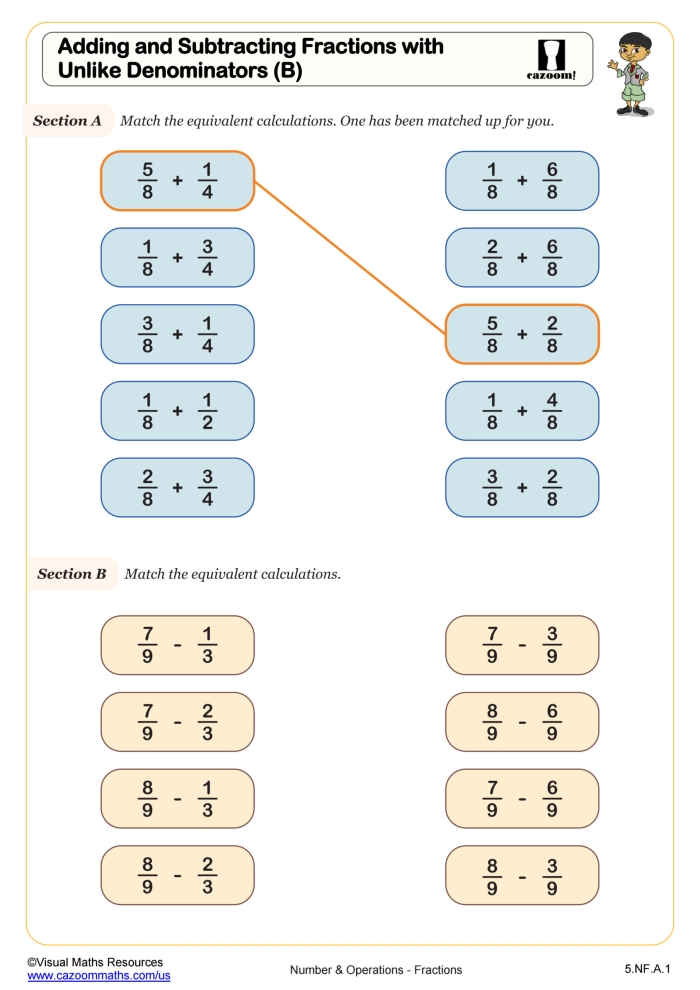
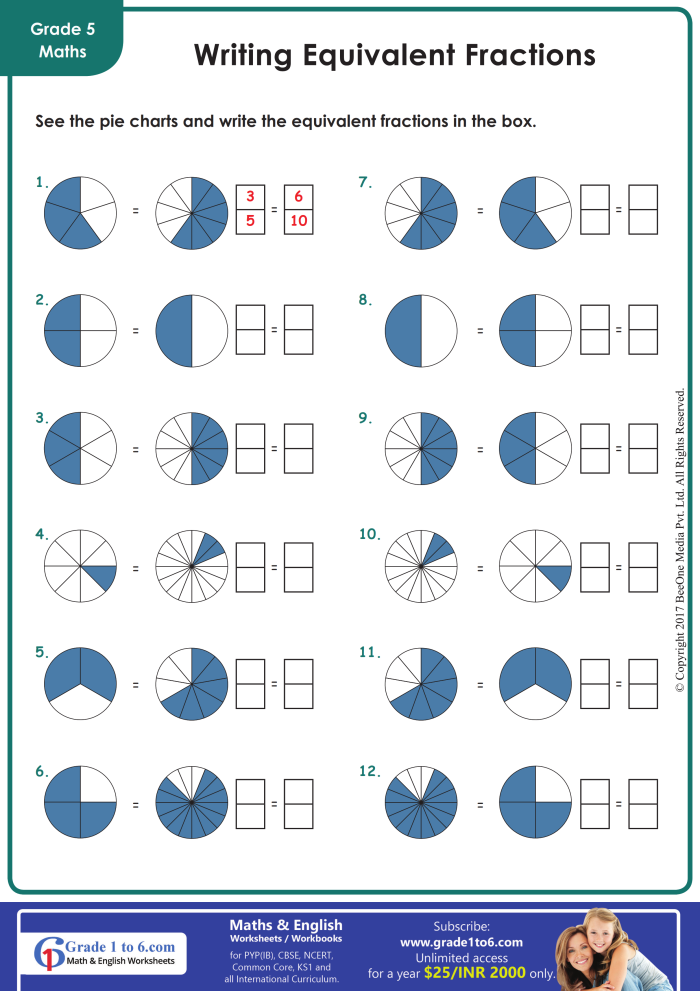
When working with equivalent fractions, the focus is on recognizing that different fractions can represent the same value. For instance, the fractions 1/2 and 5/10 are equivalent. This understanding is vital as students progress in their math education, particularly when they encounter fractions in real-world situations like cooking or budgeting.
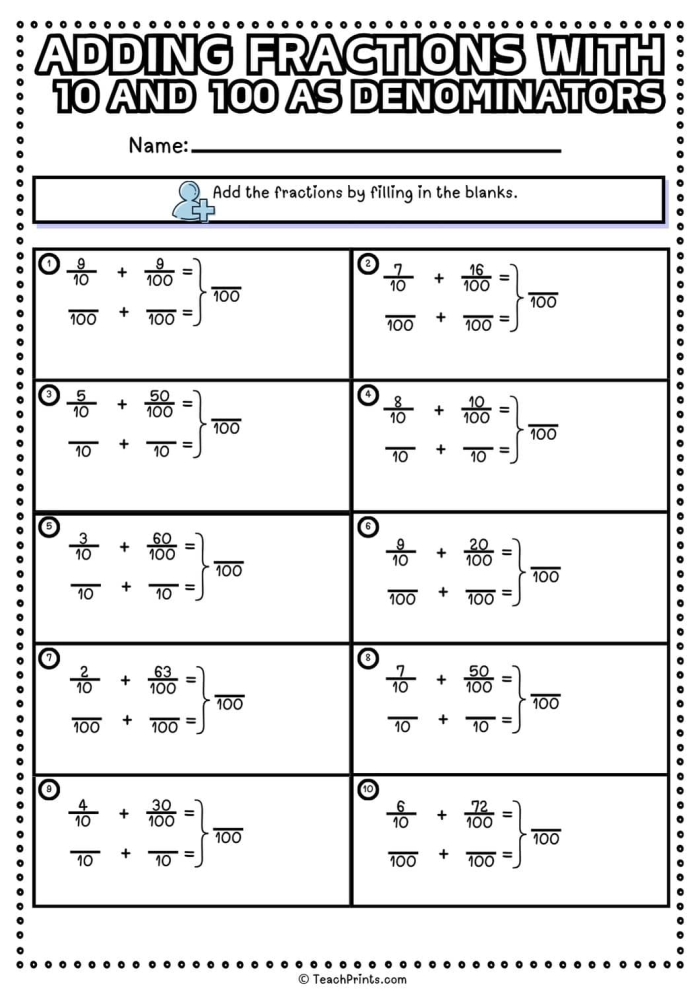
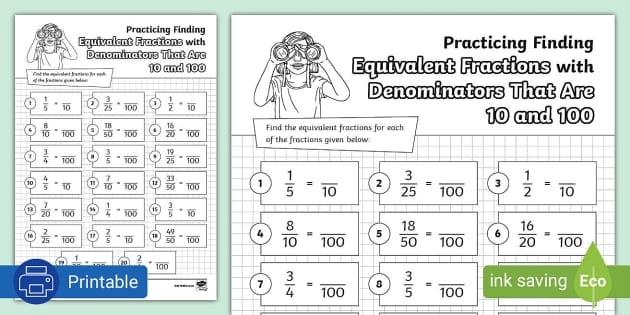
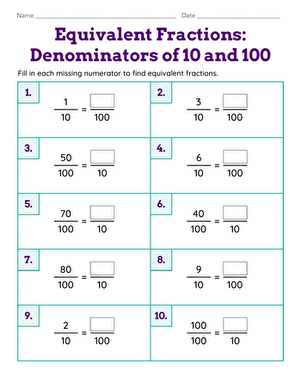
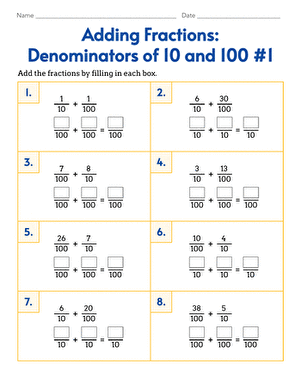
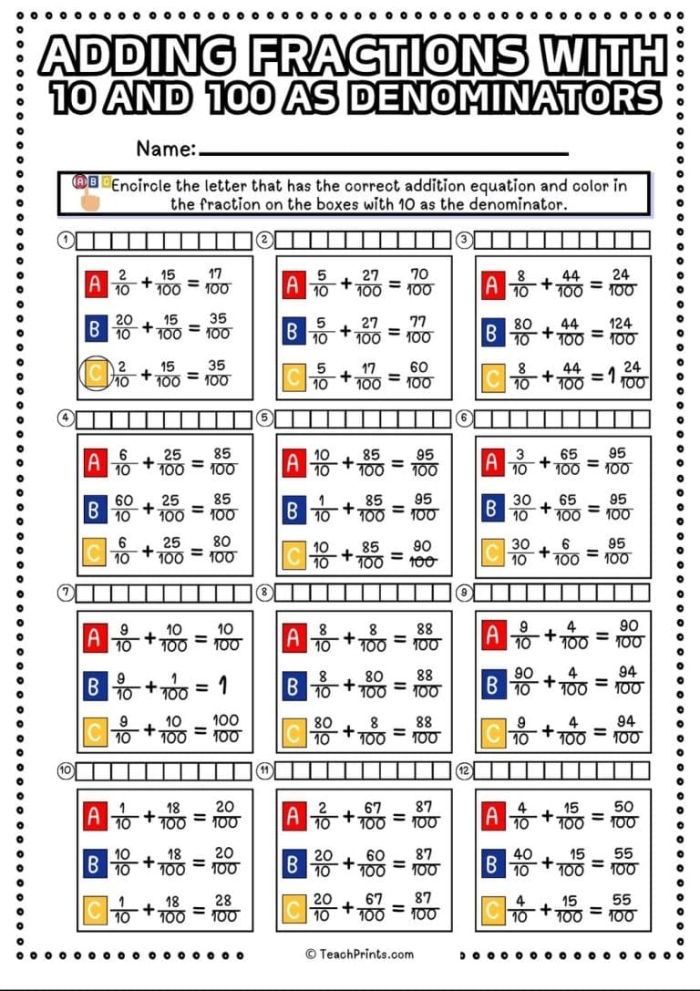
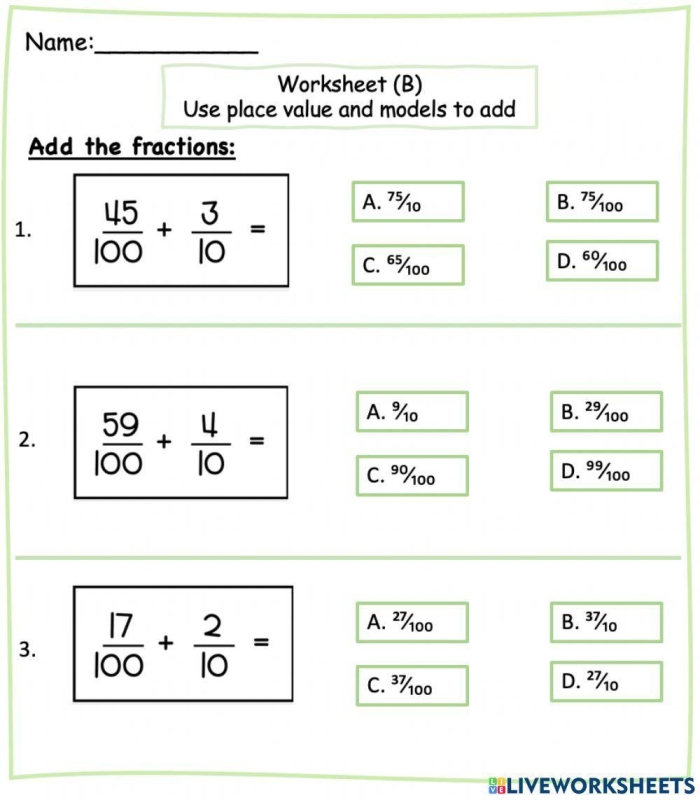
A well-designed worksheet can offer practice that is both educational and enjoyable. By including problems that focus on denominators of 10 and 100, teachers can provide fourth graders with relatable examples. For instance, if a student is given the fraction 30/100, they can easily identify that it is equivalent to 3/10. This process not only reinforces their understanding of fractions but also helps them see the connection between numbers in a tangible way.
In addition to worksheets, integrating history into math lessons can create a richer educational experience. Consider discussing how fractions were used in historical contexts, such as trade or land division. This approach not only helps students learn about fractions but also connects them to the past. Worksheets that cover both math and history, such as those found on the history of African American spirituals, can enhance students’ learning experience.
By providing students with helpful practice in finding equivalent fractions, you equip them with essential skills that will benefit them throughout their educational journey. This combination of math and history not only makes learning exciting but also relevant, reinforcing the importance of both subjects in everyday life.
Worksheet Practice Section