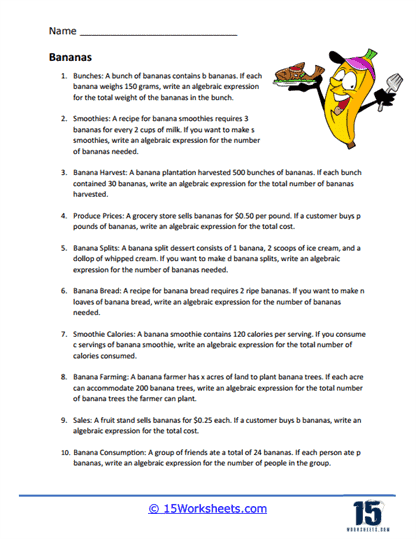
Understanding equivalent expressions is a crucial skill in seventh-grade mathematics. Students often benefit from seeing how these abstract concepts apply in real-world situations. One effective way to reinforce this understanding is through targeted worksheets that challenge students to identify equivalent expressions in everyday contexts. This approach not only solidifies their algebraic skills but also enhances their problem-solving abilities.
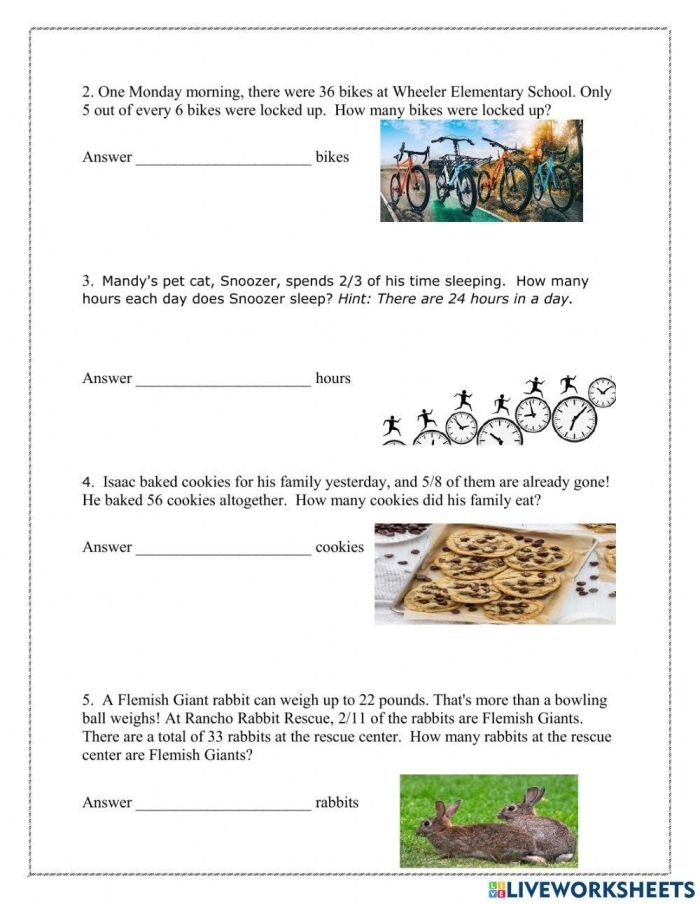
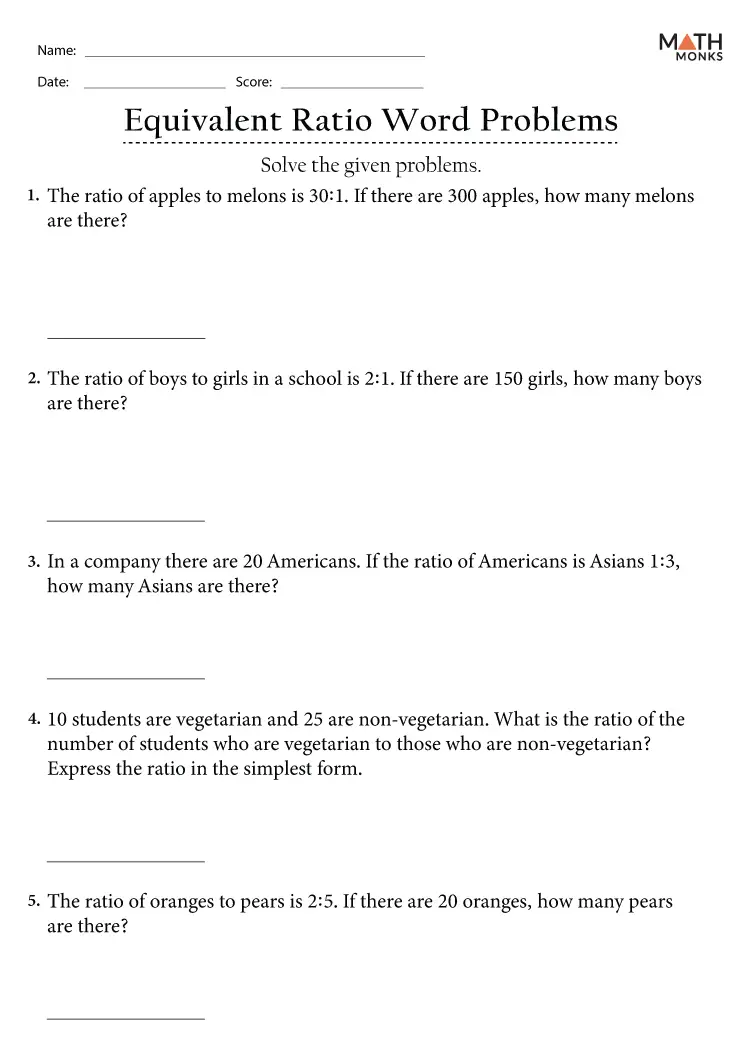
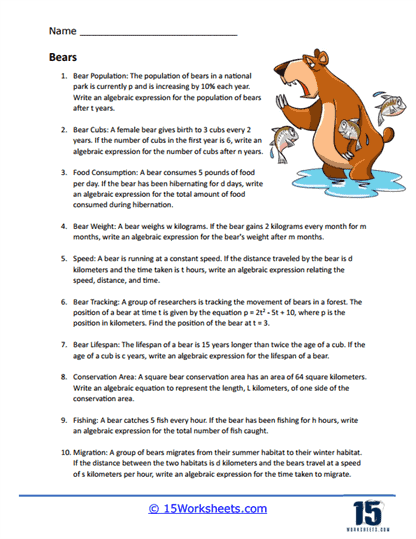
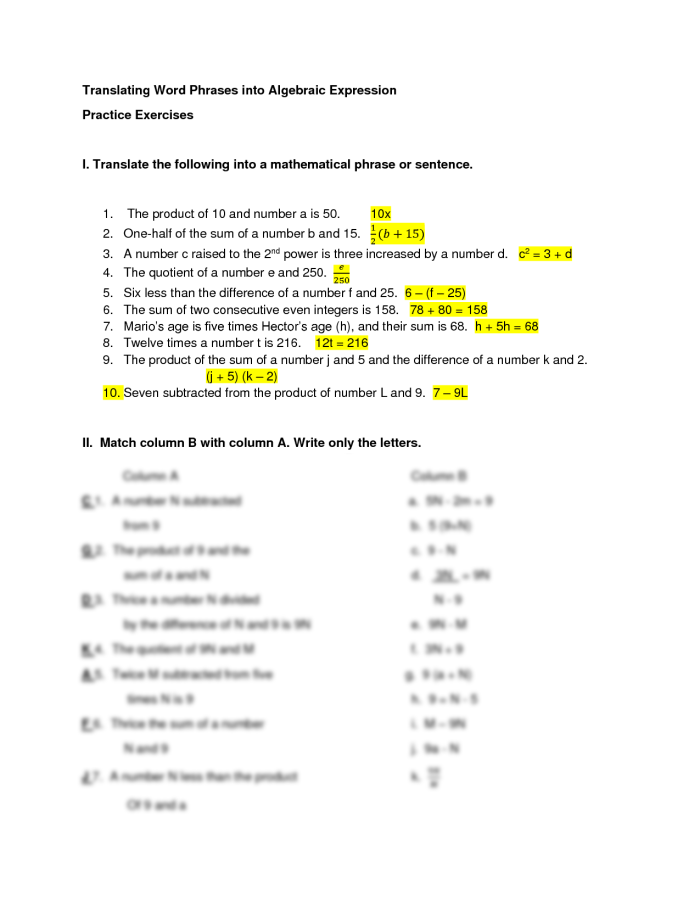
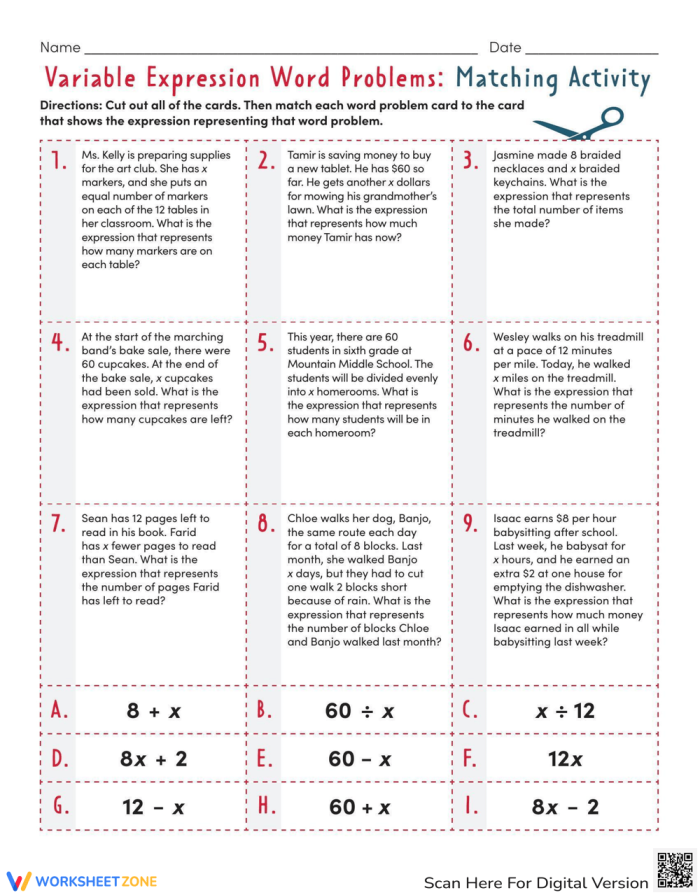
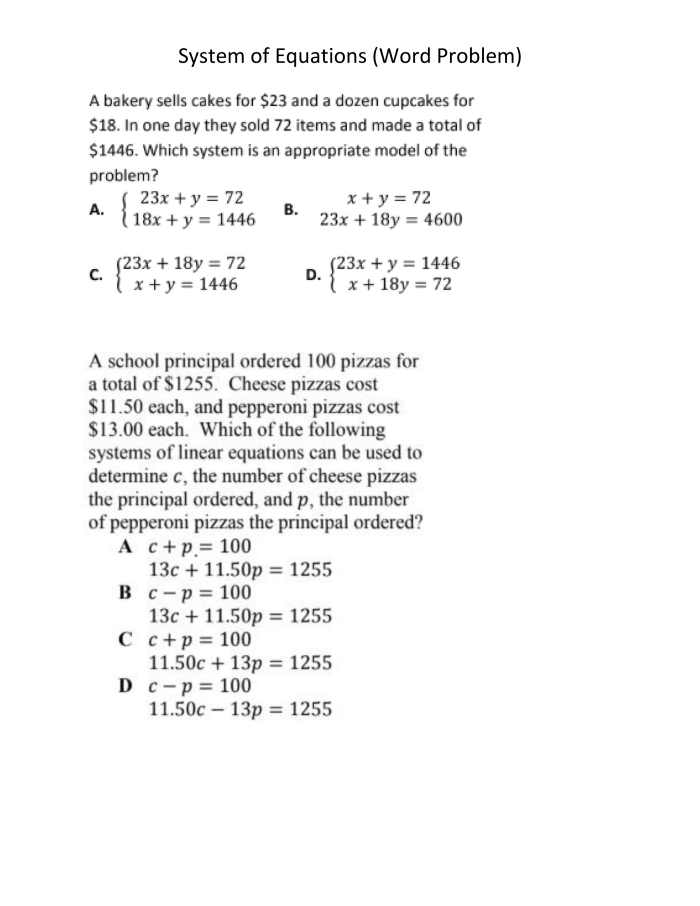
For example, consider a worksheet that presents a scenario where students must figure out whether two different expressions represent the same quantity. This could involve situations like calculating the total cost of items with different pricing structures or determining the area of a rectangular garden using varied expression forms. Such practical applications help students grasp the relevance of algebra beyond the classroom.
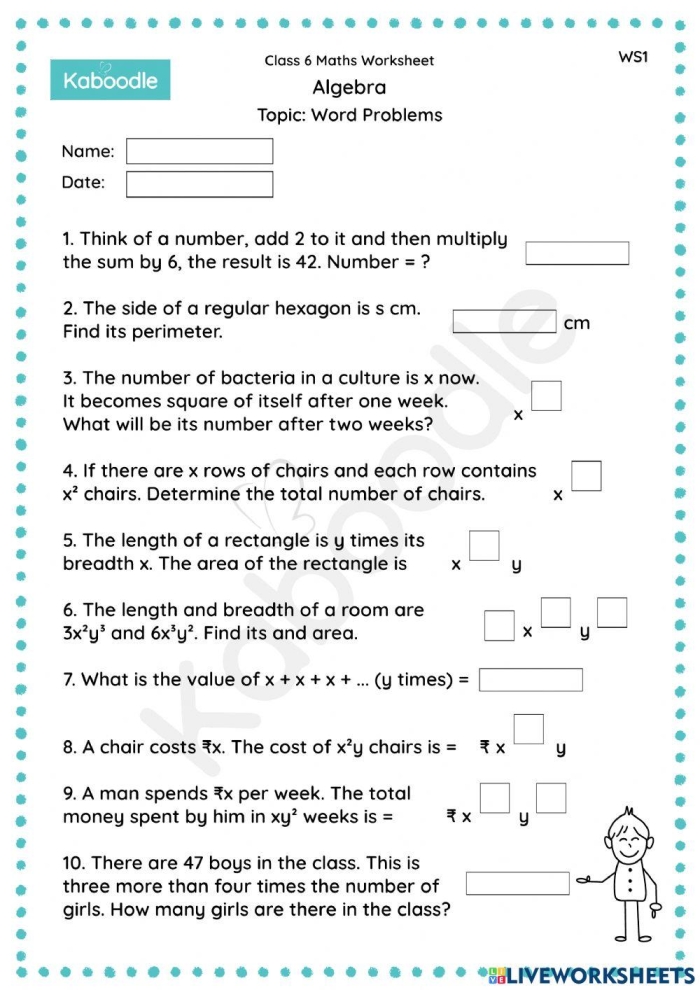
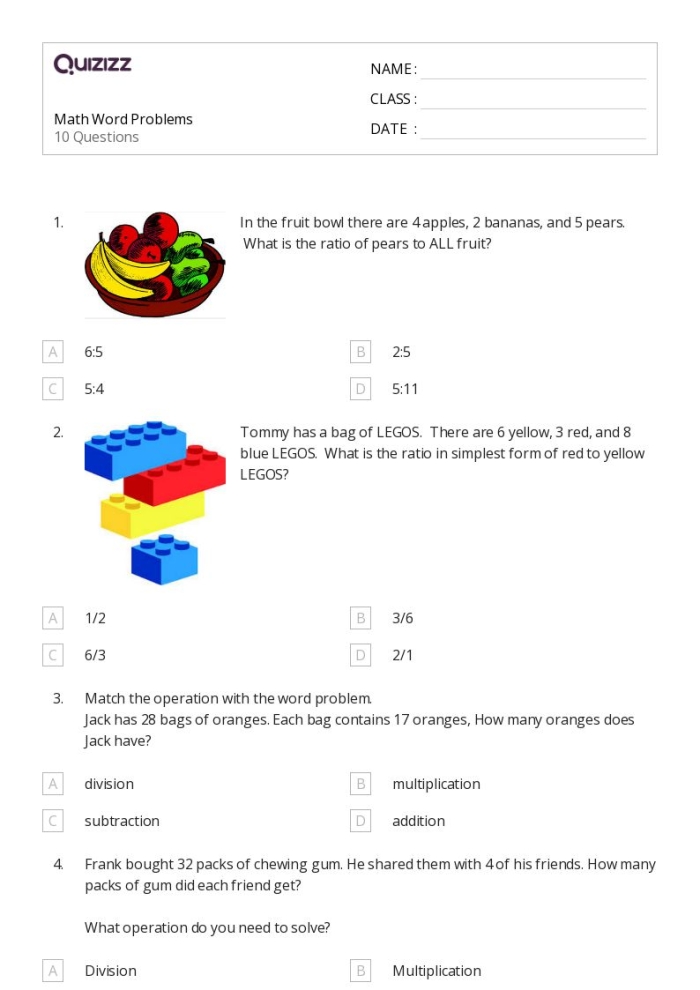
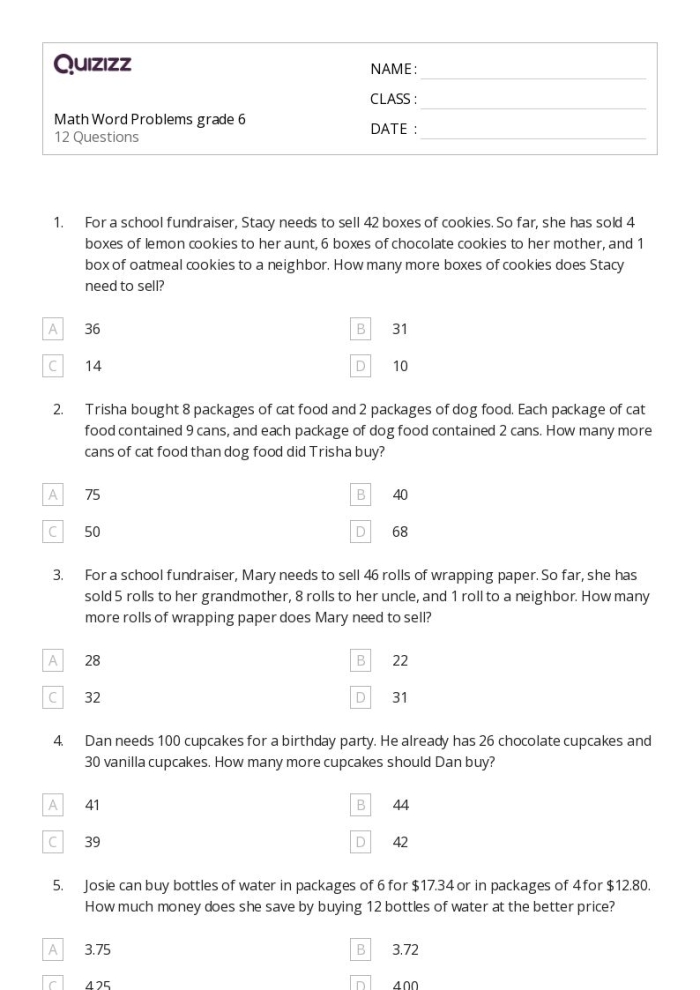
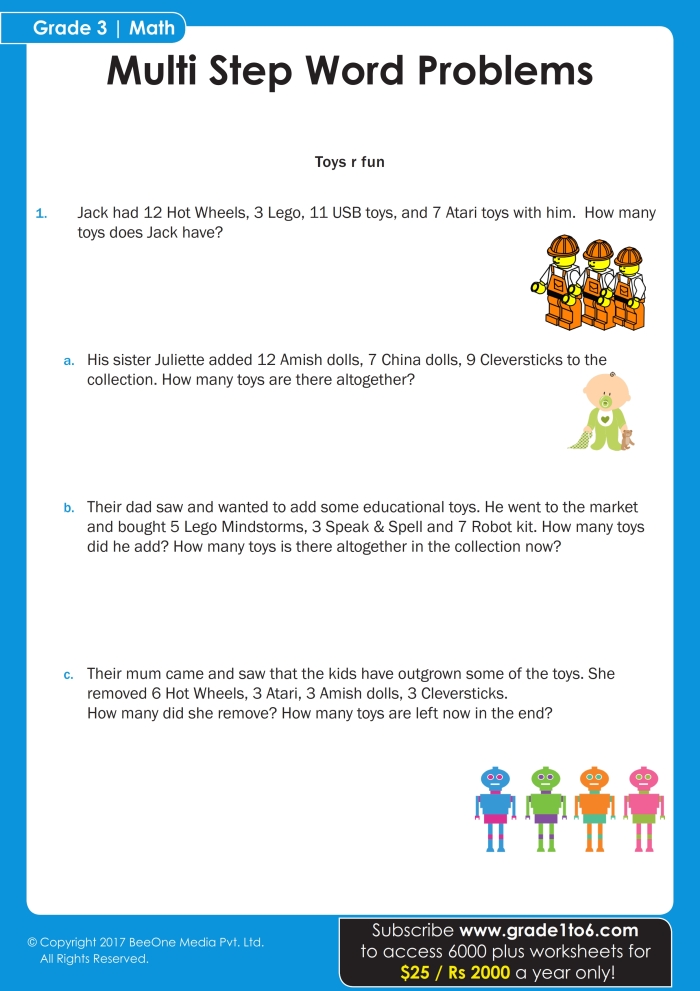
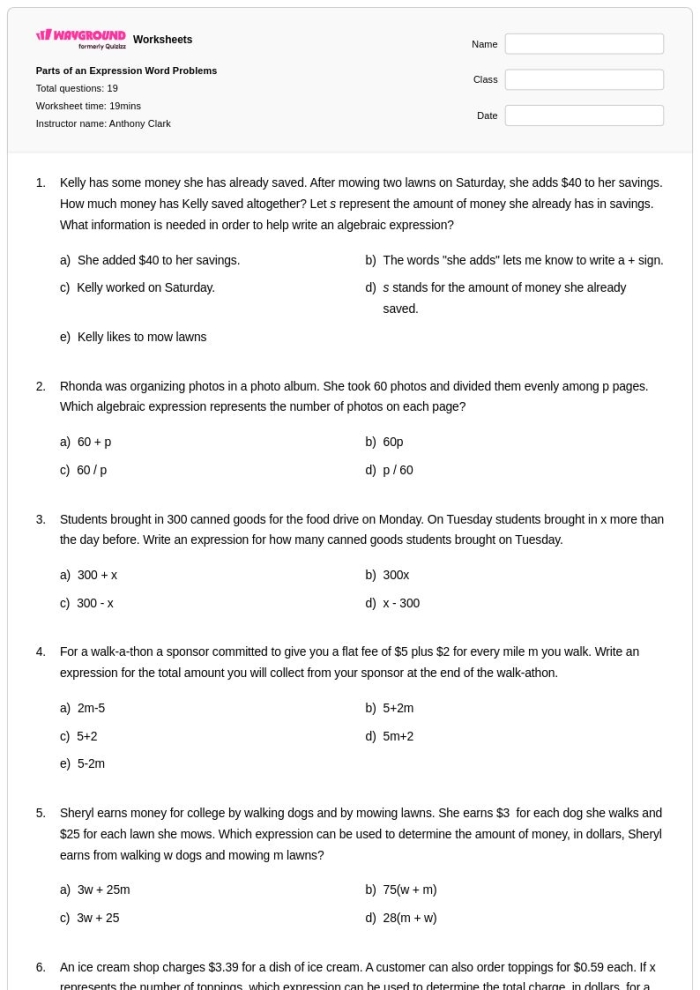
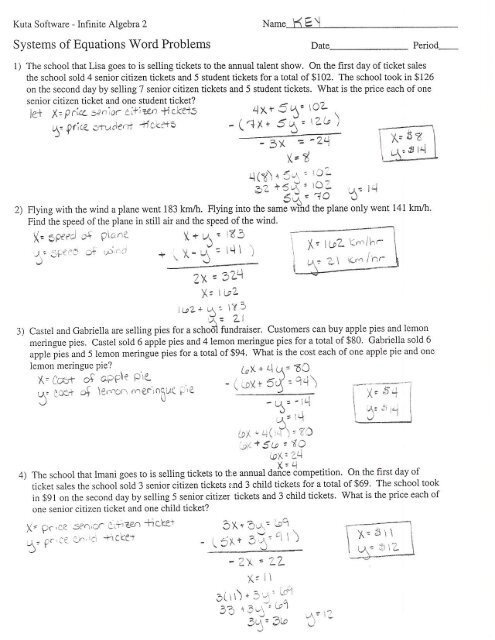
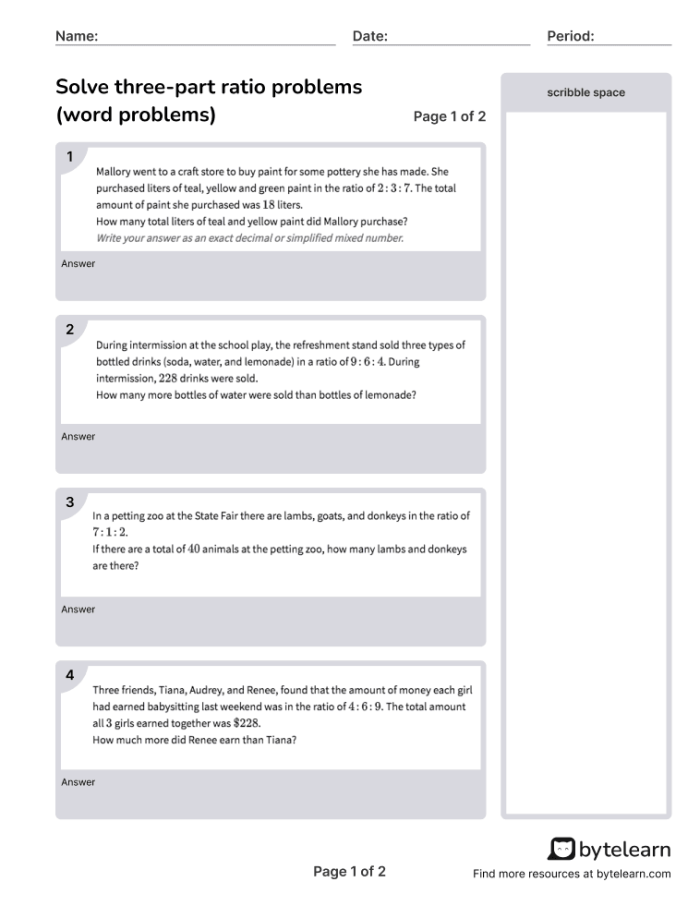
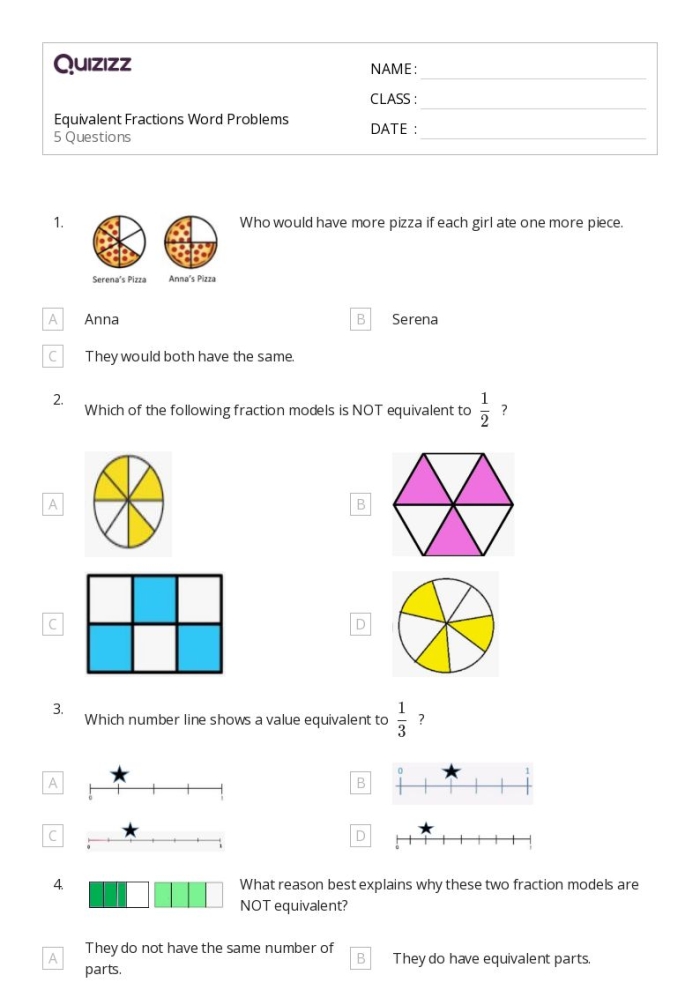
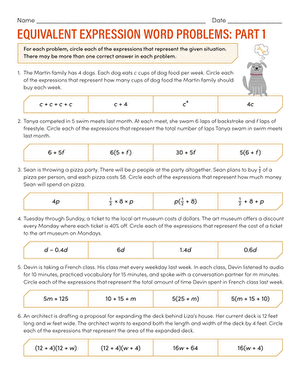
Using printable resources, like the Equivalent Expression Word Problems: Part 1, allows students to practice at their own pace. These worksheets typically include various problems that require students to manipulate expressions, making it easier for them to see how different forms can yield the same result. This not only builds confidence but also deepens their understanding of mathematical relationships.
Another benefit of these worksheets is that they can be integrated into broader lessons on measurement. By linking algebraic concepts with measurements, students can learn how to apply their mathematical knowledge in real-life scenarios, such as calculating distances or areas. Engaging with problems that reflect actual situations prepares them for future challenges in both math and daily life.
Incorporating exercises that involve identifying equivalent expressions can transform abstract concepts into tangible skills. By using resources like those found at Identifying Equivalent Linear Expressions or Complementary Angles, educators can create a dynamic learning experience that resonates with seventh-grade students and enhances their measurement skills.
Worksheet Practice Section