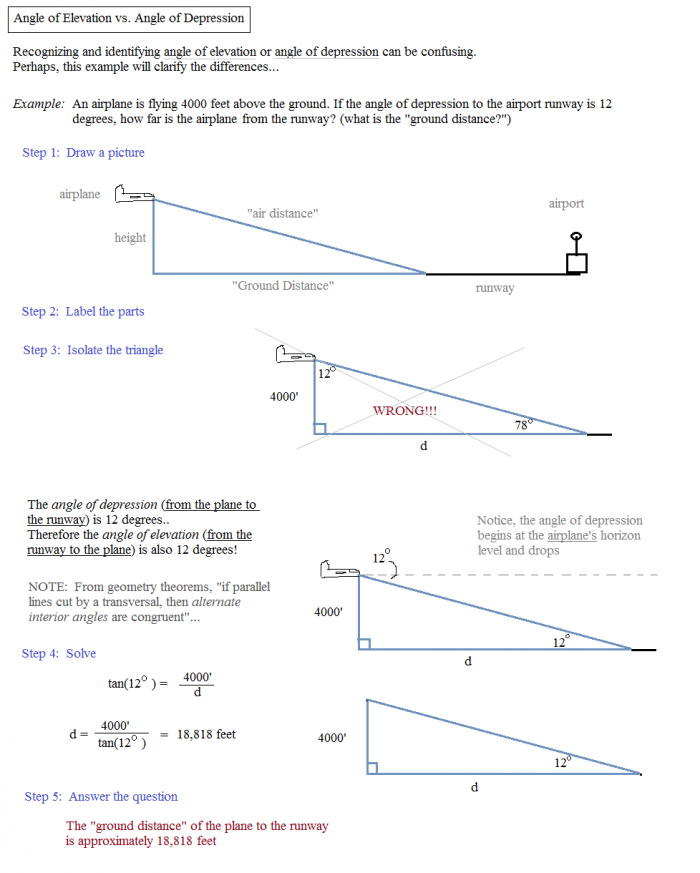
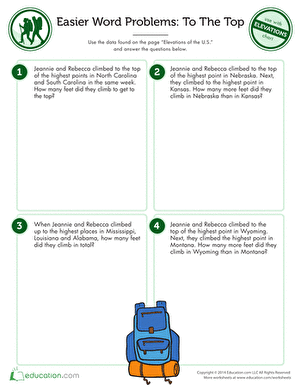
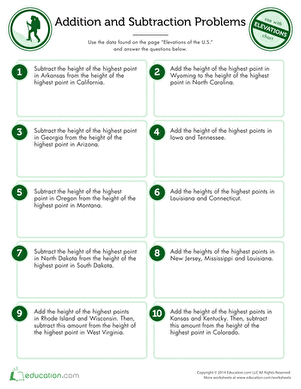
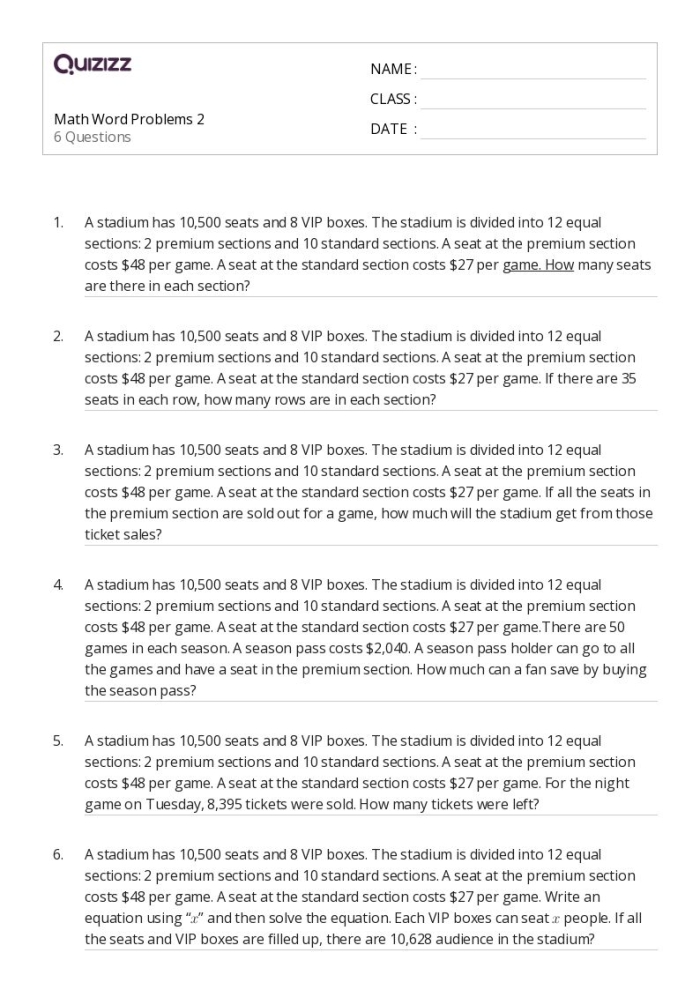
Understanding elevation is a fascinating topic for third graders, especially when it involves engaging word problems that require addition and subtraction. Elevation word problems challenge students to think critically while applying math skills in real-world contexts. These problems often reference an elevation chart, making them not just an exercise in arithmetic, but also a way to connect math with life science concepts.
For example, imagine a problem that states, “The elevation of Mountain A is 1,200 feet, while Mountain B is 800 feet. What is the difference in elevation between the two mountains?” Such a question prompts students not only to perform subtraction but also to visualize the heights of these mountains. They can refer to the elevations chart to aid their calculations, reinforcing both their math skills and their understanding of geographical features.
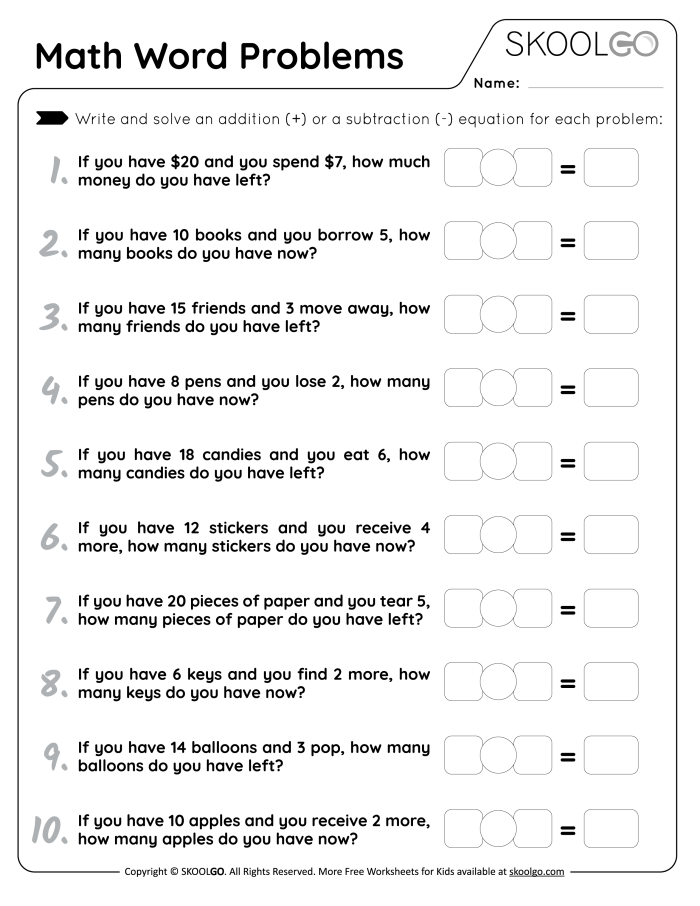
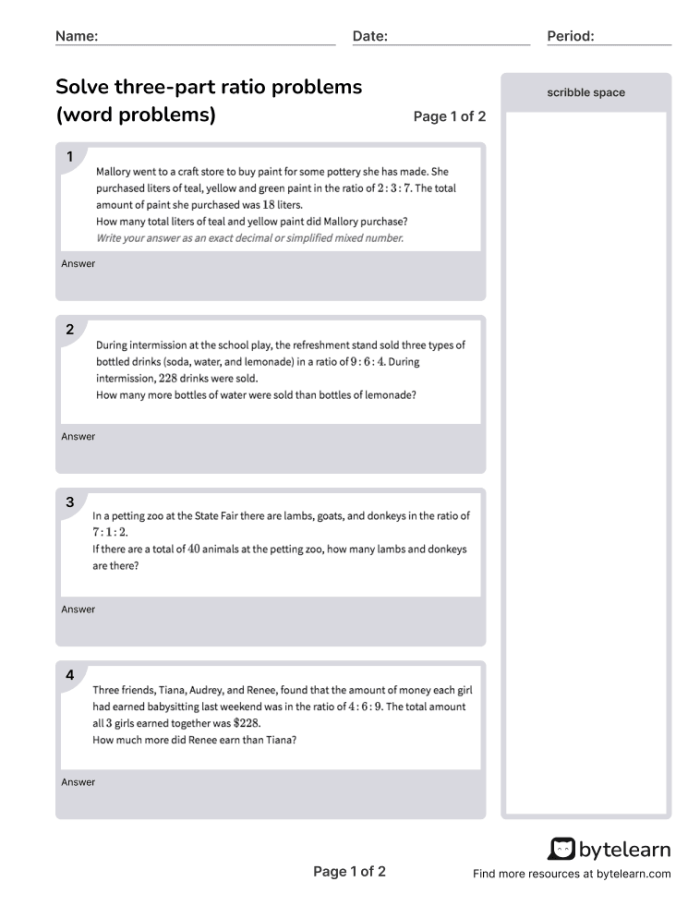
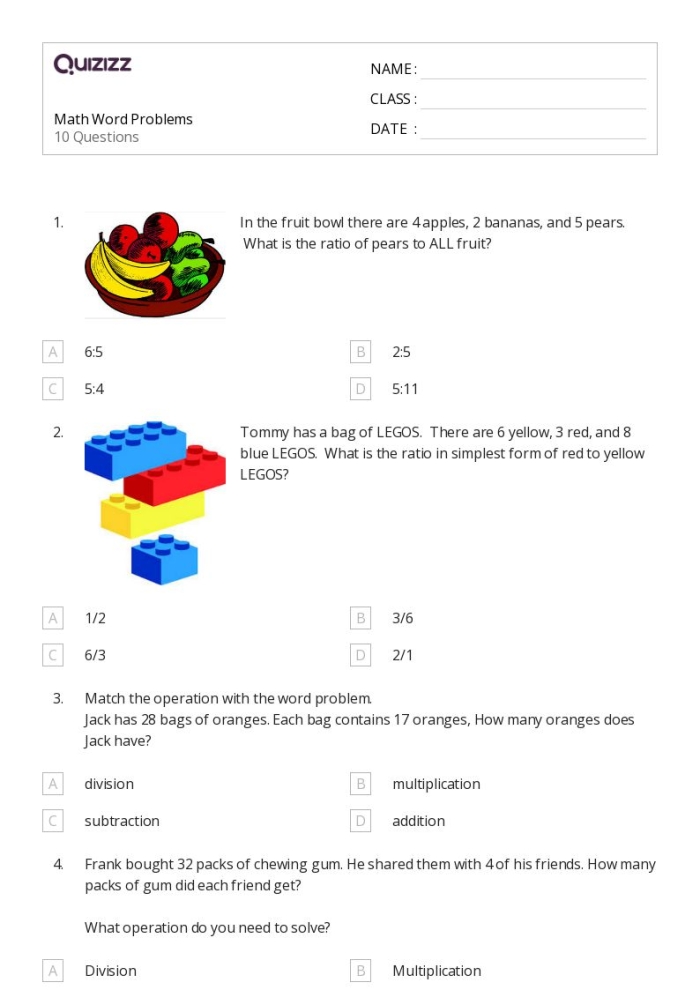
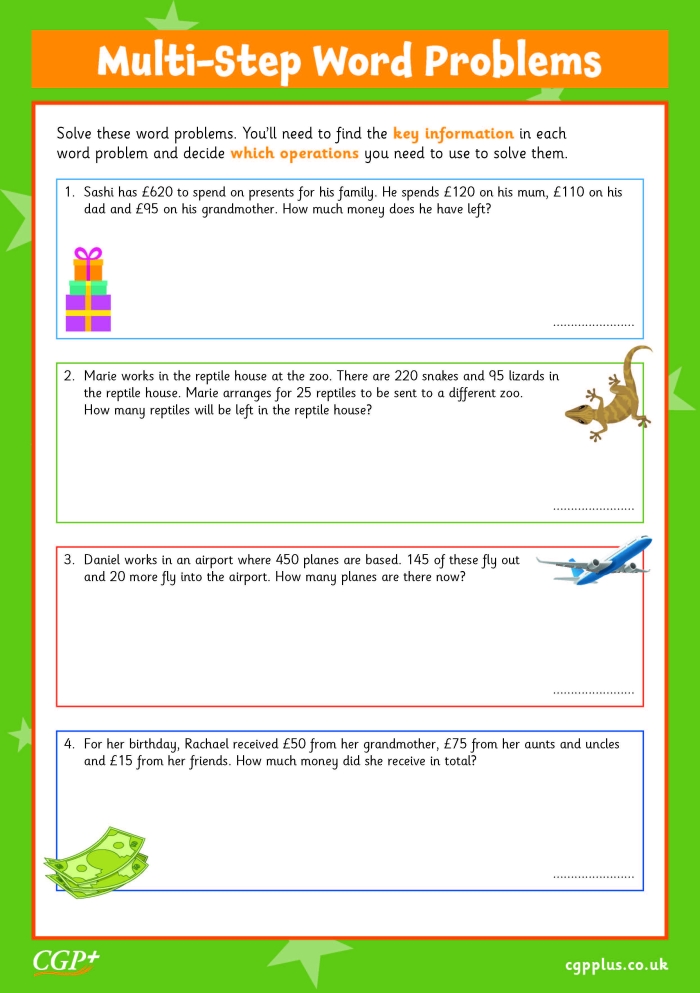
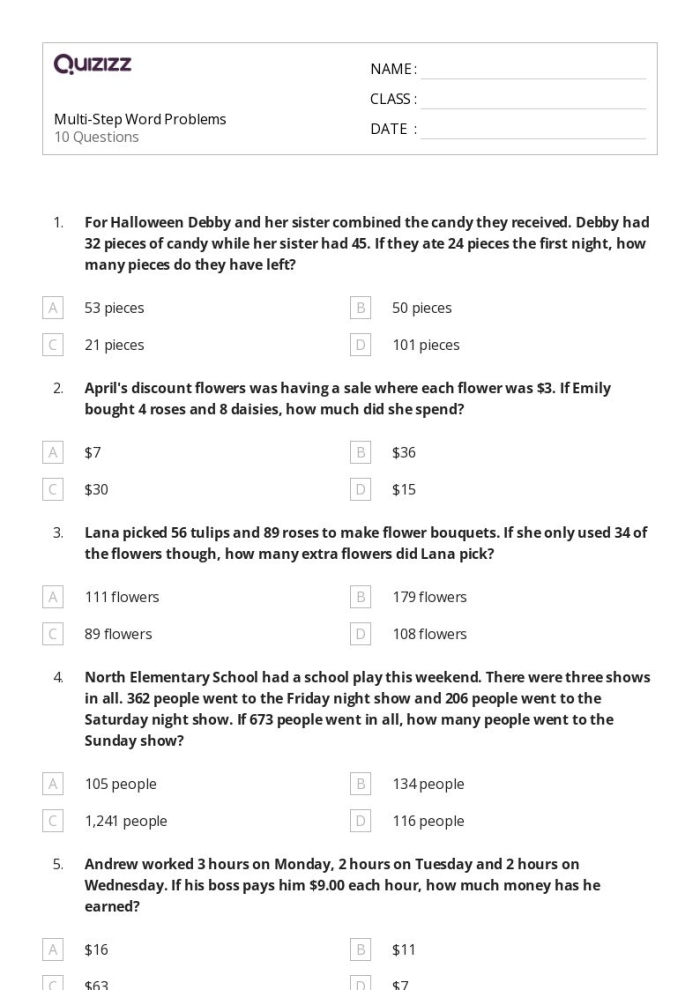
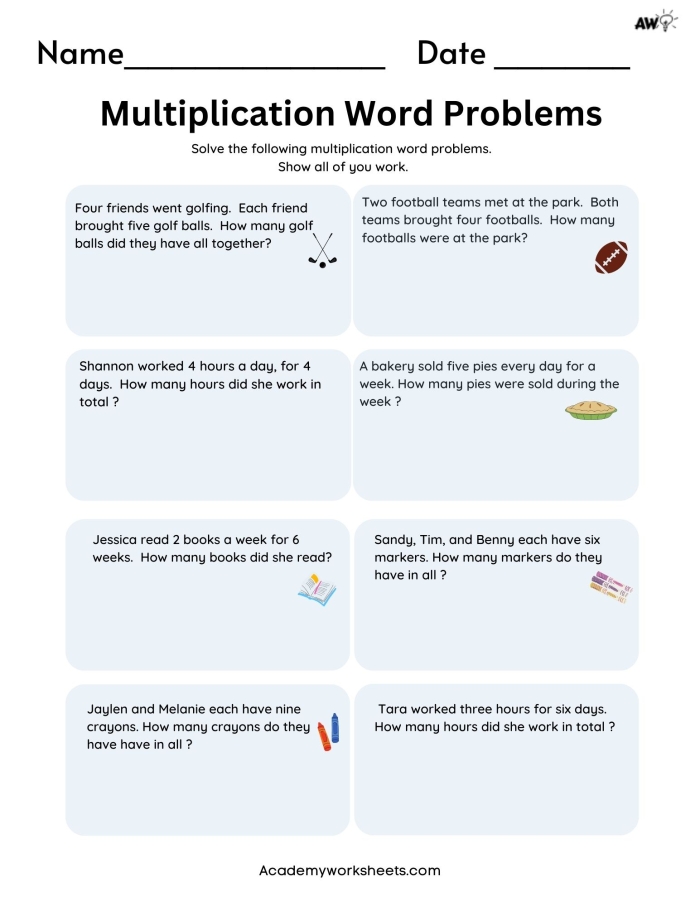
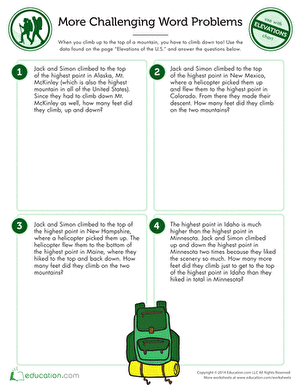
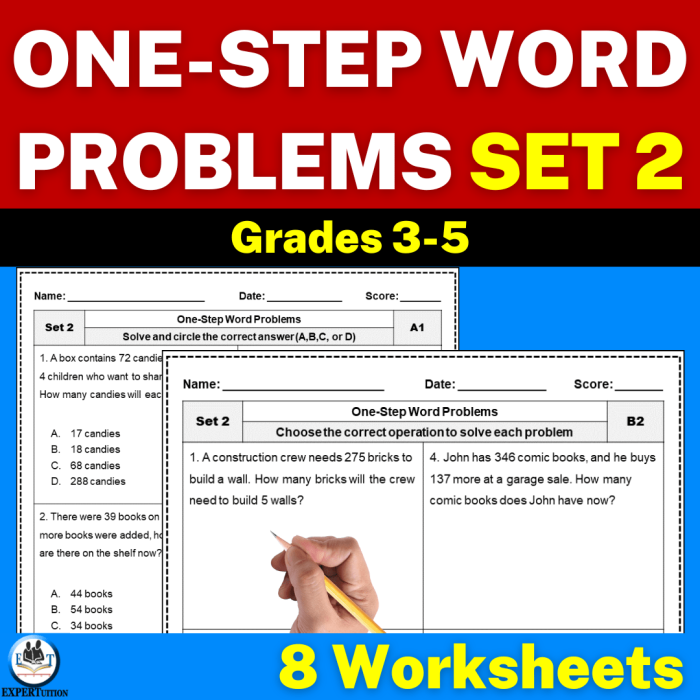
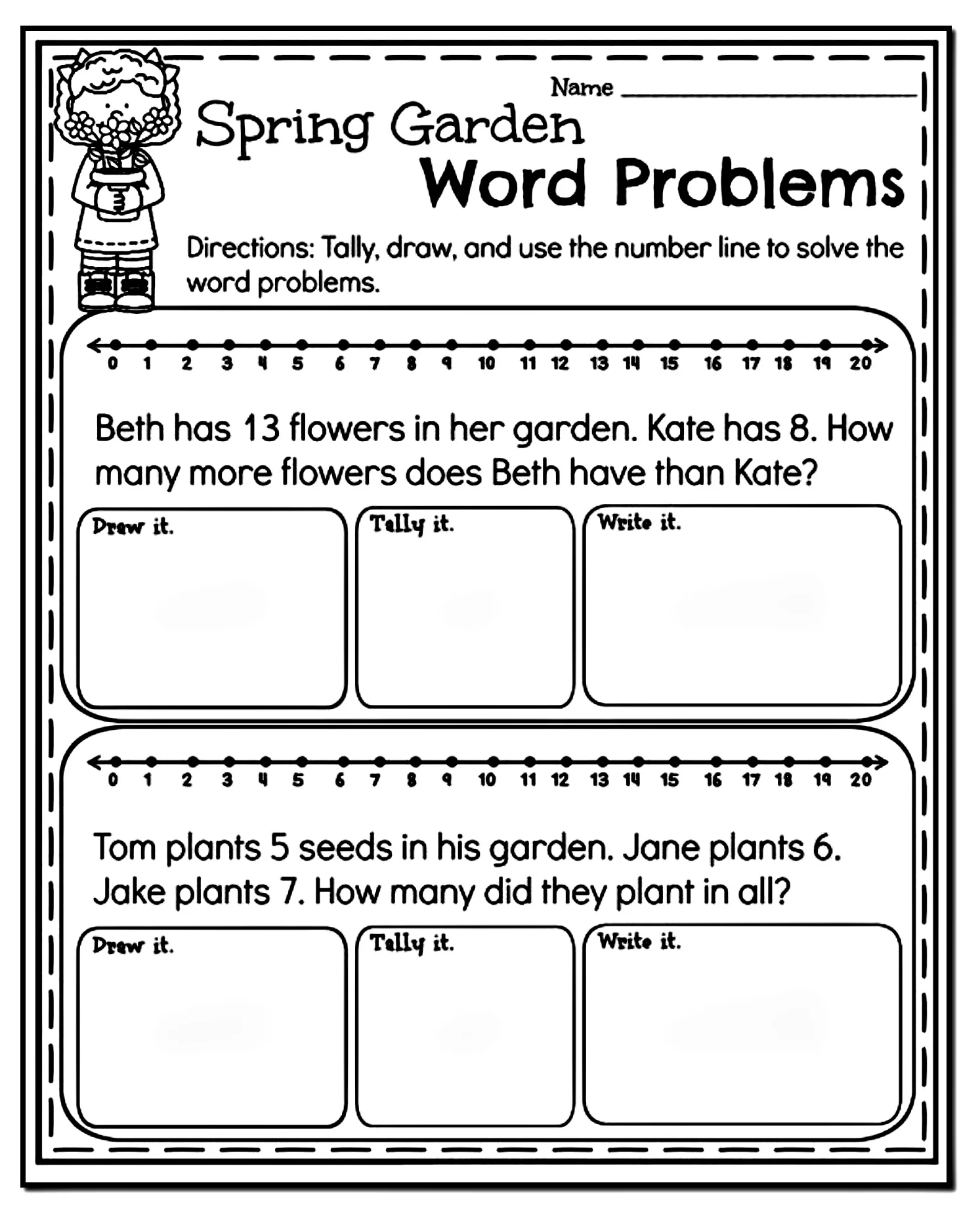
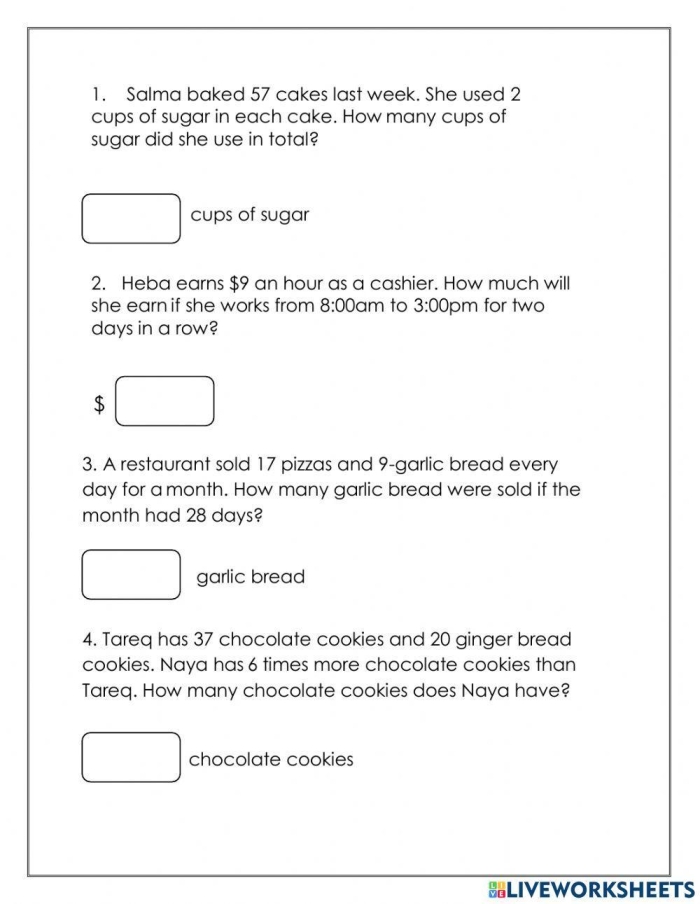
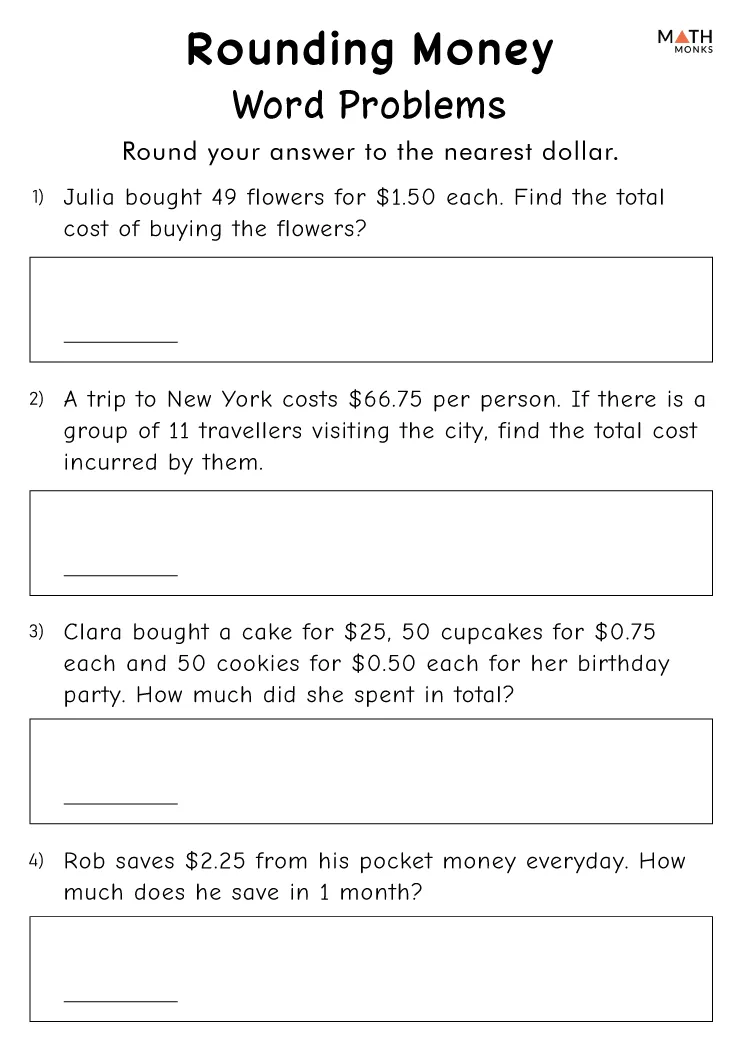
Using elevation charts in classrooms offers a hands-on approach to learning. Students can practice with printable worksheets that present various scenarios requiring them to analyze and compute elevations. Whether they are solving how much higher one mountain is than another or determining the total elevation gain during a hike, these activities enhance their problem-solving abilities.
Incorporating real-life examples makes the math lessons more relatable. For instance, teachers might introduce word problems about local landmarks or significant geographical features students are familiar with. This connection not only aids comprehension but also stimulates interest in life science, as students learn about the ecosystems that exist at different elevations.
For additional practice, educators can utilize resources like the Grizzly Bear worksheets or the Amphibians and Reptiles worksheets. By integrating elevation word problems into their curriculum, teachers provide students with valuable tools that enhance both their mathematical and scientific understanding.
Hands-On Worksheet Activities