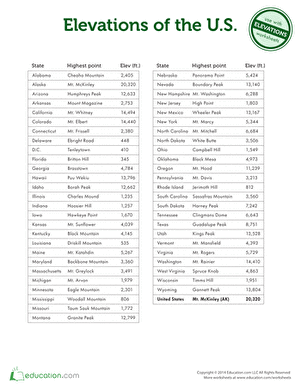
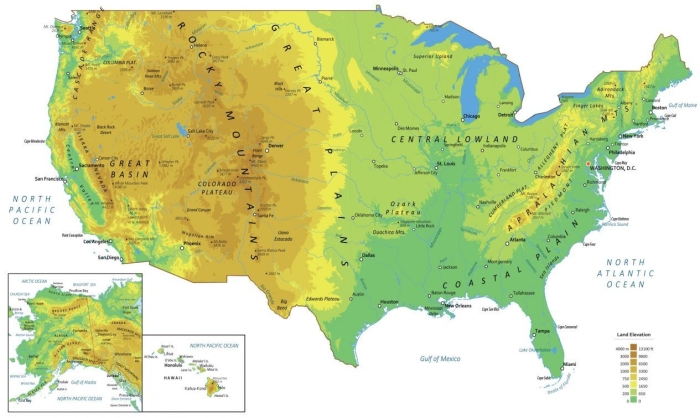
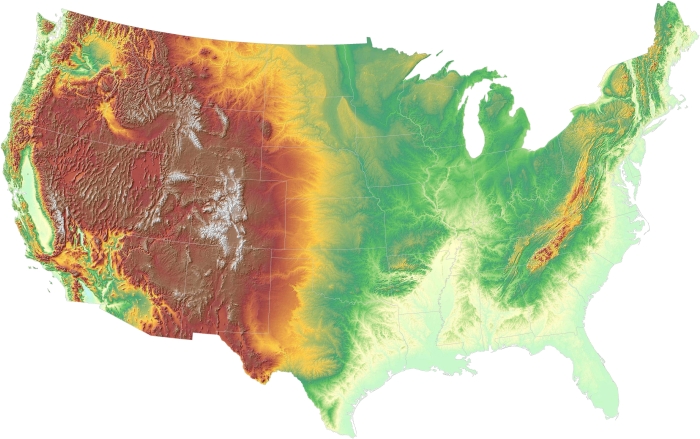
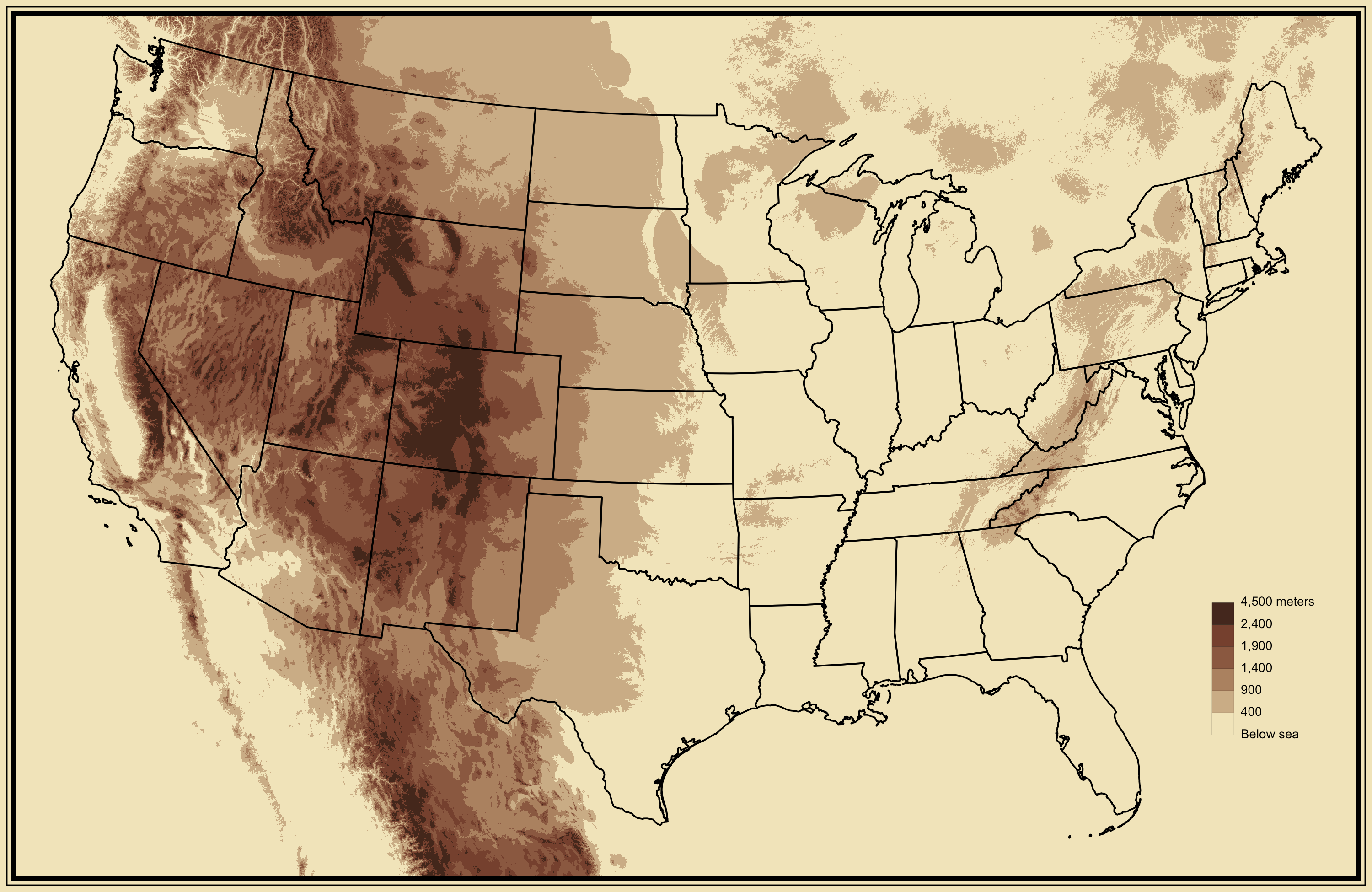
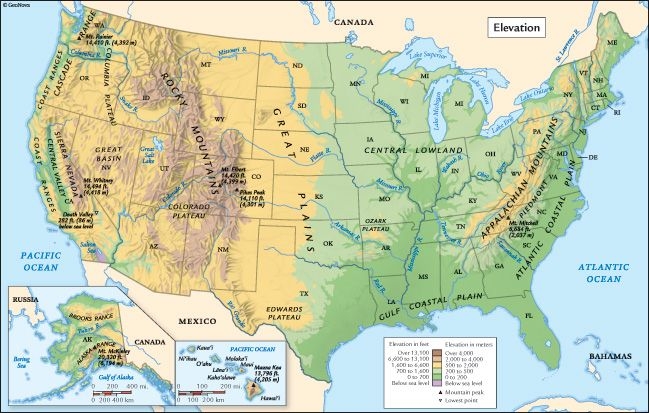
Most third grade students have never thought much about which state sits highest above sea level, but the answer might surprise you. Alaska holds the title with Denali, a peak that towers at 20,310 feet. When you work through an elevations of the U.S. chart, you quickly realize that geography involves real numbers and measurable differences that make learning concrete and tangible.
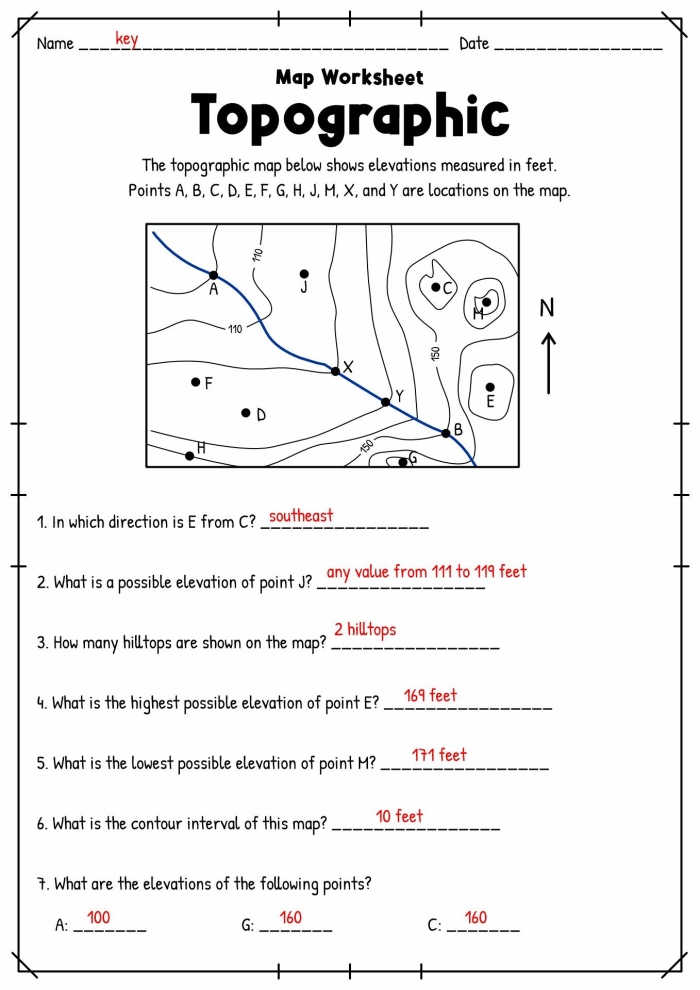
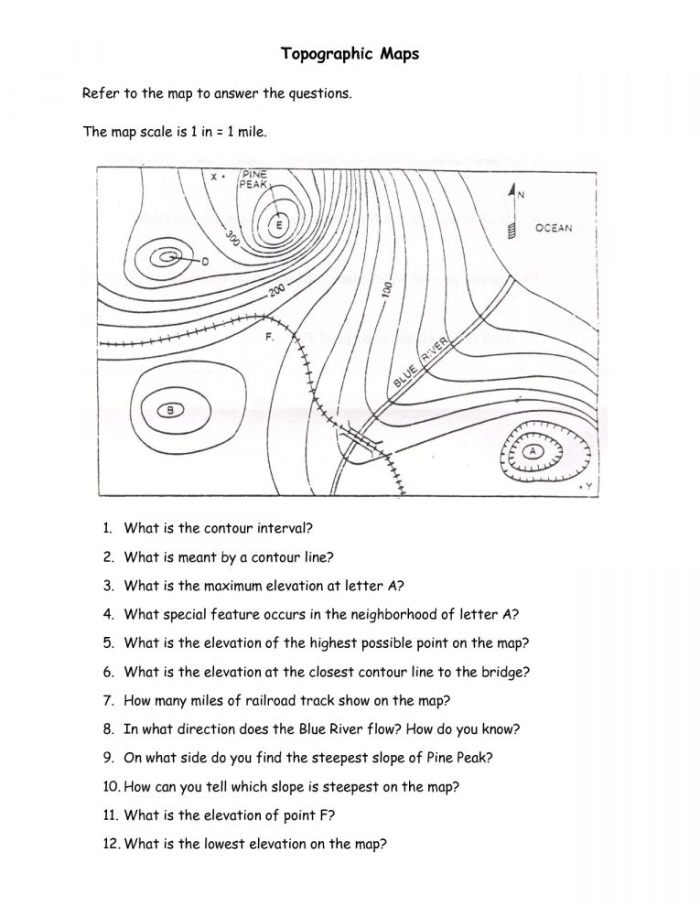
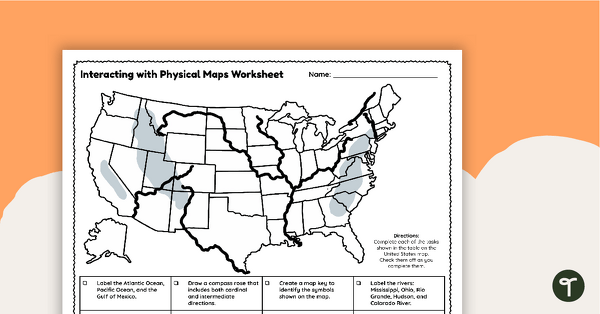
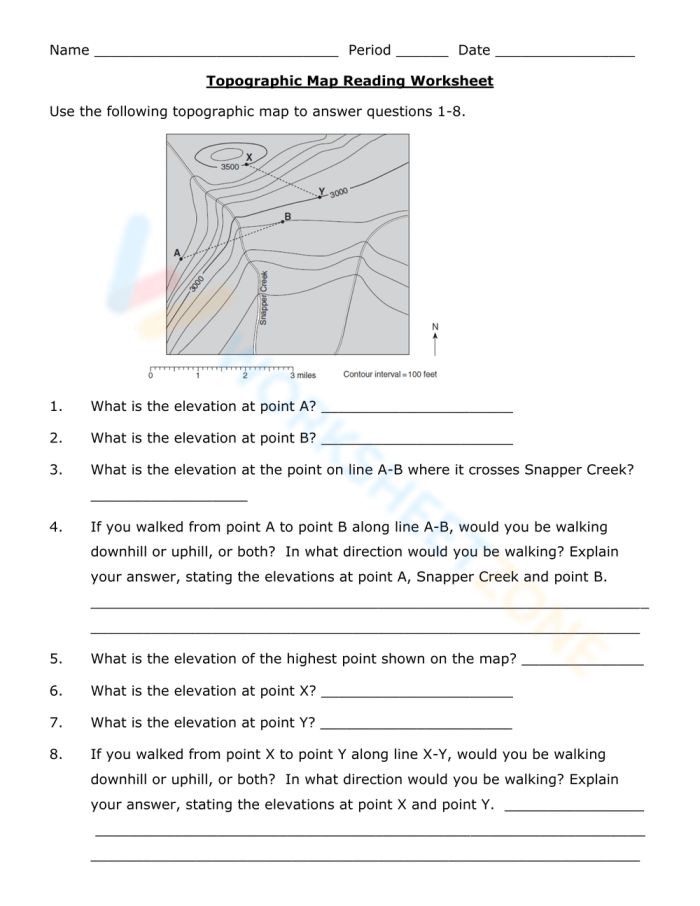
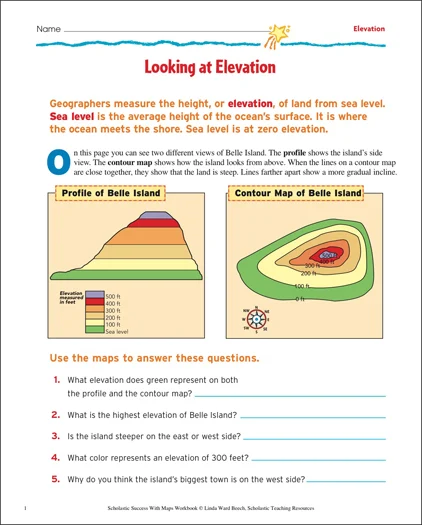
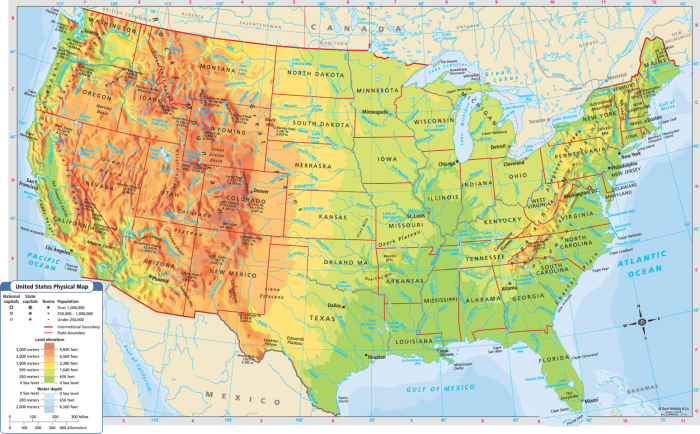
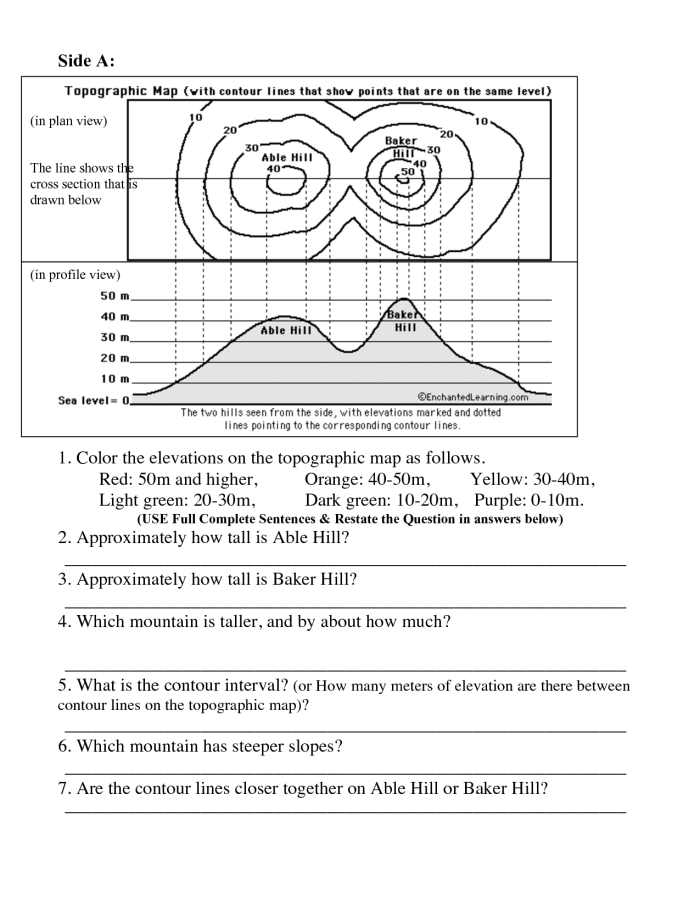
Using a printable elevations of the U.S. chart worksheet transforms what could be a dry geography lesson into an active exploration. Students see the actual heights of mountains and peaks across different regions, which helps them understand that the United States contains dramatic physical variety. Colorado’s Rocky Mountains, California’s Sierra Nevada, and Washington’s Cascade Range all appear on these charts with specific measurements that children can compare and discuss.
Third grade handwriting practice improves when students record these elevation facts in their own words. Rather than copying randomly, they’re writing down real data they’ve discovered themselves. This approach combines geography, mathematics, and language skills into one cohesive activity. When children look up Colorado’s Mount Elbert at 14,440 feet or New Hampshire’s Mount Washington at 6,288 feet, they’re building a mental map of American geography while strengthening their writing skills.
These worksheets work best when paired with other learning activities. Students might explore place value concepts using Midwestern states data, or strengthen their vocabulary through writing exercises that support main ideas. An elevations chart becomes a reference tool that supports questions across multiple worksheets and subjects, making it a valuable resource for third grade classrooms and home learning environments.
Hands-On Worksheet Activities