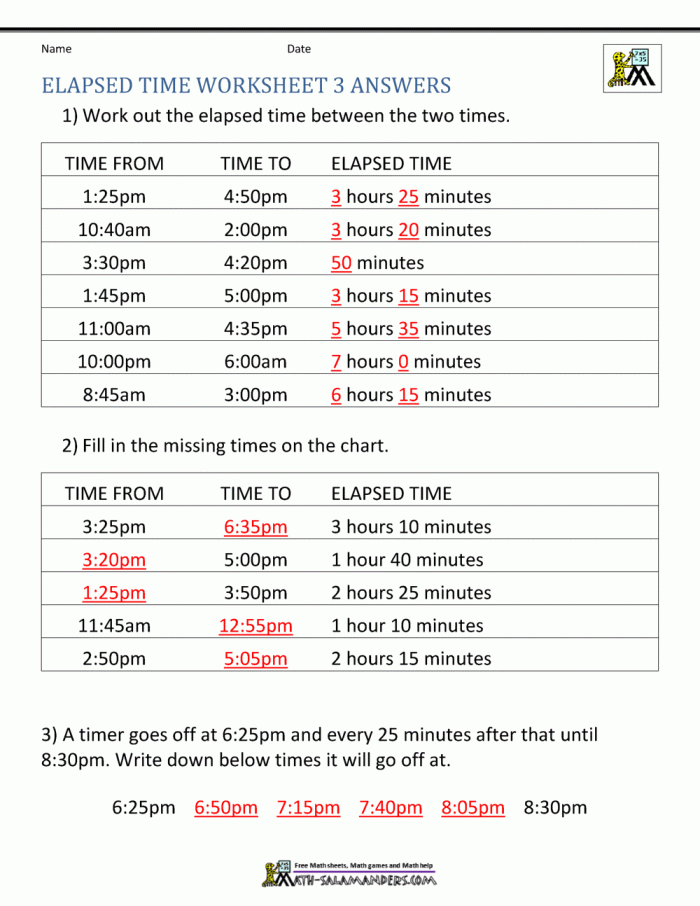
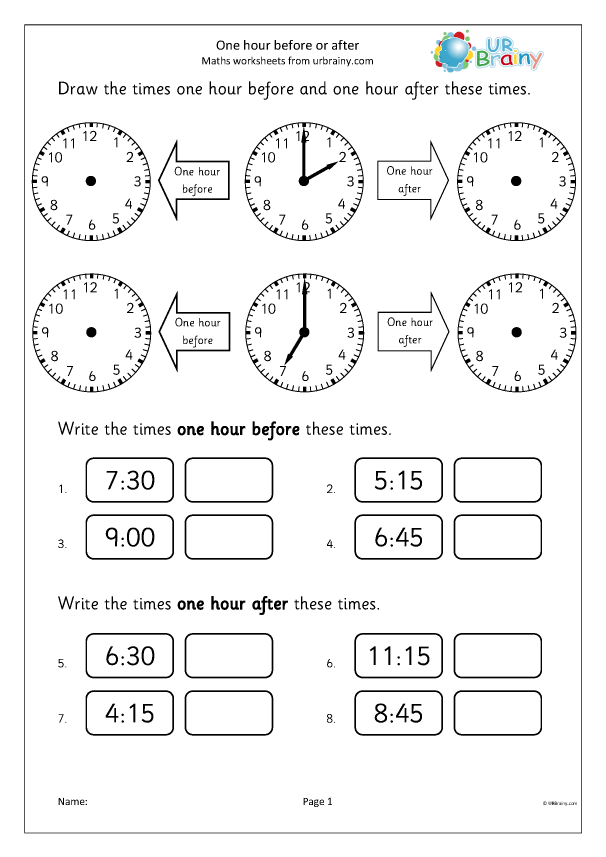
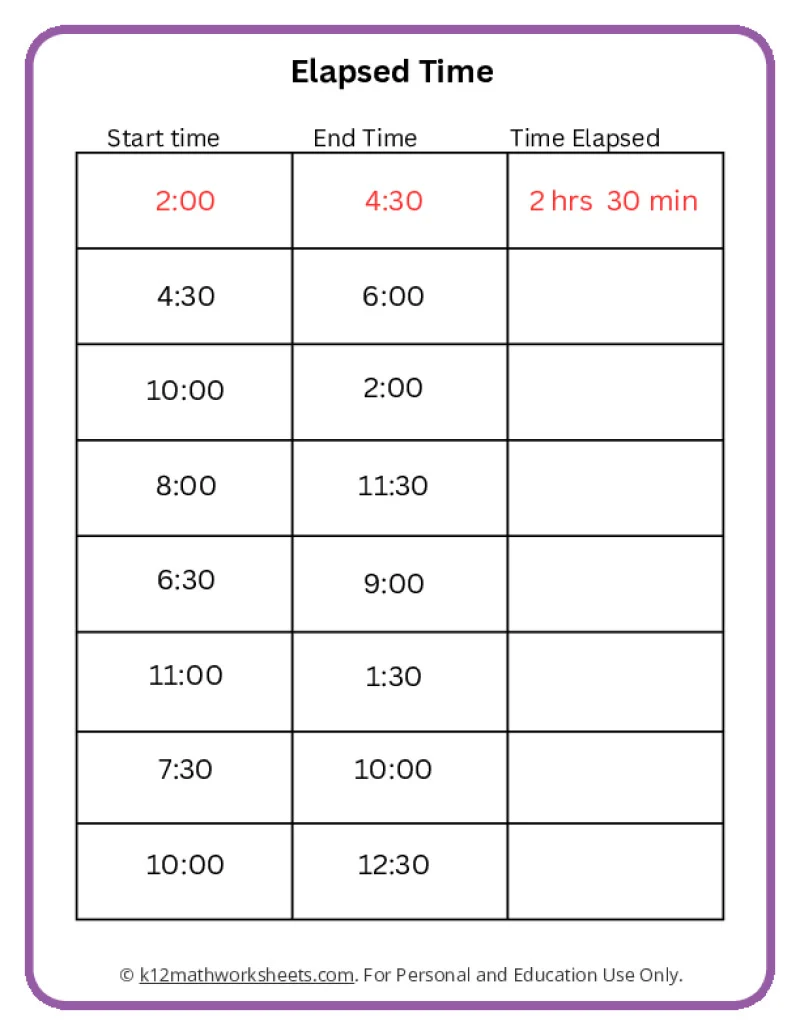
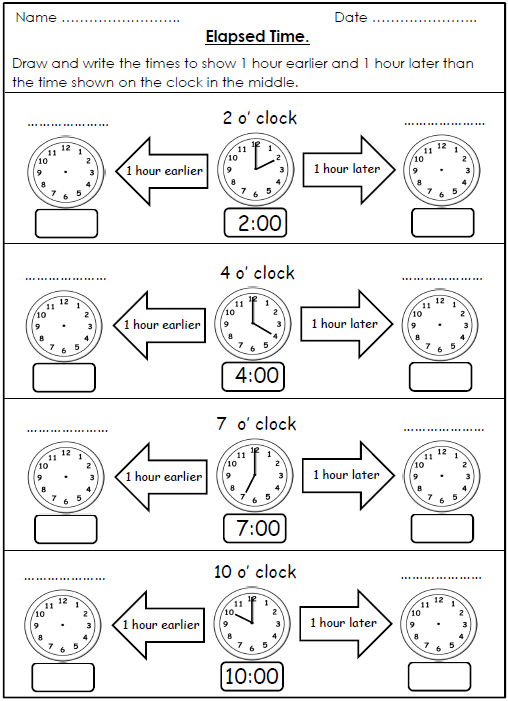
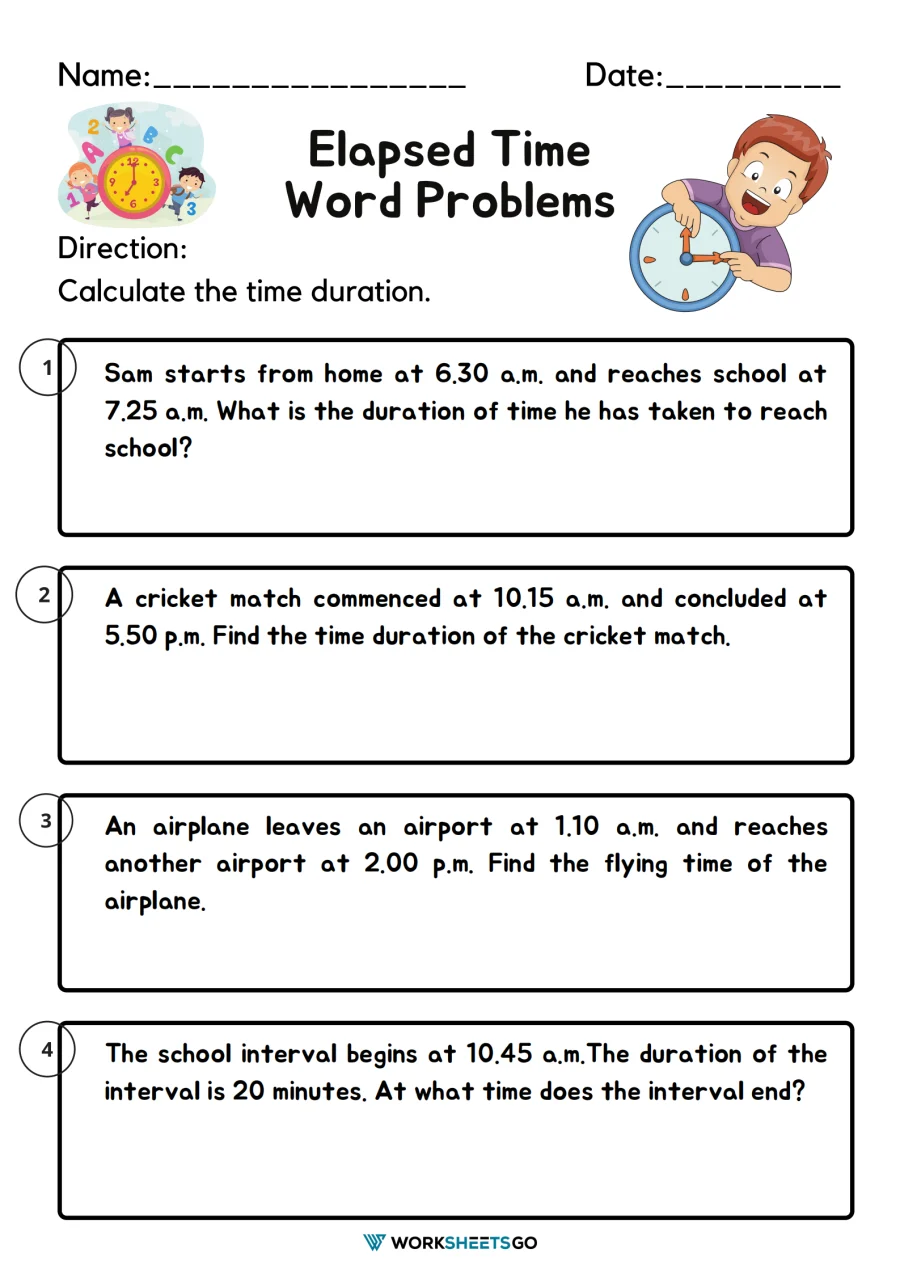
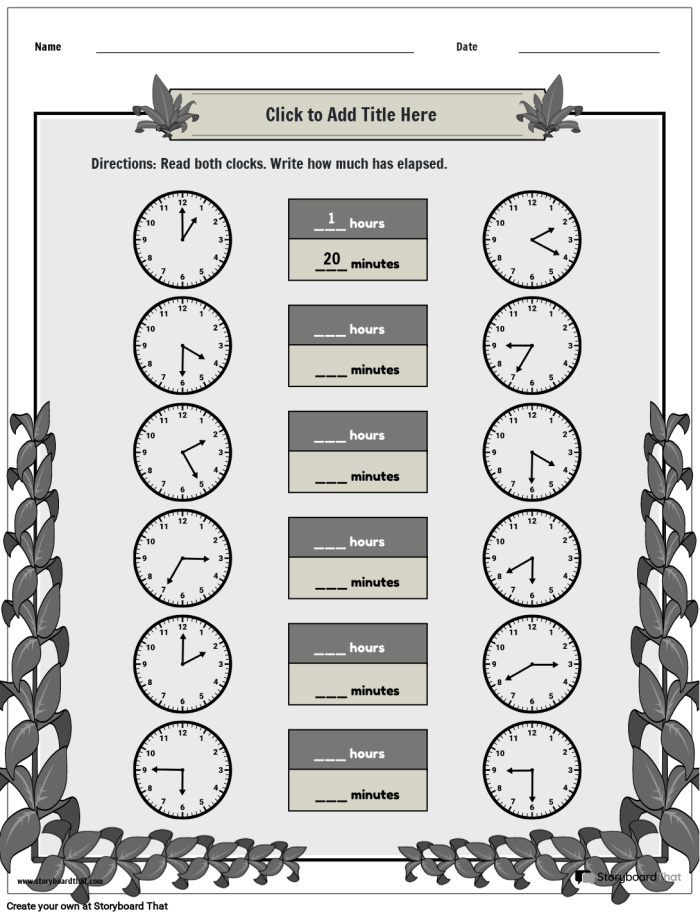
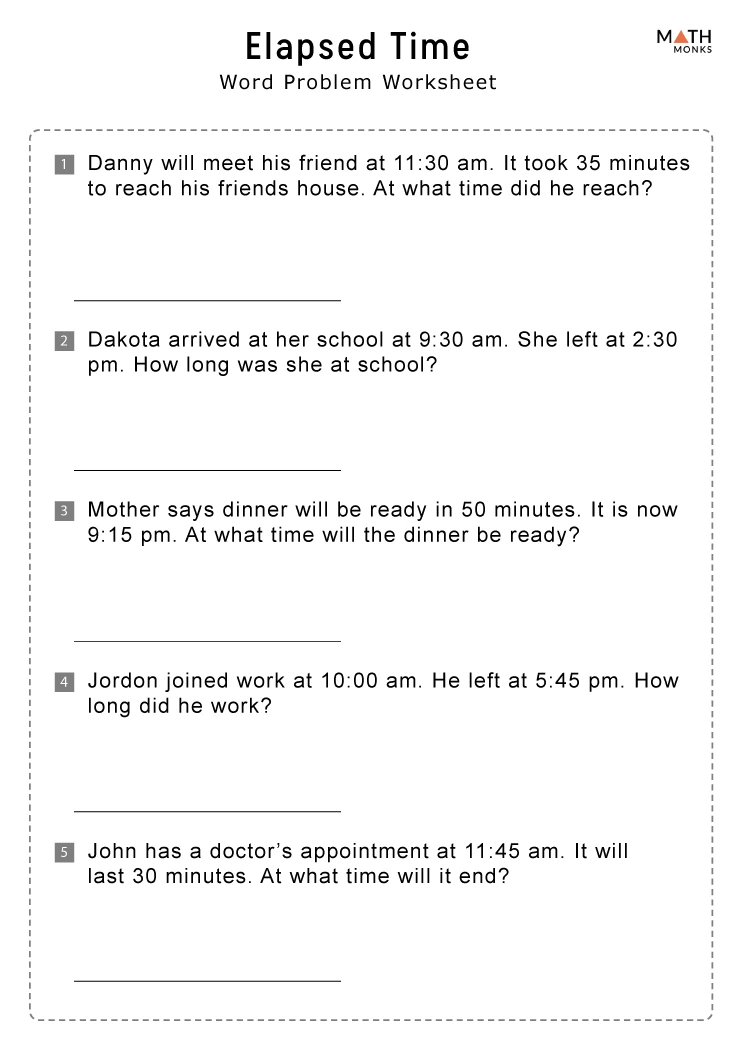
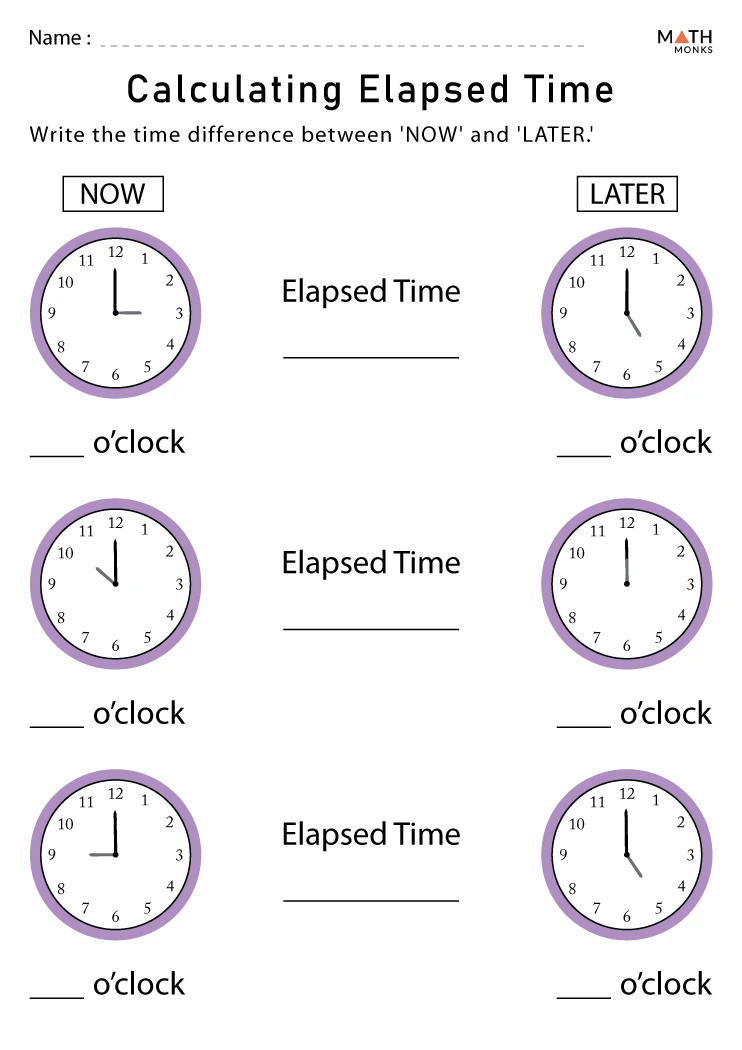
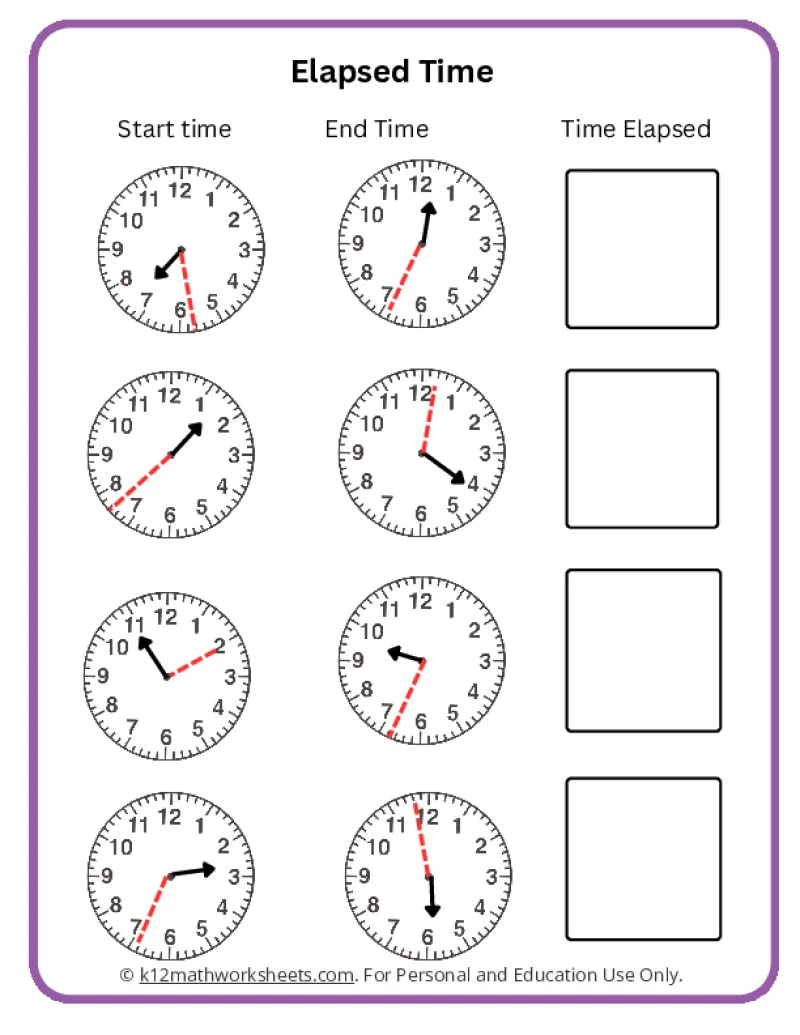
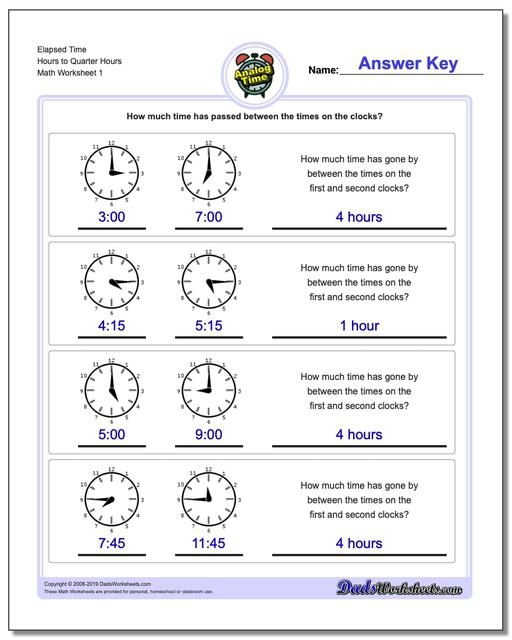
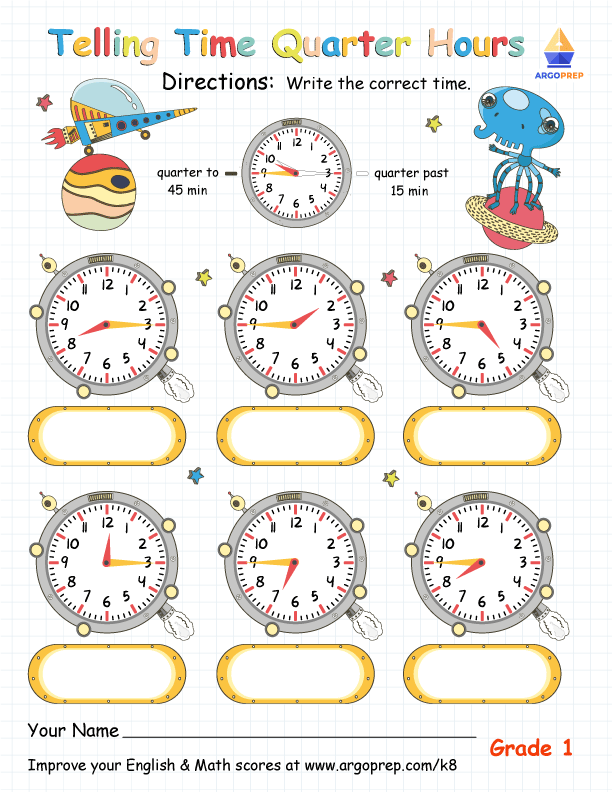
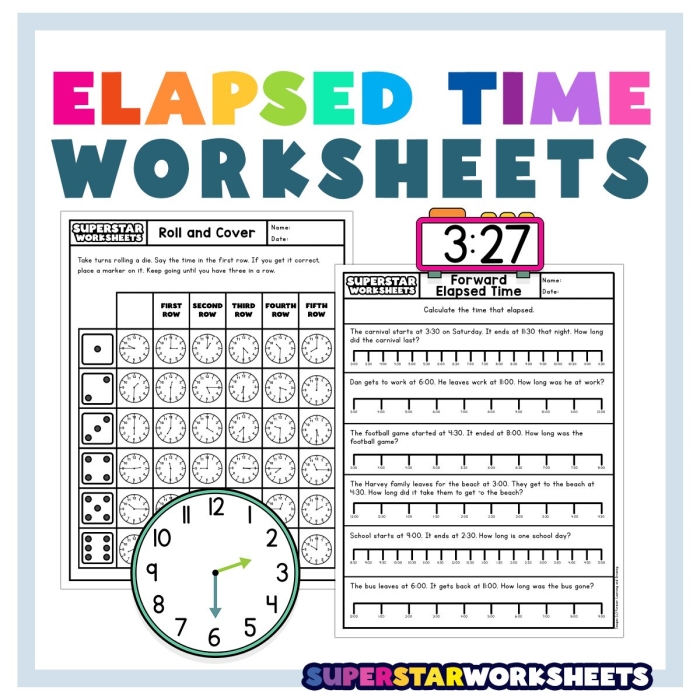
Once your first grader masters telling time on the hour, elapsed time becomes the natural next step. This skill bridges the gap between simply reading a clock and understanding how time moves and changes, making it one of the most practical math concepts you can introduce at this stage.
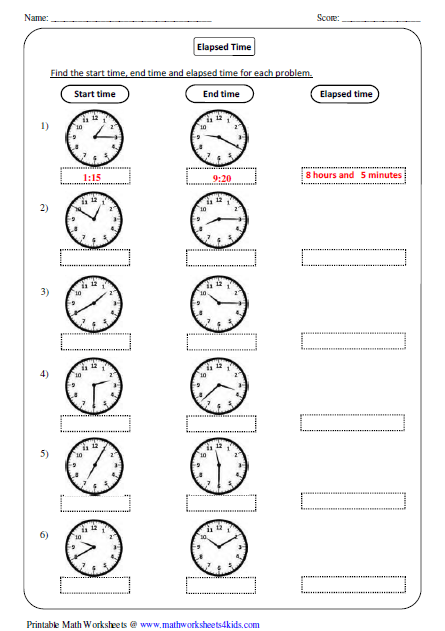
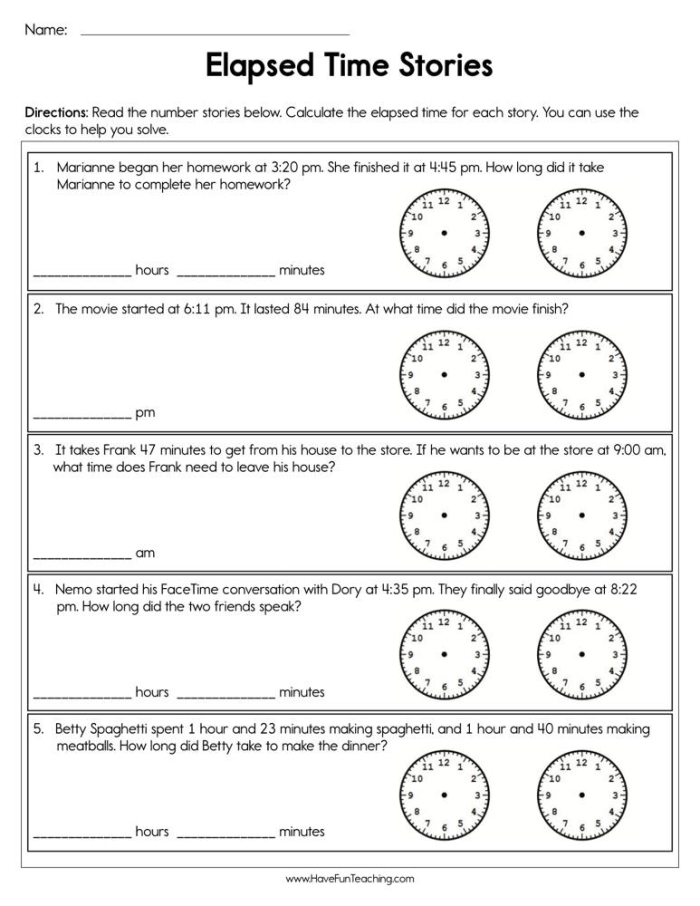
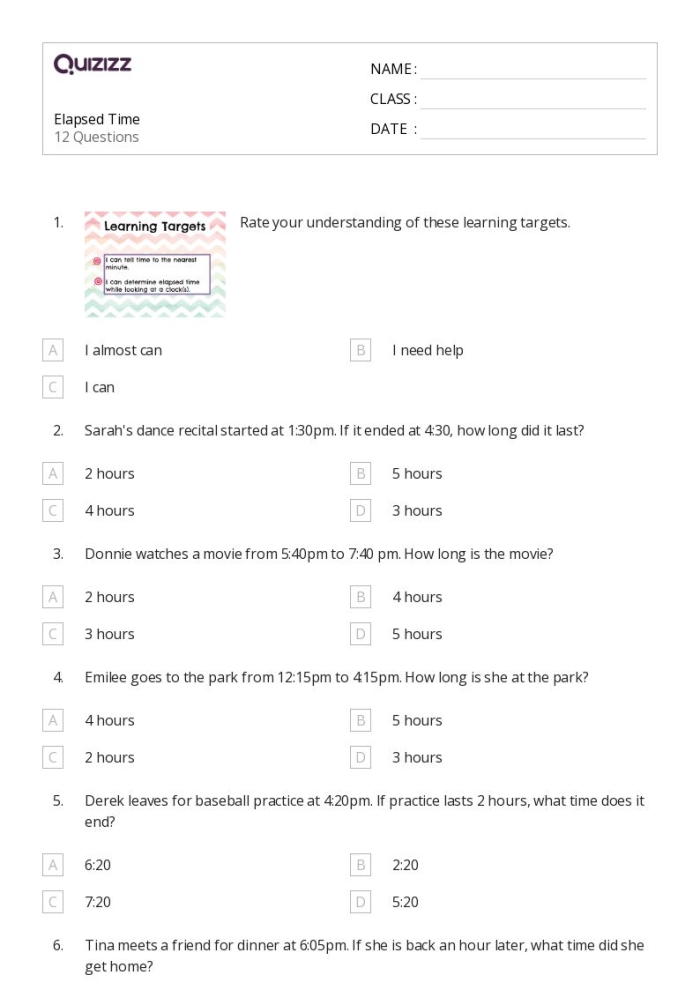
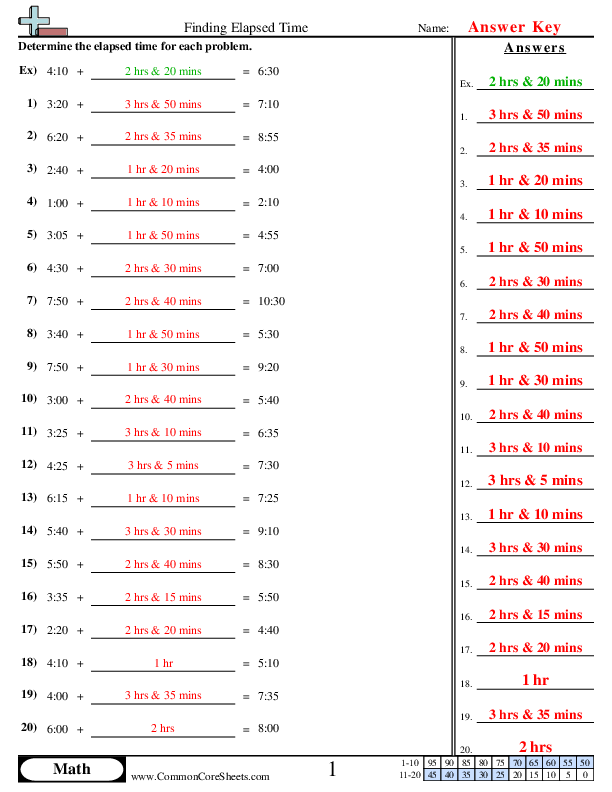
Elapsed time is essentially subtraction in disguise. When your child calculates how much time has passed between two moments, she’s performing the same operation as solving a subtraction problem, just with hours and minutes instead of plain numbers. For example, if school starts at 9:00 and ends at 11:00, your first grader needs to figure out that 2 hours have passed. This reinforces subtraction skills while building real-world application.
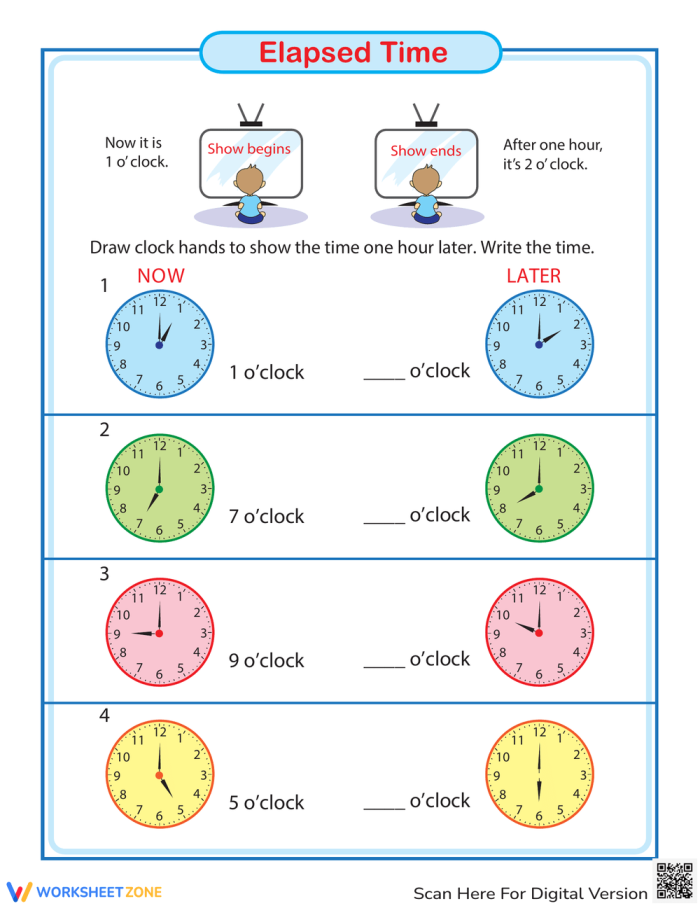
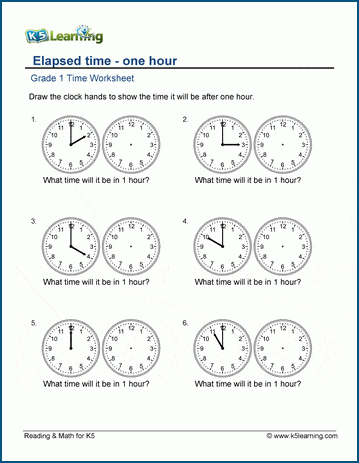
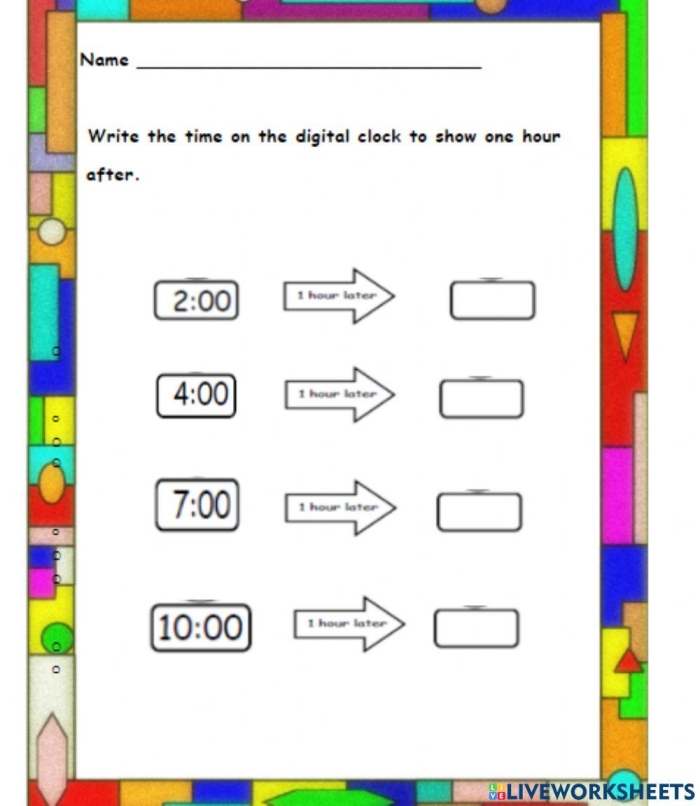
The beauty of teaching elapsed time in first grade is that you can start with simple one-hour intervals. Begin with scenarios your child experiences daily: “We started playing at 2:00 and stopped at 3:00. How long did we play?” Once she grasps this concept, you can gradually introduce problems with 30-minute increments or multiple hours.
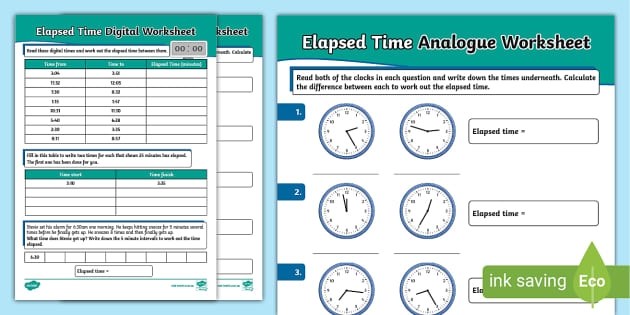
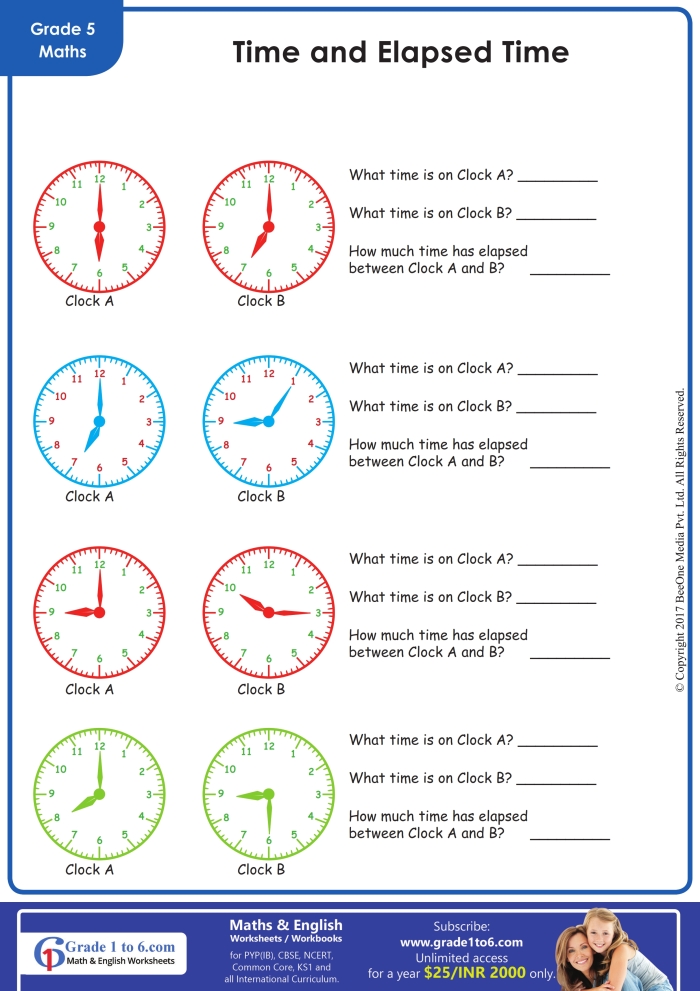
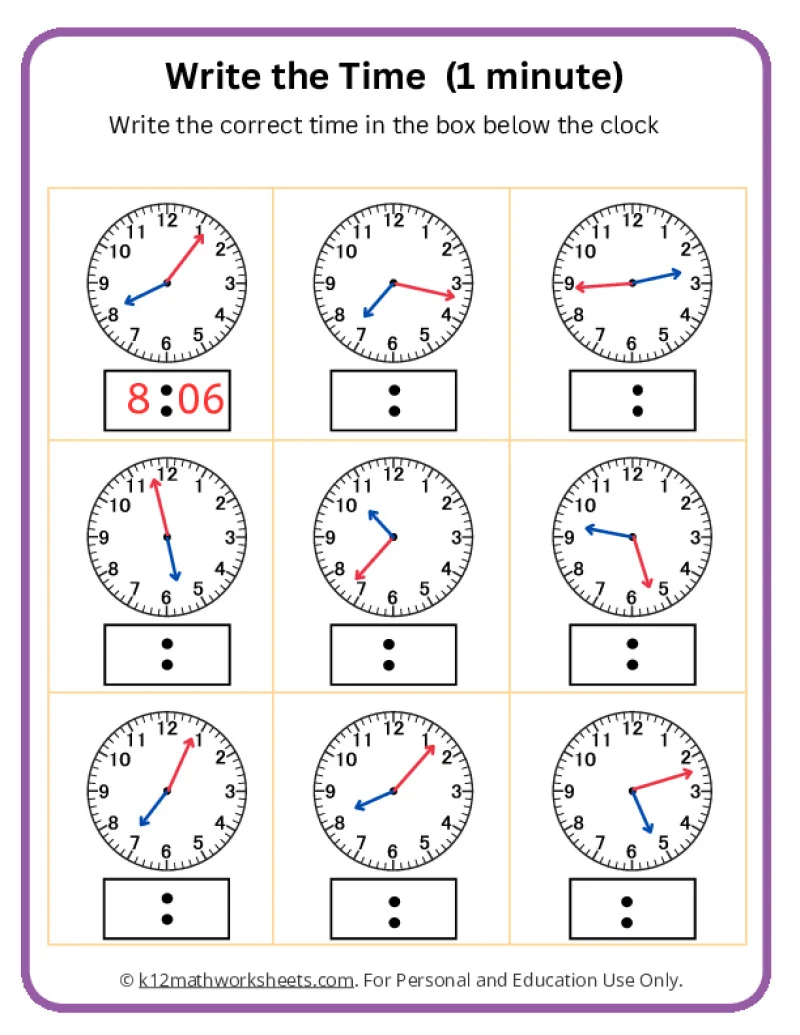
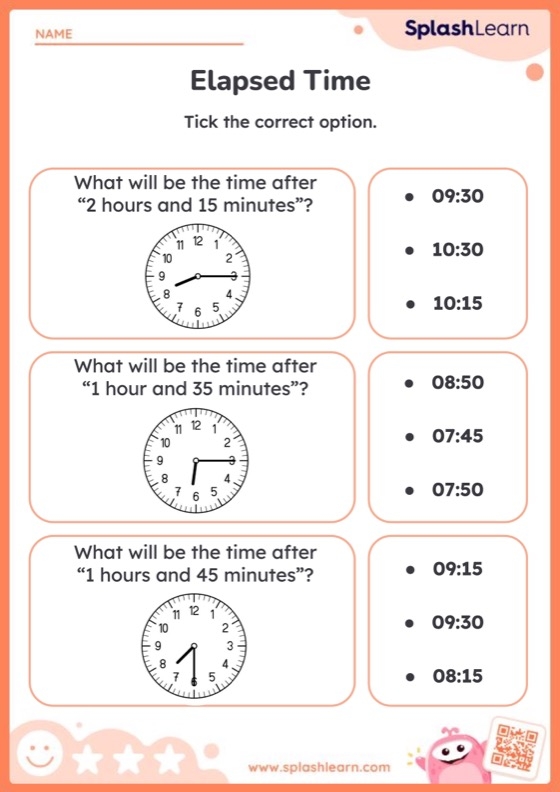
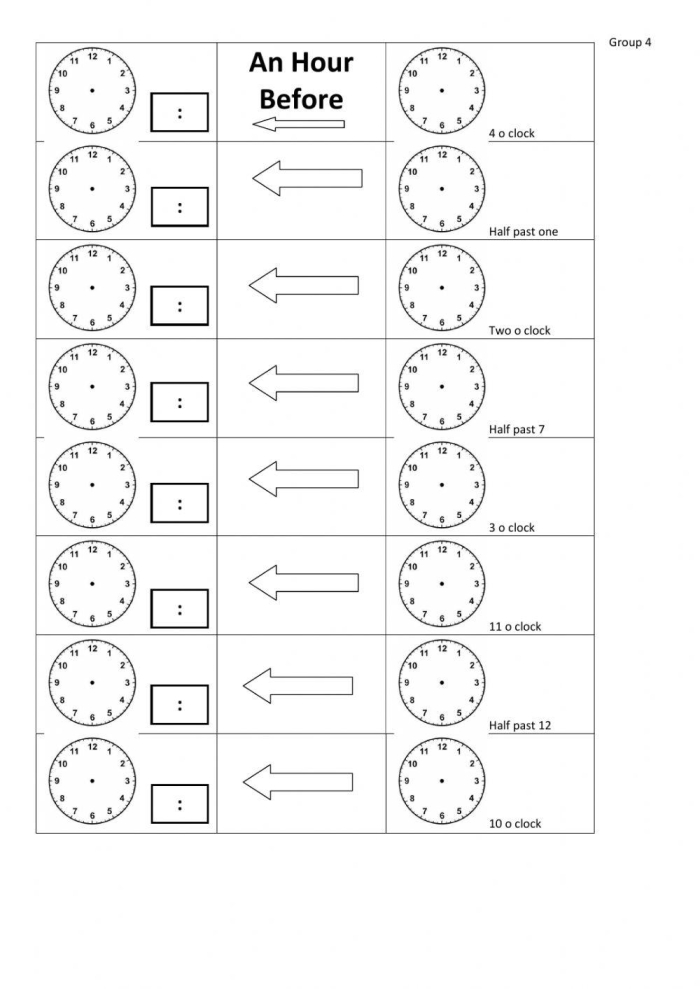
Hands-on practice works best. Use a clock with movable hands and let her physically move the minute hand while counting the hours that pass. Worksheets focused on time and money concepts for first grade can provide structured practice alongside other math skills.
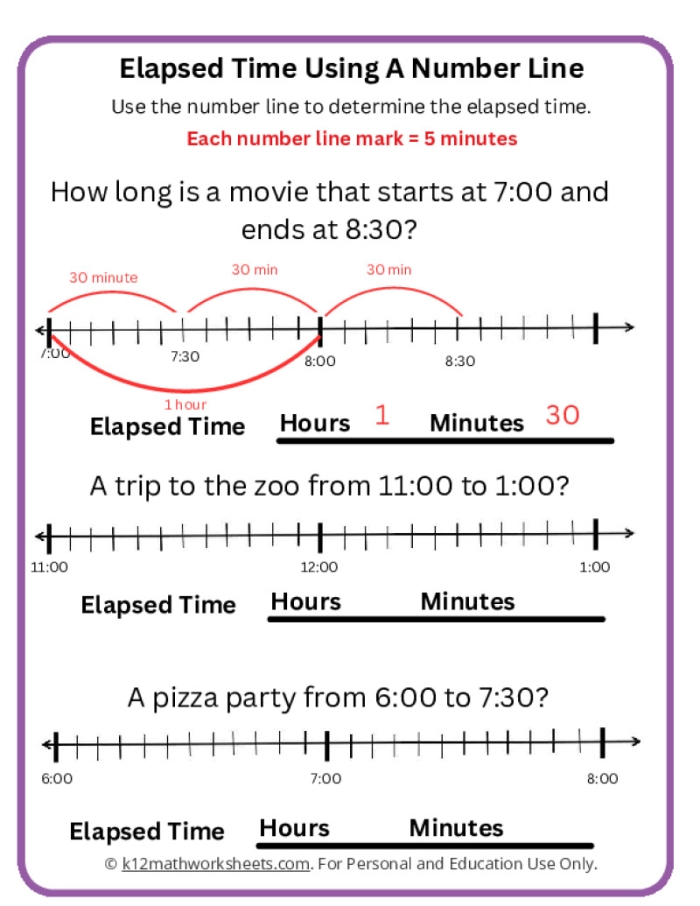
Visual learners benefit from number lines showing the start time and end time, with the elapsed time marked in between. This concrete representation helps children see that time is a measurable quantity that can be counted and calculated.
The key is patience and repetition. Some children grasp elapsed time quickly, while others need several weeks of practice. Either way, you’re building foundational skills that will serve her well in second grade and beyond.
Download These Worksheets for Practice