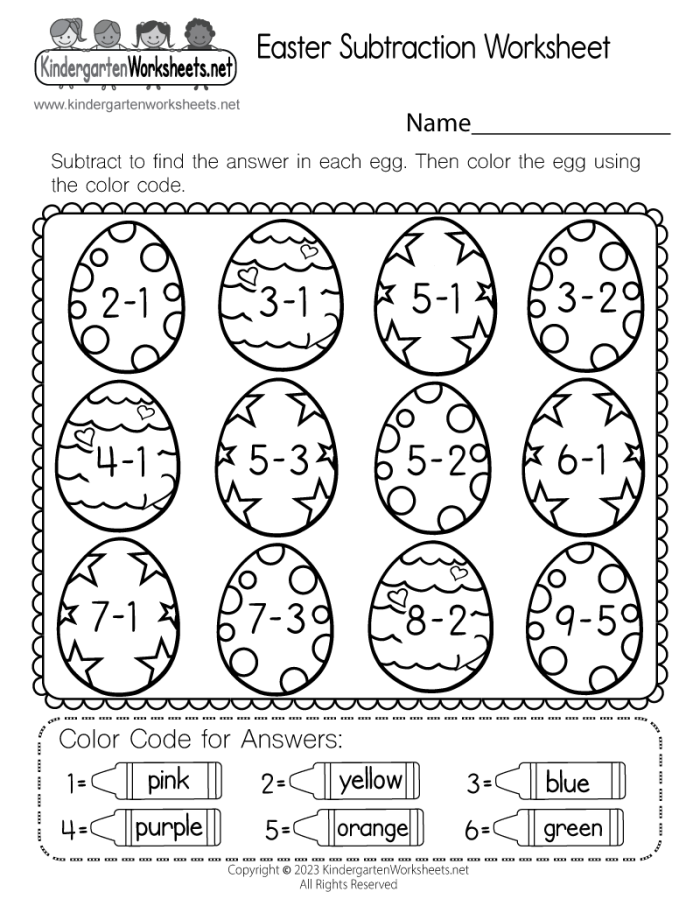
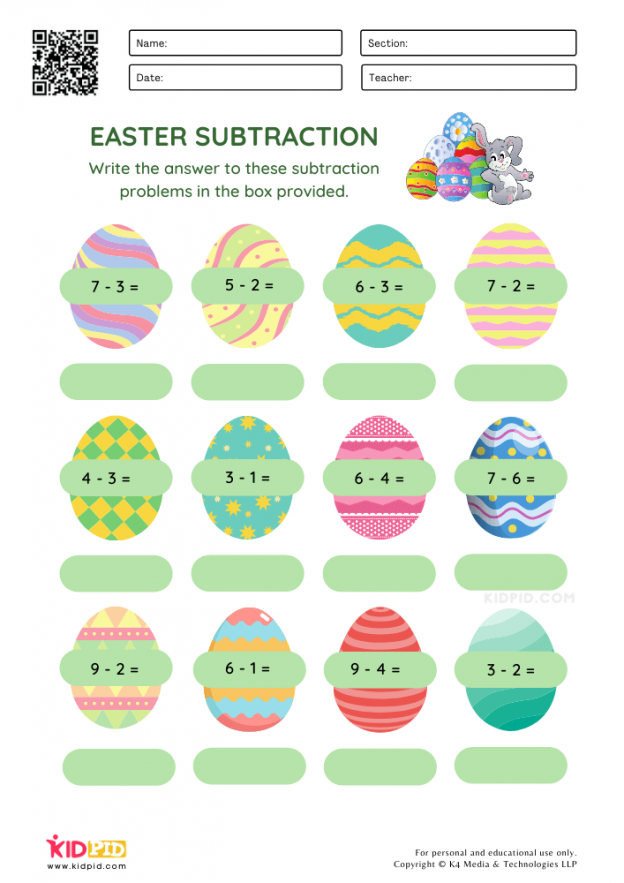
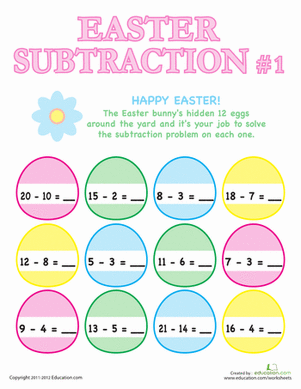
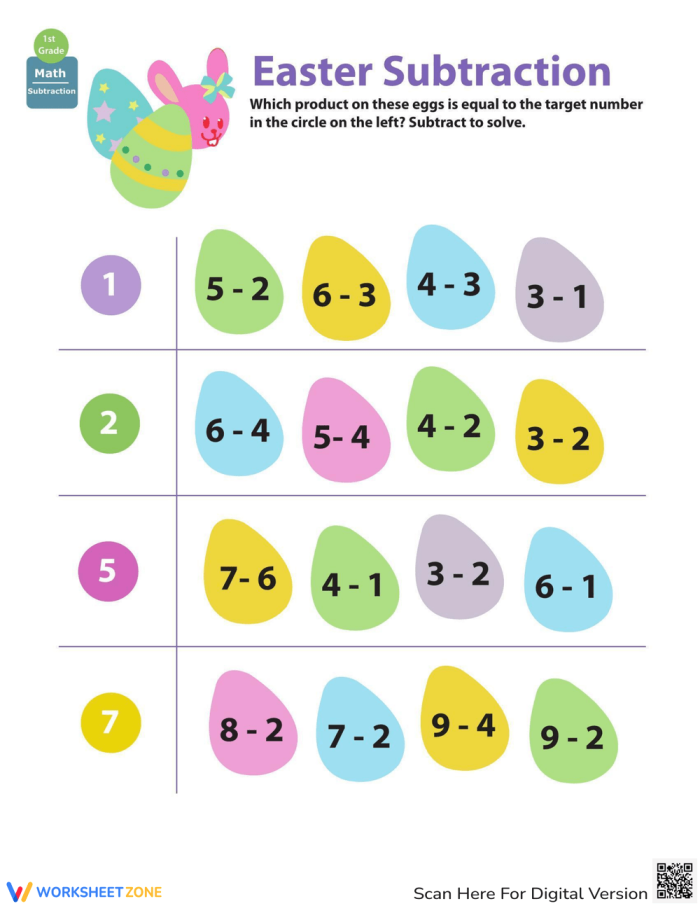
The Easter bunny’s been busy hiding colorful eggs all over the yard, and this year there’s a twist. Each one contains a subtraction problem waiting for your first grader to discover and solve. It’s a clever way to turn a holiday tradition into a math learning opportunity without making it feel like work.
This approach works because first graders are naturally curious about finding hidden items. When they crack open an egg and spot a math problem inside, the discovery itself creates excitement. Instead of sitting at a table with a worksheet, your child is moving around the yard, staying active, and solving problems in context. The physical hunt keeps their energy up while their brain stays engaged with numbers.
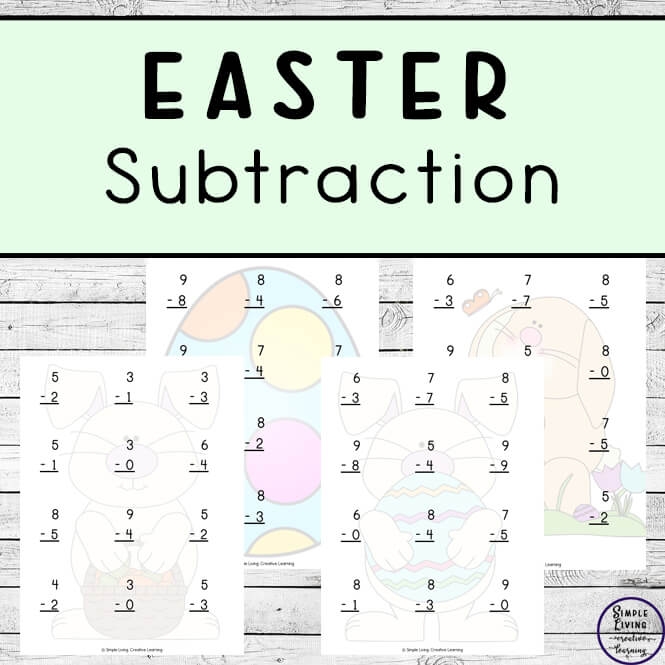
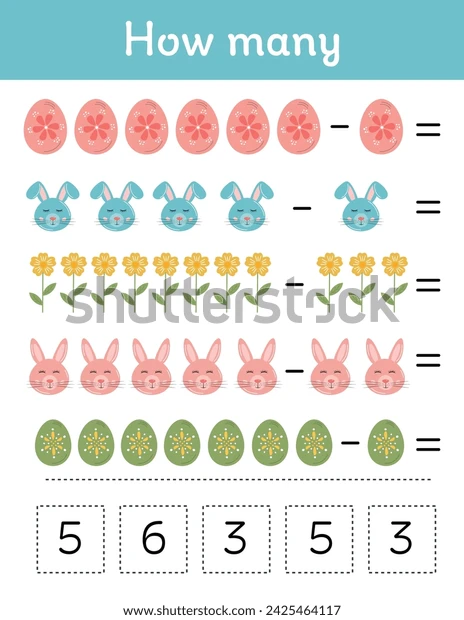
Subtraction at the first grade level typically focuses on problems within 10 or 20. An Easter egg might contain something simple like “8 – 3 = ?” or slightly more complex depending on where your child is in their learning. The variety of problems hidden around the yard means your first grader encounters mixed operations in a natural sequence rather than drilling the same concept repeatedly.
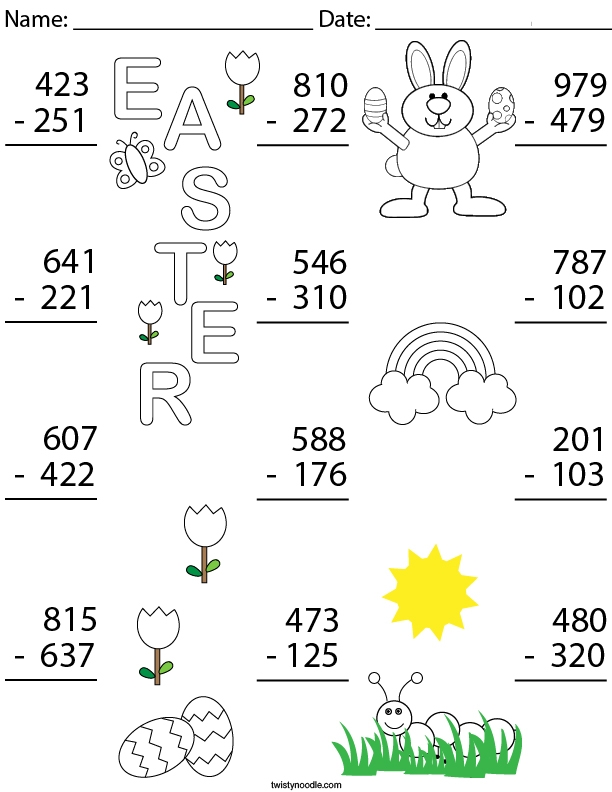
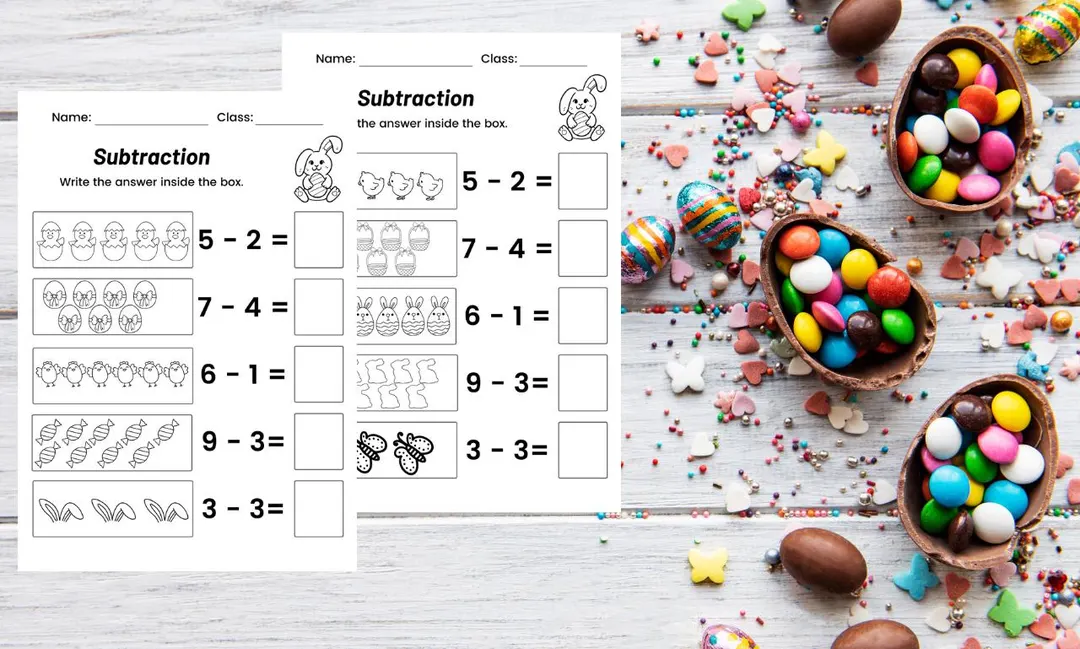
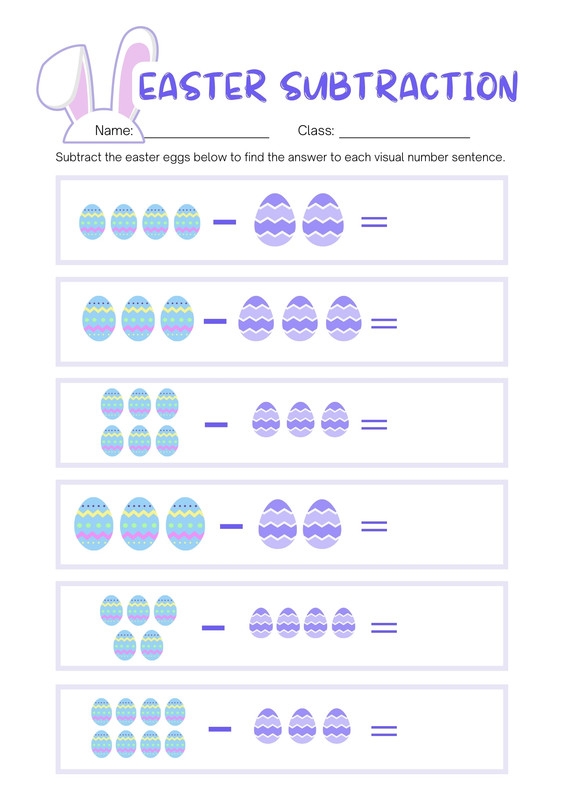
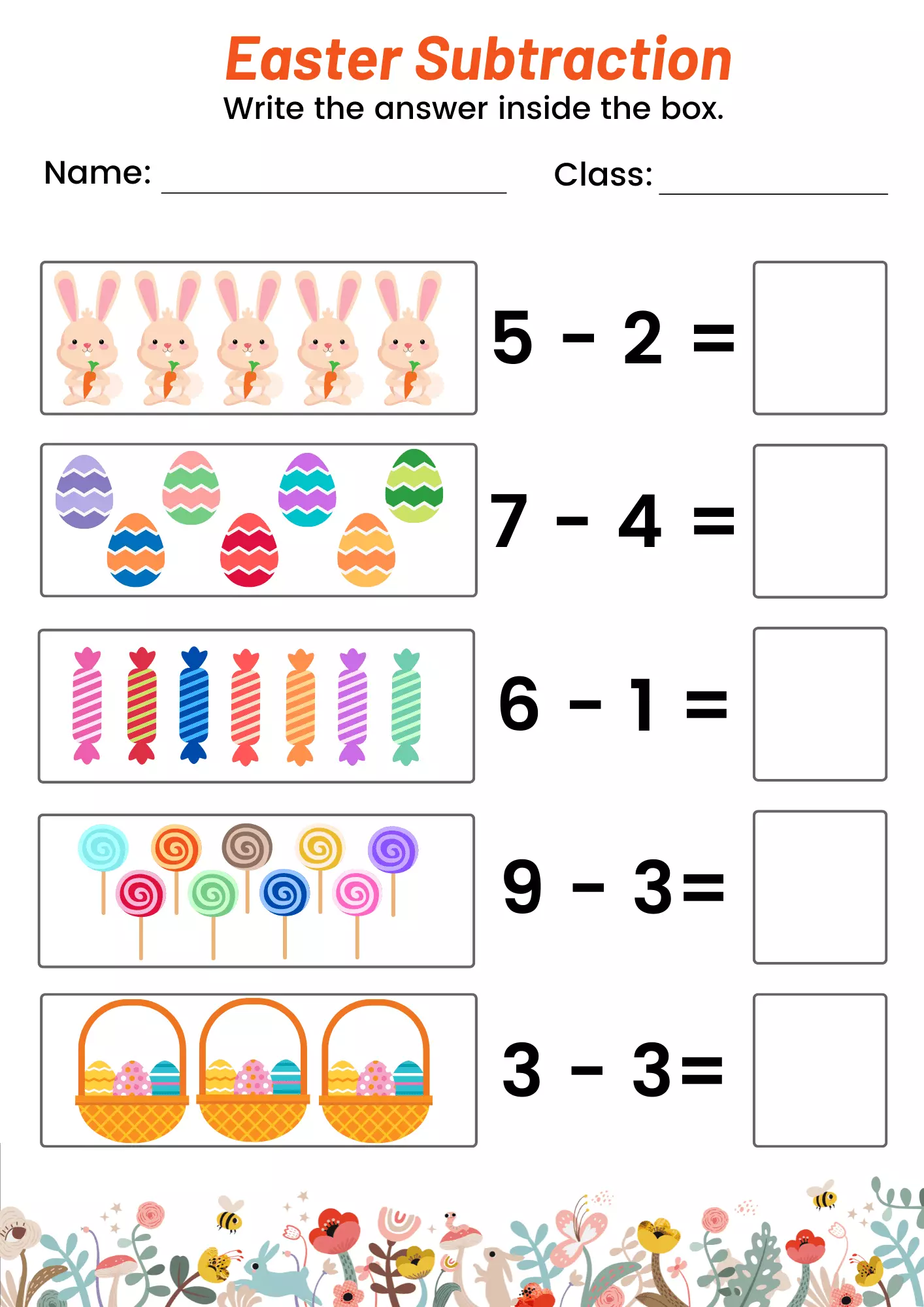
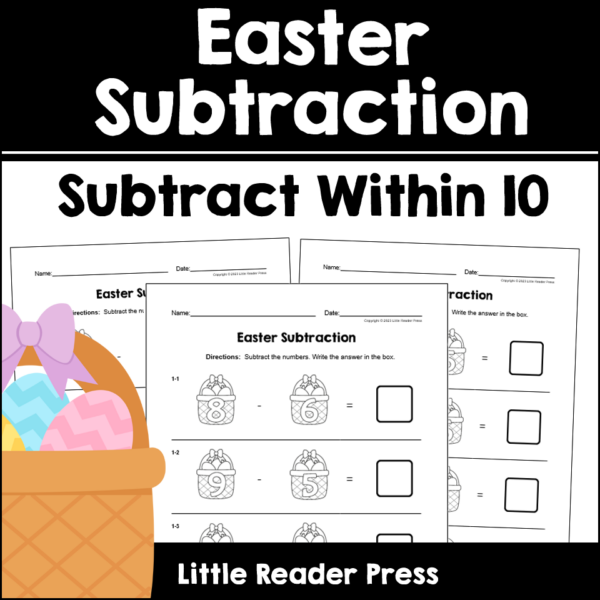
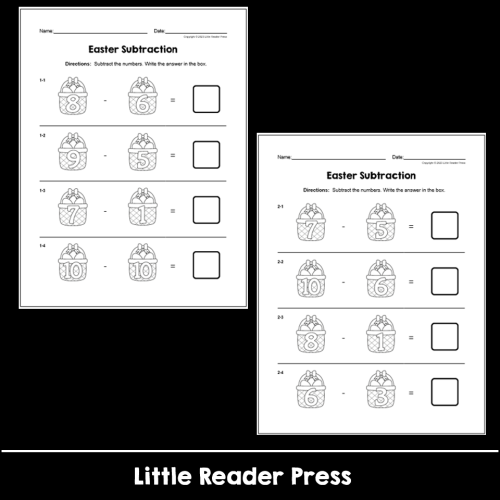
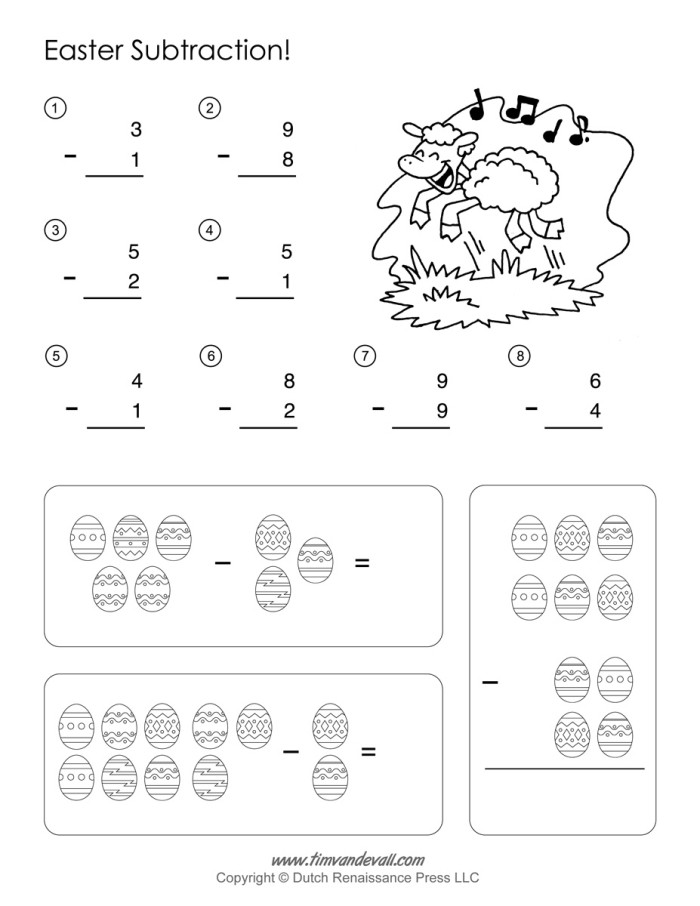
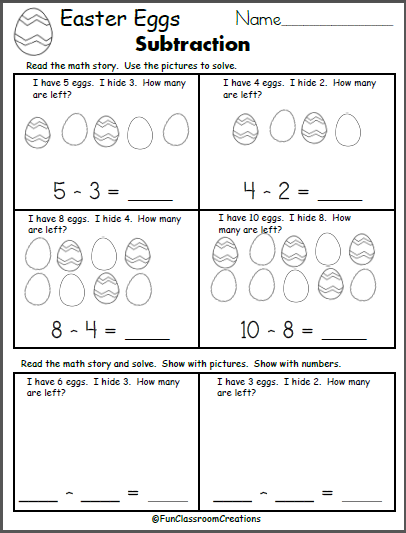
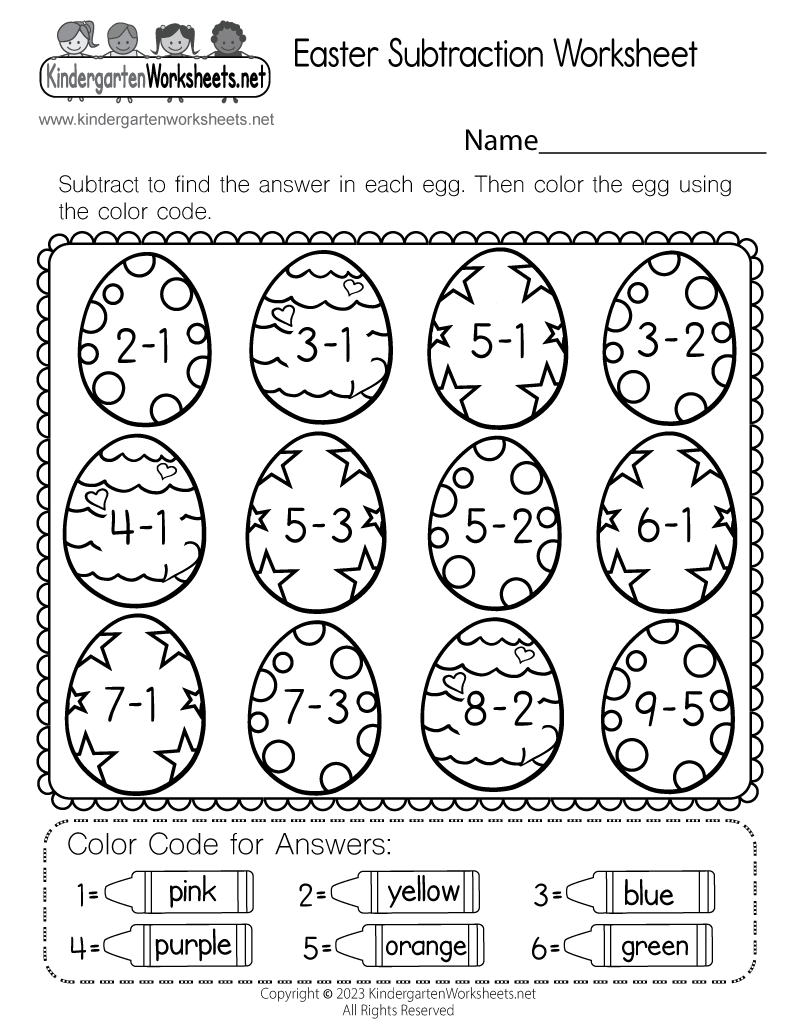
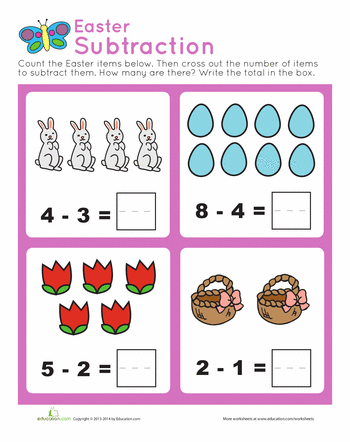
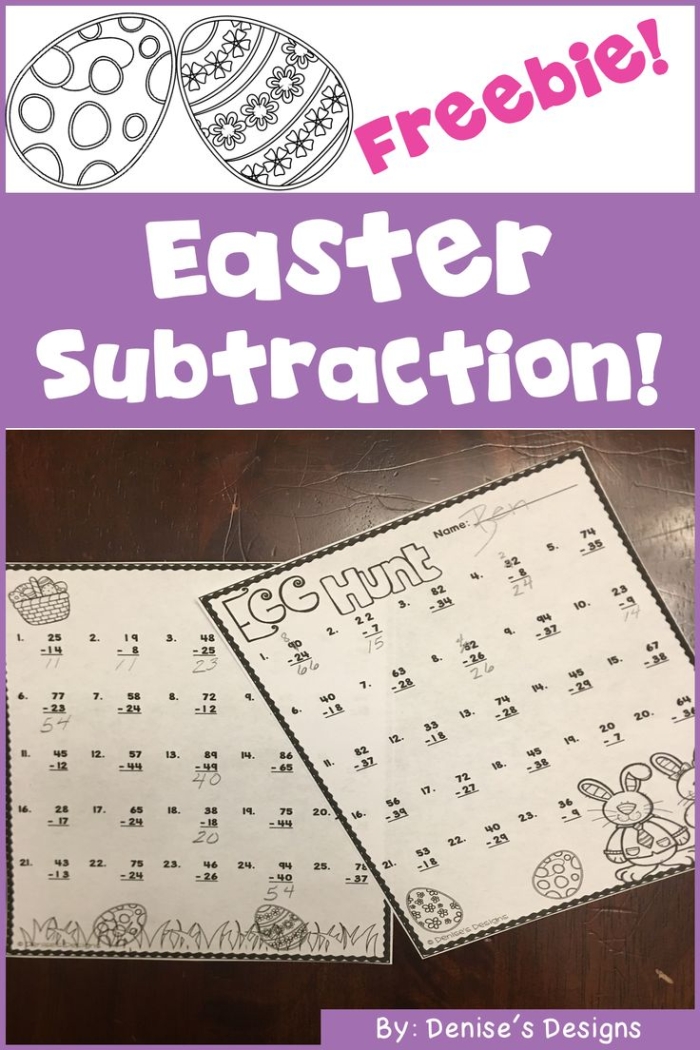
To set this up effectively, write subtraction problems on small cards before hiding them inside plastic eggs. Keep the numbers manageable so your child can solve them mentally or with fingers if needed. You can even use this as a springboard for other learning activities. After the hunt, your first grader might enjoy working through similar problems on worksheets focused on adding and subtracting within 10 to reinforce the skills they practiced outside.
The beauty of combining Easter traditions with math practice is that it removes pressure. Your child associates the holiday with fun rather than frustration, making them more willing to tackle math challenges in the future.
Grab These Worksheets Now