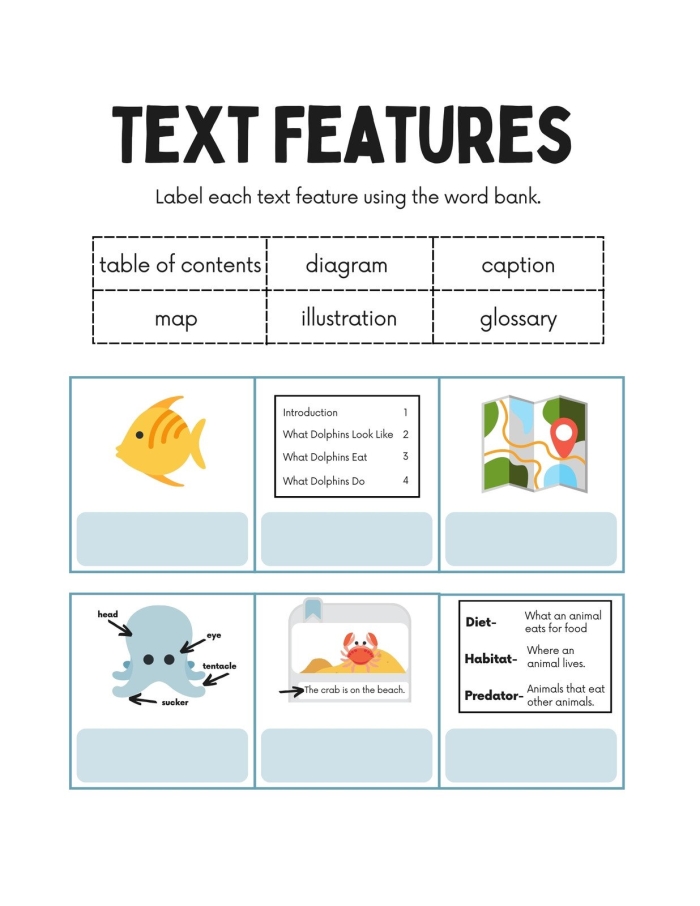
Text features are essential tools that enhance a reader’s understanding of a topic. For fourth graders, learning how to appreciate these features, especially when studying subjects like earthquakes, can significantly improve their comprehension skills. By engaging with text features, students can extract vital information that might otherwise go unnoticed.
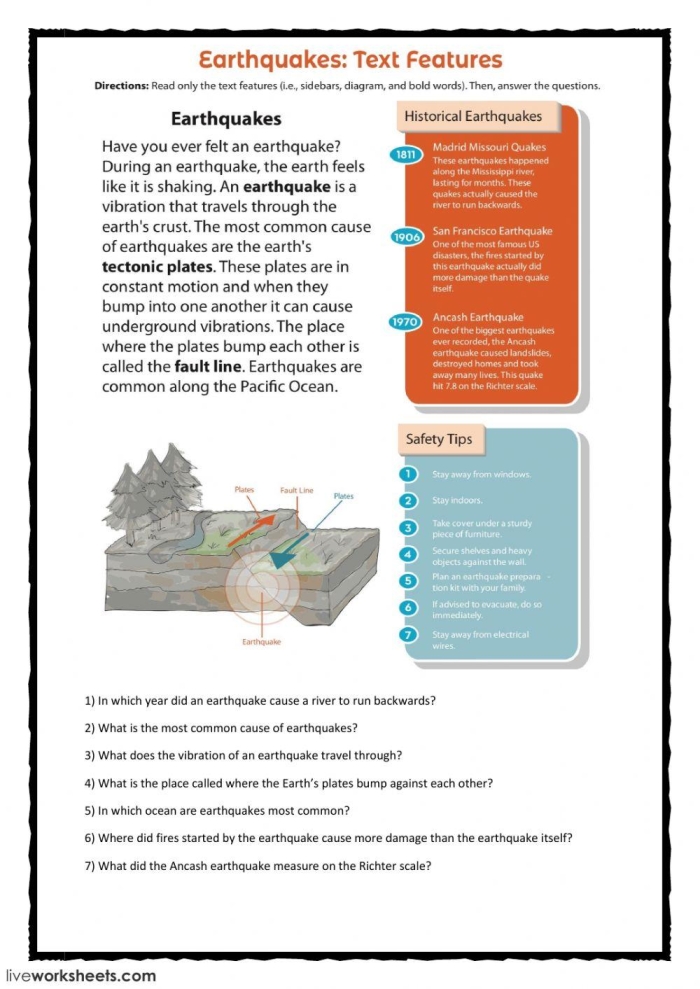
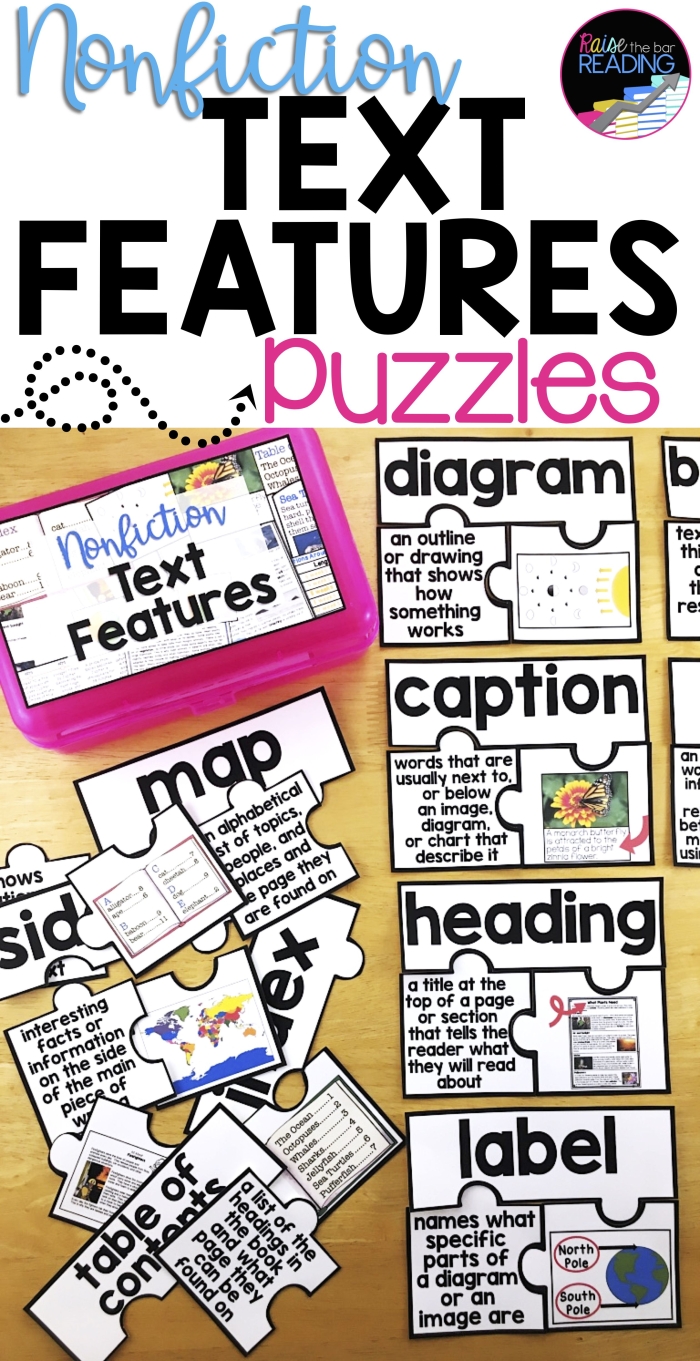
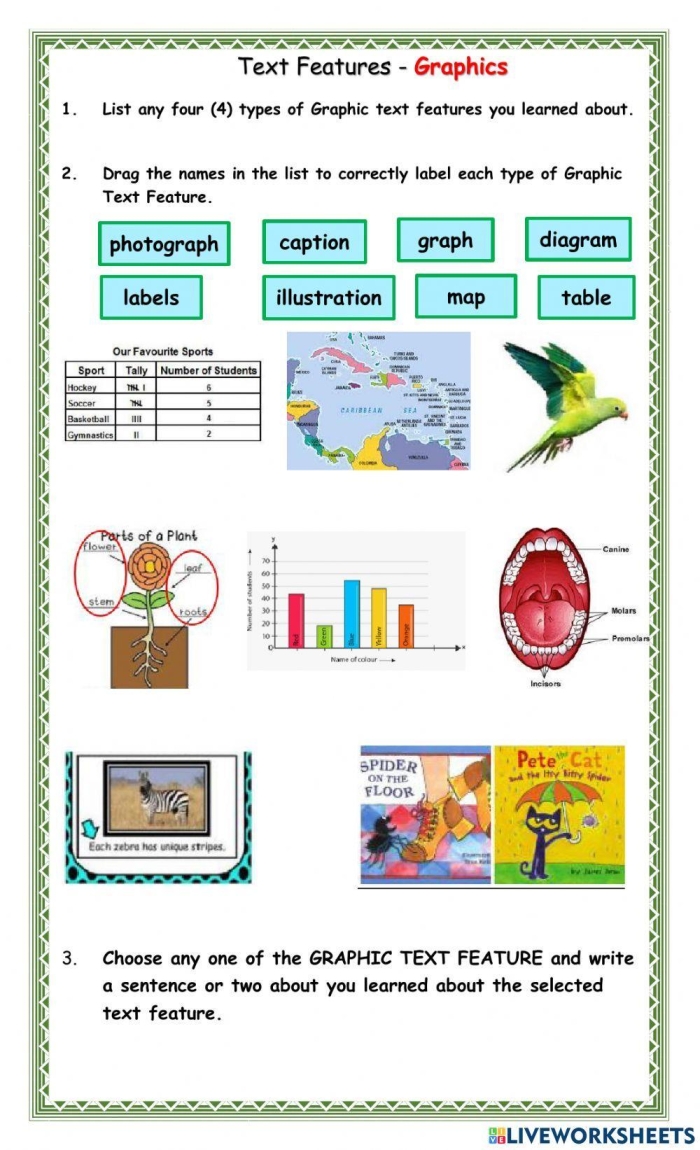
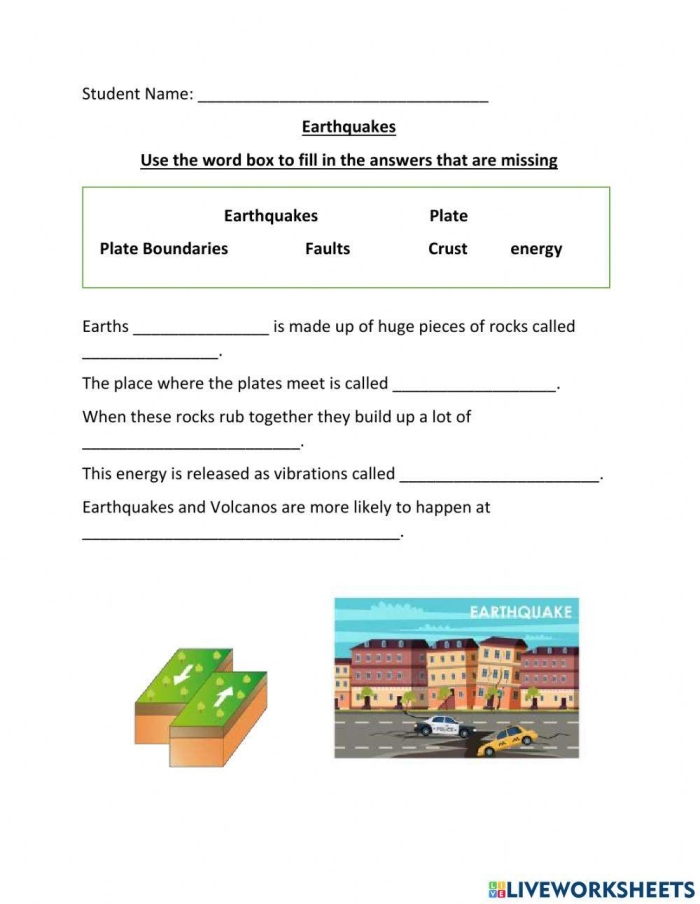
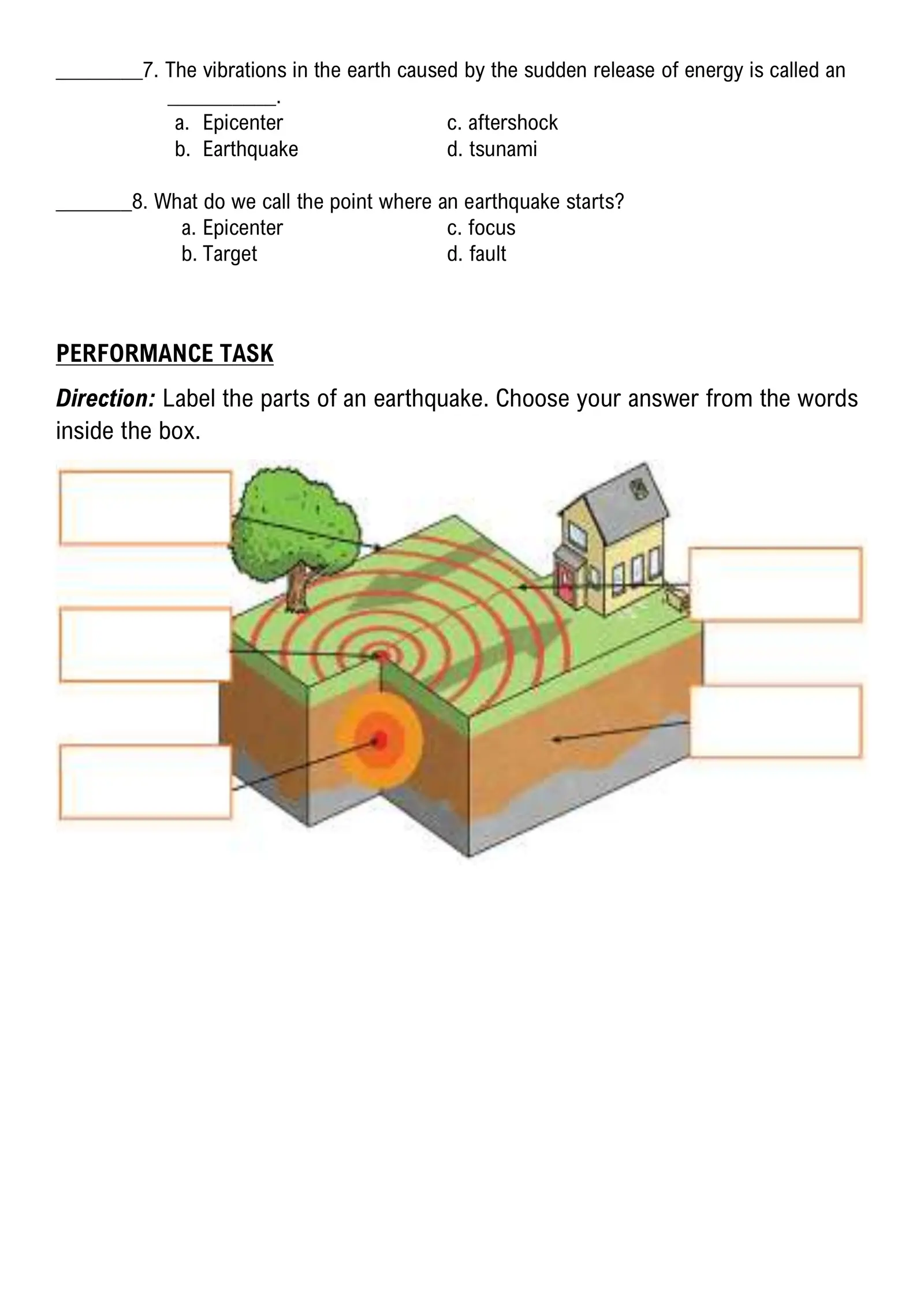
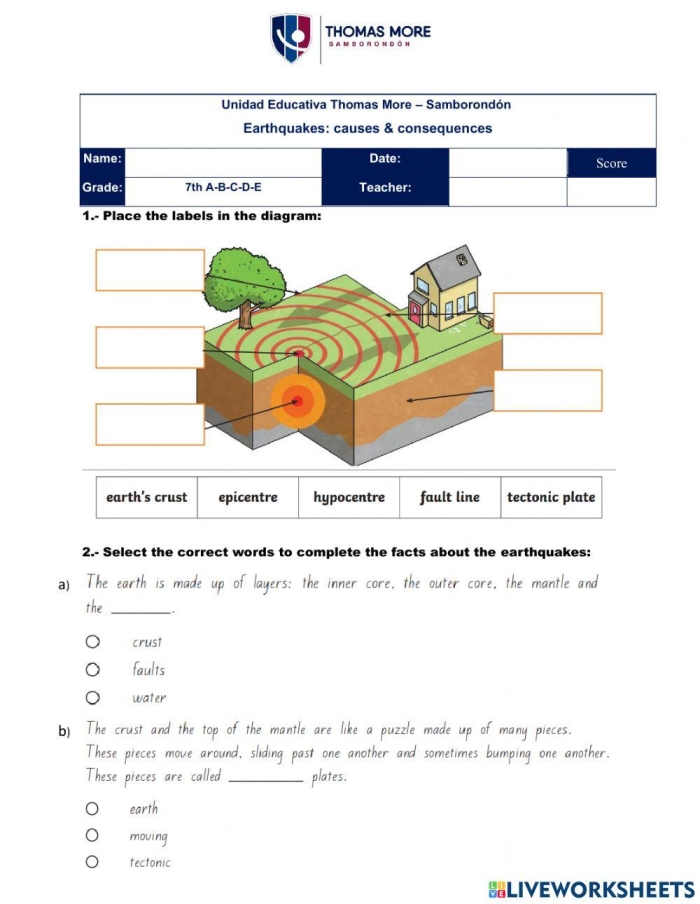
Consider a typical informational text about earthquakes. This text might include headings, subheadings, bolded terms, charts, and images. Each of these elements serves a purpose. Headings tell students what to expect in that section, while bolded terms highlight key vocabulary that is crucial for understanding the topic. For example, when students see a diagram illustrating tectonic plates, they can visualize the concepts discussed in the text, making the information more relatable and easier to grasp.
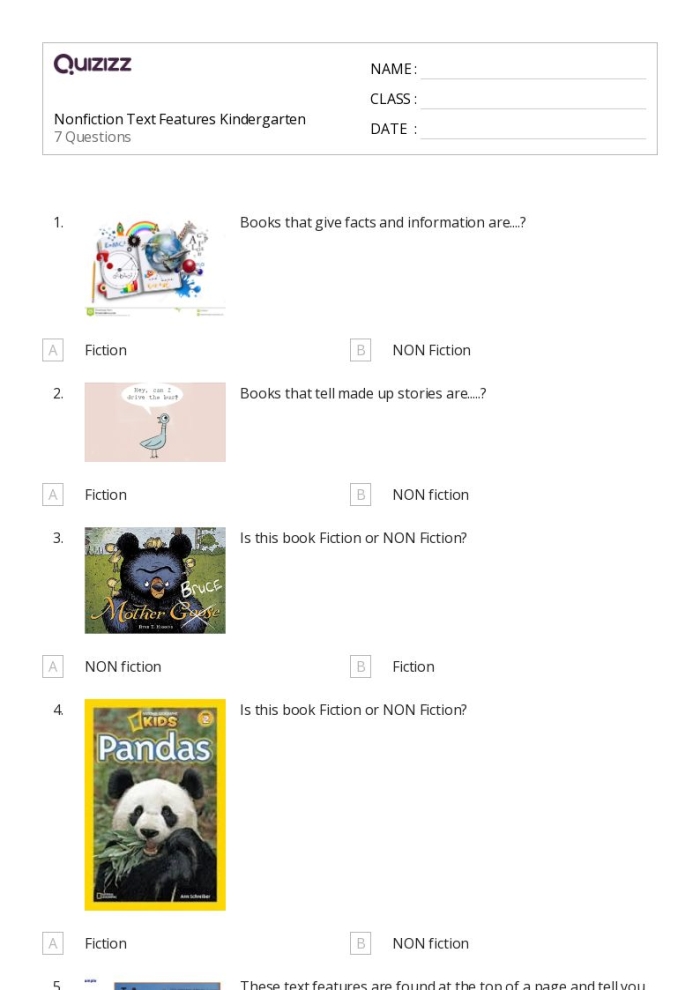
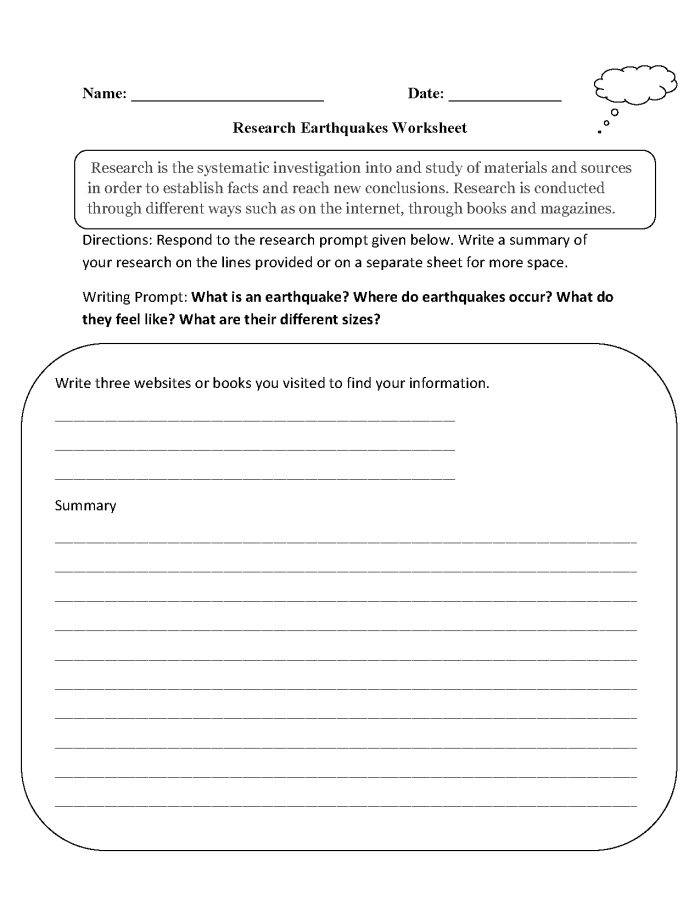
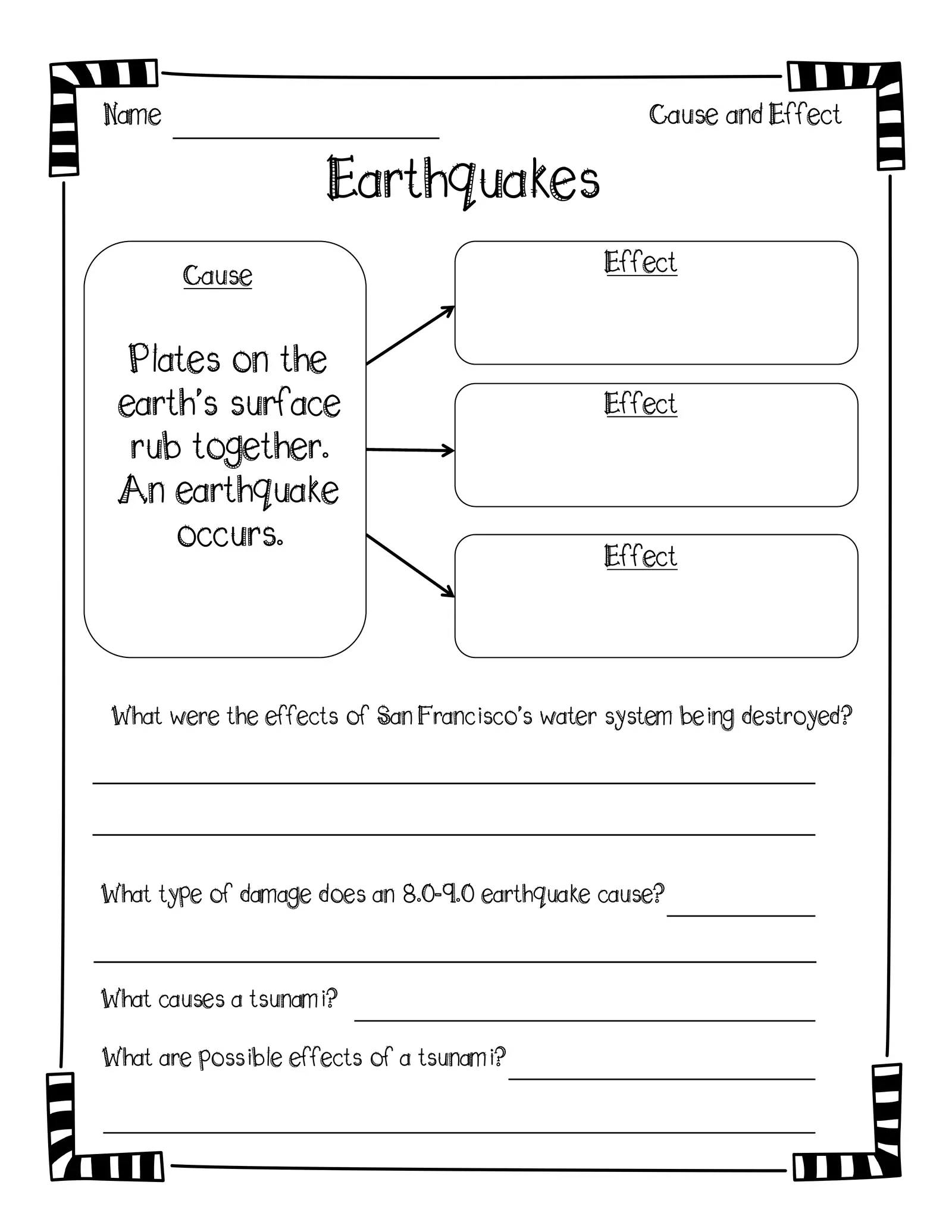
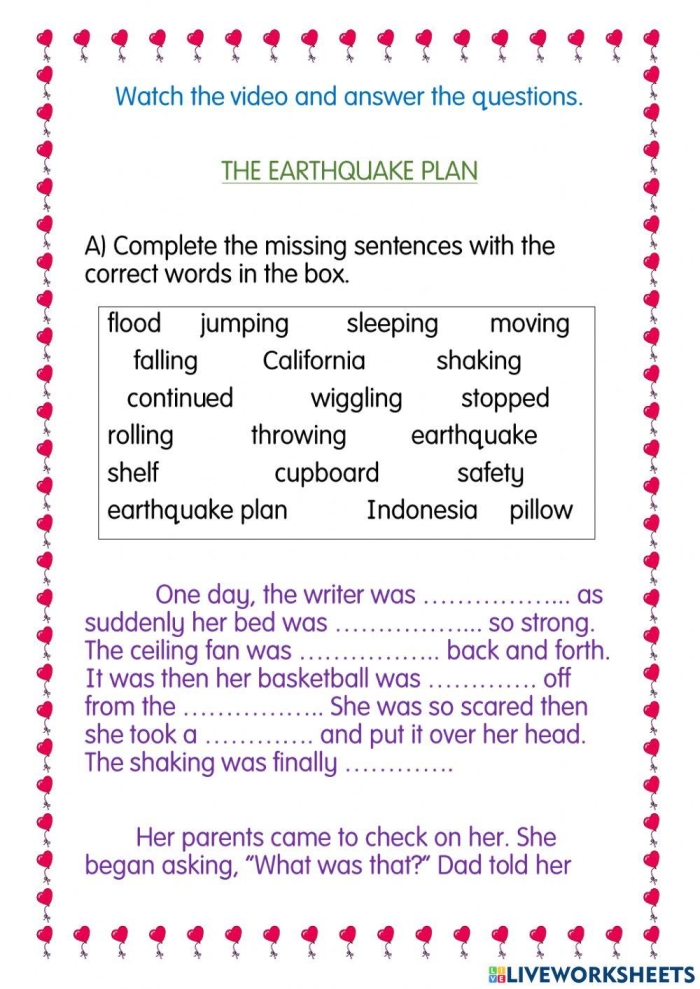
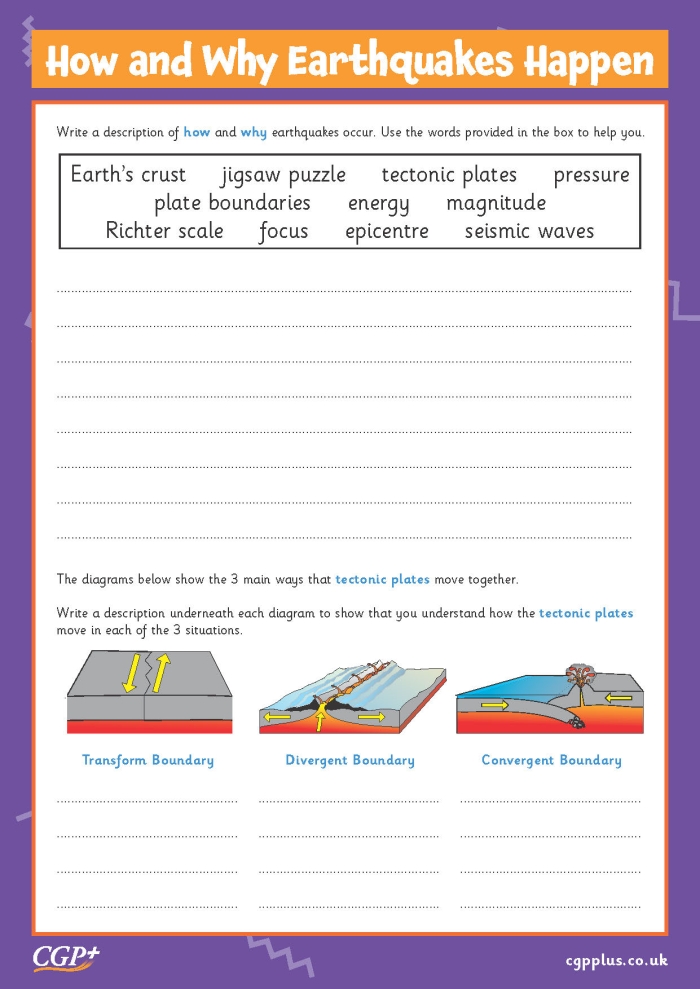
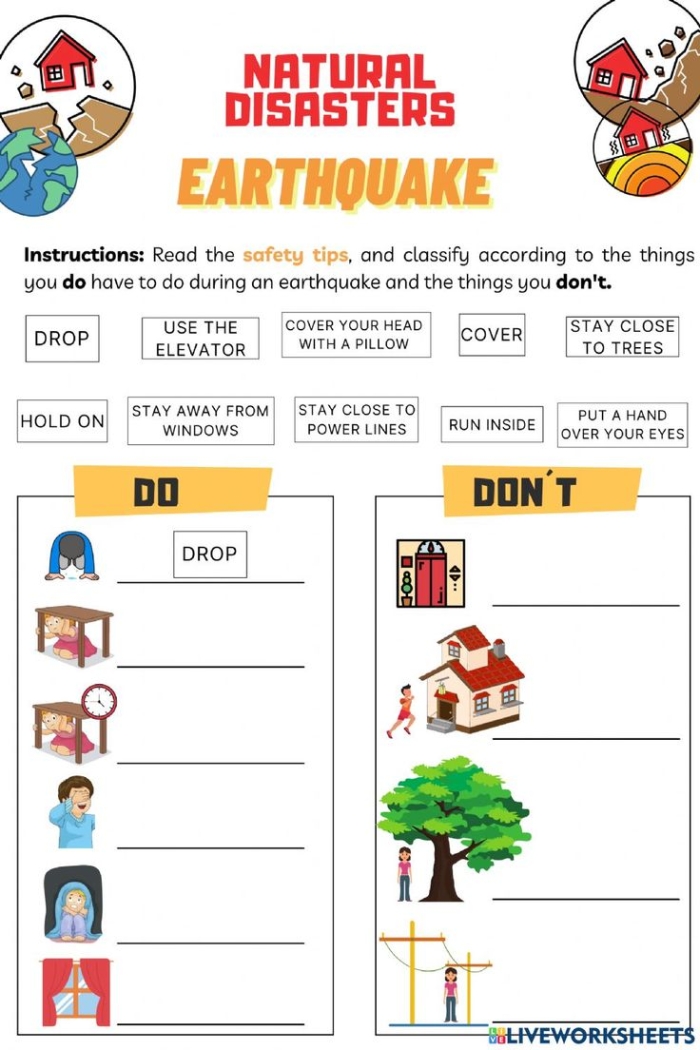
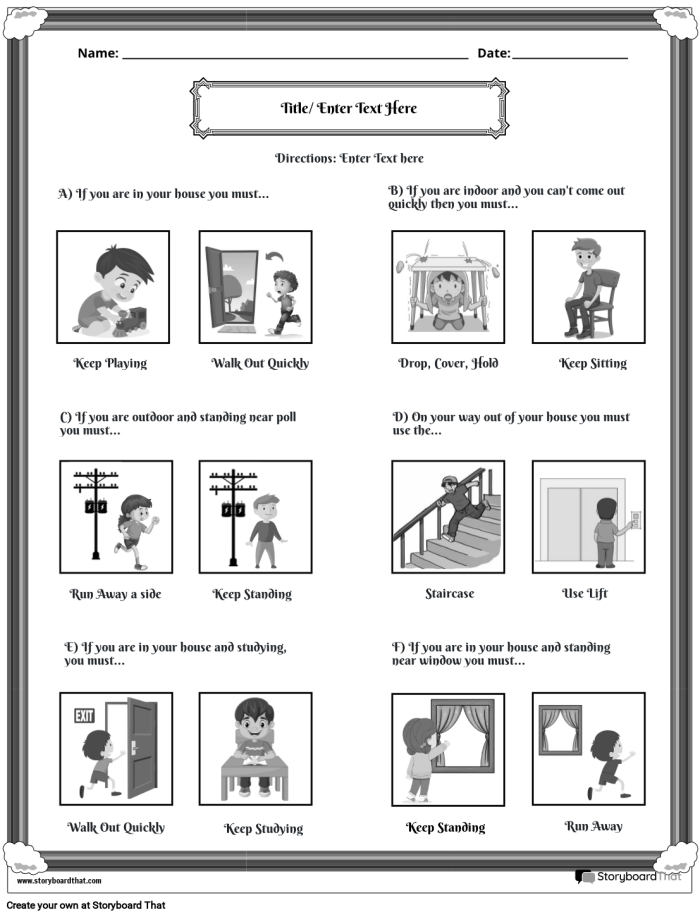
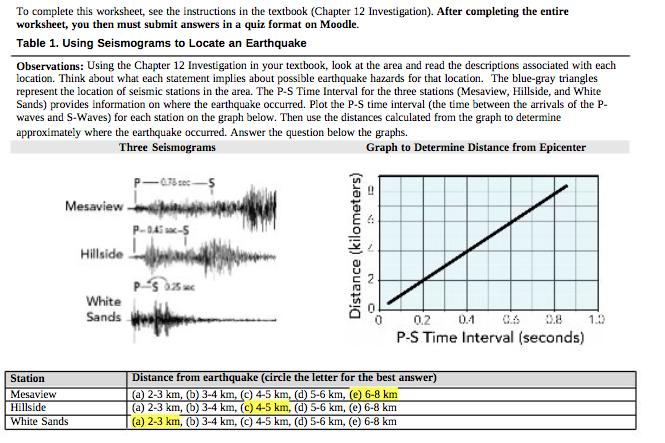
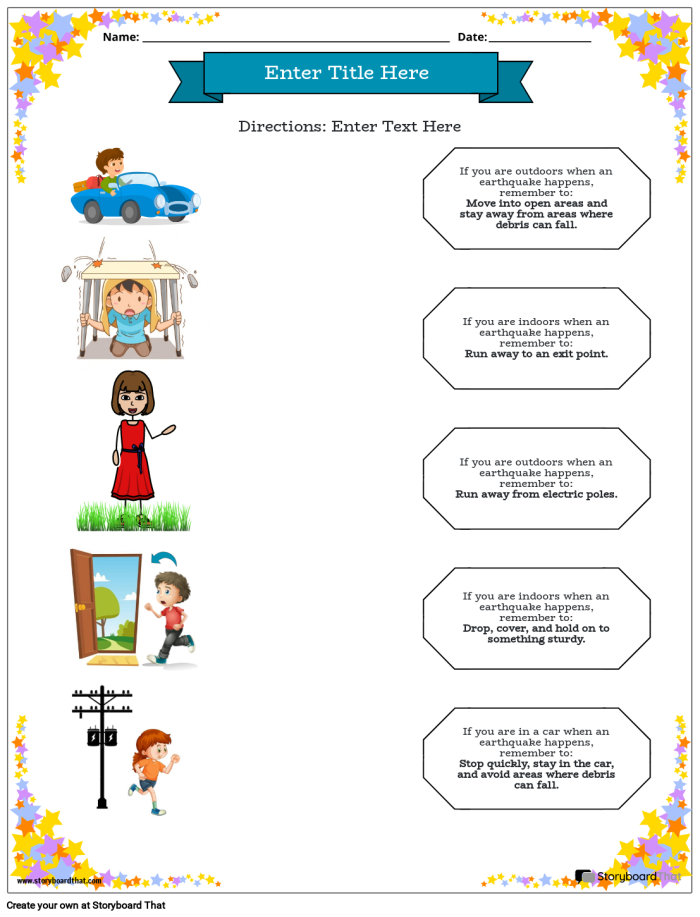
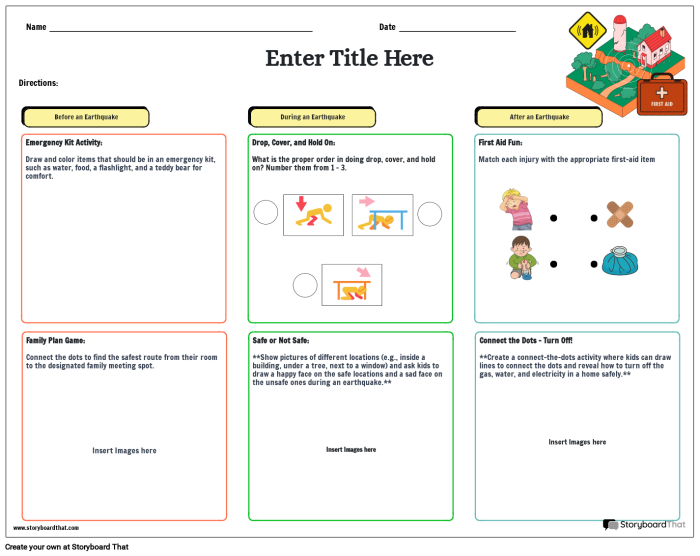
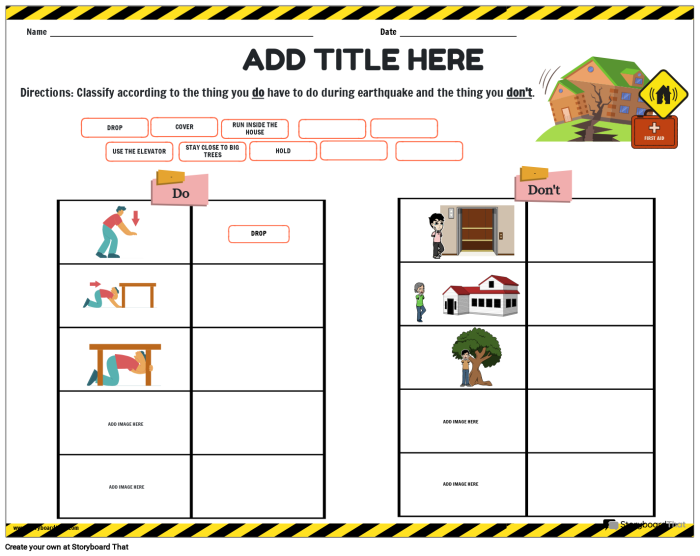
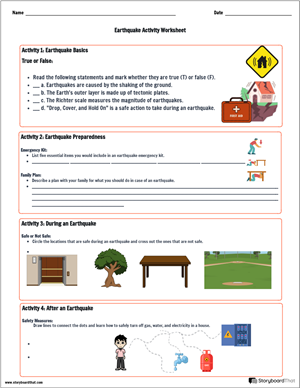
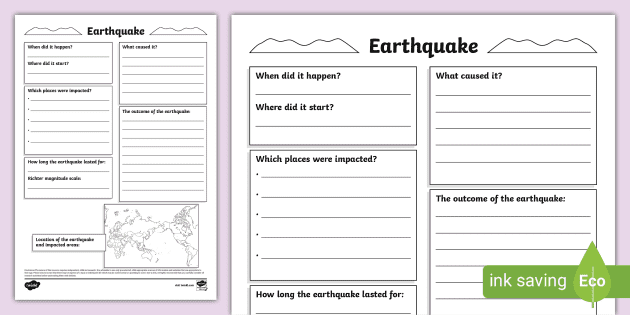
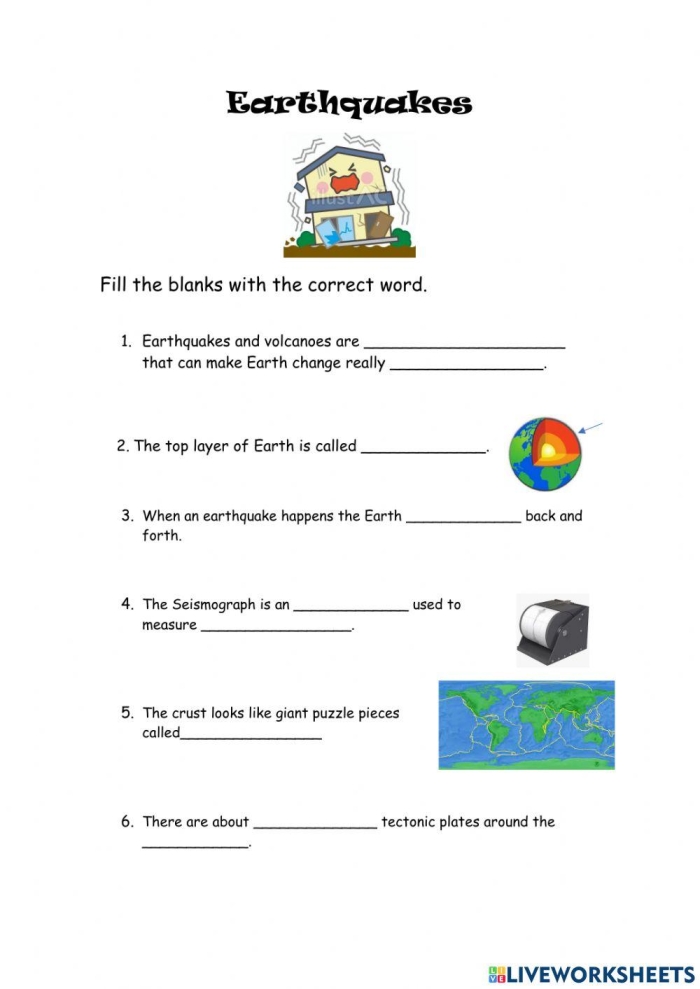
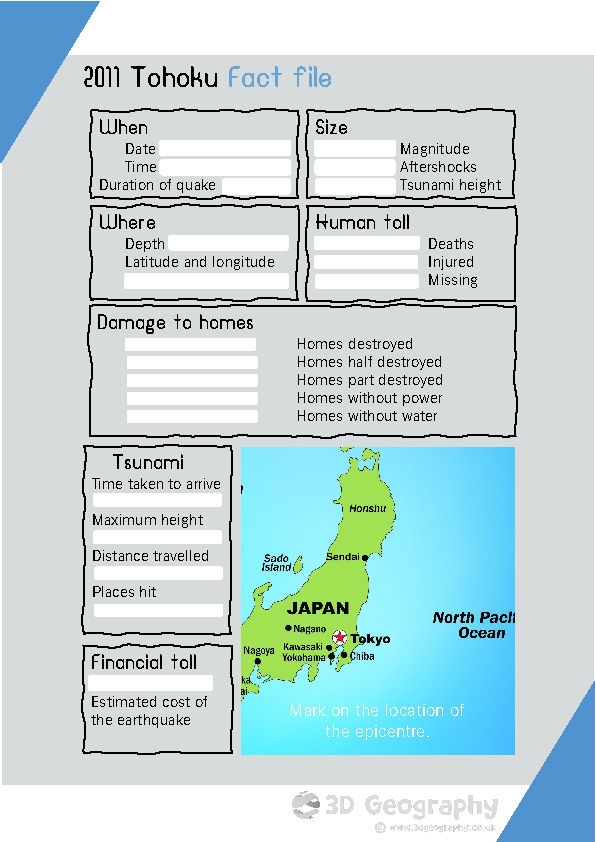
Using printable worksheets on earthquakes and text features can further reinforce these skills. These worksheets often include tasks that prompt students to identify and utilize various text features in real-world contexts. For instance, they might be asked to find a specific piece of information using a chart or to summarize a section based on the headings provided. This active engagement fosters a deeper appreciation for how text features organize and clarify information.
Moreover, when students learn to navigate text features, they become more independent readers. They can apply these skills across different subjects, enhancing their overall academic performance. Encouraging fourth graders to interact with and analyze text features not only aids in their understanding of earthquakes but also equips them with essential tools for future learning. By recognizing the value of these features, students can turn reading into a more dynamic and informative experience.
Worksheet Practice Section