When Pre-K students step outside to hunt for leaves, rocks, and insects, they’re doing more than just playing. They’re building foundational skills in observation and categorization that connect directly to early math concepts like place value. These nature-based activities work best when paired with creative follow-up projects that let children process what they’ve discovered.
Rock painting is one of the most accessible ways to blend outdoor exploration with artistic expression. A child might collect smooth stones during a nature walk, then paint them with patterns or animal designs back in the classroom. This hands-on experience naturally introduces sorting and grouping, skills that underpin place value understanding. When a Pre-K student organizes their painted rocks by color or size, they’re practicing the same logical thinking required to understand tens and ones.
Recycled art projects take this further by adding environmental awareness to the creative process. Old newspapers, cardboard tubes, and plastic containers become materials for collage or sculpture. Children learn that materials can be transformed and reused, while also engaging in the spatial reasoning that supports mathematical thinking. Activities like identifying which things don’t belong in a group complement these hands-on projects perfectly.
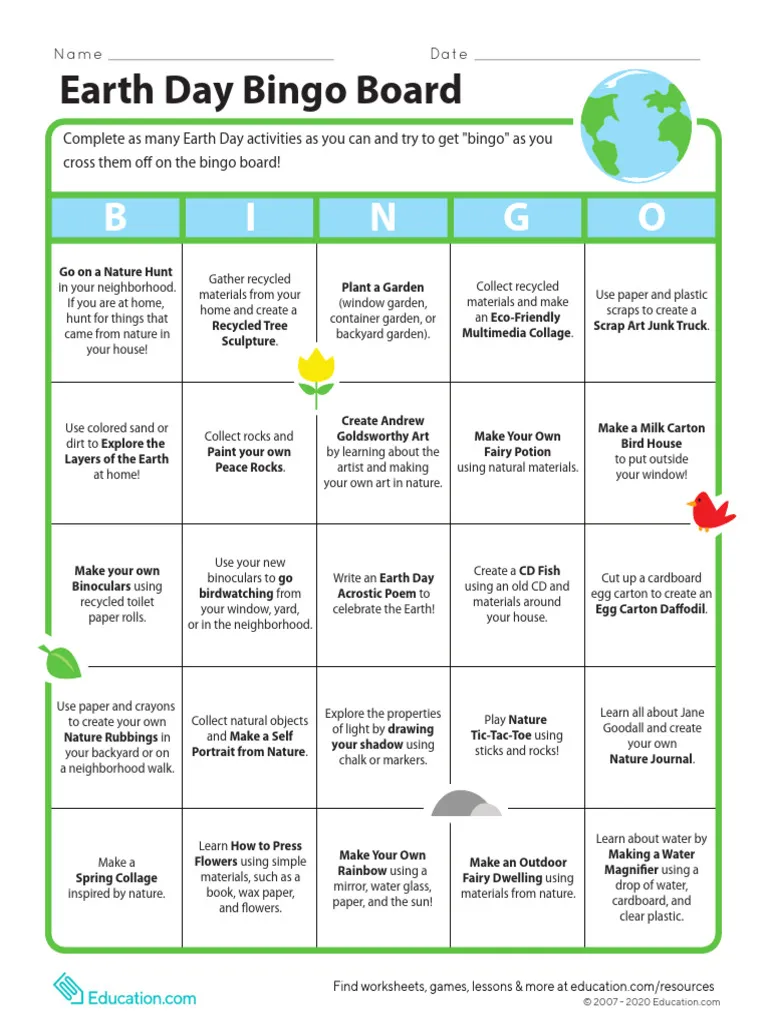
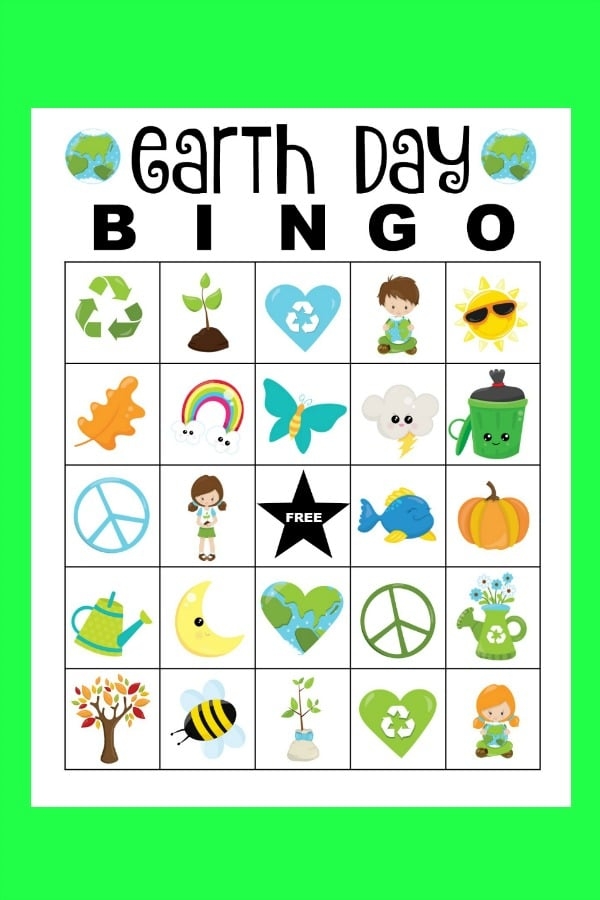
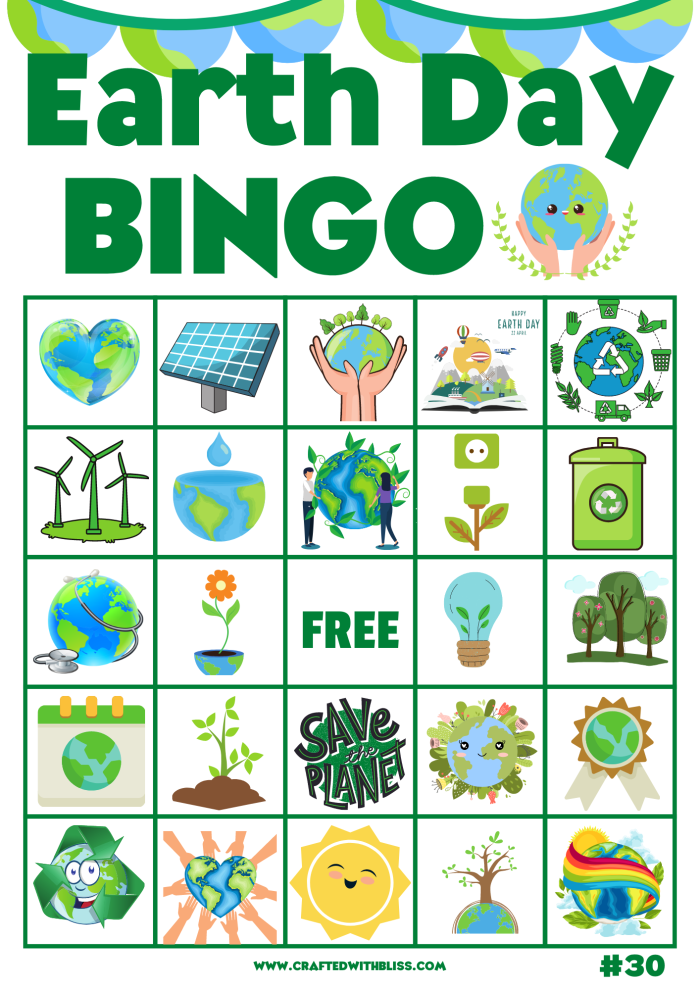
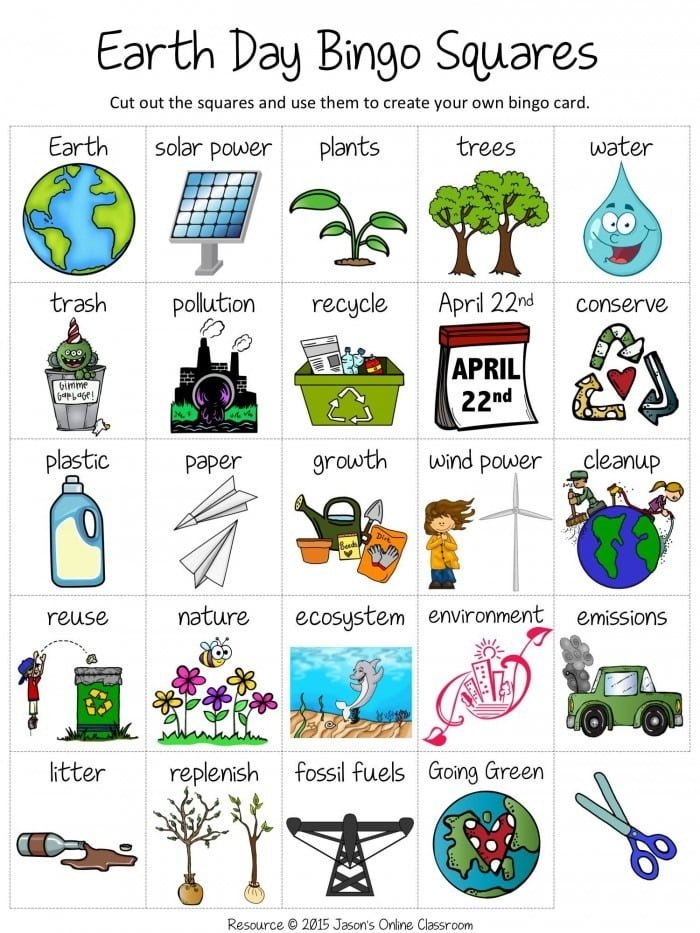
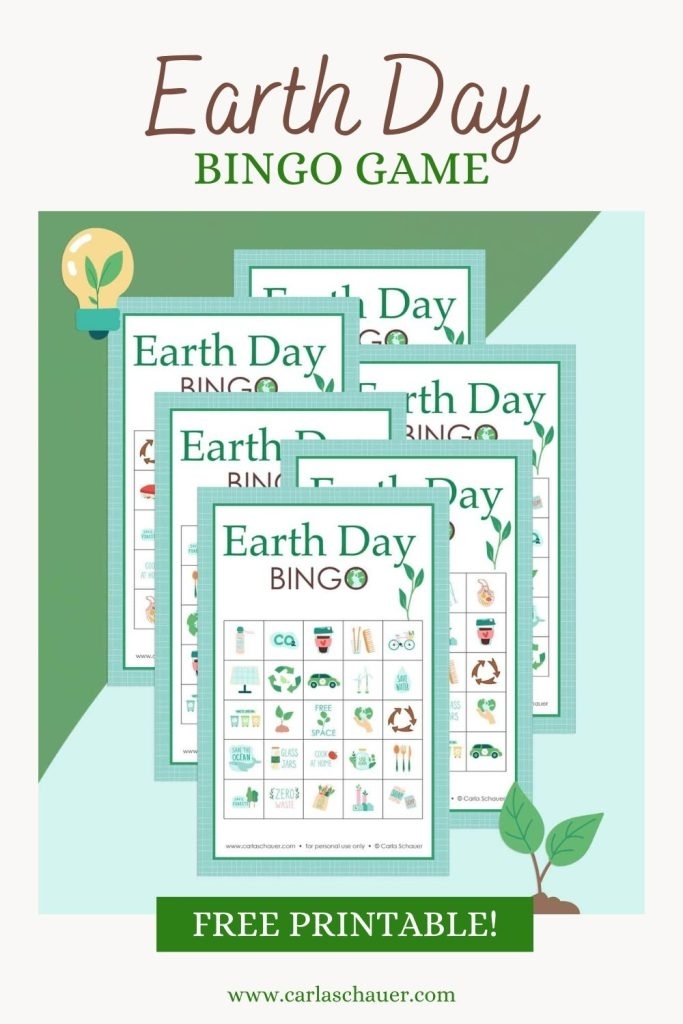
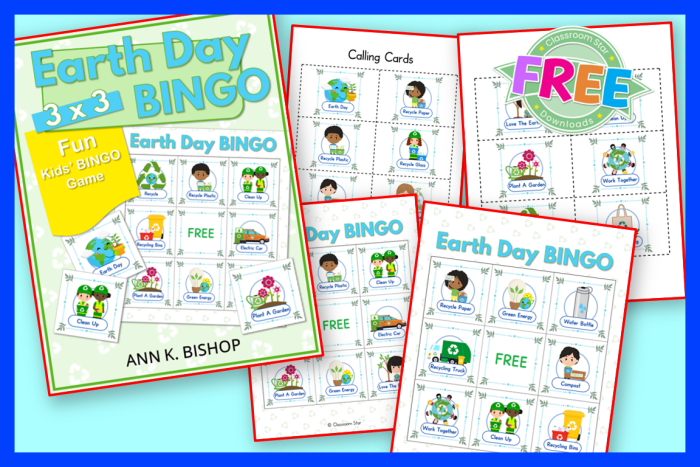
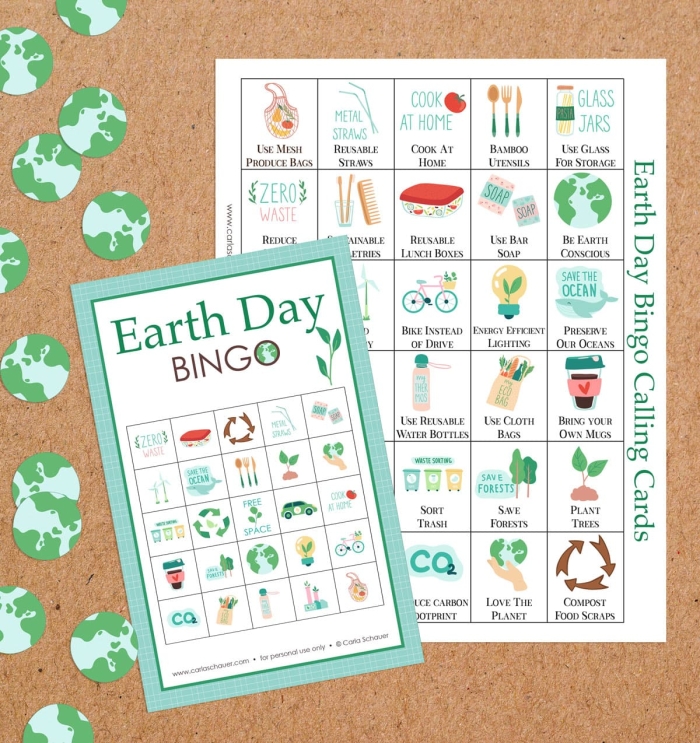
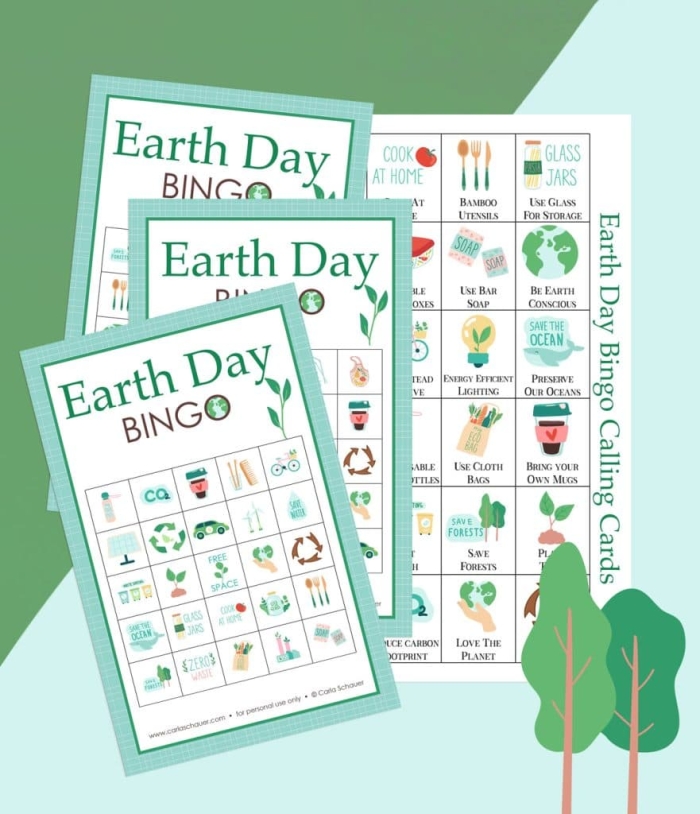
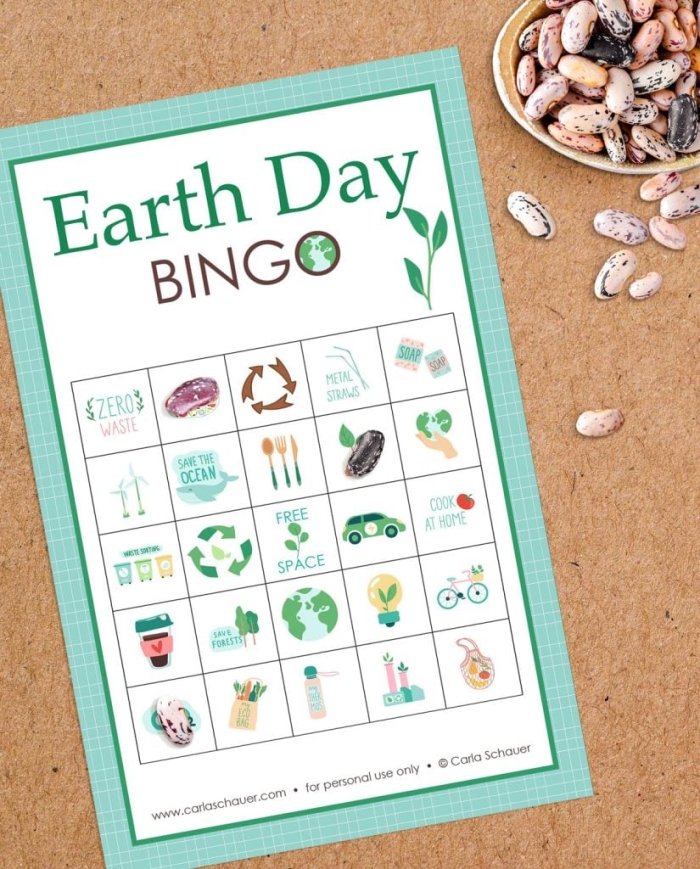
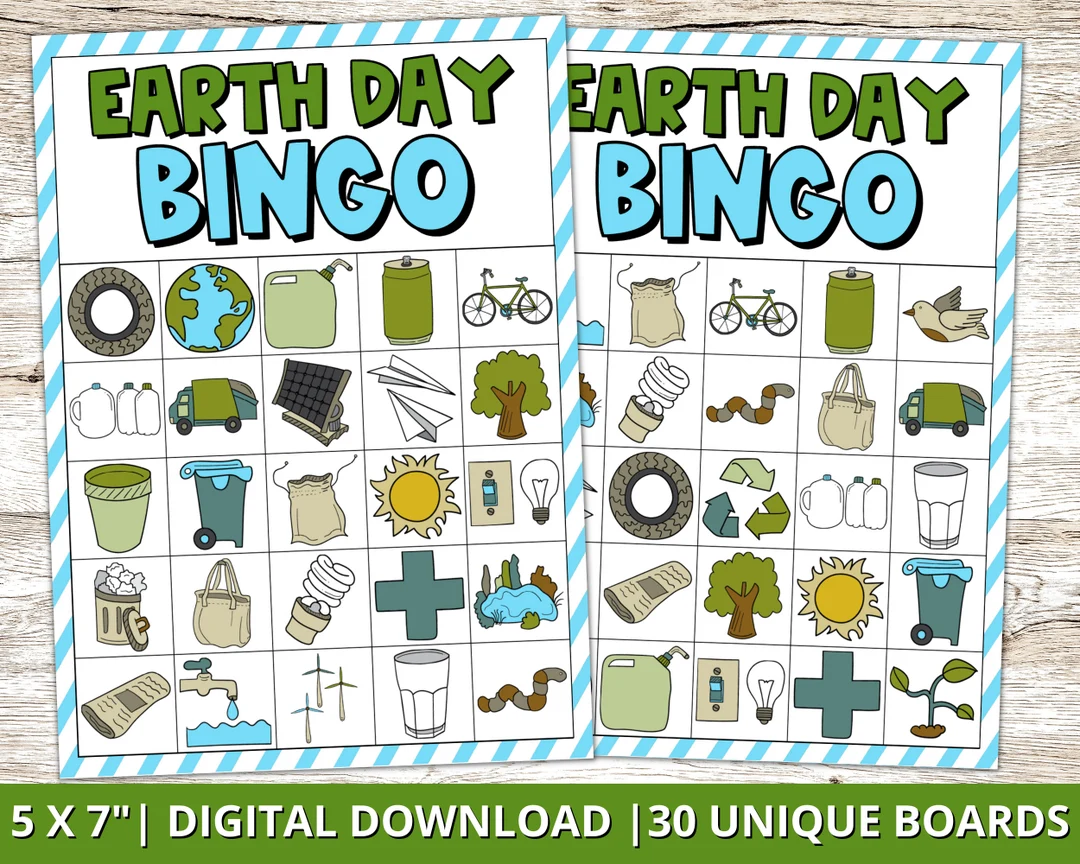
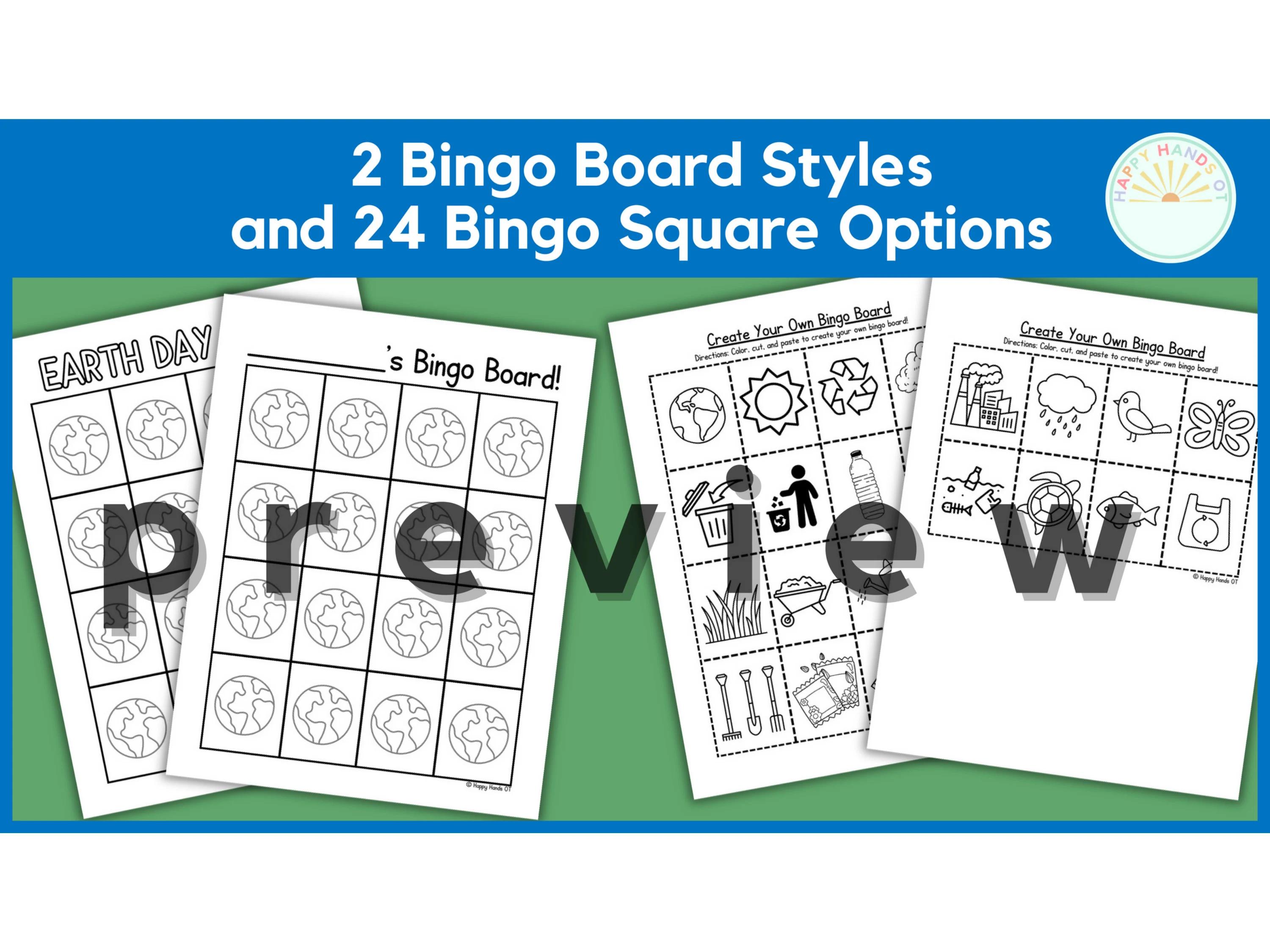
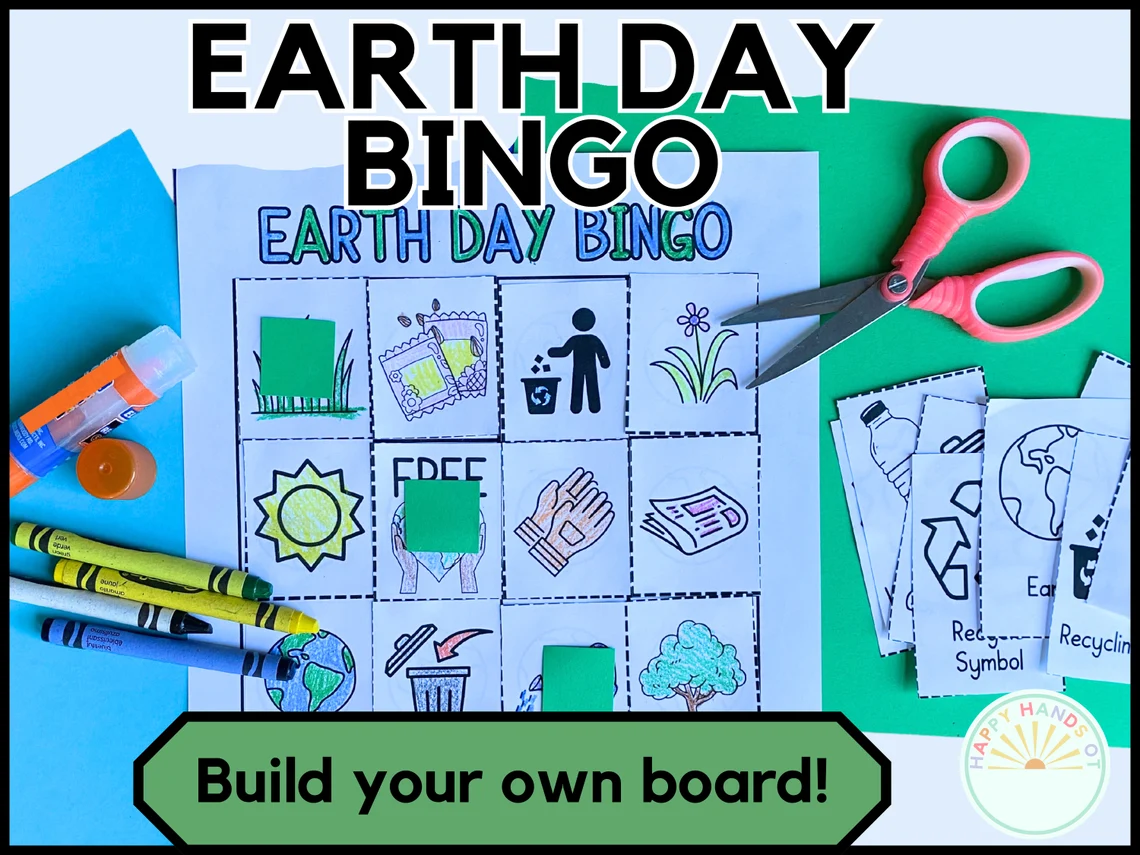
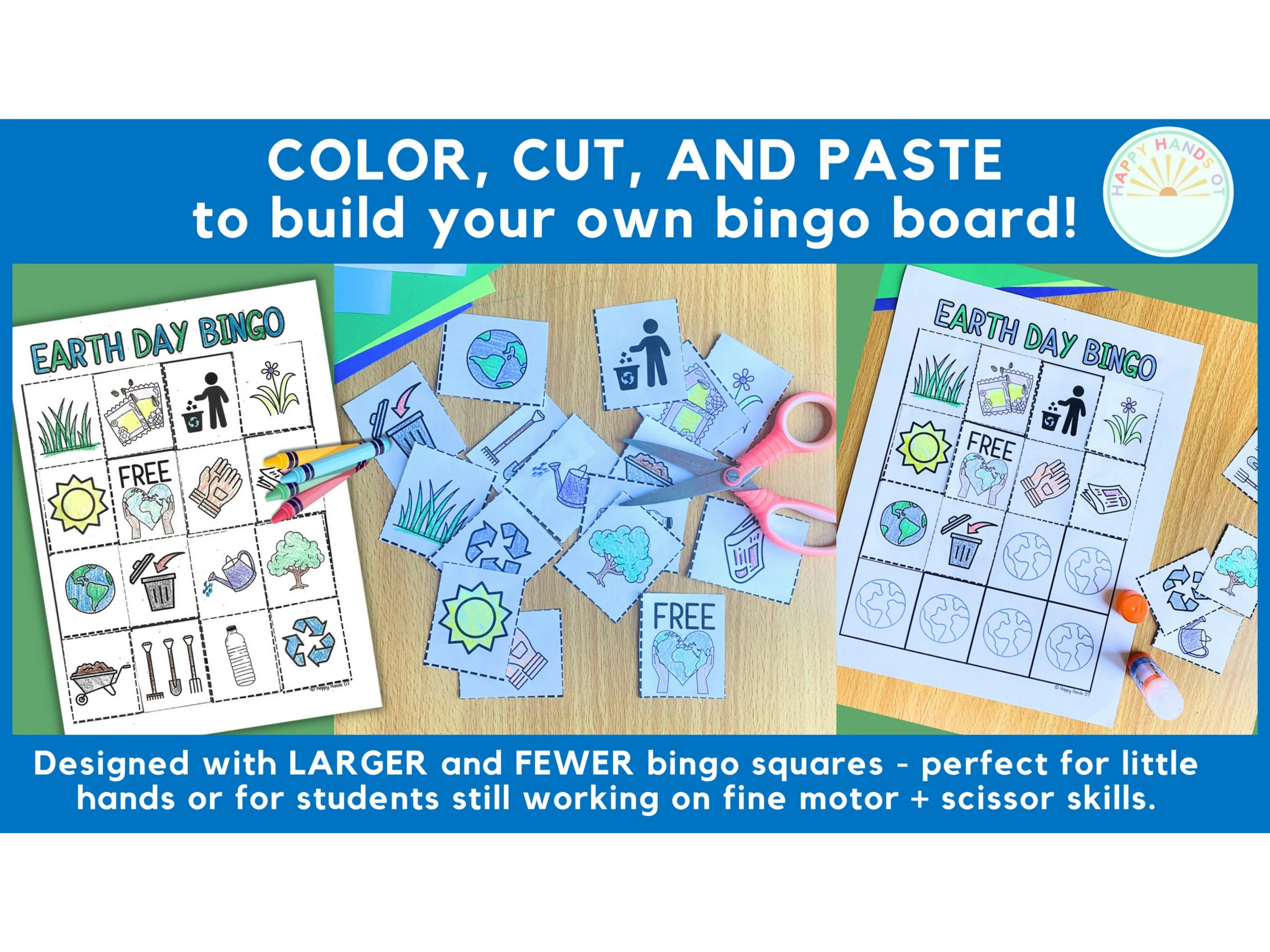
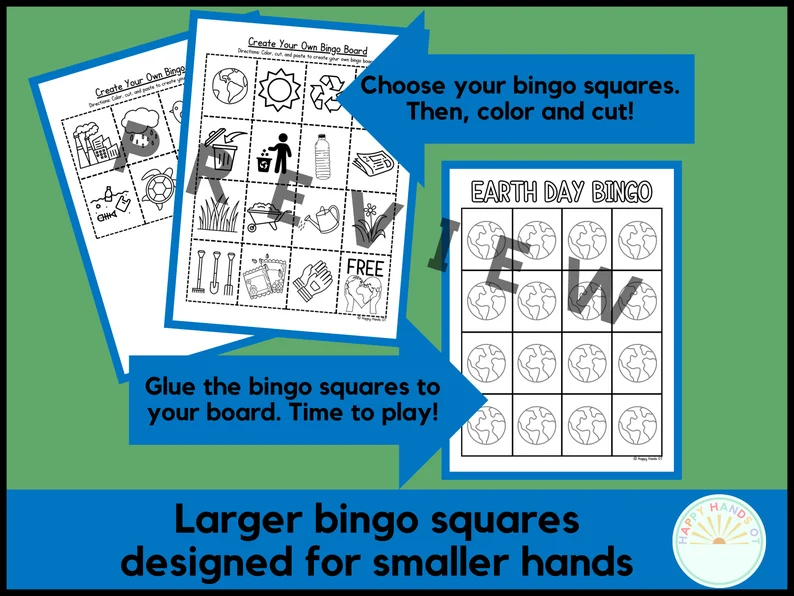
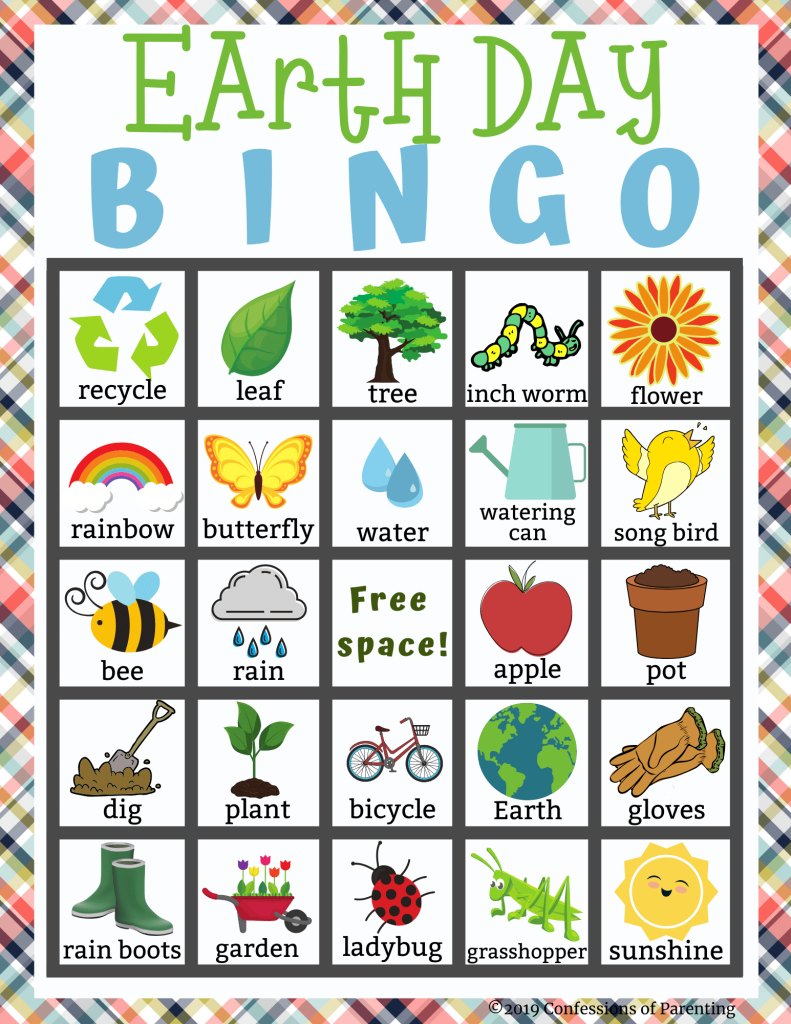
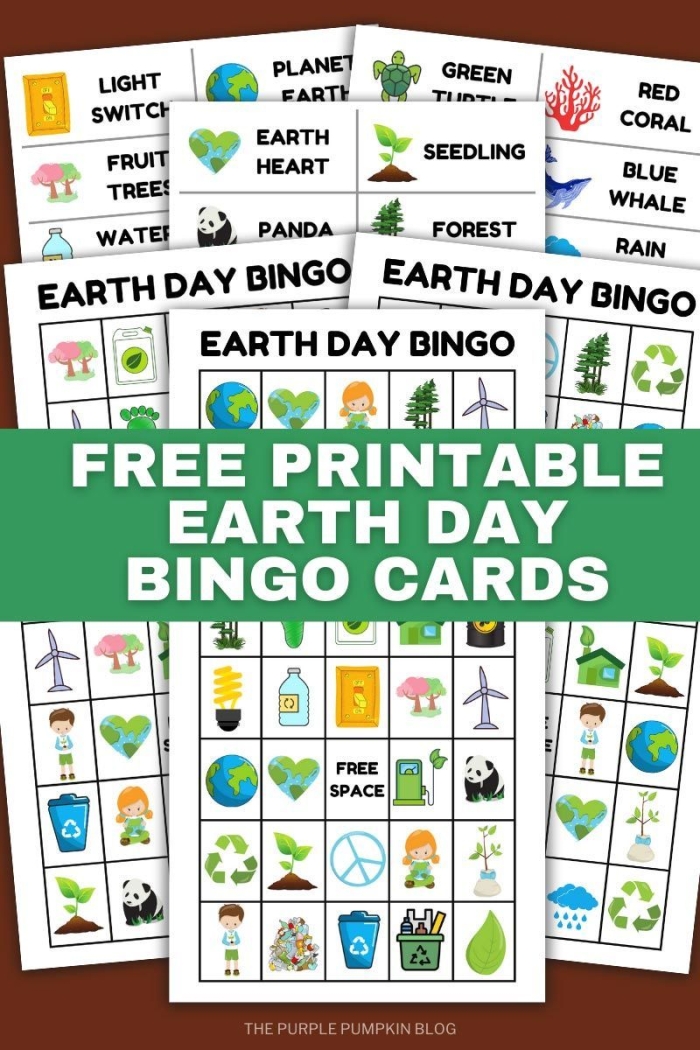
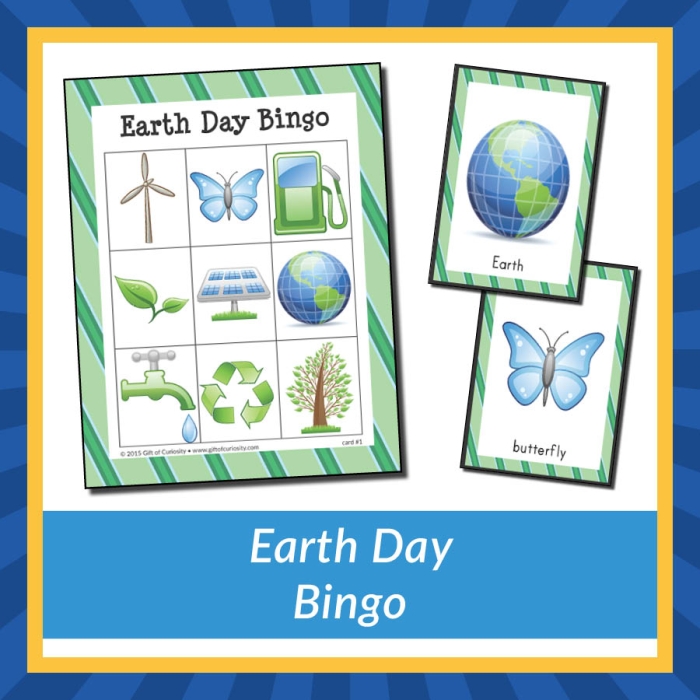
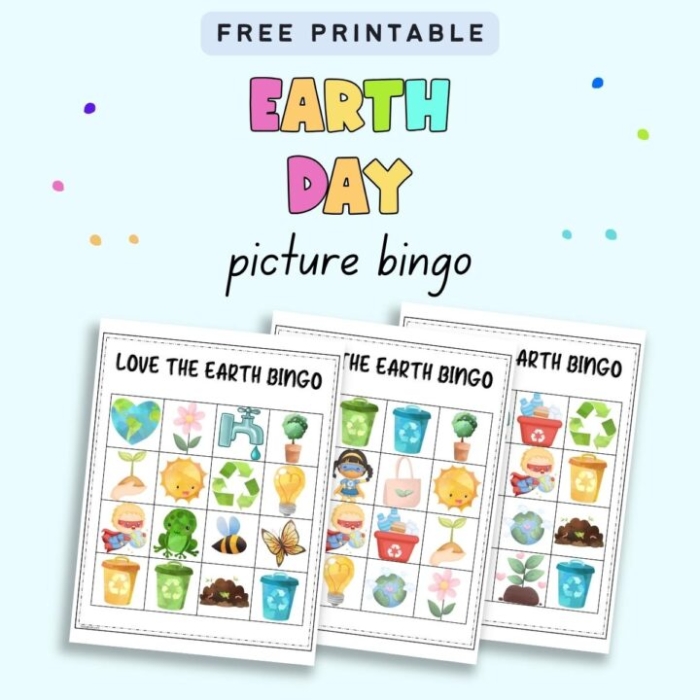
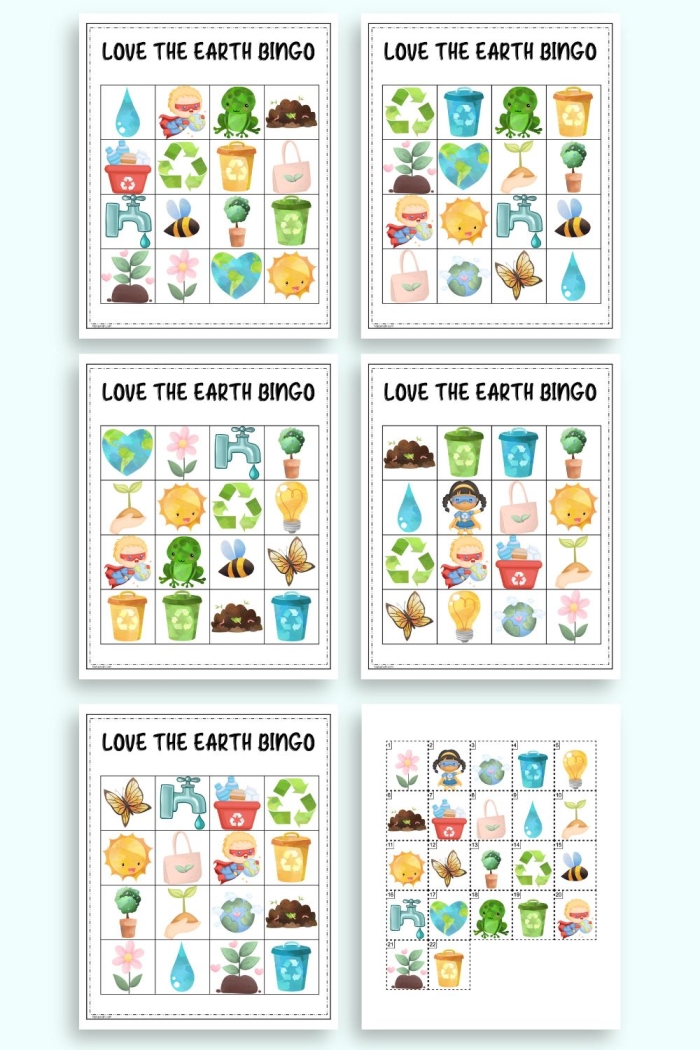
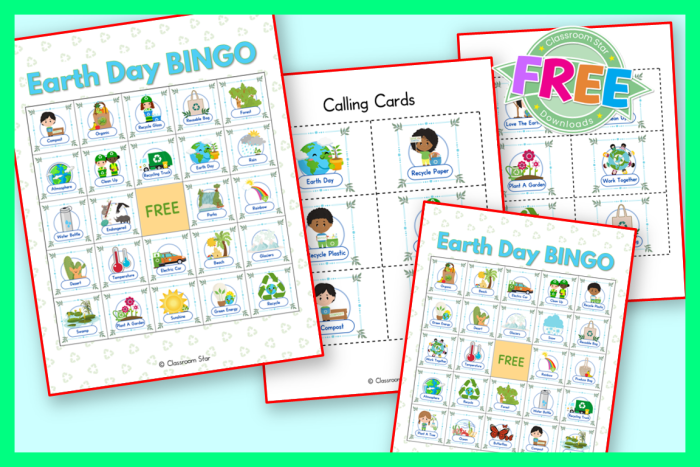
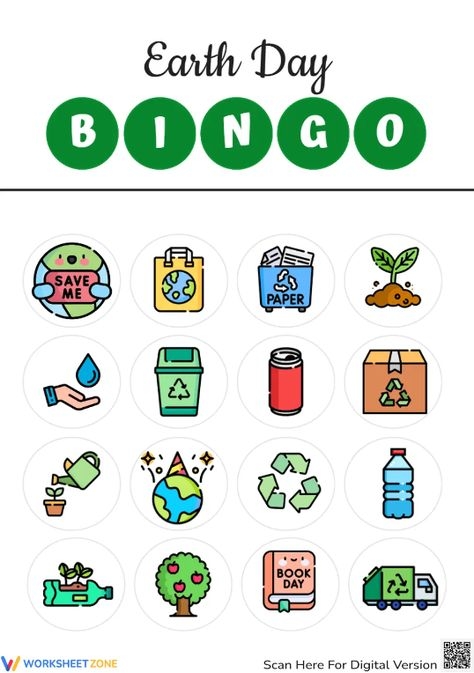
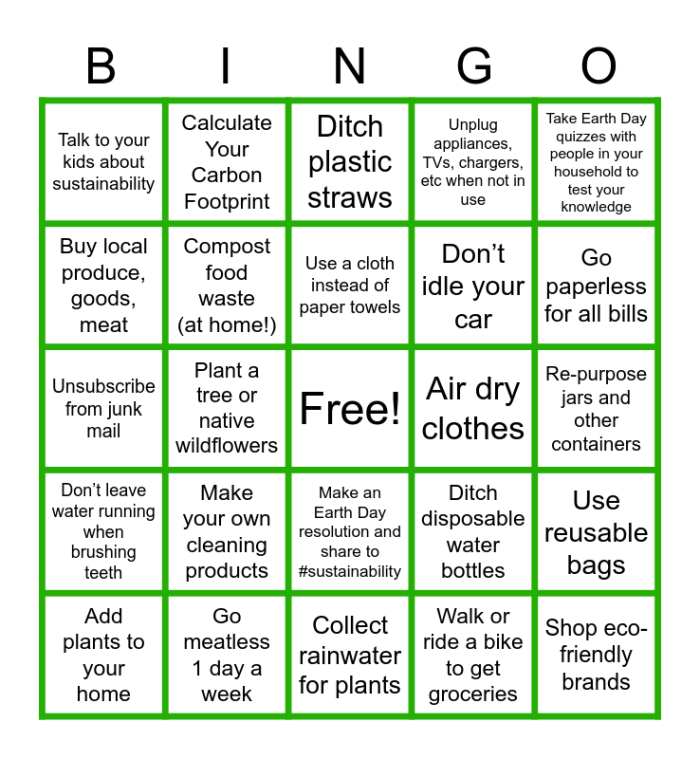
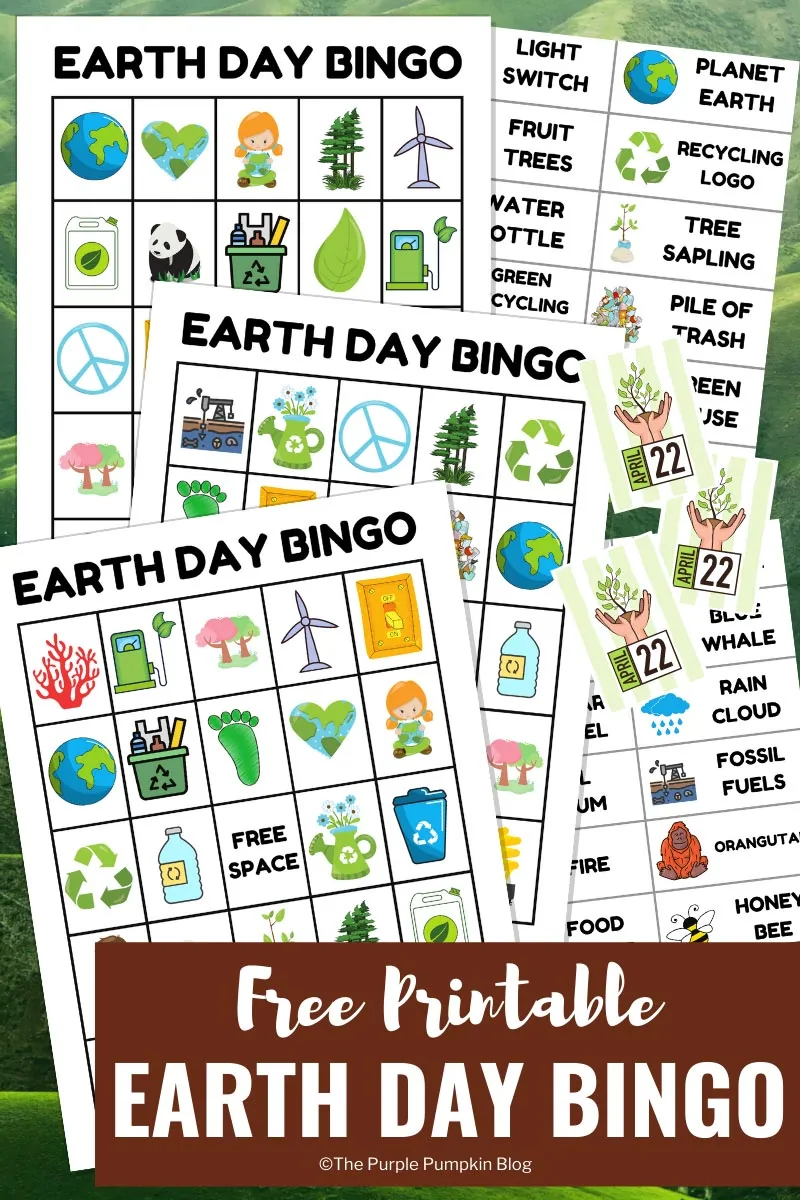
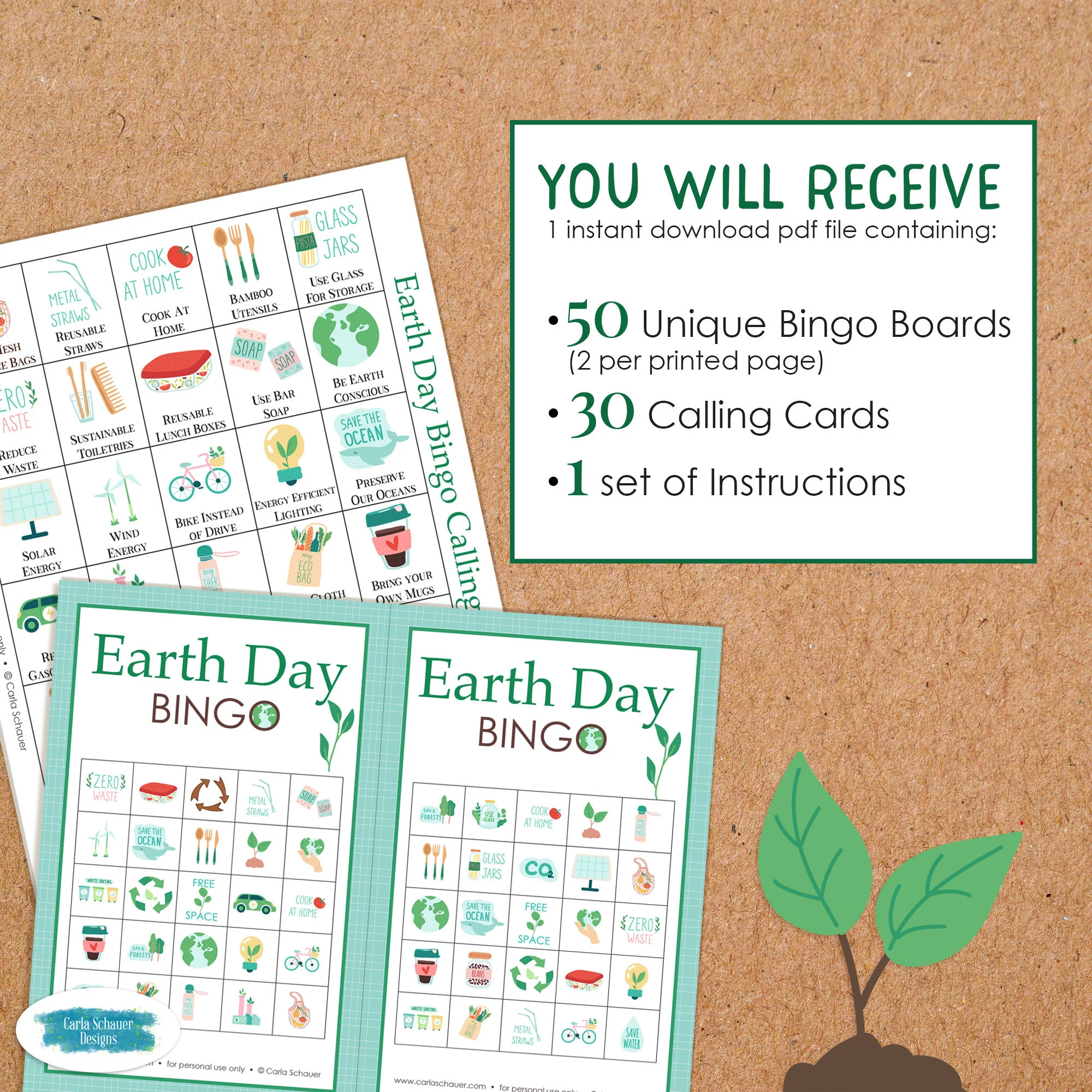
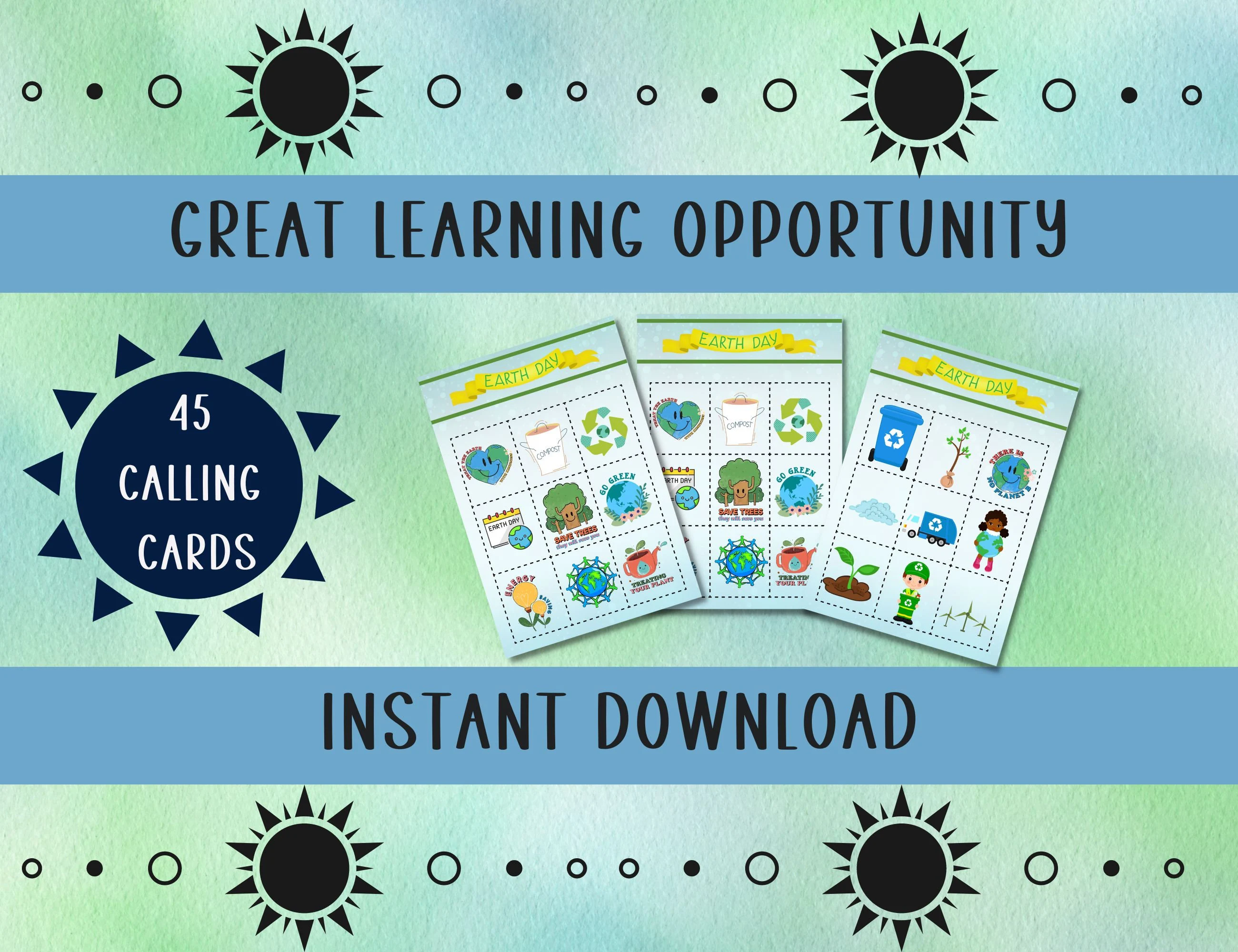
Poetry writing, even at the Pre-K level, encourages children to observe nature closely and describe what they see. Simple rhyming activities or acrostic poems about Earth Day build language skills while reinforcing the idea that objects and ideas can be organized and classified. Pairing these writing exercises with visual worksheets like an Earth Day Bingo Board keeps children engaged with the theme while practicing early numeracy skills.
The key is that these activities don’t exist in isolation. A nature hunt feeds into rock painting, which leads to sorting discussions, which connects to place value worksheets. When science, art, and math overlap naturally through real exploration, Pre-K students absorb concepts more deeply than worksheets alone could achieve.
Worksheet Practice Section