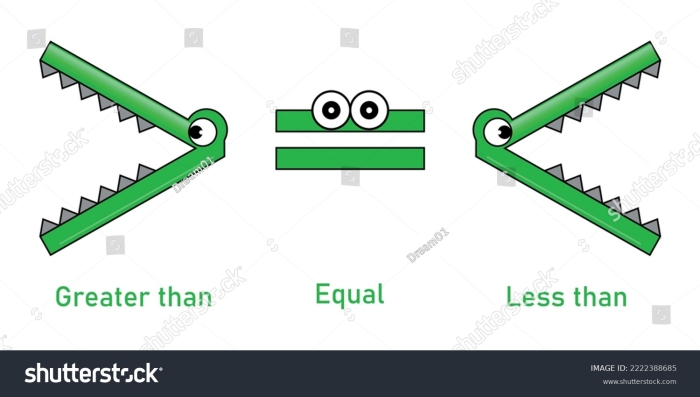
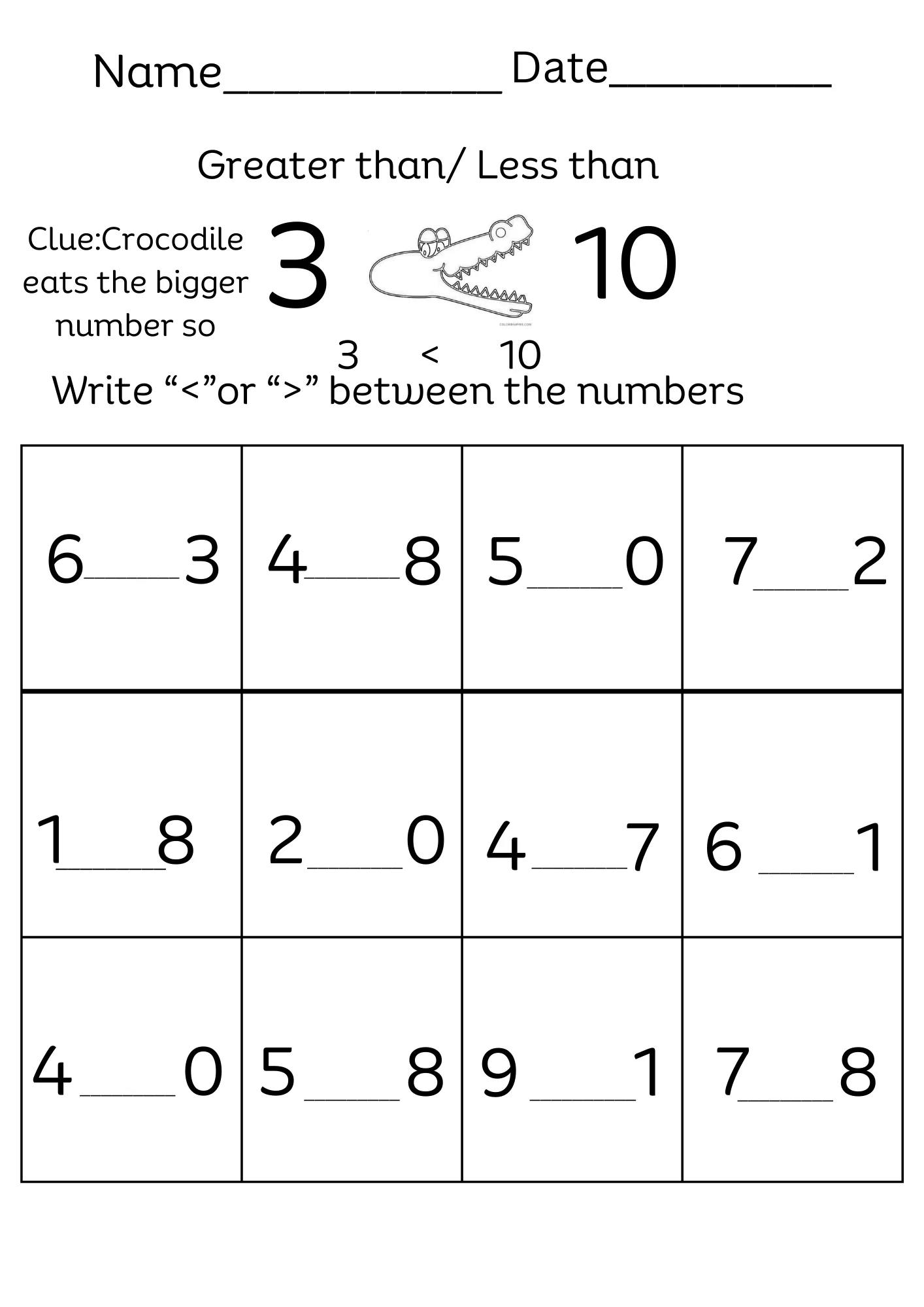
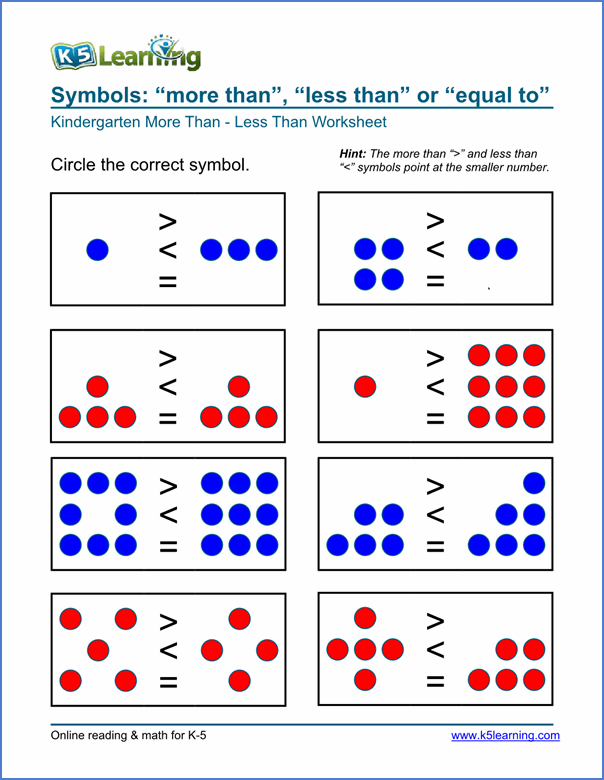
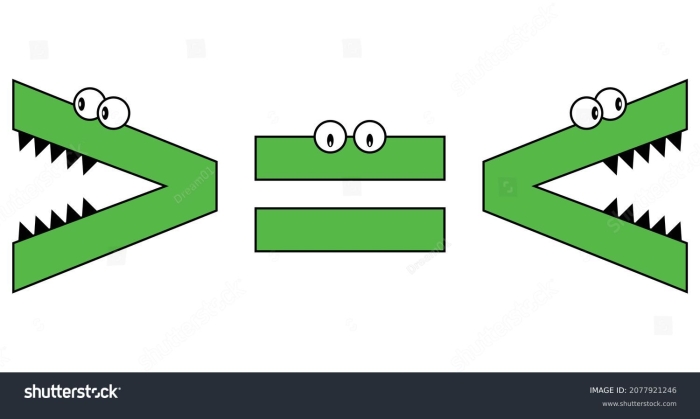
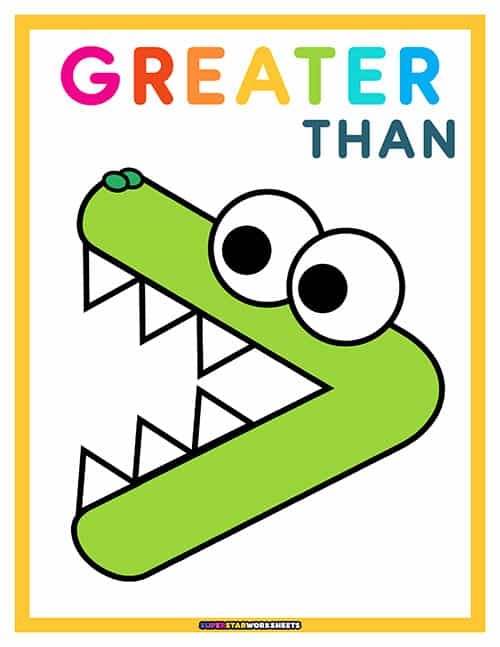
The symbols for greater than (>) and less than (<) often confuse young learners. Many first graders struggle to remember which sign points which way. An effective way to simplify this concept is by comparing the signs to a duck's mouth. This analogy can make learning both fun and memorable.
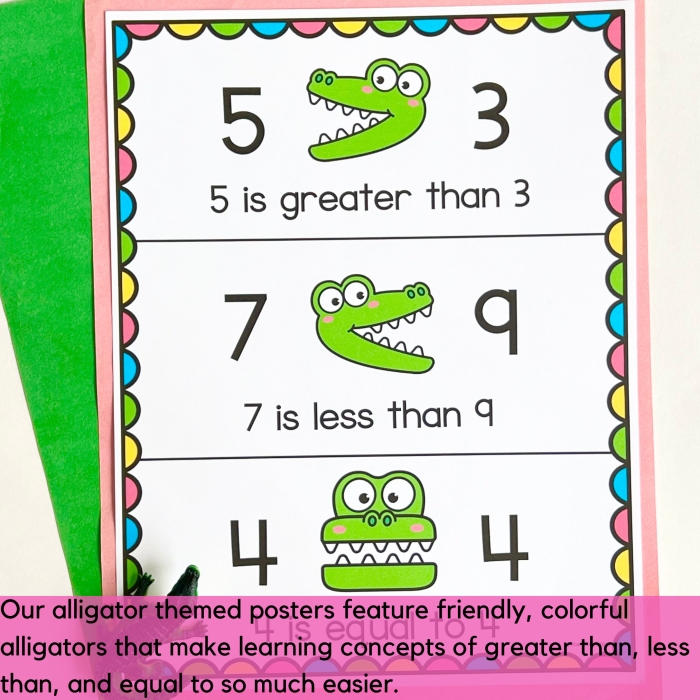
Imagine a duck with its beak open, ready to eat. The wider side of the duck’s mouth represents the larger number, while the narrow side points to the smaller number. For instance, if we have 5 and 3, the duck’s mouth would open towards the 5, indicating that 5 is greater than 3. This visual representation helps students grasp the idea that the greater than sign always points toward the larger value.
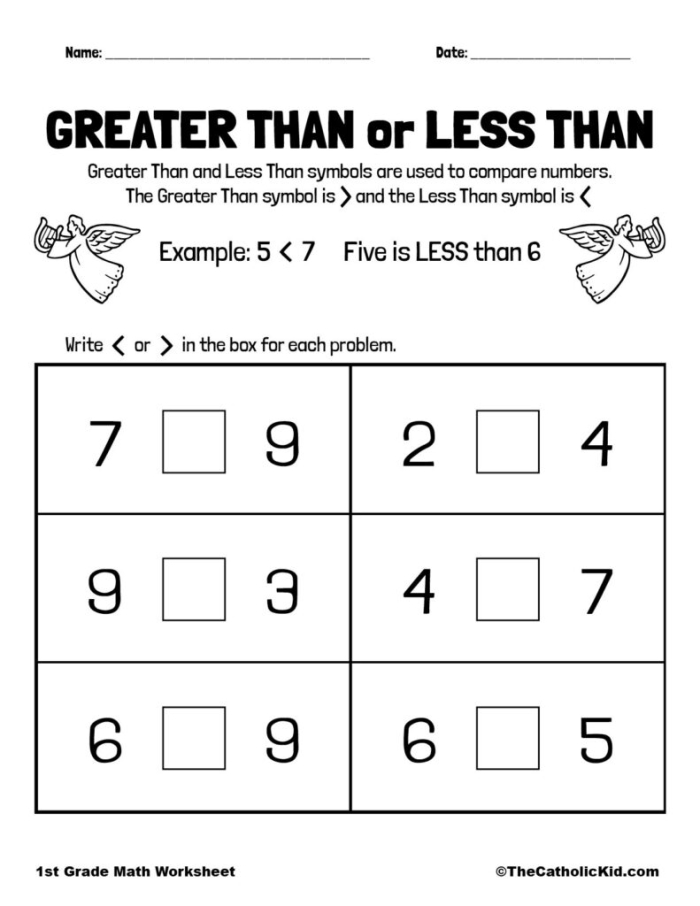
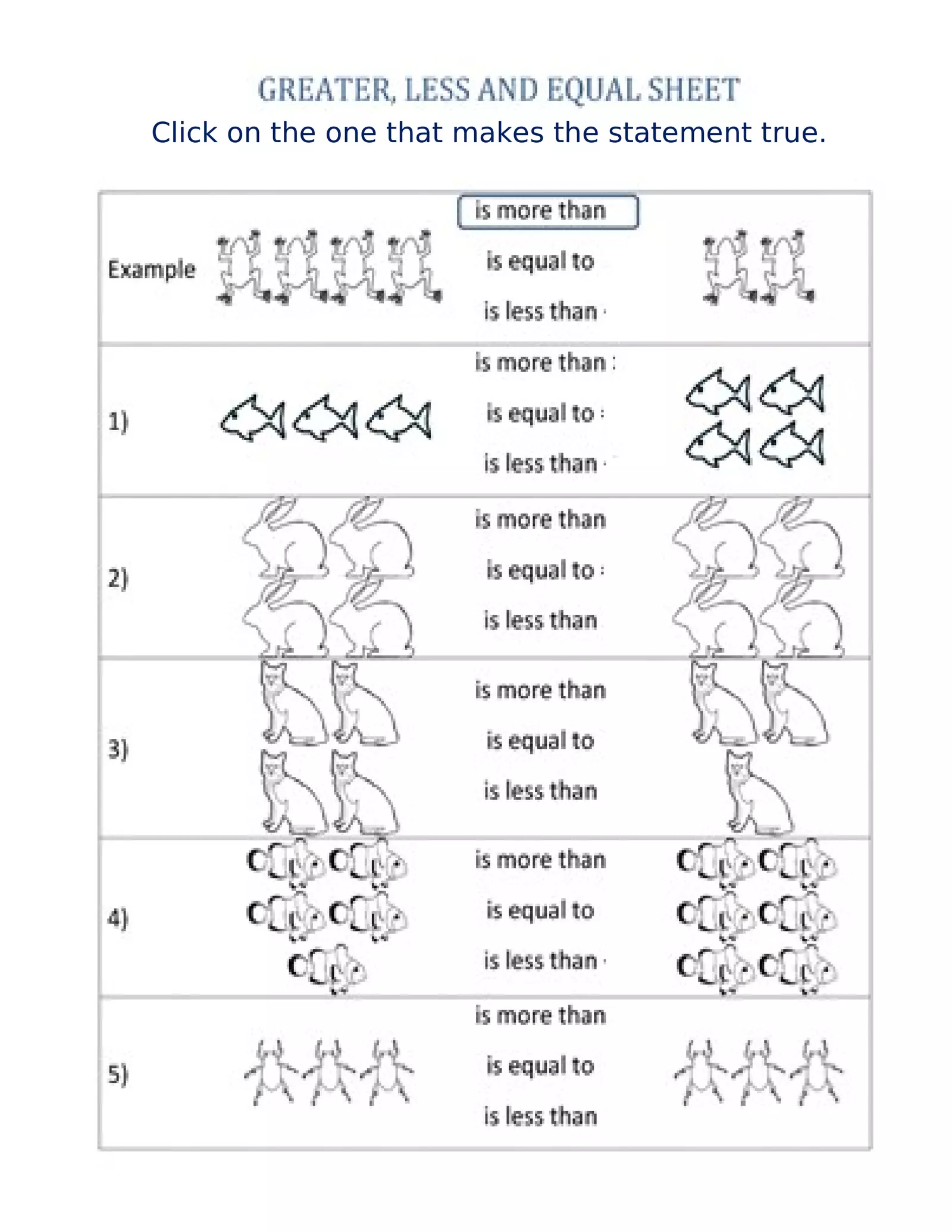
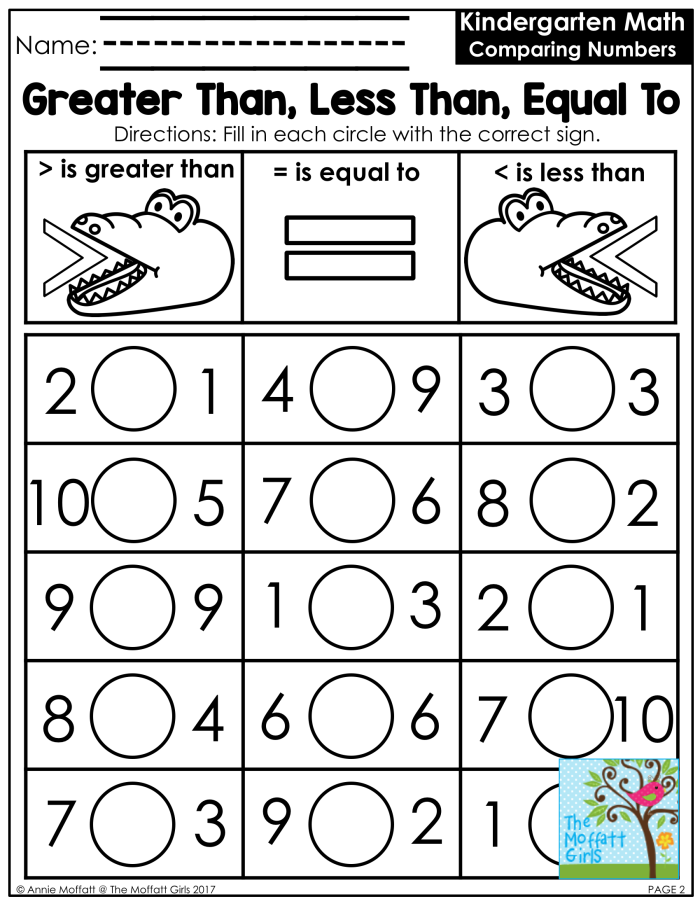
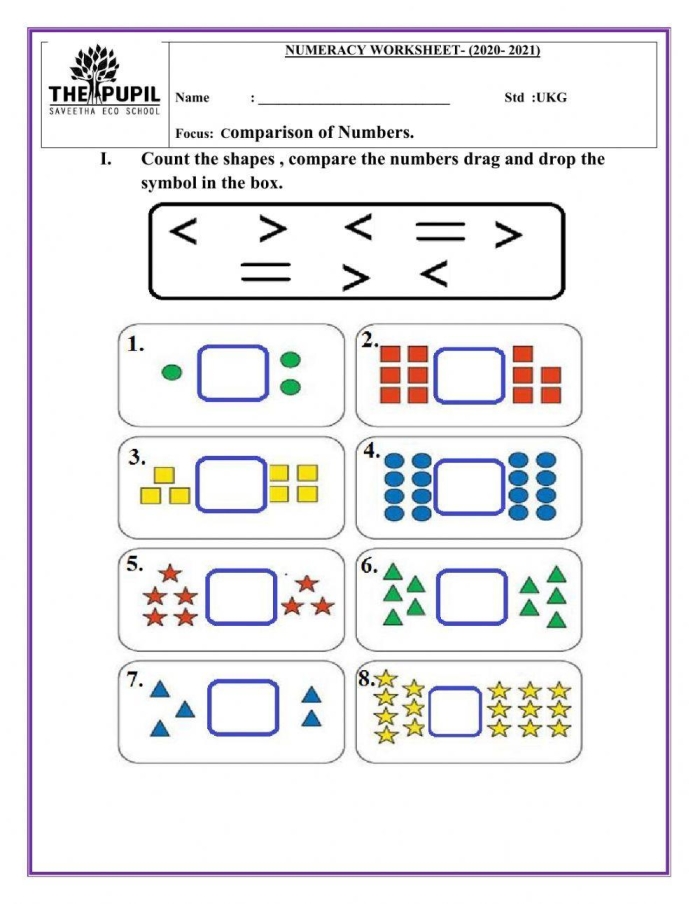
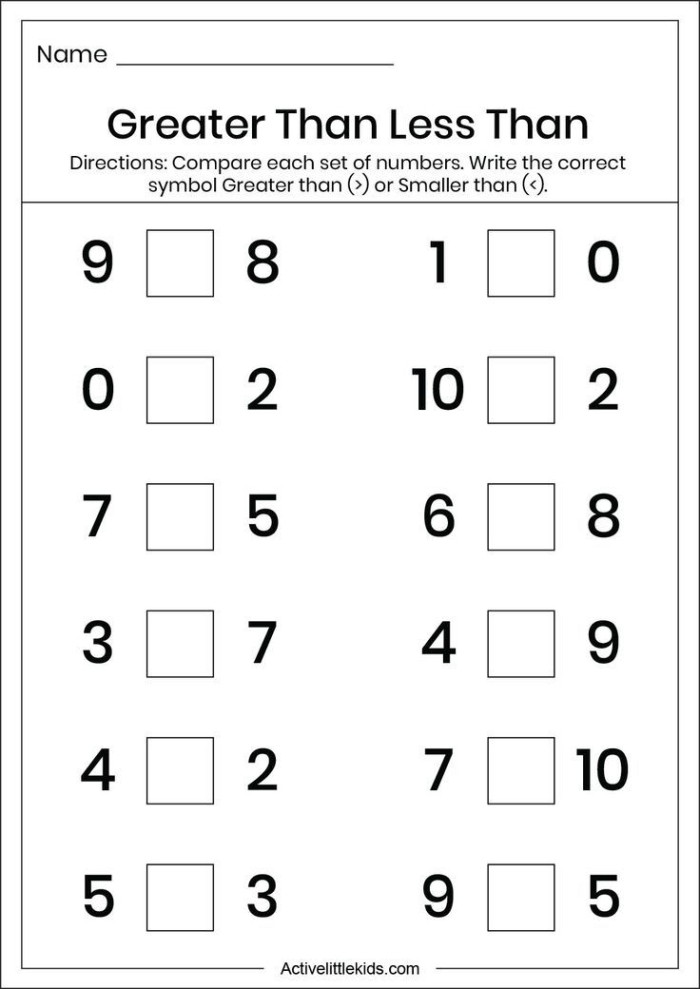
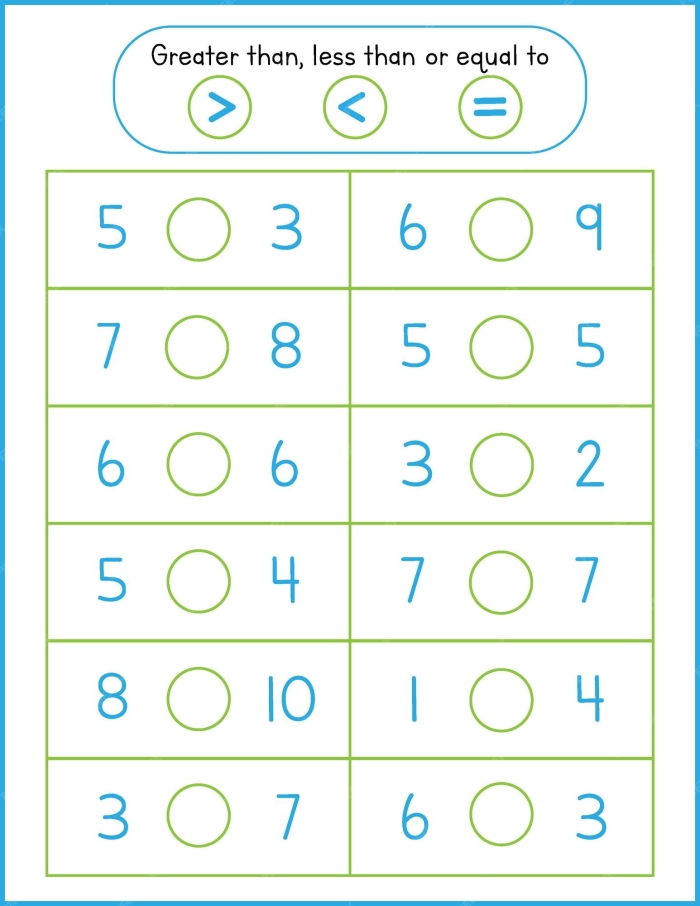
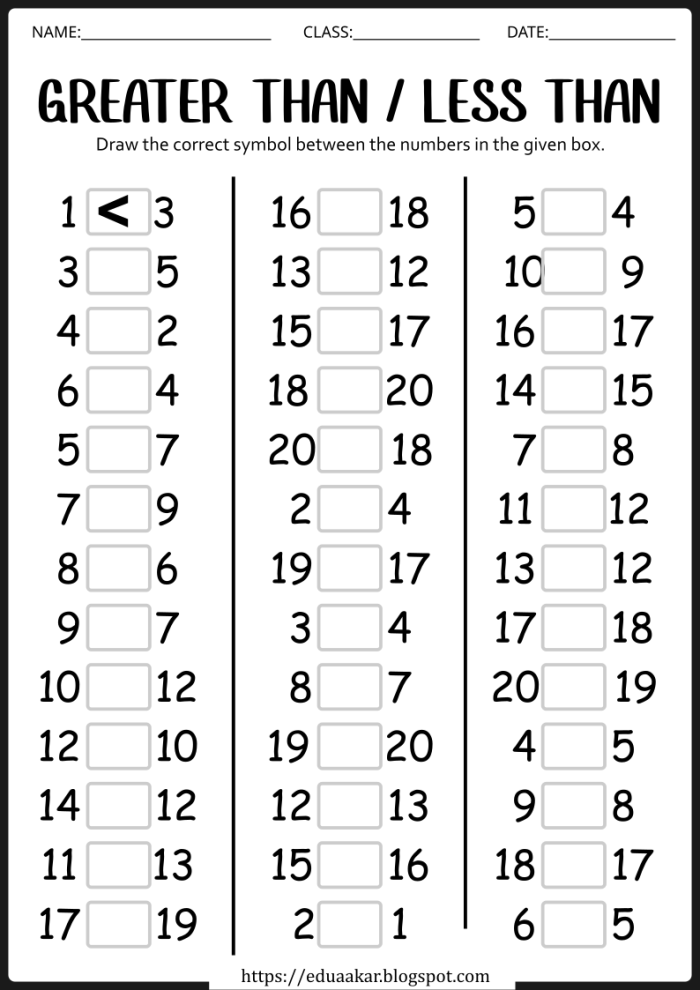
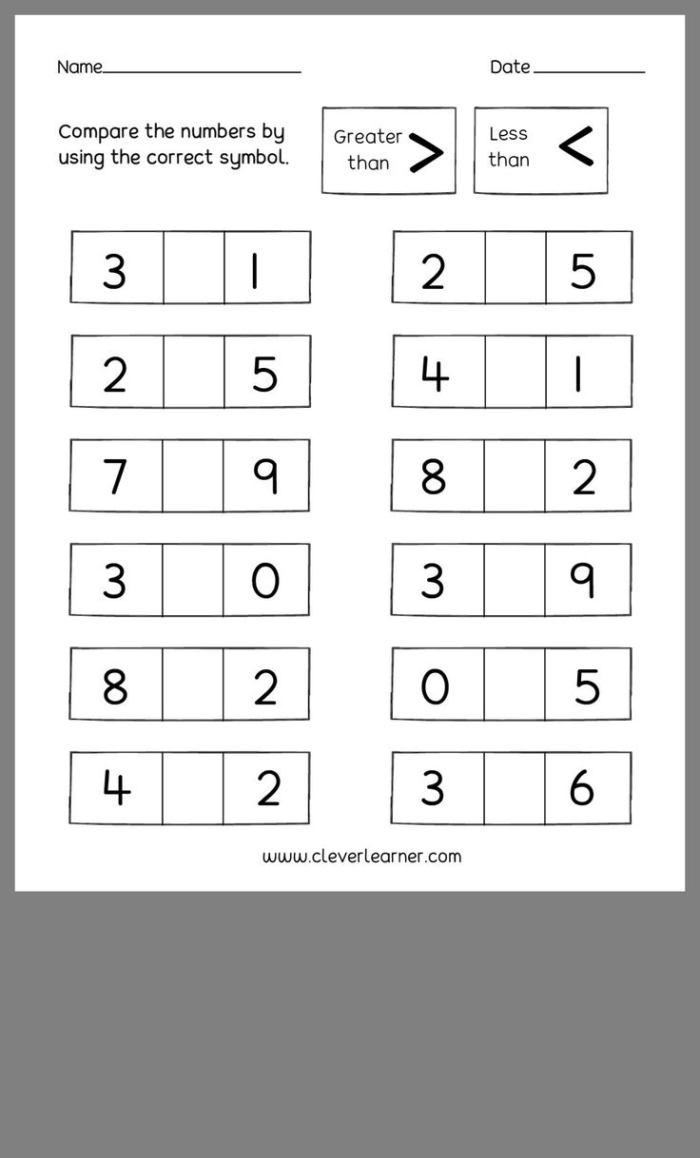
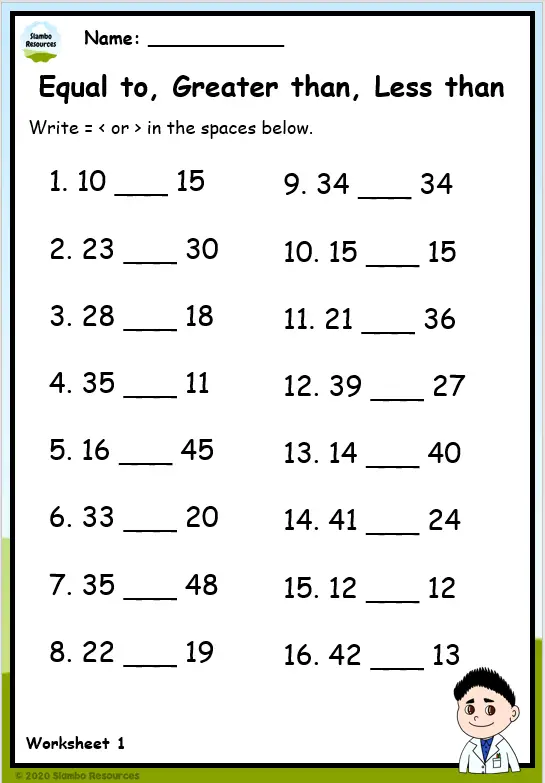
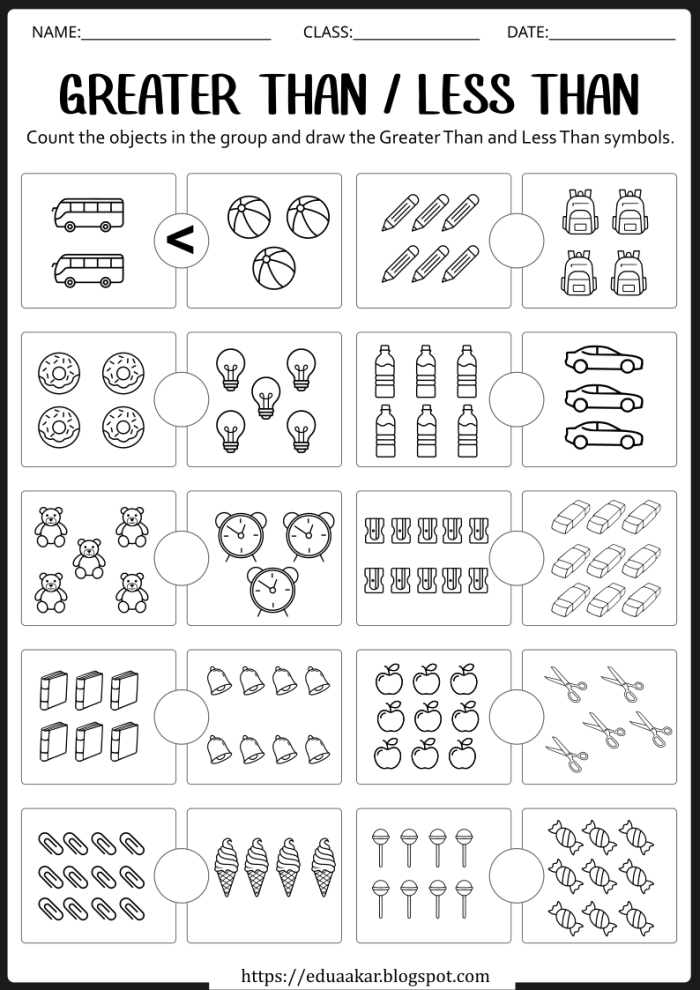
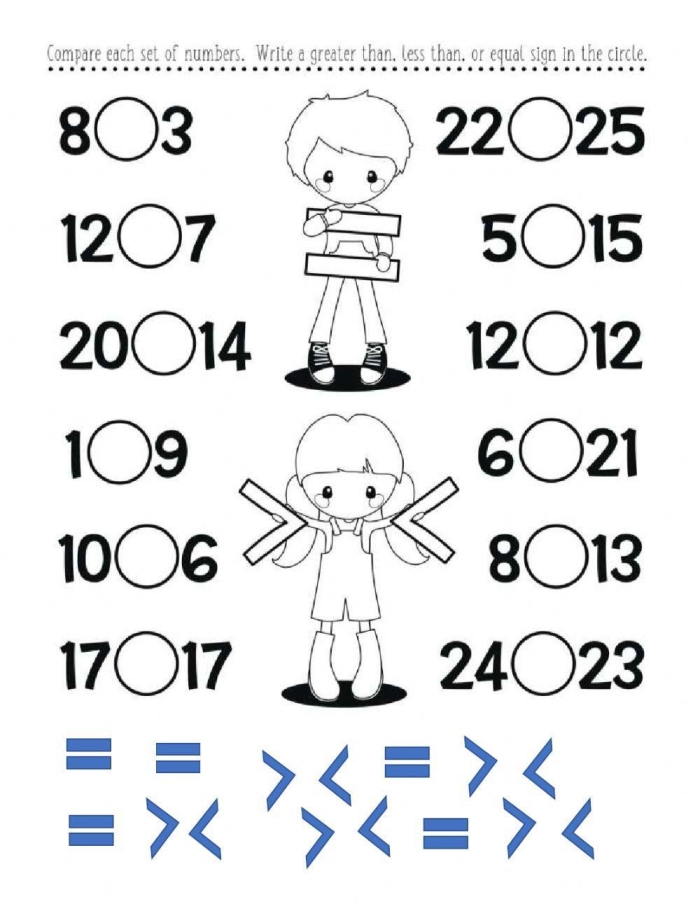
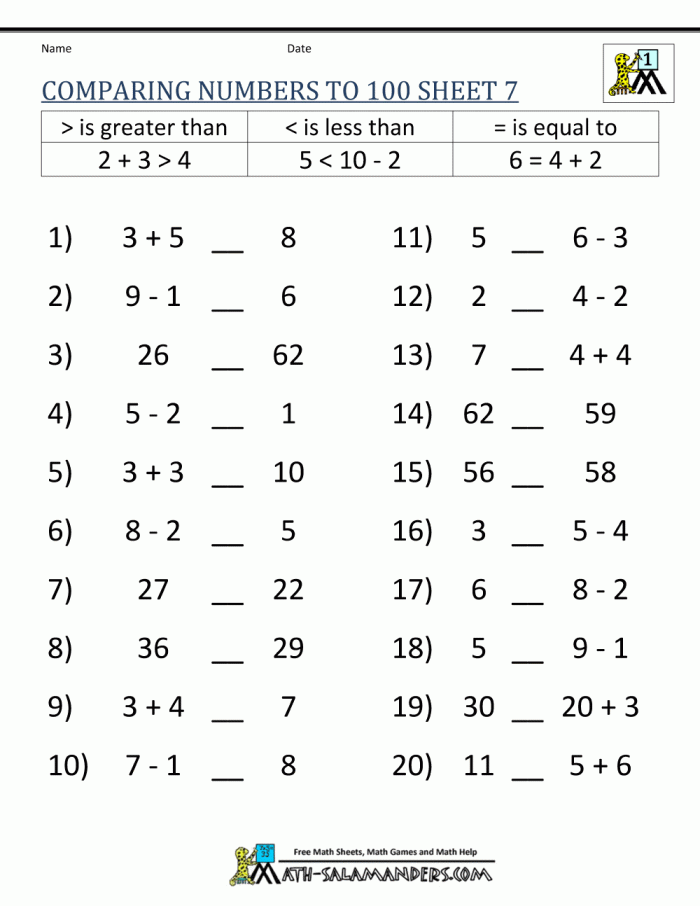
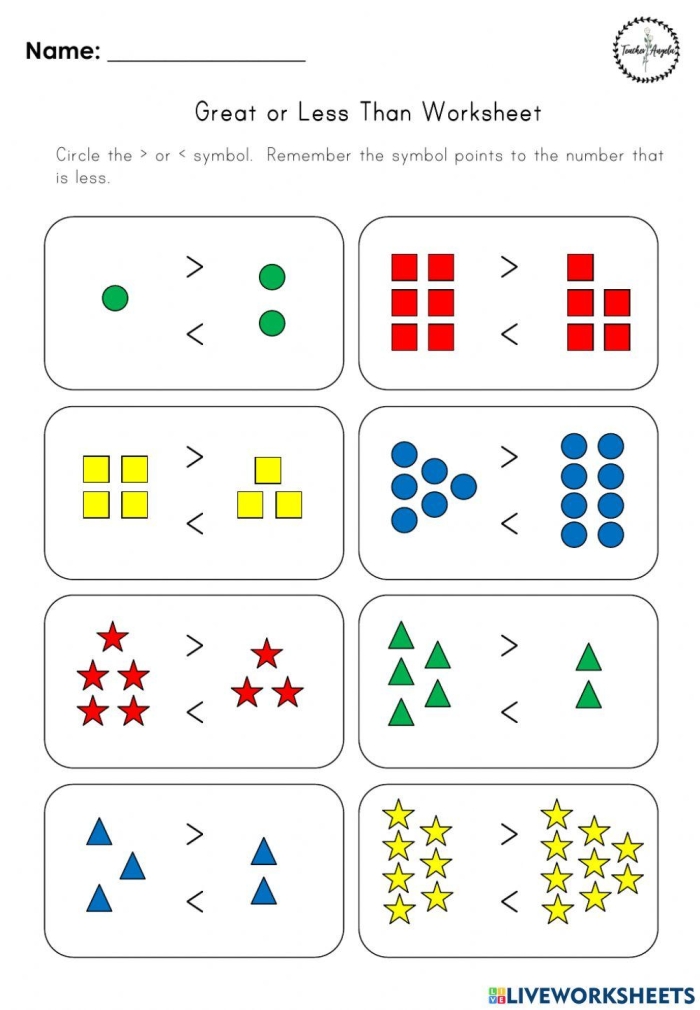
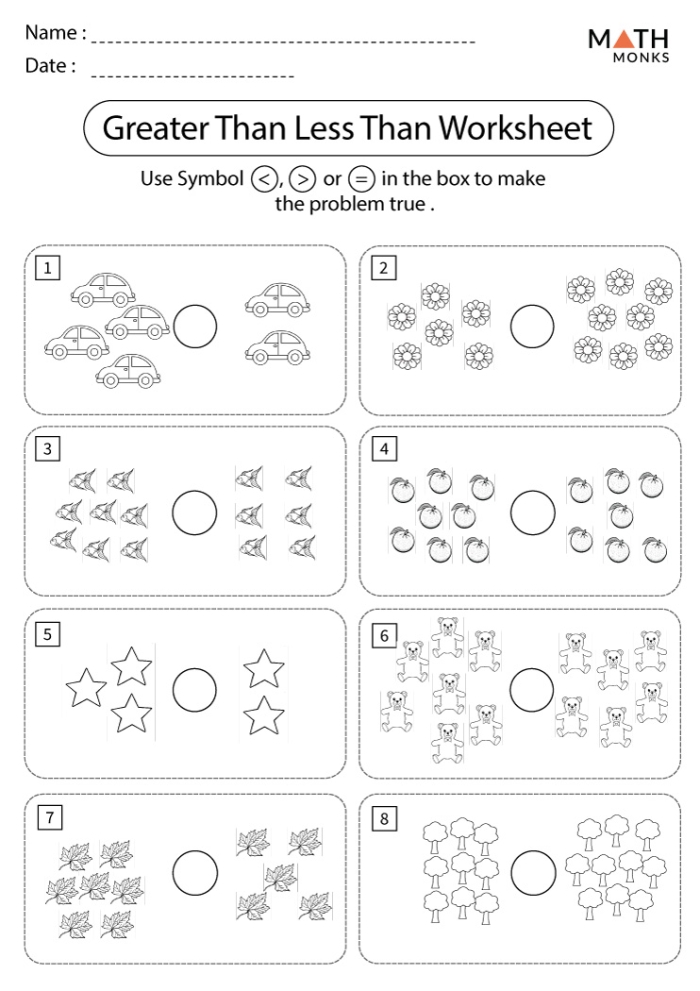
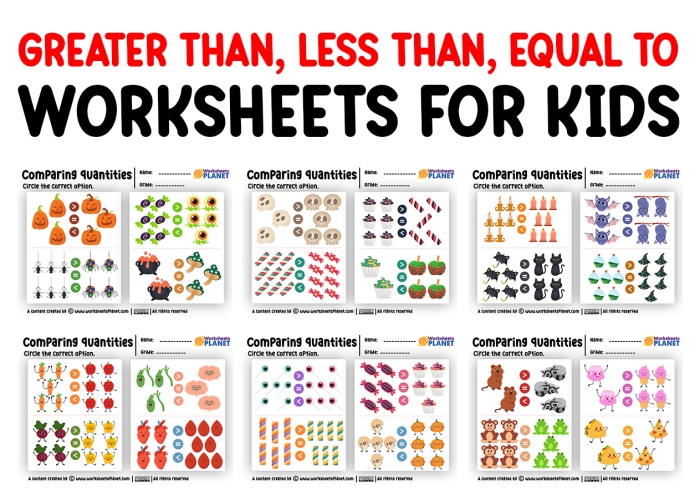
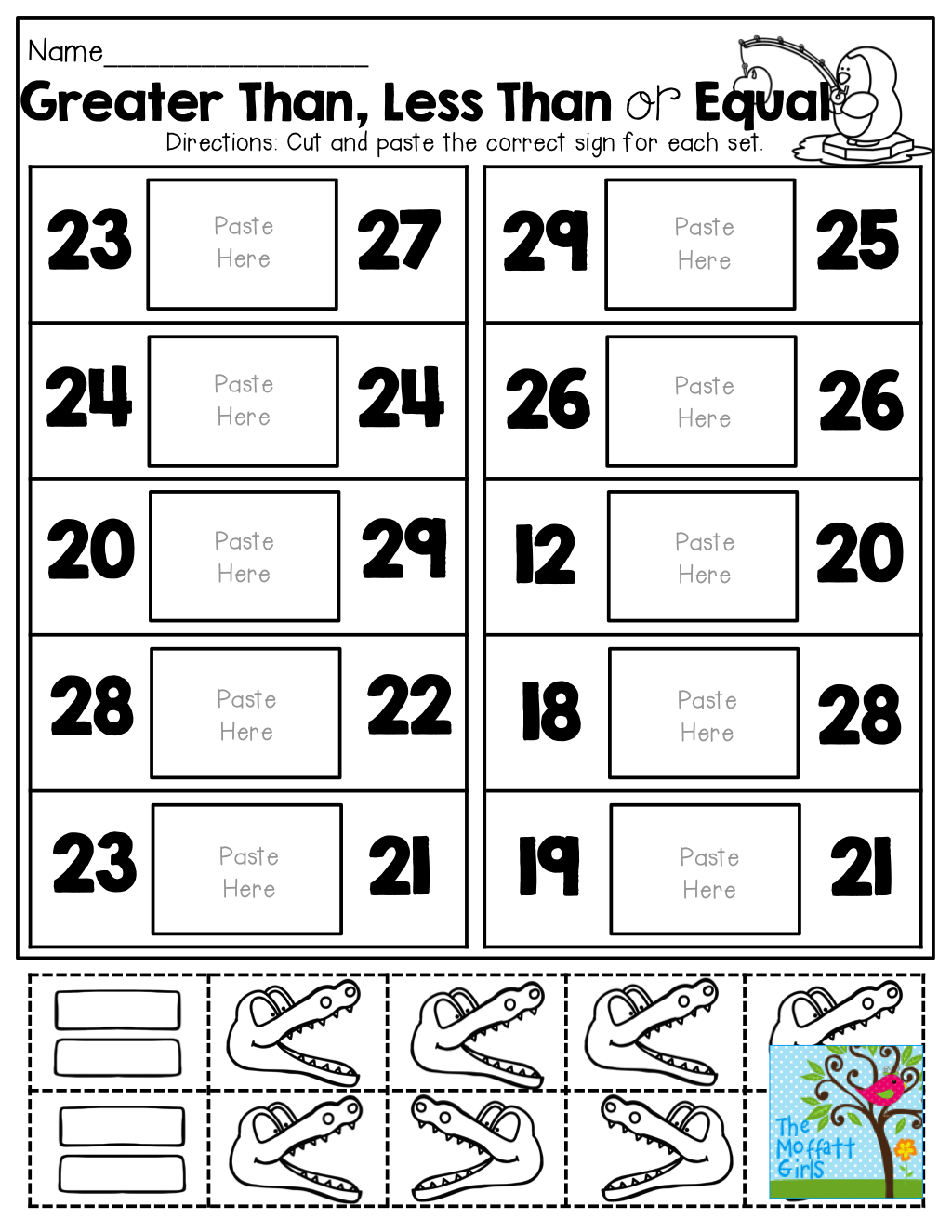
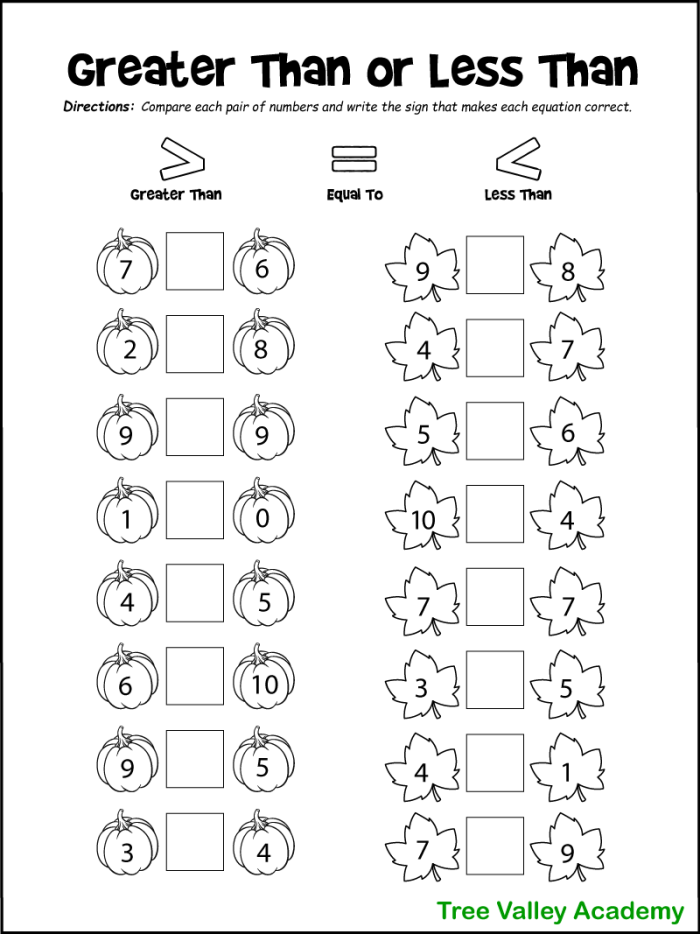
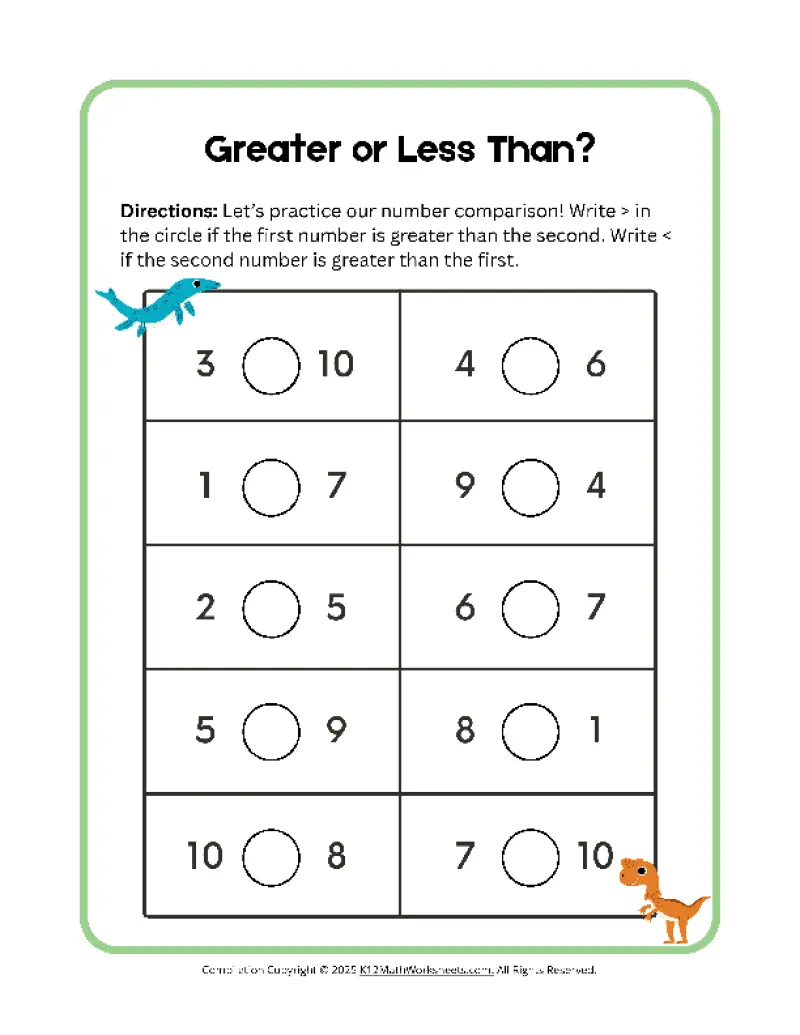
Using this duck mouth analogy can make learning about these signs feel more engaging. You can even create activities around this concept. For example, ask students to draw a duck and label the greater than and less than signs appropriately. They could also use printable worksheets that incorporate this theme, such as those found on Luminaworksheets. Such resources can reinforce their understanding while keeping the learning process enjoyable.
Another great exercise is to use numbers that the children can relate to, like the number of toys they have or the number of apples in a basket. When they visualize the numbers in their world, it becomes easier for them to apply the duck mouth analogy effectively.
Overall, teaching first graders about greater than and less than signs can be made simpler and more engaging with the duck mouth comparison. This method not only provides a clear visual but also invites creativity and interaction, making math an exciting subject rather than a challenging one.
Printable Worksheets for Practice