Your doodles are about to get a serious upgrade once you understand how light and shadow actually work on a page. The difference between a flat sketch and something that jumps off the paper comes down to one skill: controlling where light hits and where darkness falls.
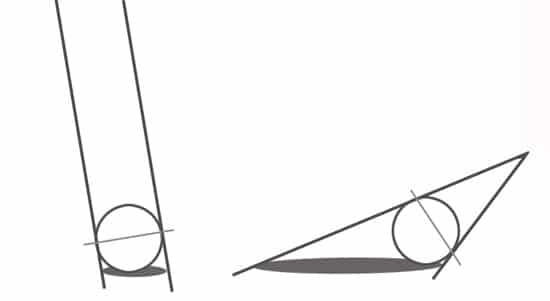
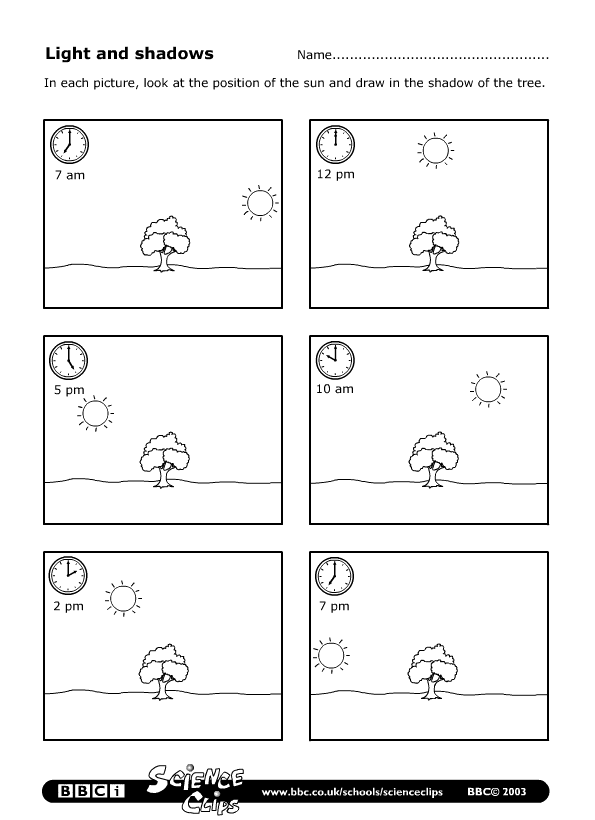
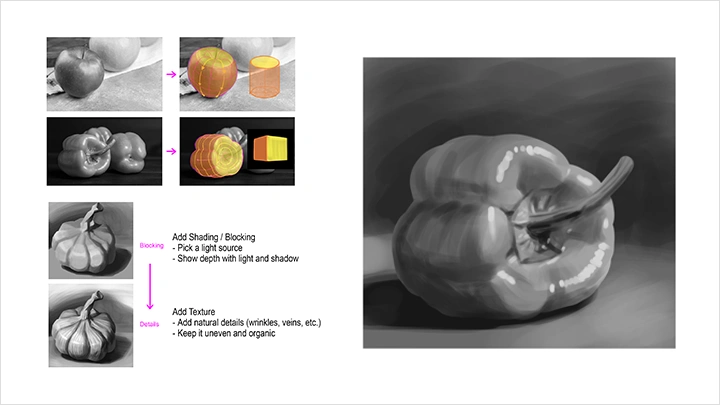
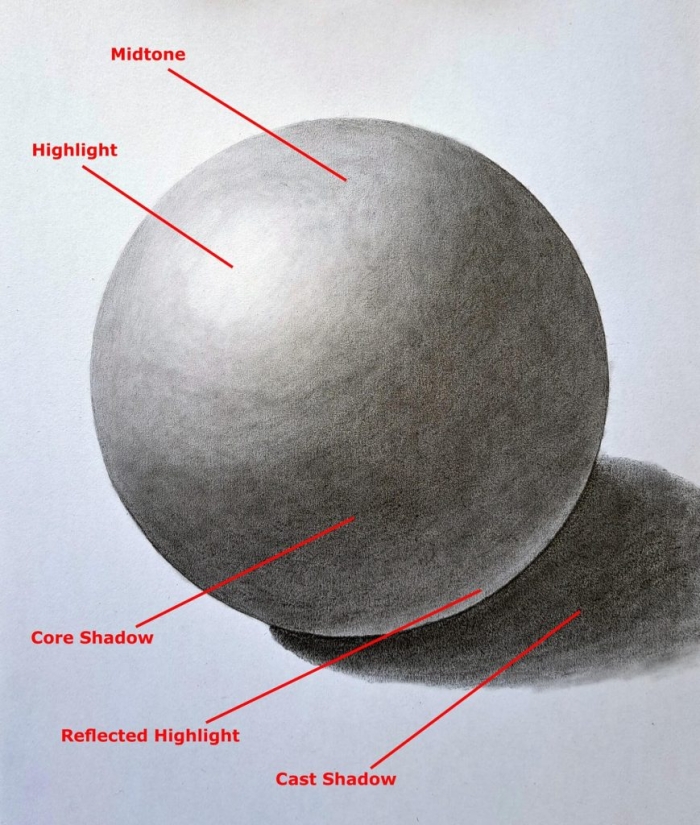
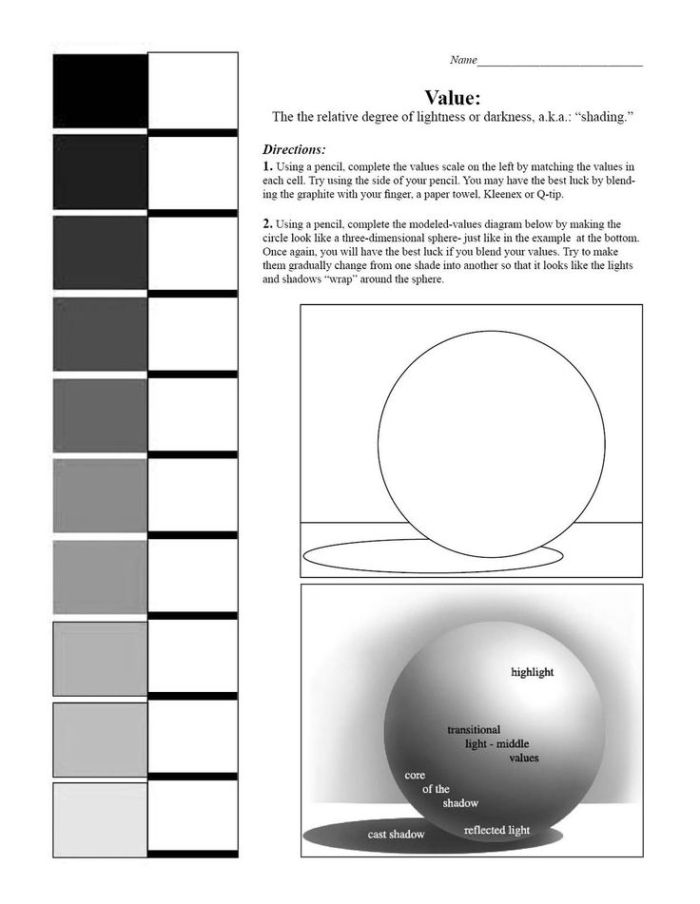
When you’re drawing, think about where your light source lives. Is the sun coming from the top left? A lamp from the right side? Once you decide, everything else follows. The side of an object facing that light stays bright, while the opposite side sinks into shadow. This simple rule transforms a basic circle into a sphere that looks solid and real.
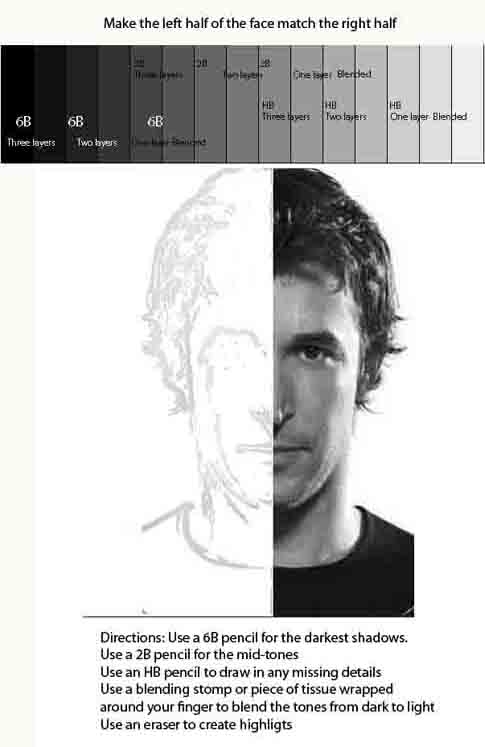
Start with a single light source when you’re learning. Multiple light sources confuse things fast. Place your imaginary light, then ask yourself: which parts of my drawing would that light actually touch? Those areas stay light or white. Everything else gets progressively darker as it turns away from the light.
The transition matters just as much as the extremes. A hard jump from white to black looks harsh and unnatural. Instead, use mid-tones to bridge the gap. Sketch lightly with pencil, then gradually layer darker marks where shadows belong. This gradual shift creates depth and makes your drawings feel three-dimensional.
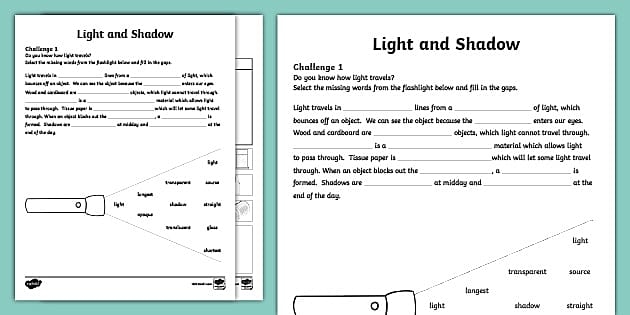
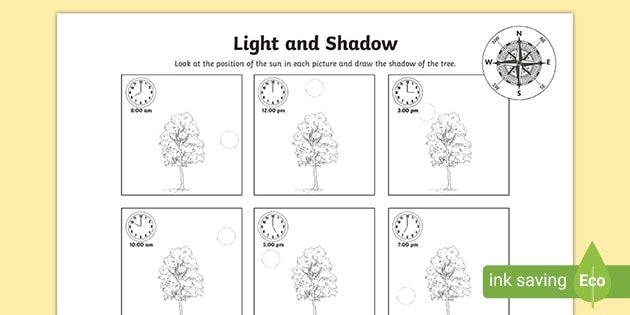
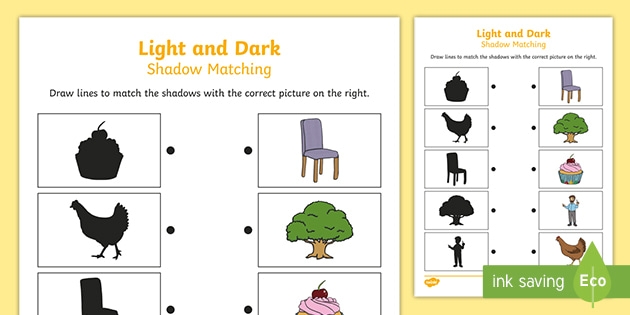
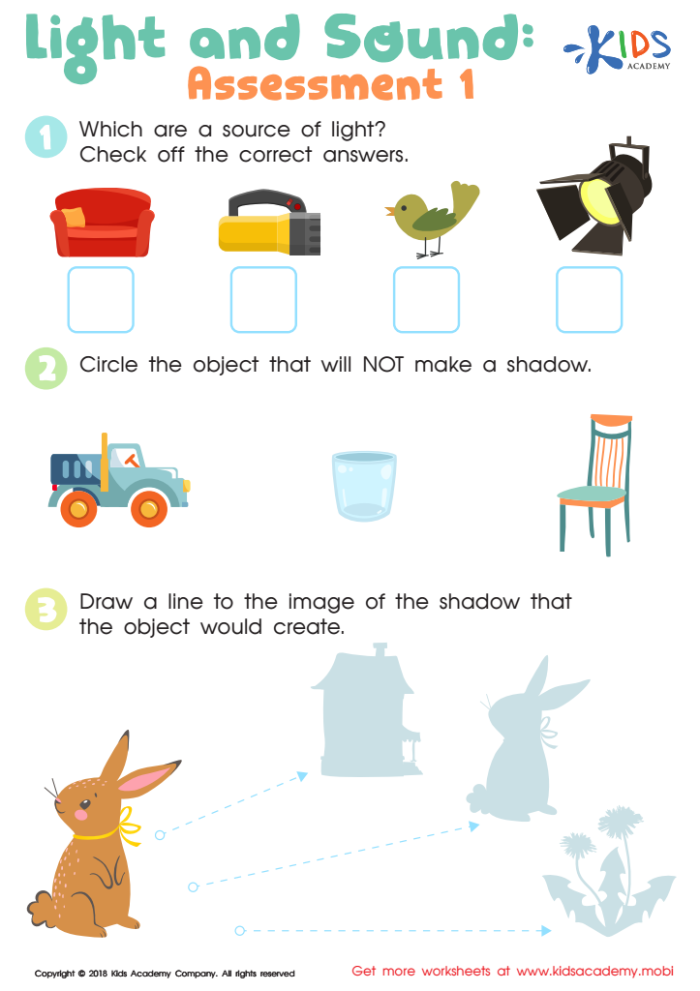
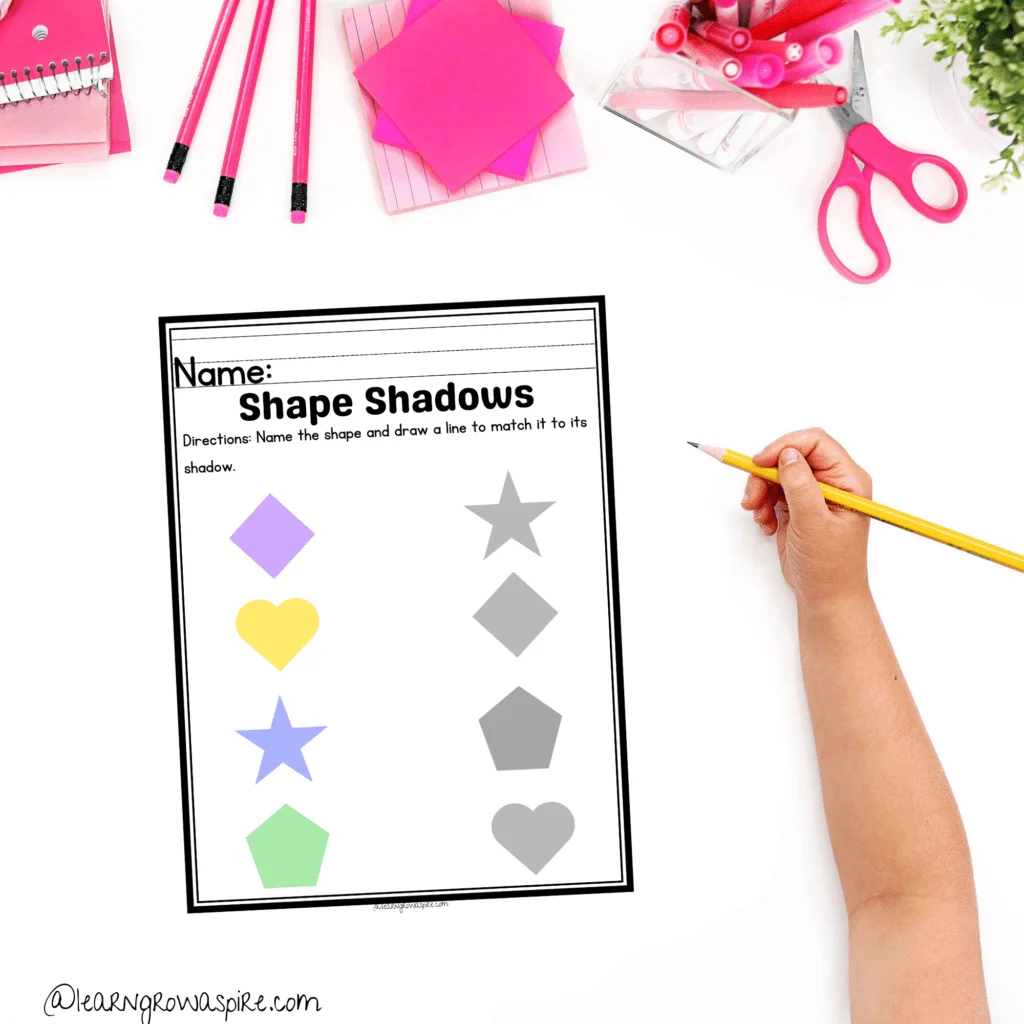
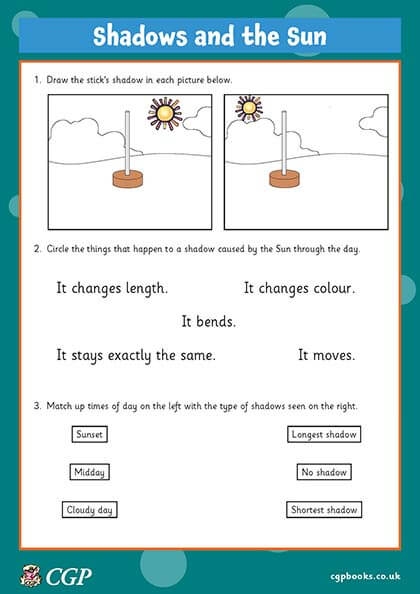
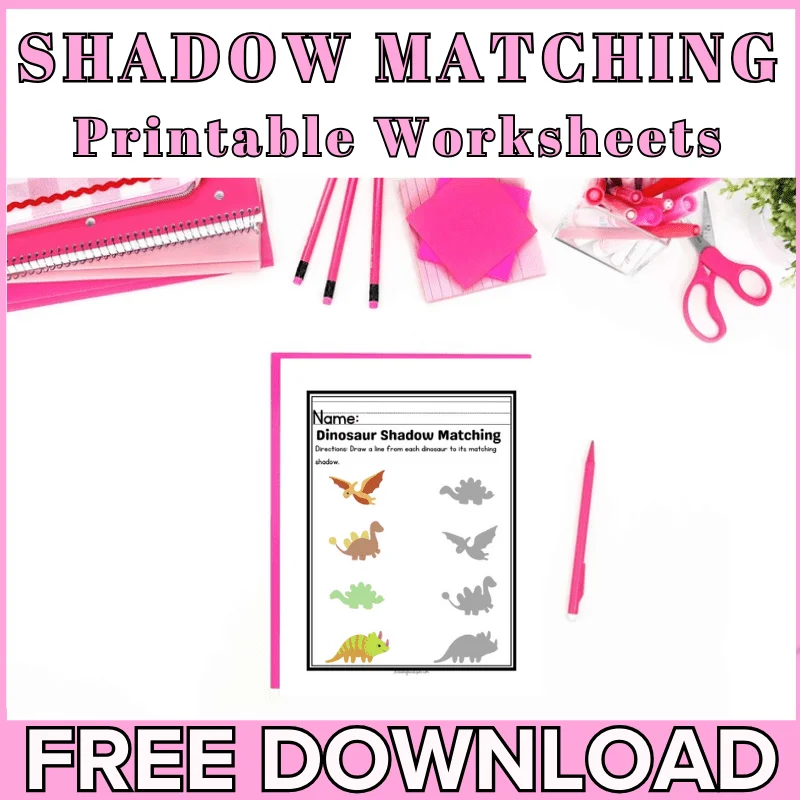
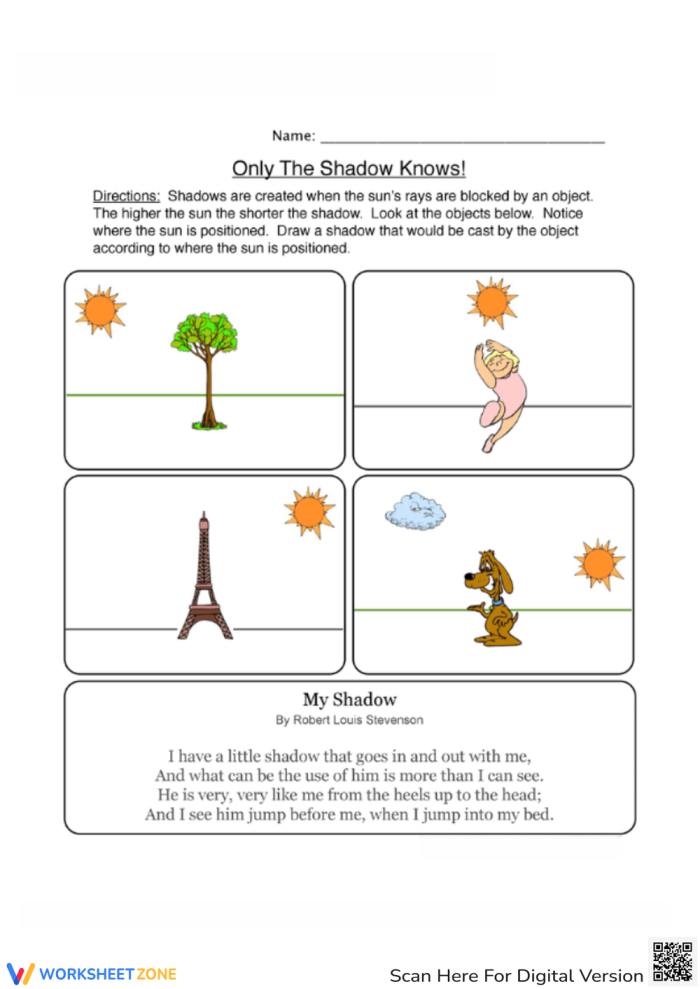
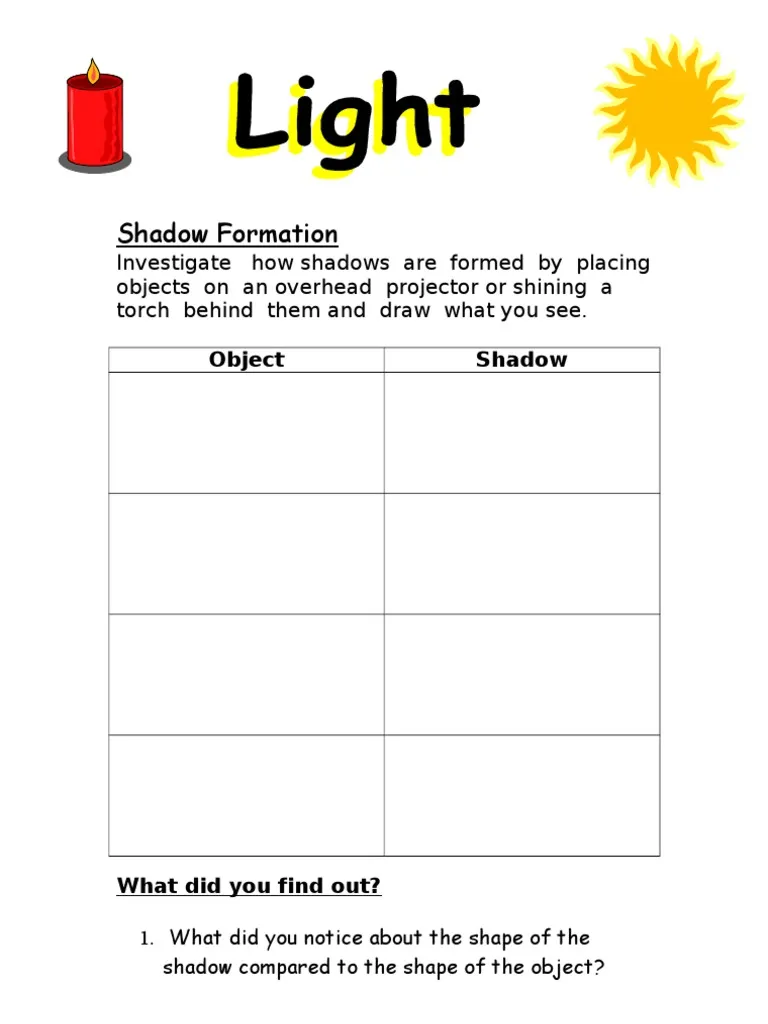
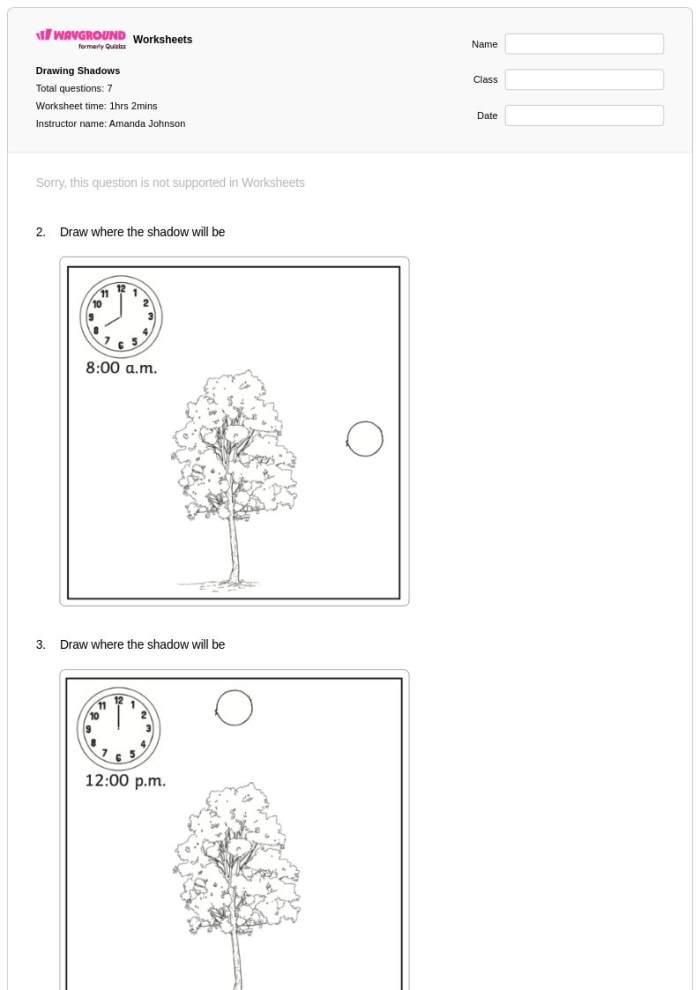
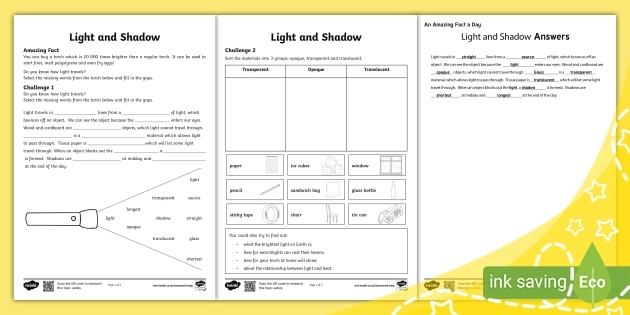
Fifth grade students working through physical science often explore how light behaves, and applying that knowledge to art reinforces the concept. If you want structured practice, printable drawing light and shadow worksheets offer guided exercises that walk you through the process step by step.
The best part? You don’t need fancy materials. A pencil and paper are enough to start. Shade lightly at first, then build up darkness where you need it. Once you nail this technique, your doodles won’t just look better, they’ll look like they exist in real space with actual light falling across them.
Try These Printable Worksheets