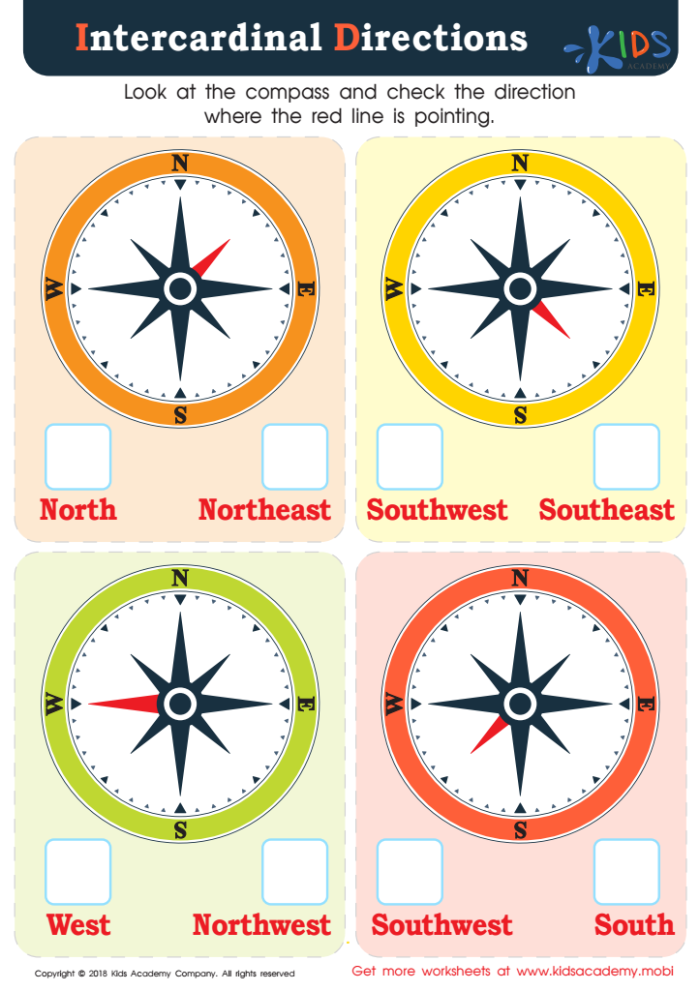
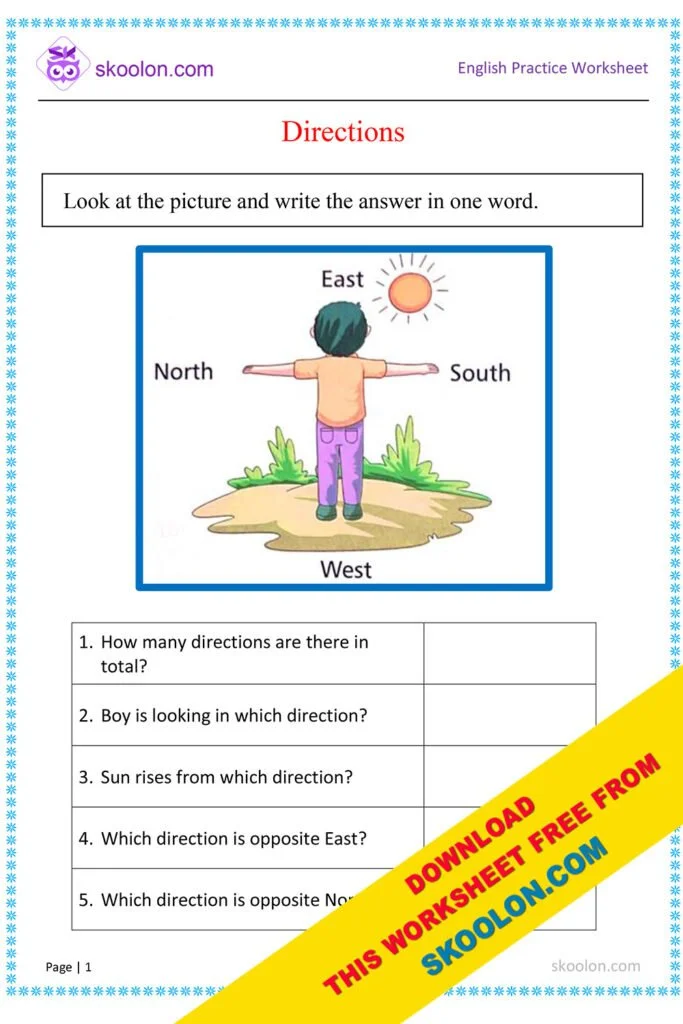
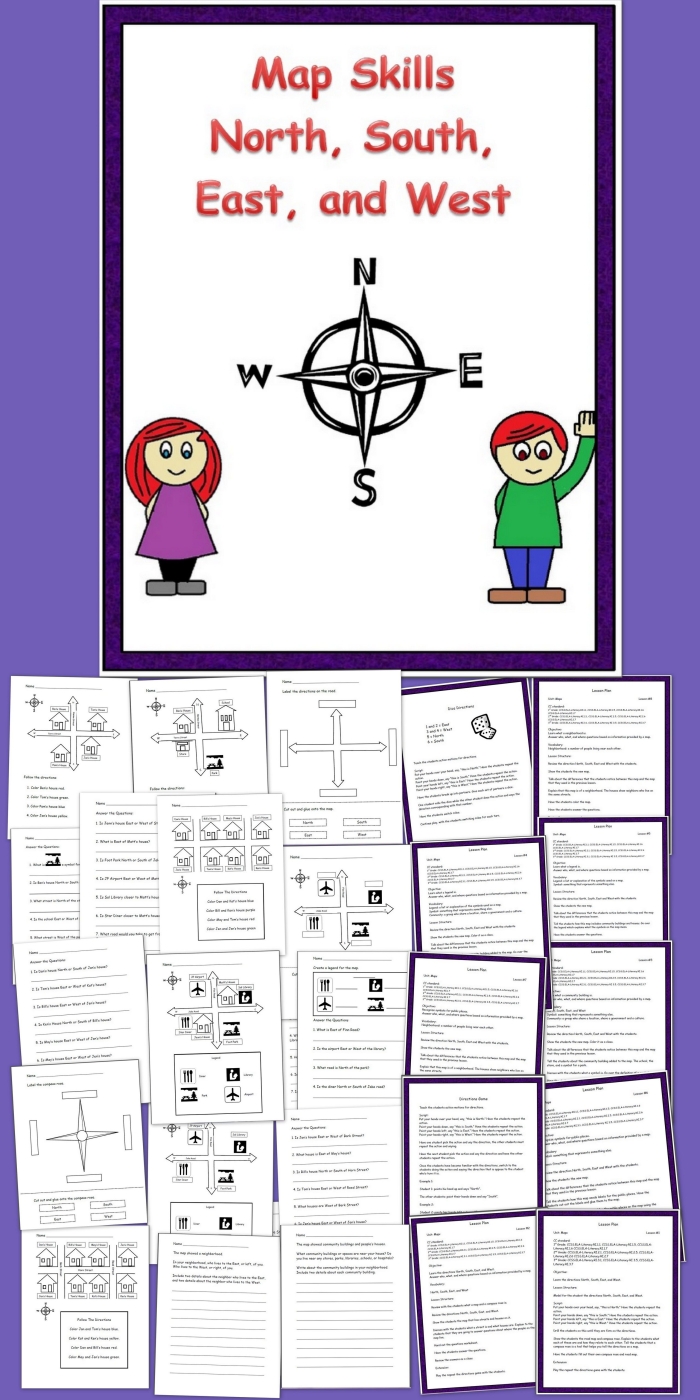
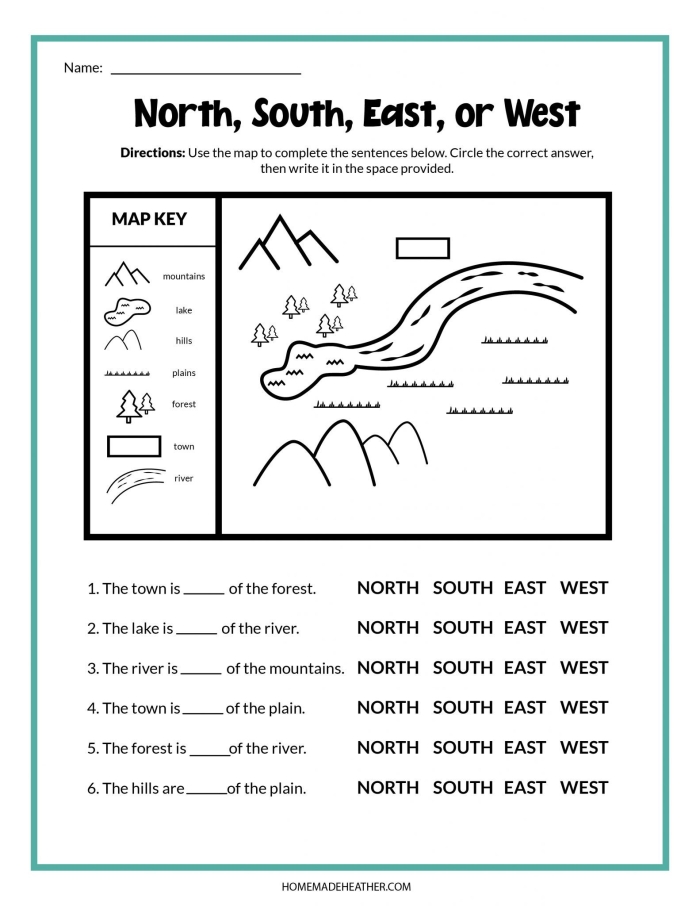
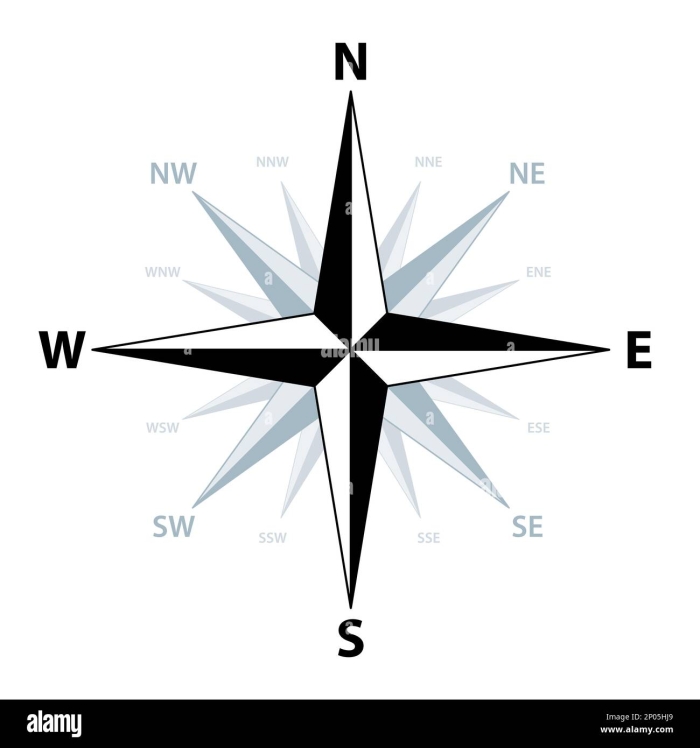
Learning to read a map starts with understanding which way is which, and that’s exactly where a compass rose comes in. This simple tool appears on nearly every U.S. map and shows you the cardinal directions: north, south, east, and west. For first grade students, mastering these directional concepts builds the foundation for geography skills they’ll use throughout their education.
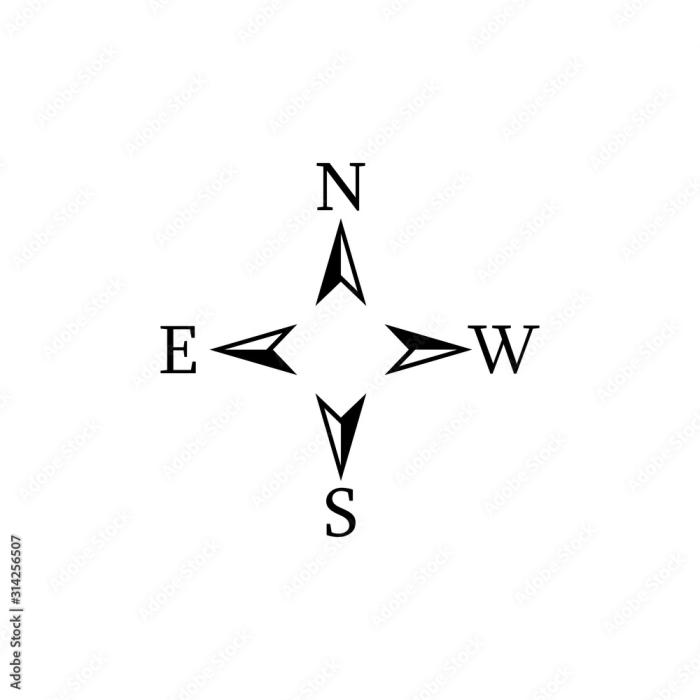
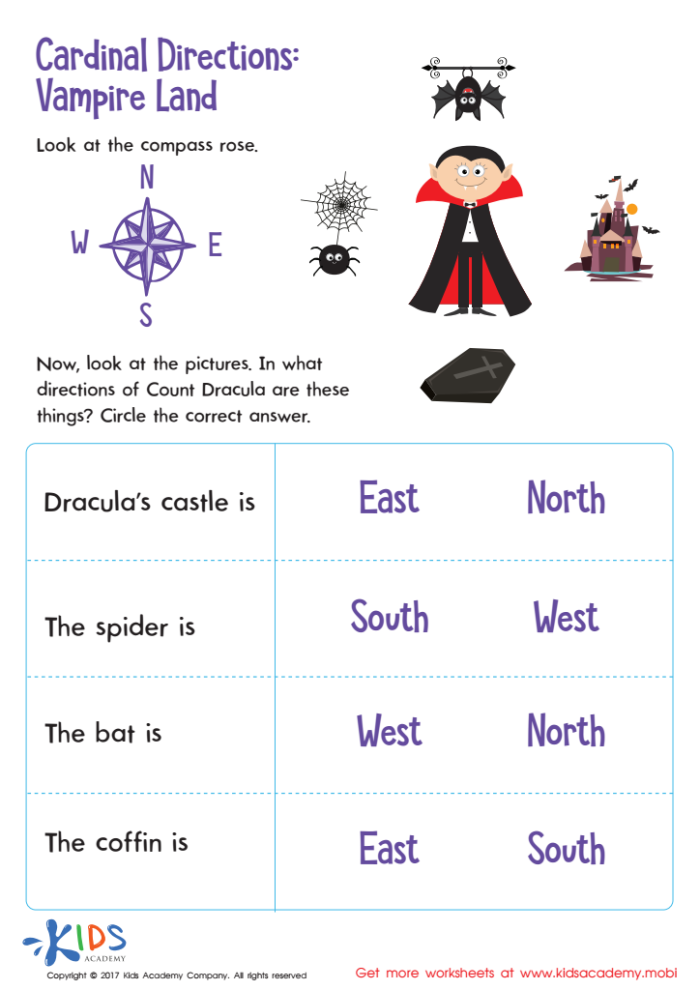
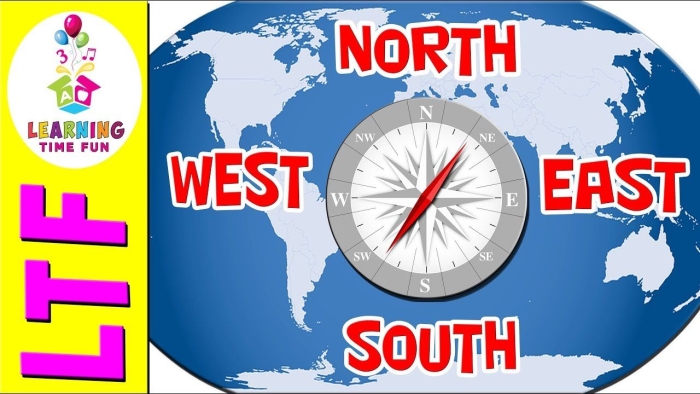
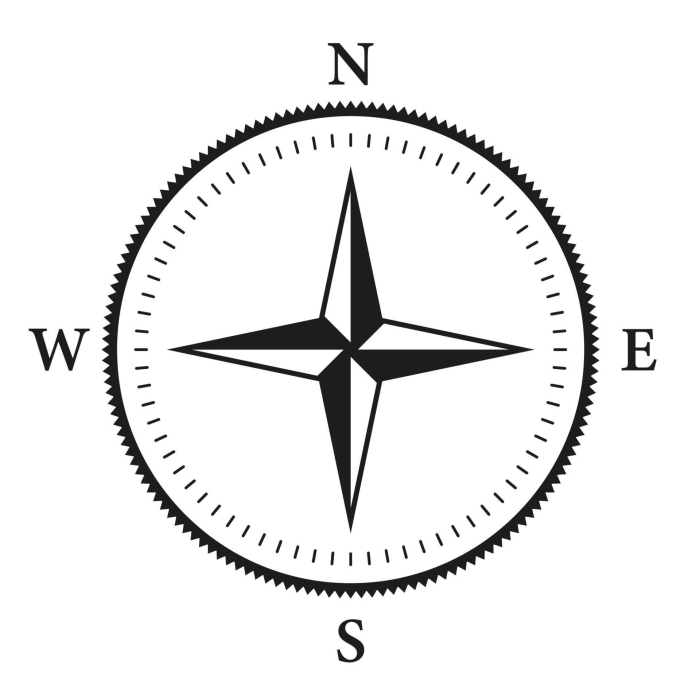
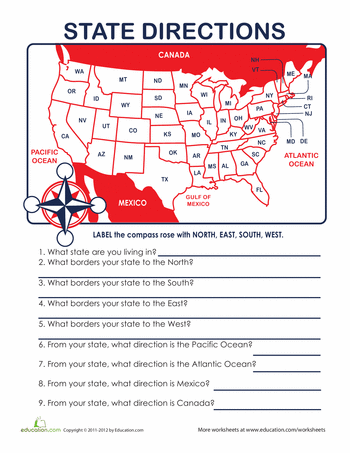
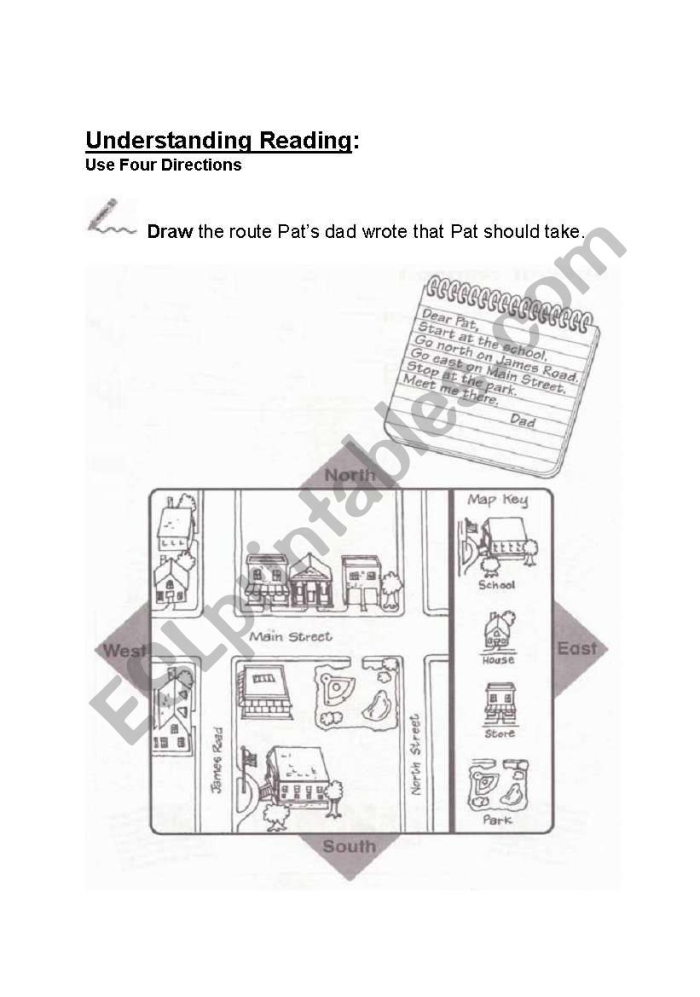
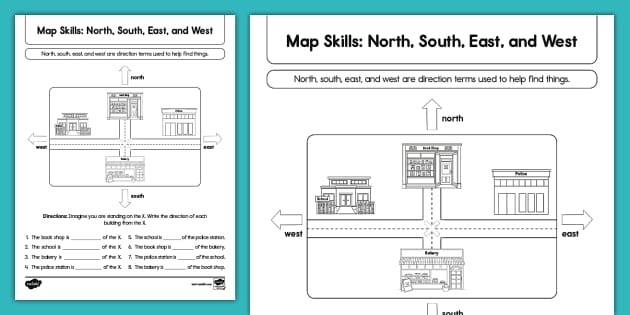
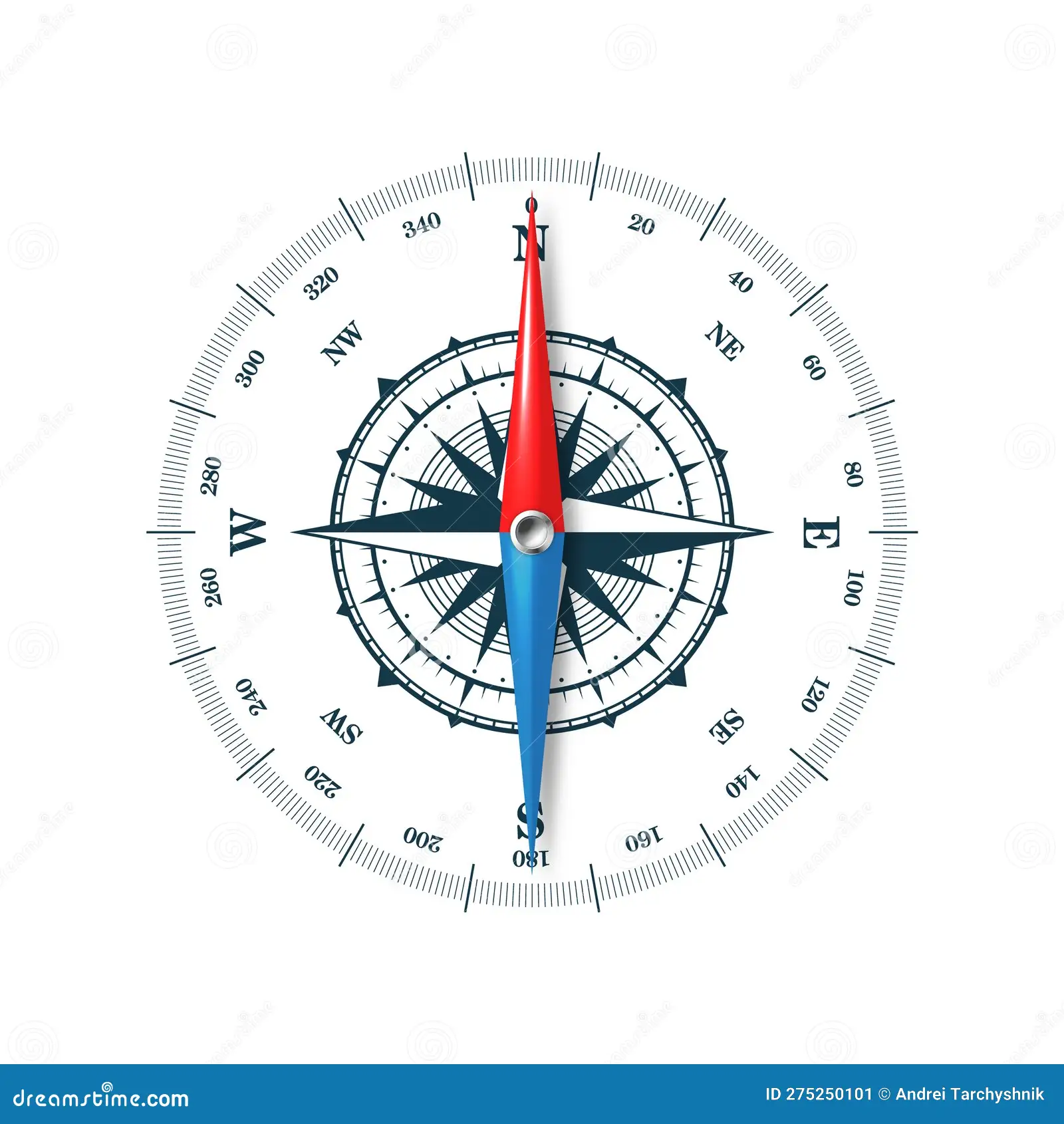
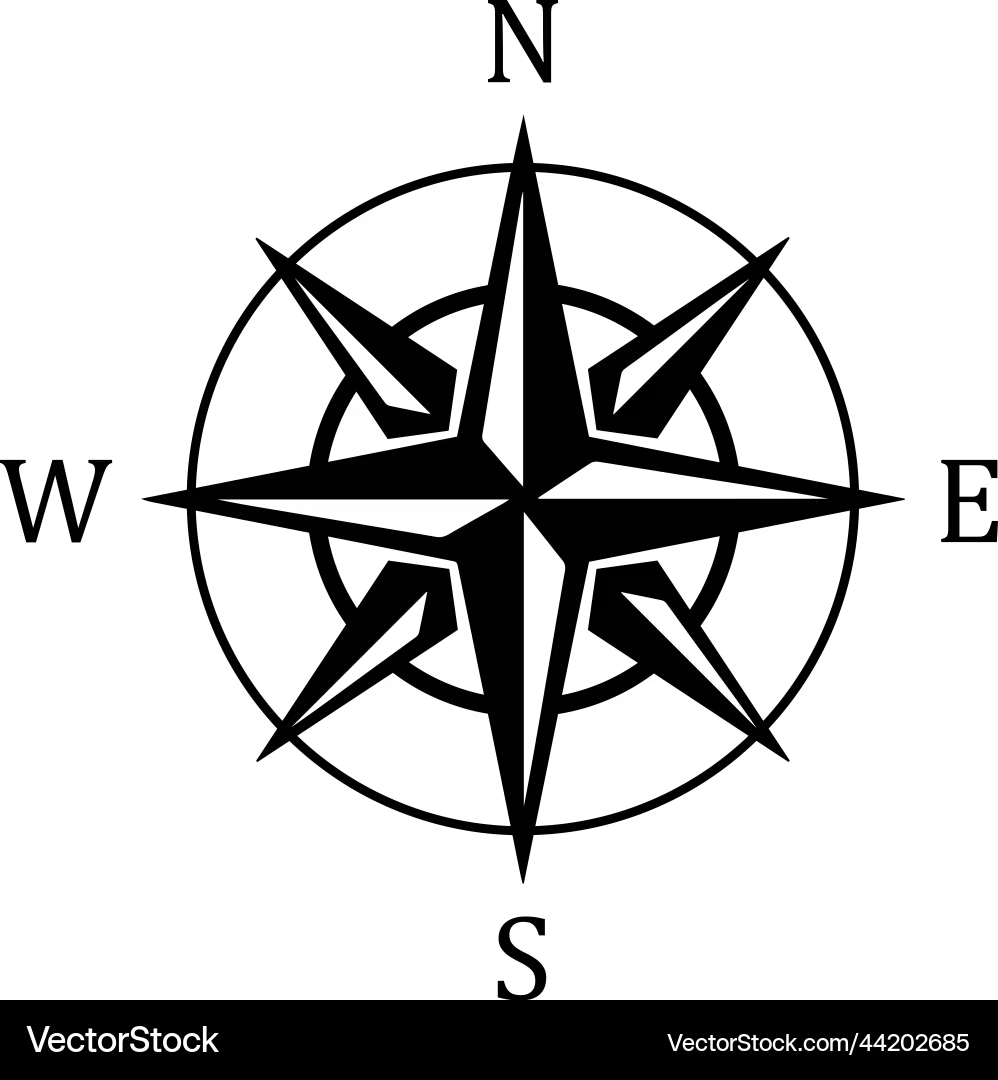
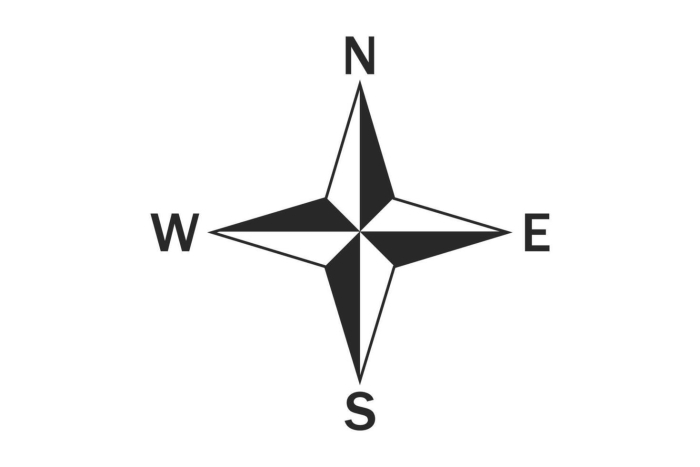
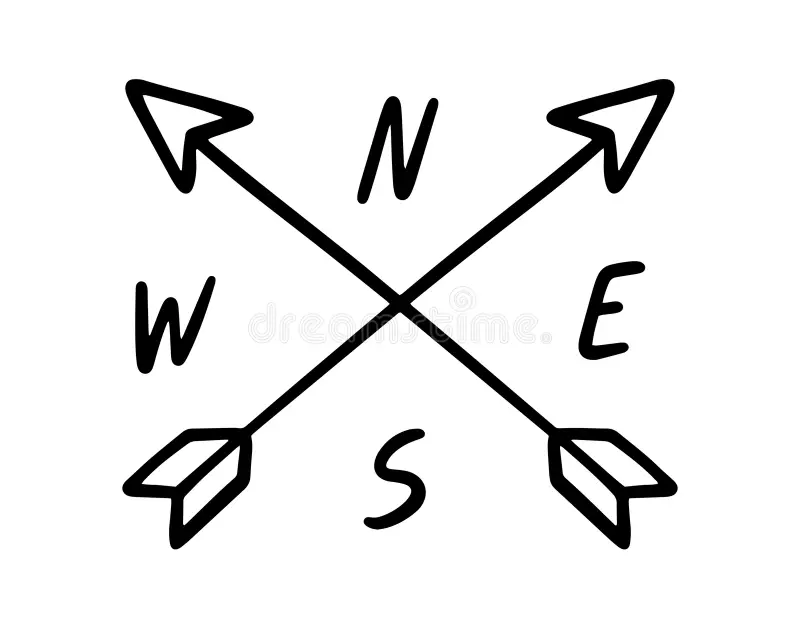
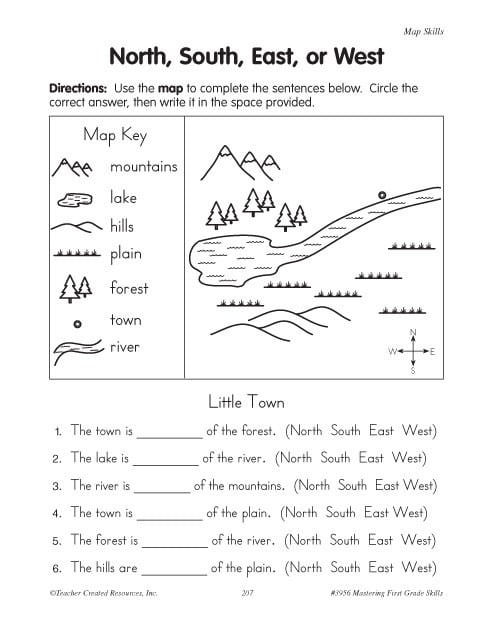
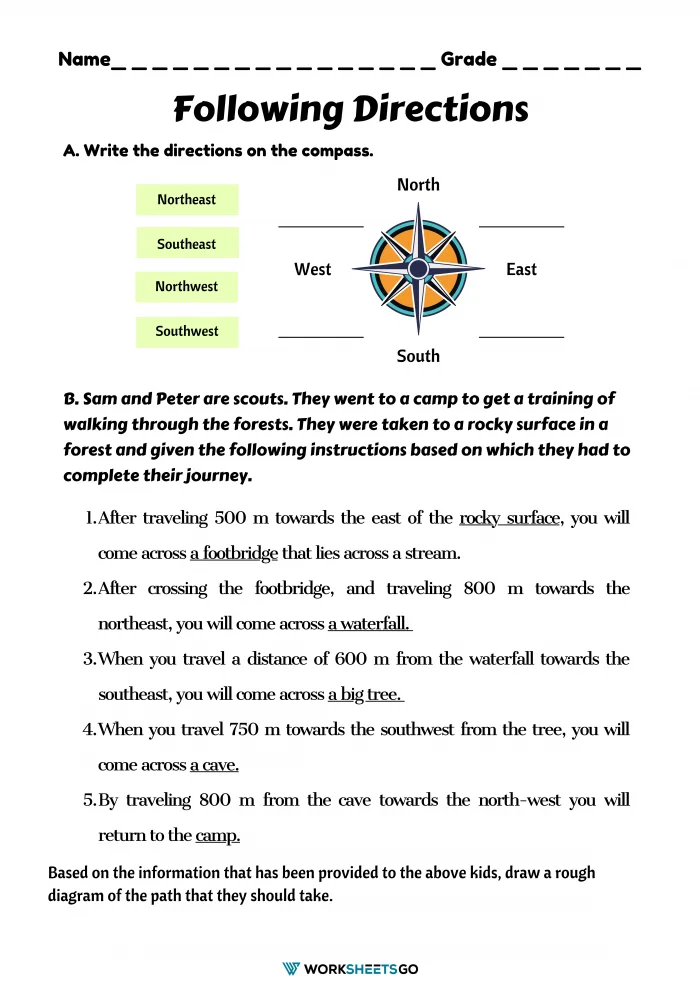
A compass rose is typically a star-shaped symbol with four main points labeled N, S, E, and W. North always points toward the top of the map, south toward the bottom, east to the right, and west to the left. Once students recognize this pattern, they can locate places relative to each other. Instead of just saying “there’s a city on the map,” they can say “the city is east of the mountains” or “the river runs north to south.”
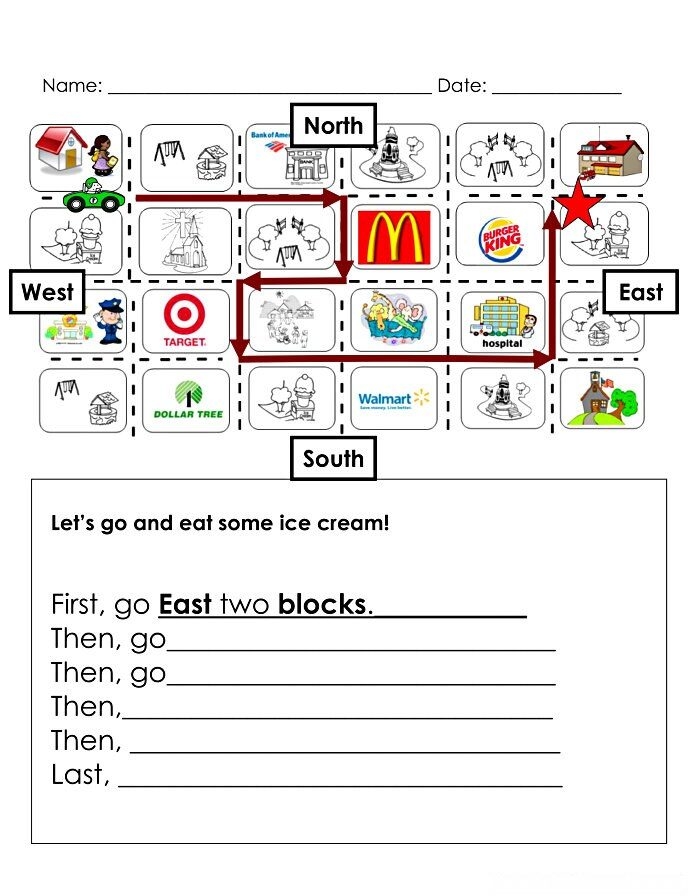
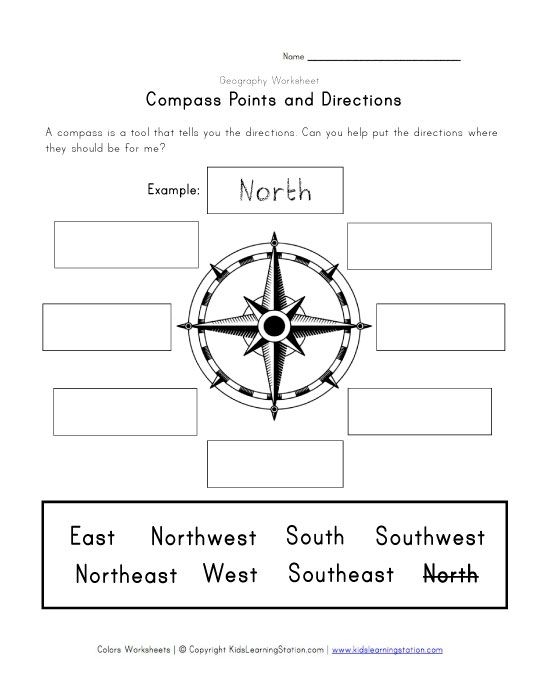
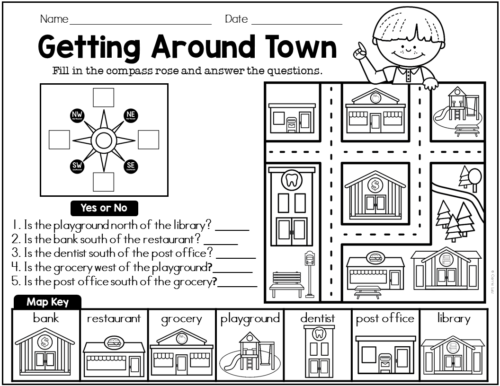
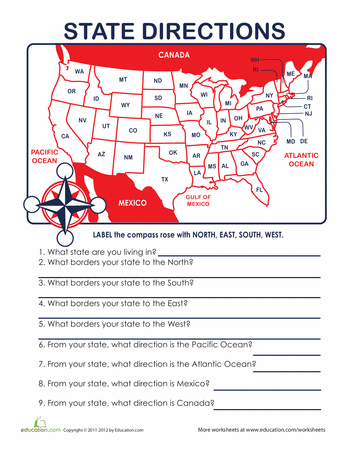
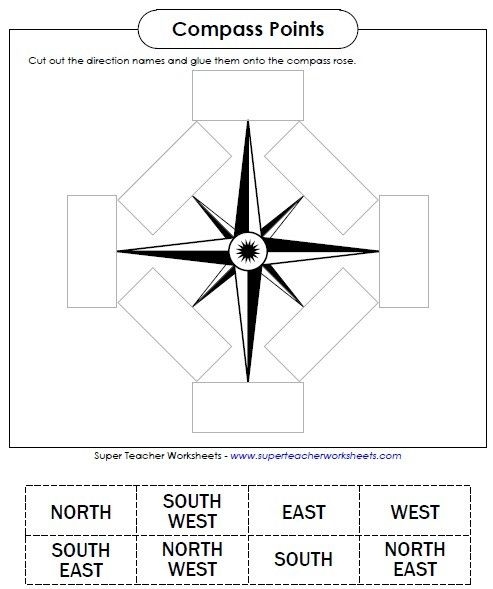
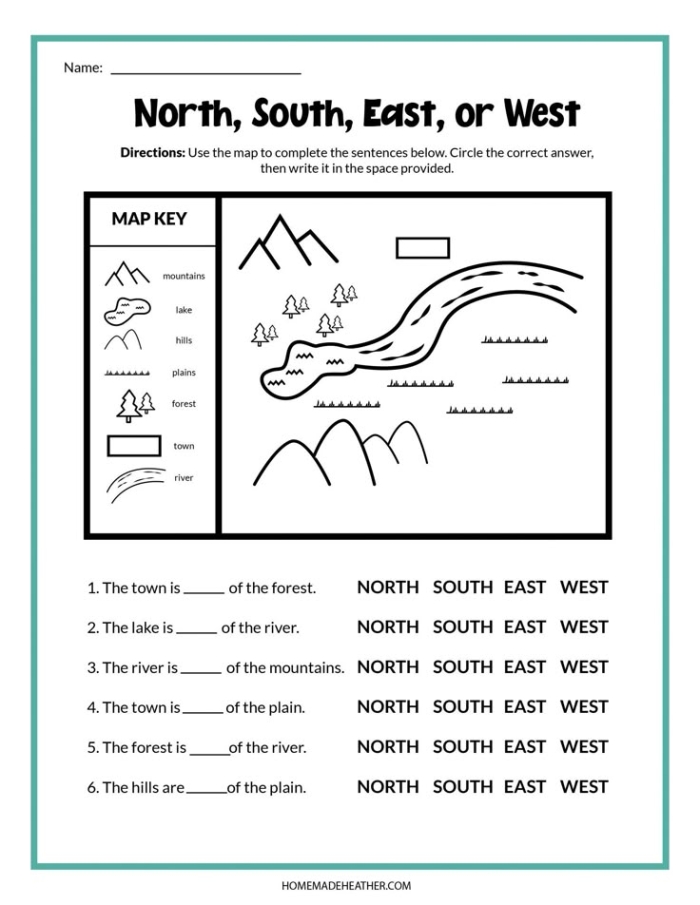
Working with compass roses on worksheets helps children internalize these spatial relationships through practice. When students identify where different locations sit in relation to the compass directions, they’re developing critical thinking skills alongside geography knowledge. This type of hands-on learning works well when combined with other foundational concepts.
Many teachers pair directional worksheets with complementary activities. For example, students might work on fractions worksheets that introduce halves and fourths, or explore activities asking who, what, and where questions that naturally incorporate directional language. These integrated approaches reinforce multiple skills simultaneously.
Using a compass rose transforms a flat map into something navigable and meaningful. First grade students quickly grasp that maps tell stories about where things are located, and understanding directions is the key to reading those stories accurately.
Start Practicing with These Worksheets