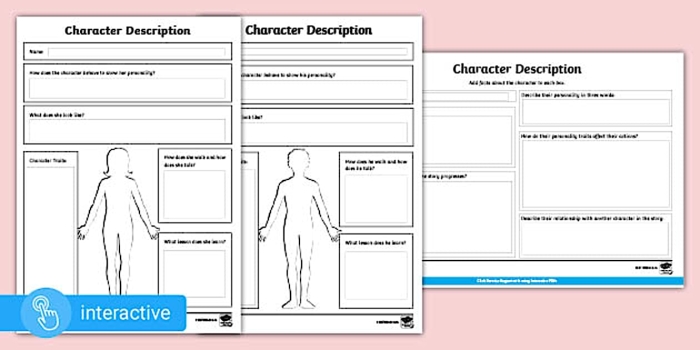
Character analysis can seem daunting, especially for young readers just beginning their literary journeys. A fun graphic organizer can make this process engaging and accessible. By using a structured approach, students can explore the unique traits and motivations of characters, enhancing their understanding of stories.
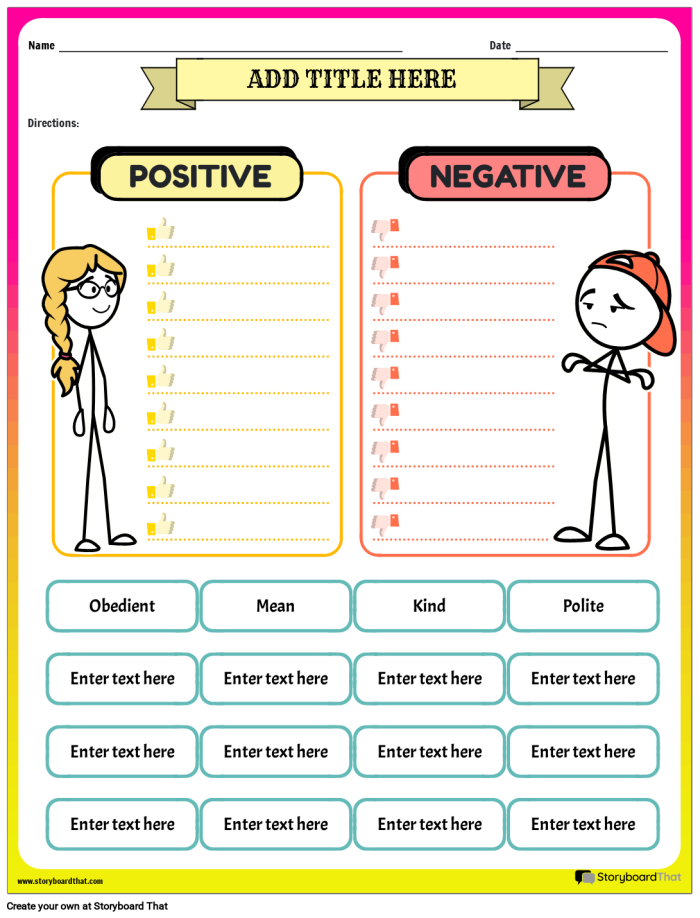
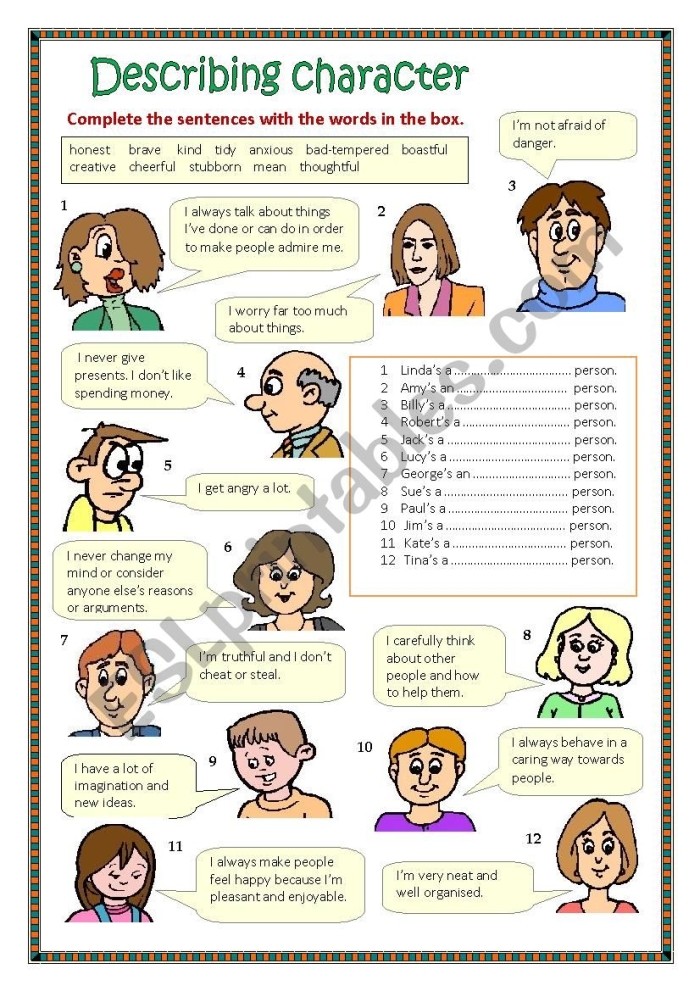
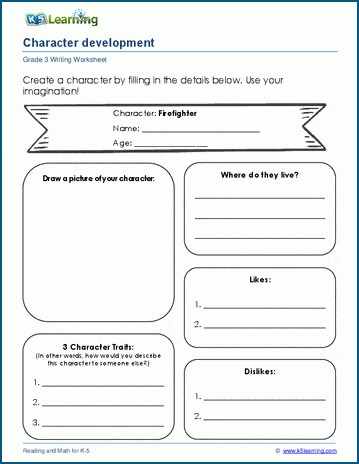
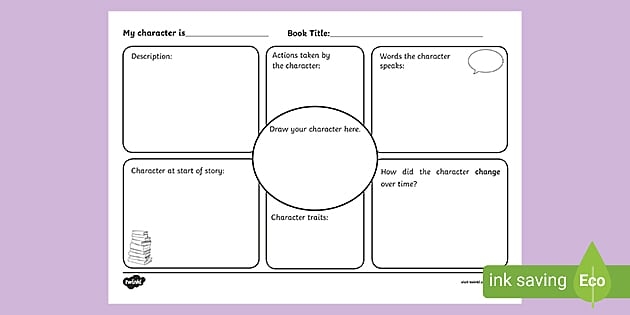
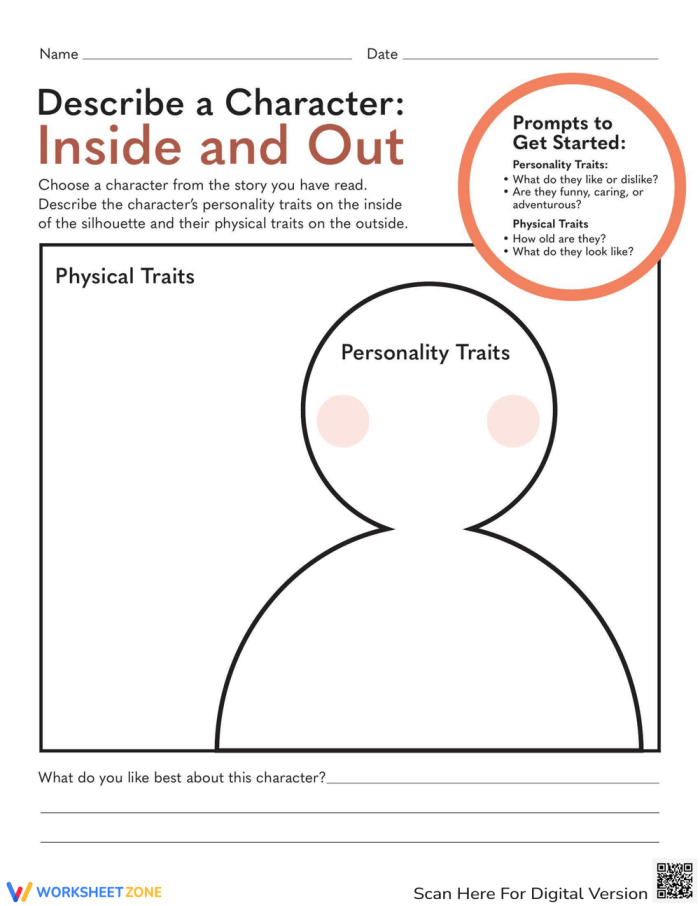
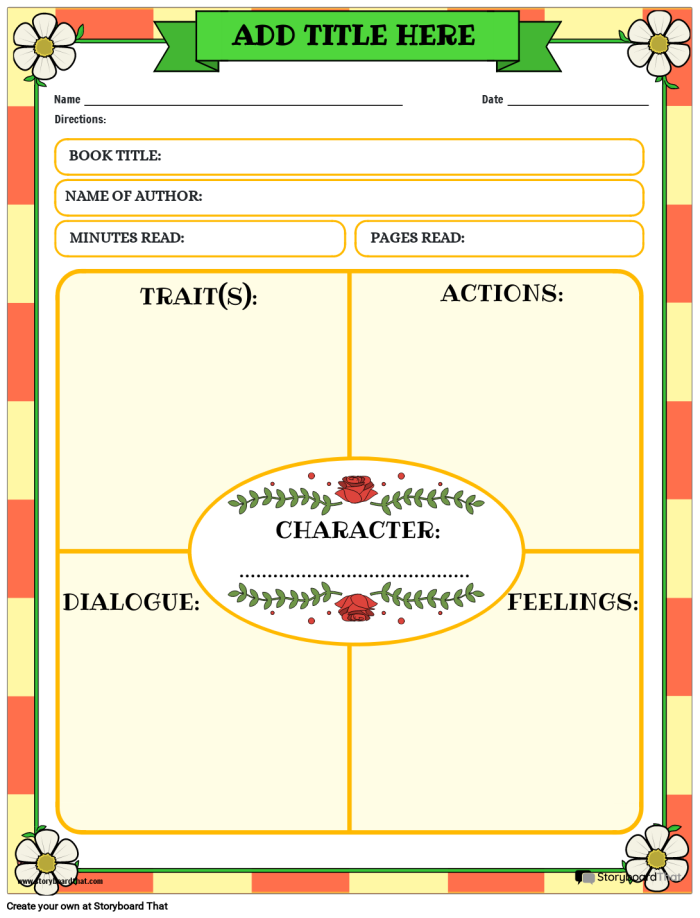
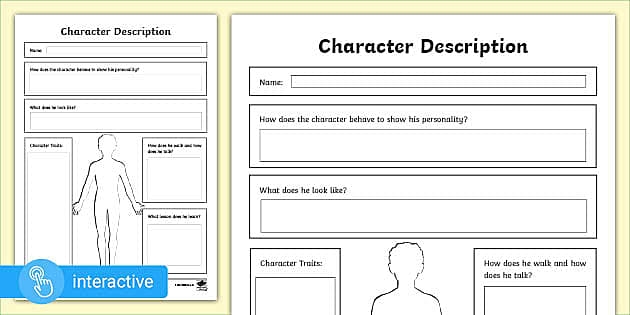
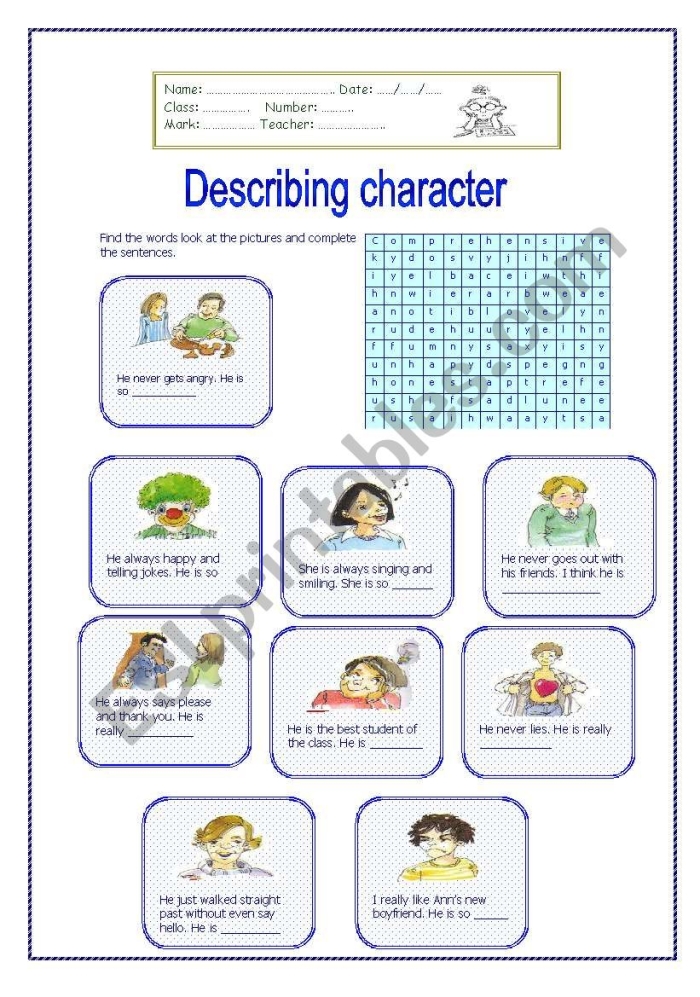
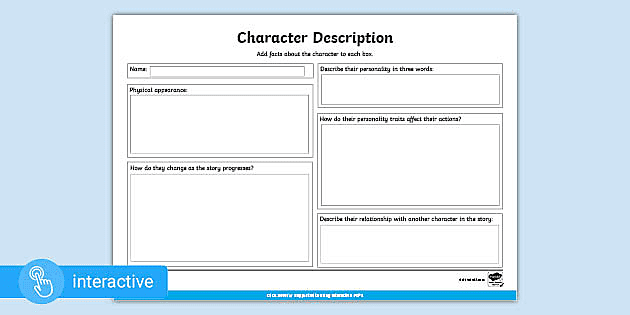
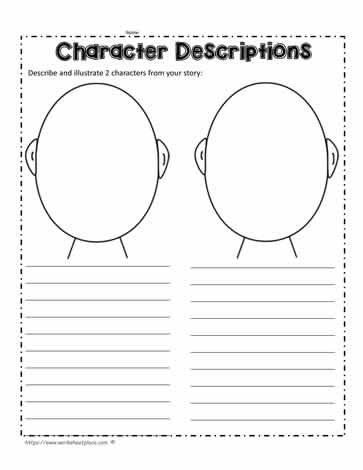
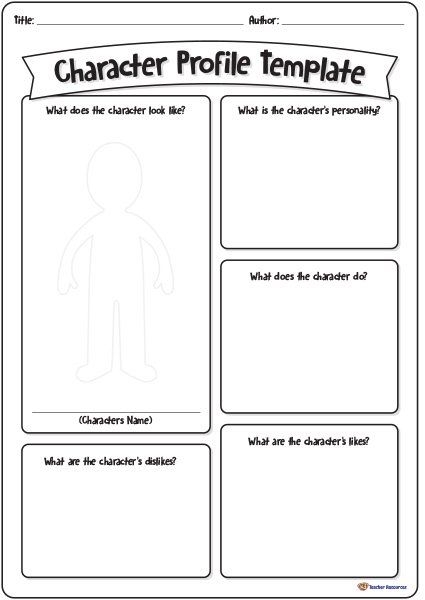
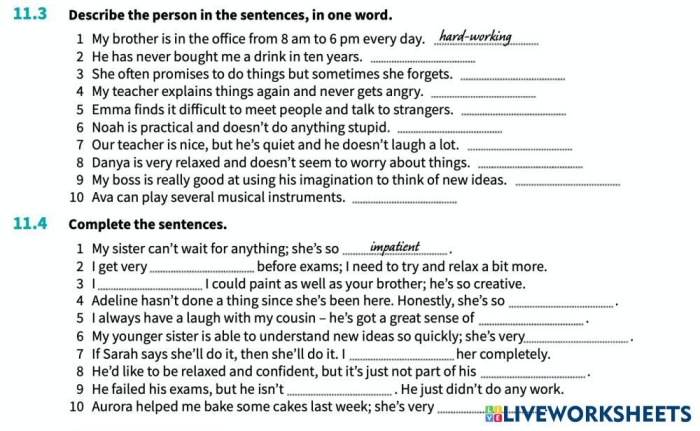
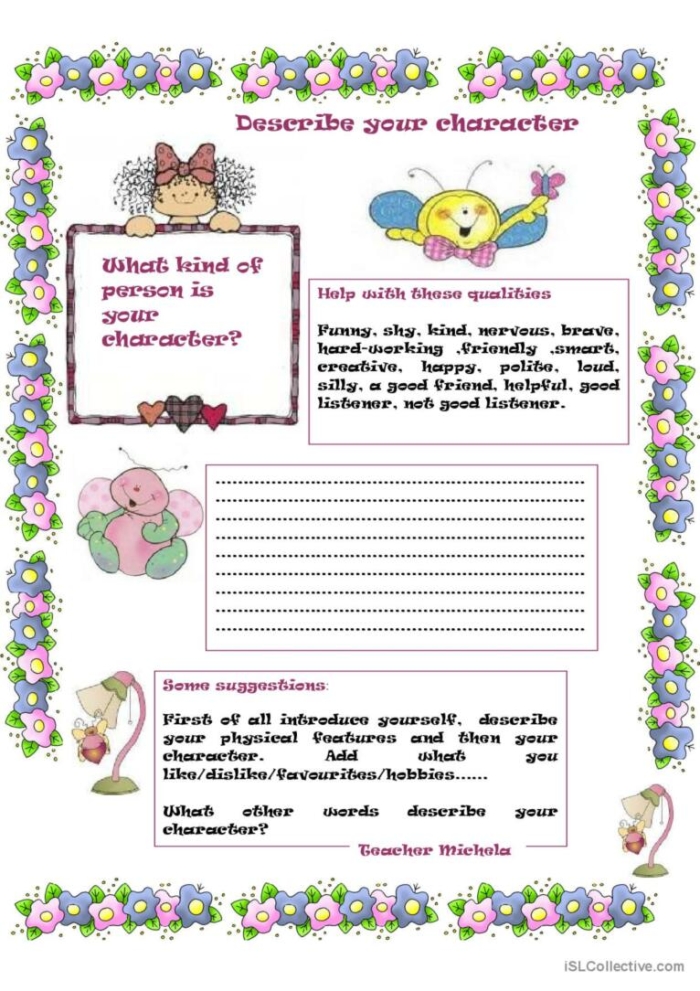
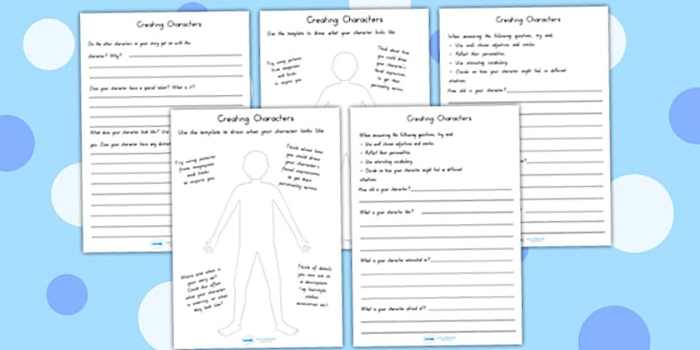
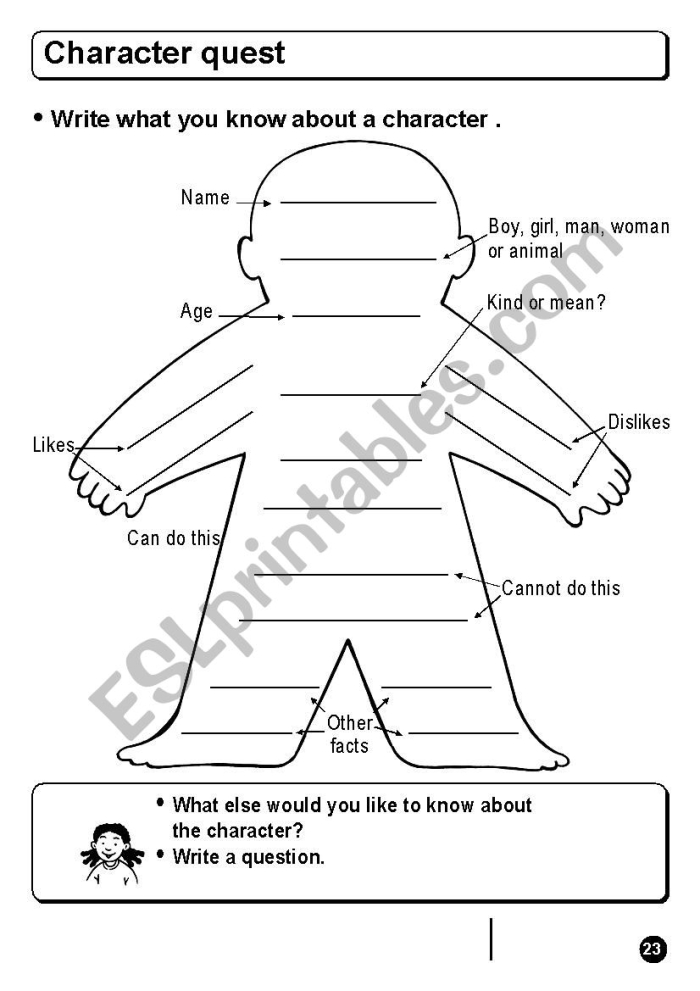
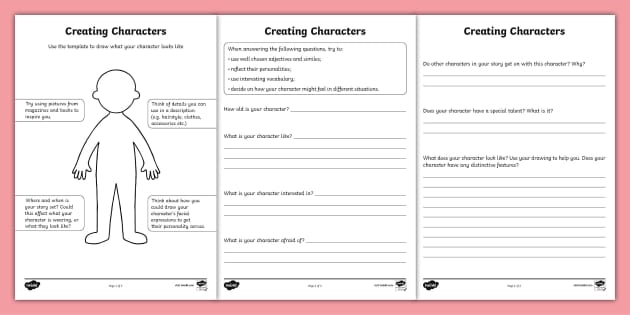
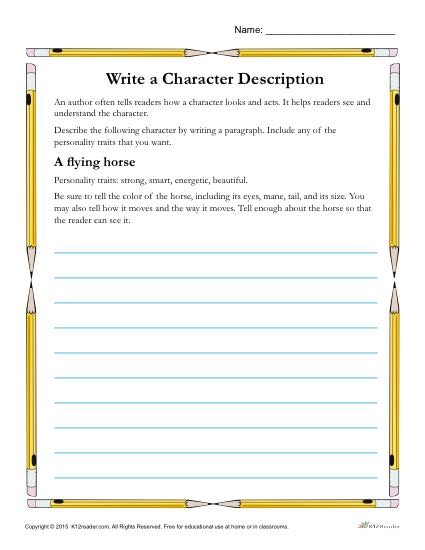
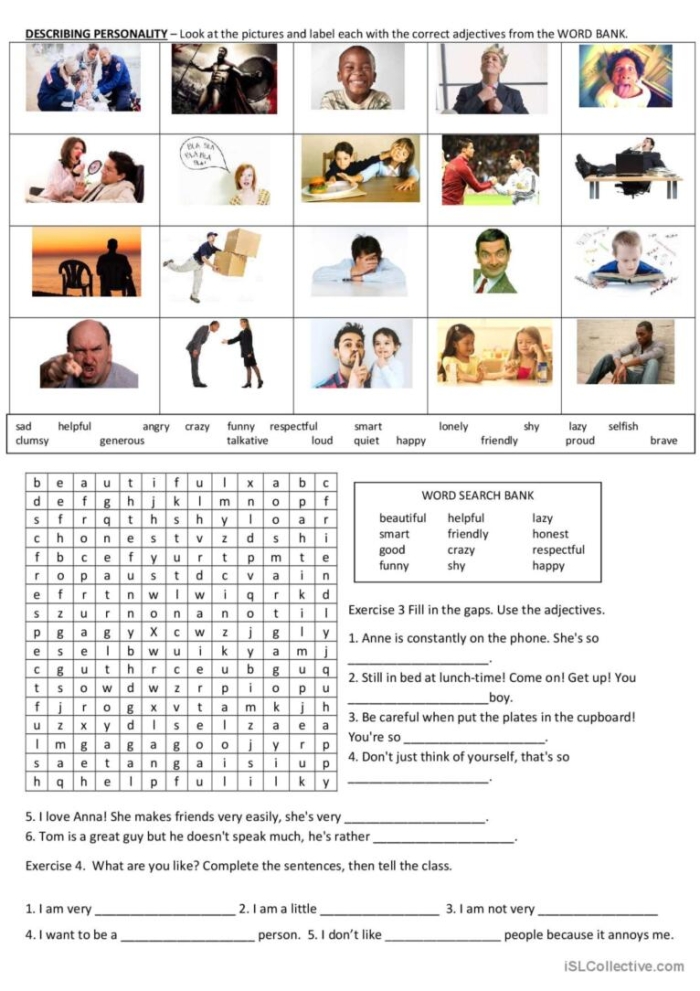
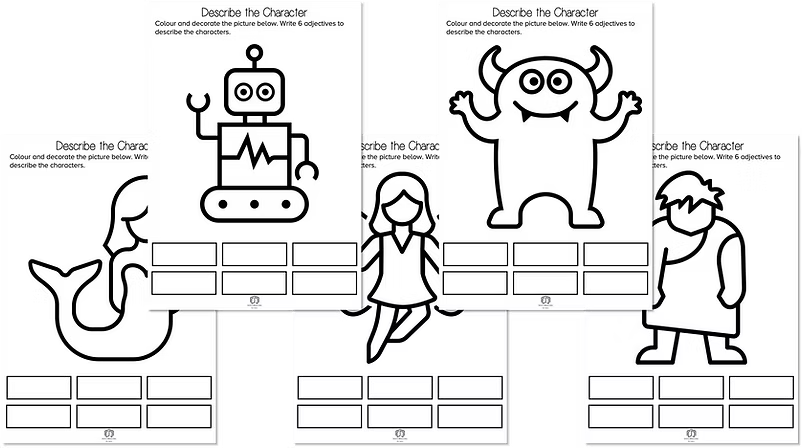
Imagine a first grader opening a book and encountering a character they love. With a printable describe a character worksheet, they can easily jot down key details such as the character’s name, appearance, and personality traits. This hands-on activity encourages children to think critically about what makes a character relatable or interesting. For instance, if a character is brave, students can reflect on moments in the story that illustrate this trait. Such reflections deepen comprehension and nurture a love for reading.
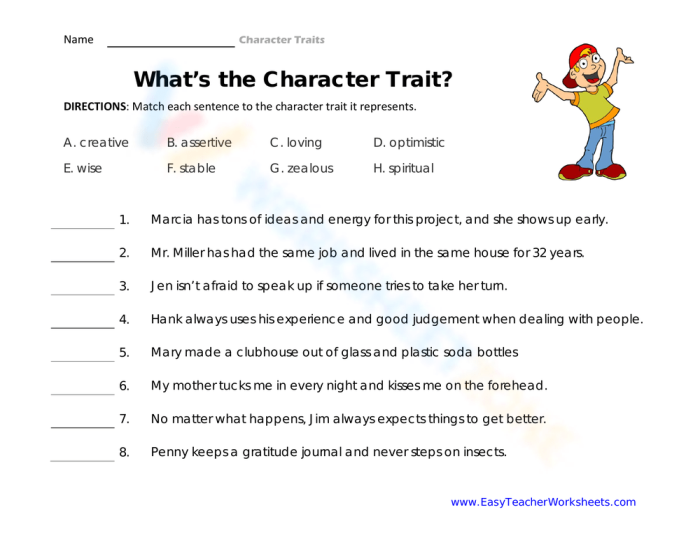
These graphic organizers are particularly beneficial in mixed operations activities. Young learners are not only practicing their analytical skills but also integrating their understanding of math concepts. For example, combining character analysis with a fun math worksheet can reinforce skills in a creative way. Imagine a worksheet where students describe a character and then solve related math problems to uncover more about that character. This approach can make learning more dynamic and enjoyable.
Additionally, character analysis helps build empathy. When students examine a character’s motivations and feelings, they practice seeing the world through someone else’s eyes. This skill is invaluable as it fosters a sense of understanding and connection, both in reading and in life.
Incorporating tools like these graphic organizers in the classroom can transform the way first graders engage with literature. As they become more familiar with characters and their stories, they also cultivate essential reading and analytical skills that will serve them well in their academic journeys. For more resources related to character description, check out our printable worksheets that blend creativity with learning.
Printable Worksheets for Practice