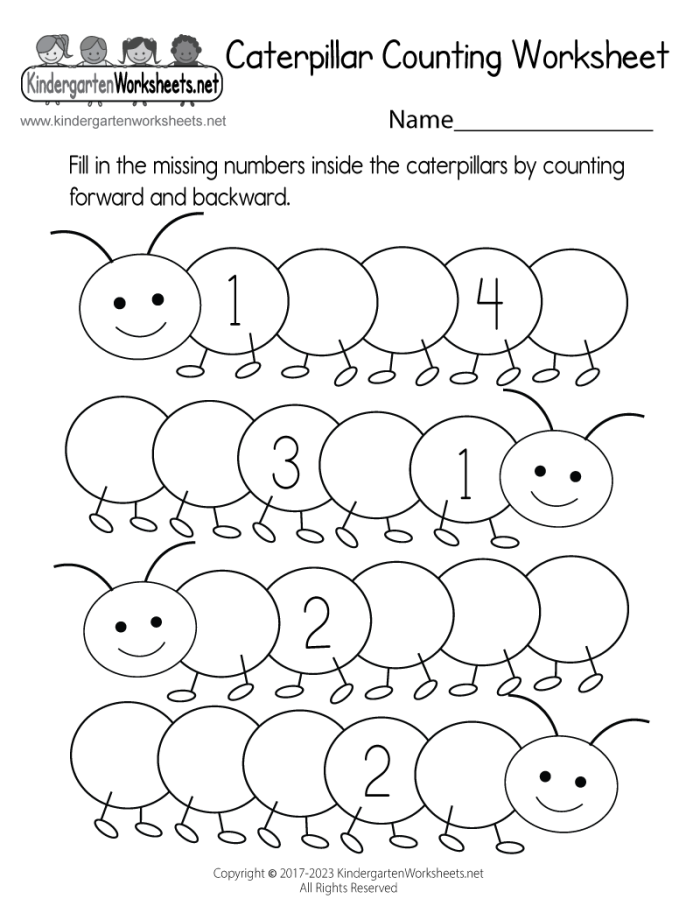
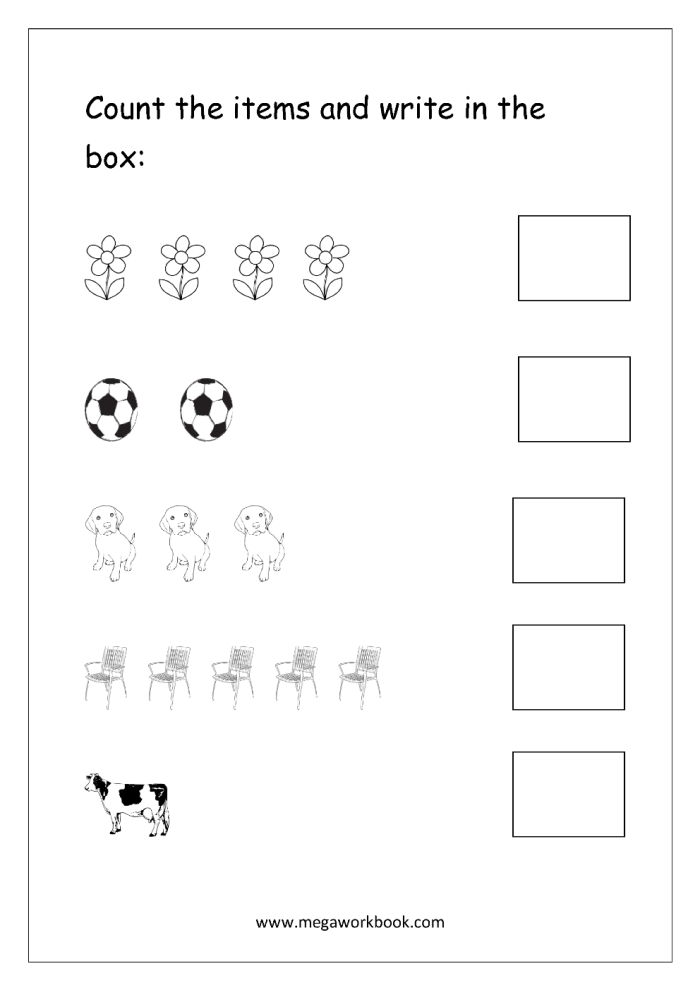
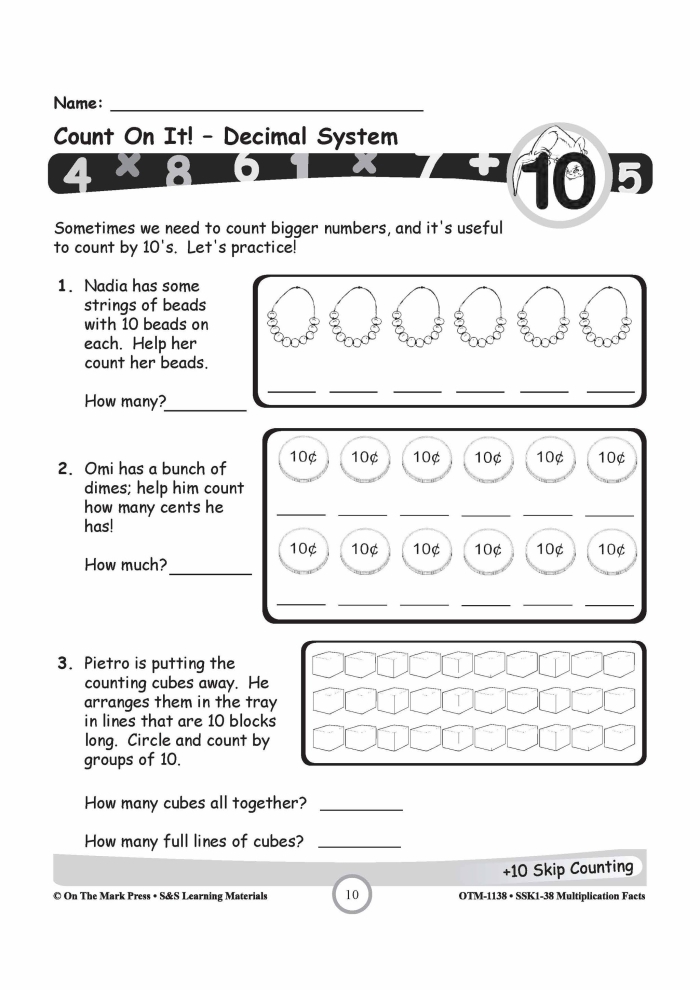
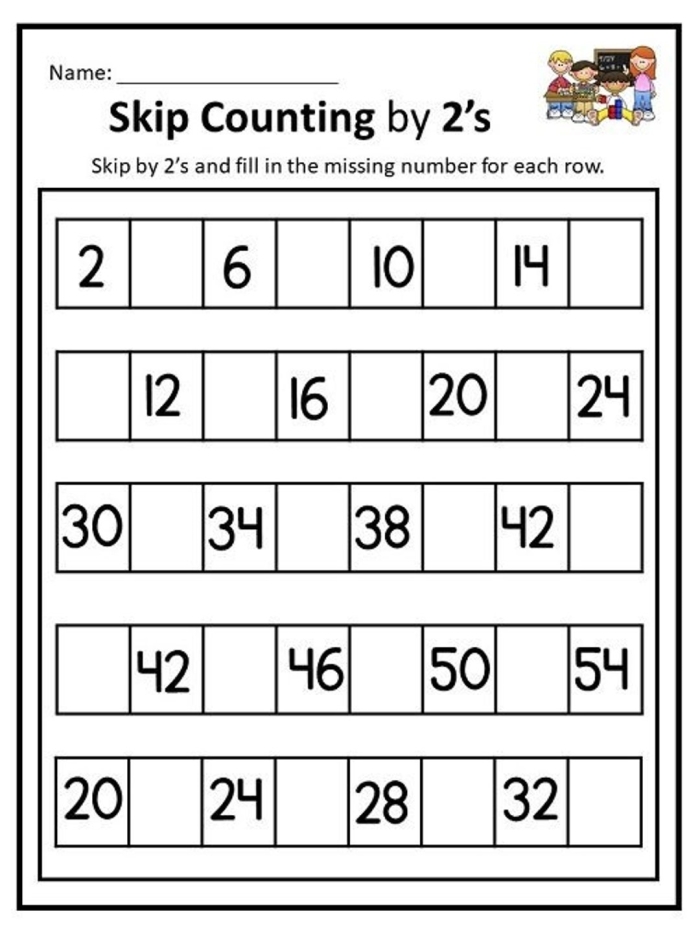
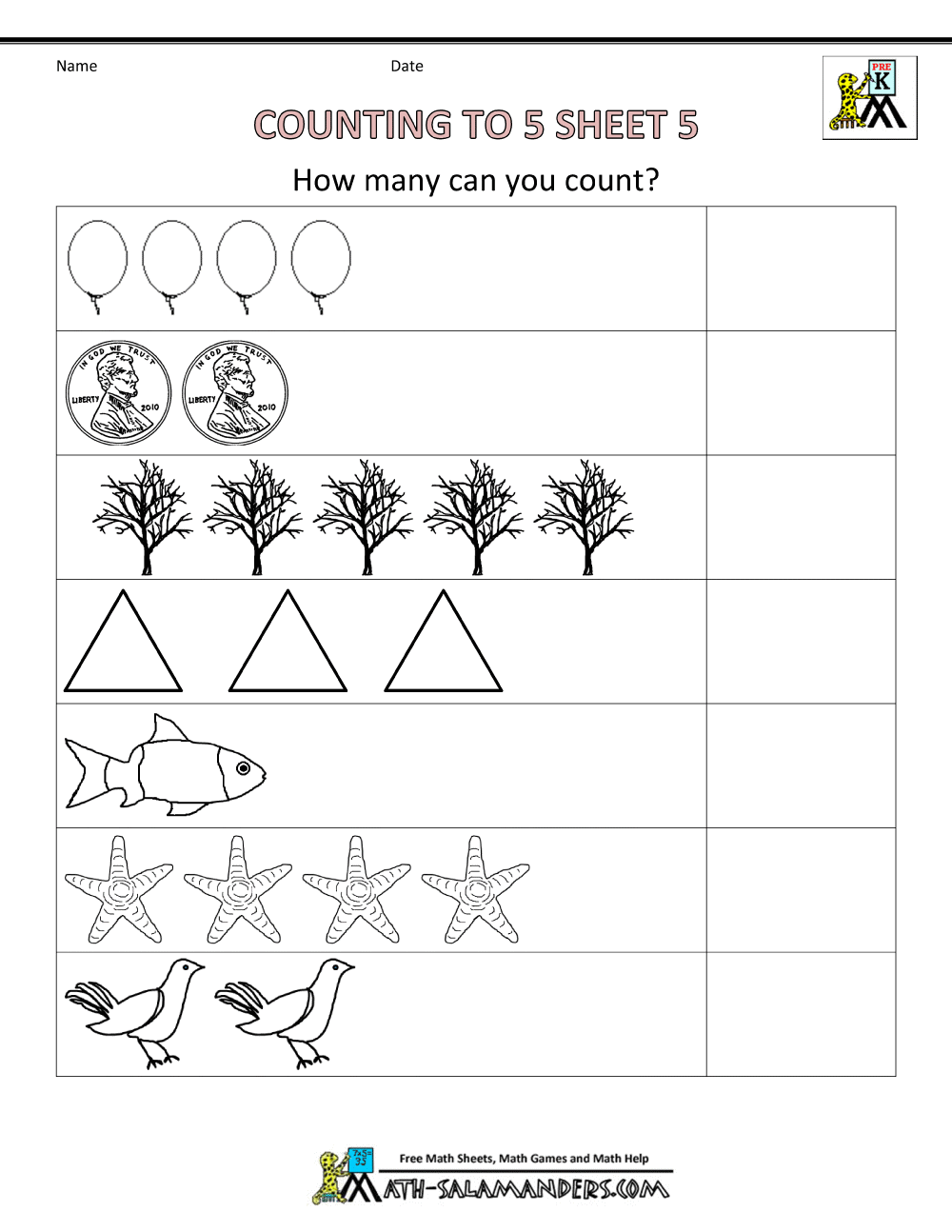
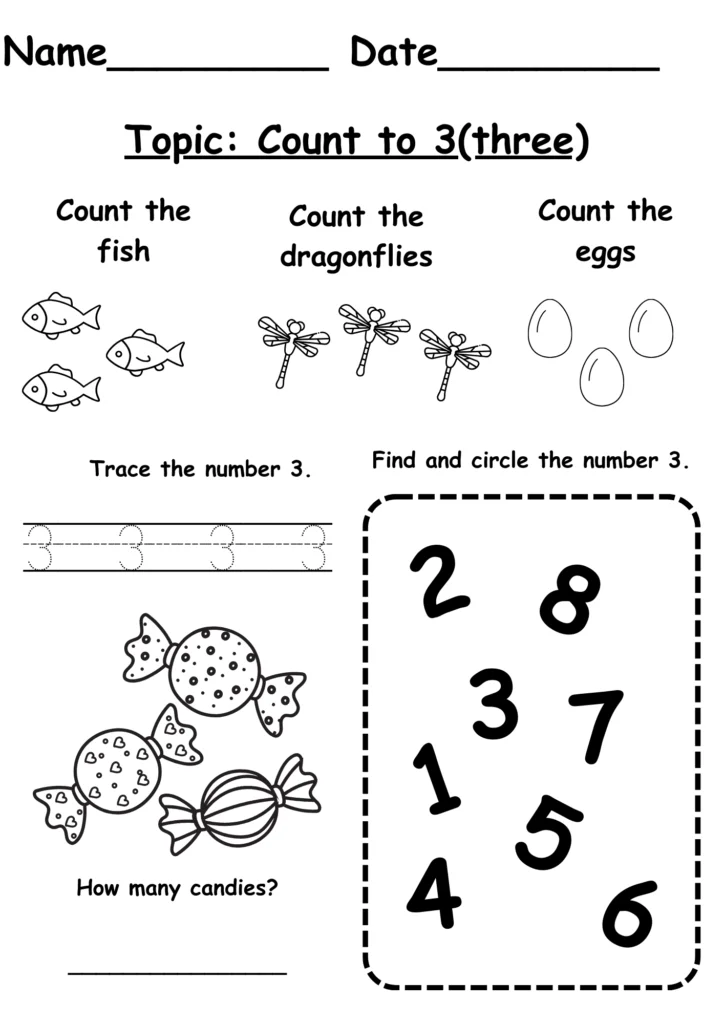
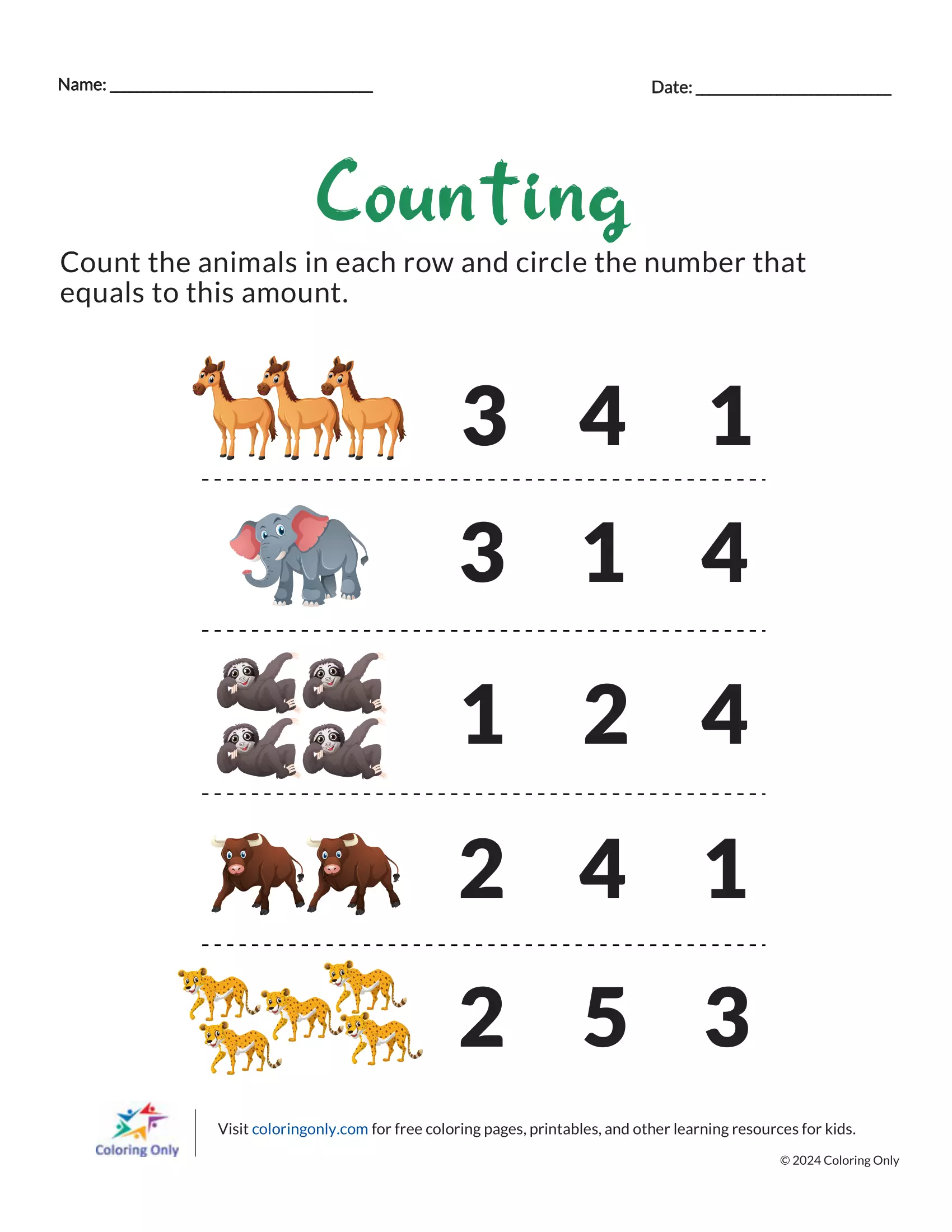
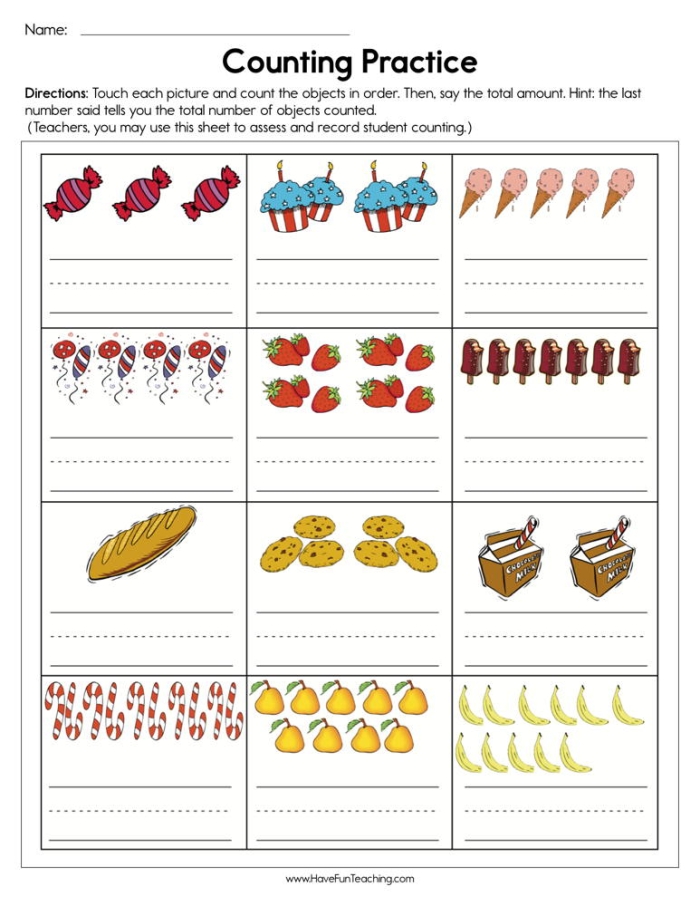
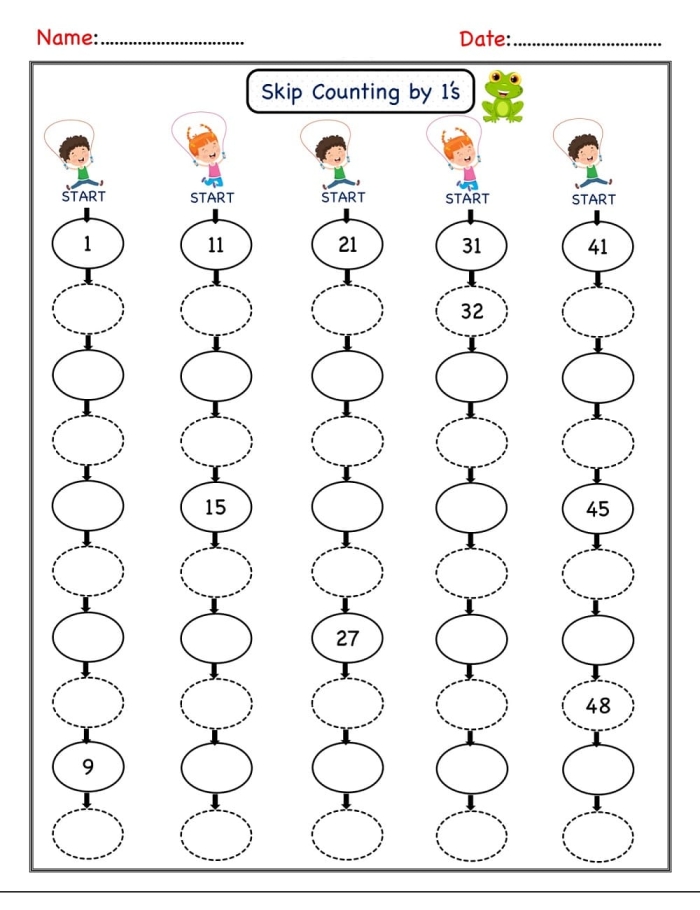
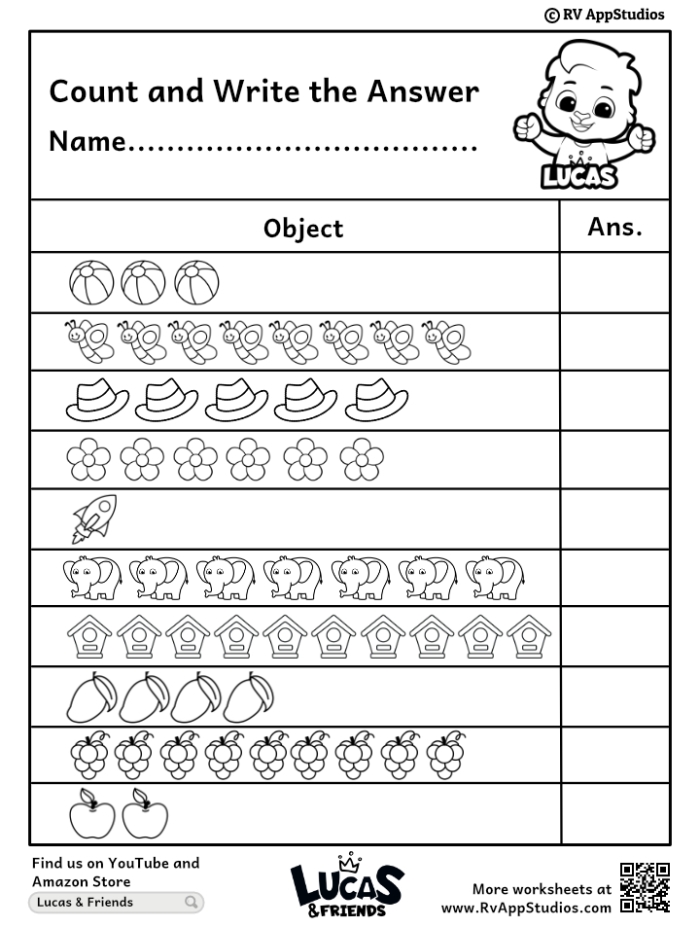
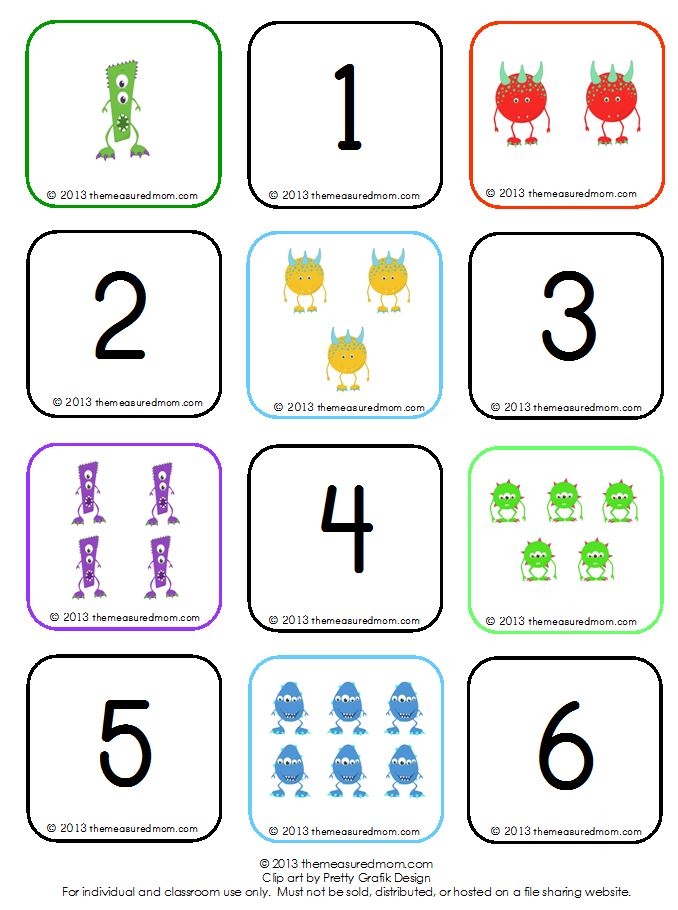
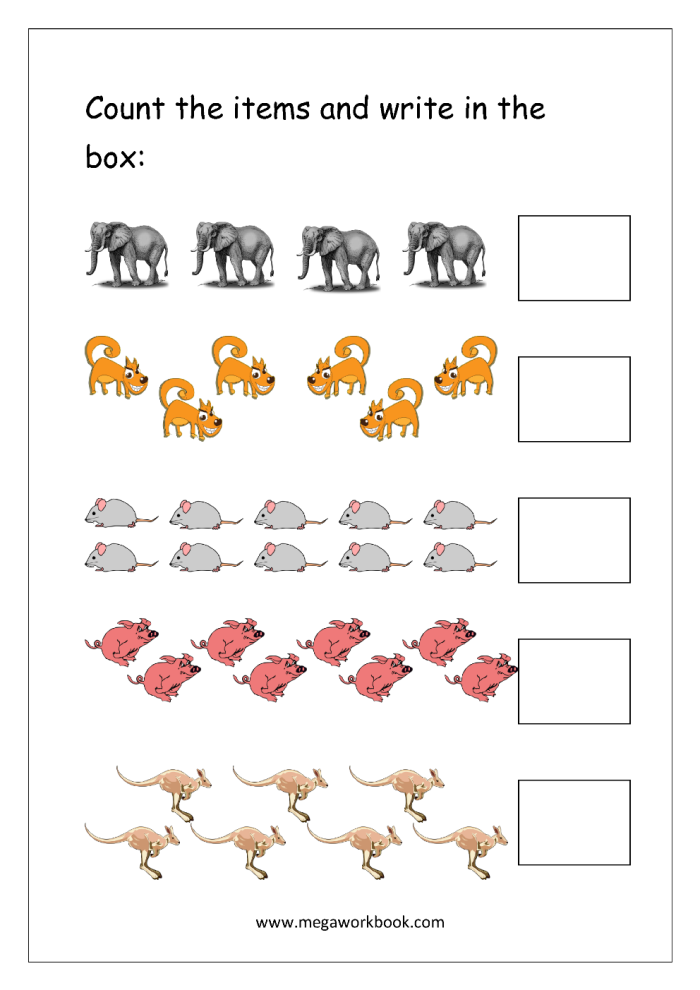
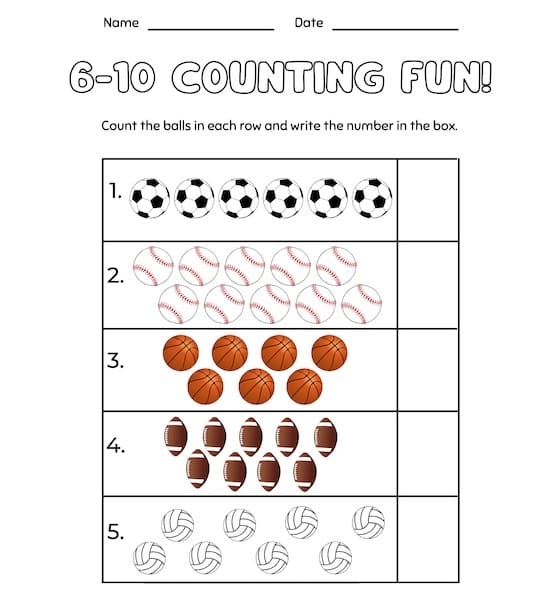
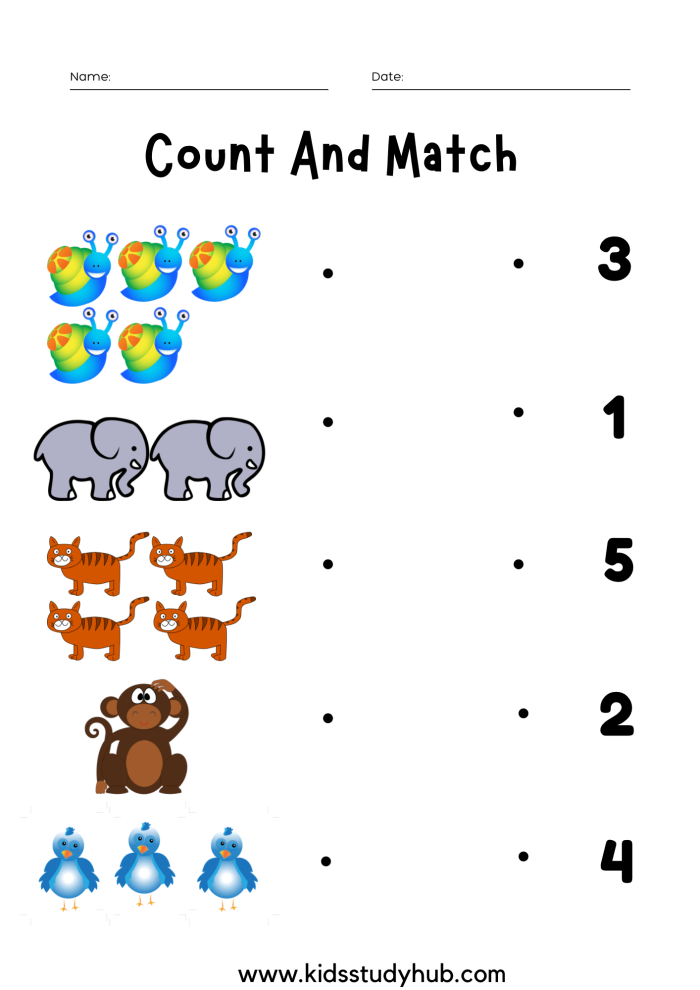
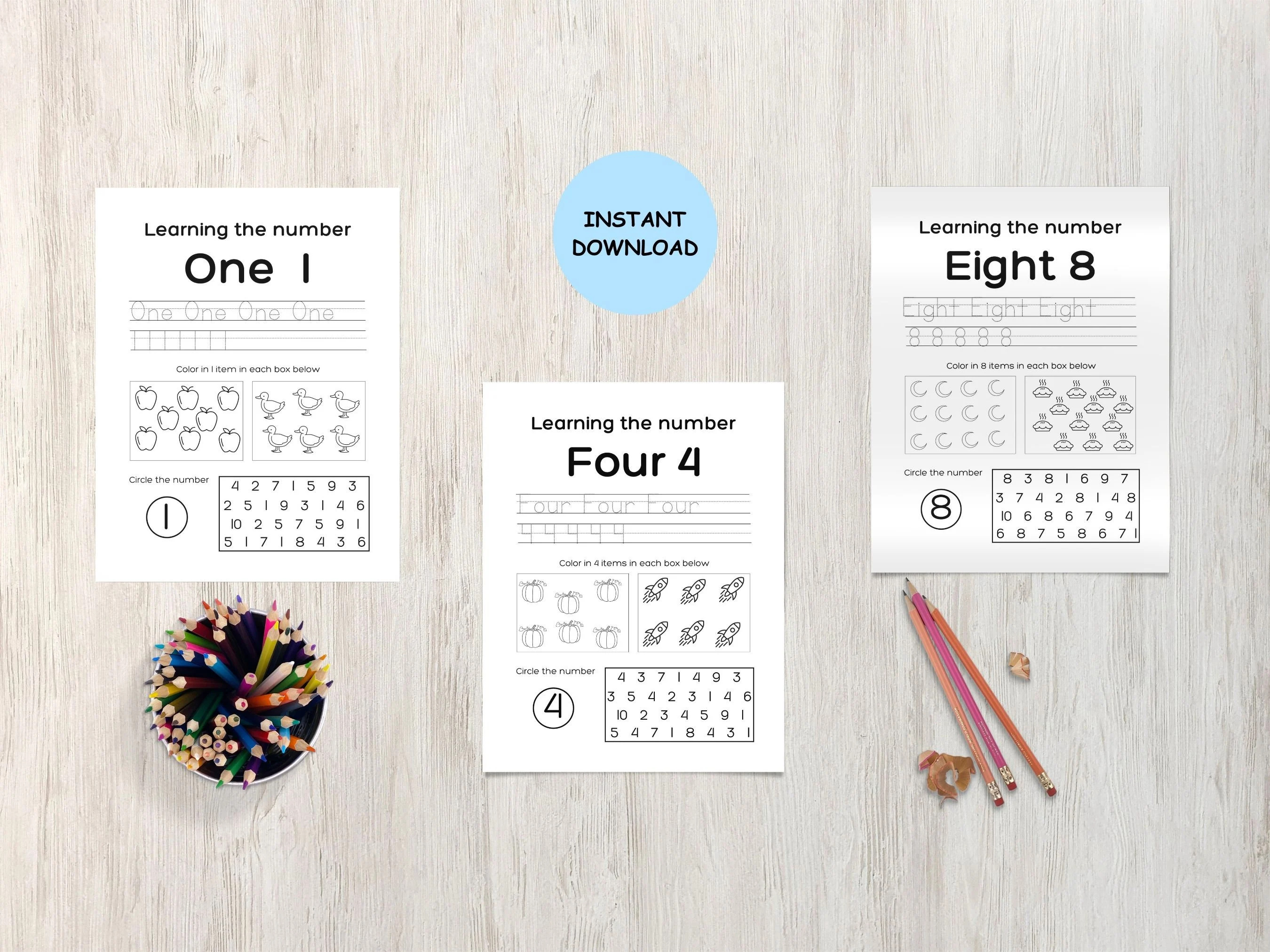
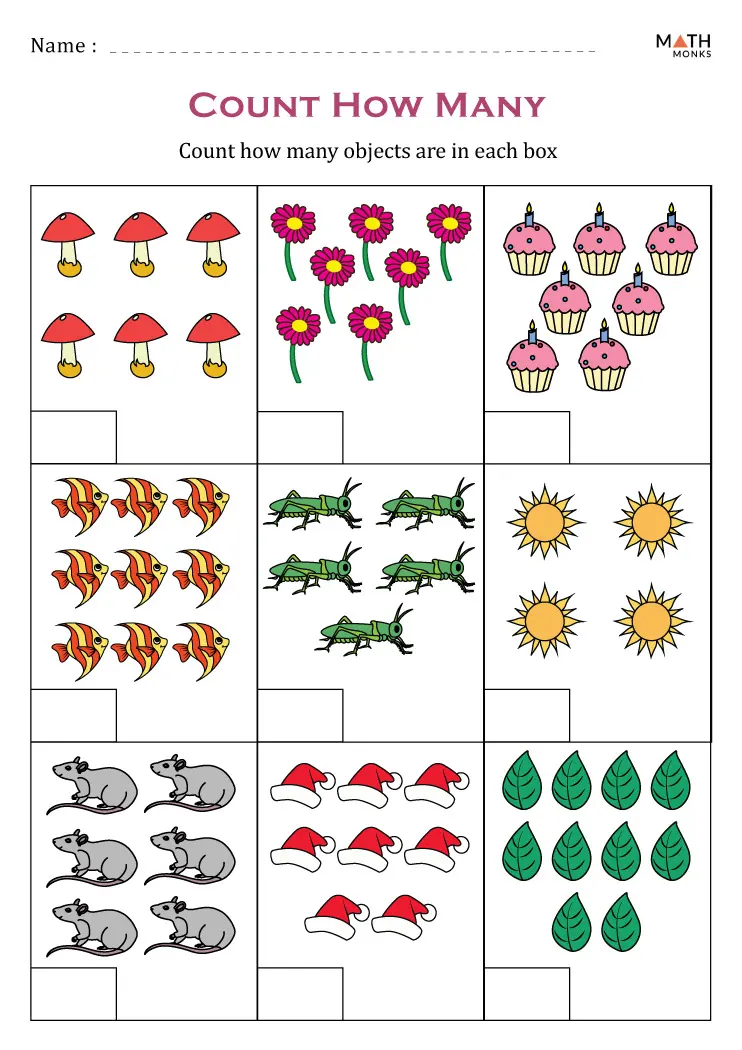
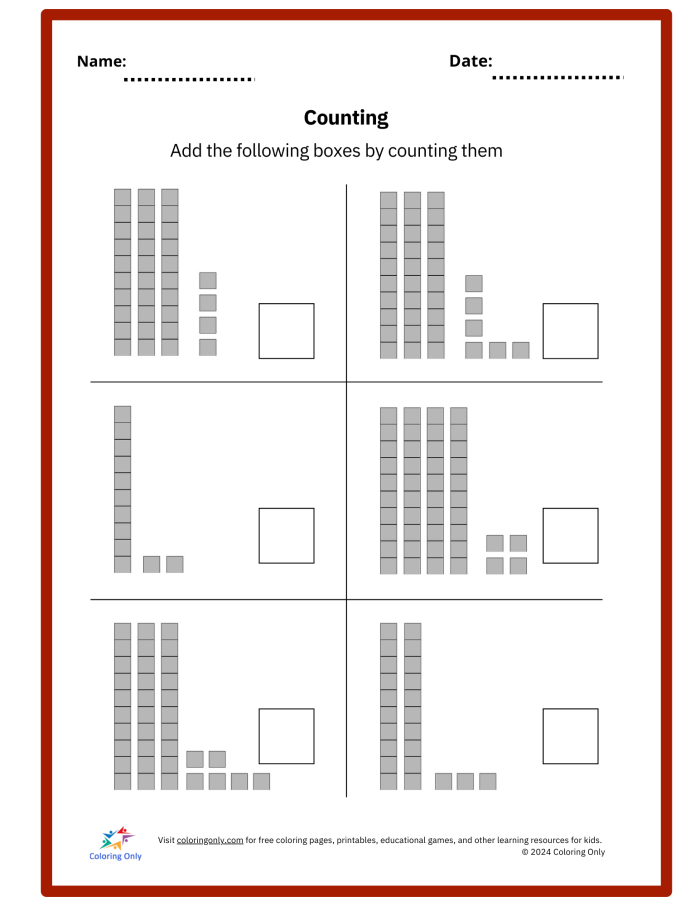
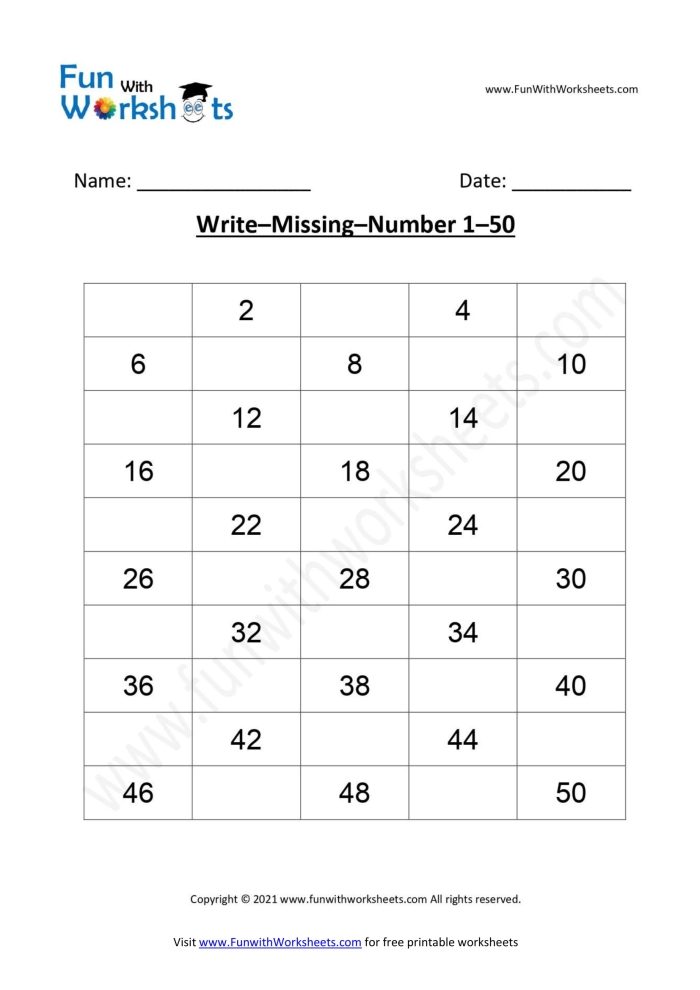
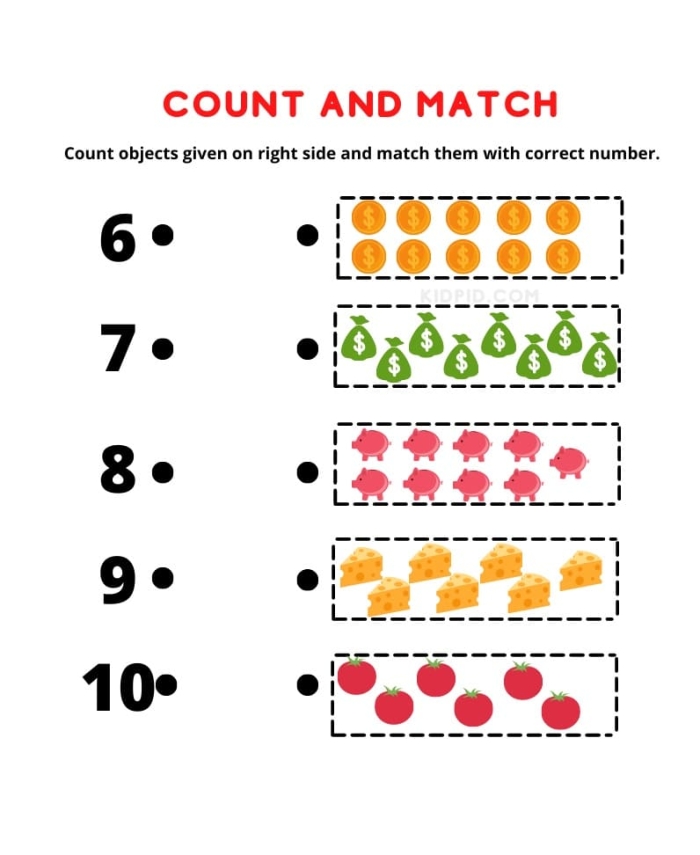
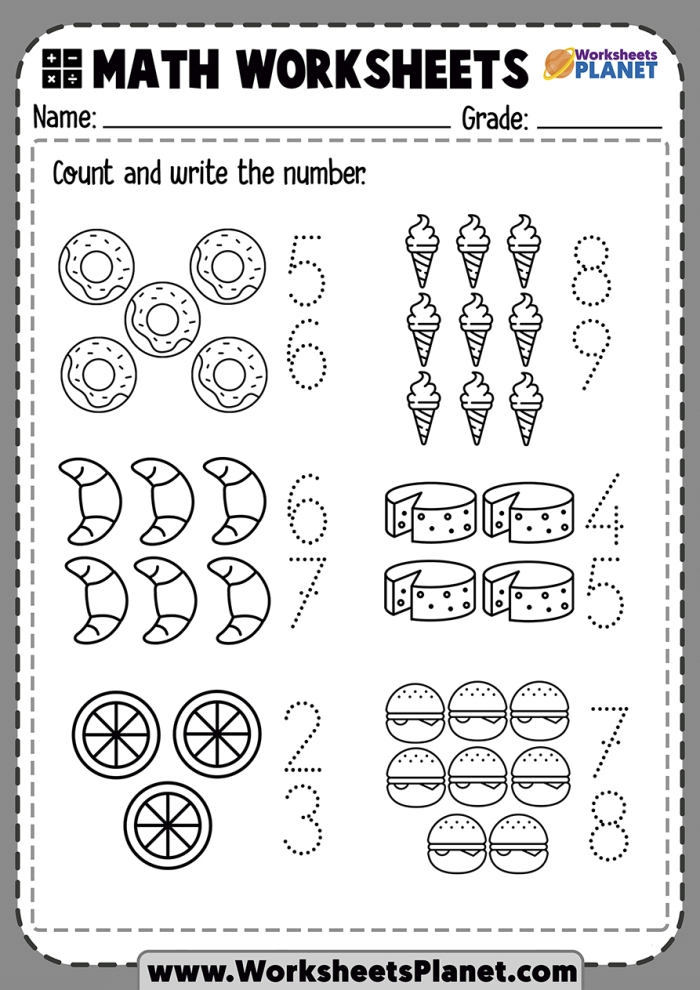
Counting is a fundamental skill for young learners, and while most counting activities focus on ascending numbers, reversing this process can be equally beneficial. Throwing counting practice into reverse with a counting-backwards worksheet introduces an engaging twist to traditional counting exercises. This method not only enhances number sense but also strengthens critical thinking skills in children.
When children practice counting backward, they reinforce their understanding of number relationships. For instance, counting from 10 to 1 not only helps them grasp the concept of subtraction but also lays the groundwork for more advanced mathematical concepts. This is especially vital in a kindergarten setting, where students are just beginning their journey in algebraic thinking. A counting-backwards worksheet provides a structured format for young learners to explore and practice this skill in a fun, engaging way.
Consider a simple worksheet where children are prompted to fill in the blanks while counting down from 10. This could include fun illustrations or themes, such as animals or seasonal motifs, to maintain interest. For example, a worksheet featuring cute bunnies hopping backward from 10 to 1 can make the activity more relatable and enjoyable. These creative elements not only captivate students but also encourage them to participate actively in their learning process.
For educators looking for additional resources, there are many options available that complement counting practice. Worksheets focused on addition, like the Winter Addition Worksheets, can be paired with counting exercises to further enhance math skills. Similarly, activities on body parts or beginning sounds can help create a well-rounded educational experience. Engaging students with varied topics is key to fostering a love for learning.
Incorporating a counting-backwards worksheet into your teaching methods not only enriches the learning experience but also makes math feel less daunting for young learners. By practicing this skill regularly, children can build confidence in their abilities, setting a strong foundation for future mathematical concepts.
Start Practicing with These Worksheets