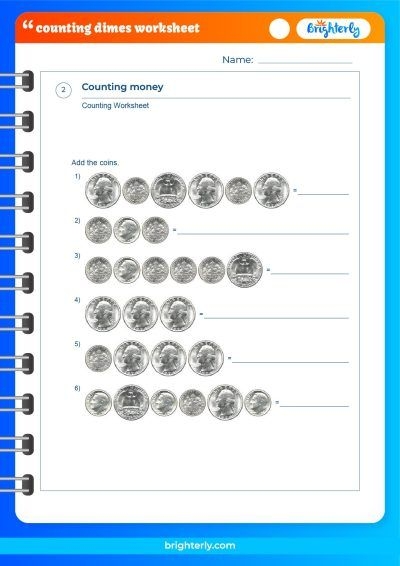
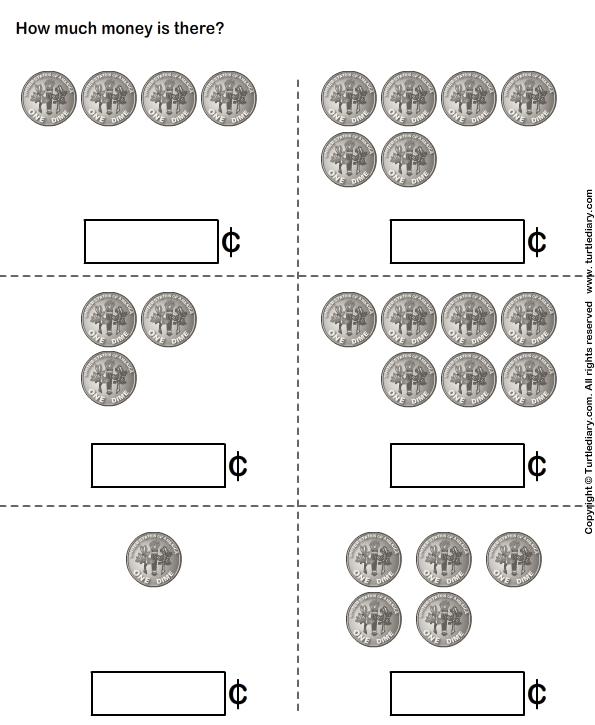
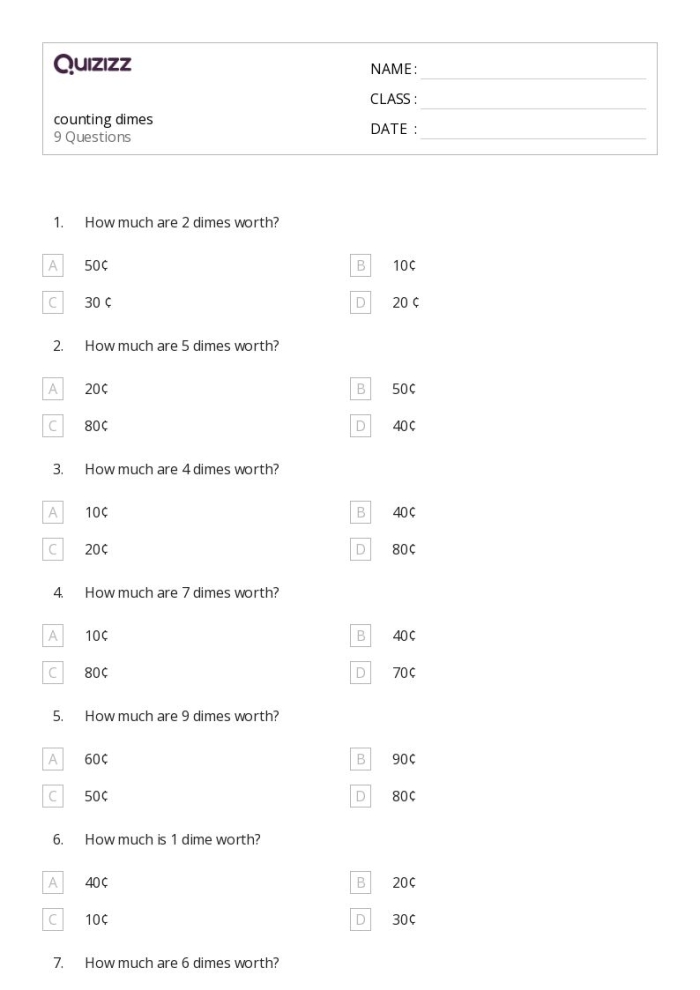
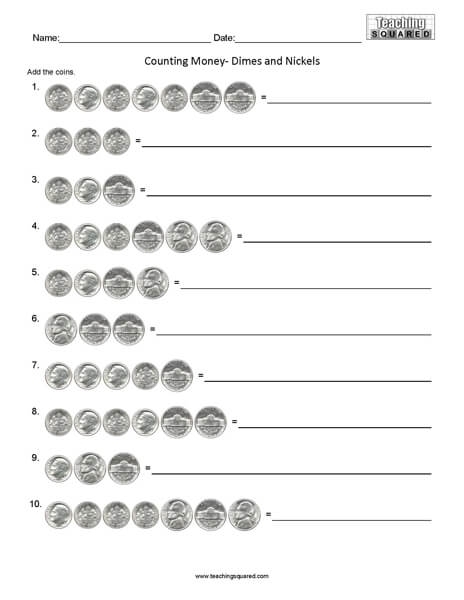
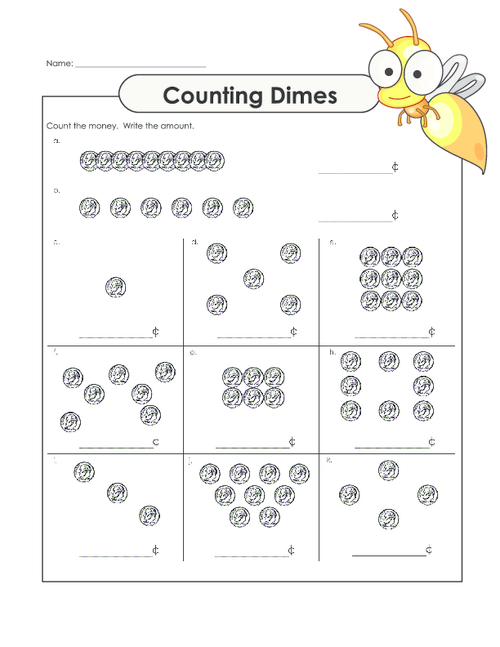
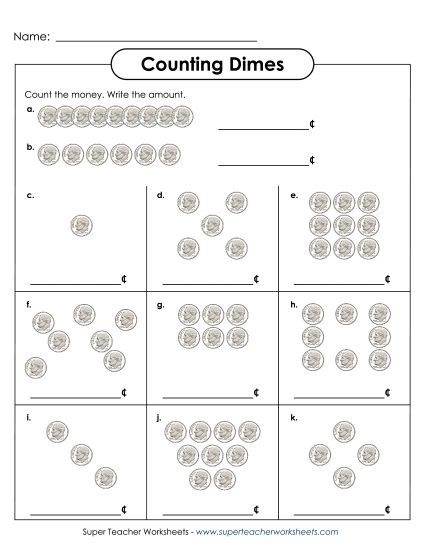
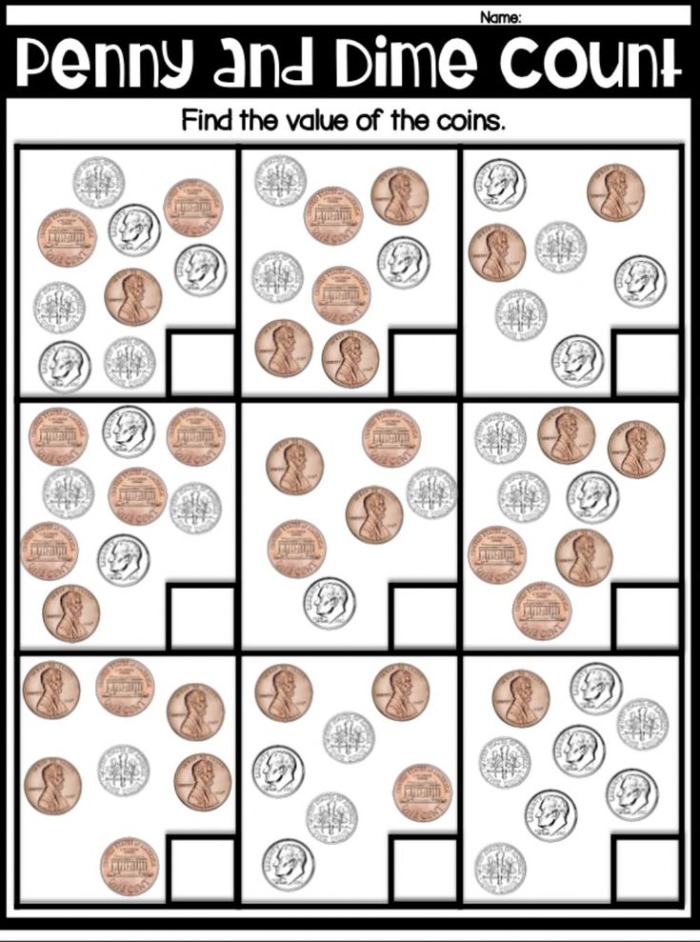
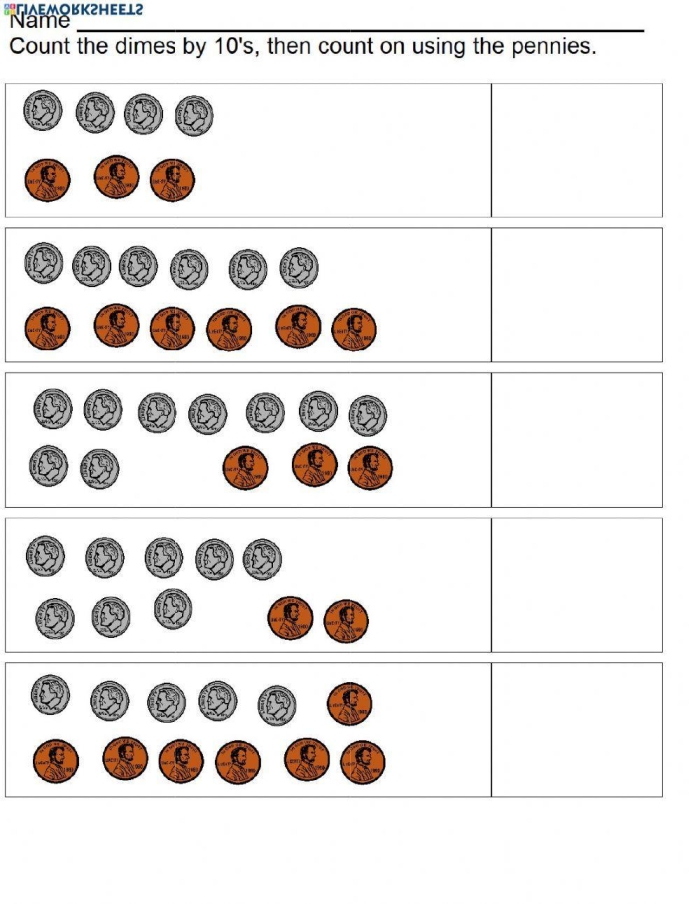
First graders often struggle with coin recognition because dimes look deceptively similar to pennies, yet carry a completely different value. A well-designed counting dimes worksheet tackles this confusion head-on by forcing students to engage with the coin directly, rather than just hearing about it in a lesson.
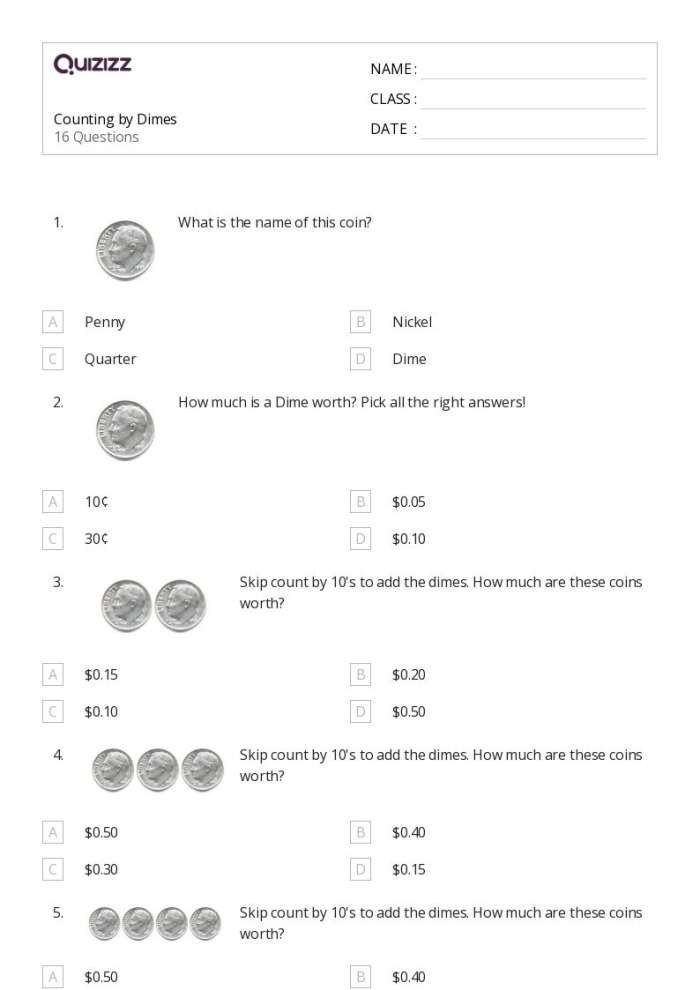
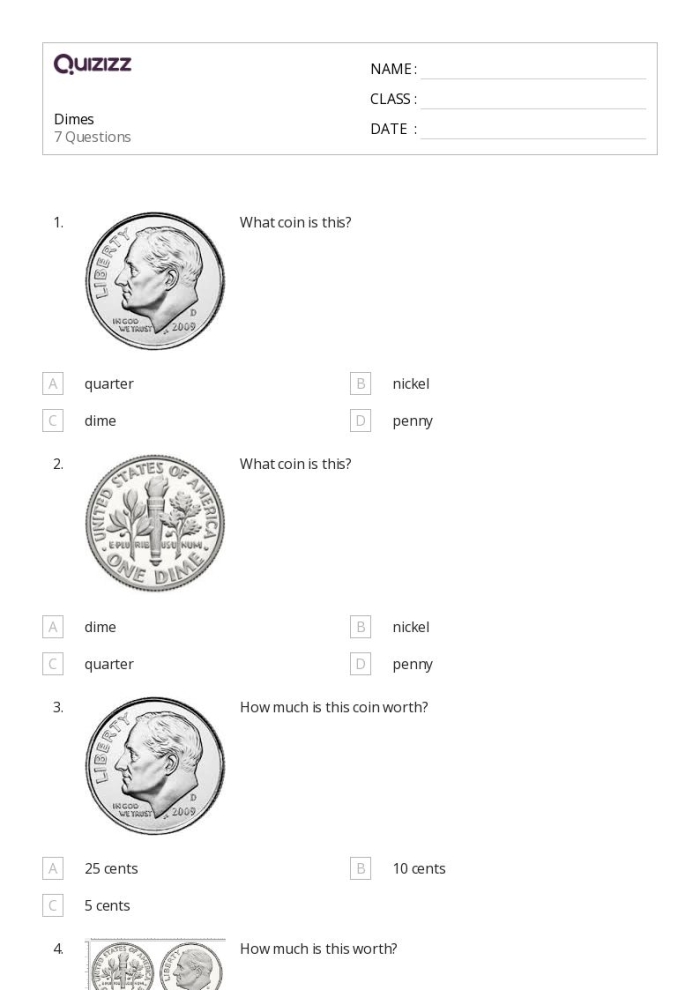
These worksheets serve a specific purpose in early math instruction. Students first learn what a dime actually looks like: the ridged edges, the smaller diameter compared to a quarter, and the distinct markings that set it apart. This visual recognition is foundational. Without it, children can’t move forward to the next step, which involves understanding that one dime equals ten cents. That’s a significant jump in abstract thinking for a six or seven-year-old.
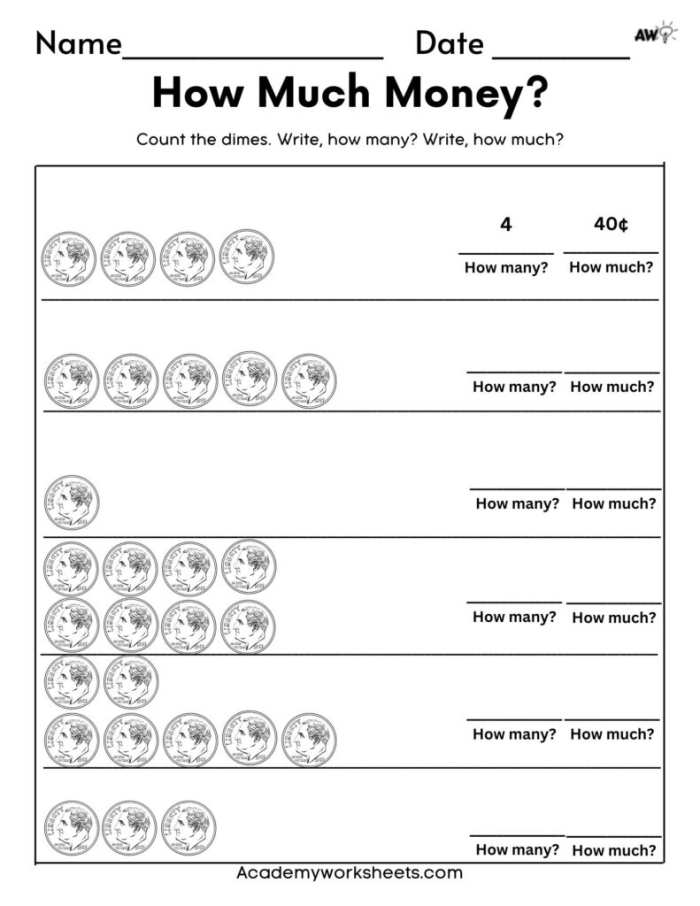
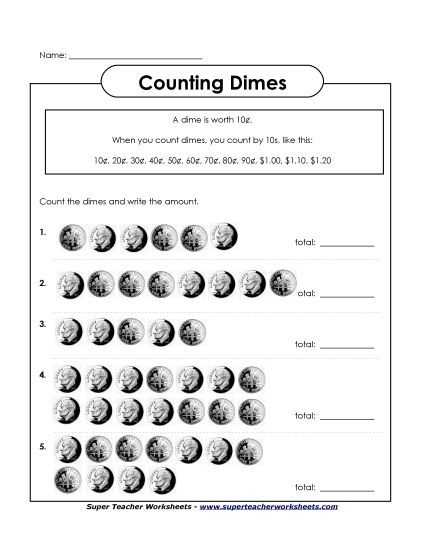
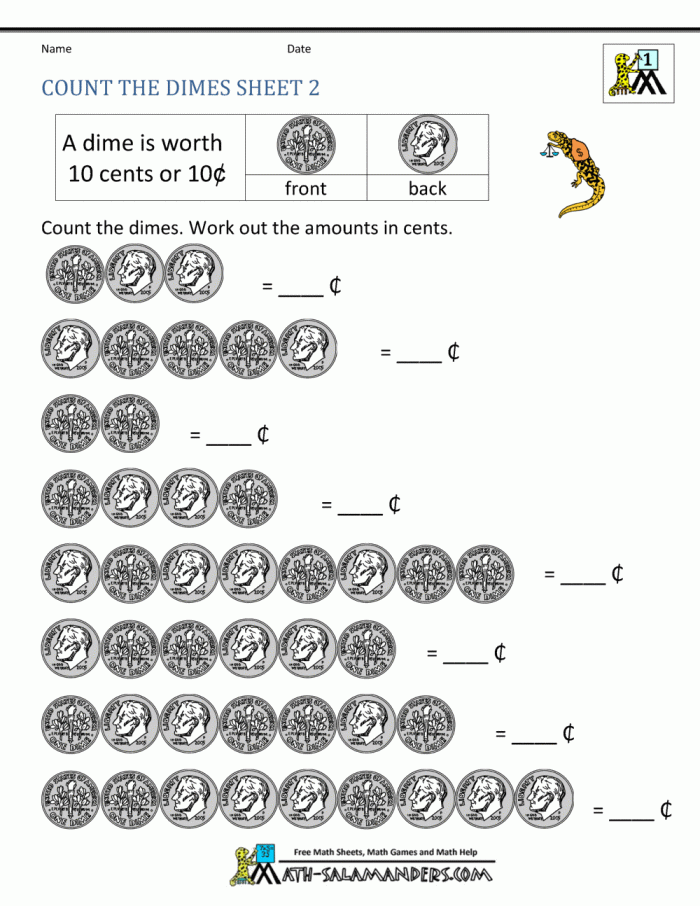
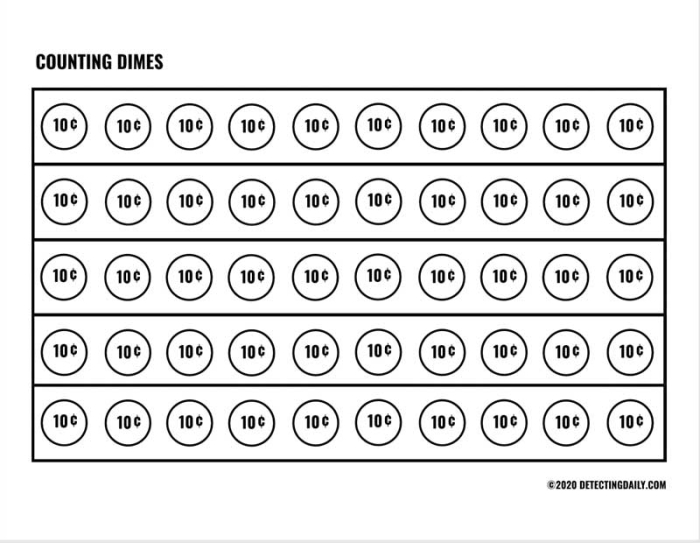
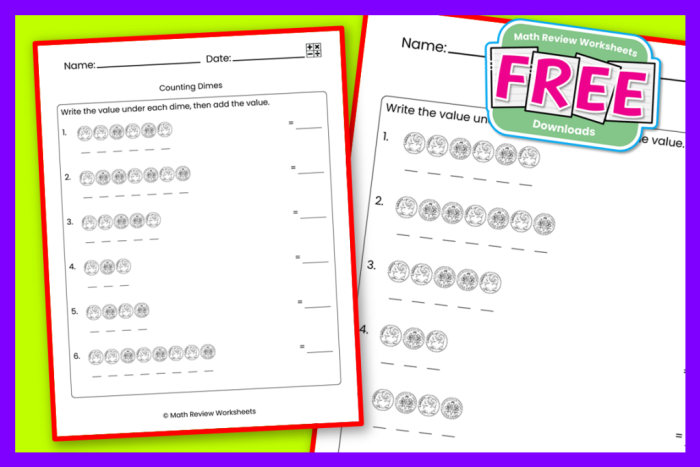
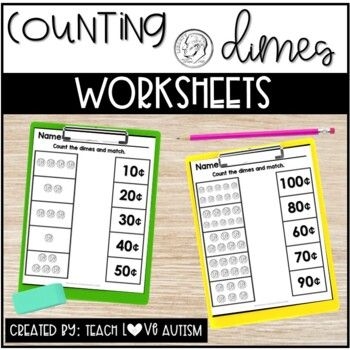
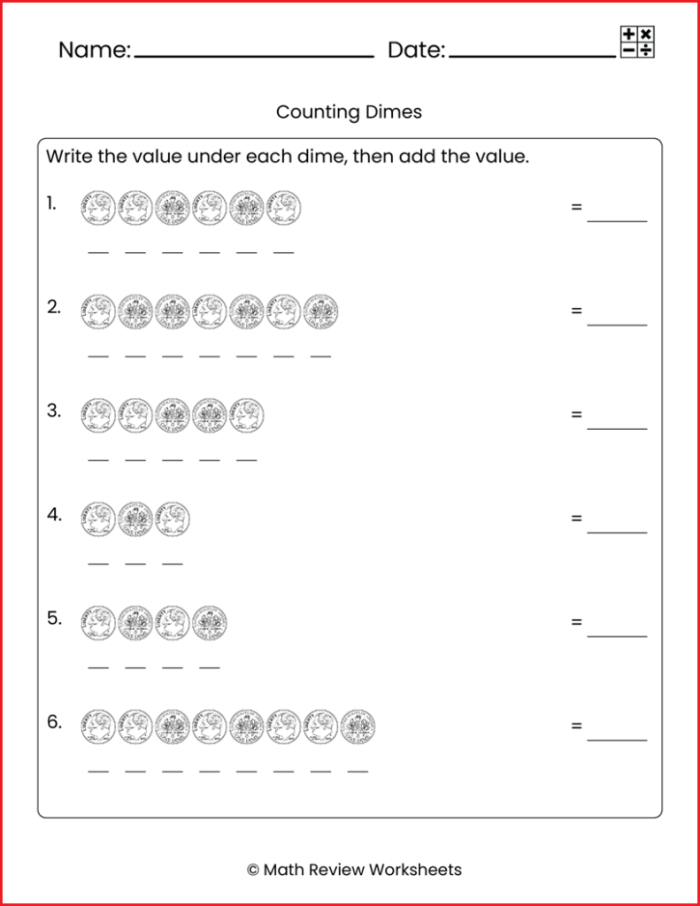
The counting component builds naturally from recognition. A worksheet might show three dimes and ask the student to count them: one dime, two dimes, three dimes. Then comes the critical translation step where children write the total number of cents. Three dimes becomes 30 cents. This connection between the physical representation and the numerical value is where real learning happens.
Handwriting practice weaves into this process seamlessly. As students write “30¢” or “10¢” repeatedly across the page, they’re reinforcing both the math concept and their pencil control. The repetition helps cement the relationship between the coin and its value in their working memory.
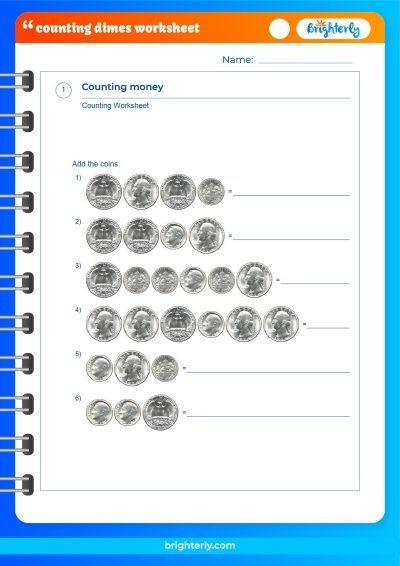
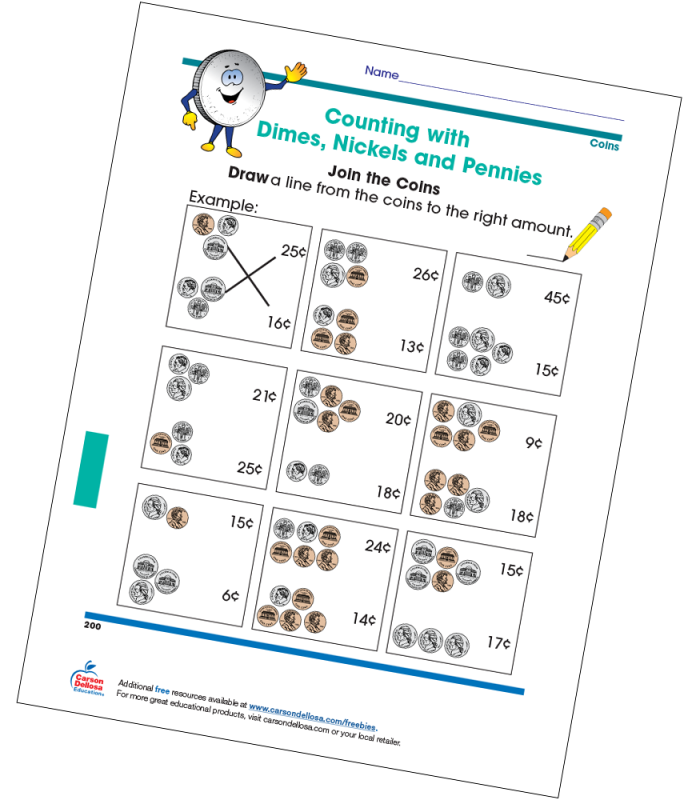
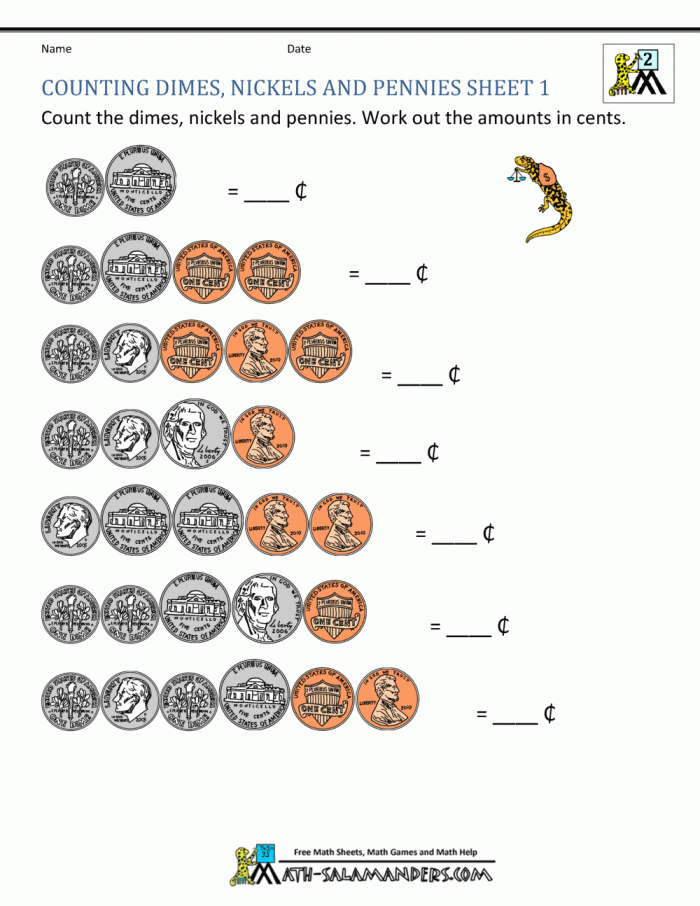
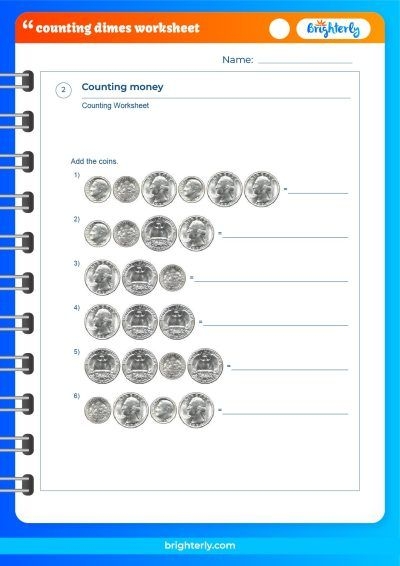
What makes these worksheets effective is their simplicity. They don’t overcomplicate the task with mixed coins or word problems. First graders need focused practice on one skill at a time. If you’re looking to supplement coin instruction, pairing these with other foundational activities like fraction coloring exercises can help build broader math confidence across different concepts.
Practice with These Worksheets