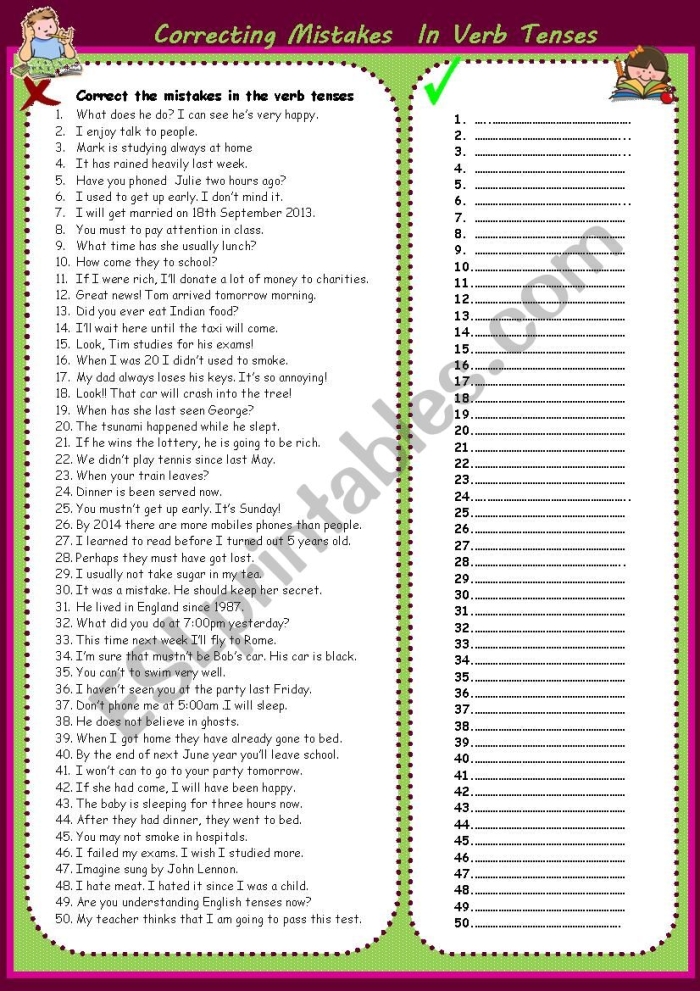
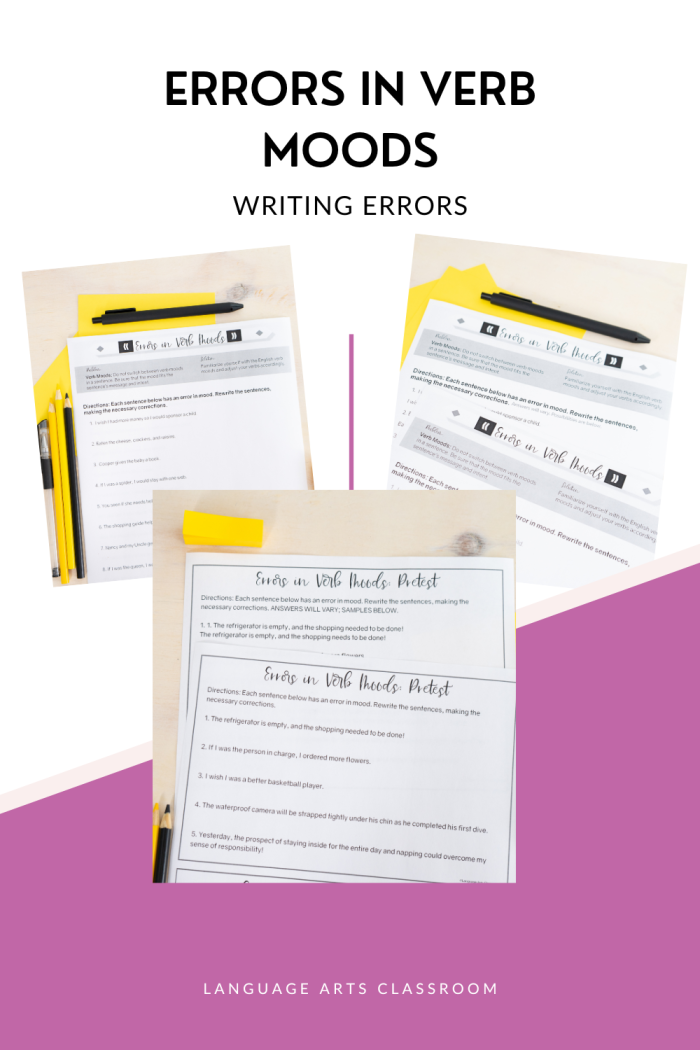
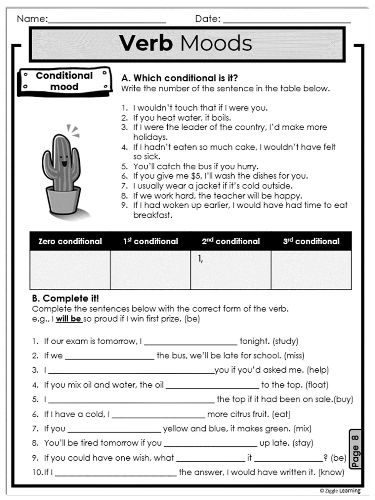
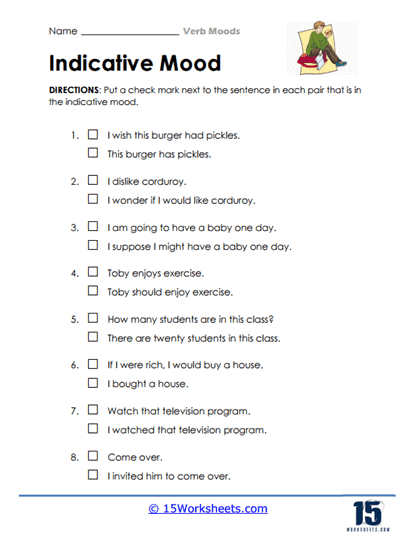
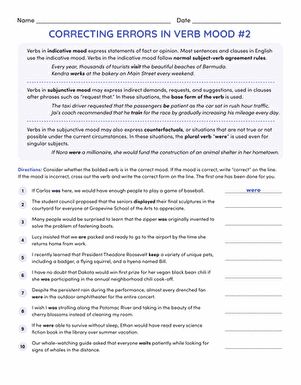
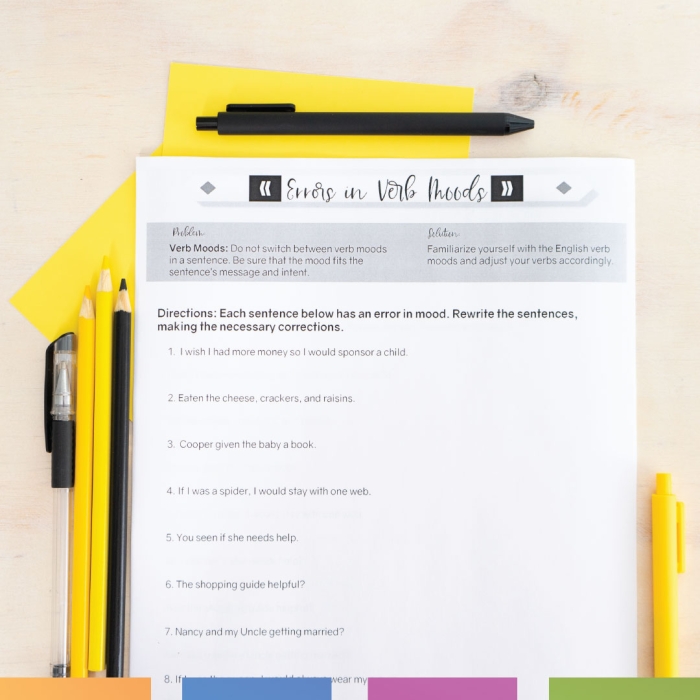
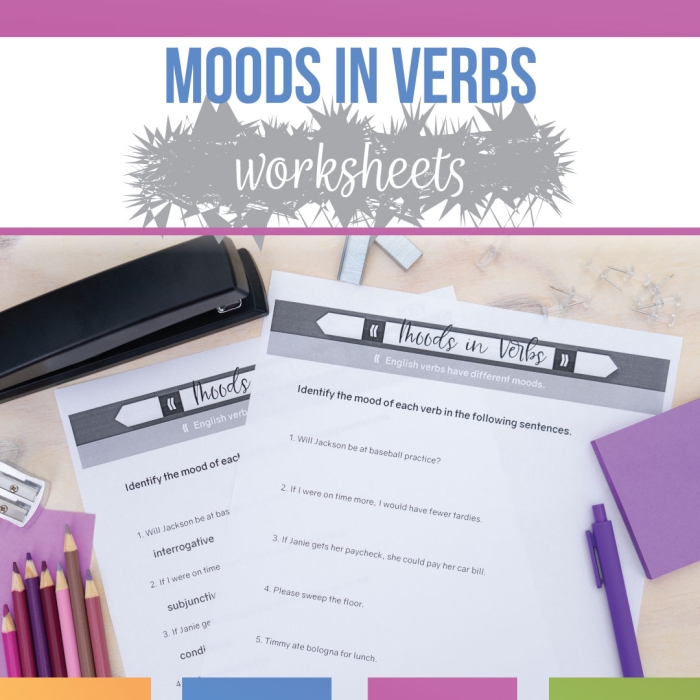
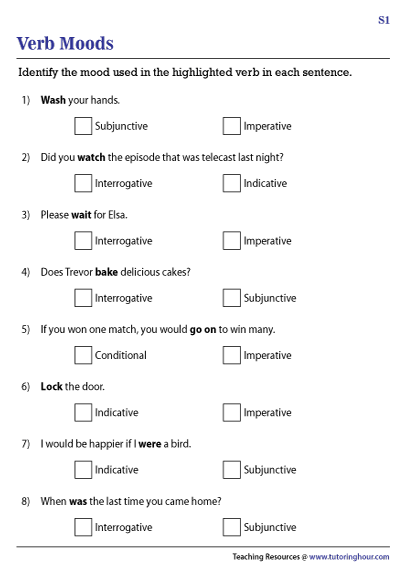
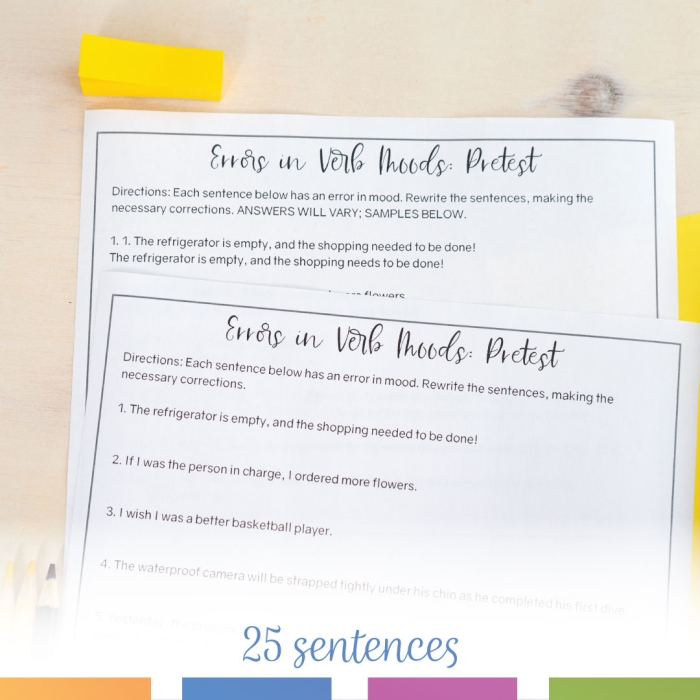
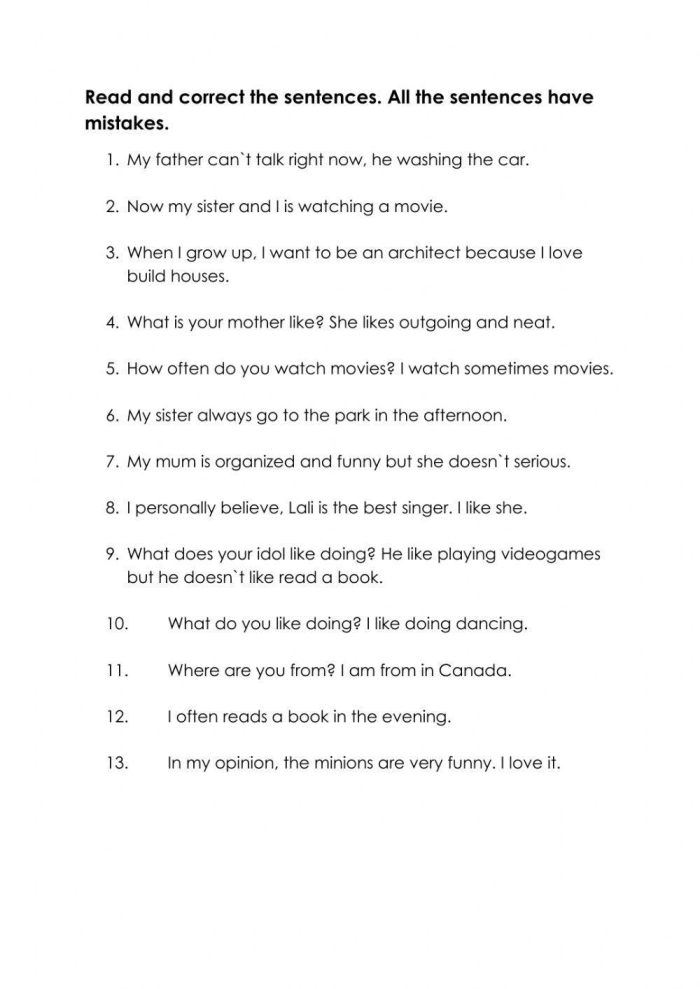
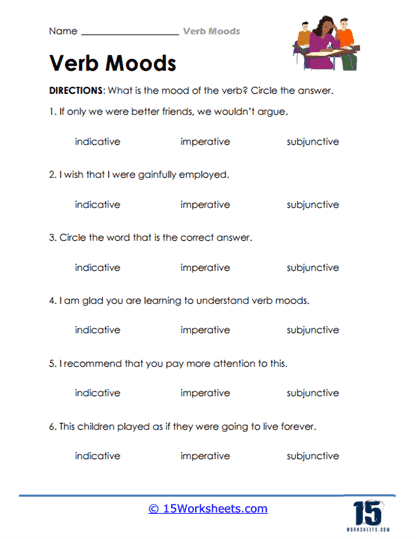
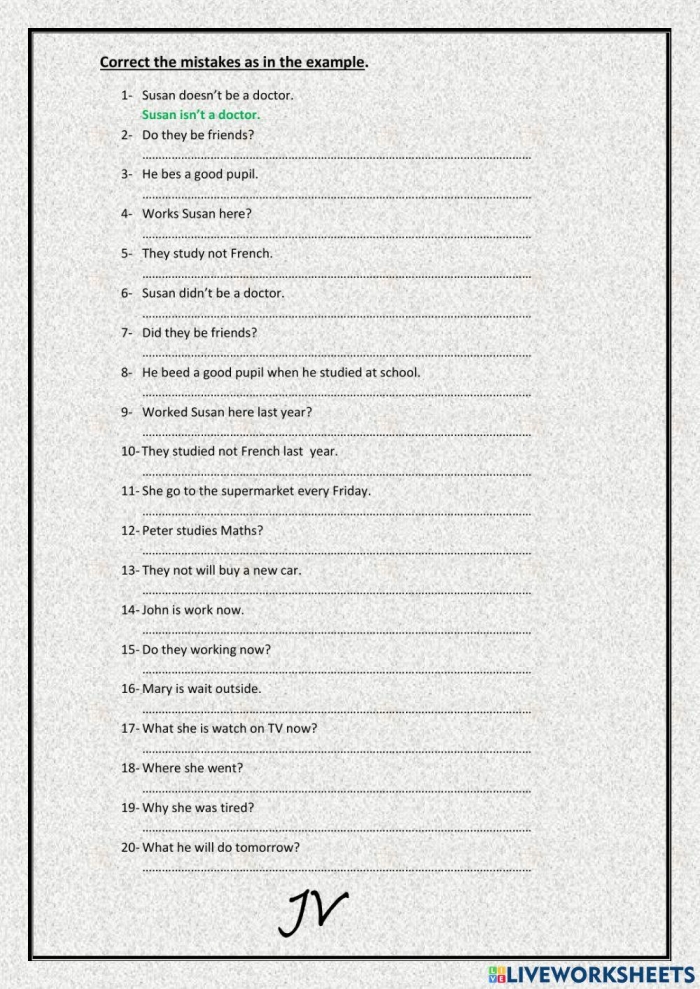
Understanding verb mood is crucial for eighth graders as they refine their grammar skills. The indicative and subjunctive moods serve different purposes in sentences, and mastering them can enhance students’ writing and comprehension abilities. Using a one-page grammar worksheet focused on correcting errors in verb mood provides targeted practice that can help students identify and correct these moods in various contexts.
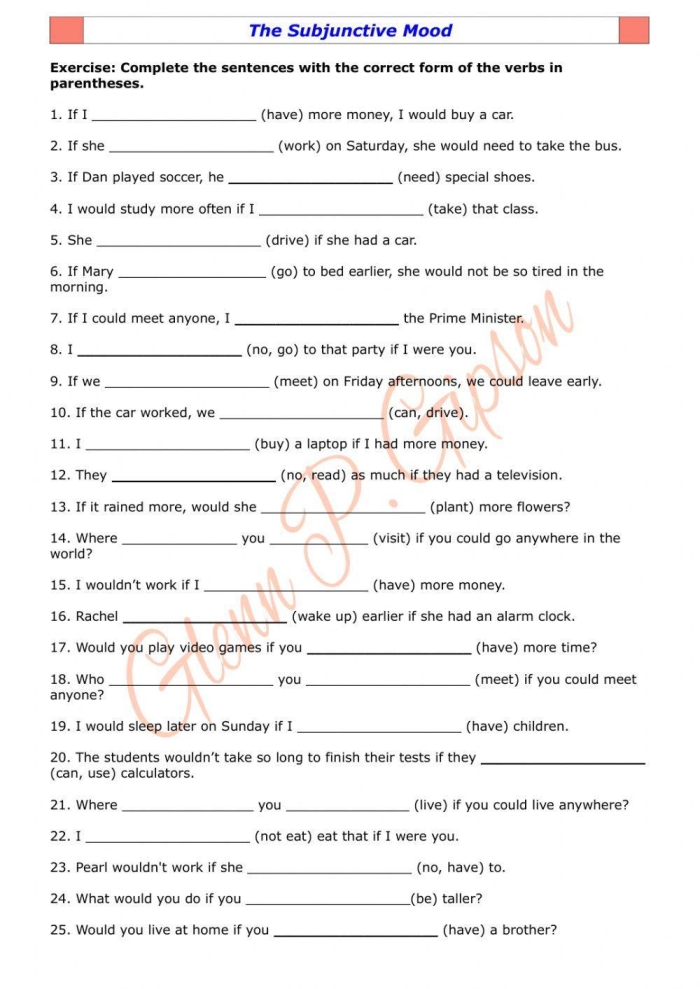
The indicative mood is used for statements of fact or belief. For instance, when a student writes, “She walks to school every day,” they are using the indicative form to convey a straightforward fact. On the other hand, the subjunctive mood expresses wishes, hypotheticals, or conditions contrary to fact, like in the sentence, “If I were a bird, I would fly.” This distinction is essential for eighth graders to grasp, as it affects the clarity and intent of their writing.
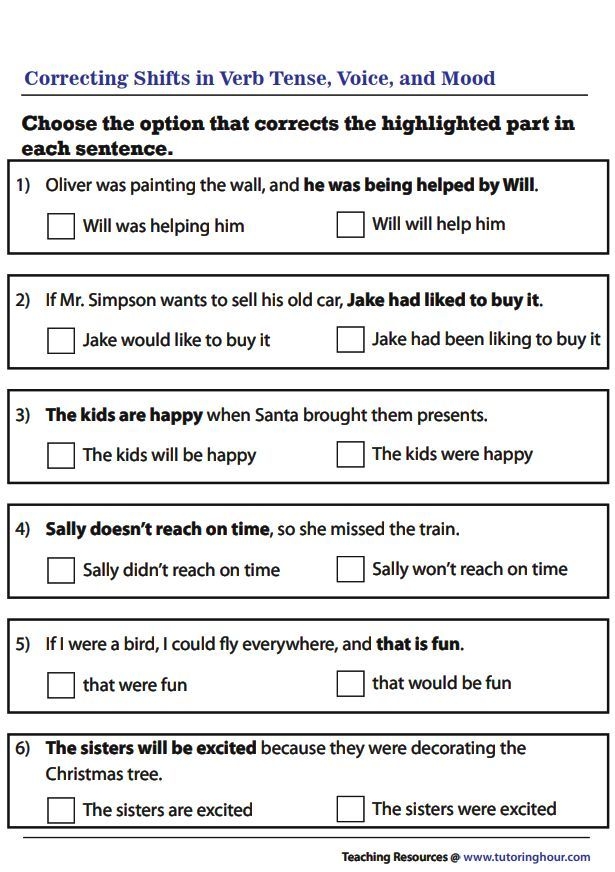
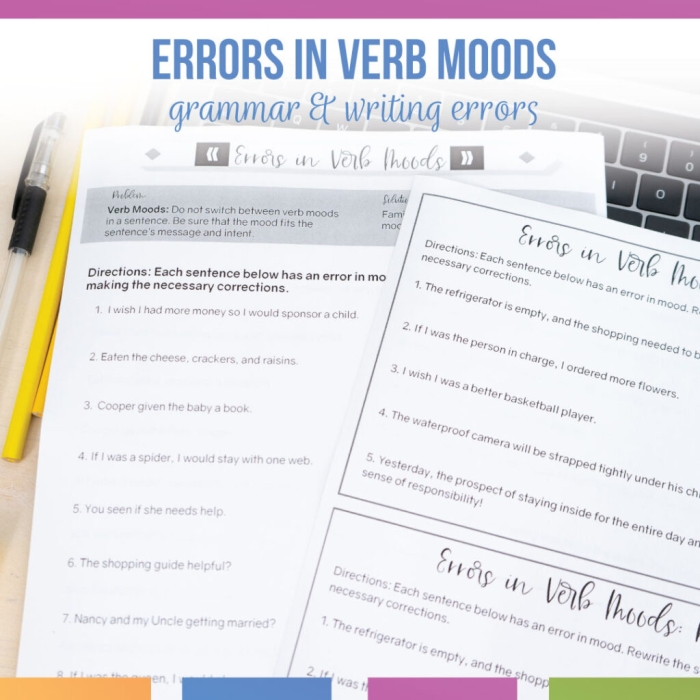
When students engage with a worksheet designed for correcting errors in verb mood, they encounter sentences that challenge their understanding. For example, a sentence like, “If he was here, we could start,” requires correction to “If he were here, we could start” to properly reflect the subjunctive mood. This exercise not only reinforces their grammar skills but also encourages critical thinking as they evaluate their choices.
Incorporating this worksheet into your lesson plans can be a game-changer for students struggling with mood identification. These exercises can be complemented by other resources available on platforms like interpreting function relationships or graphing proportional relationships, allowing students to connect grammar to broader concepts.
By providing eighth graders with effective tools to practice correcting errors in verb mood, educators can foster a deeper understanding of grammar and mechanics, preparing them for more advanced writing tasks ahead.
Printable Worksheets for Practice