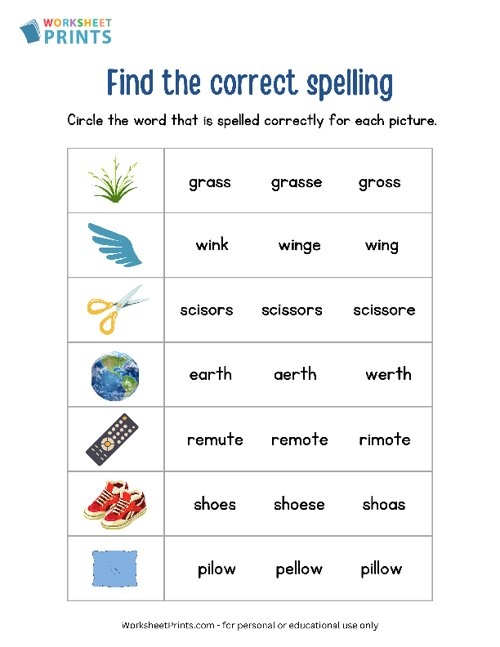
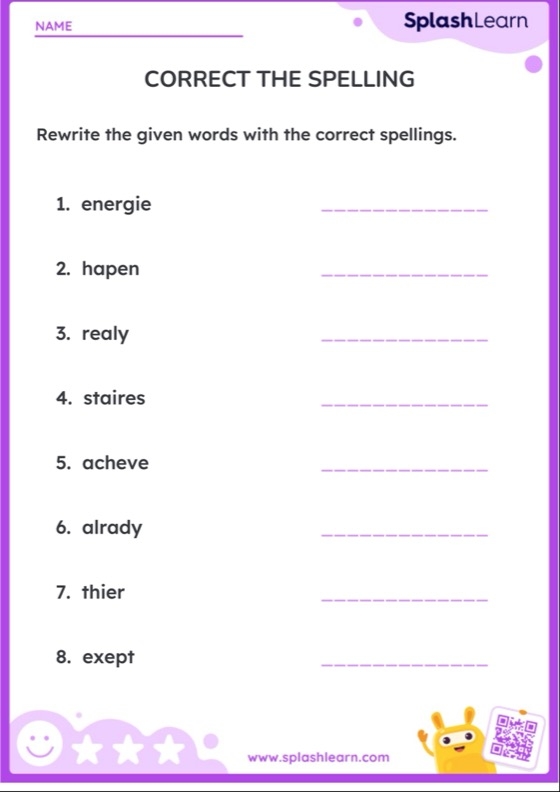
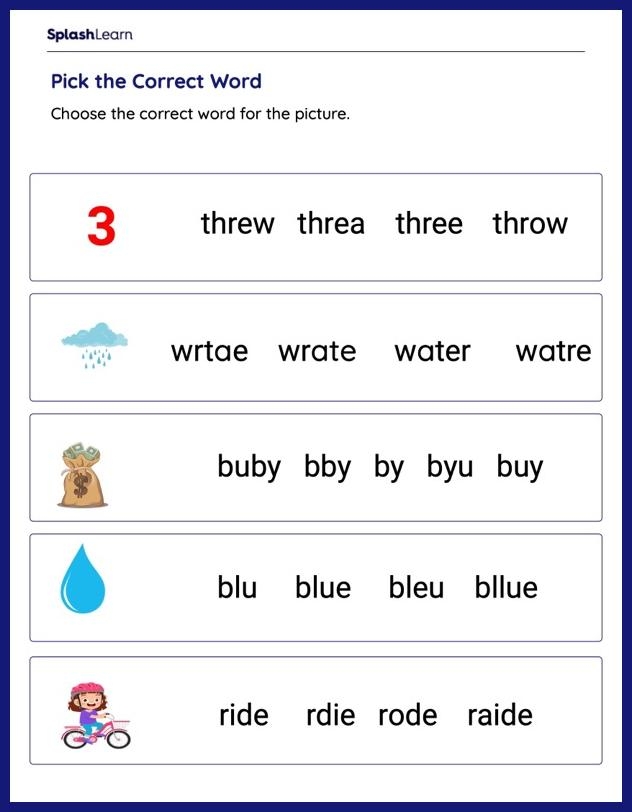
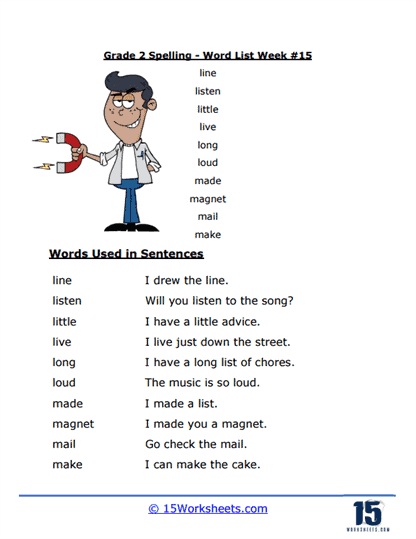
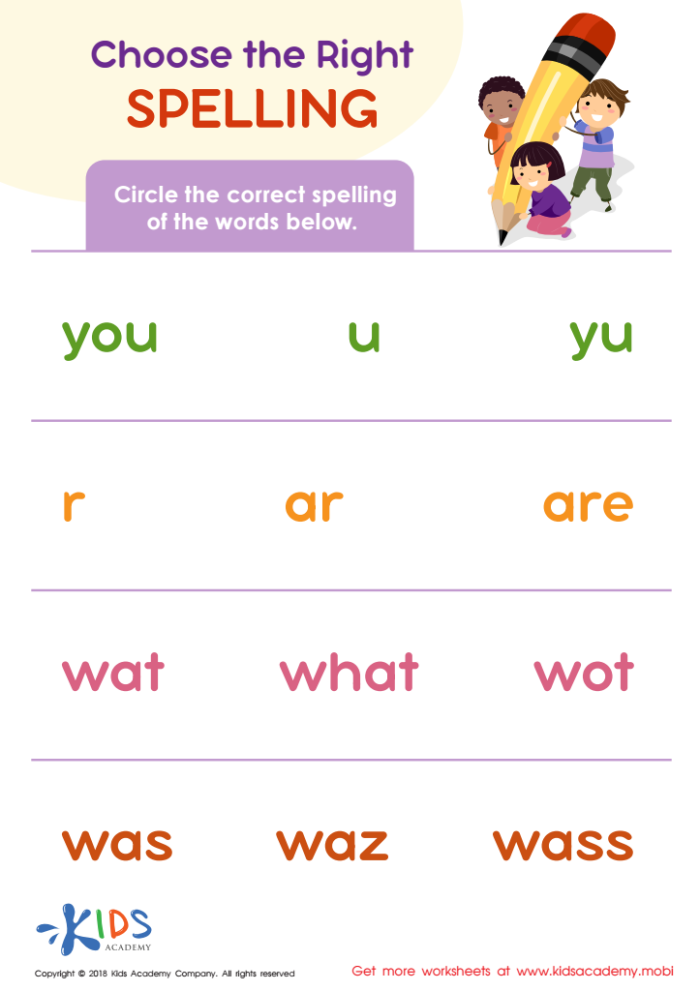
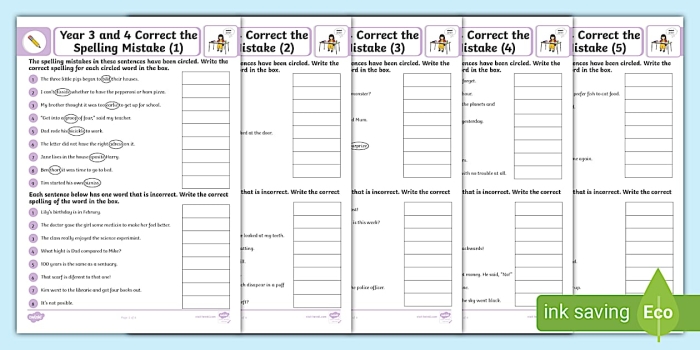
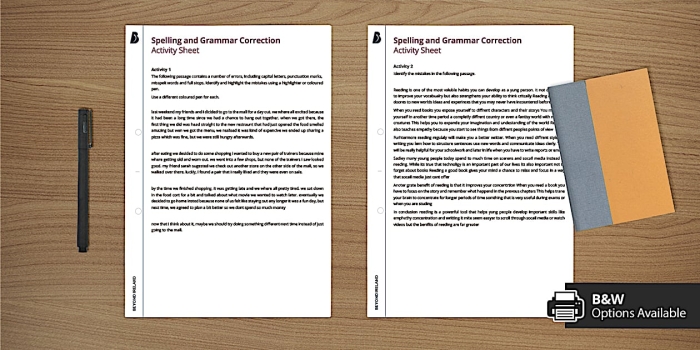
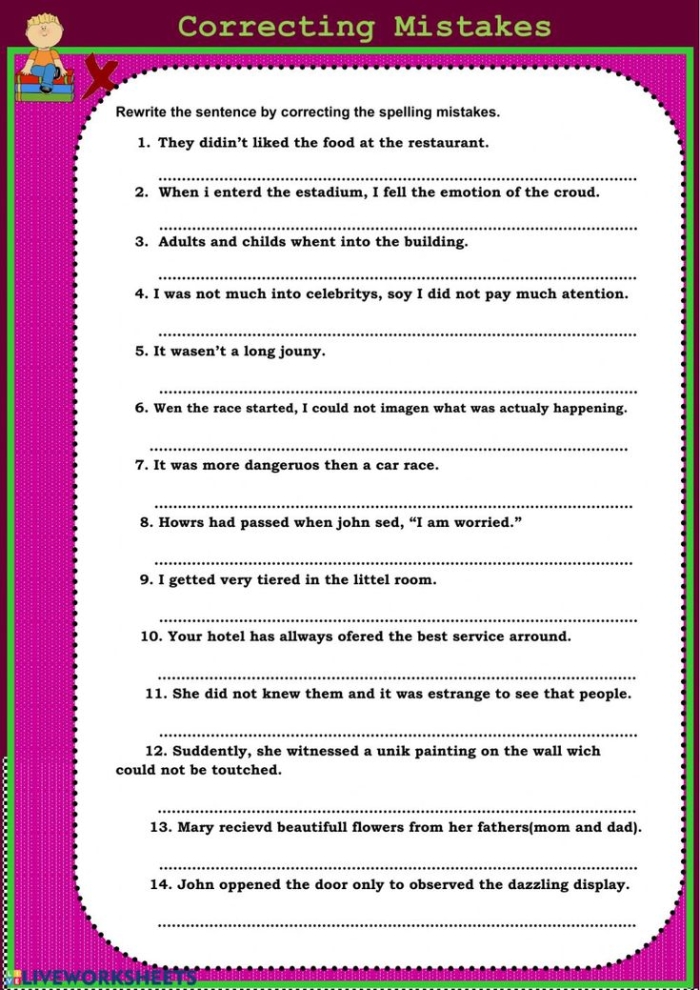
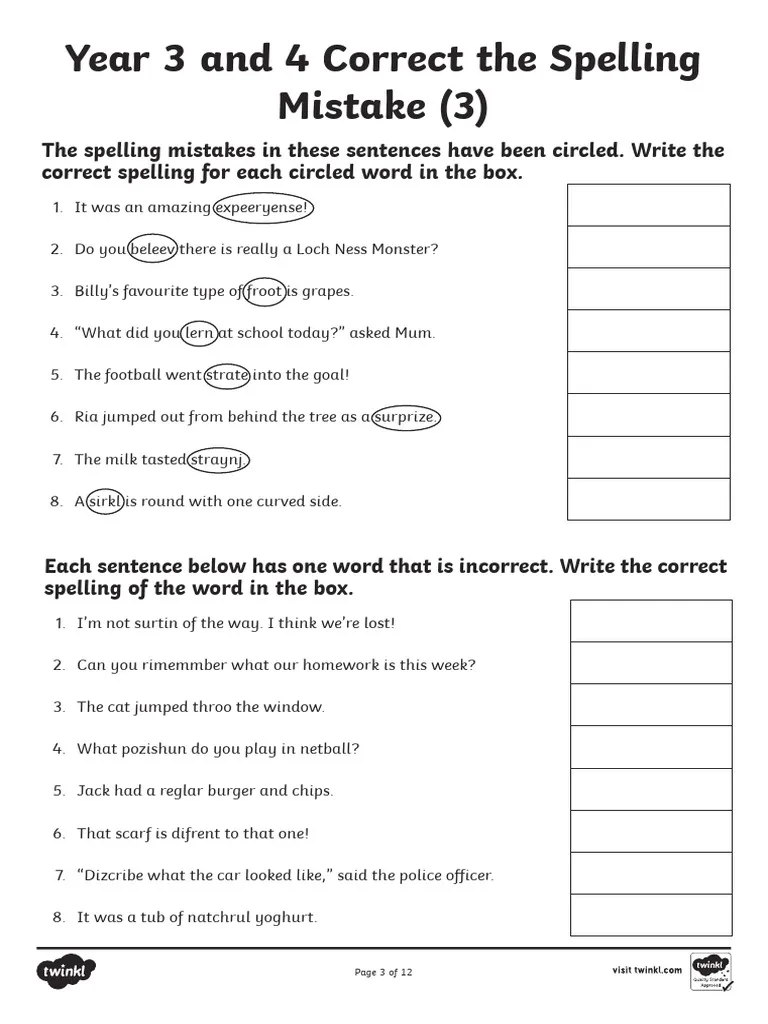
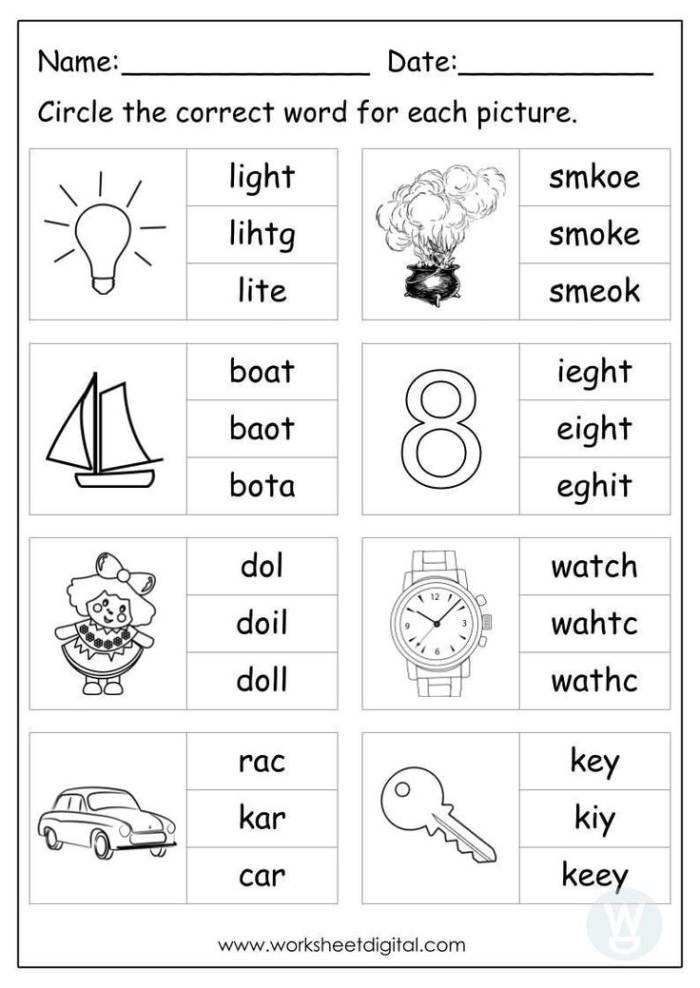
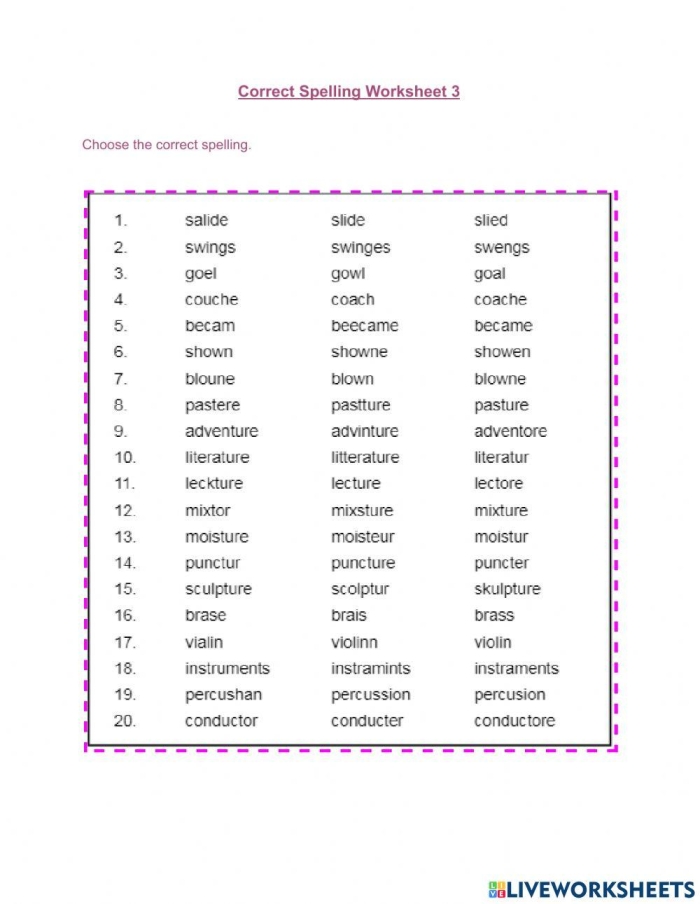
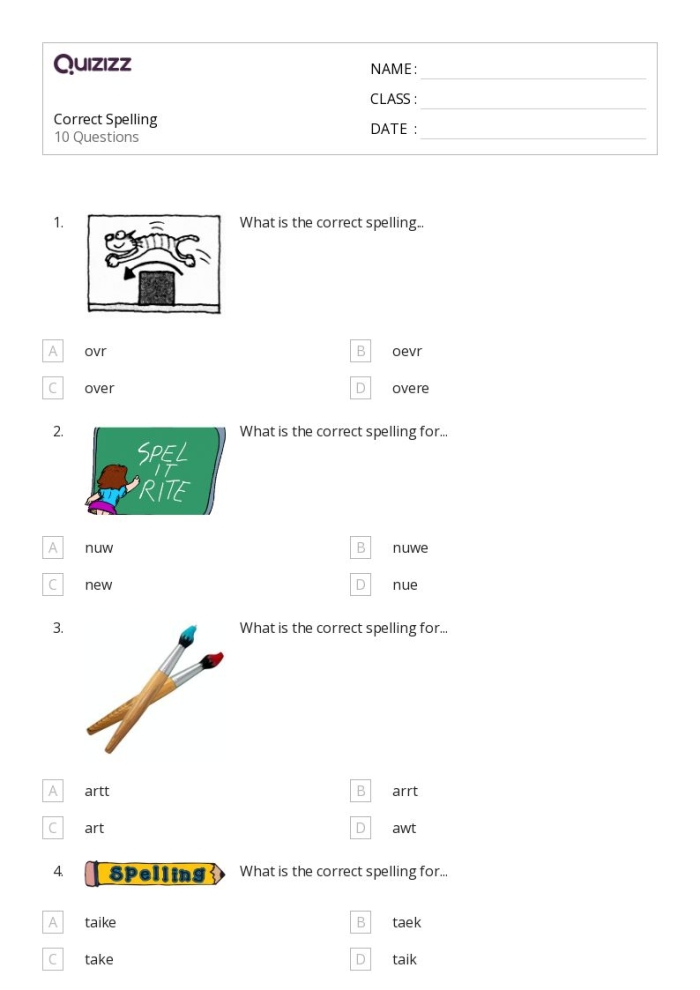
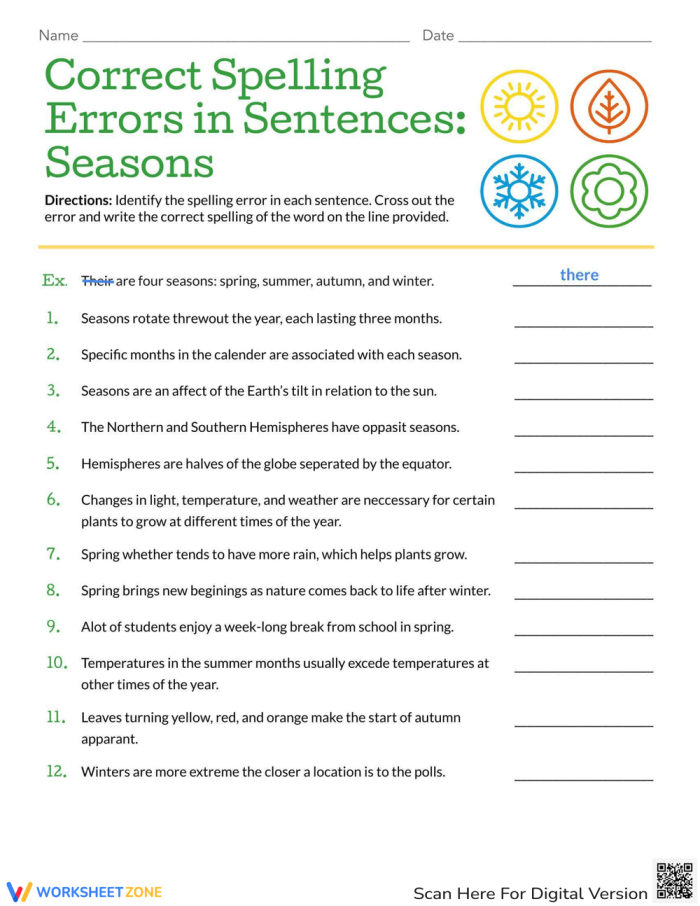
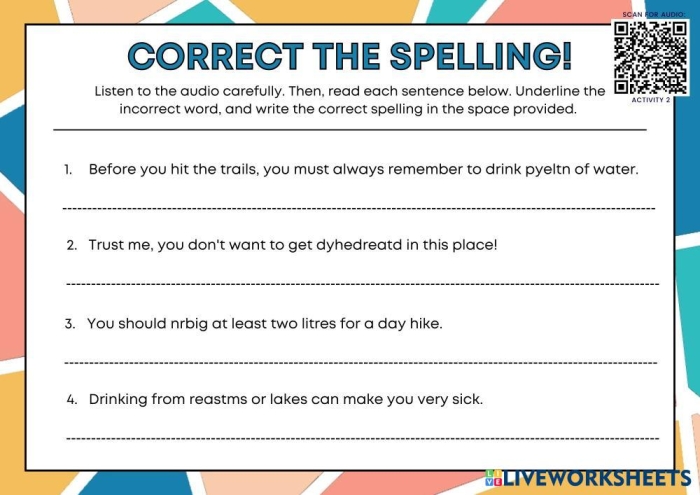
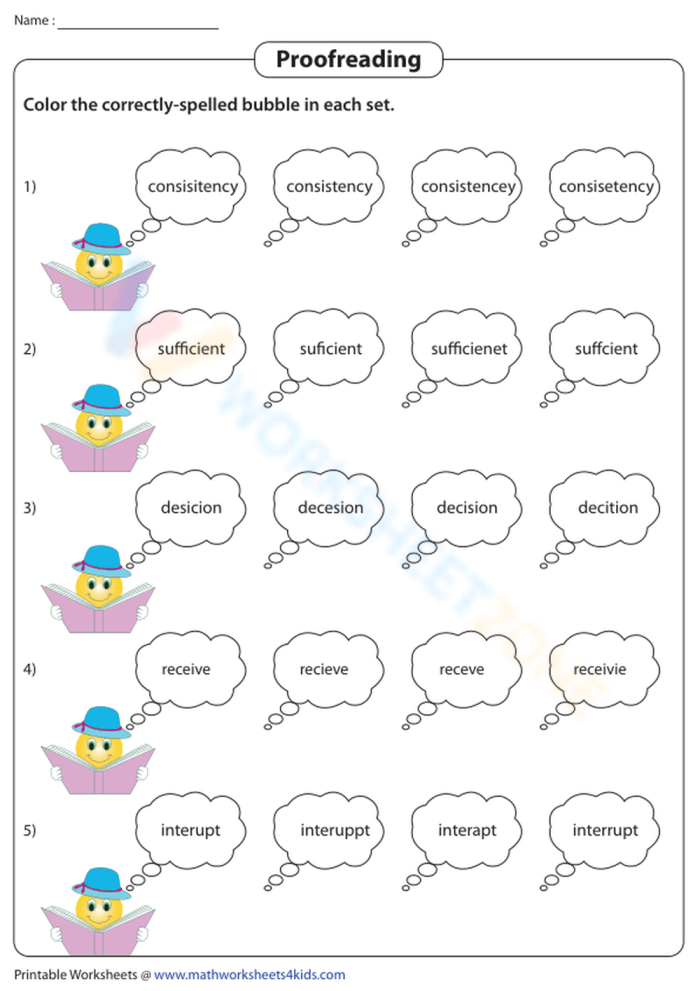
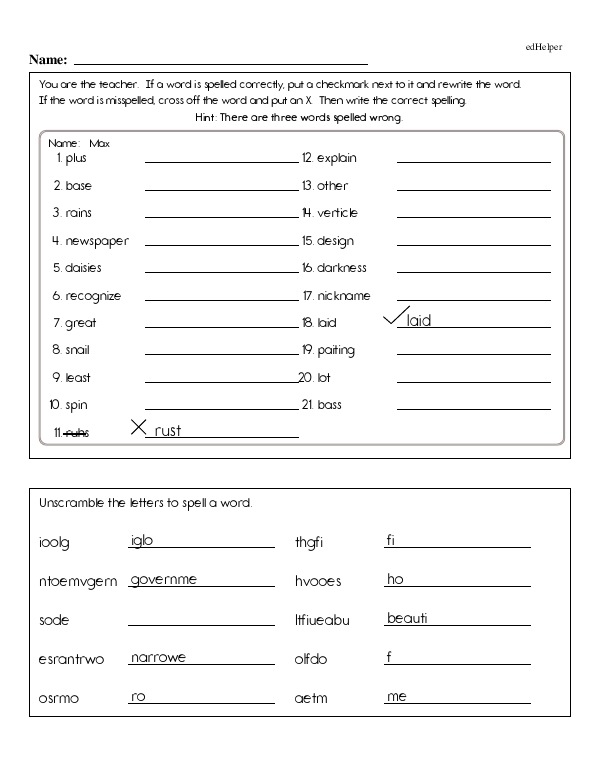
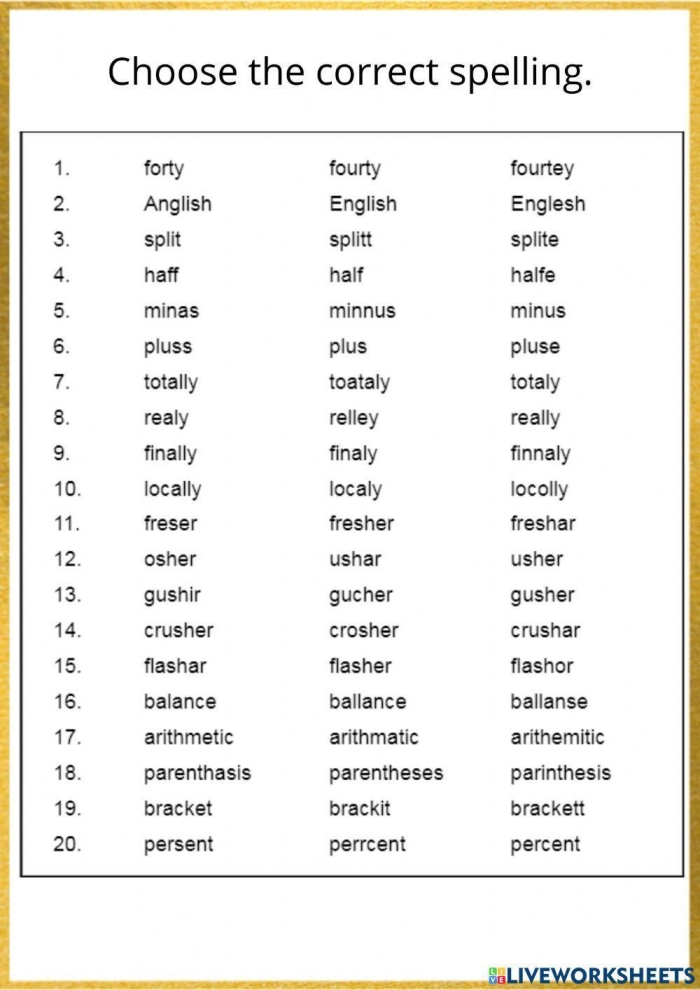
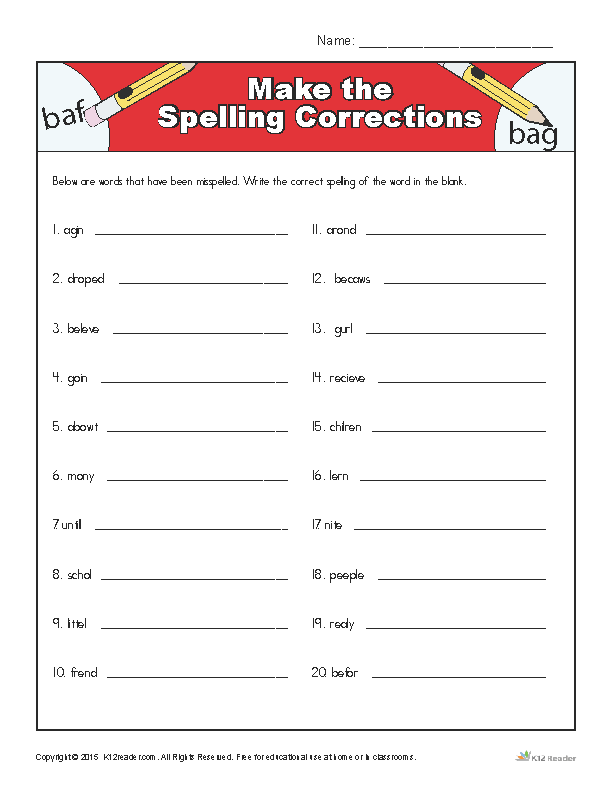
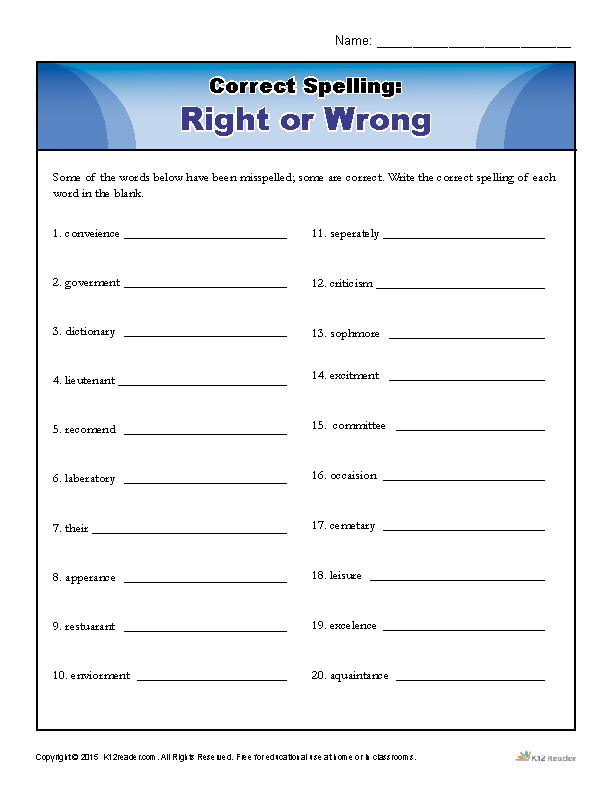
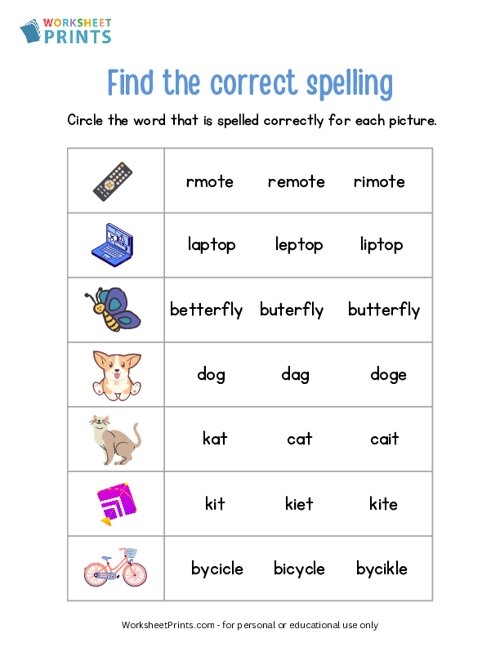
When third graders take on the role of teacher, something shifts in the classroom. They sit up straighter, focus harder, and suddenly care deeply about whether Natalie spelled “necessary” correctly or if Joseph wrote “recieve” instead of “receive.” This peer-review approach to correcting spelling tests turns a routine assessment into an interactive learning experience where students become invested in each other’s progress.
The mechanics are straightforward. Students exchange their spelling tests with a classmate, then work through each word carefully, checking it against the correct spelling provided by the teacher. But the real learning happens in that checking process. When a third grader marks an error on someone else’s paper, they’re reinforcing the correct spelling in their own memory. They’re also developing an eye for common mistakes, which makes them more cautious about their own writing.
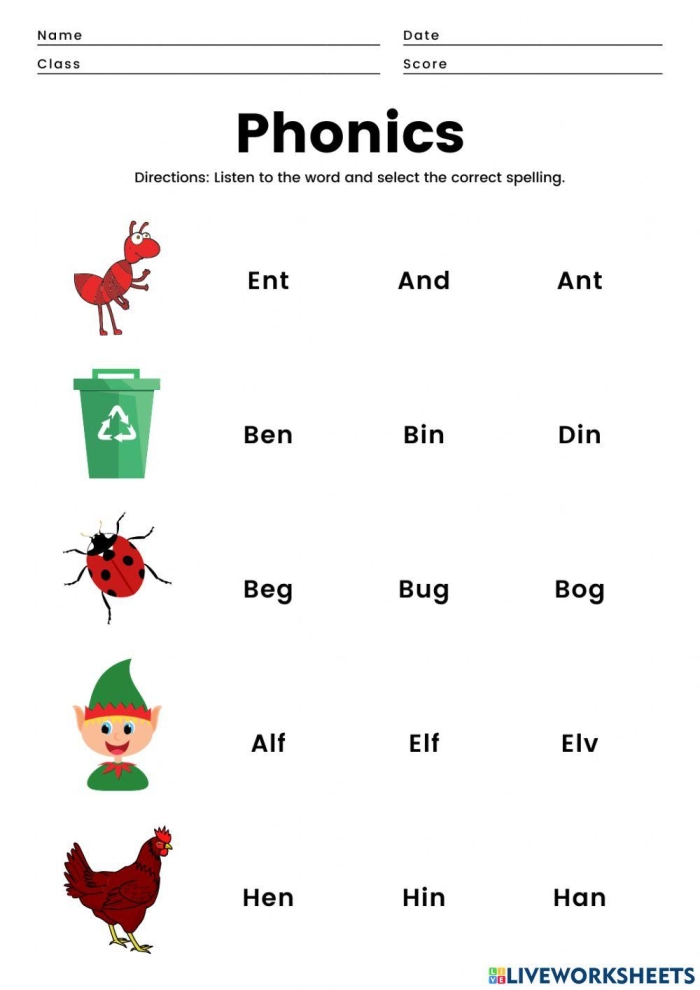
This activity works particularly well when combined with other skill-building exercises. Students who spend time exploring different kinds of narratives and phonics patterns develop stronger spelling foundations, making them more effective peer reviewers. Similarly, understanding concepts like the color spectrum in physical science teaches observation skills that transfer to noticing spelling details.
For third graders managing their time during the school day, this activity serves double duty. They’re completing a required assessment while simultaneously testing their own spelling knowledge. The competitive element, even when friendly, motivates them to study harder for the next test. They don’t want to be the student whose paper gets marked up by their peers.
Teachers find that this method also reveals which spelling patterns confuse their class most. When multiple students miss the same words, it signals where reteaching is needed. The peer-correction format makes that feedback feel less like failure and more like a collaborative learning moment.
Printable Worksheets for Practice