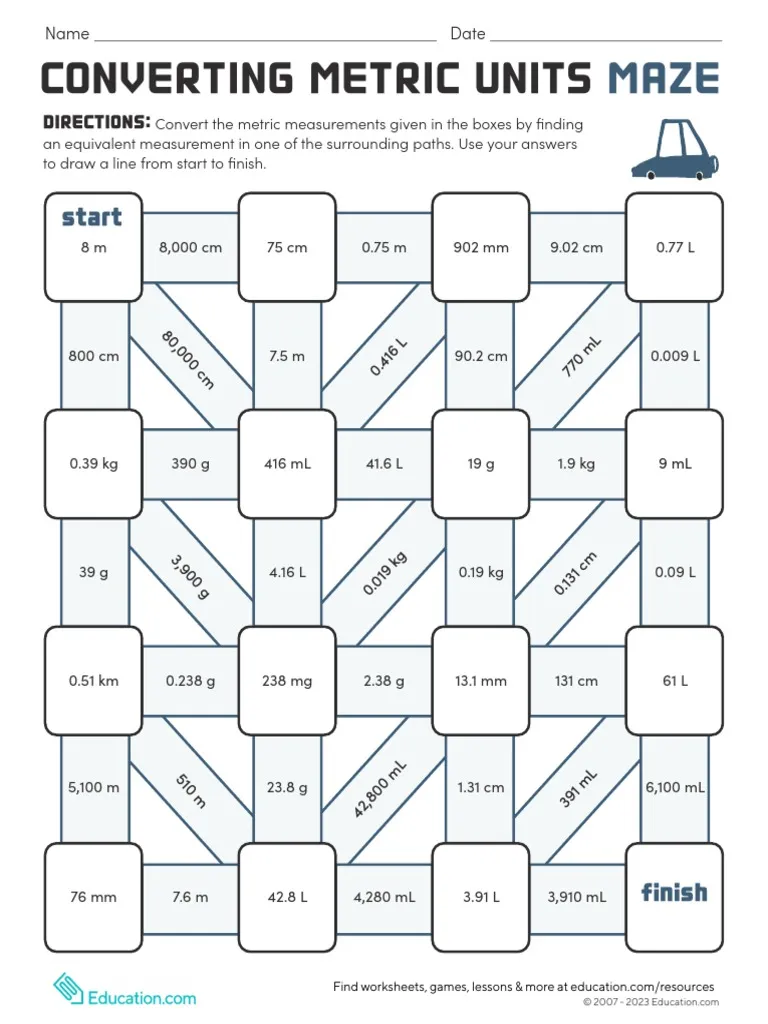
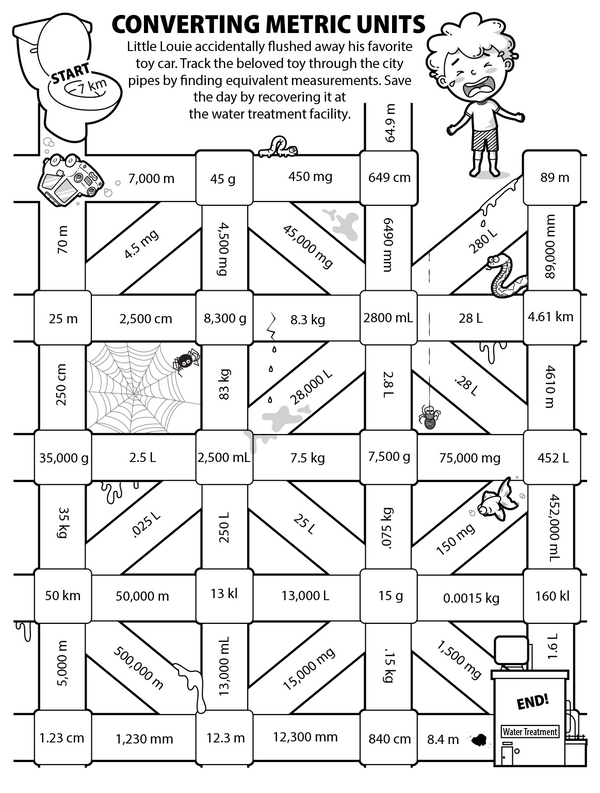
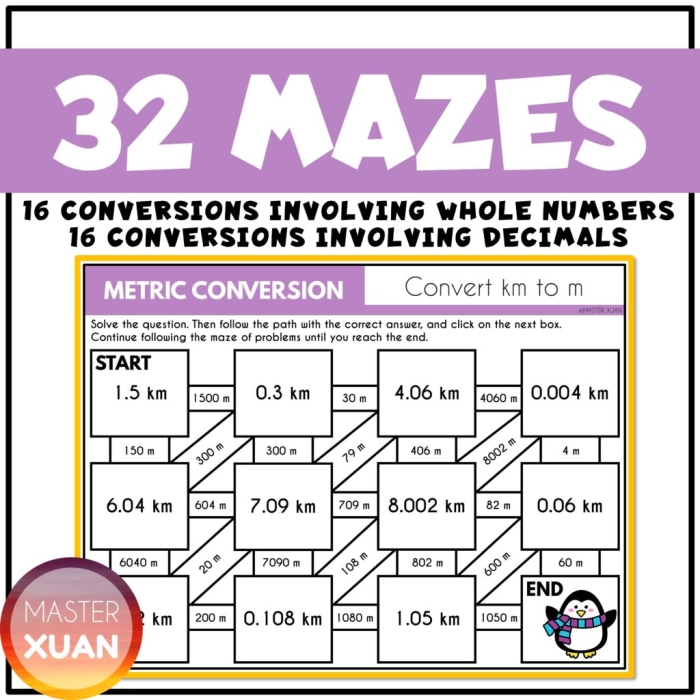
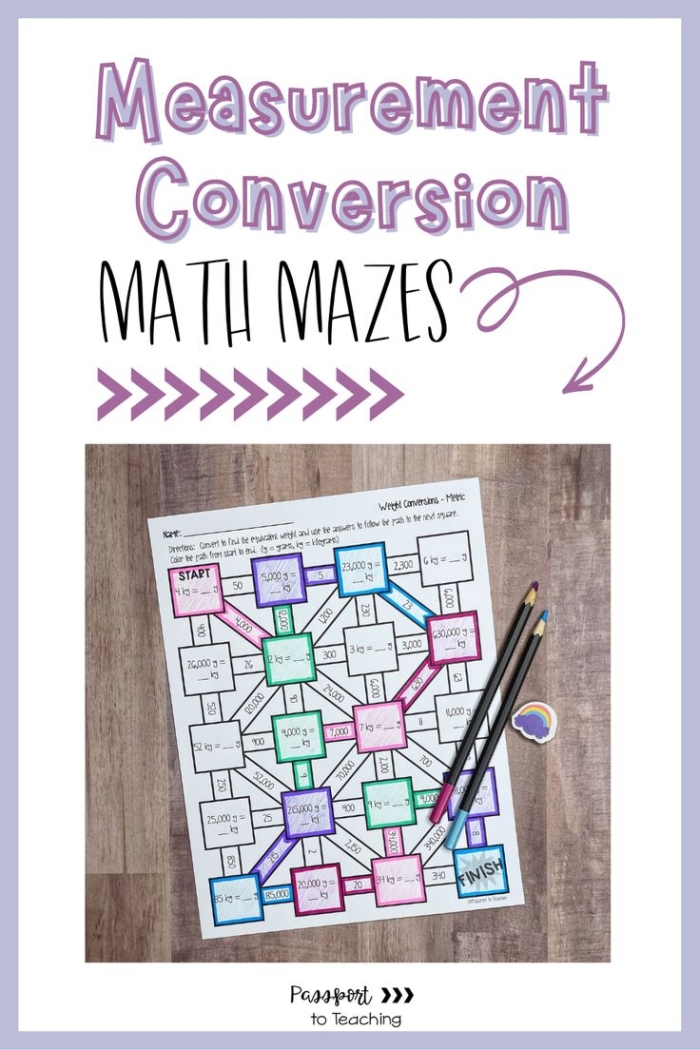
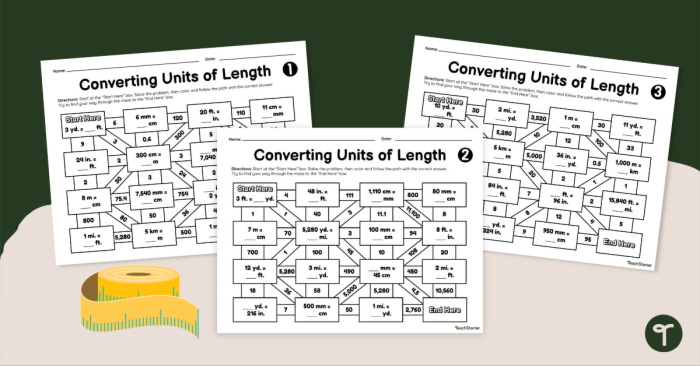
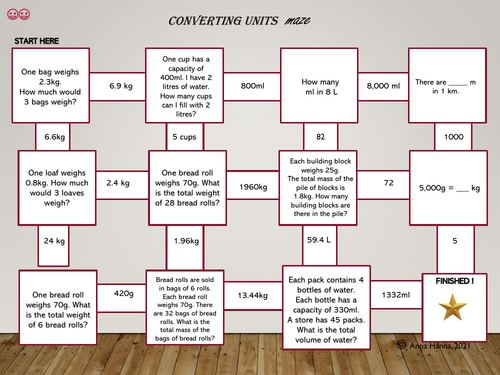
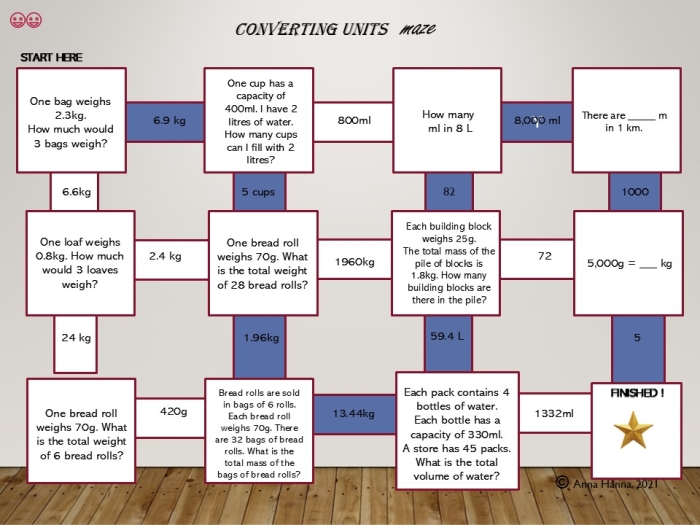
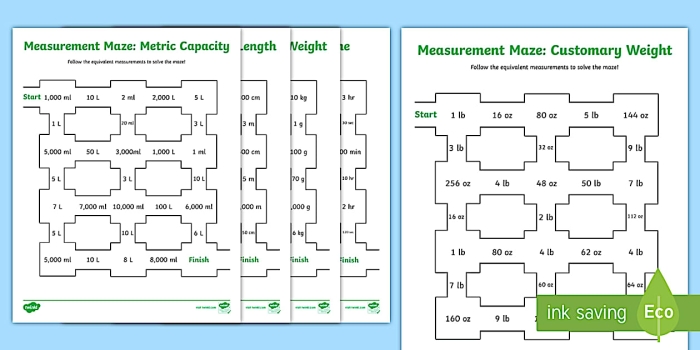
Metric unit conversion trips up plenty of fifth-grade students, but a maze-based worksheet can turn confusion into confidence. Instead of staring at a list of conversion factors, students navigate through a path by solving unit problems at each junction. This approach keeps their hands and minds engaged while they practice the actual skill.
The beauty of a converting metric units maze lies in its self-correcting nature. When a student chooses the wrong path, they hit a dead end and immediately know their conversion was incorrect. They backtrack, recalculate, and try again without the sting of a red mark on a worksheet. This trial-and-error process builds problem-solving confidence faster than traditional drills.
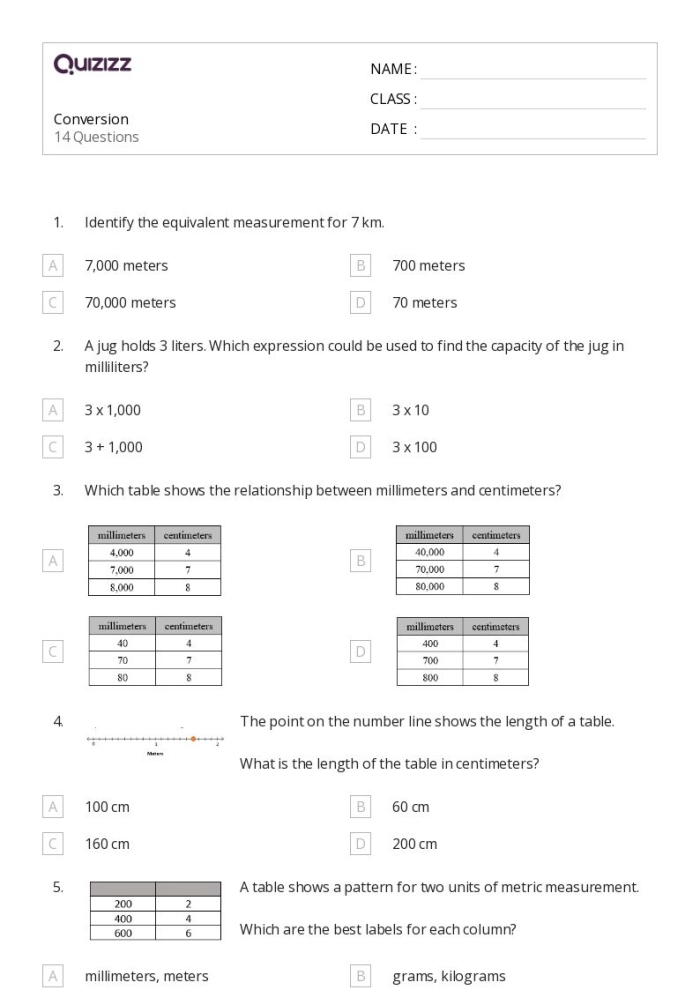
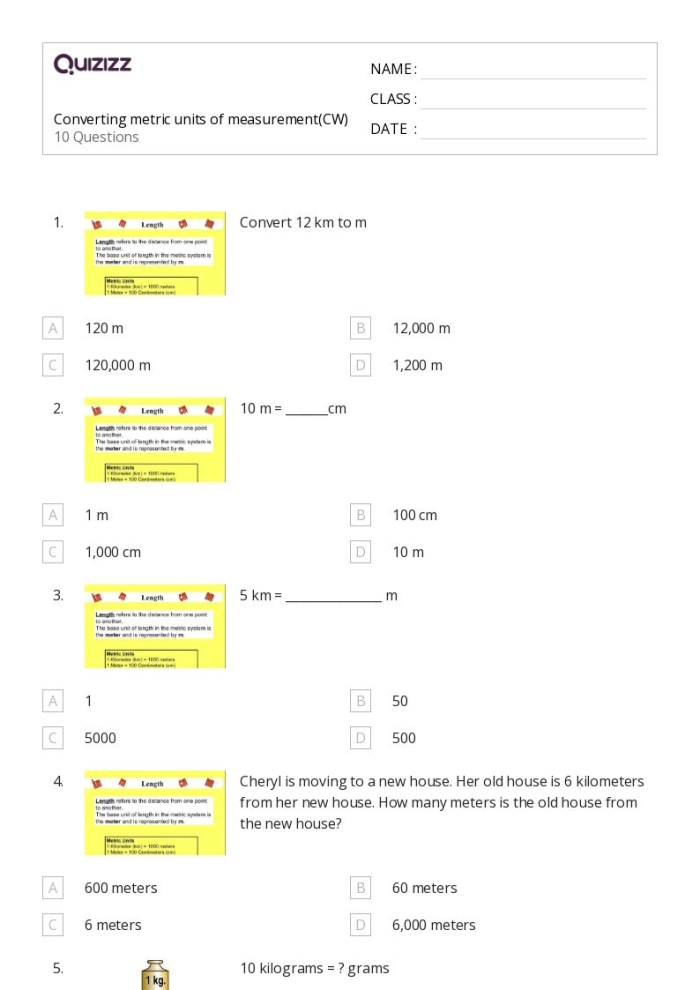
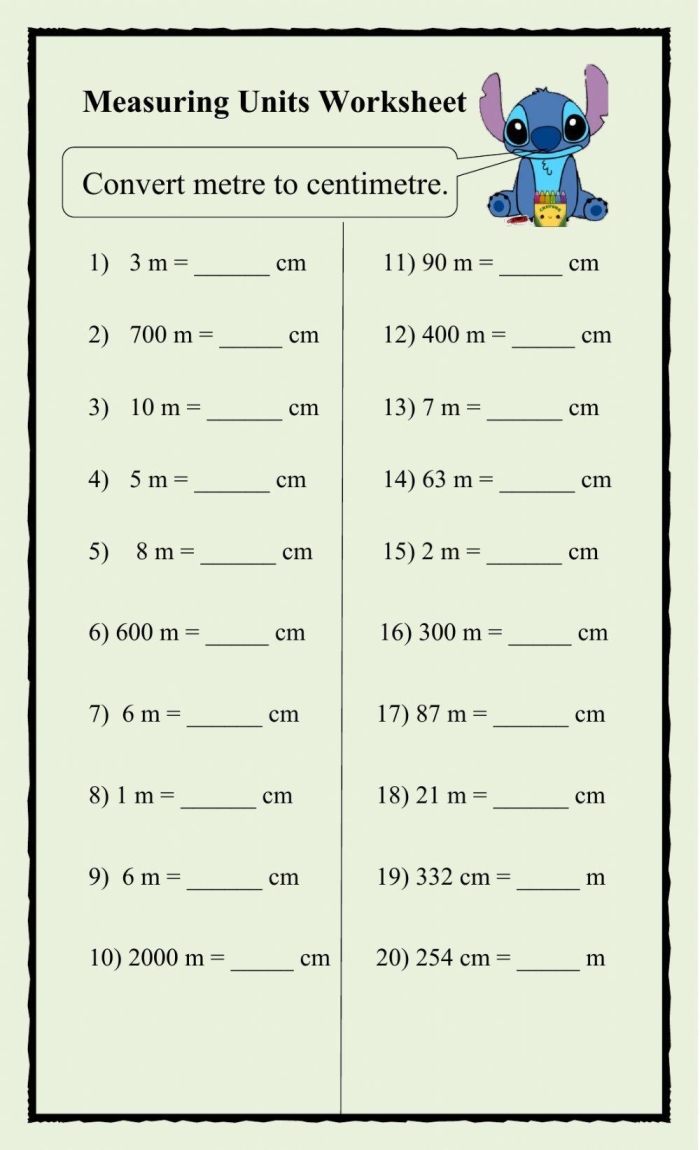
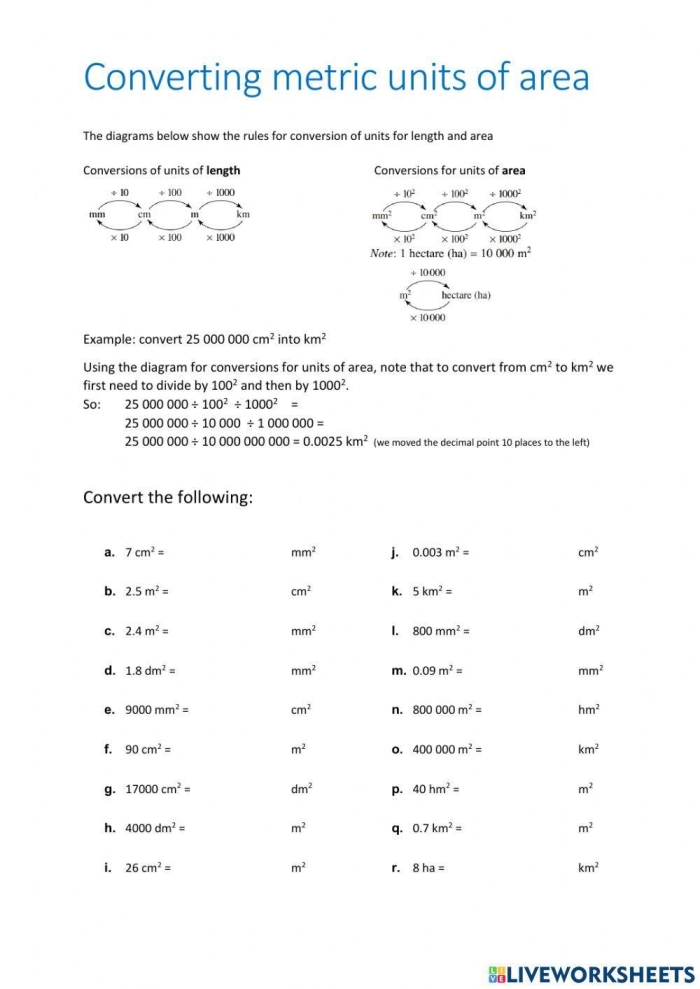
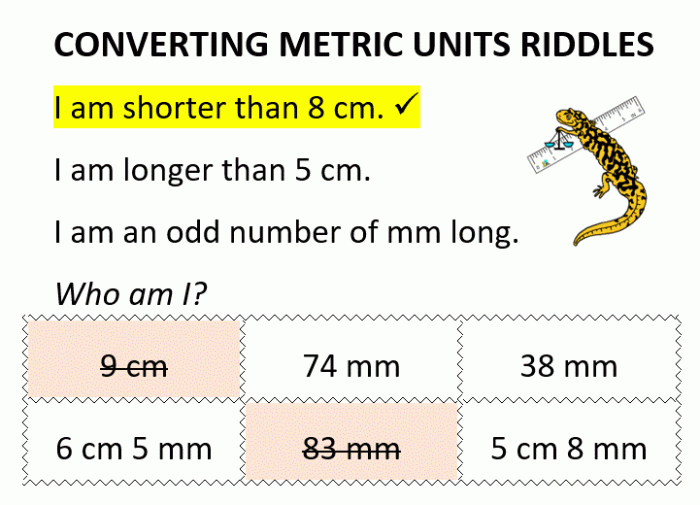
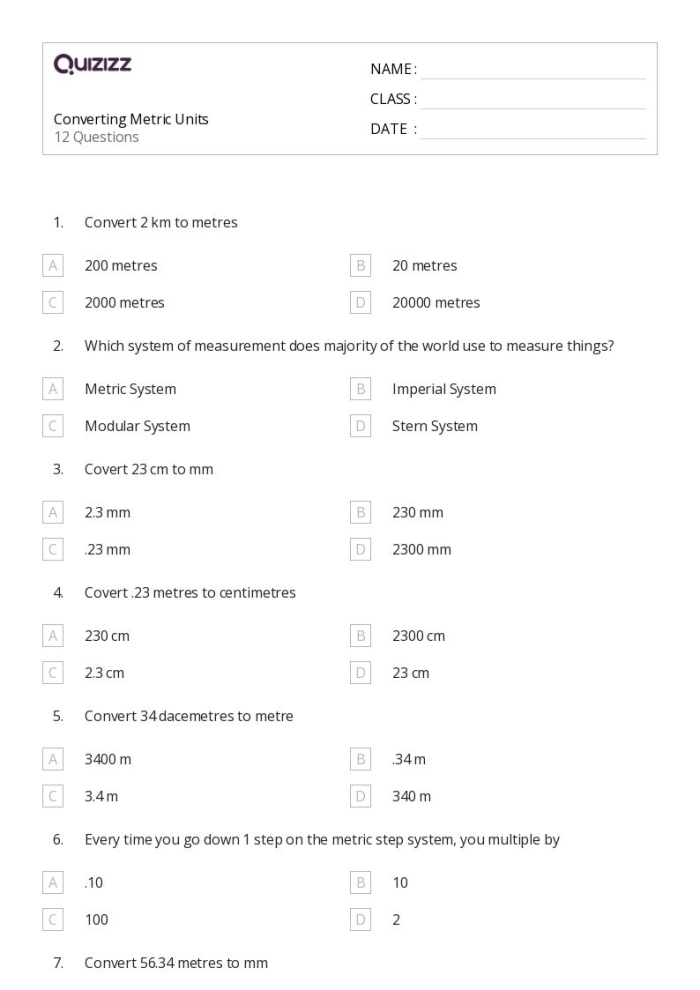
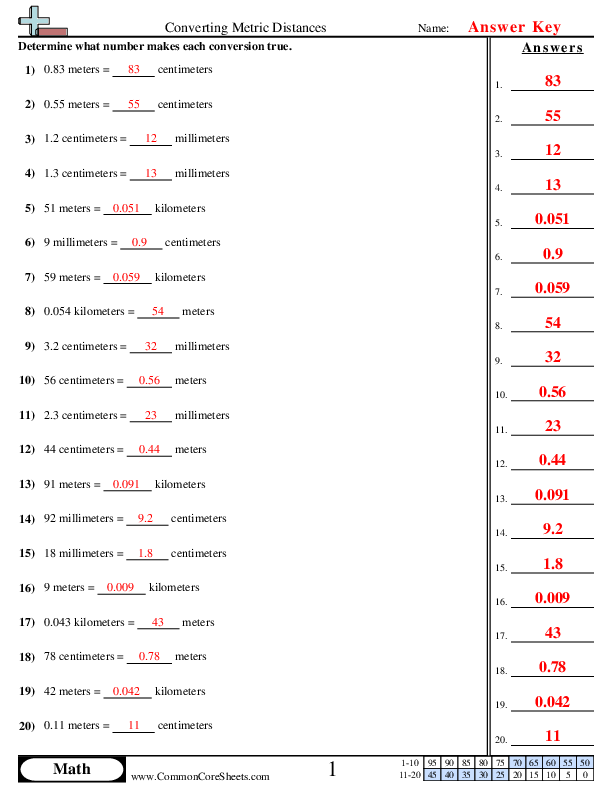
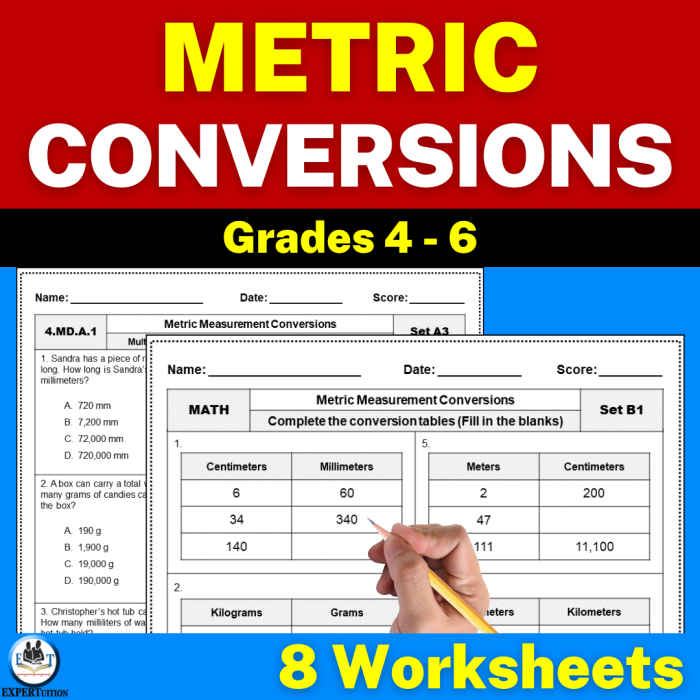
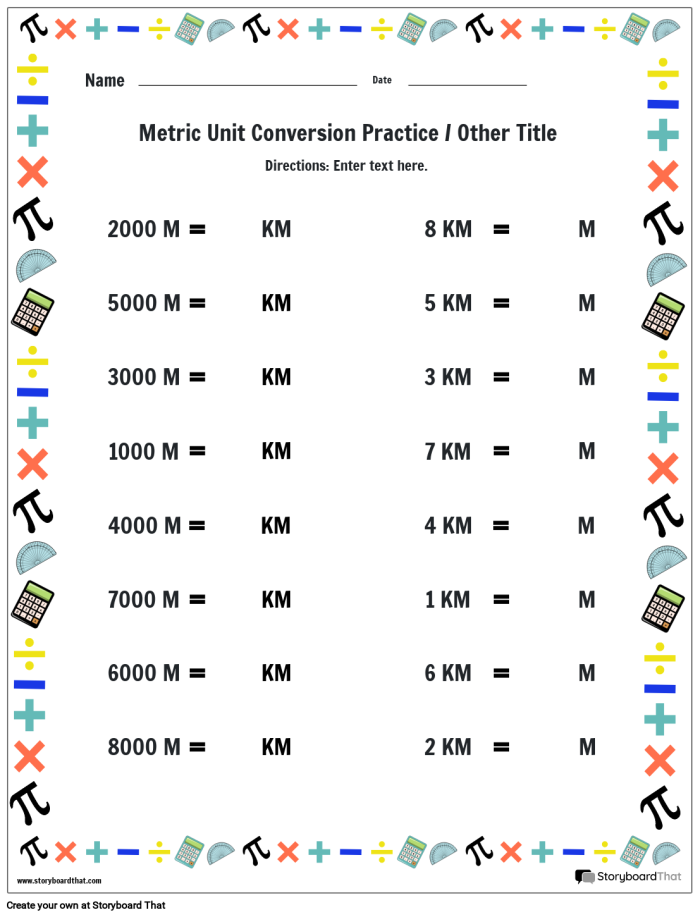
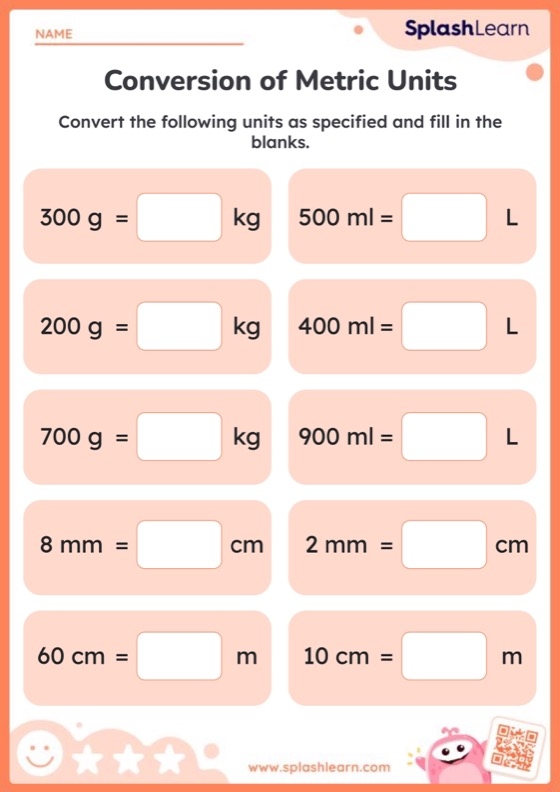
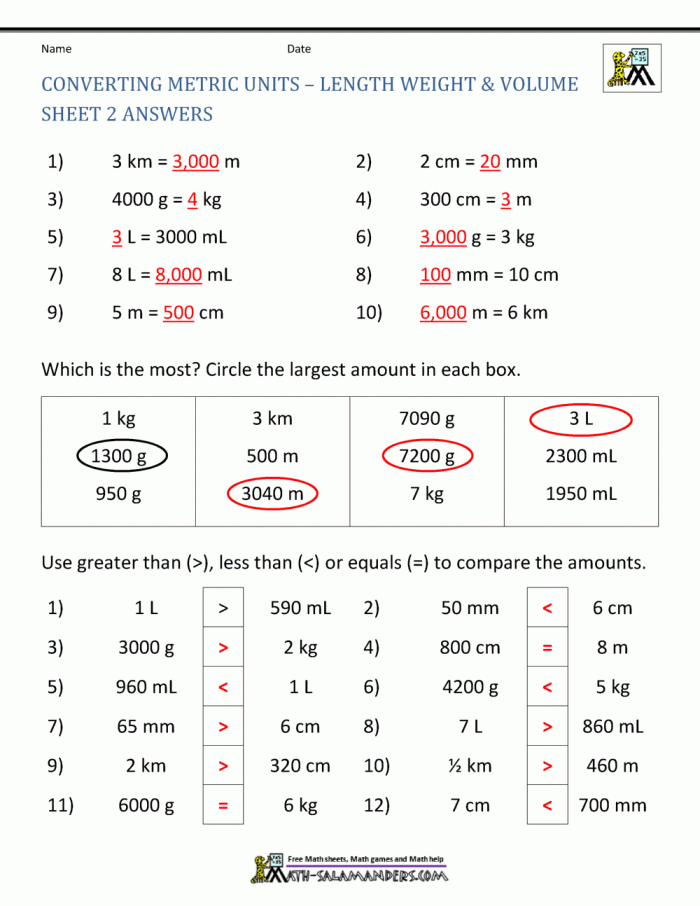
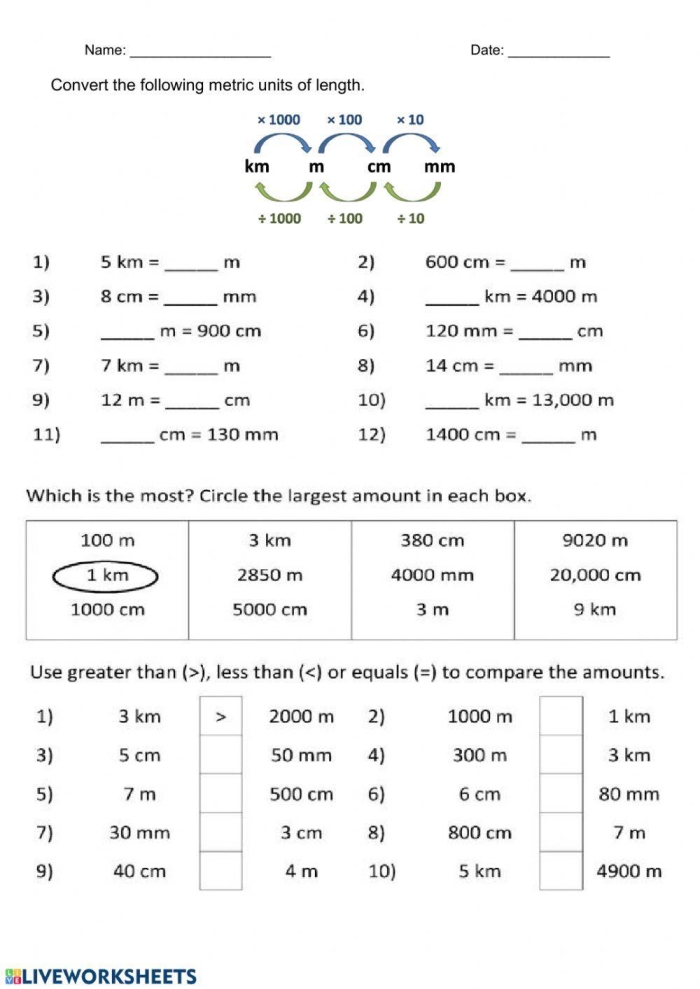
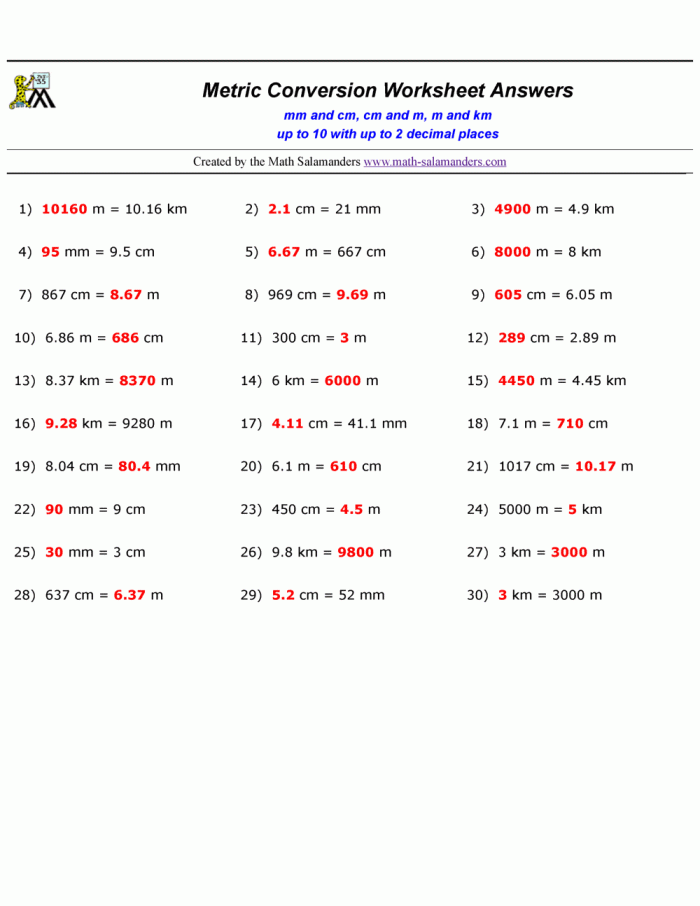
At the fifth-grade level, students typically work with common metric conversions: millimeters to centimeters, centimeters to meters, milliliters to liters, and grams to kilograms. A well-designed maze incorporates these conversions naturally, requiring students to convert measurements multiple times before reaching the exit. Some worksheets layer in formula-based thinking for measurement to deepen understanding beyond simple memorization.
The maze format also addresses a real classroom challenge: engagement. Students who find traditional worksheets tedious often work through a maze without complaint because it feels more like a puzzle game than an assignment. Teachers report that students complete these worksheets faster while retaining information better than they do with conventional practice sheets.
For differentiation, sixth graders can tackle mazes with more complex conversions or require multiple steps per problem. Some worksheets even combine word-search elements with measurement practice to keep advanced learners challenged.
If you’re looking to reinforce metric conversions without the usual worksheet fatigue, a converting metric units maze delivers results while keeping students motivated through the learning process.
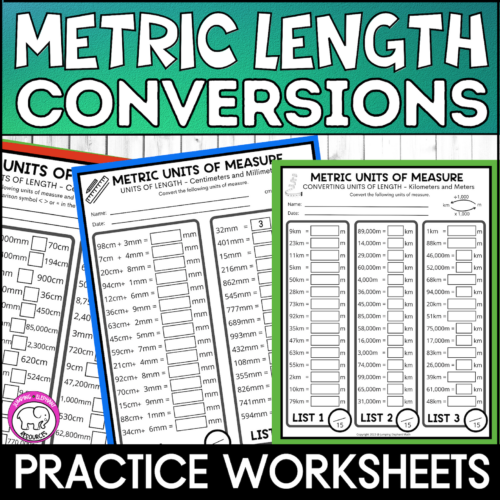
Download These Worksheets for Practice