Assessing students’ understanding of language can be a rewarding yet challenging task. One effective way to gauge their mastery of determining word meanings is by utilizing context clues alongside their knowledge of homophones and homographs. These skills are essential, especially for third graders, who are developing their reading comprehension abilities.
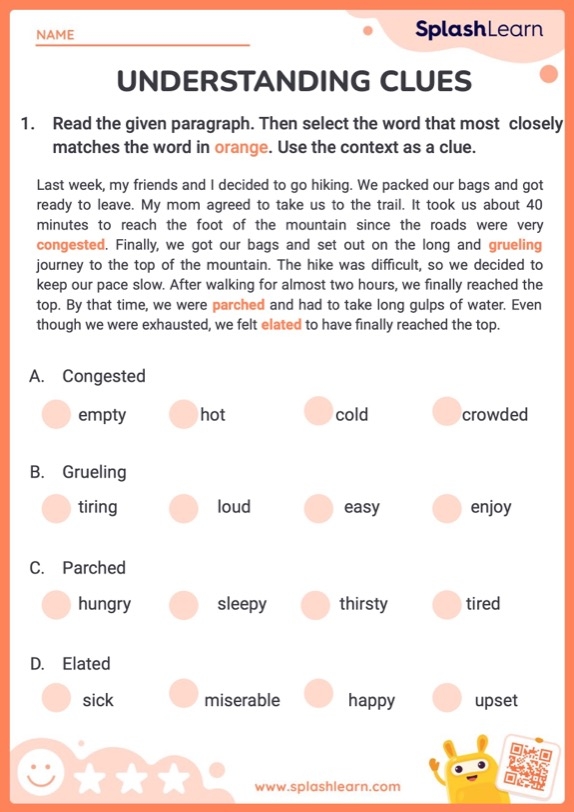
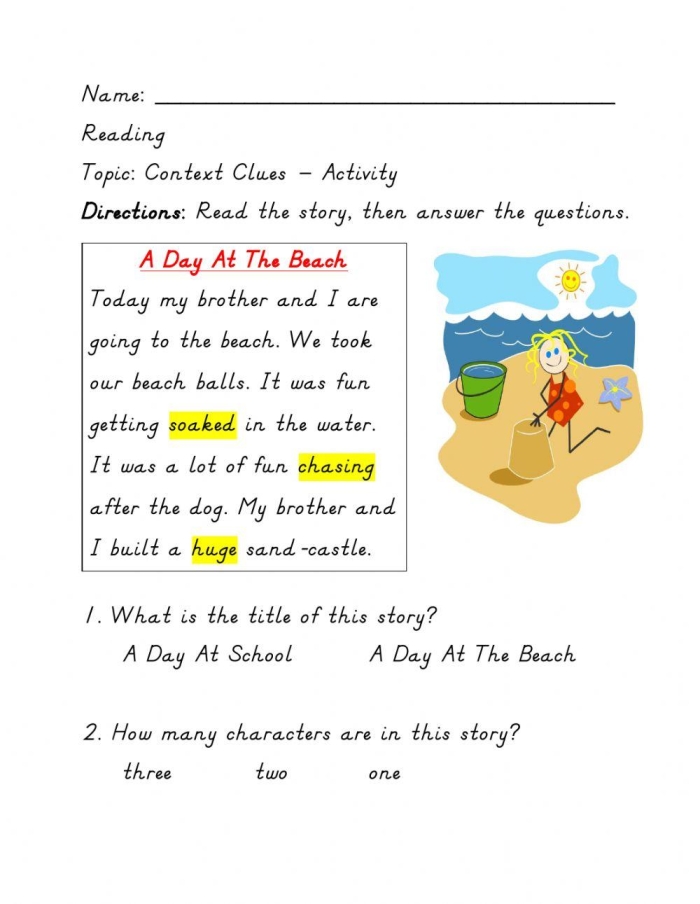
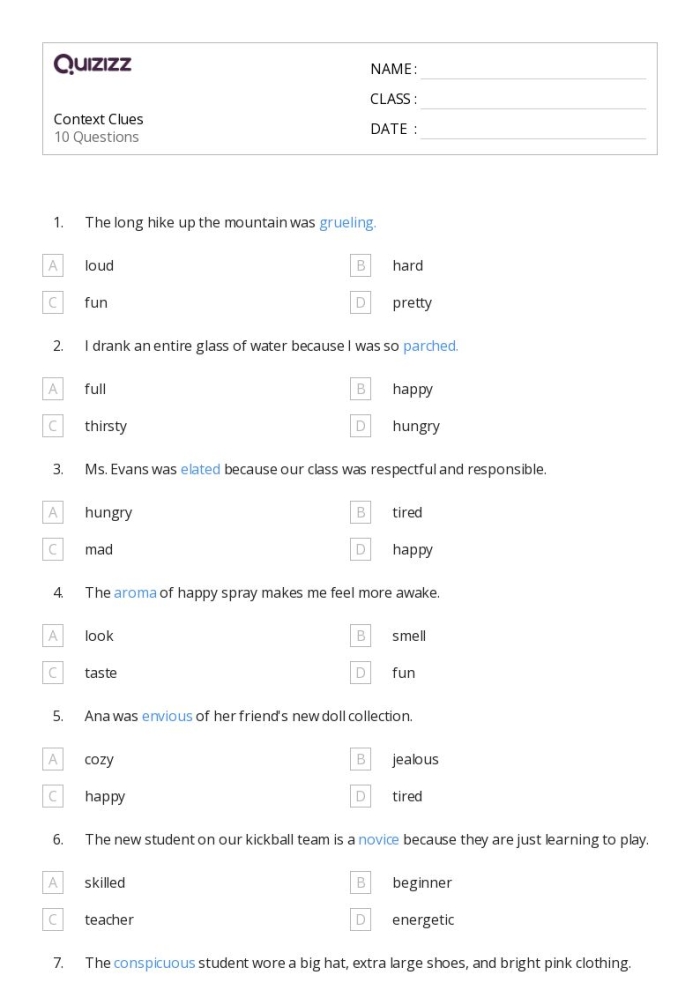
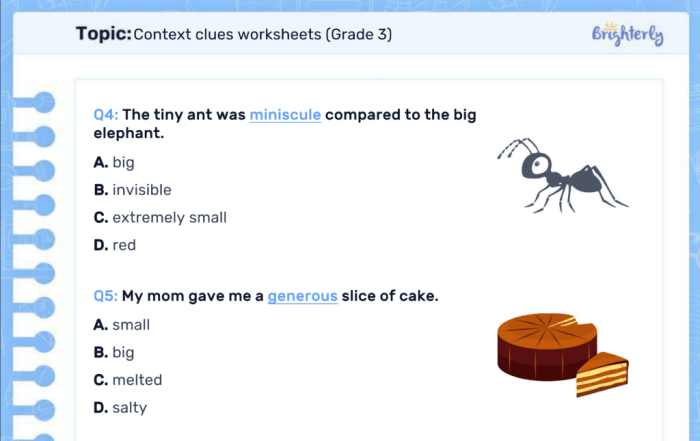
Context clues are hints embedded within a sentence or paragraph that help readers infer the meaning of unfamiliar words. For instance, if a student encounters the word “bark” in a sentence that talks about trees, they can use the surrounding words to determine that it refers to the outer covering of a tree rather than the sound a dog makes. This skill is crucial for expanding vocabulary and improving overall comprehension.
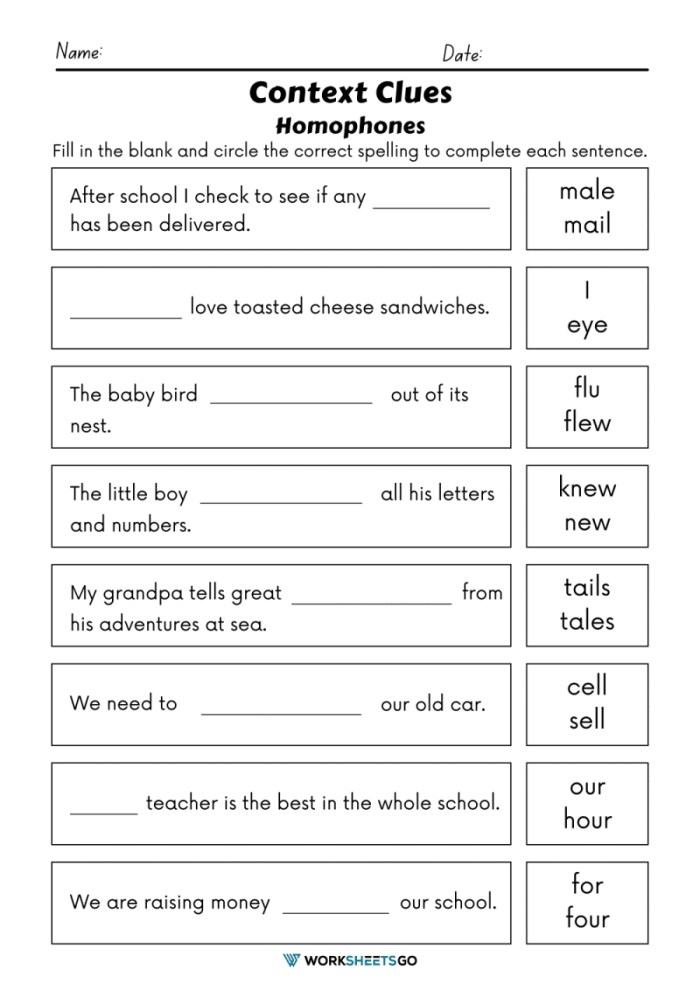
Additionally, understanding homophones—words that sound alike but have different meanings—and homographs—words that are spelled the same but have different meanings—can significantly enhance a student’s ability to interpret text. For example, “lead” can refer to a type of metal or the action of guiding someone. By mastering these concepts, students not only improve their vocabulary but also their reading fluency.
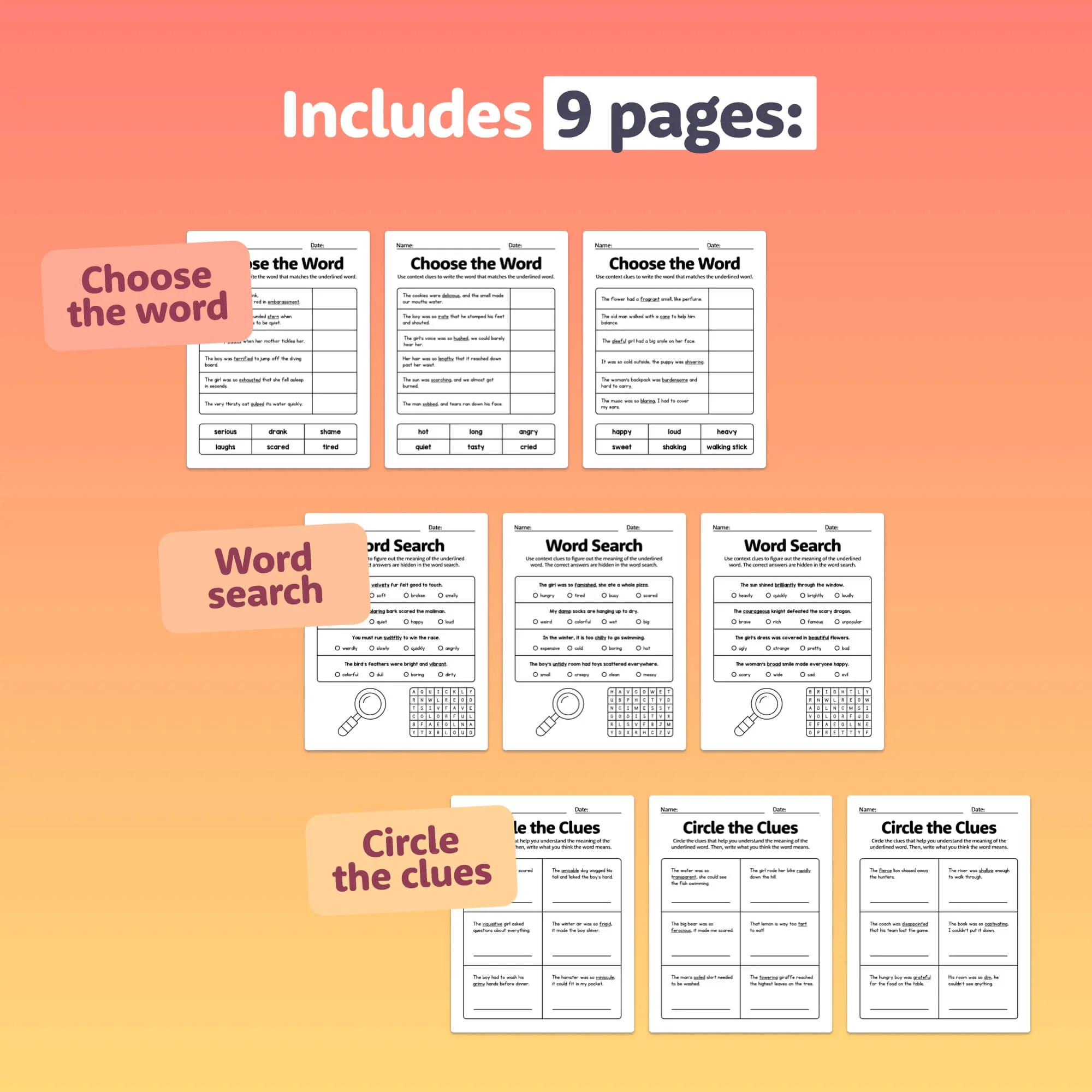
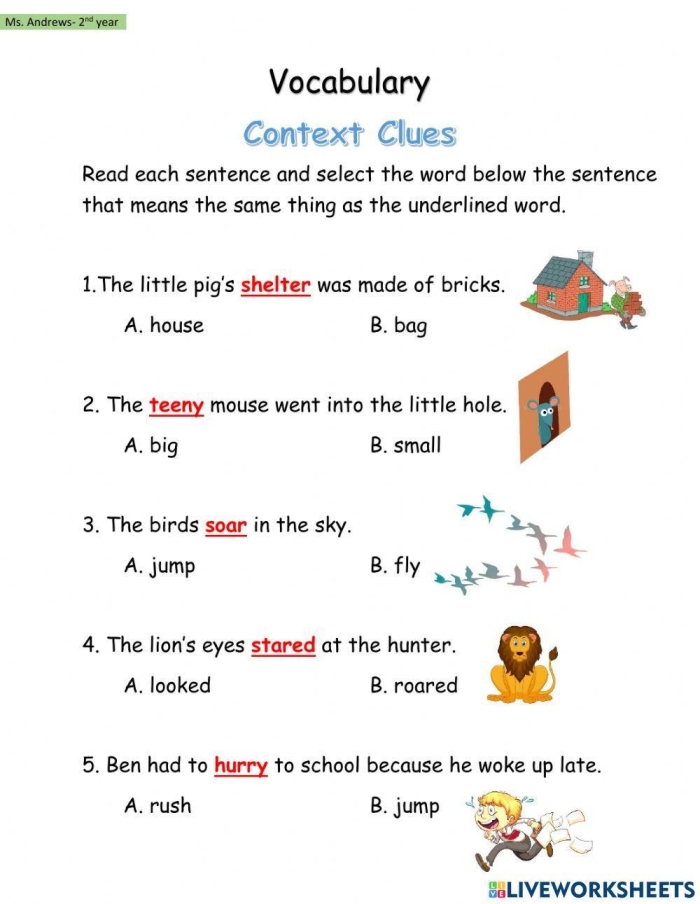
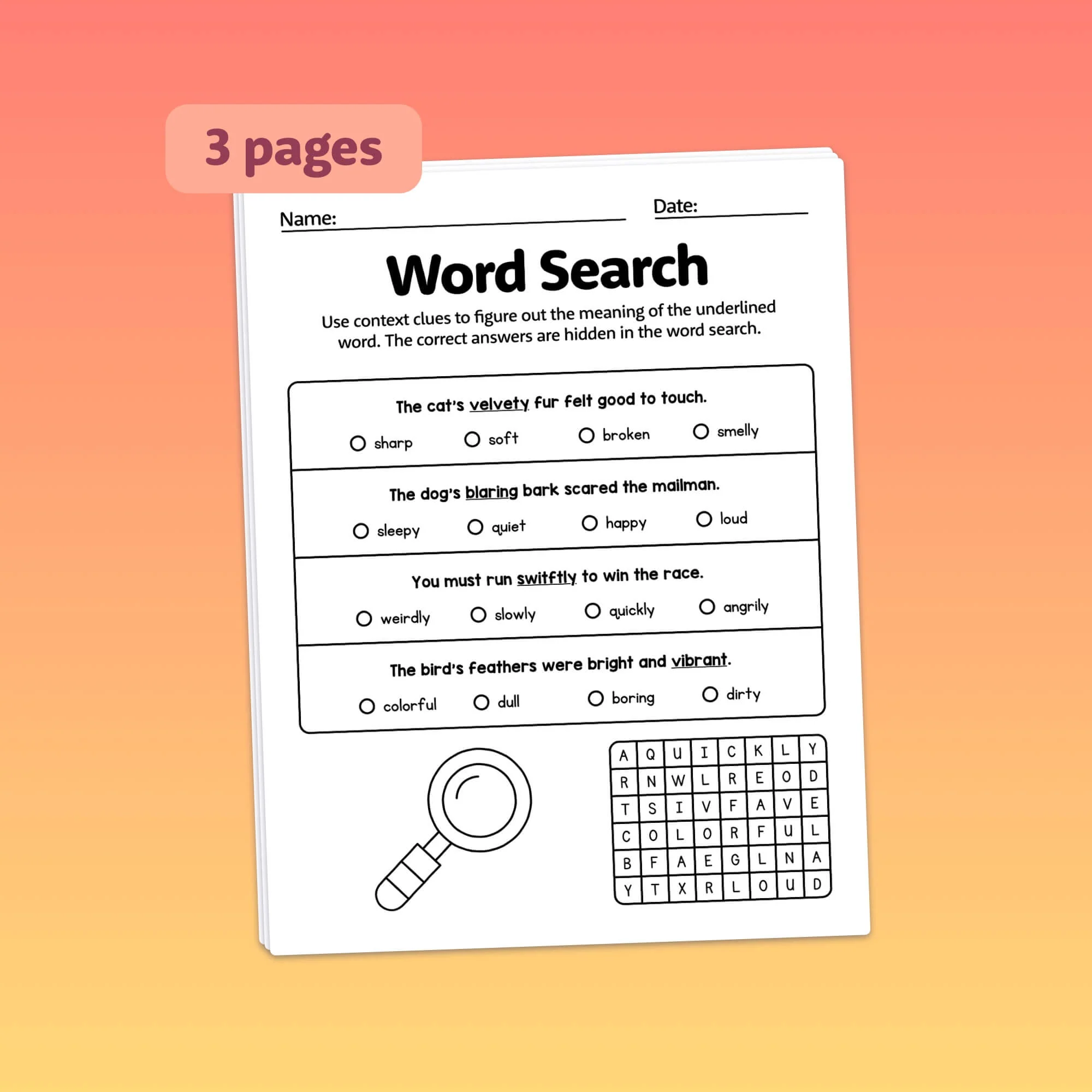
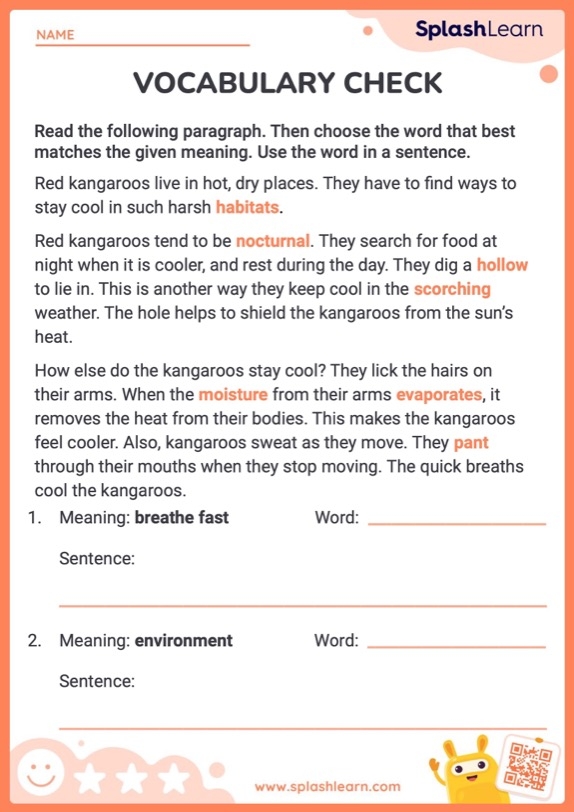
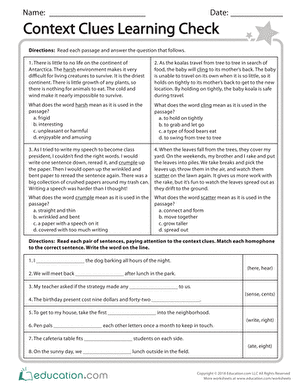
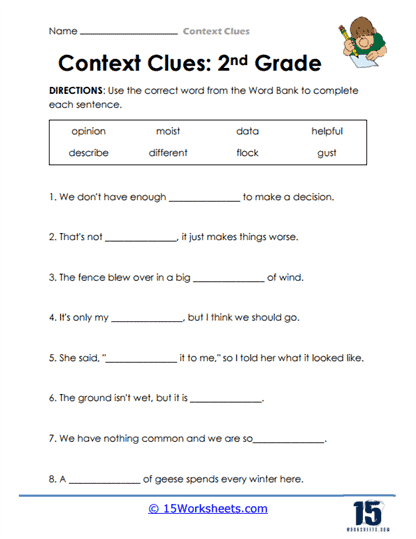
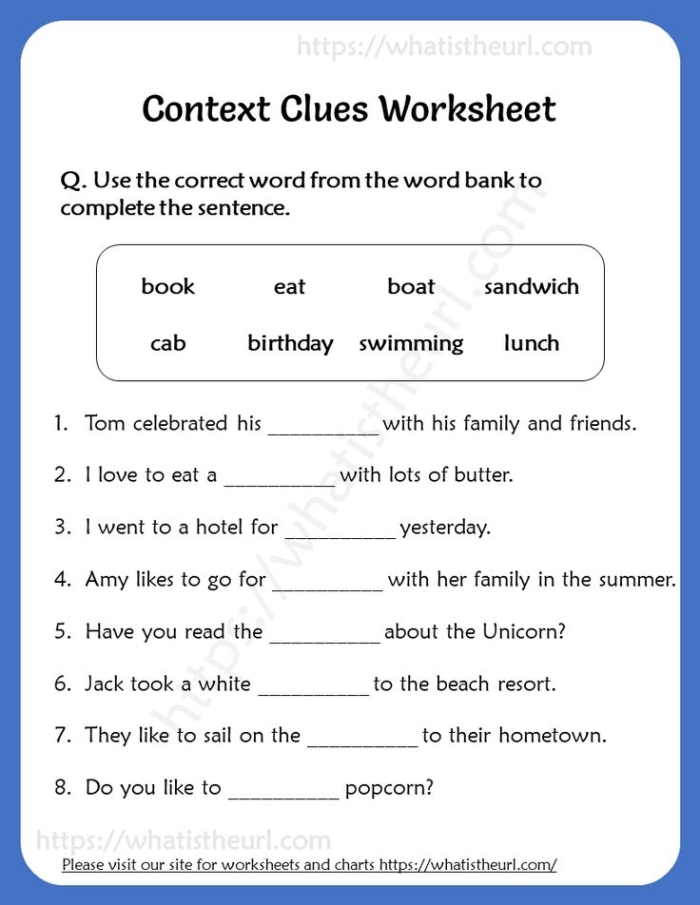
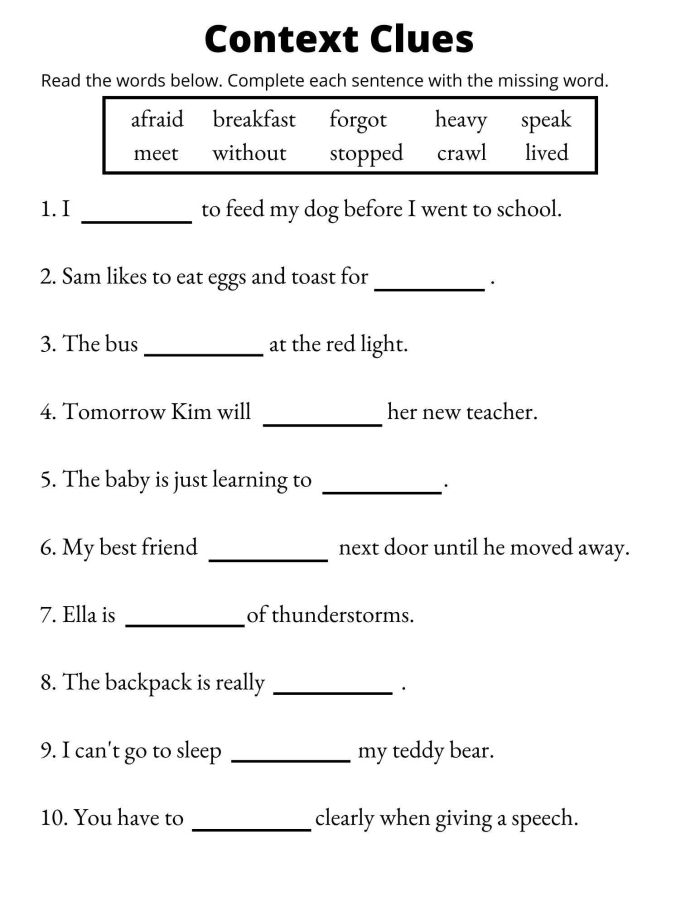
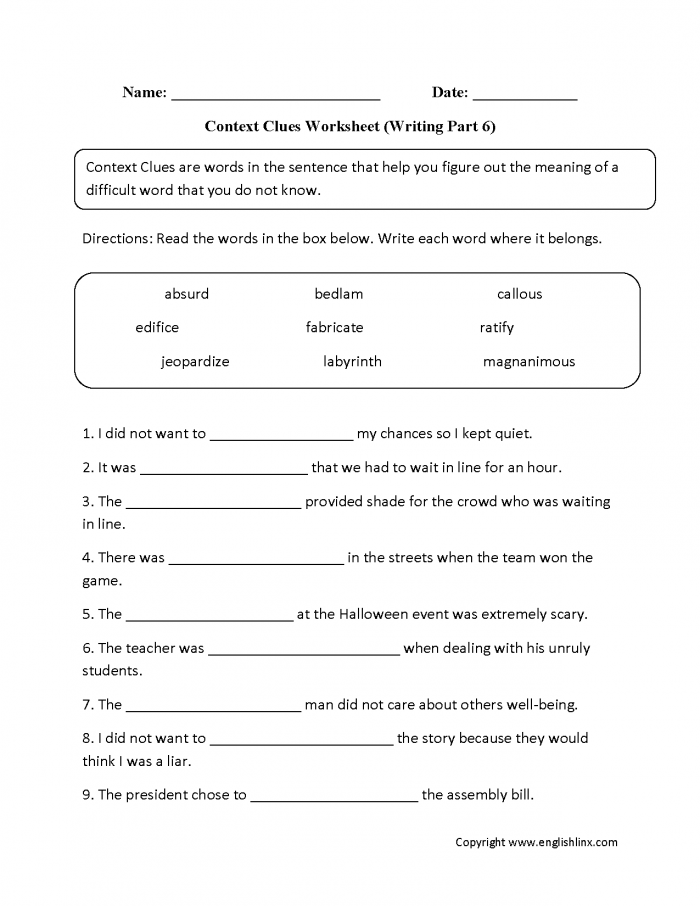
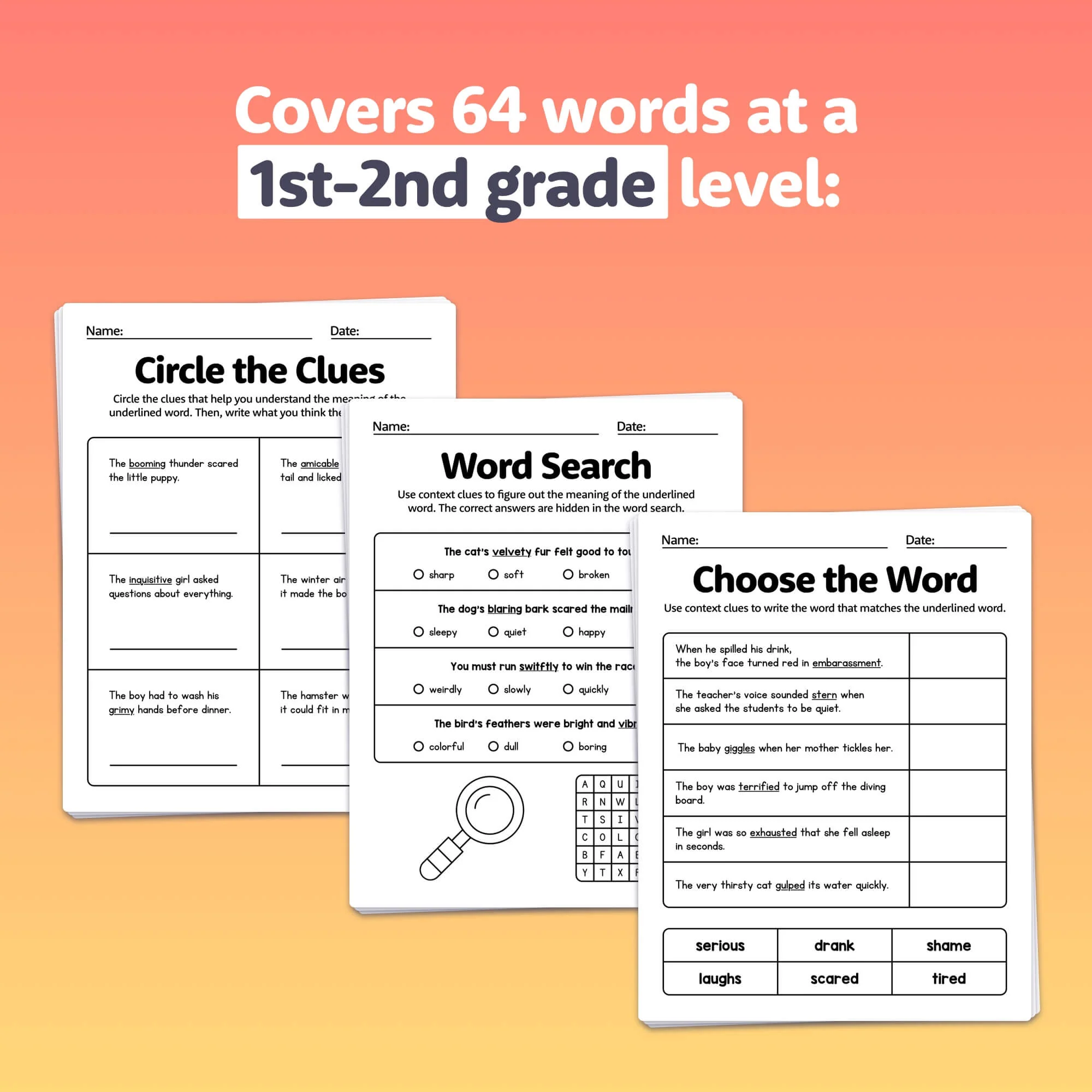
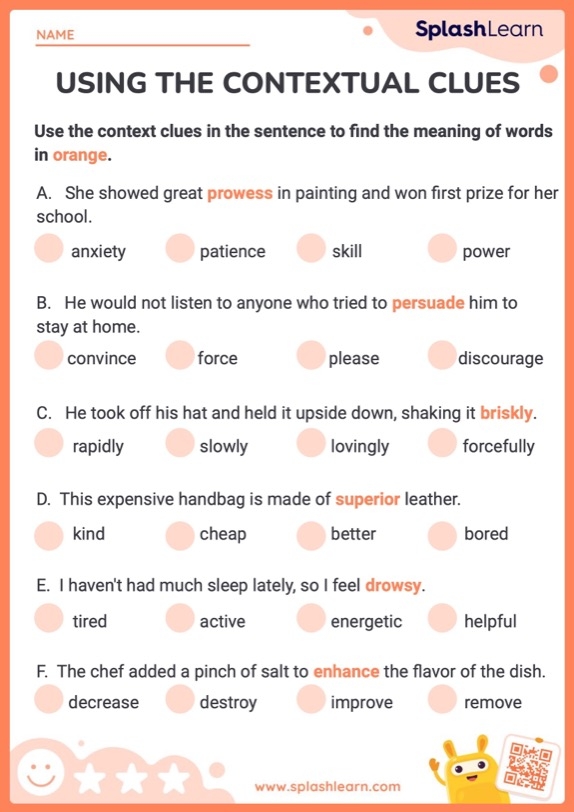
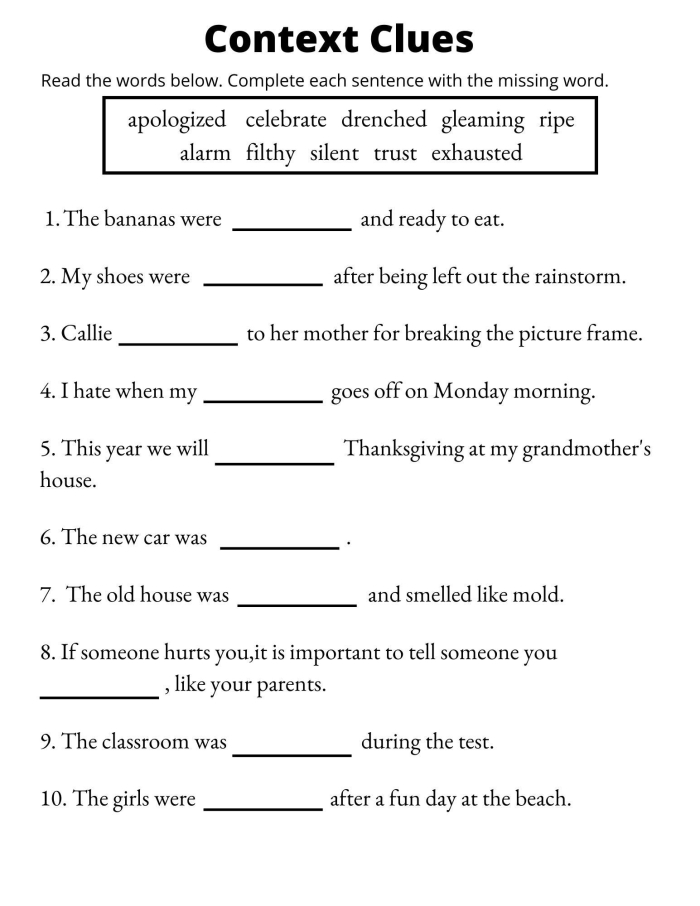
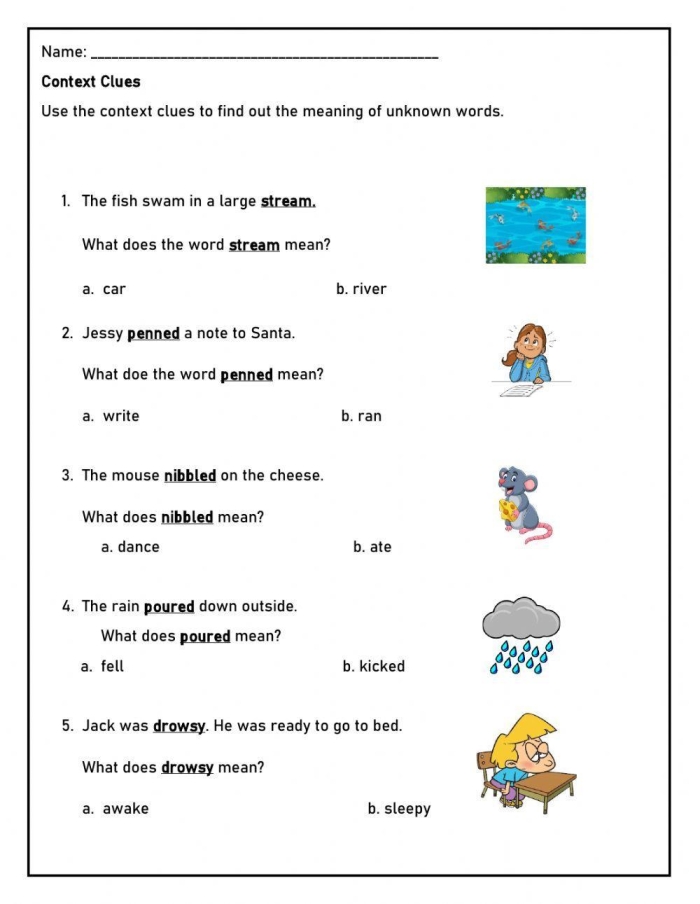
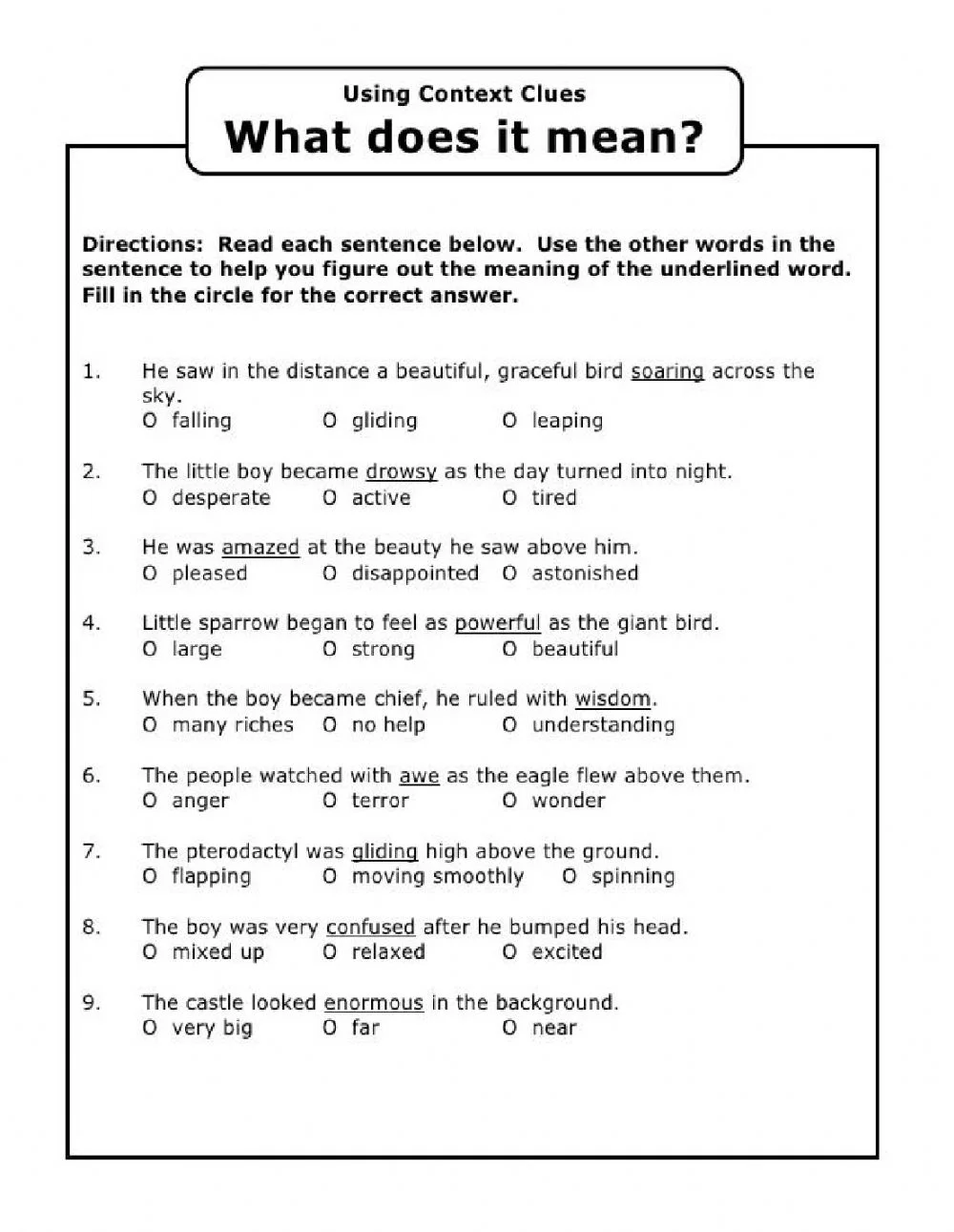
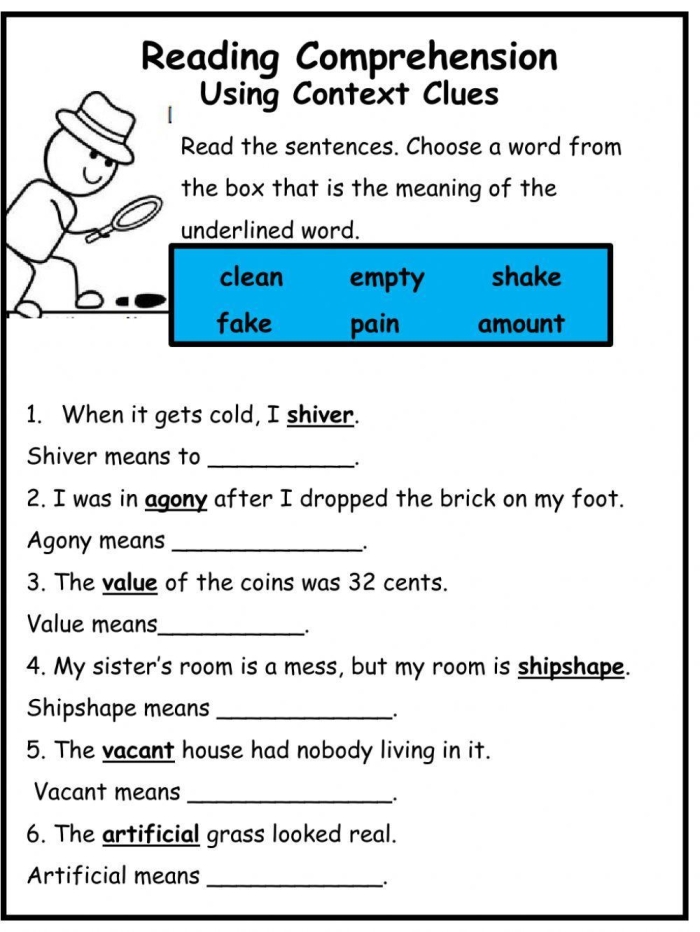
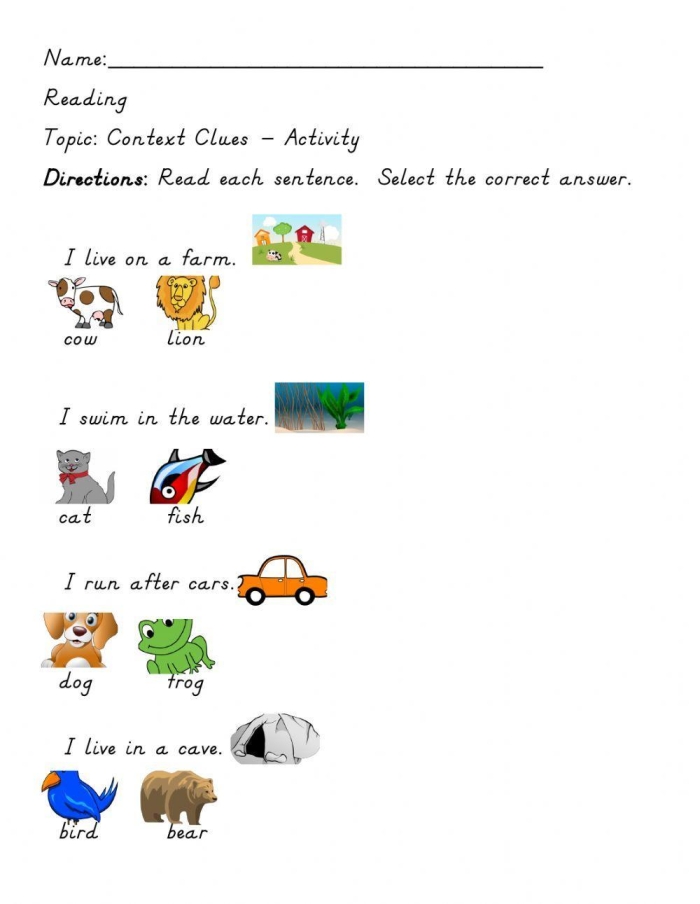
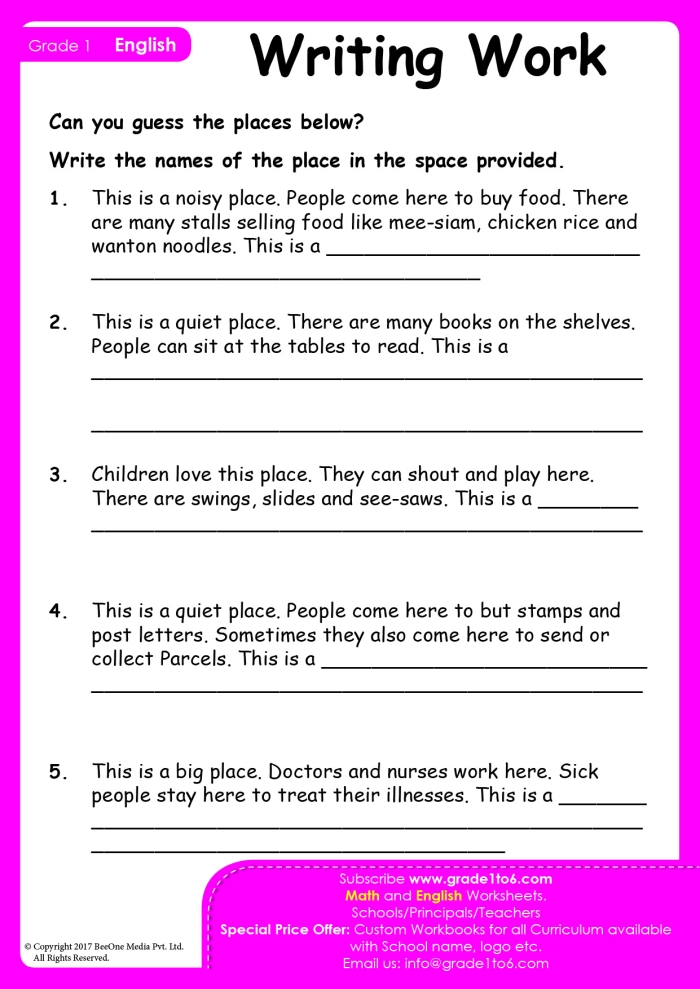
To support third graders in this area, consider using resources like the Printable Context Clues Learning Check Worksheets. These worksheets are designed specifically to help students practice and assess their skills in determining word meanings through context. By integrating these activities into your lessons, you create engaging opportunities for students to apply what they’ve learned.
Incorporating such assessments into your teaching routine can illuminate areas where students may need additional help. For example, if a student struggles with homographs, targeted practice can build their confidence. Ultimately, mastering these skills not only aids in reading comprehension but also lays a foundation for future learning across subjects.
Use These Worksheets Today