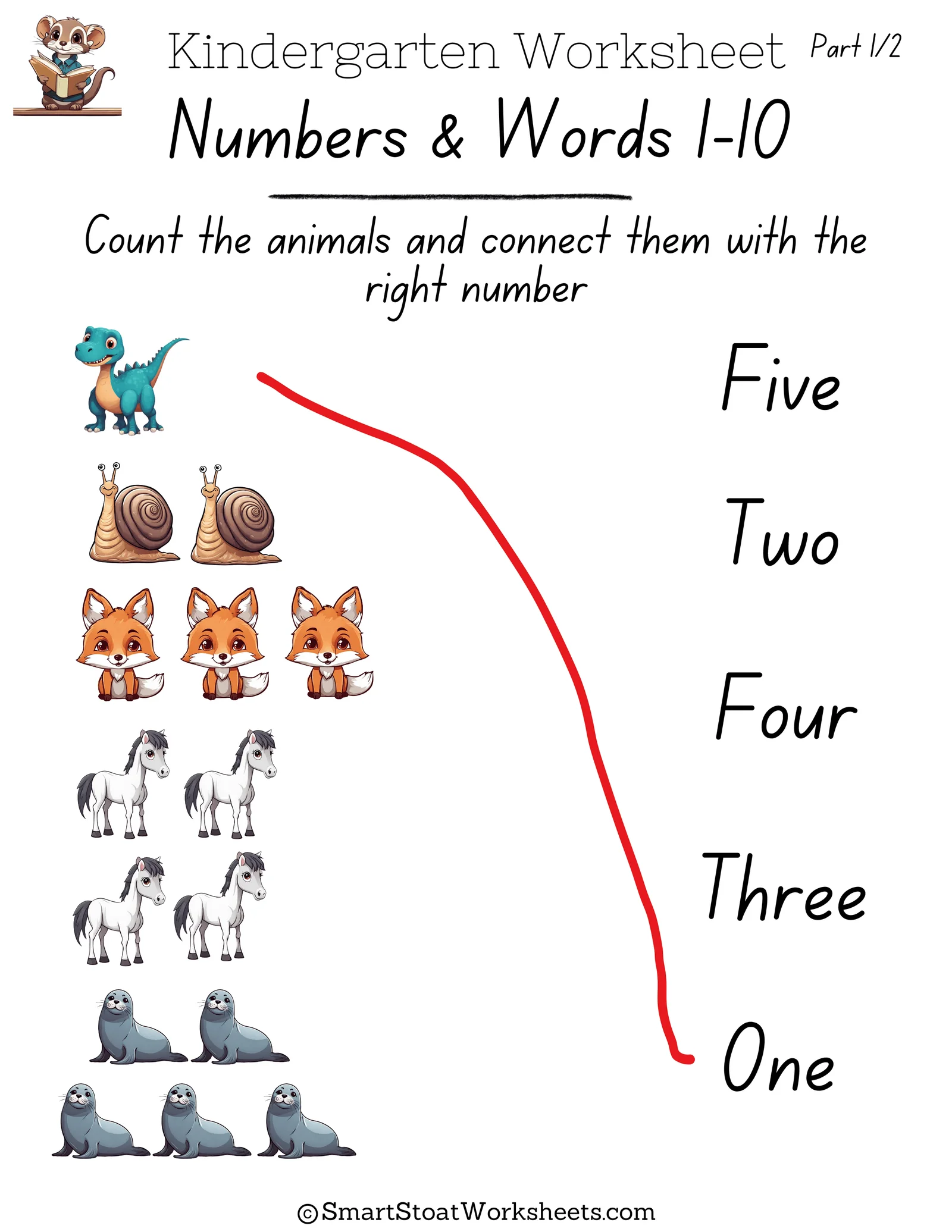
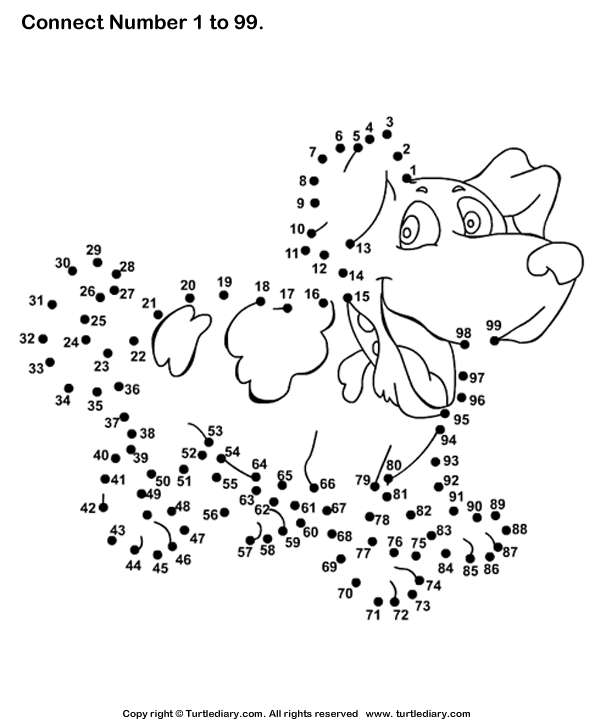
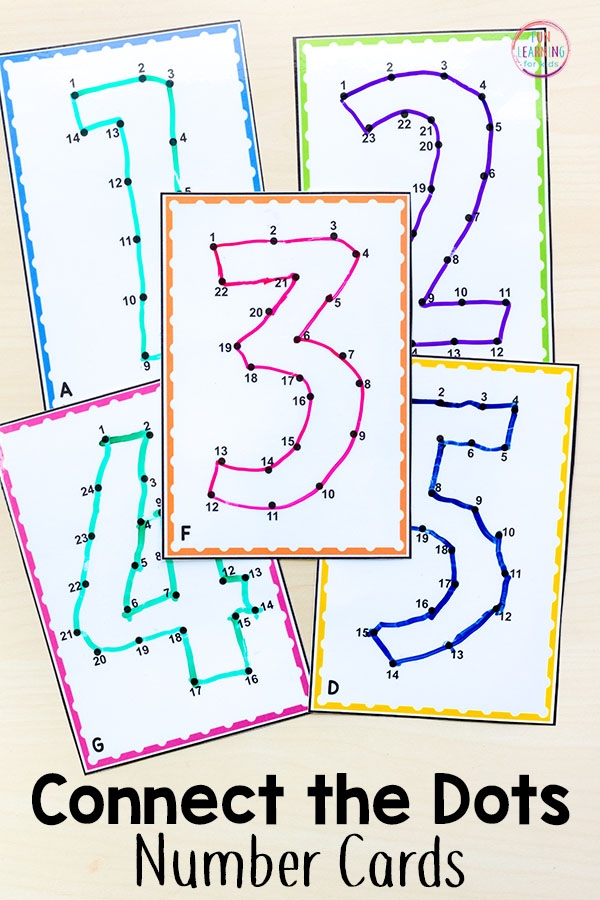
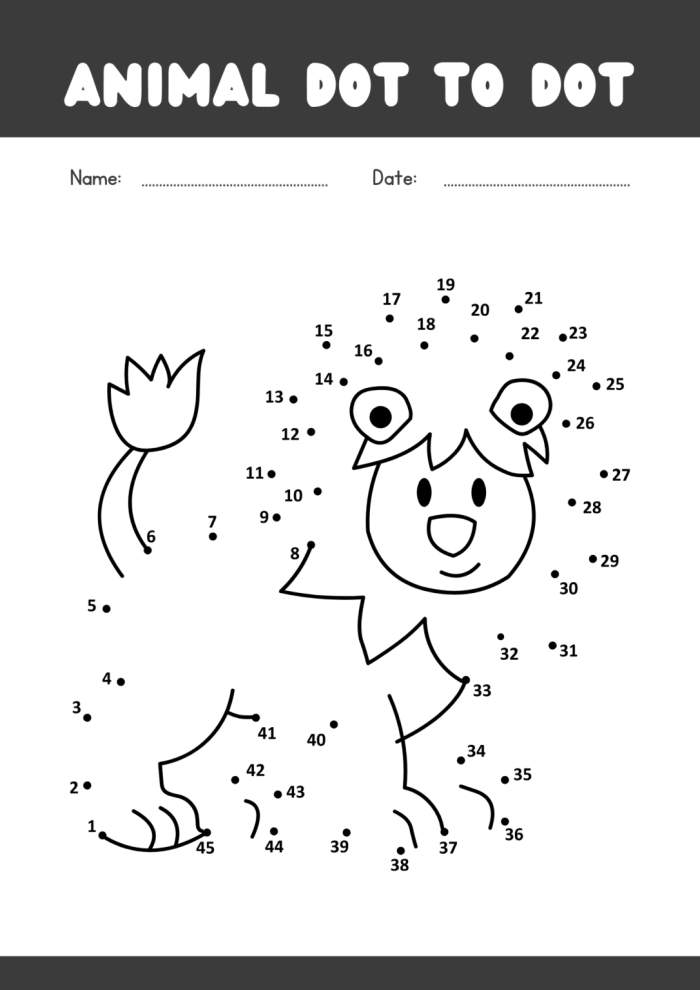
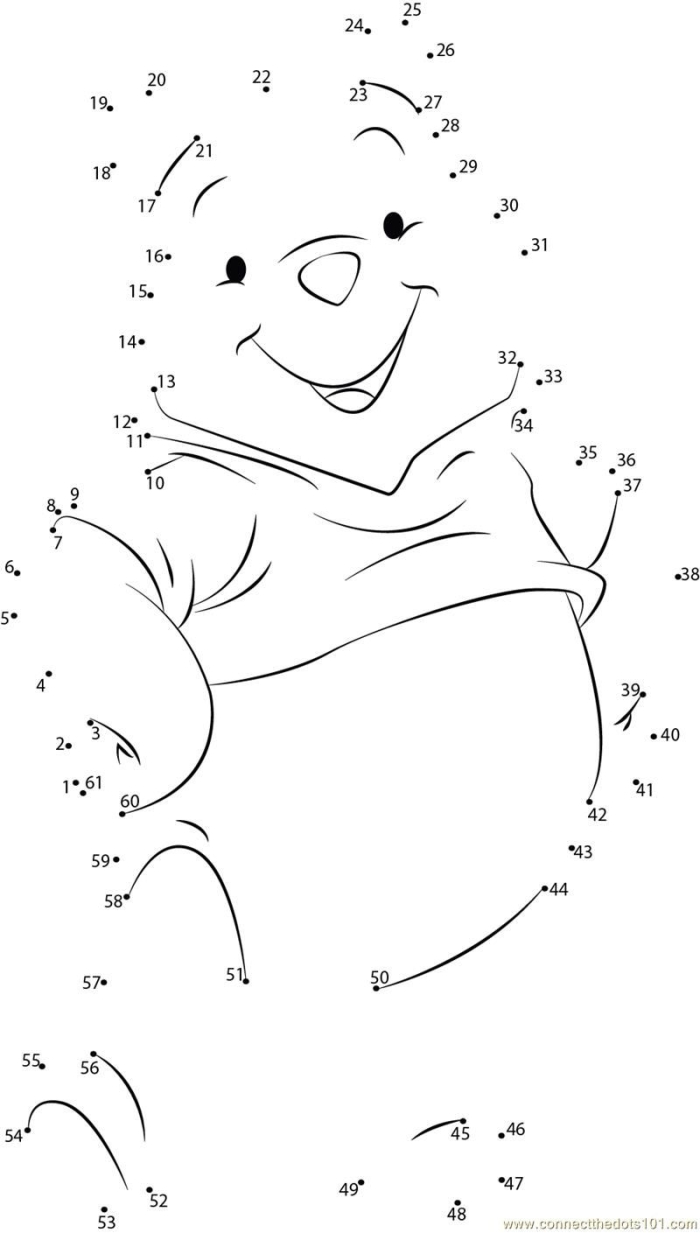
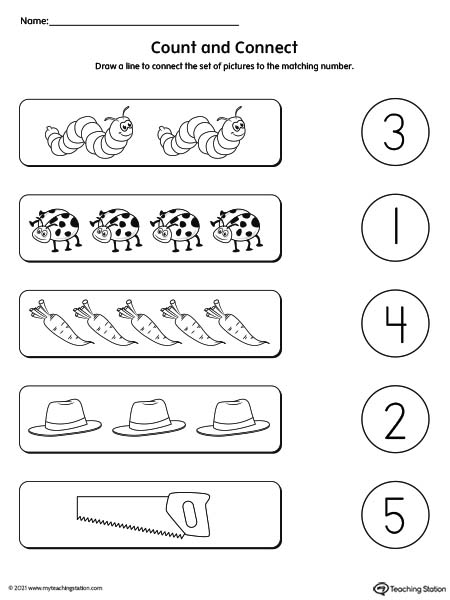
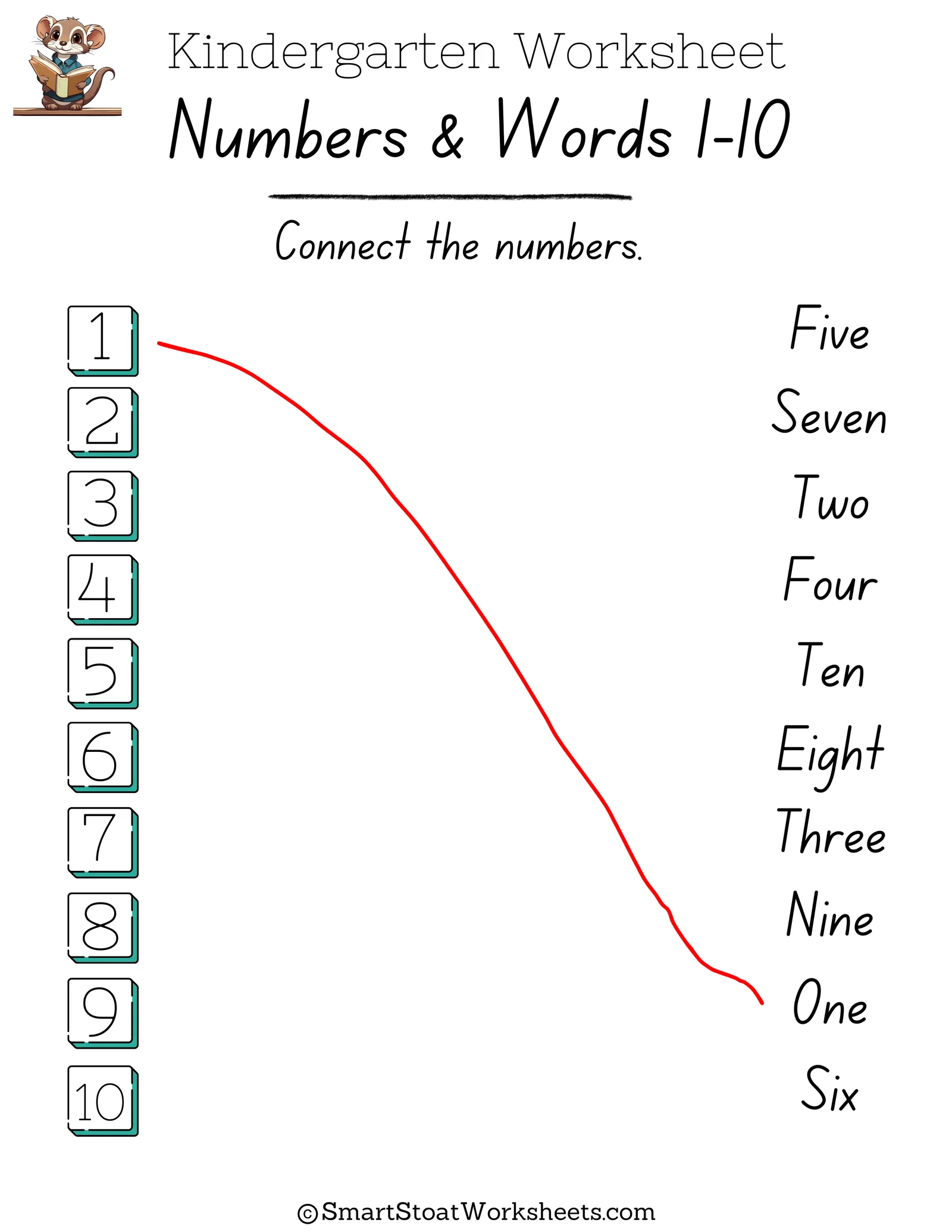
When kindergarteners first encounter numbers, they often see them as abstract symbols rather than representations of real quantities. A matching worksheet that connects numbers with quantities bridges this critical gap, helping young learners understand that the numeral 3 actually means three objects, not just a shape on a page.
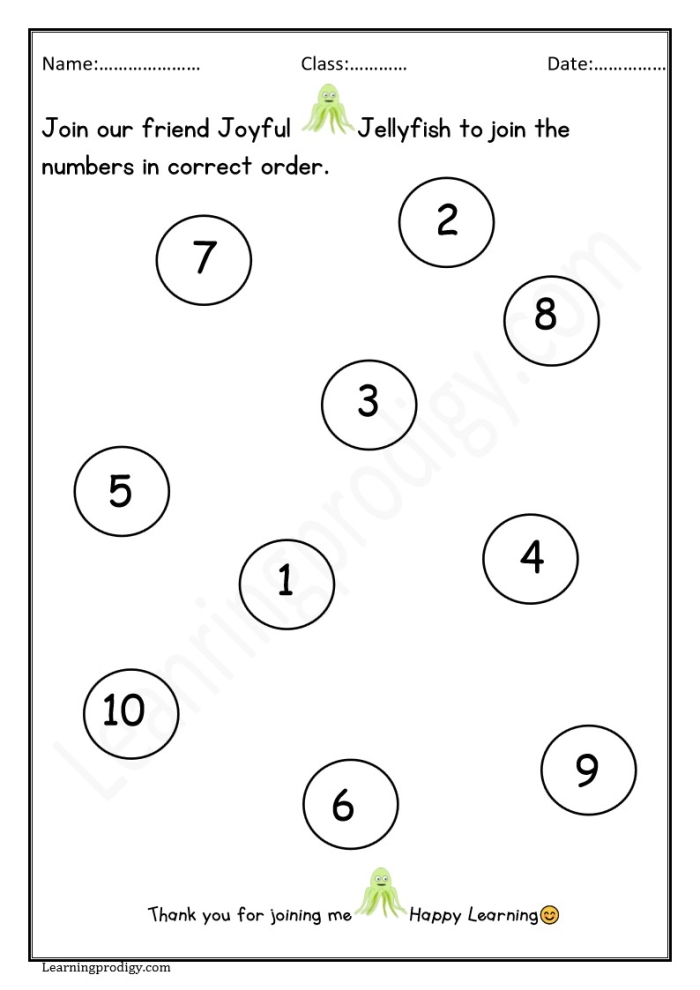
This type of activity works because it forces children to engage in concrete thinking. Rather than memorizing number names in sequence, they physically match a written numeral to a group of items, whether those are dots, stars, apples, or animals. The visual-tactile combination reinforces neural pathways that support mathematical reasoning. Research in early childhood education shows that children who practice this kind of matching develop stronger number sense, which becomes the foundation for addition, subtraction, and eventually more complex math concepts.
The geometry component naturally emerges in these worksheets too. As kindergarteners count grouped objects arranged in different patterns or shapes, they begin recognizing spatial relationships without formal instruction. A row of five circles looks different from five circles arranged in a pattern, yet both still equal five. This visual flexibility is essential for developing geometric thinking.
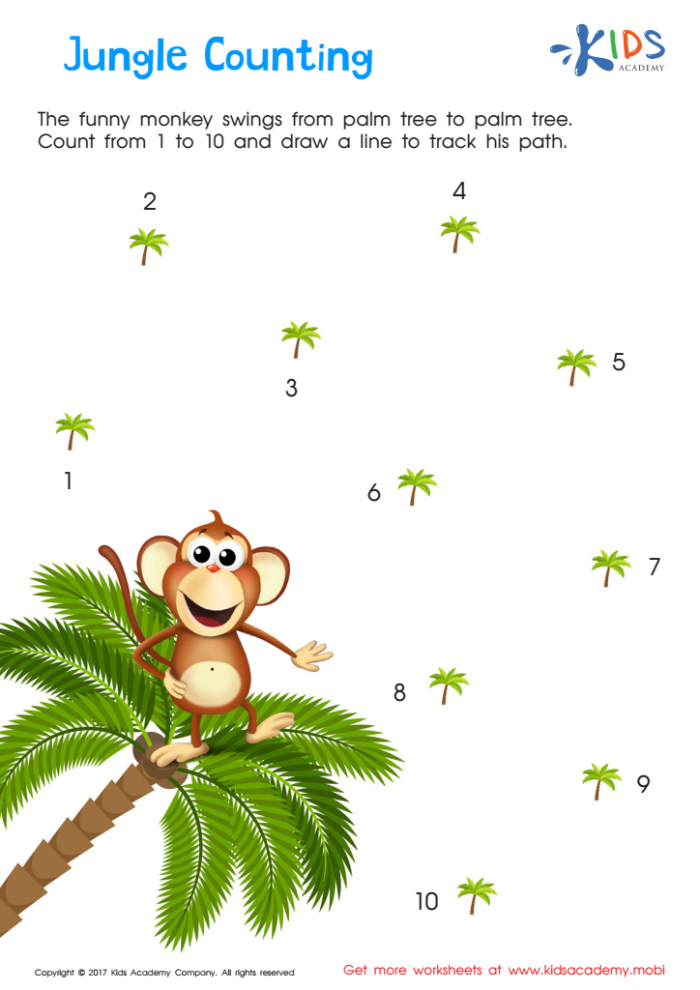
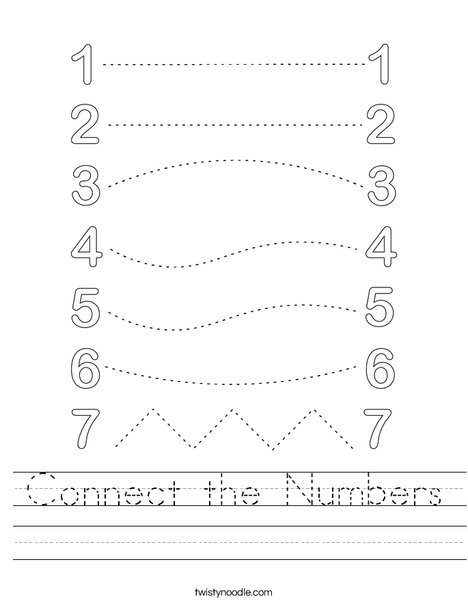
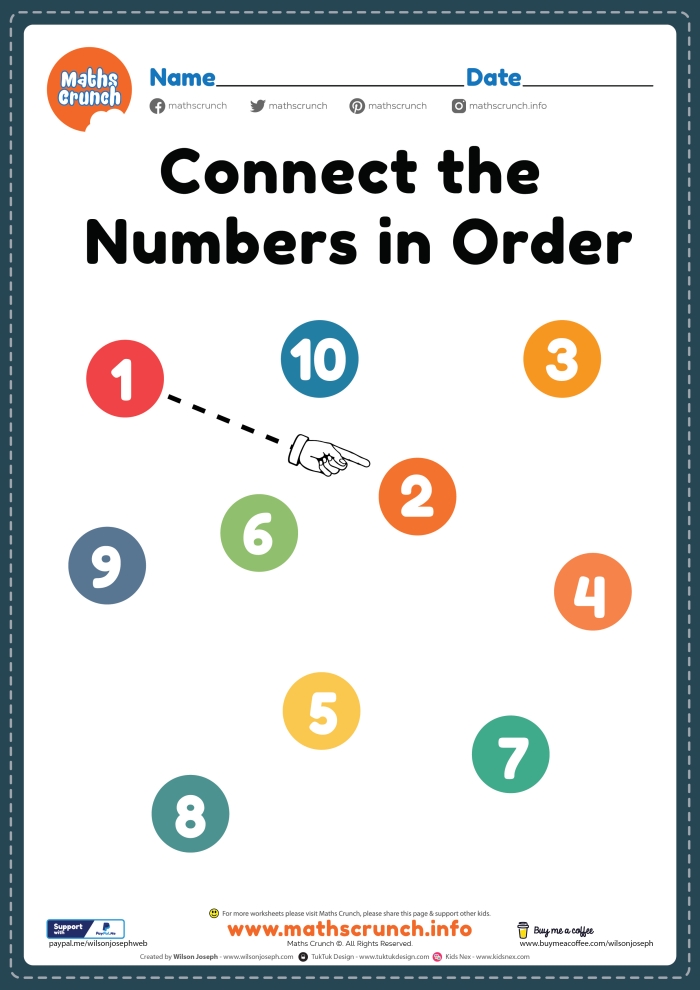
What makes these worksheets effective is their simplicity. A well-designed matching worksheet includes clear, large numerals paired with clearly spaced objects that are easy to count. The best ones avoid cluttering the page with decorative elements that might distract from the core task. Kindergarteners benefit from worksheets that let them draw lines connecting the numeral to its matching quantity, as the physical act of drawing reinforces the connection they’re making mentally.
Teachers and parents often combine these worksheets with hands-on activities like counting manipulatives or sorting objects. When children work through structured learning materials that build progressively, they develop confidence in their mathematical abilities early on, setting a positive trajectory for future learning.
Use These Worksheets Today