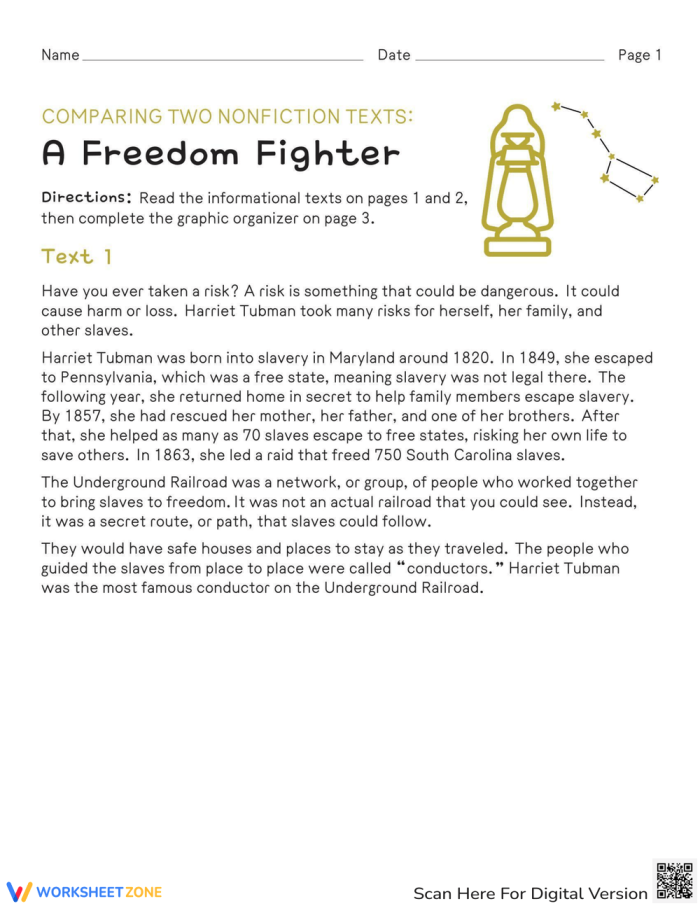
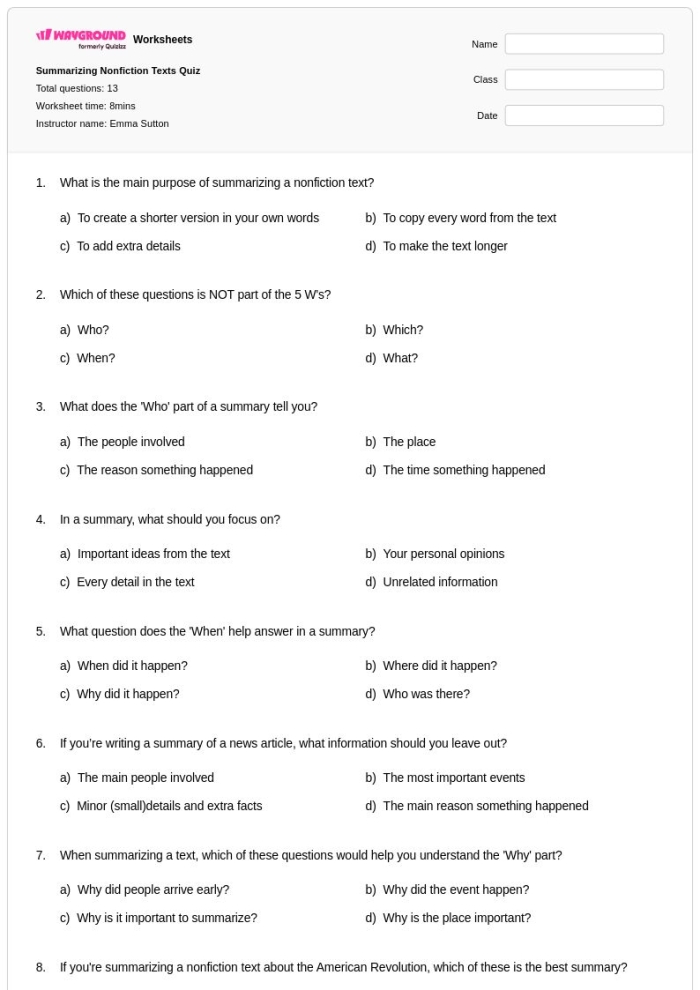
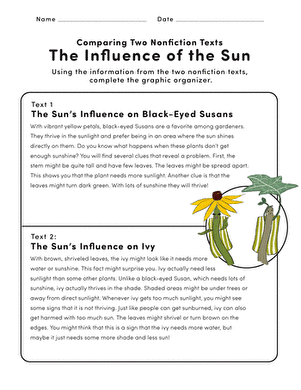
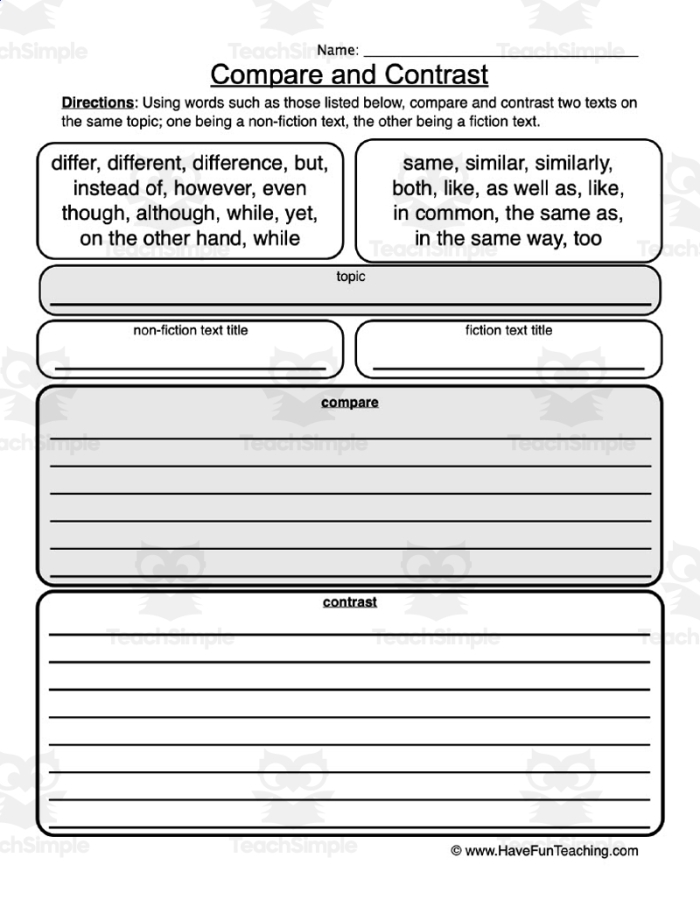
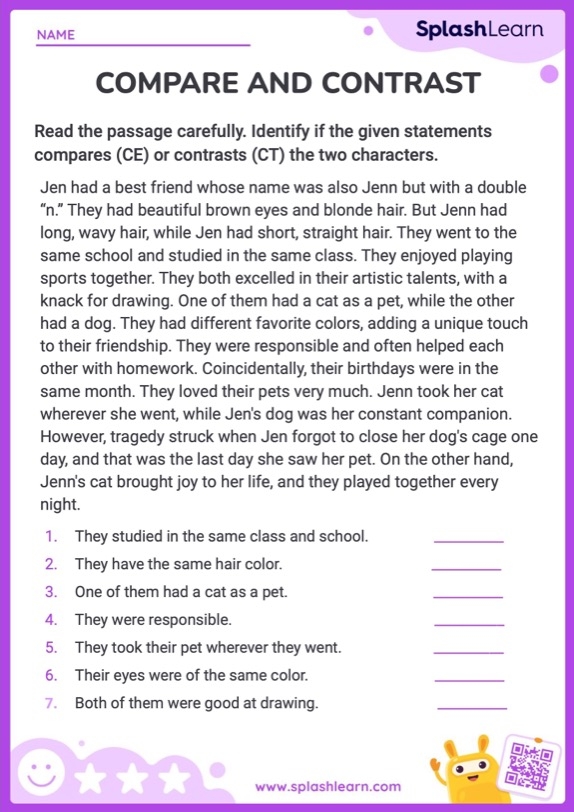
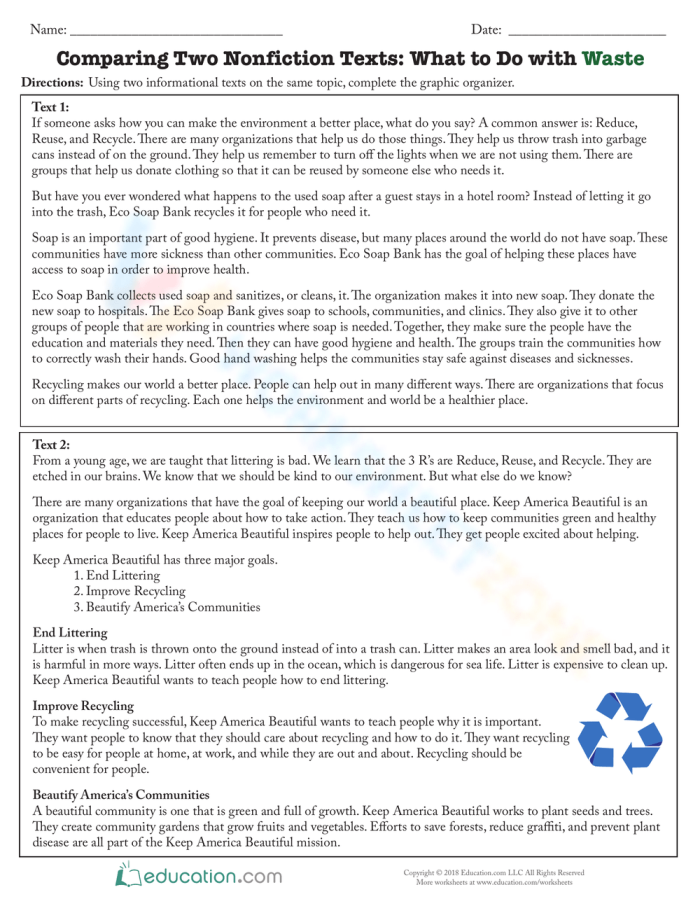
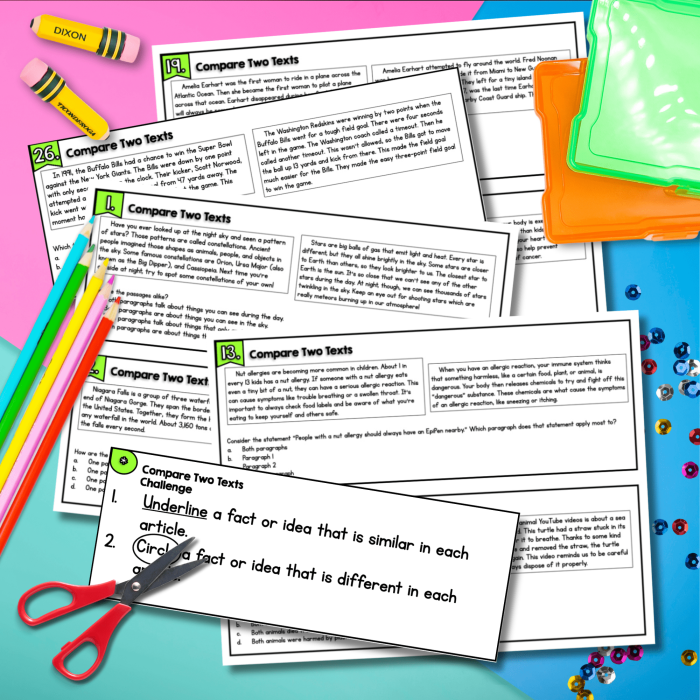
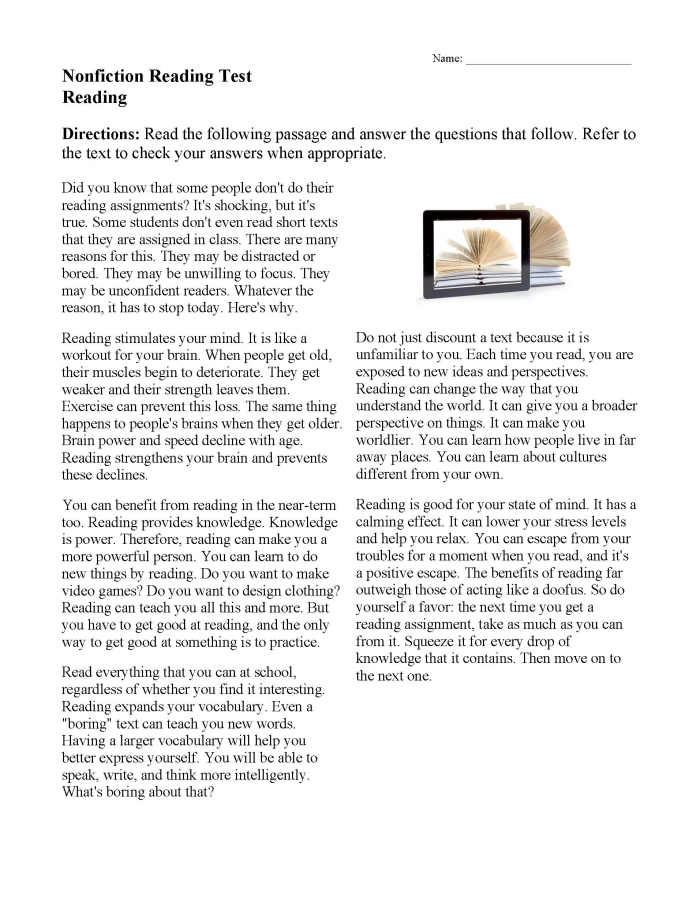
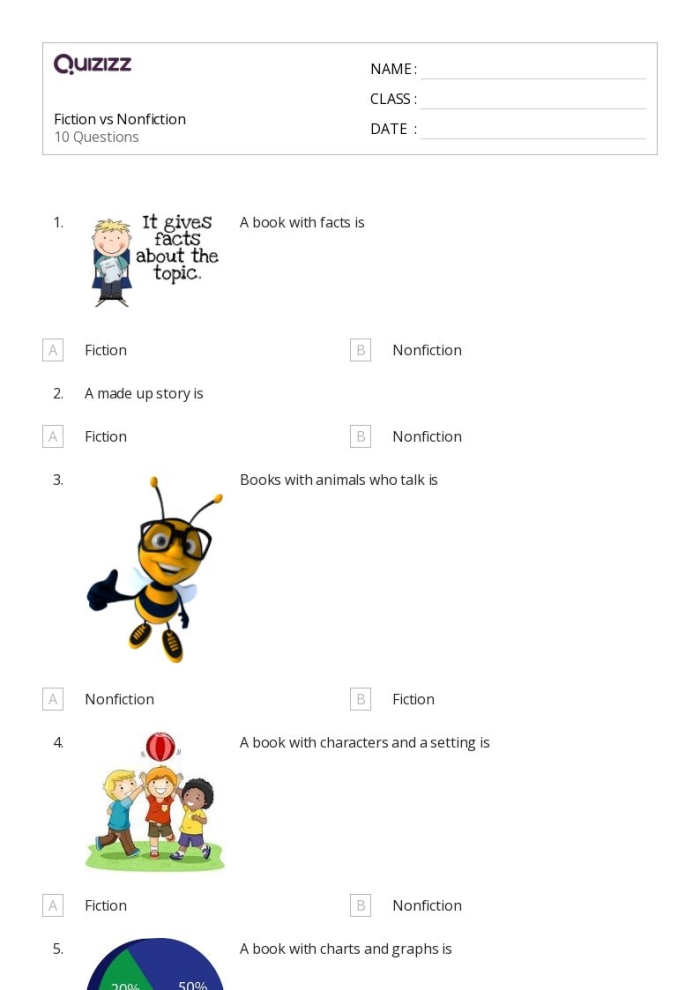
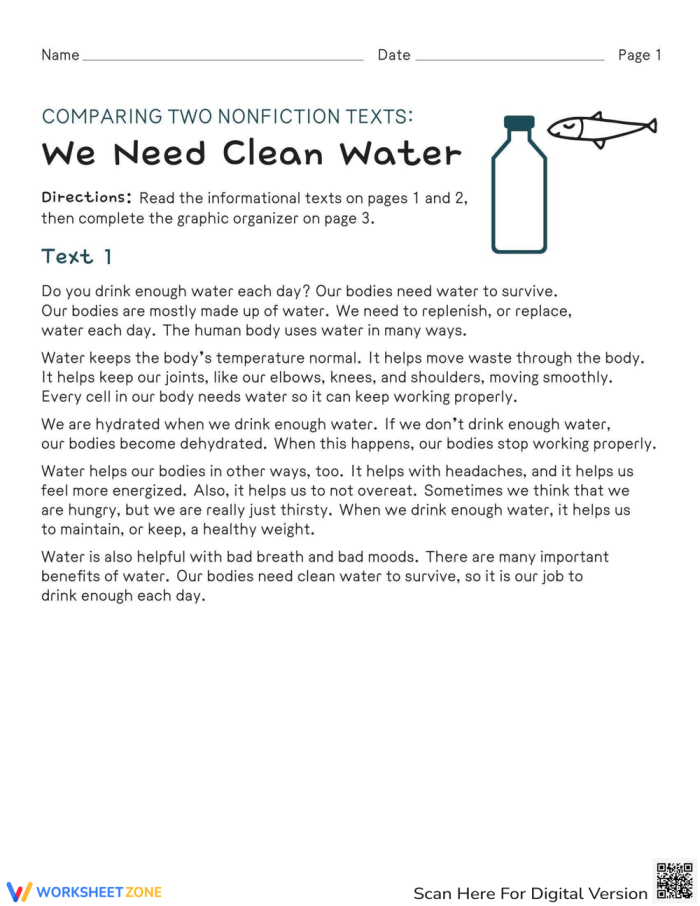
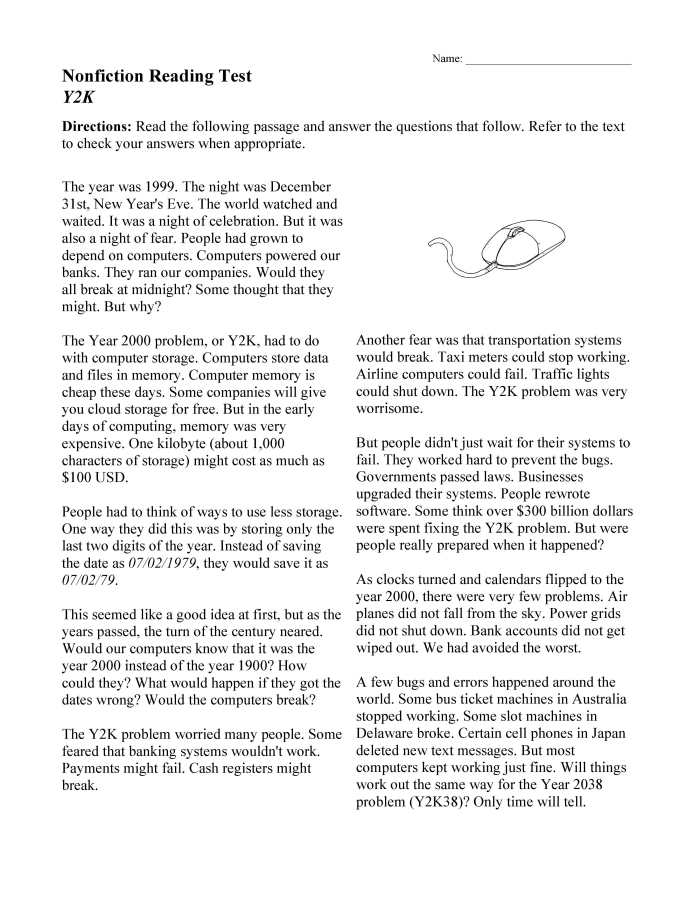
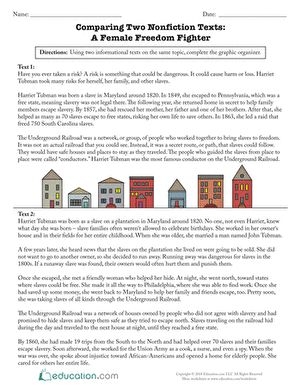
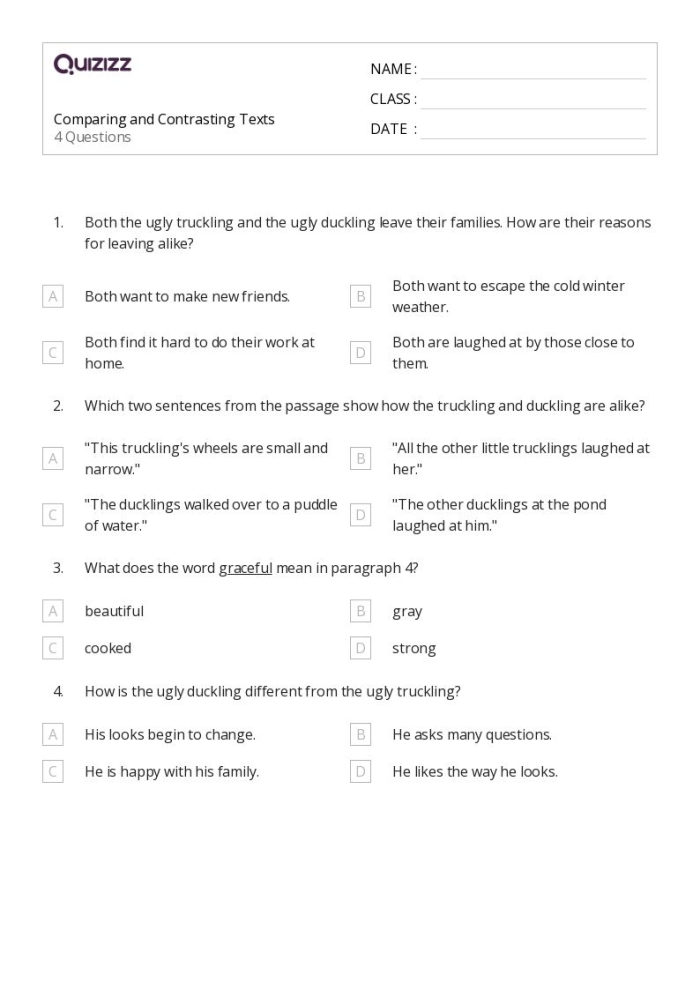
Young readers can significantly enhance their understanding of a topic by synthesizing information from multiple sources. This skill is particularly nurtured through engaging reading comprehension worksheets, such as those focusing on comparing two nonfiction texts about a freedom fighter. In a classroom setting, this approach not only encourages critical thinking but also helps students in the third grade grasp complex concepts more effectively.
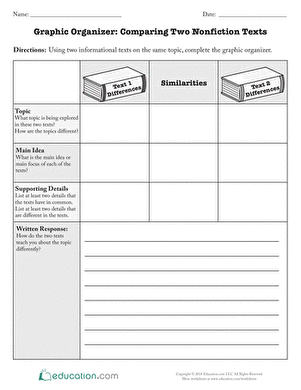
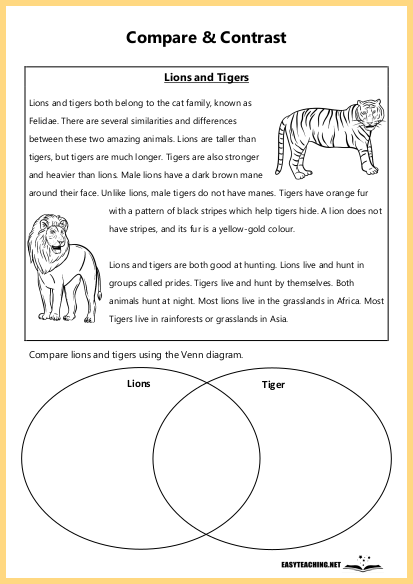
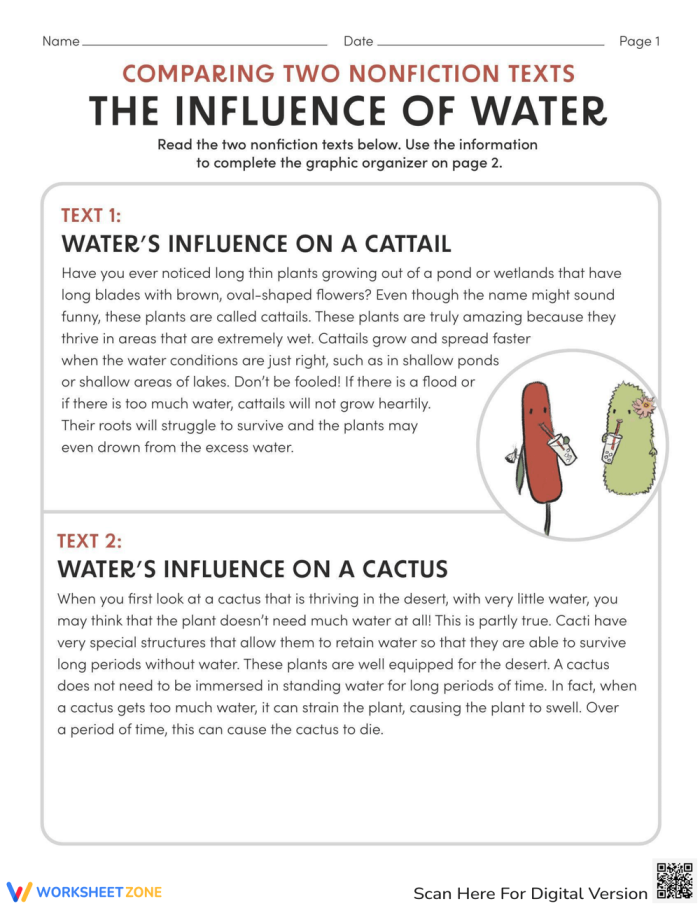
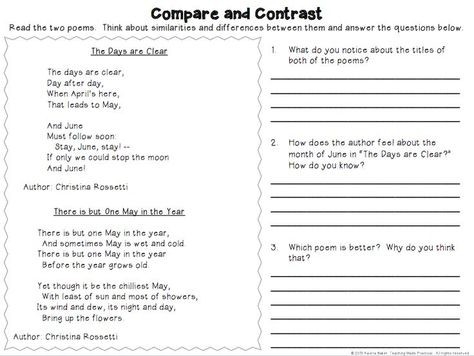
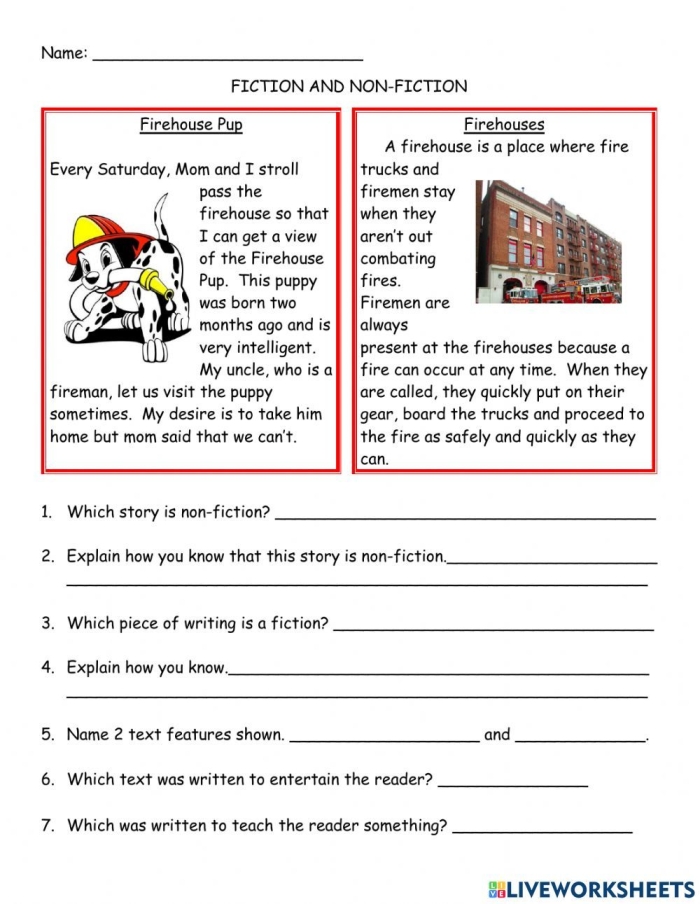
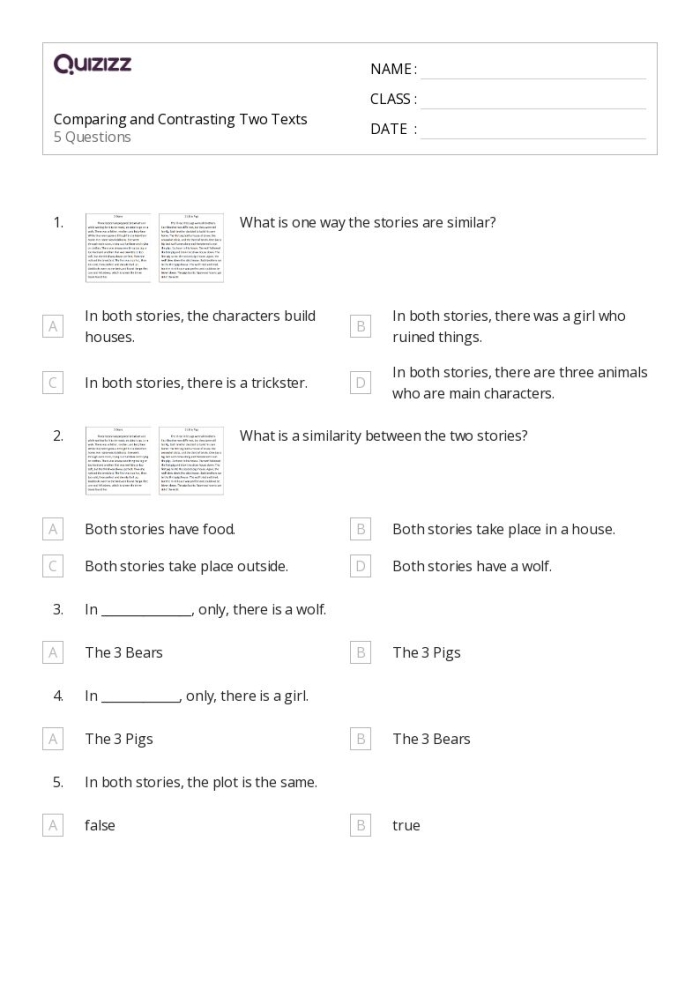
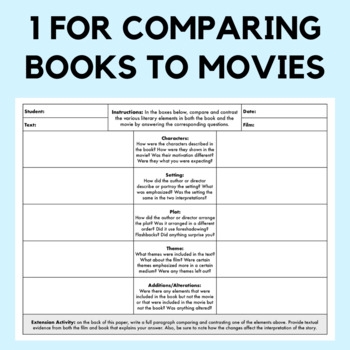
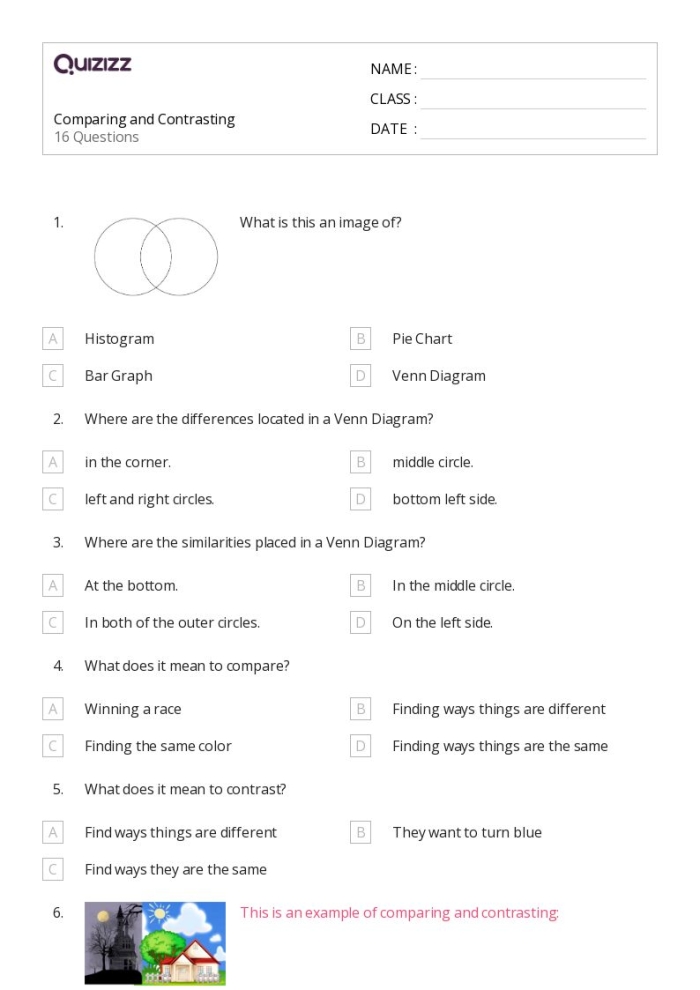
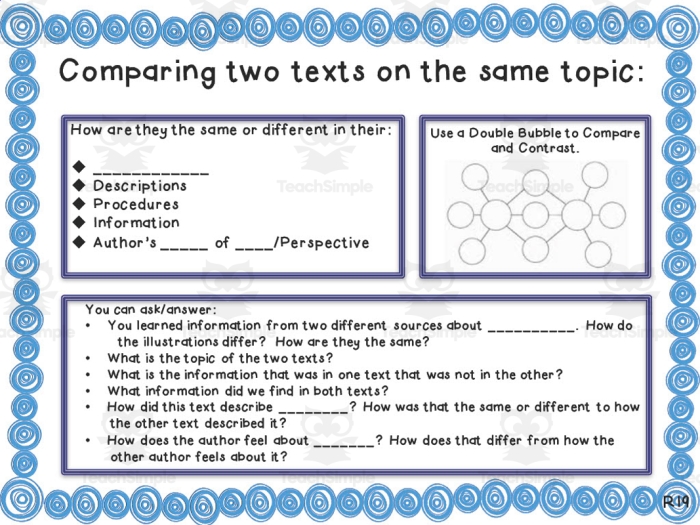
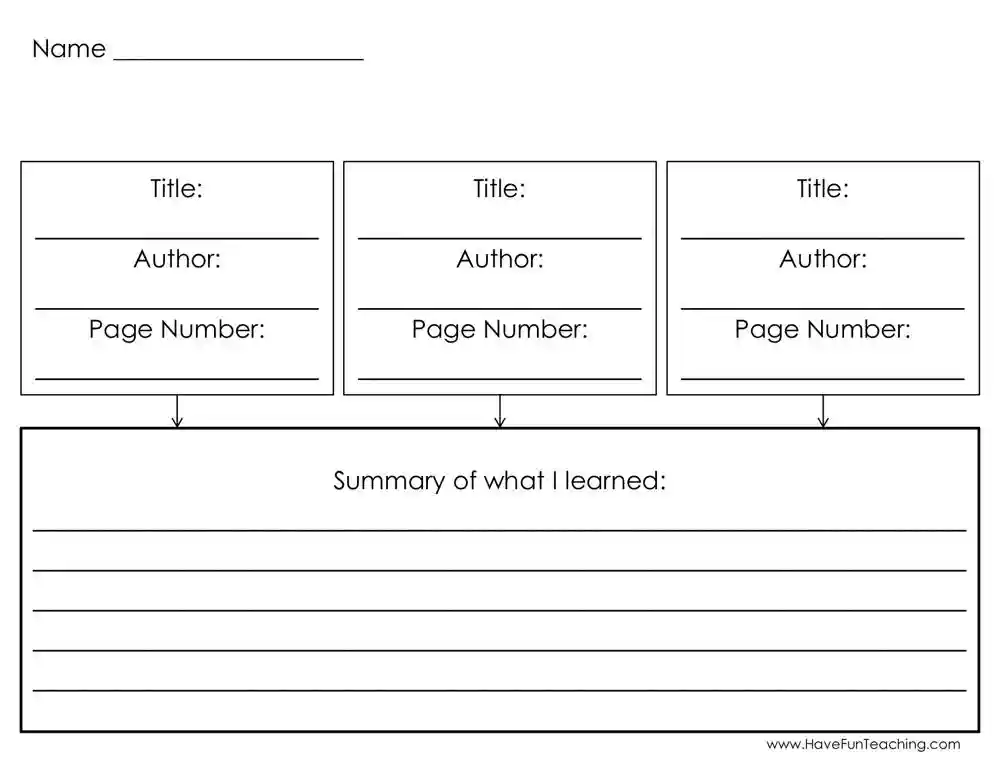
When students are tasked with analyzing different texts, they learn to identify similarities and differences in the information presented. For instance, while one source might highlight the heroics of a freedom fighter, another may focus on the historical context that shaped their actions. This exercise requires students to draw connections between the texts, which deepens their overall comprehension. By engaging with diverse perspectives, young learners can appreciate the nuances of historical narratives.
Moreover, this type of worksheet aligns well with the curriculum in Integers and Rational Numbers, where students can practice their reading skills alongside mathematical concepts. As they read about historical figures, they can encounter data, timelines, and even statistics that relate to their math studies. For example, worksheets that integrate reading comprehension with mathematical challenges can provide a multidimensional learning experience.
Incorporating activities like these into lessons not only makes learning enjoyable but also equips students with essential skills for future academic success. They learn to evaluate sources critically and synthesize information, which are invaluable skills in an information-rich world. If you’re looking for resources to support this type of learning, consider exploring our Printable Comparing Two Nonfiction Texts: A Freedom Fighter Worksheets. These worksheets offer structured opportunities for students to practice and master these skills.
By fostering an environment where young readers can explore various sources, educators can prepare students not only for their current studies but also for lifelong learning. Encouraging them to synthesize information will build a strong foundation for analyzing and understanding the world around them.
Start Practicing with These Worksheets