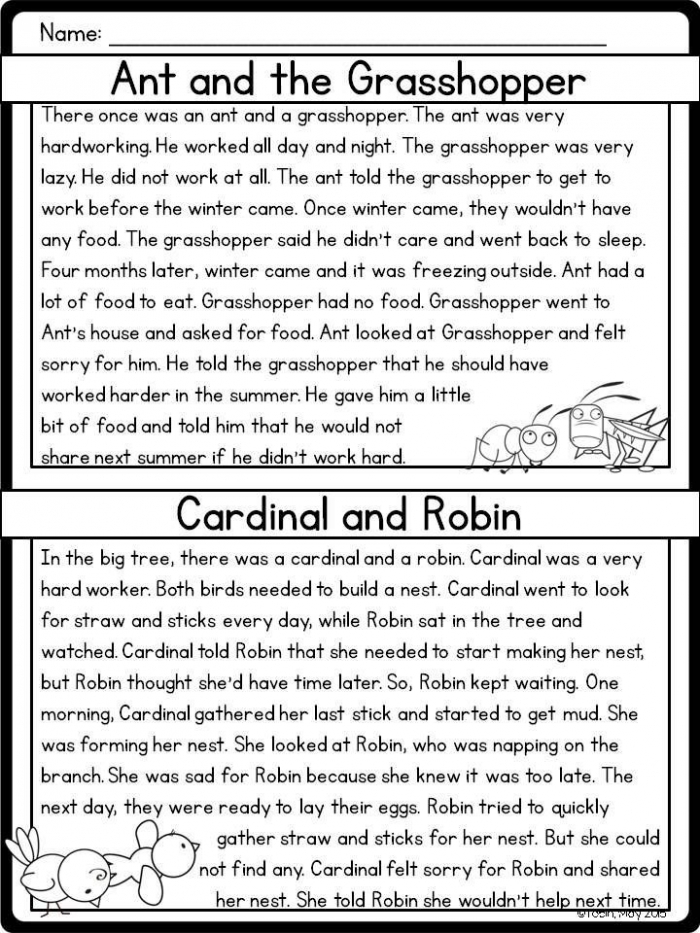
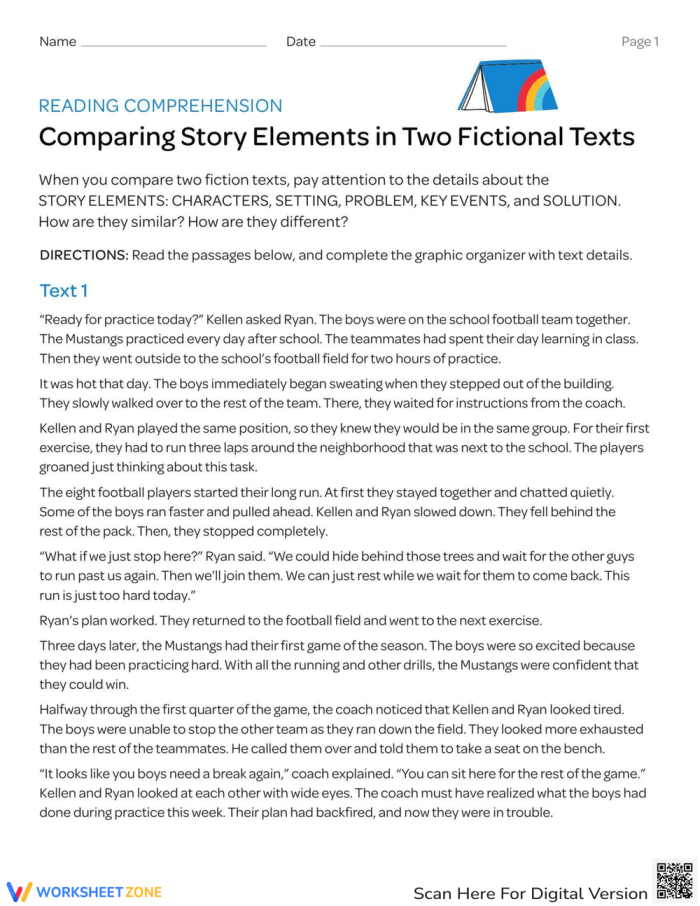
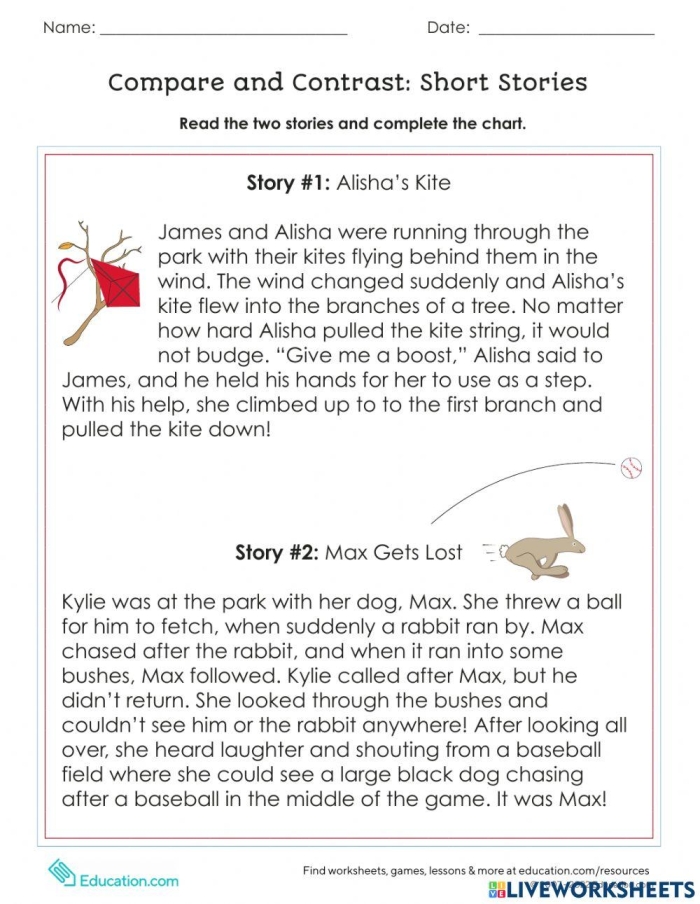
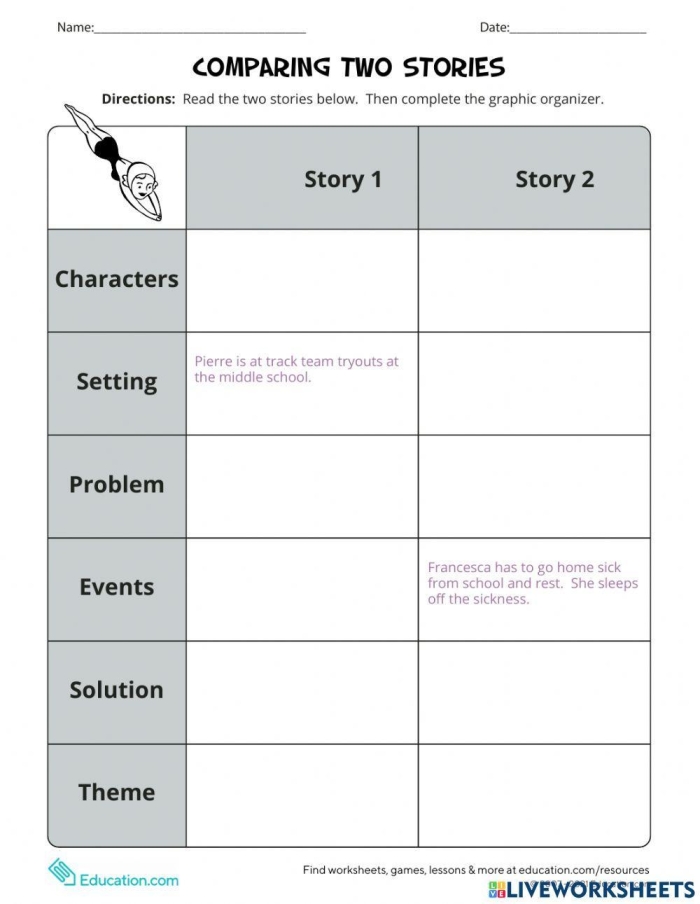
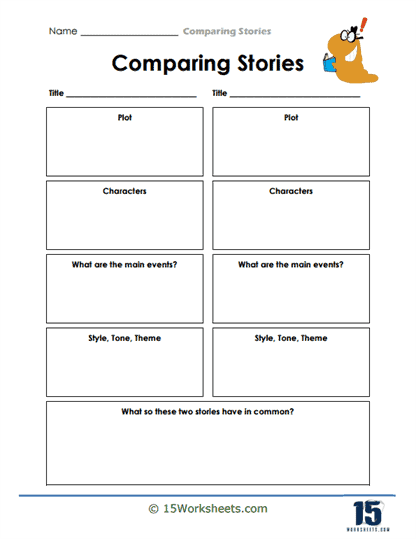
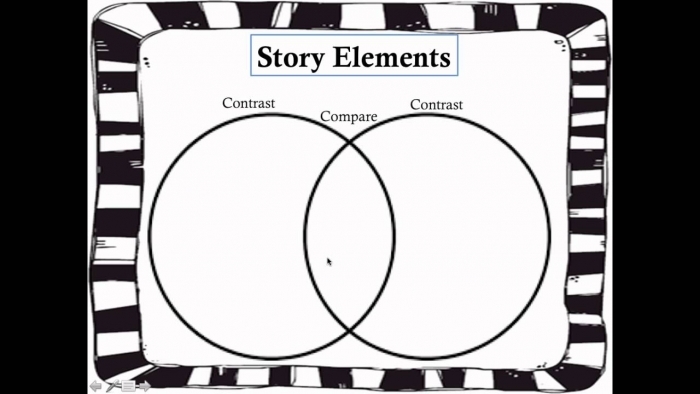
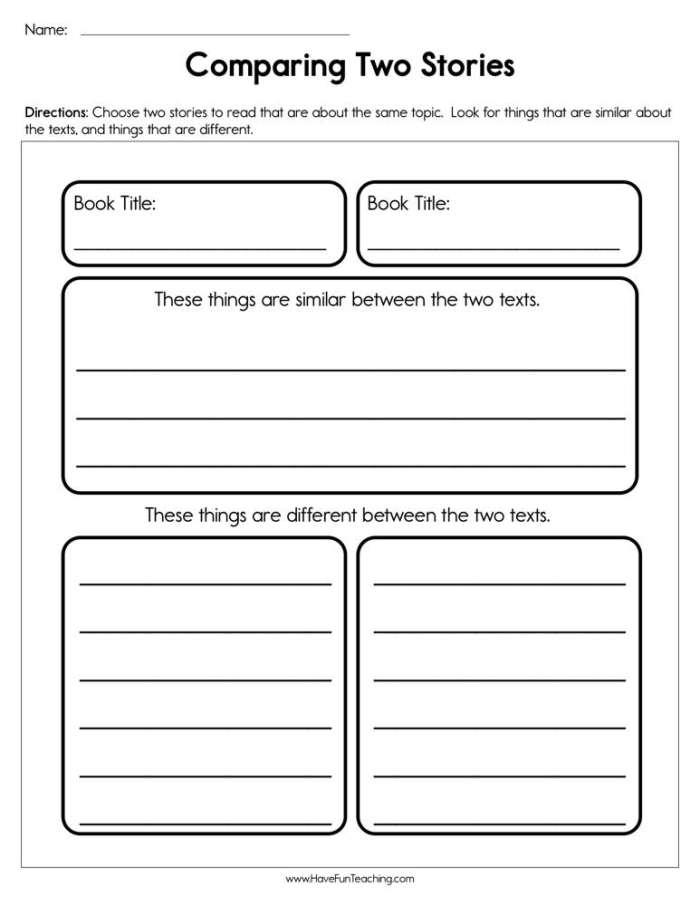
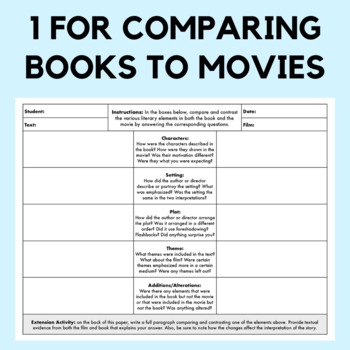
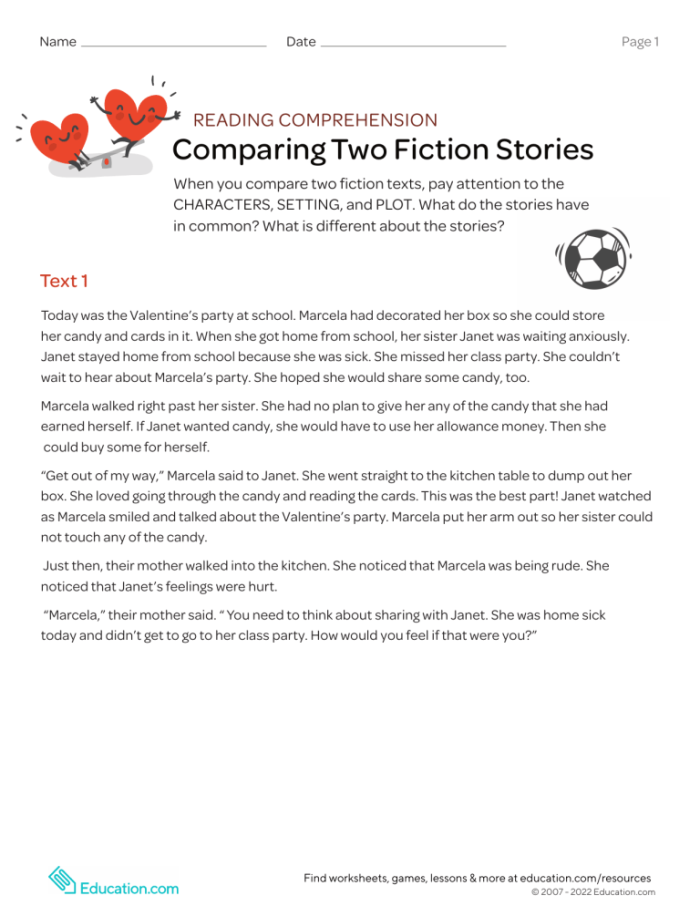
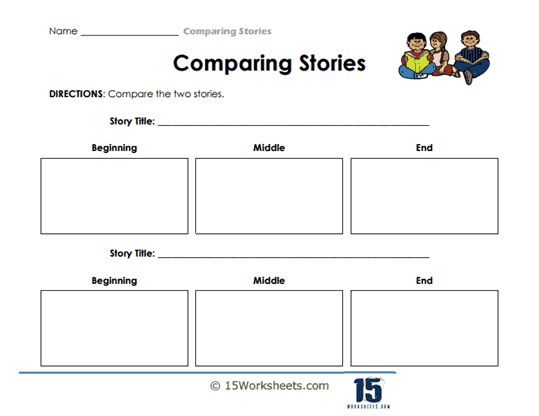
Comparing story elements in two fiction texts helps third grade learners build critical reading skills by focusing on key aspects like characters, setting, and major events. When children practice this, they don’t just remember details—they start to understand how different stories work and what makes each one unique. For example, they might notice how one story’s character faces challenges in a city while another’s takes place in a small town, or how the same type of event can lead to different outcomes depending on the setting.
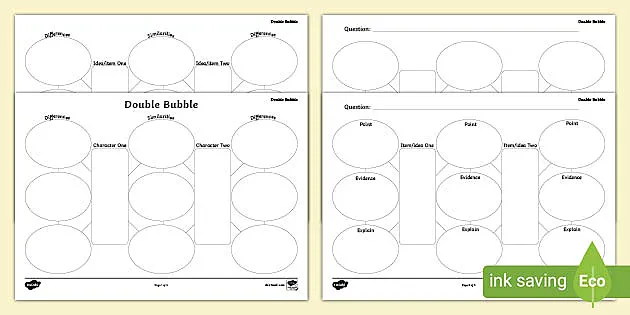
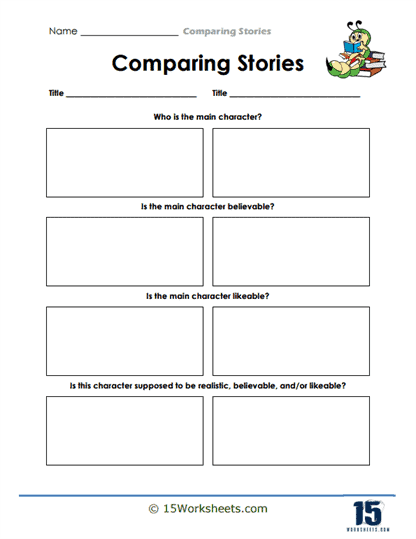
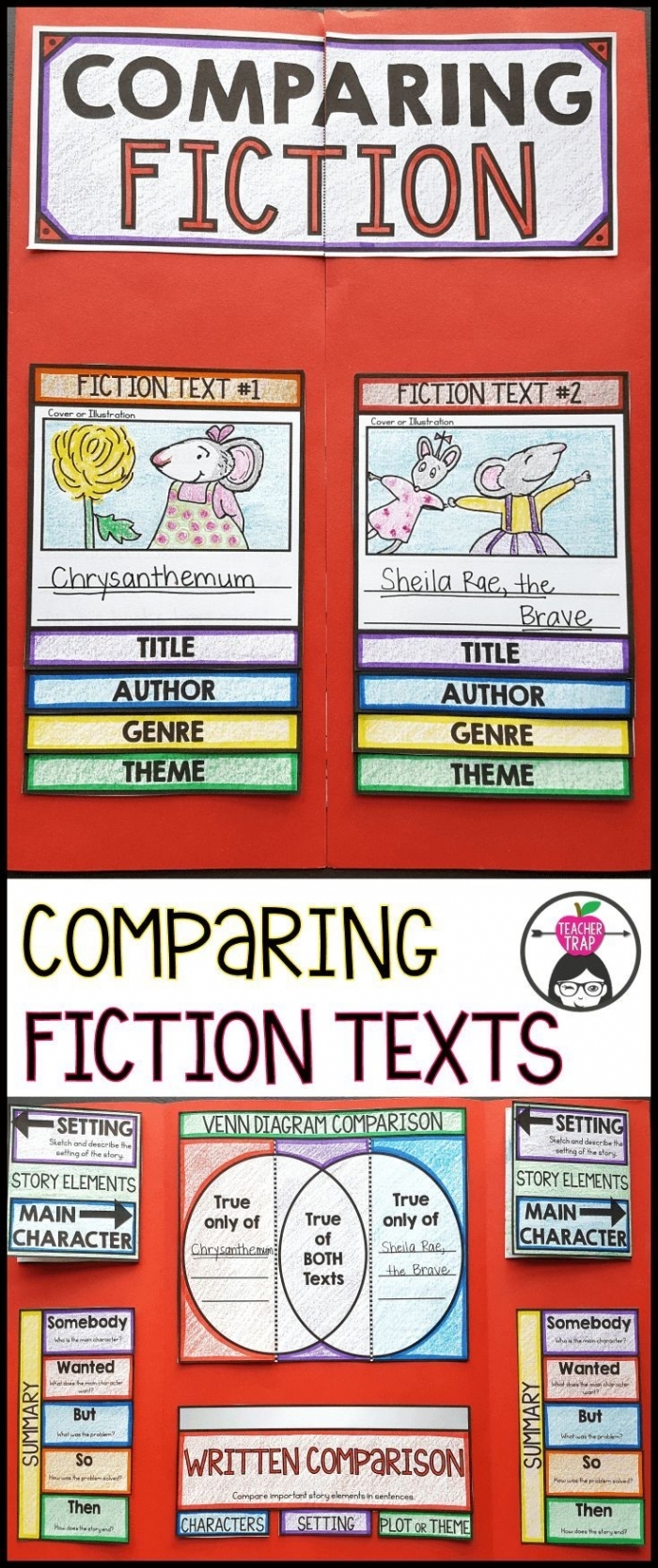
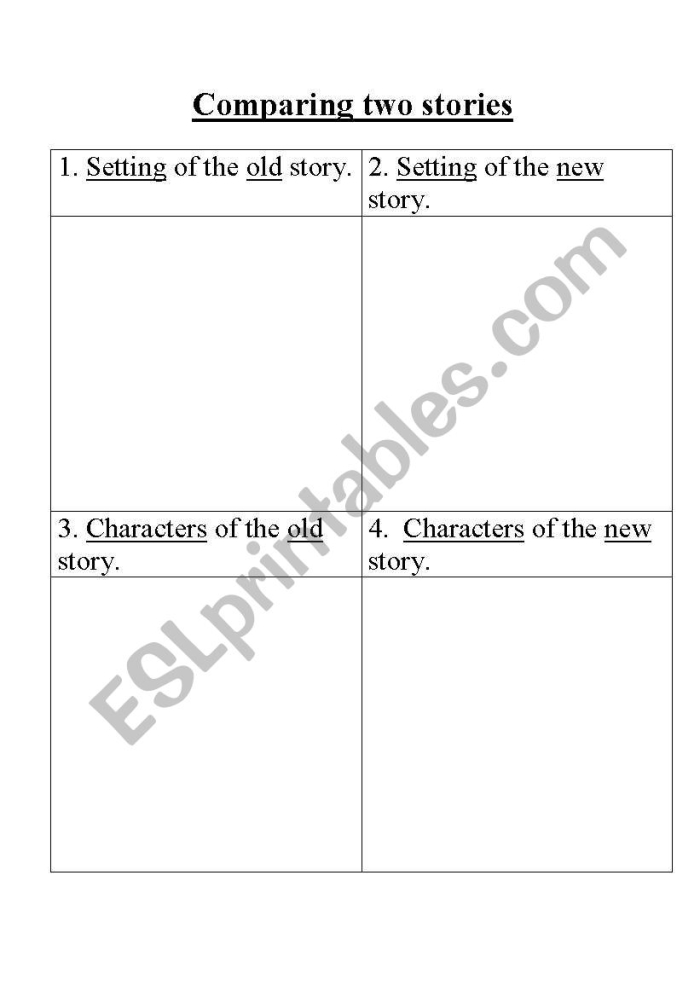
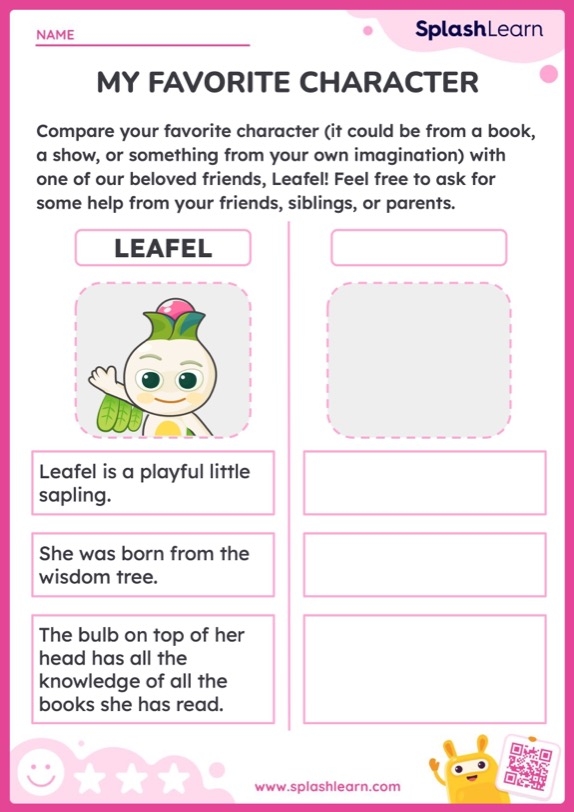
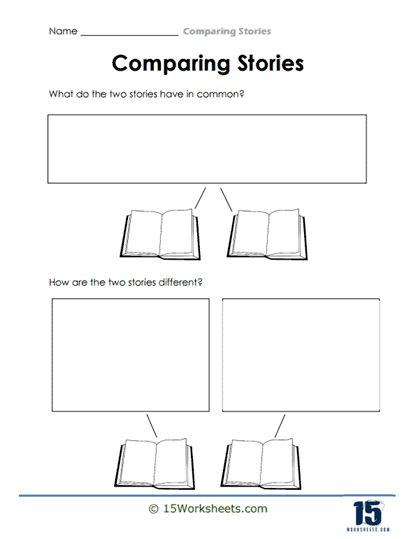
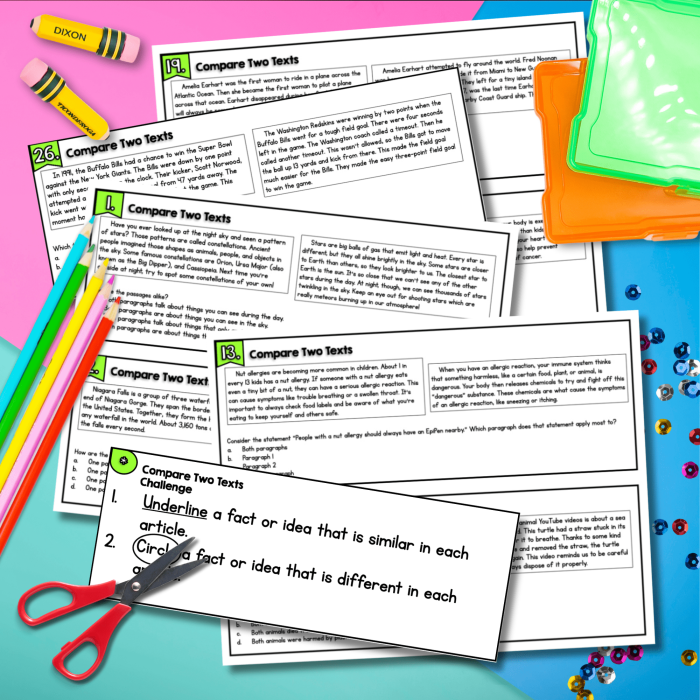
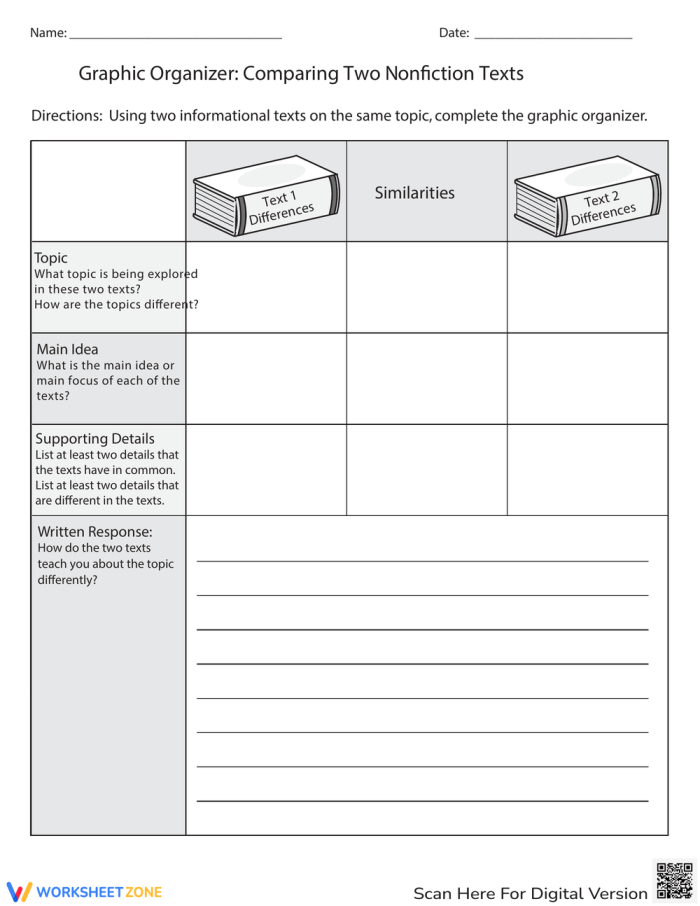
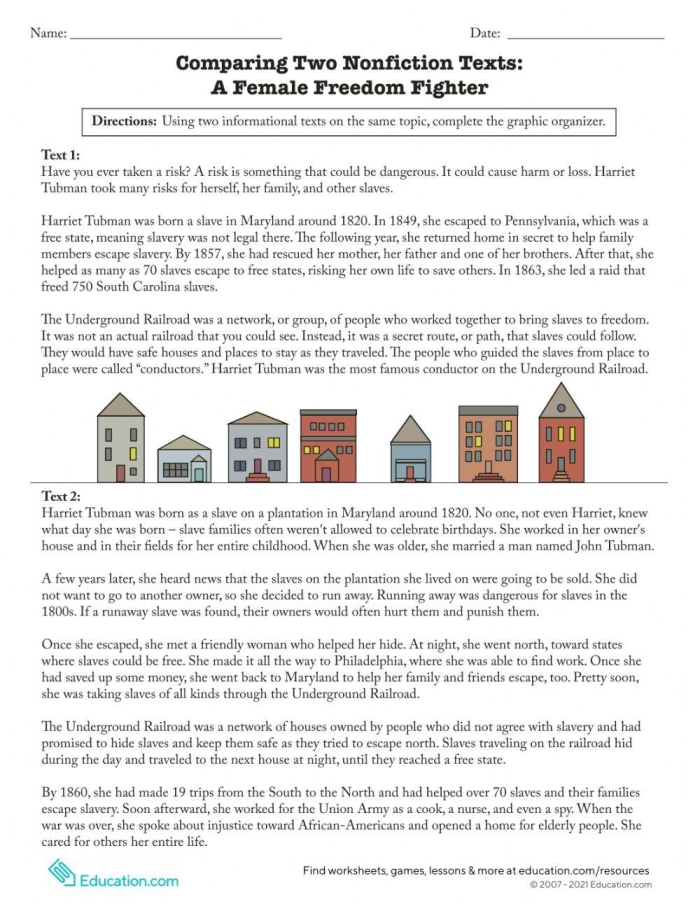
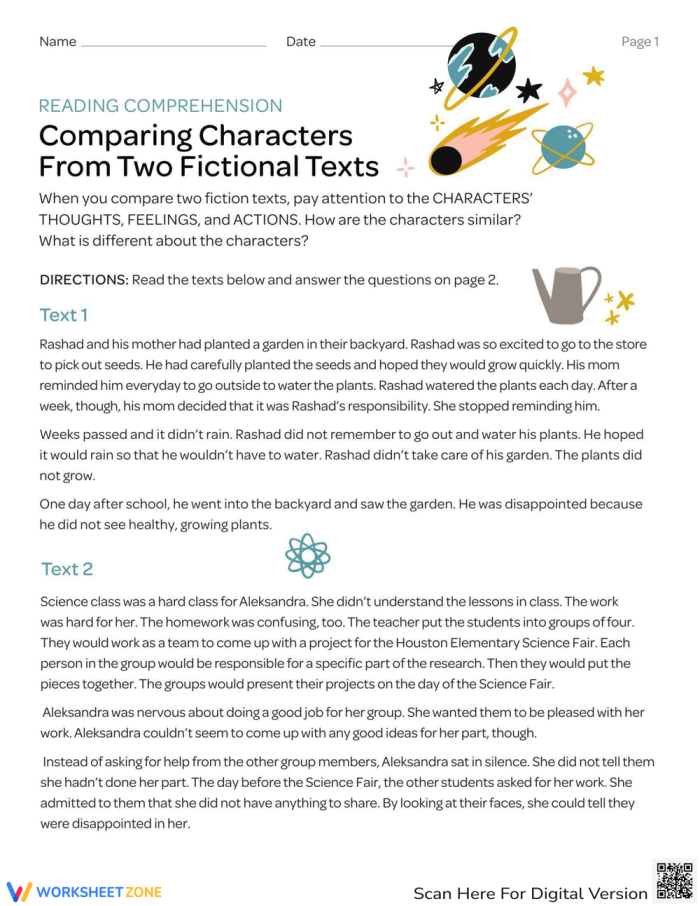
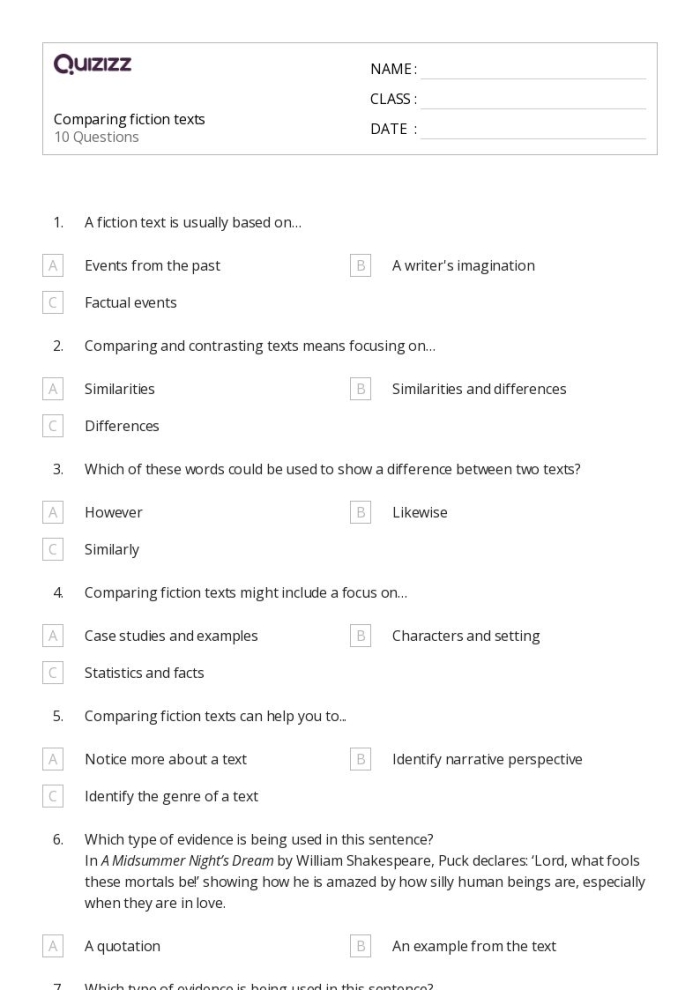
This type of exercise encourages close reading and attention to detail, which are essential in developing comprehension. It also builds a foundation for more advanced comparisons later, such as identifying themes or author’s purpose. One useful approach is having students list similarities and differences side by side, which helps them organize their thoughts clearly. In my experience, giving learners printable comparing story elements in two fiction texts worksheets makes this process manageable and engaging. These worksheets guide students through focused questions about characters’ traits, the time and place of each story, and the sequence of important events.
Incorporating elements of decimals into related math practice can further enhance concentration and cross-curricular connections. For instance, some worksheets combine reading comprehension with decimals exercises, allowing third graders to switch between language and math skills smoothly. This kind of integrated approach supports varied learning styles and keeps students interested.
If you’re looking for resources that mix language arts with math skills, you might find helpful material on vocabulary and decimal practice for third graders. These resources don’t just build reading skills but also reinforce number sense, making the learning experience more well-rounded.
Practice with These Worksheets