Understanding the differences between chemical and physical changes is crucial for third graders studying life science. Engaging students with hands-on activities can spark their curiosity and deepen their understanding. A great way to facilitate this learning process is by using specific resources designed to compare and contrast these two types of reactions.
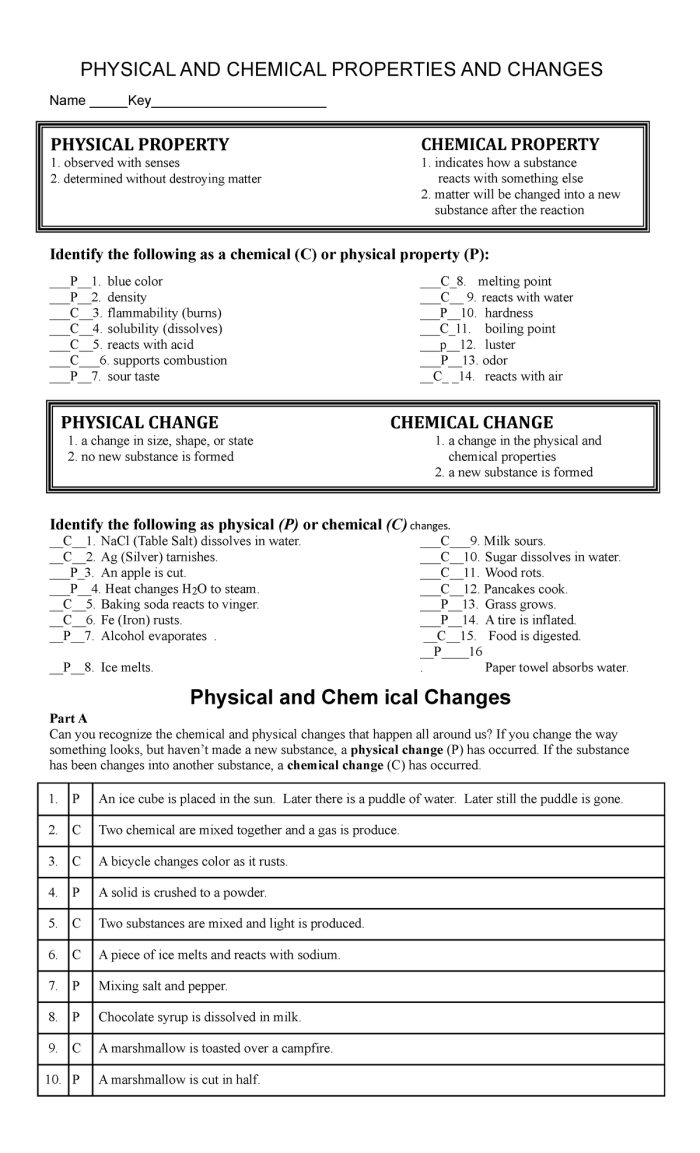
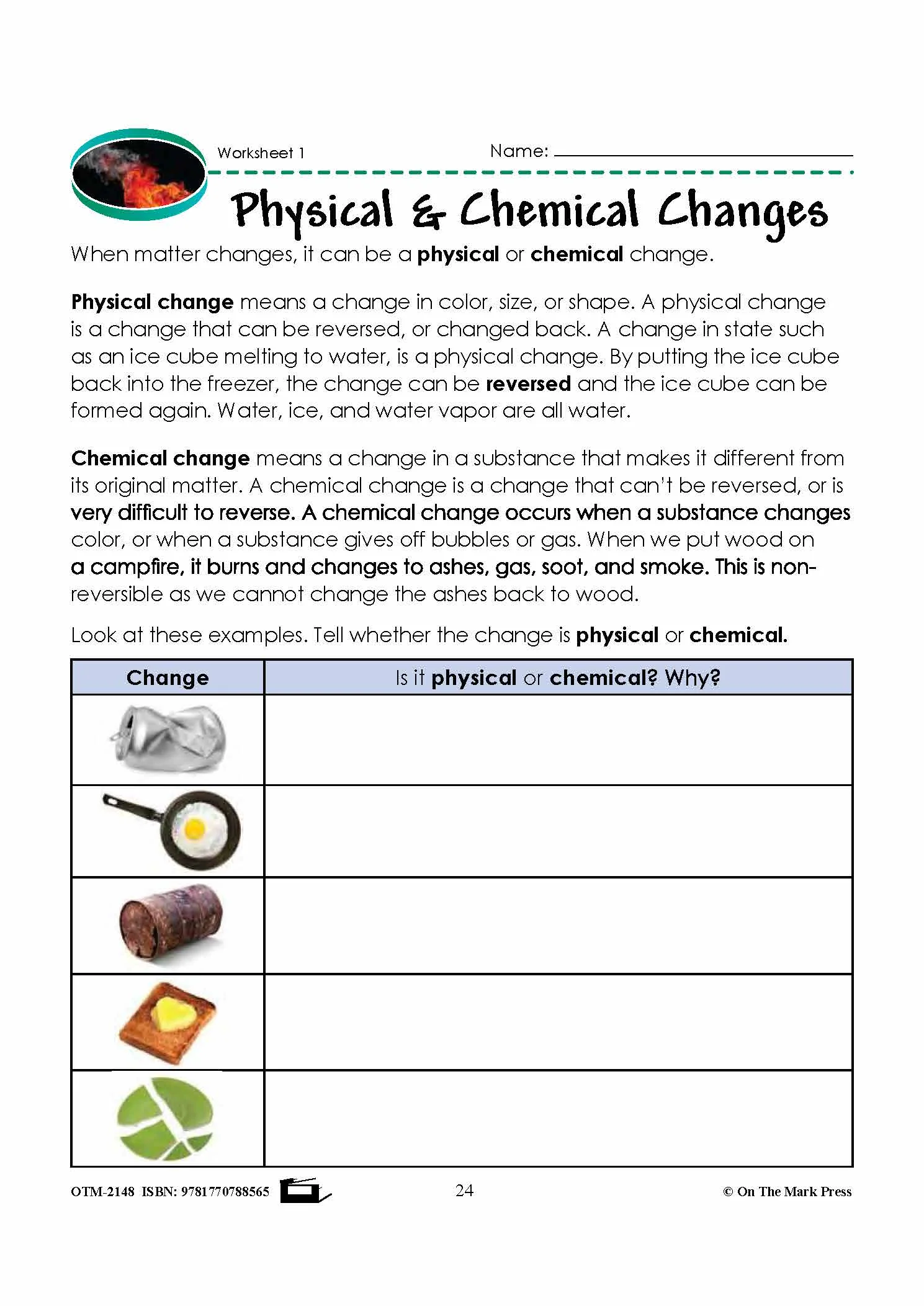
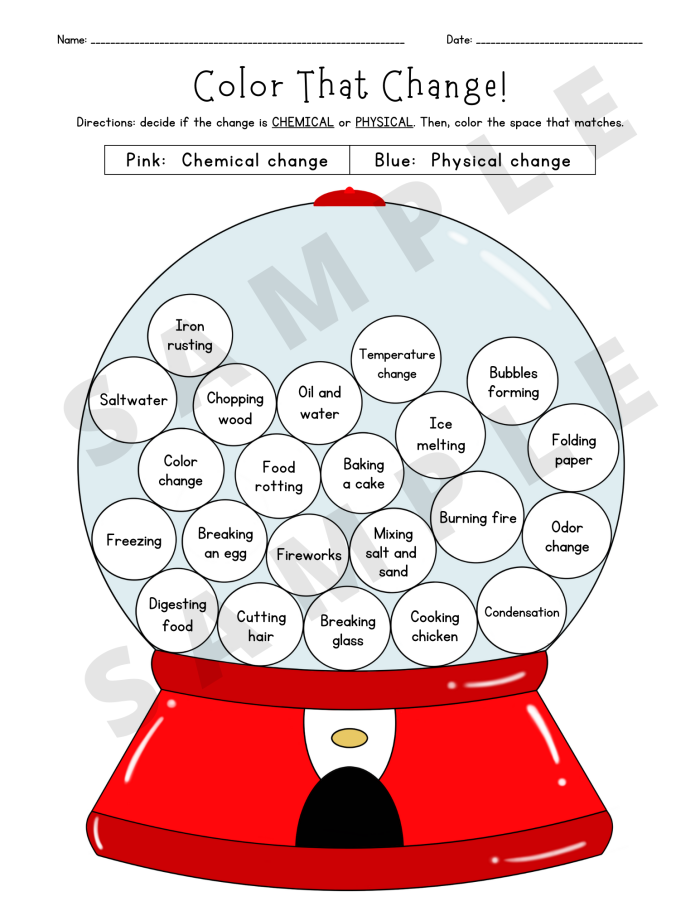
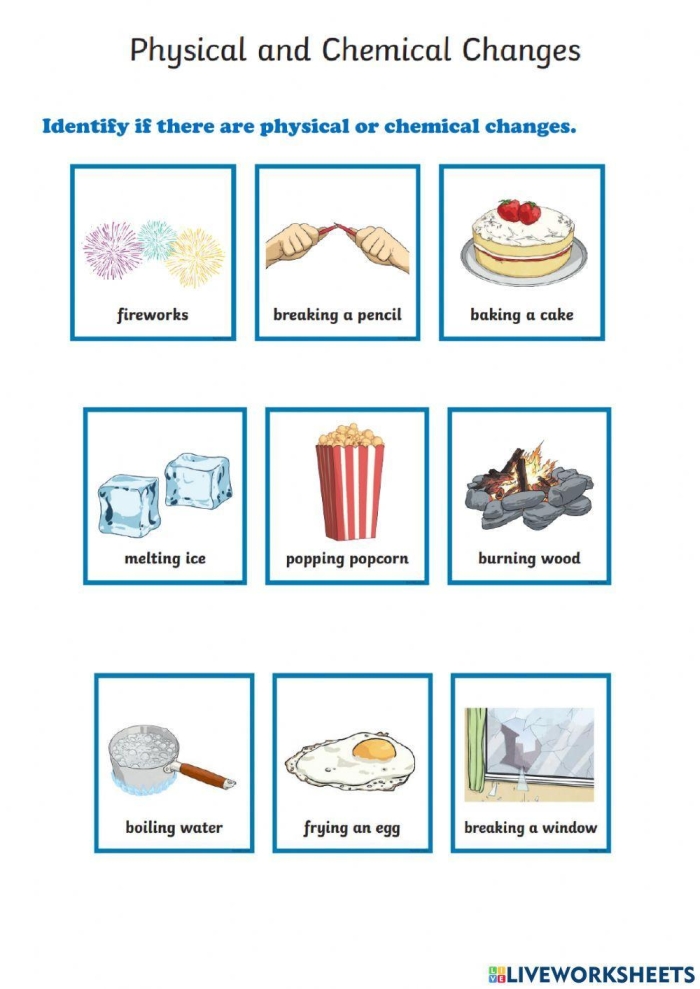
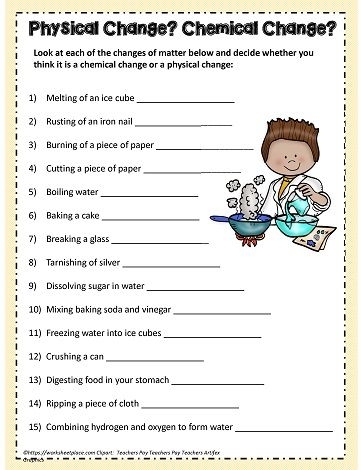
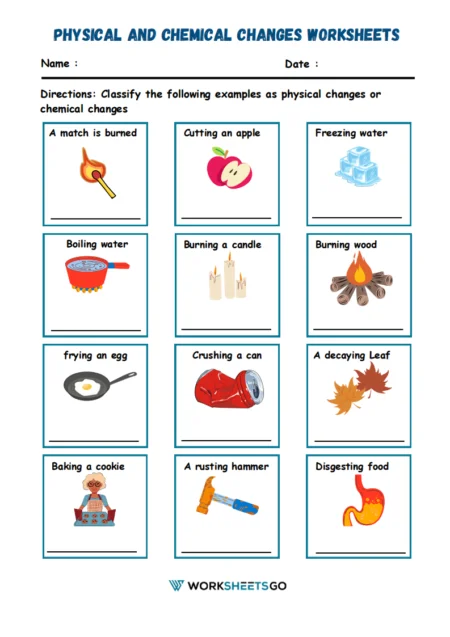
When discussing chemical changes, it’s important to highlight that these involve a transformation that alters the substance’s chemical structure. For example, when iron rusts, it reacts with oxygen to form a new substance—iron oxide. This process is irreversible under normal conditions, which is a key characteristic of chemical reactions. On the other hand, physical changes do not affect the chemical composition of a substance. Melting ice into water or cutting paper are examples where the material remains the same, just in a different form.
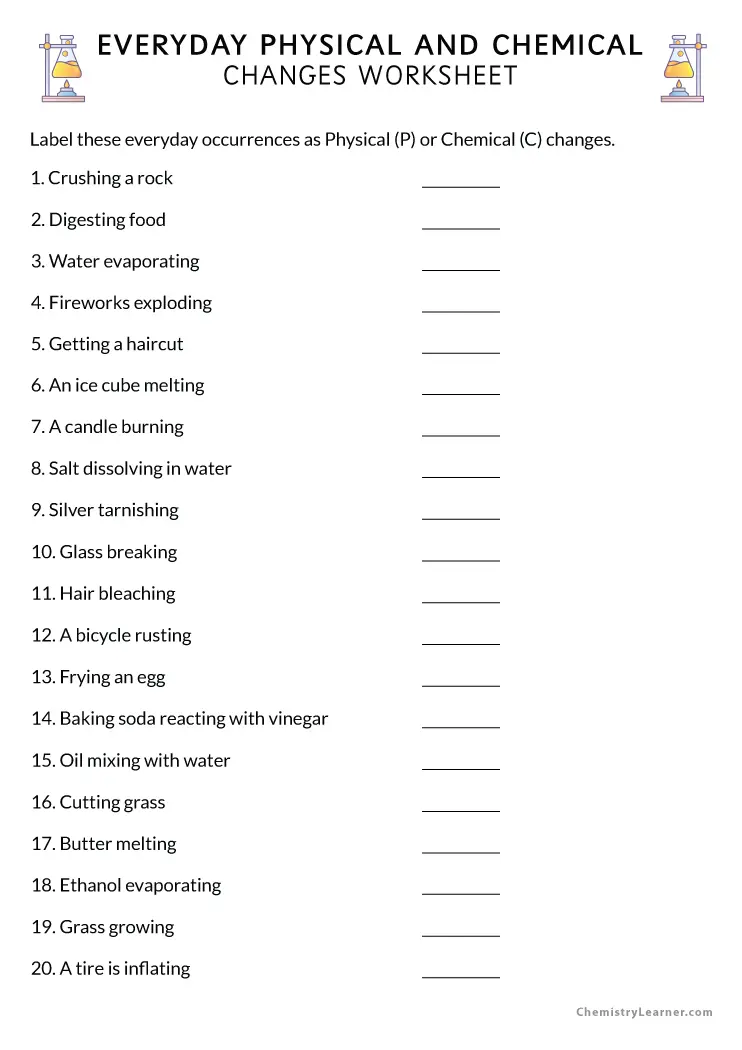
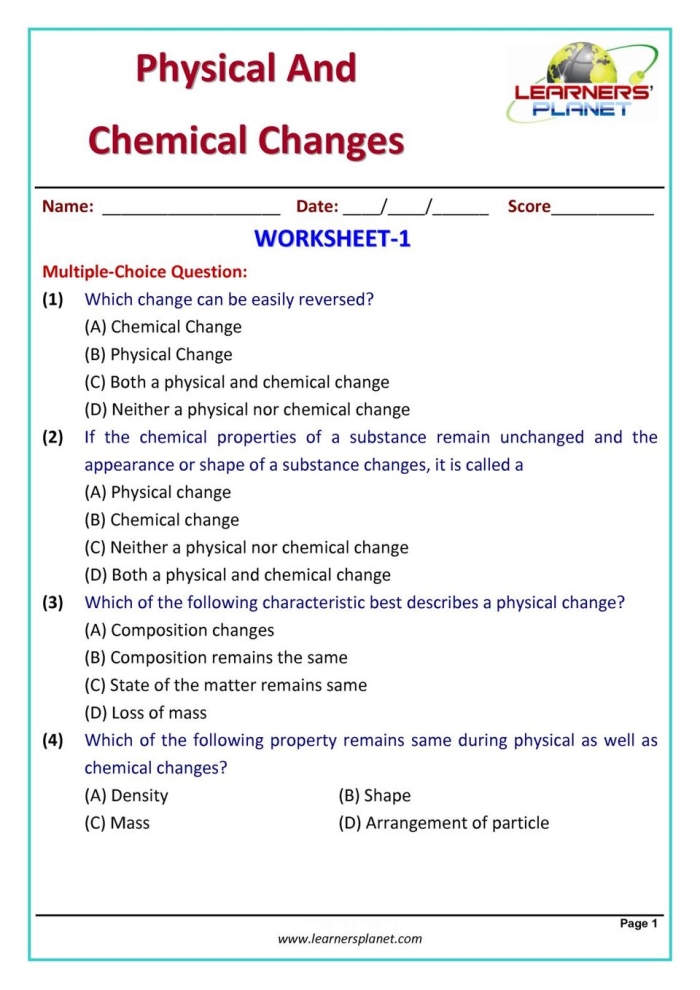
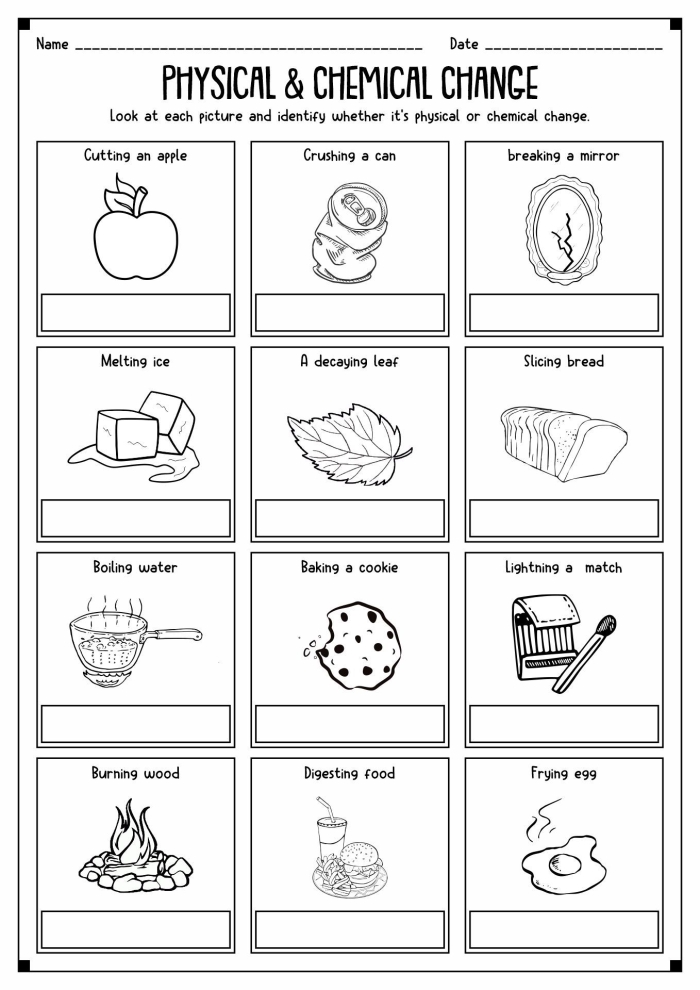
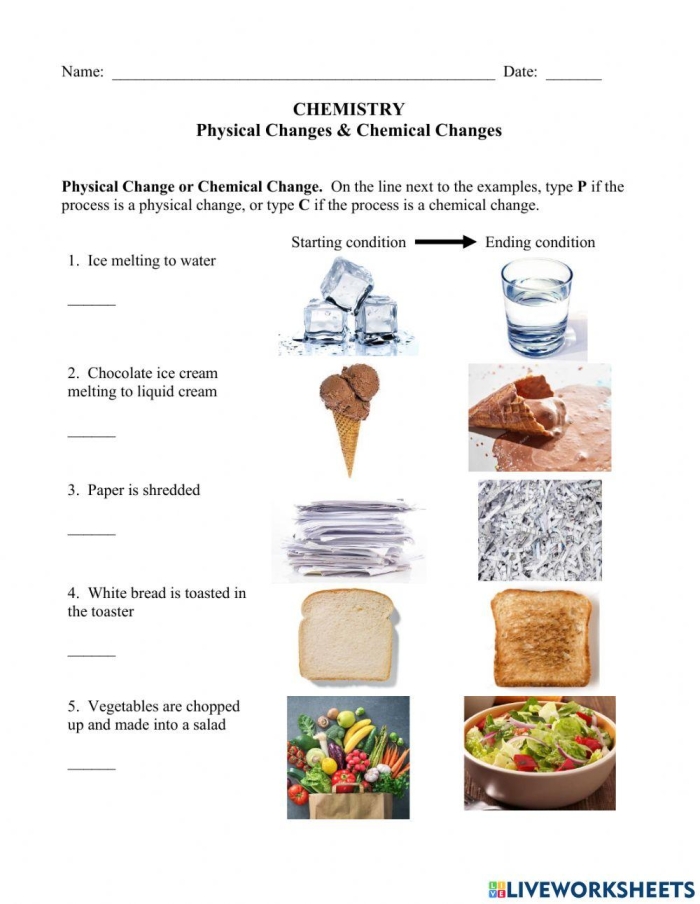
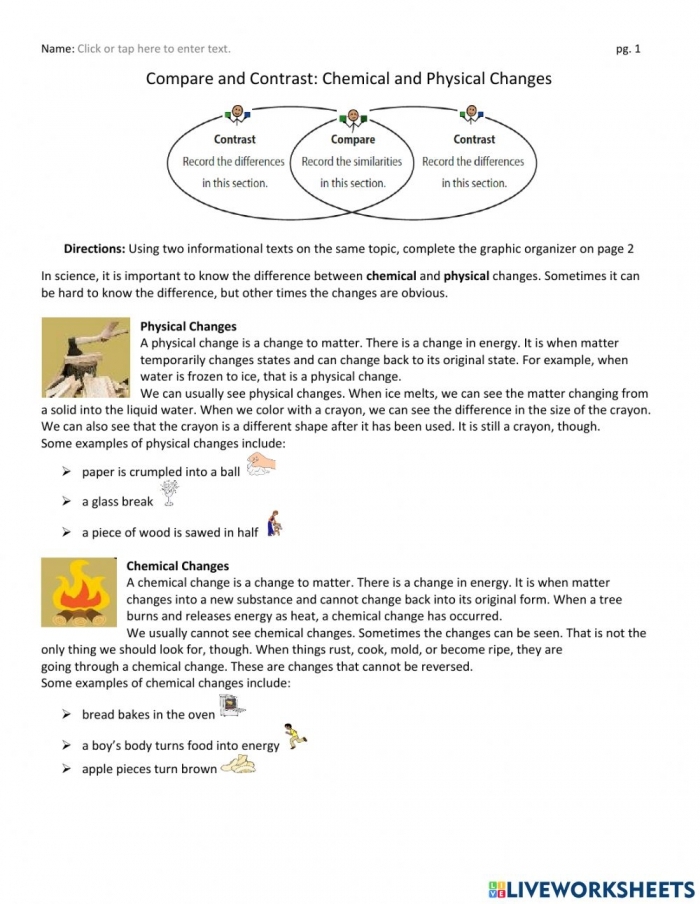
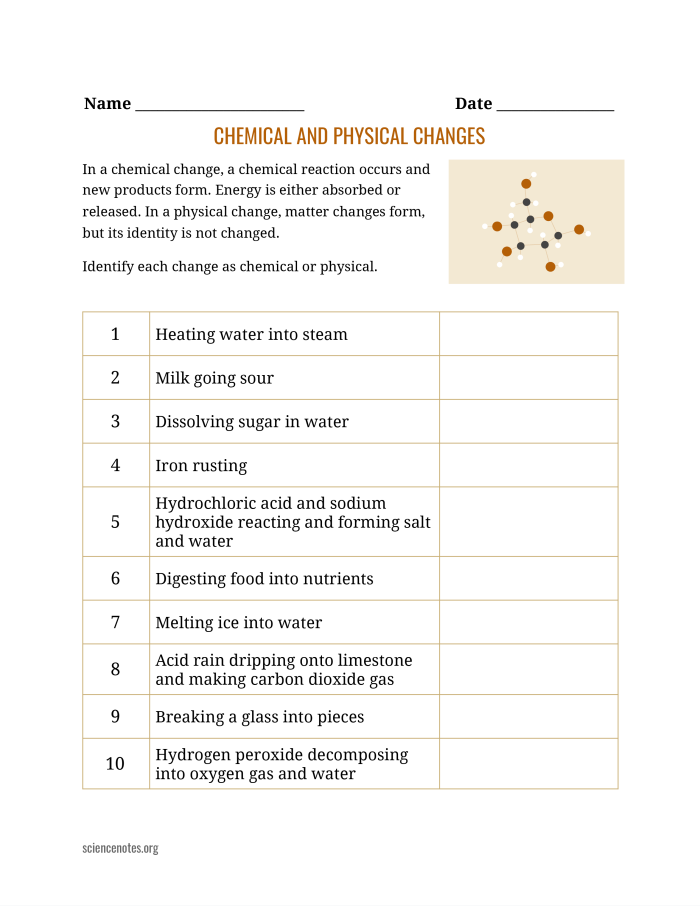
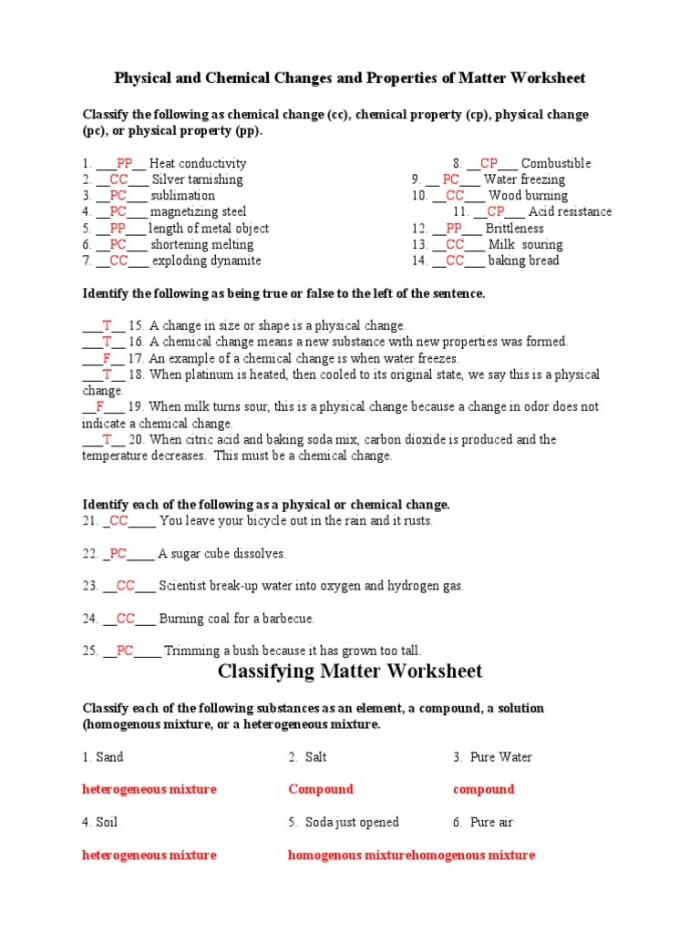
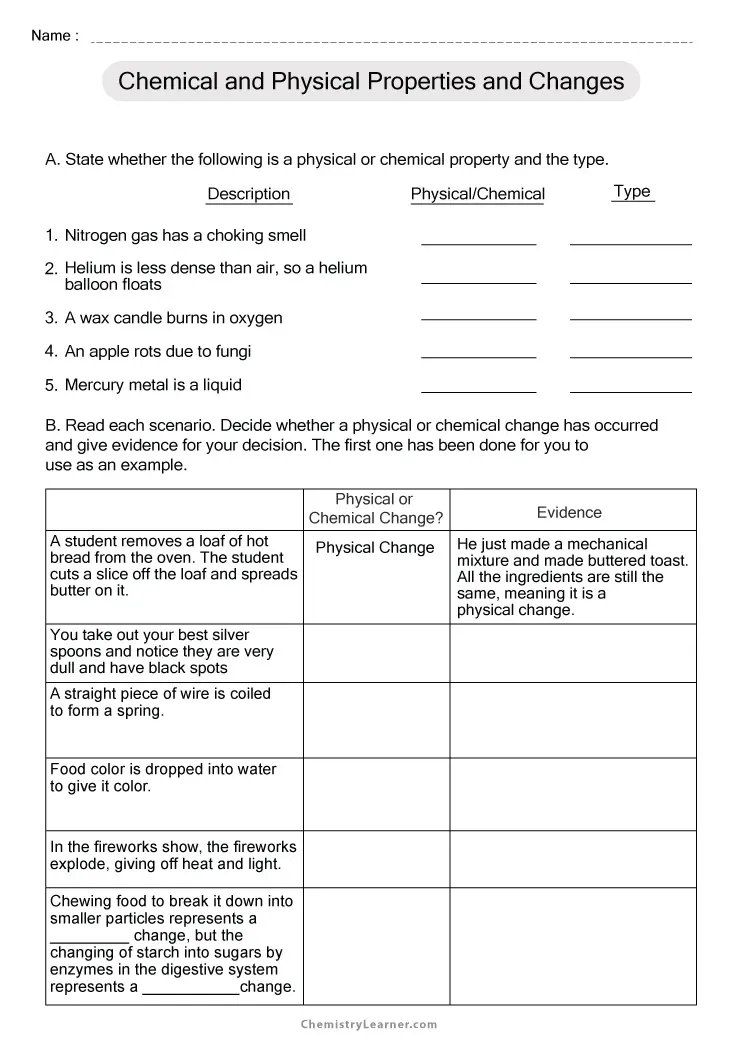
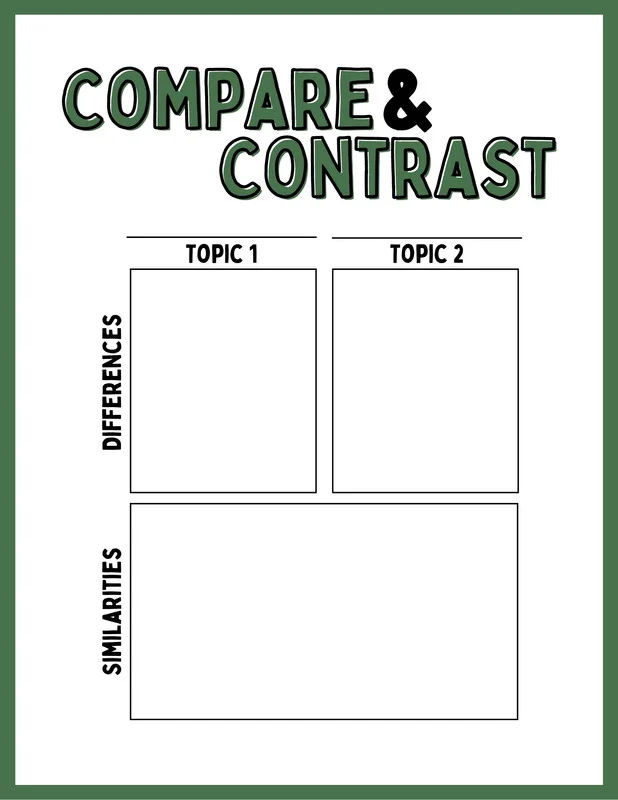
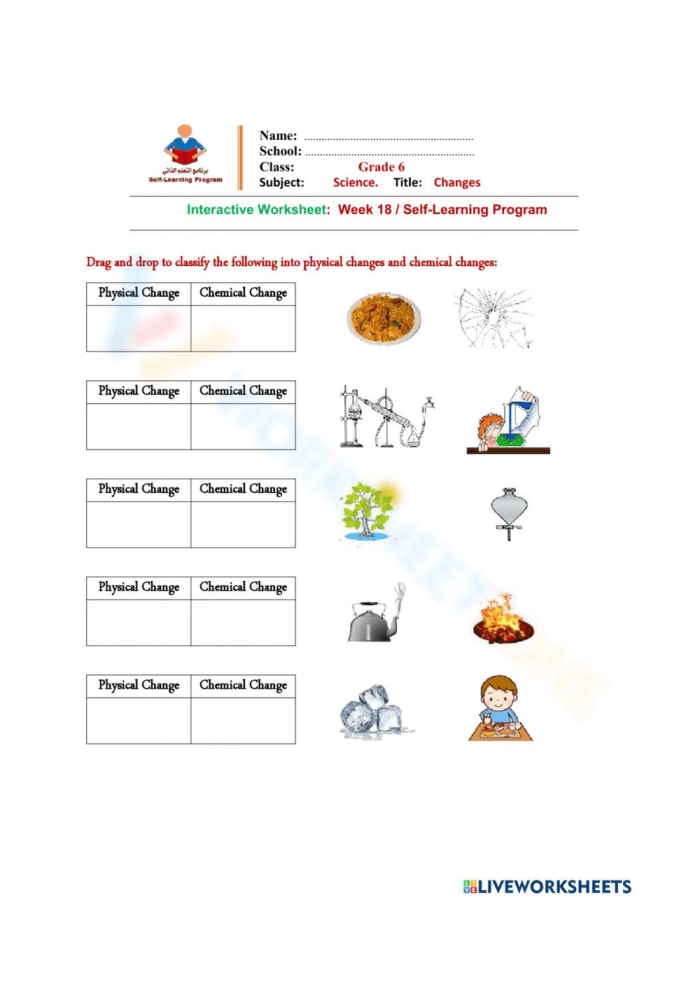
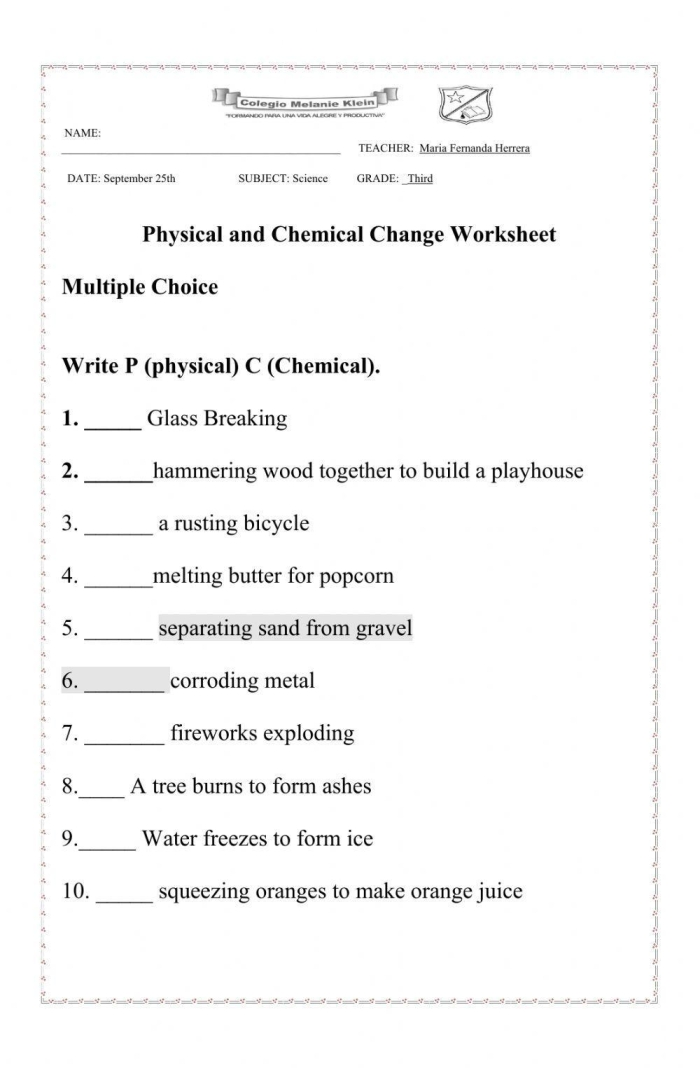
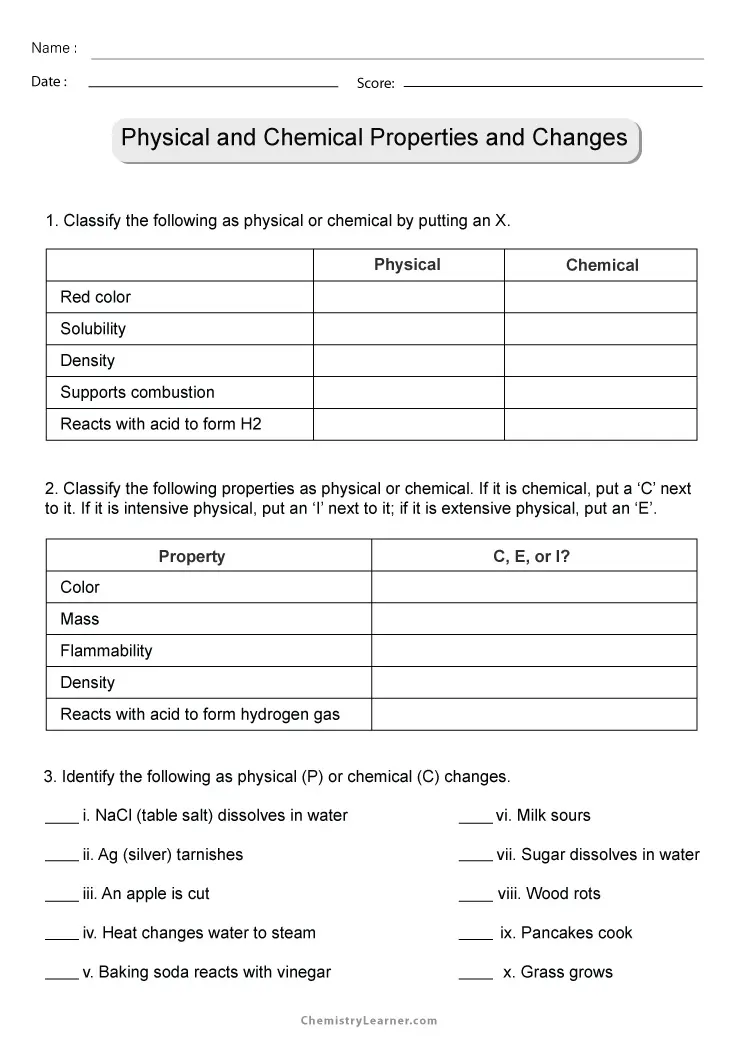
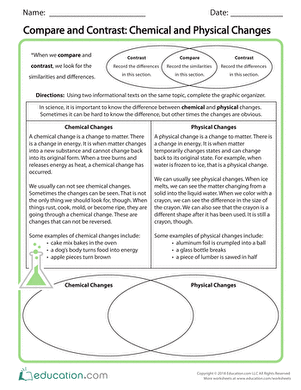
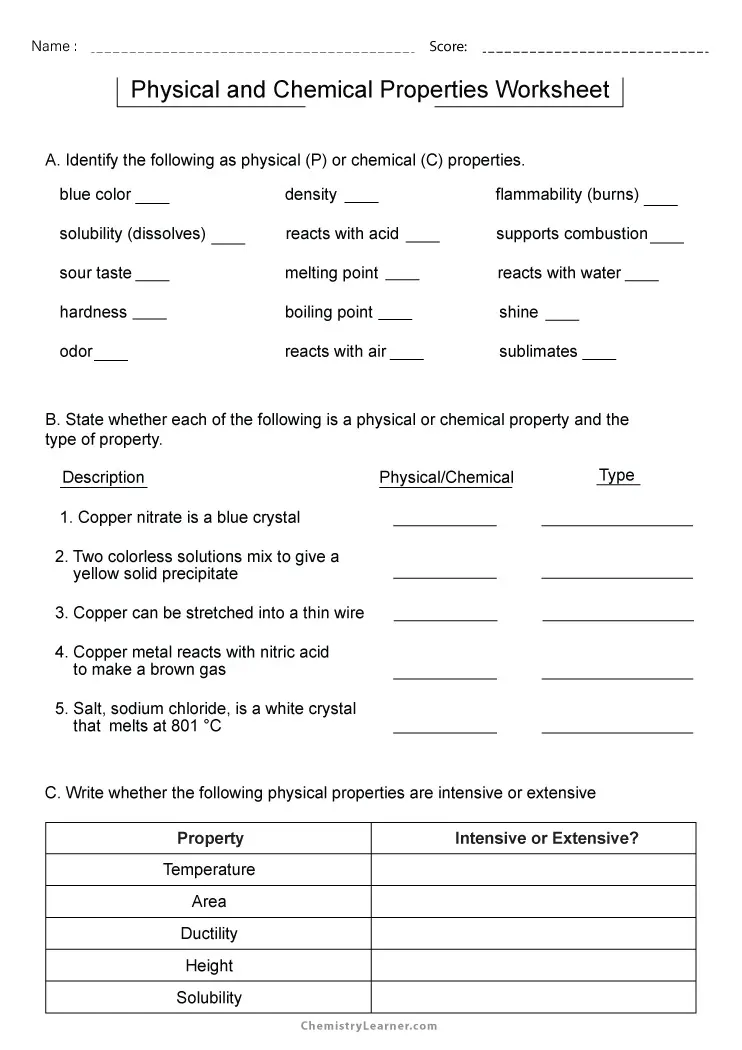
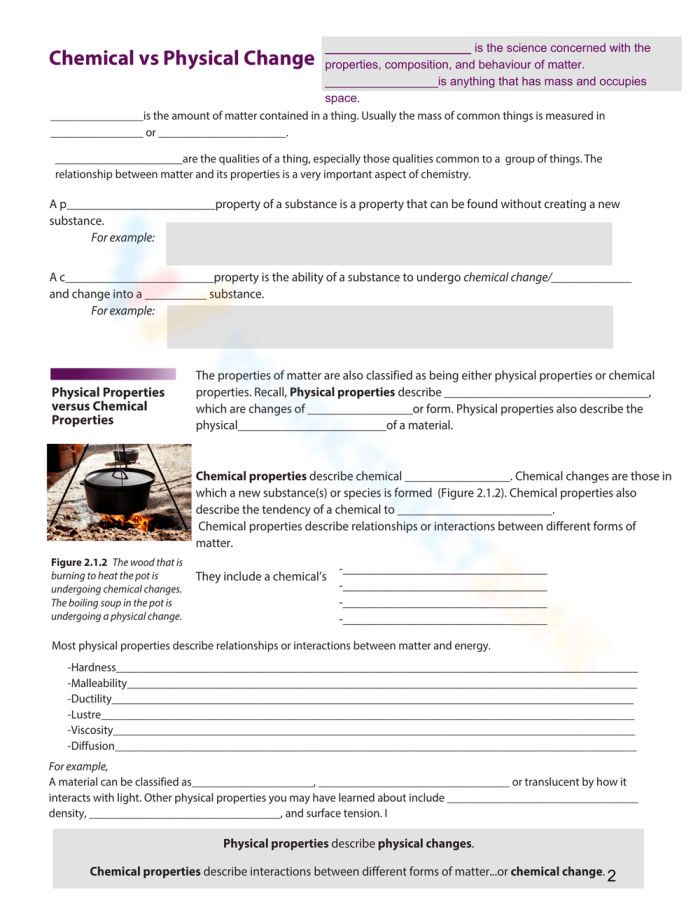
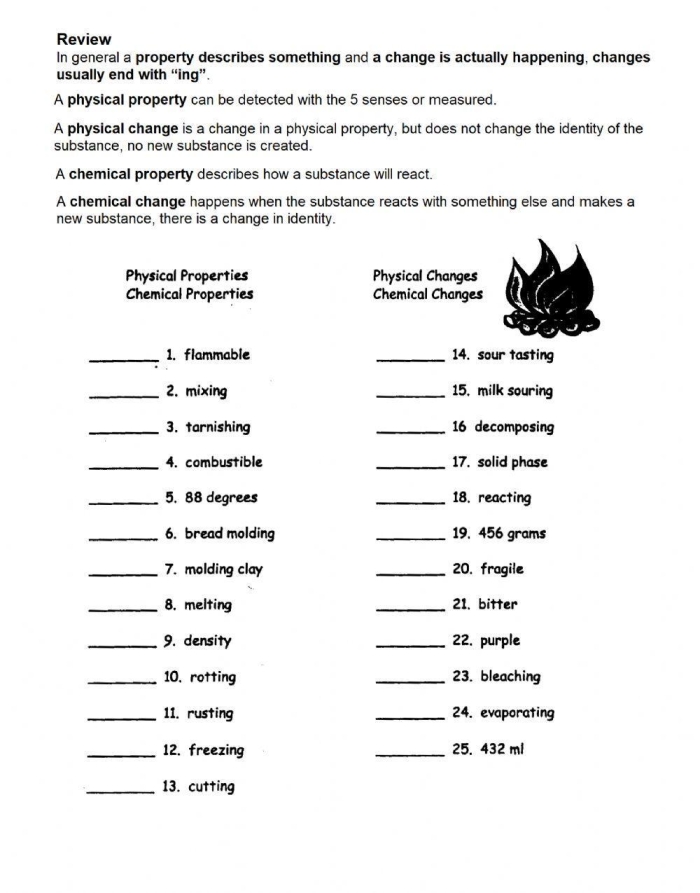
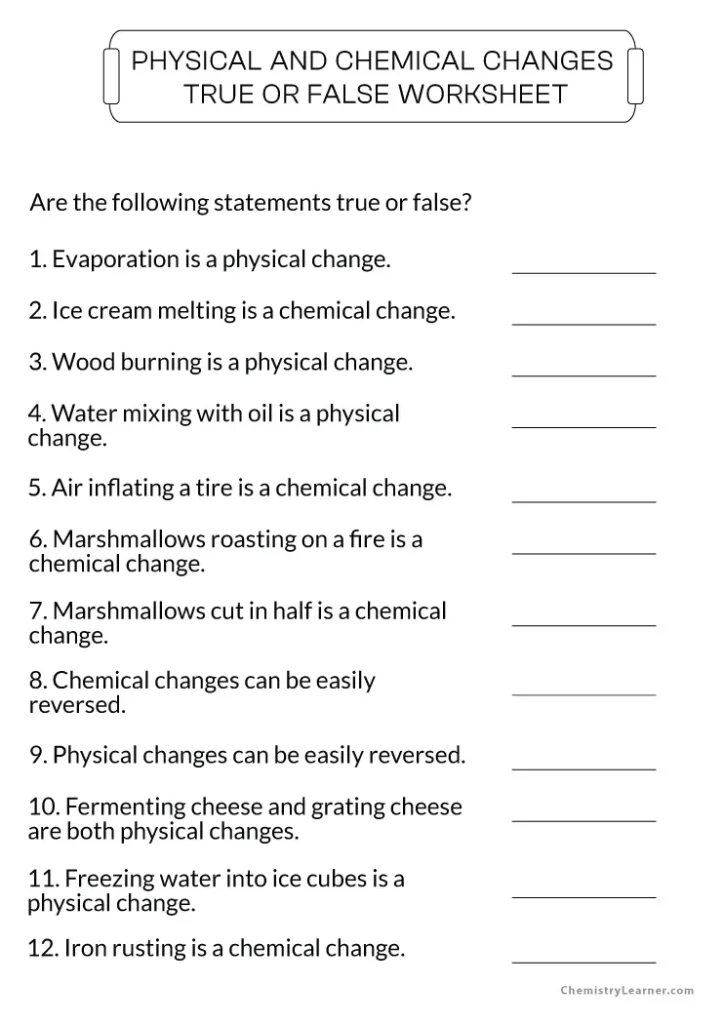
To help students grasp these concepts, consider using printable worksheets that illustrate these differences clearly. Resources like the compare and contrast chemical and physical changes worksheets can be very effective. These worksheets can guide students to identify examples of each change and understand the underlying principles, making the learning experience more interactive and enjoyable.
By examining real-life scenarios, students can better appreciate the science behind everyday occurrences. For instance, when baking a cake, the mixture of ingredients undergoes a chemical change as they react to form a new product. In contrast, freezing fruit for smoothies is a physical change, where the fruit remains unchanged chemically.
Incorporating these activities into the classroom not only enhances students’ understanding of life science but also instills critical thinking skills. As they learn to categorize different types of changes, they’ll develop a keen eye for observing the world around them, laying a strong foundation for future scientific exploration.
Boost Skills with These Worksheets