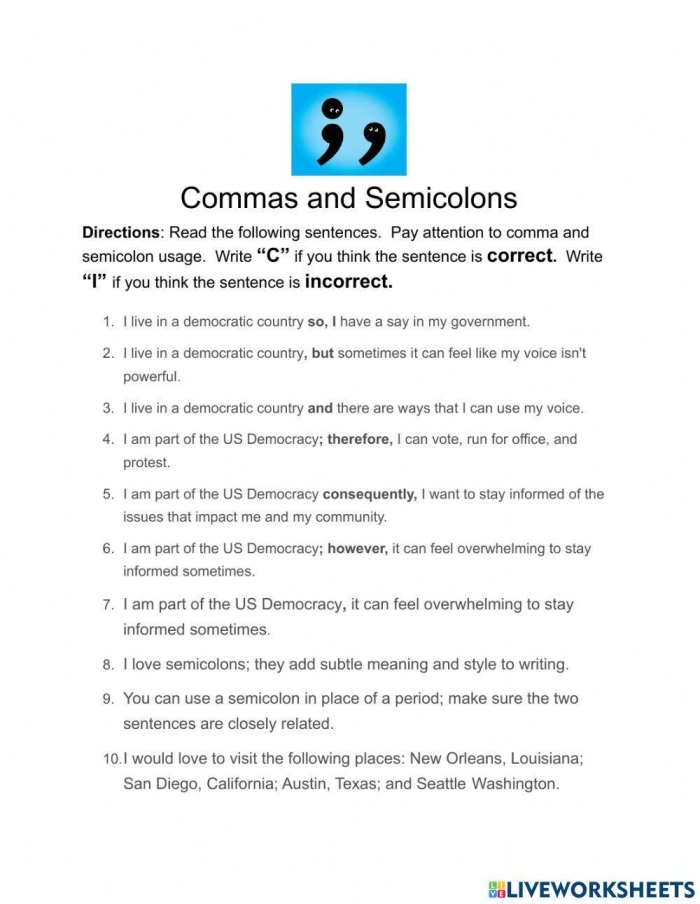
Commas and semicolons are essential tools in writing, yet many students often find them confusing. In a well-crafted grammar and punctuation worksheet, these punctuation marks truly come to life, helping fourth graders grasp their importance and usage in everyday writing.
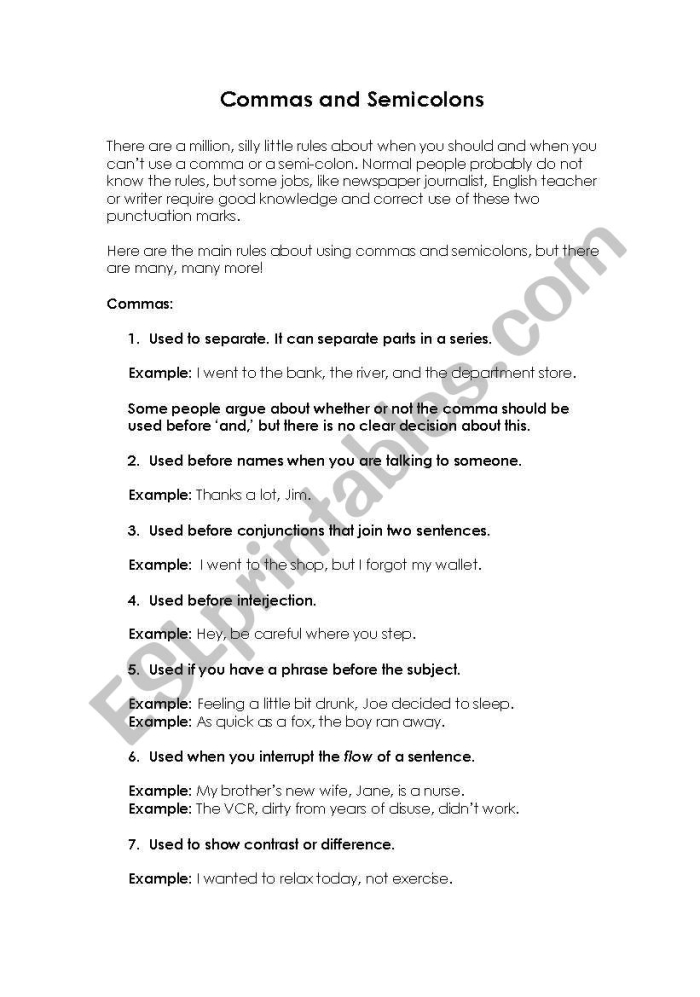
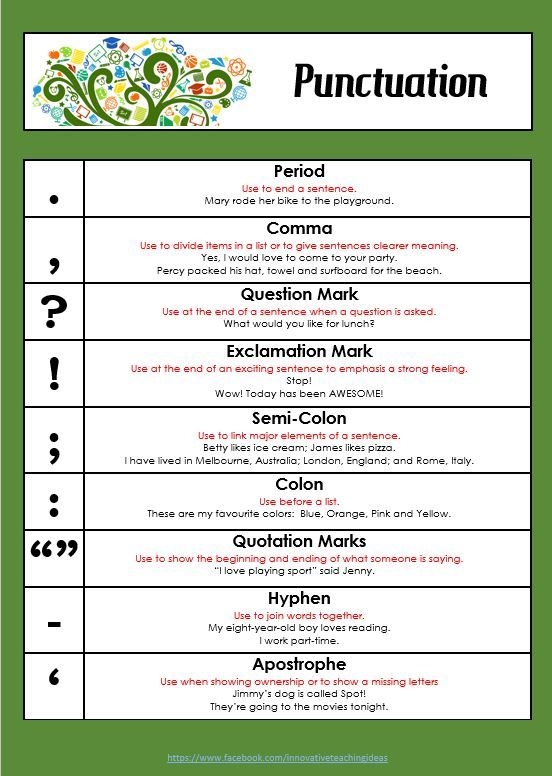
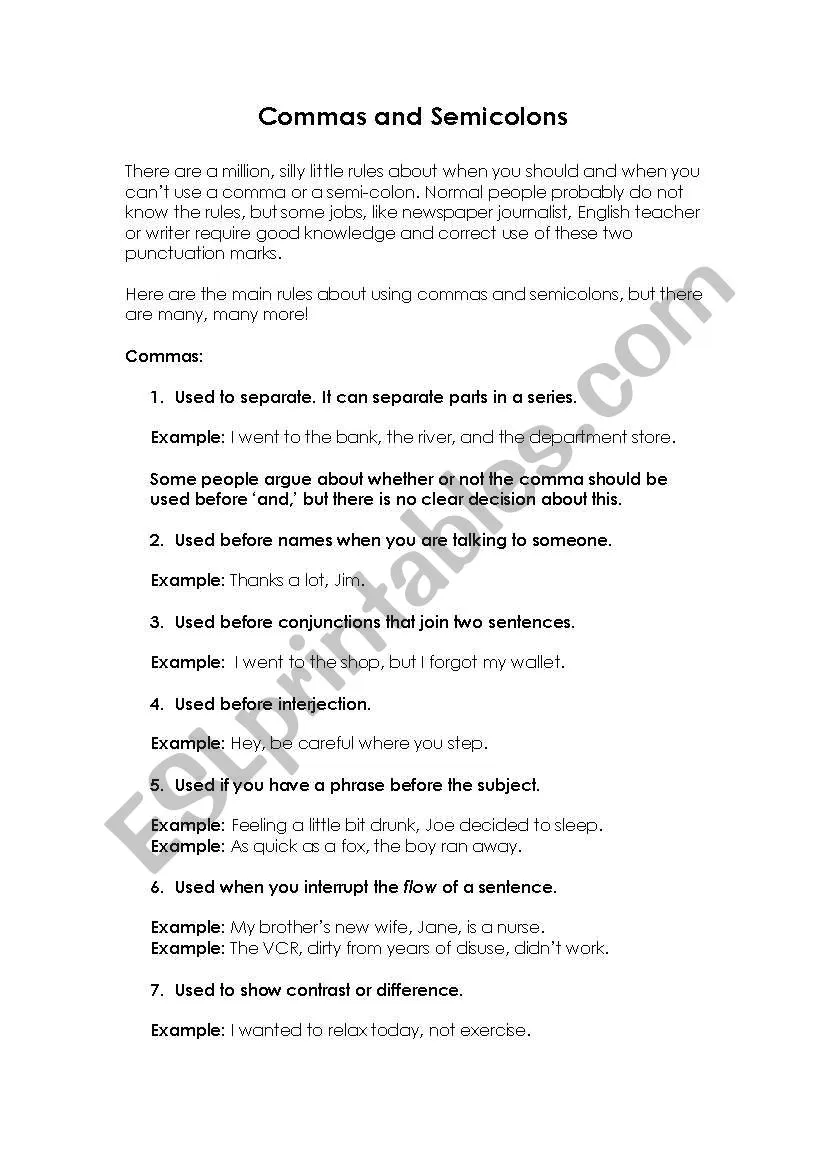
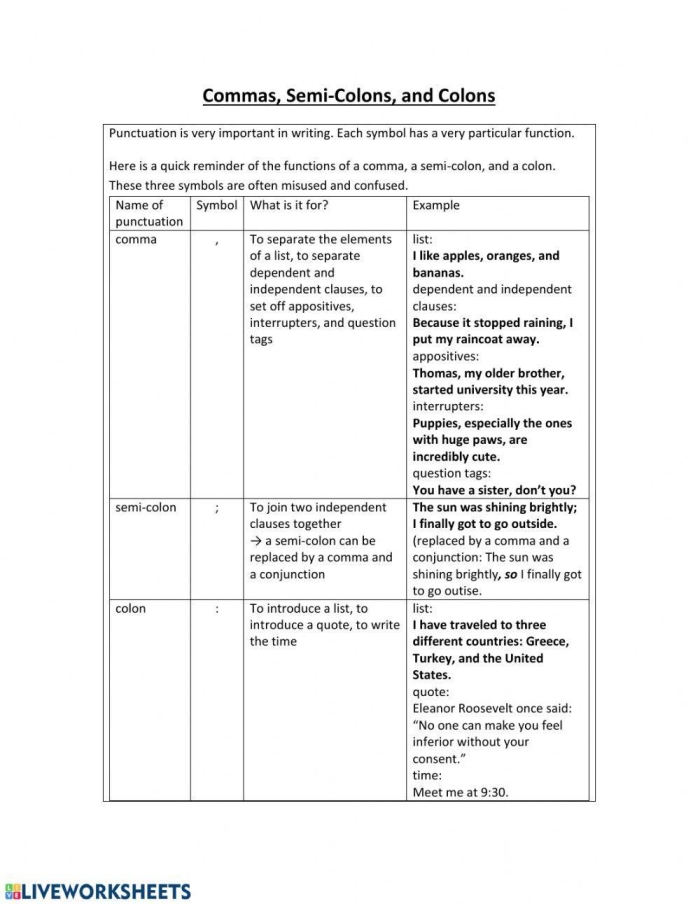
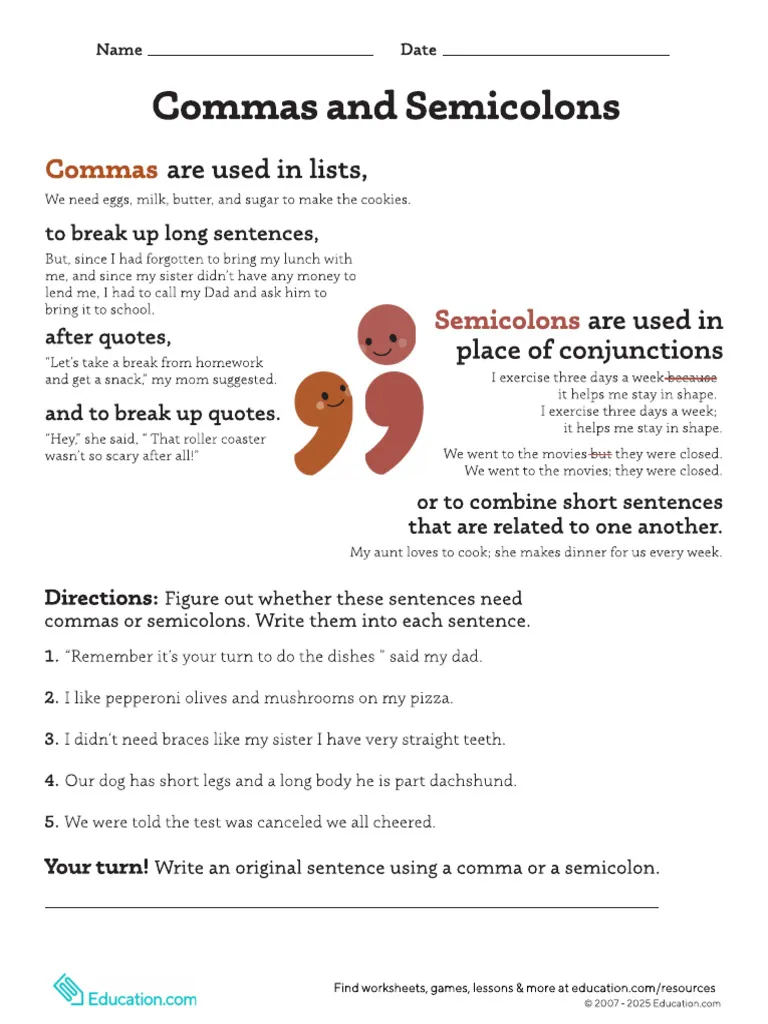
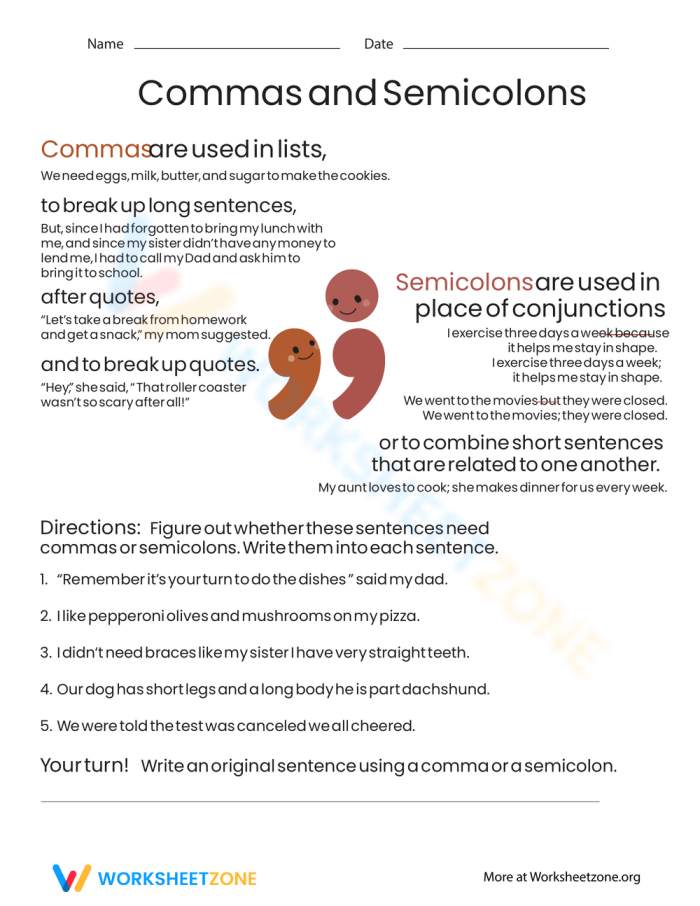
Understanding the difference between commas and semicolons is crucial. Commas are typically used to separate items in a list, set off introductory phrases, or connect independent clauses with conjunctions. For example, in the sentence “I bought apples, oranges, and bananas,” the commas clearly delineate each item. On the other hand, semicolons serve a different purpose. They link closely related independent clauses without a conjunction. Consider the sentence, “I went to the store; it was closed.” Here, the semicolon indicates a pause that connects two related thoughts more closely than a period would.
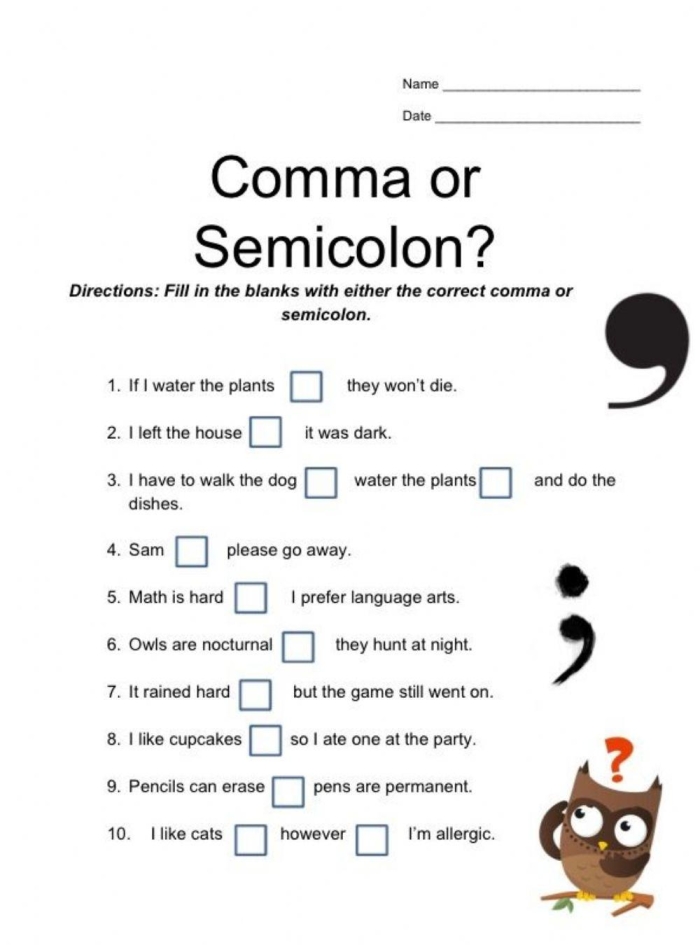
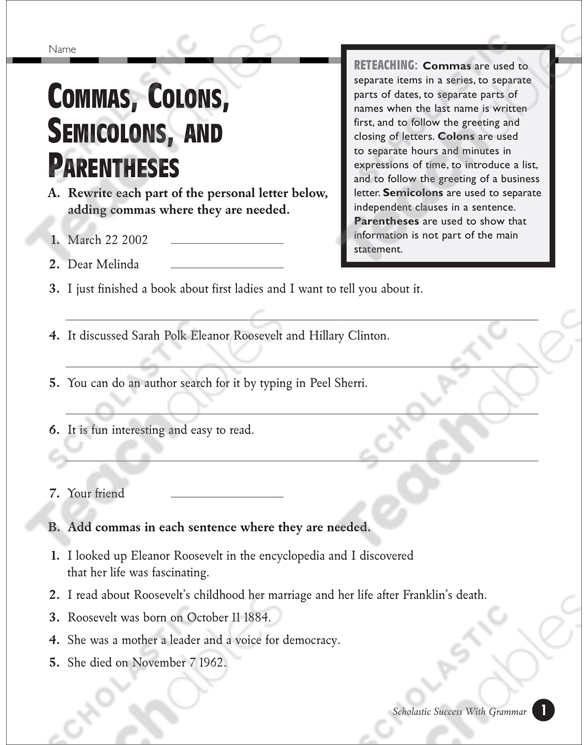
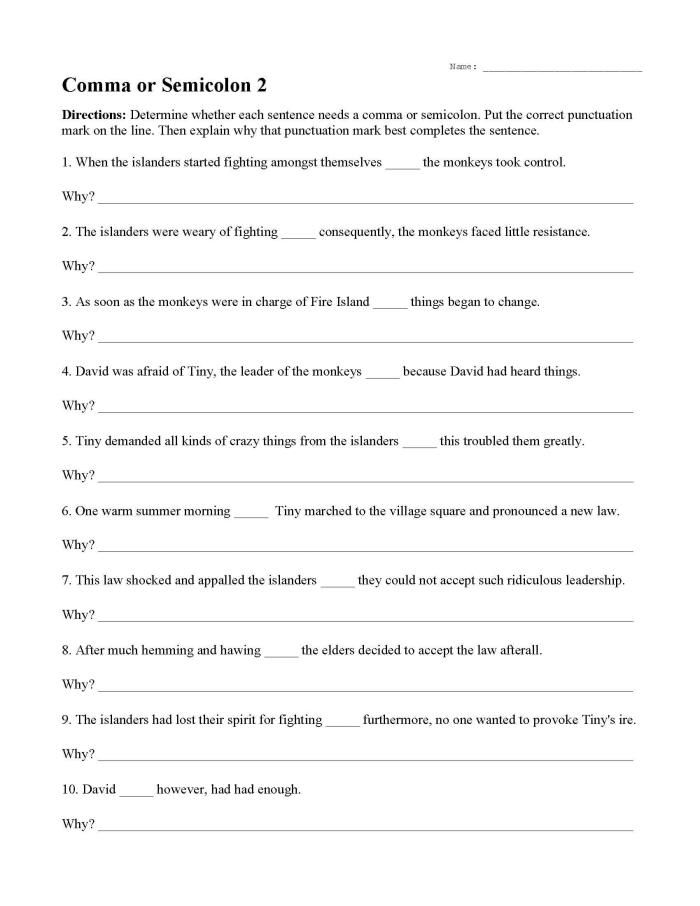
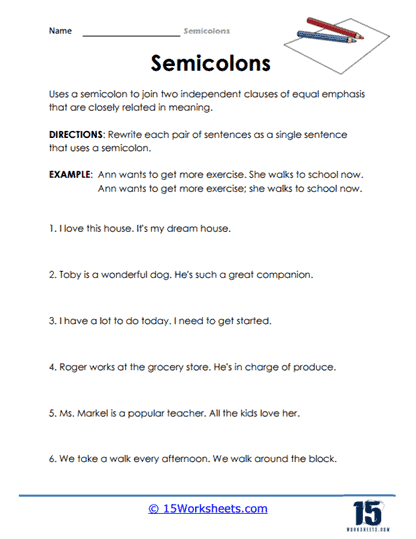
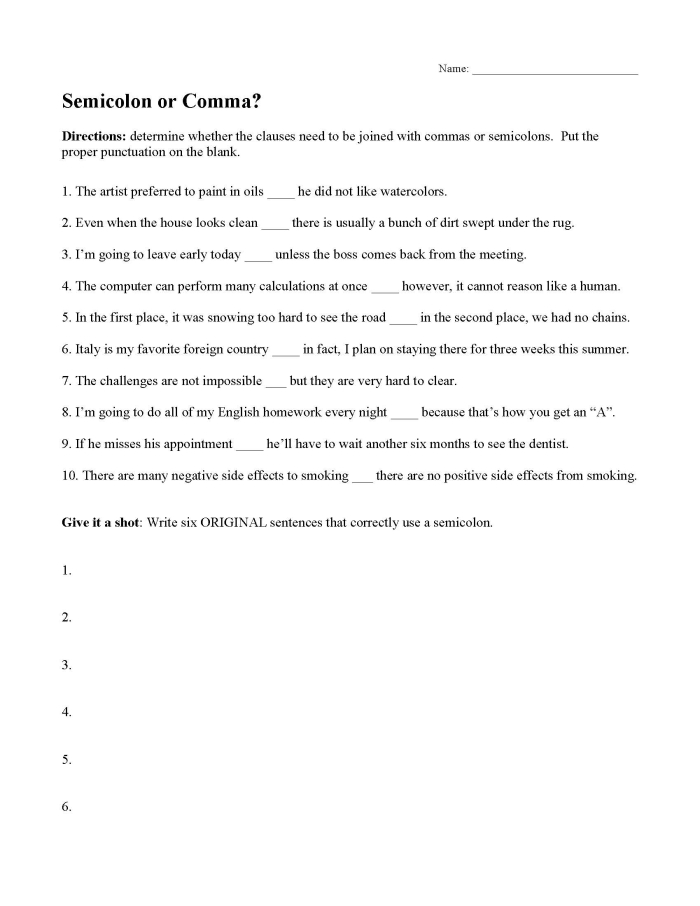
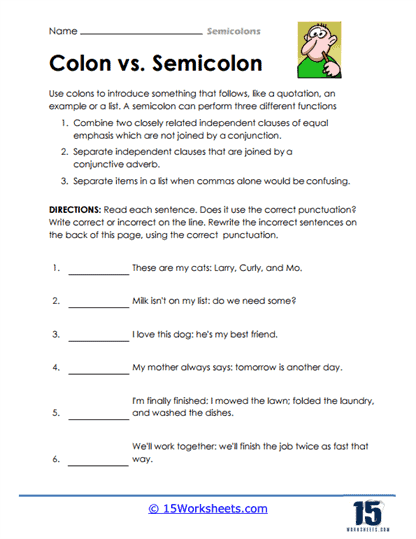
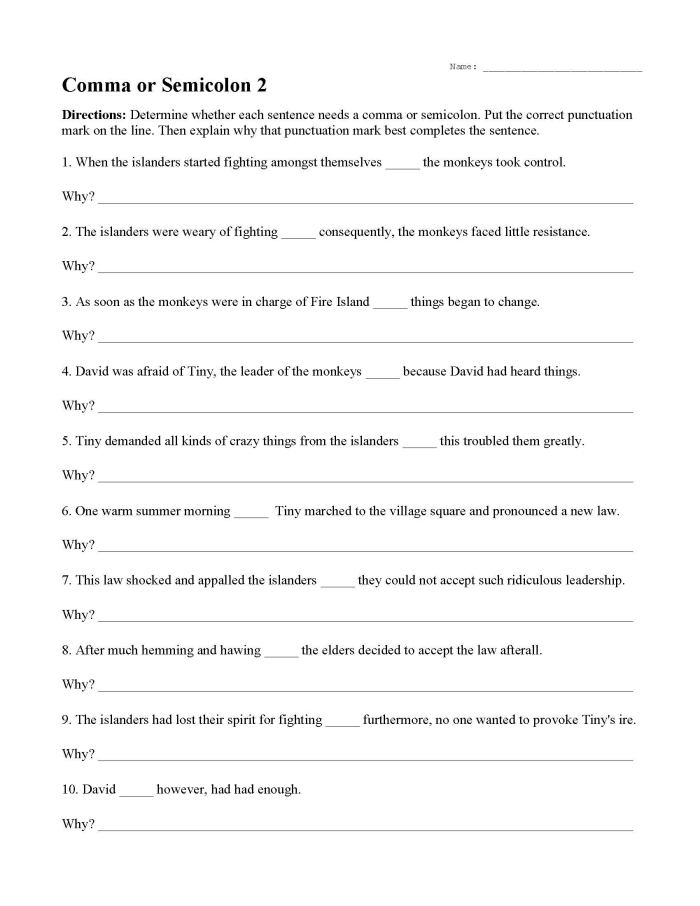
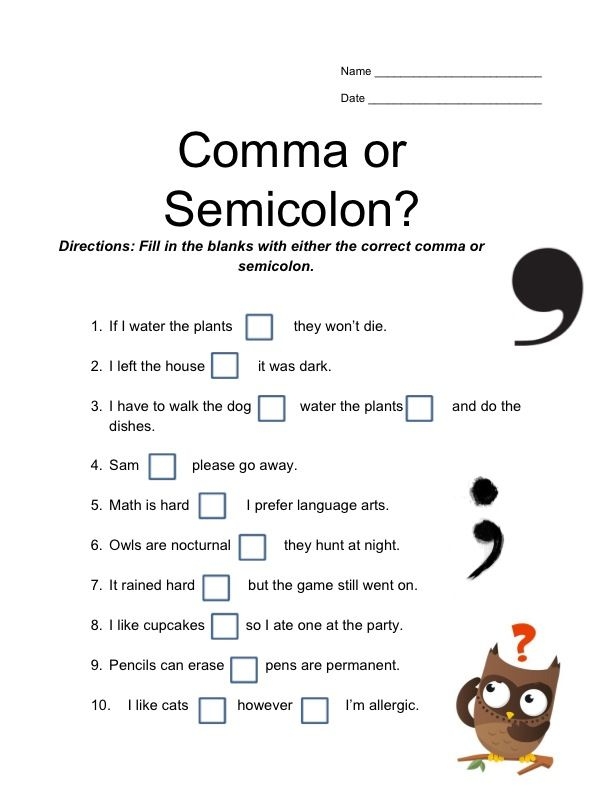
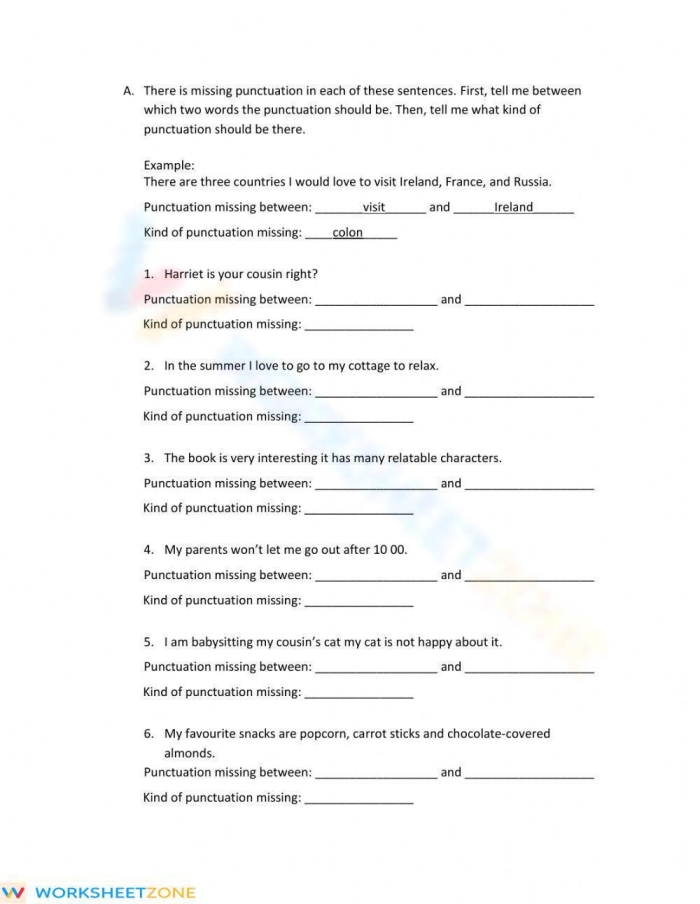
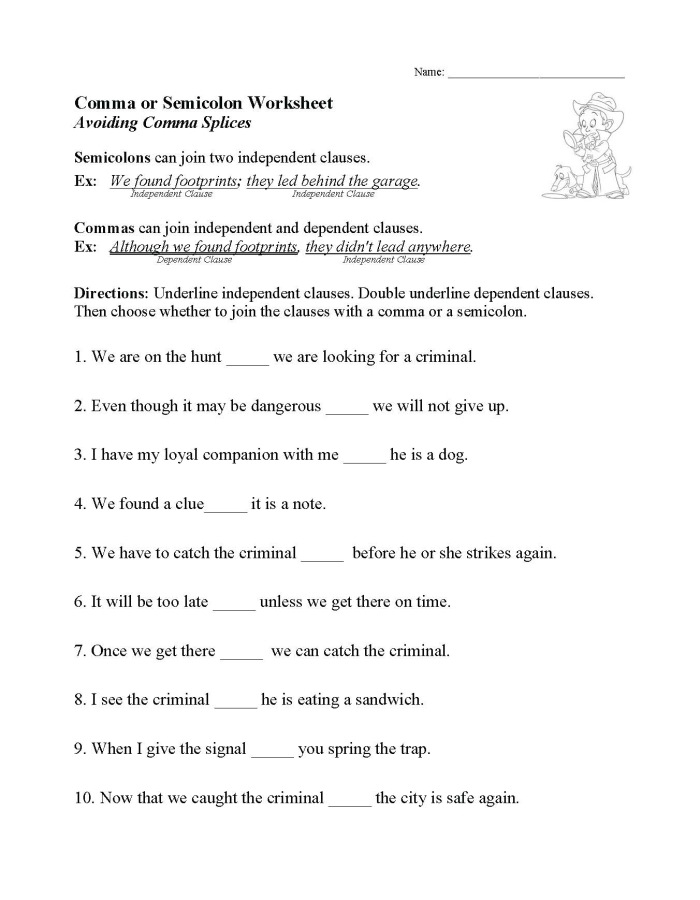
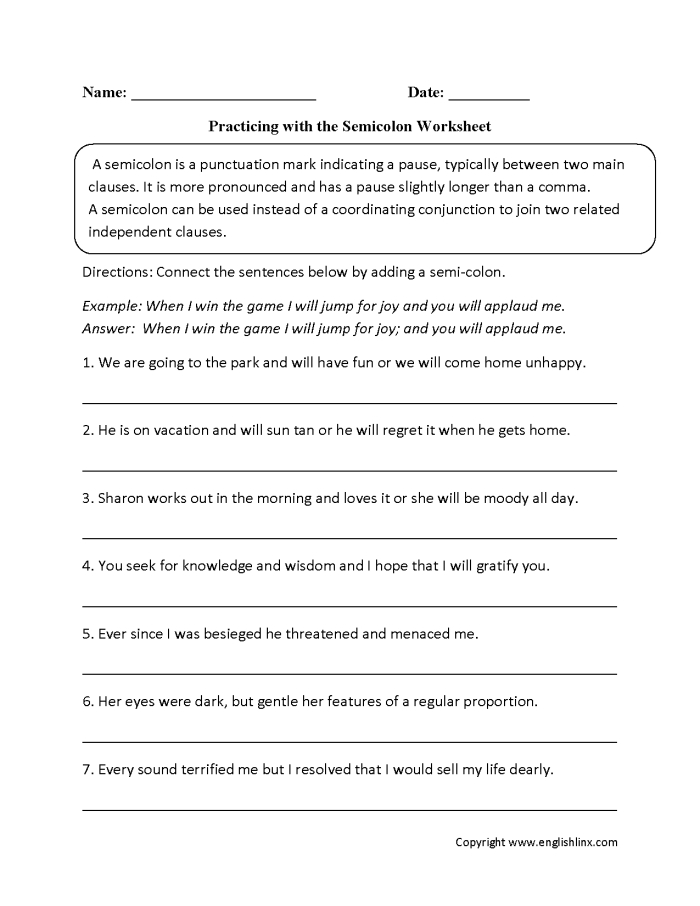
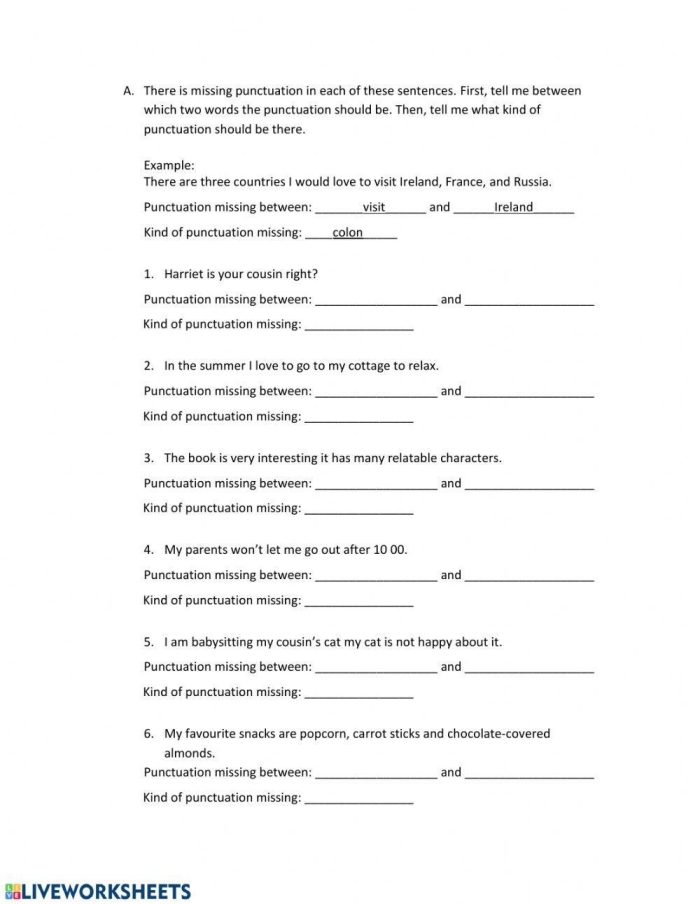
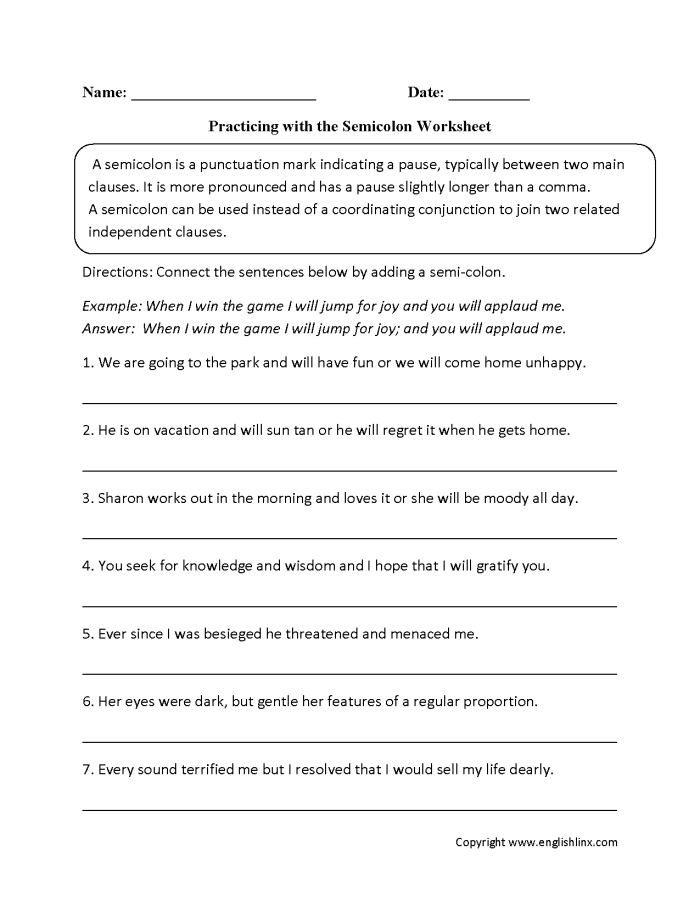
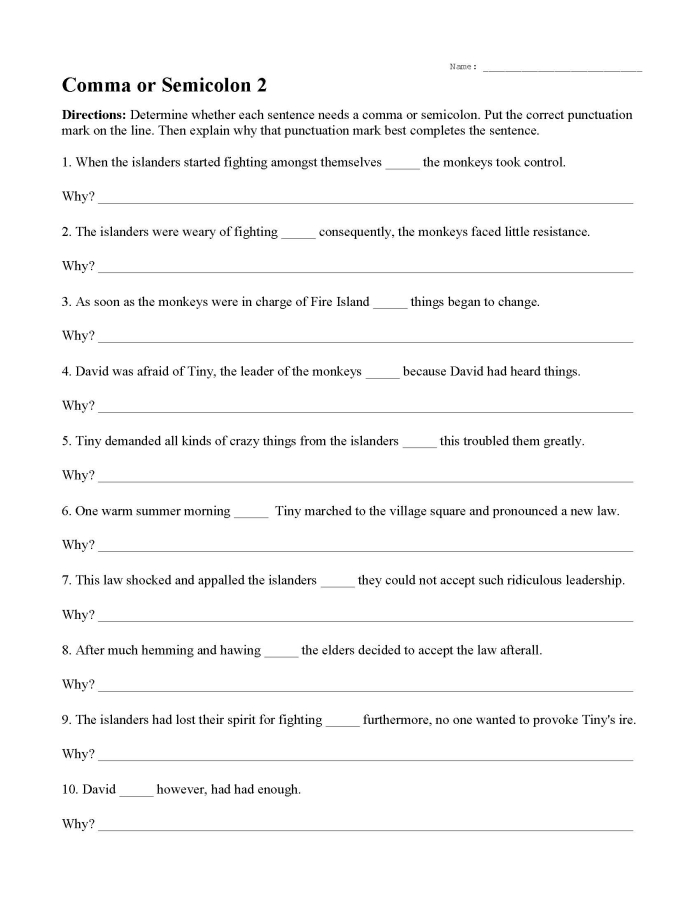
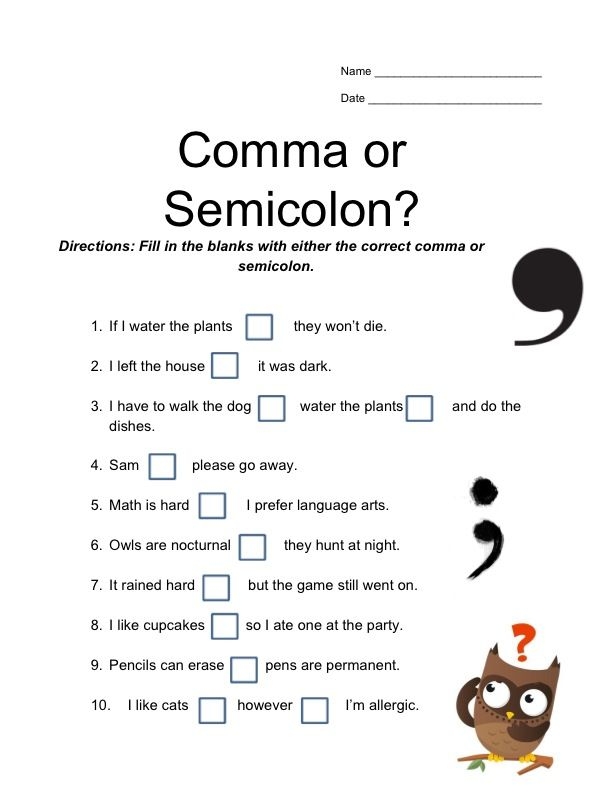
A worksheet focused on commas and semicolons can provide students with engaging exercises that enhance their understanding. For instance, students might be asked to correct sentences that misuse punctuation marks or to create their own sentences using both commas and semicolons. These practical applications reinforce learning and build confidence in writing skills.
Incorporating fun activities is also beneficial. Students can work in pairs to create stories or dialogues that prominently feature commas and semicolons. This collaborative approach not only solidifies their understanding but also encourages creativity. Additionally, resources like recognizing sentence fragments can complement their learning, ensuring they have a well-rounded grasp of punctuation.
Ultimately, mastering commas and semicolons opens up new avenues for fourth graders in their writing journey. With the right worksheet, these punctuation marks transform from mere symbols into vital components that enhance clarity and expression in their work.
Printable Worksheets for Practice