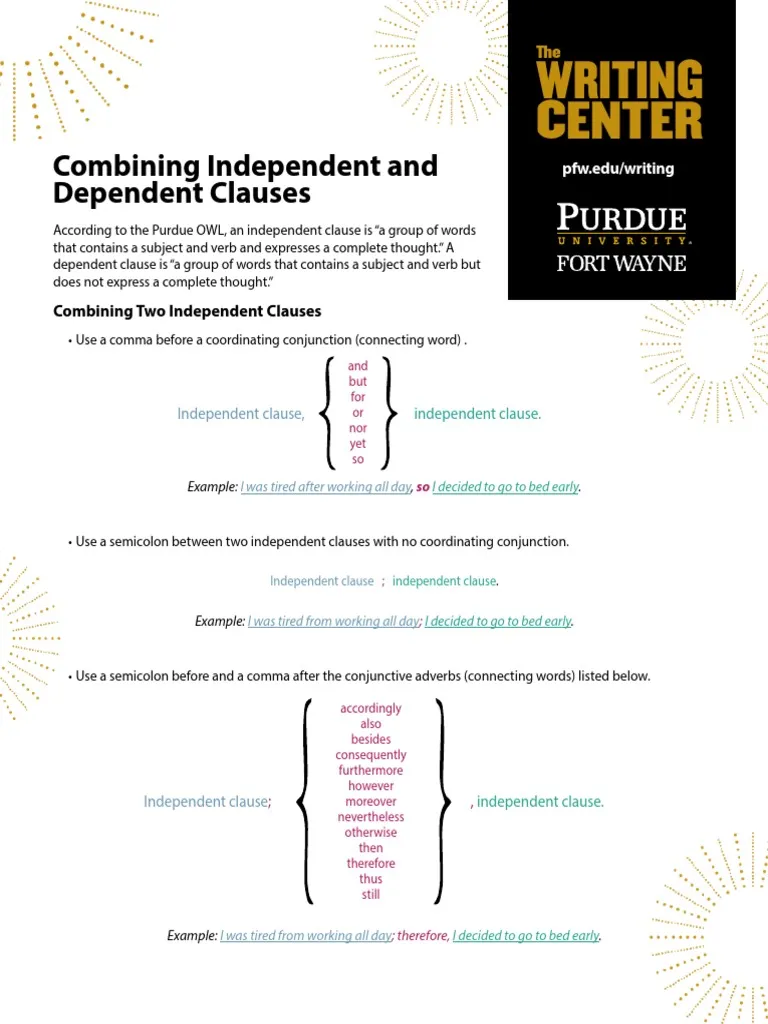
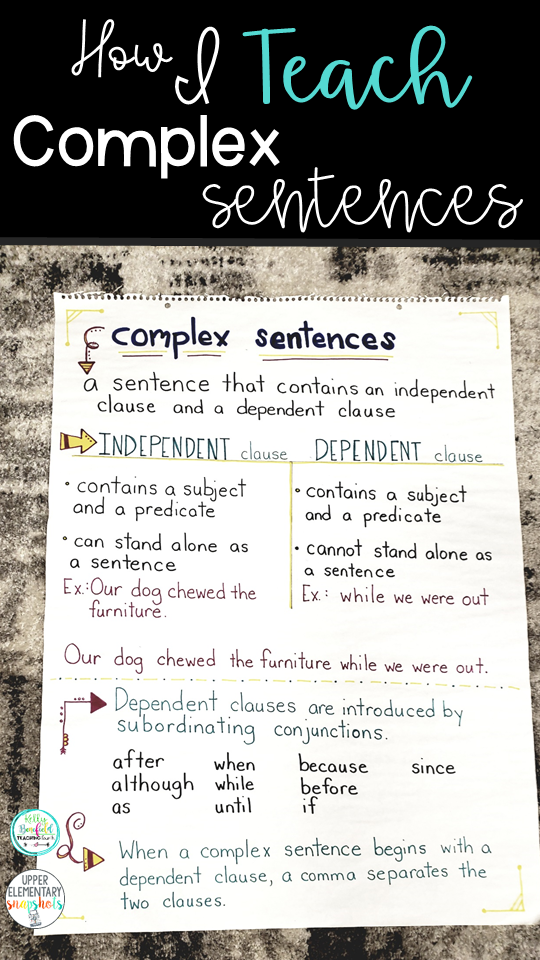
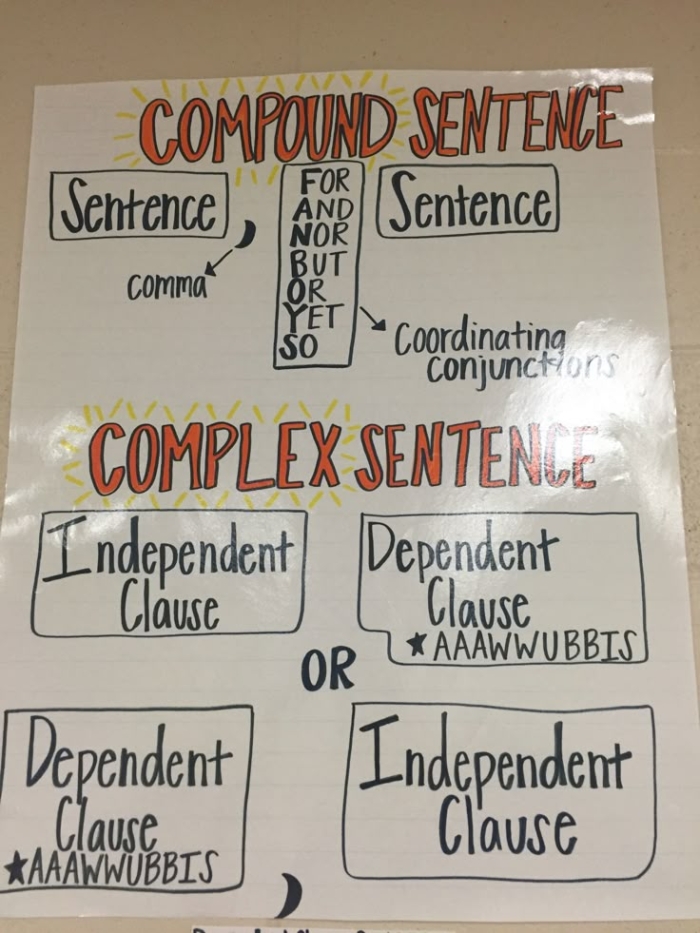
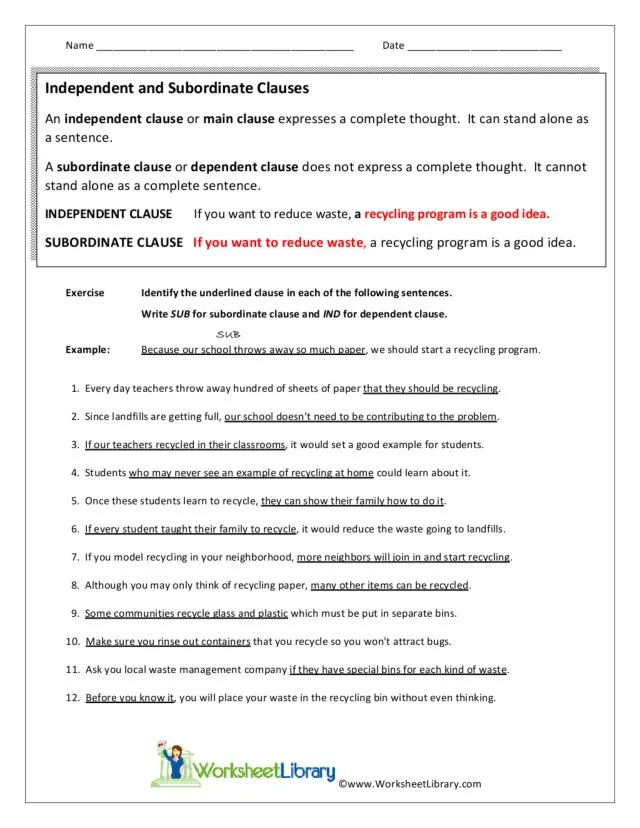
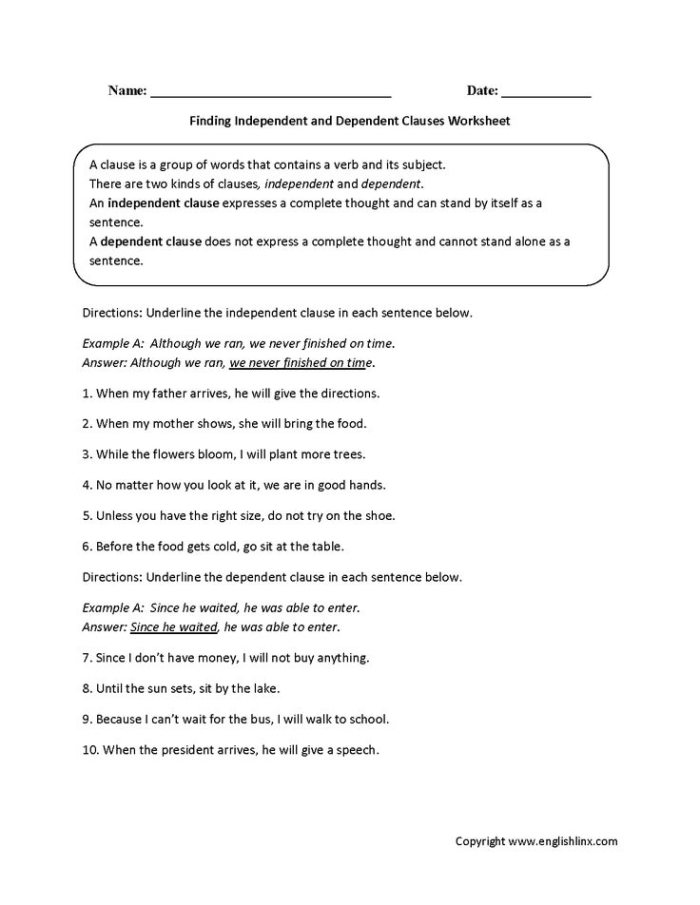
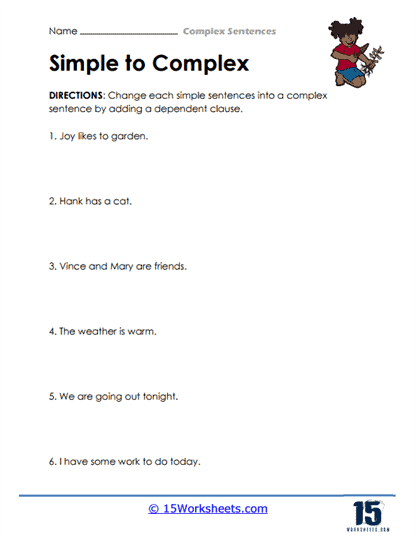
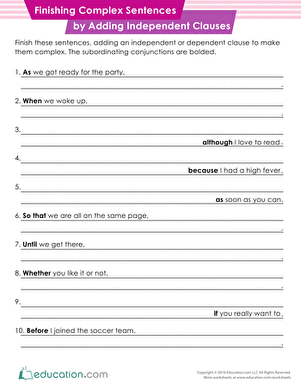
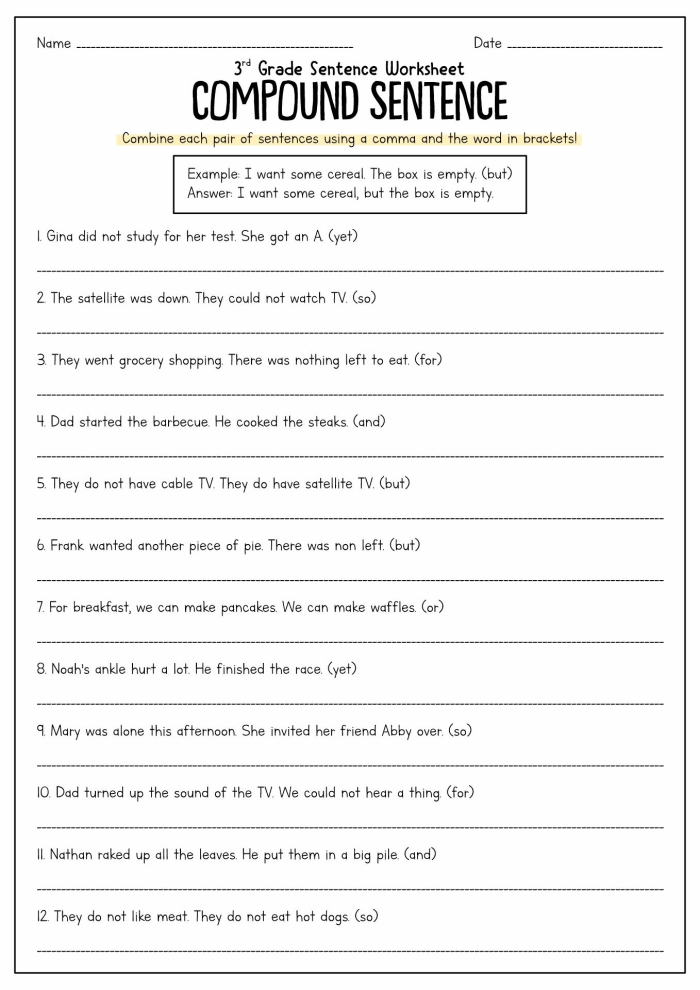
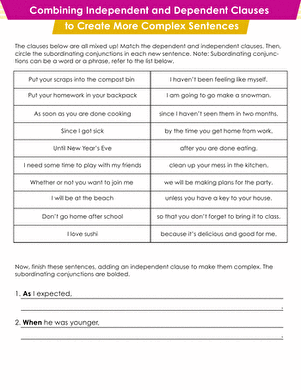
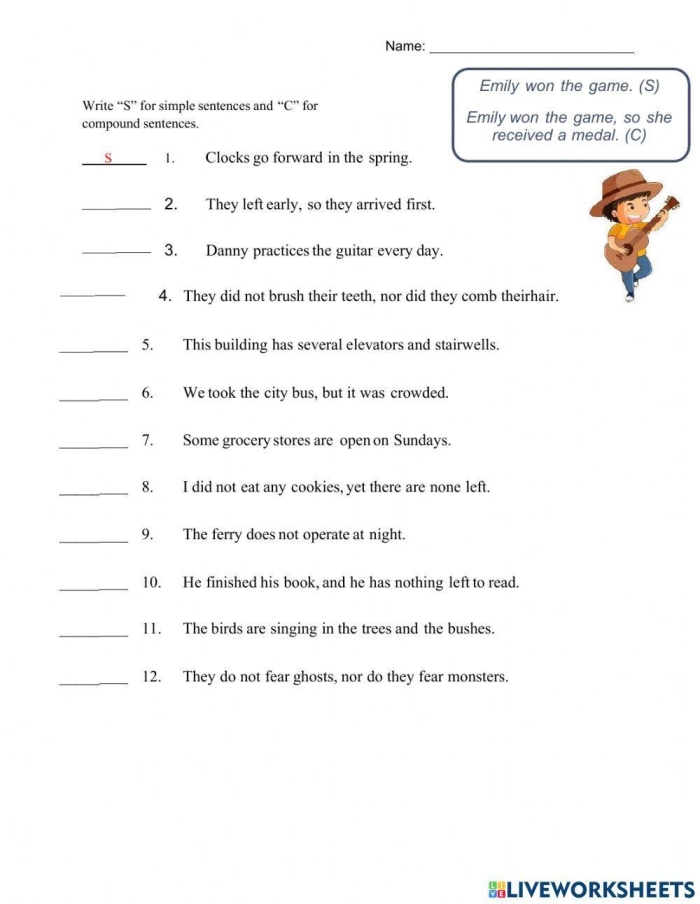
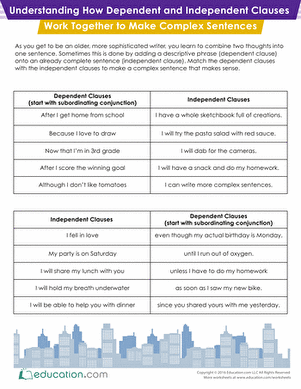
Understanding the difference between independent and dependent clauses is crucial for third graders as they develop their writing skills. This worksheet challenges students by asking them to match parts of sentences, helping them grasp how these clauses work together to form complex sentences.
Independent clauses can stand alone as complete sentences, while dependent clauses cannot. By engaging with this worksheet, children practice recognizing these two types of clauses, learning to identify which parts can act independently and which rely on additional information to make sense. For instance, the sentence “Although it was raining, we went outside” includes a dependent clause (“Although it was raining”) and an independent clause (“we went outside”). This combination allows for richer, more nuanced writing.
Using a hands-on approach with a matching activity not only makes learning fun but also reinforces the concept through practice. As kids match clauses, they begin to see how changing one part of a sentence can alter its meaning completely. This skill is essential not just for crafting better sentences but also for enhancing reading comprehension. When students can identify clauses, they can better understand the structure and flow of the texts they read.
Additionally, this worksheet fits well into broader lessons on sentence structure in third-grade curricula, complementing other topics like those found in various addition worksheets, such as two-digit addition and subtraction word problems or research notes on addition. By integrating grammar exercises with math, educators can create a more cohesive learning experience that engages multiple skills.
As students become more comfortable with combining independent and dependent clauses, they will likely find their writing improving significantly. This skill not only enhances their ability to express thoughts clearly but also prepares them for future writing tasks in more advanced grades.
Start Practicing with These Worksheets