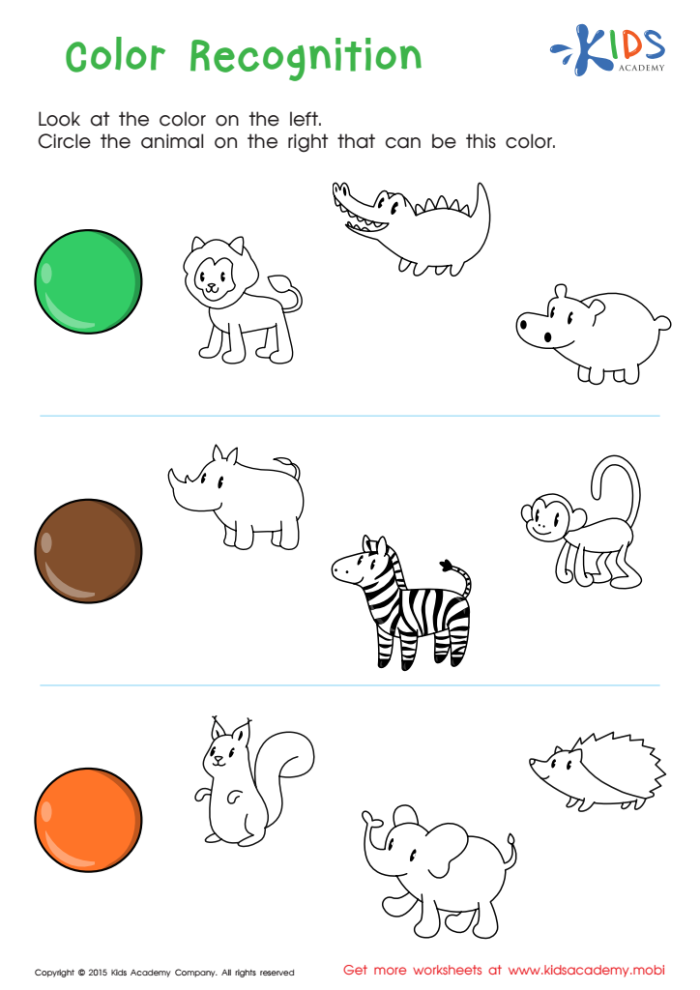
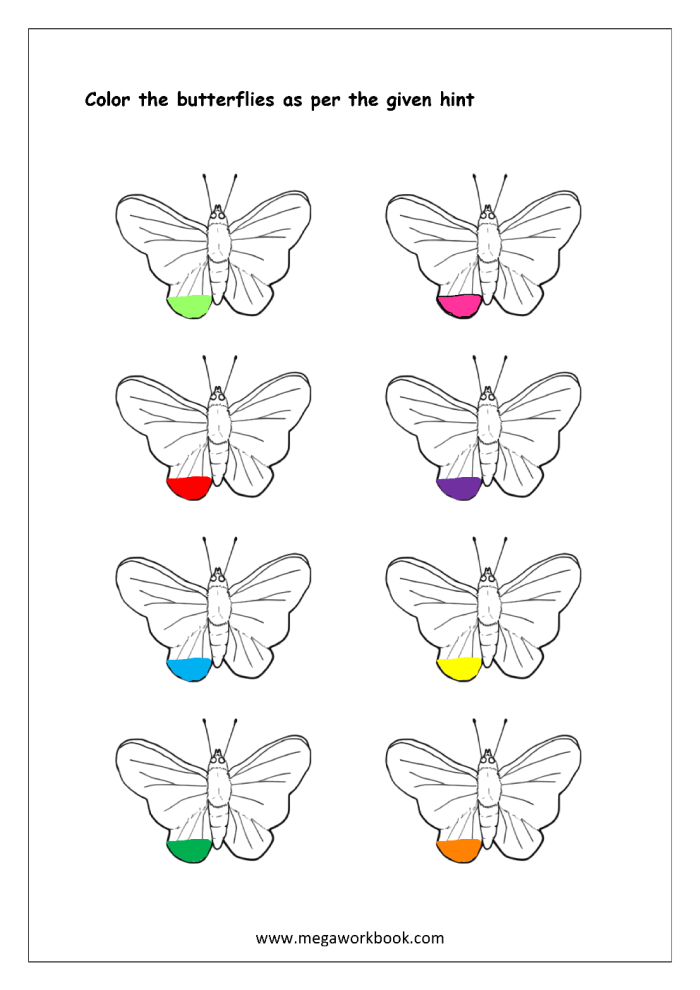
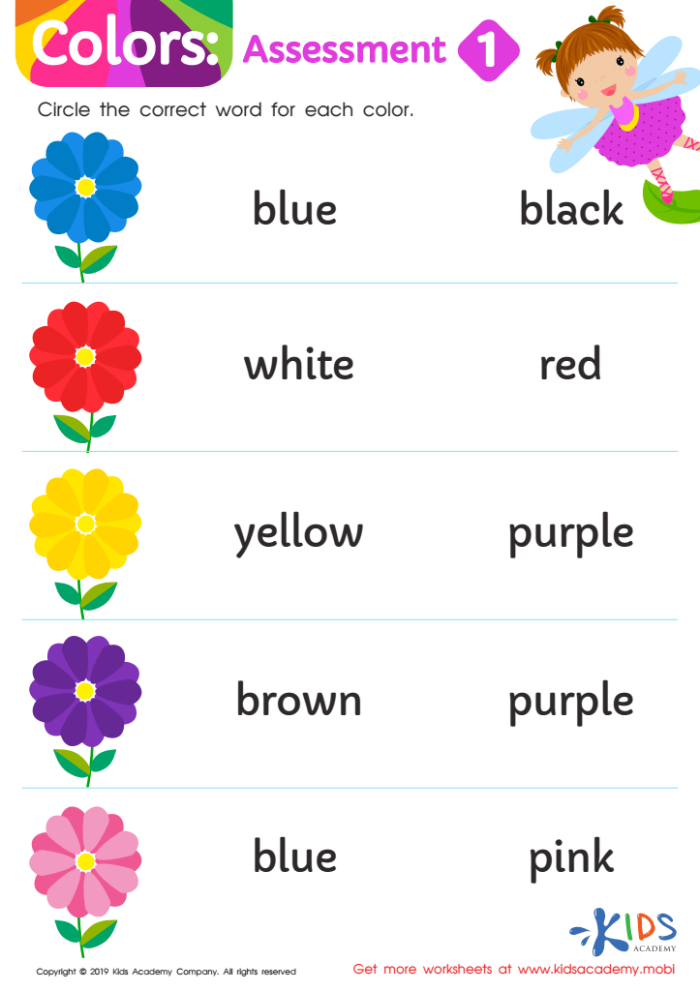
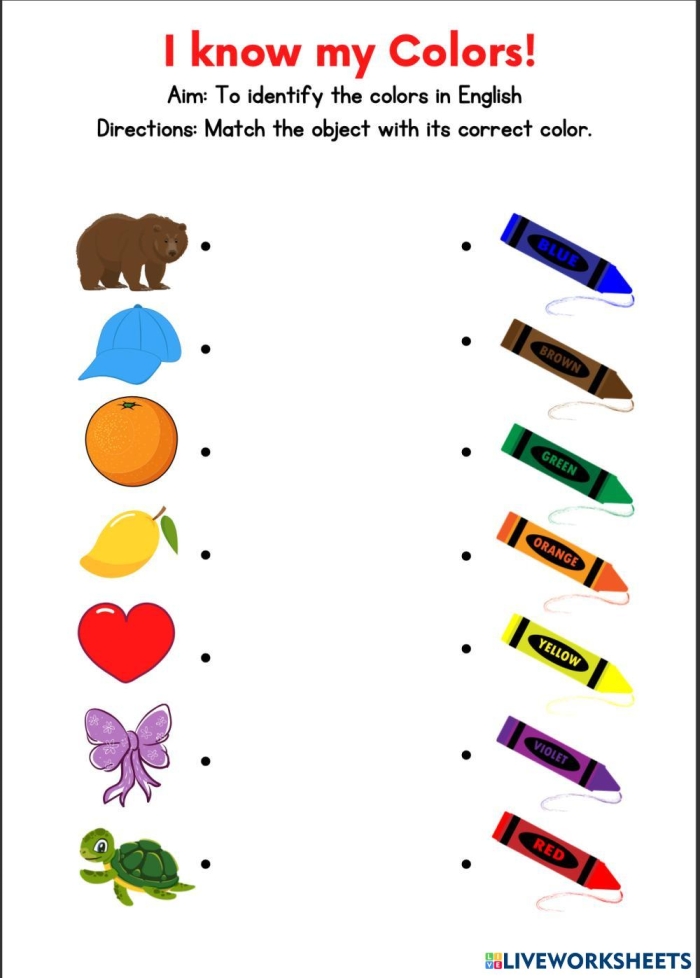
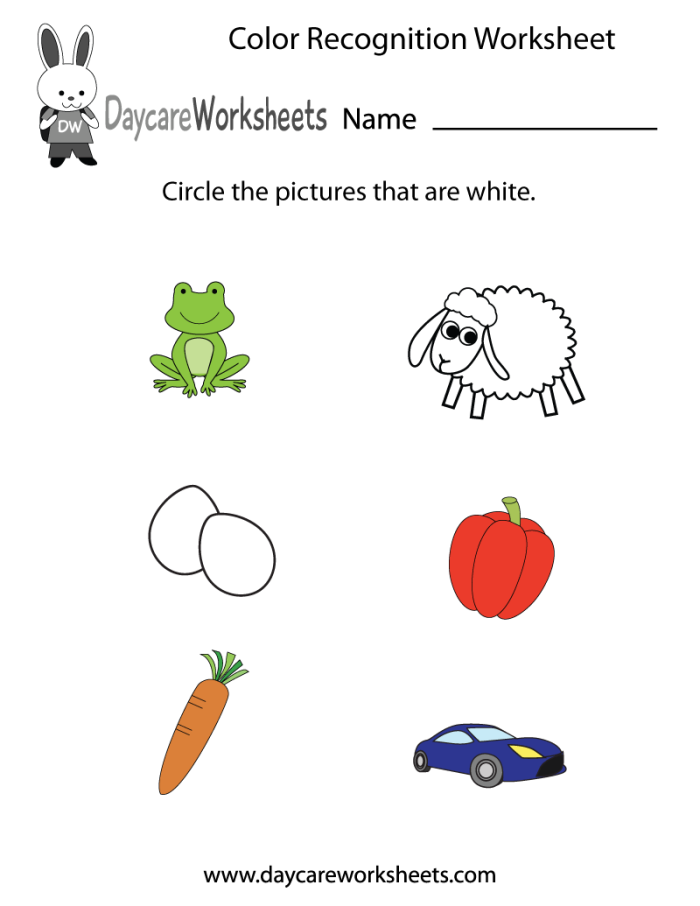
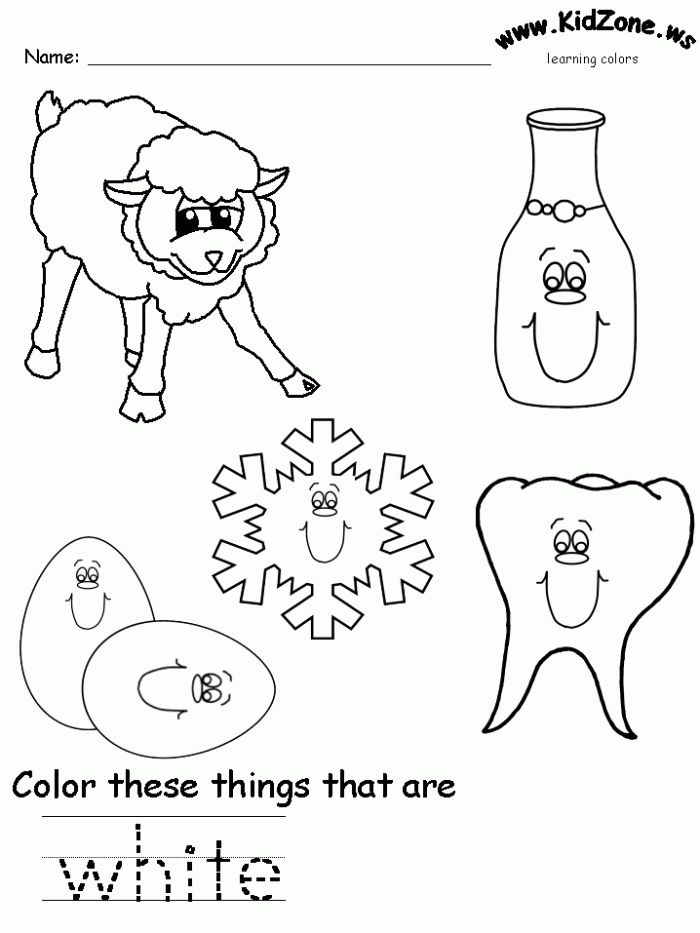
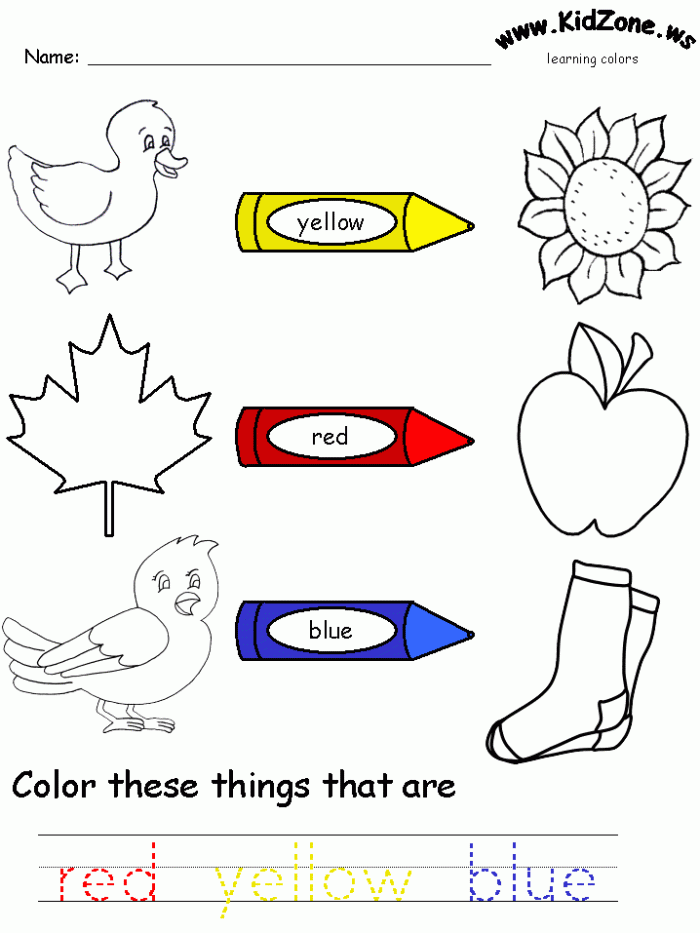
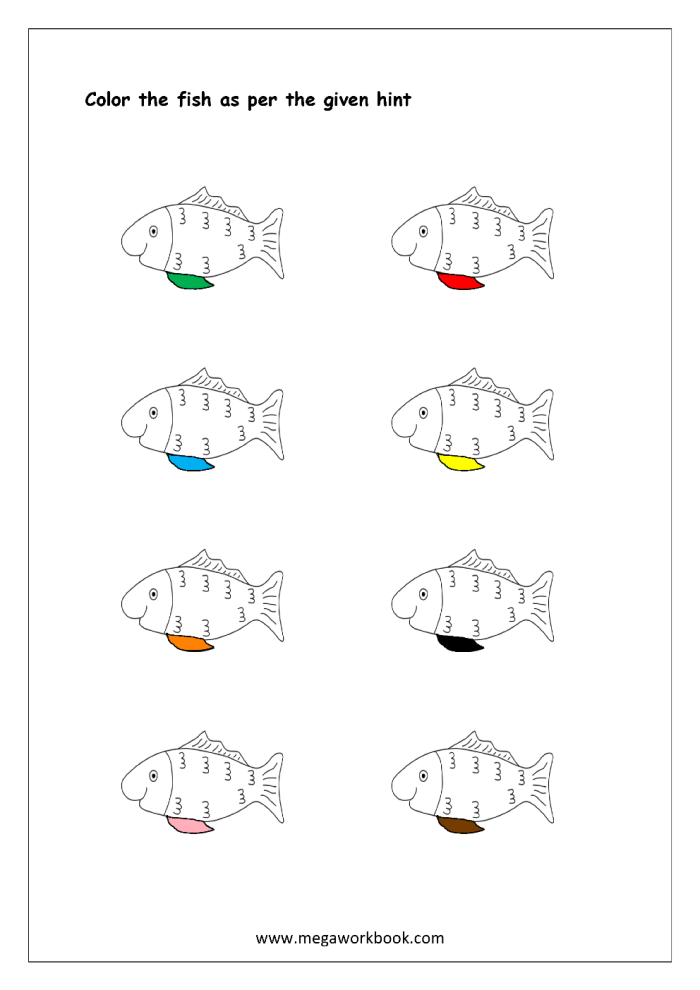
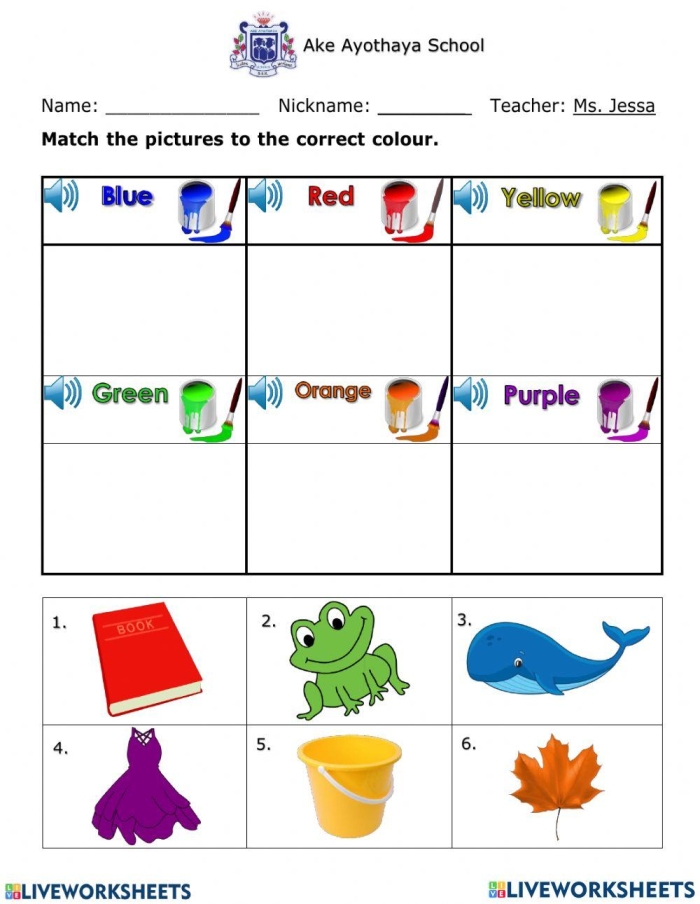
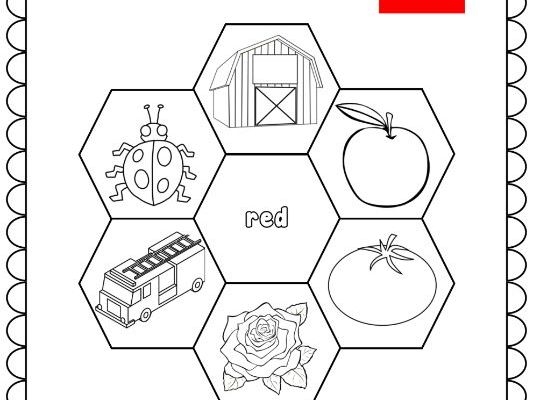
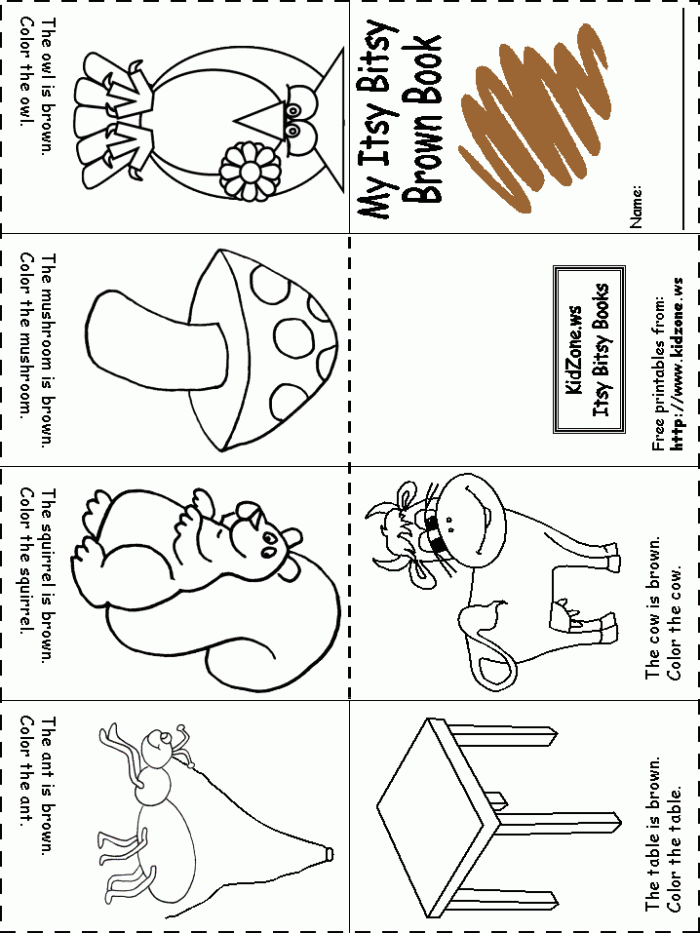
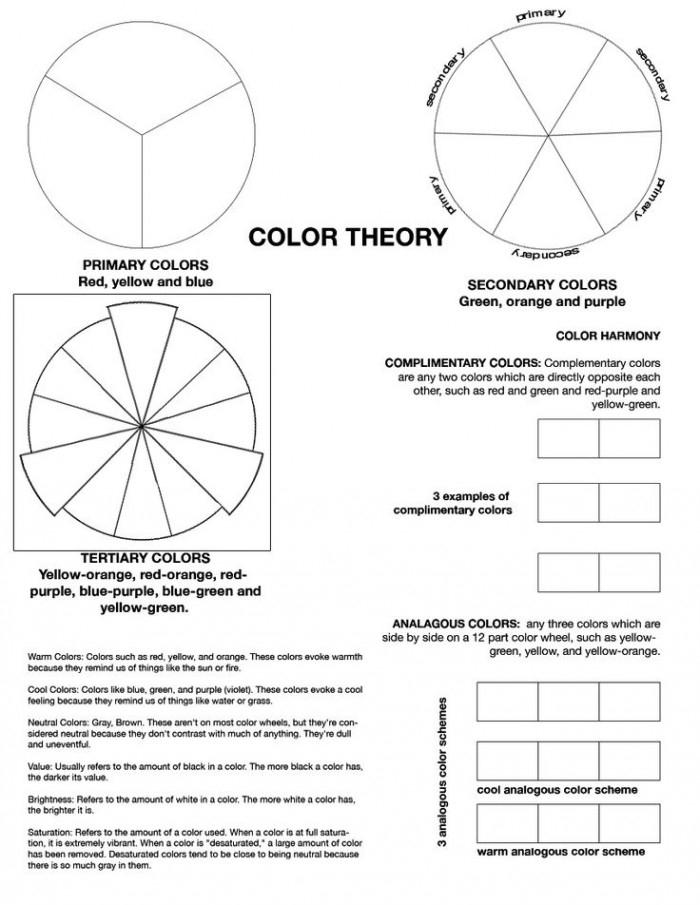
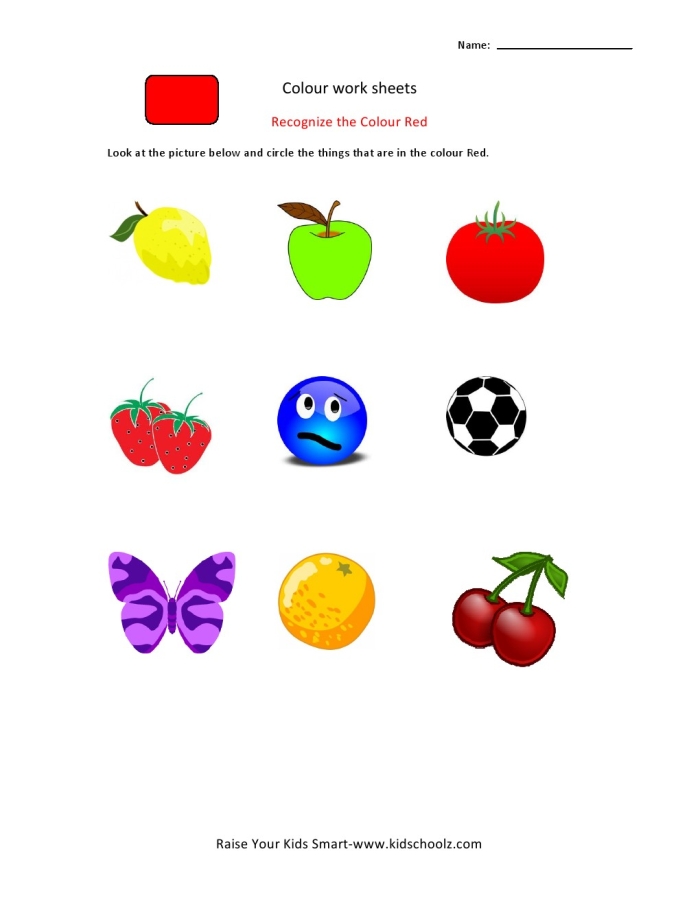
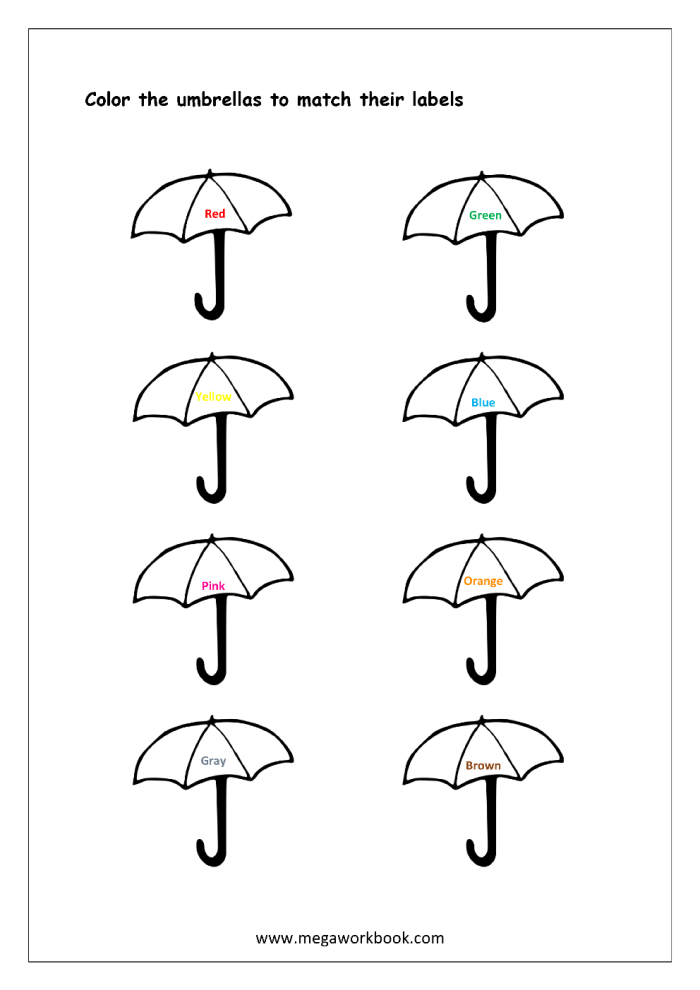
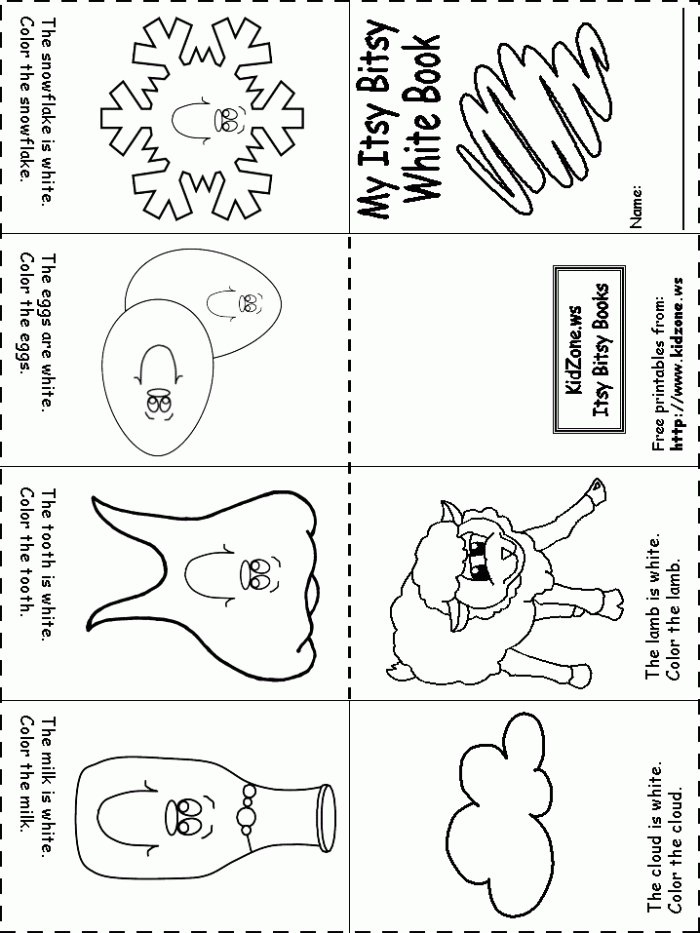
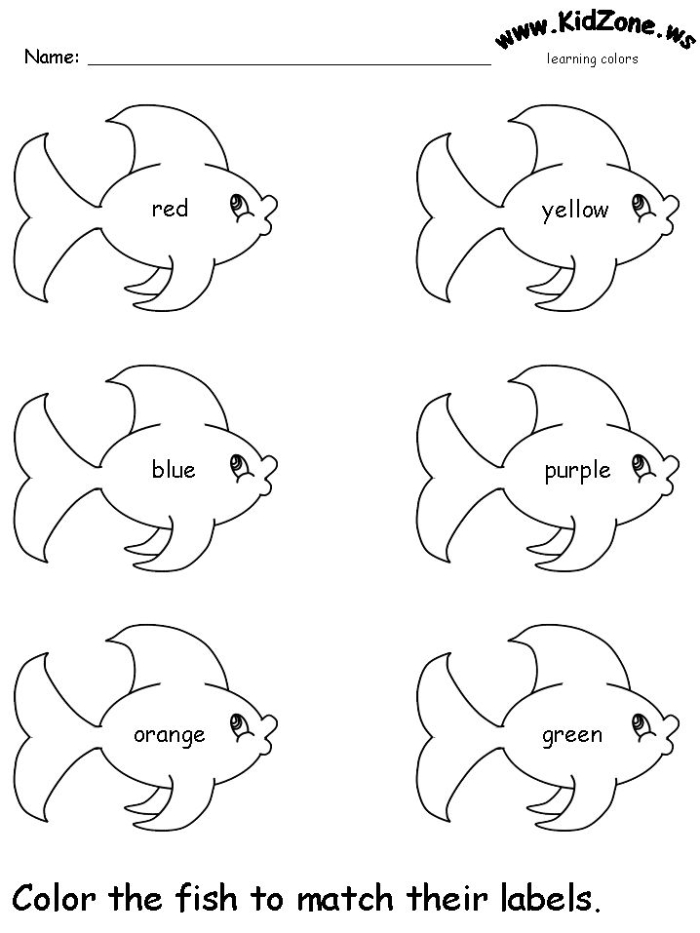
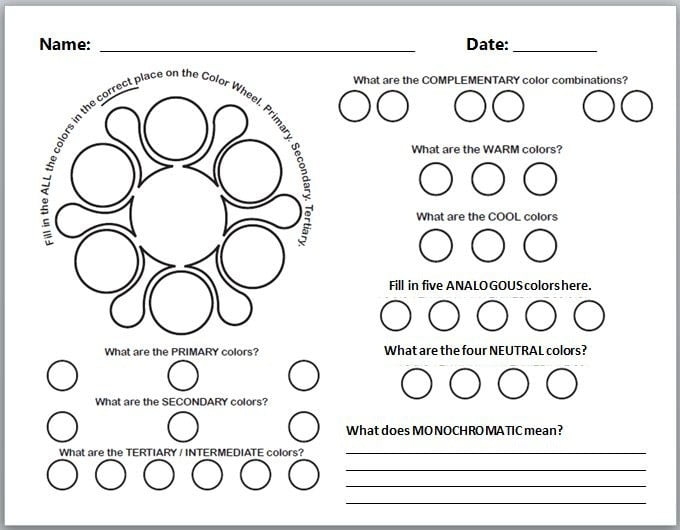
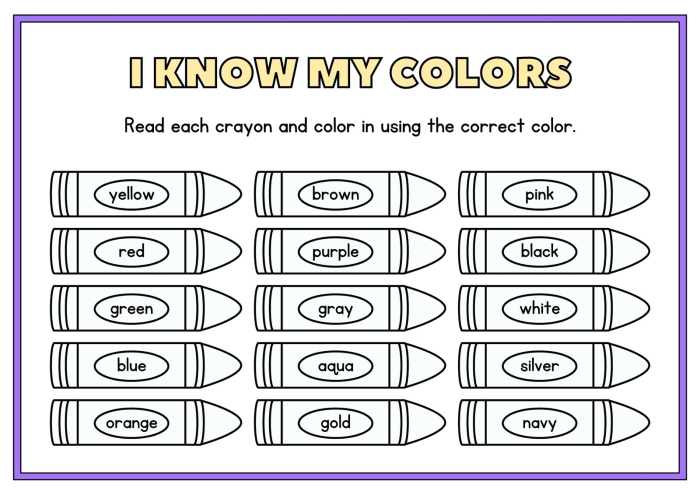
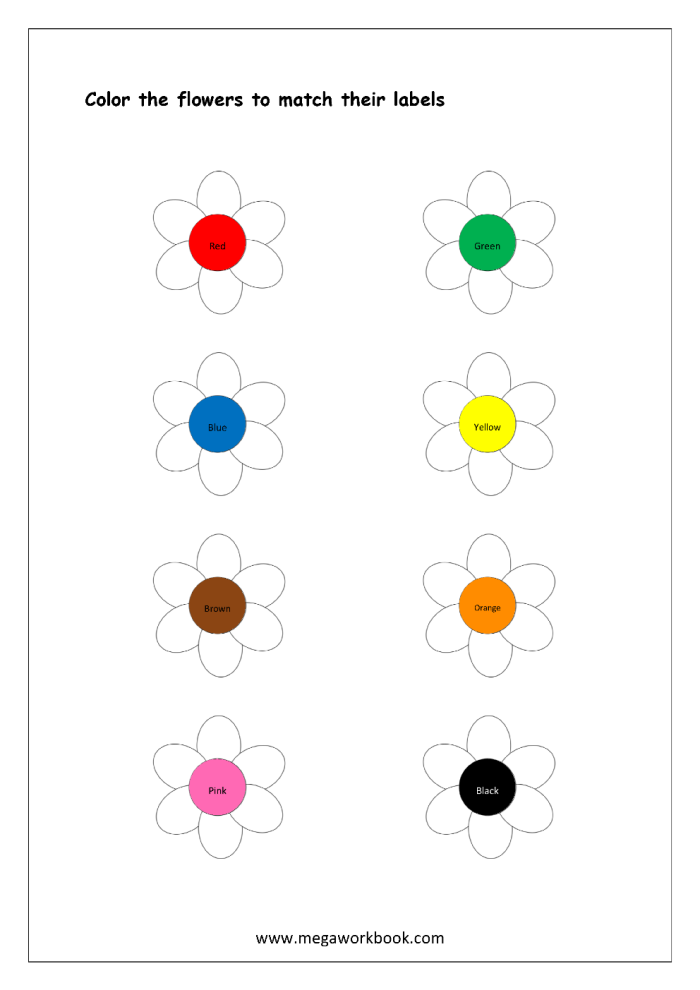
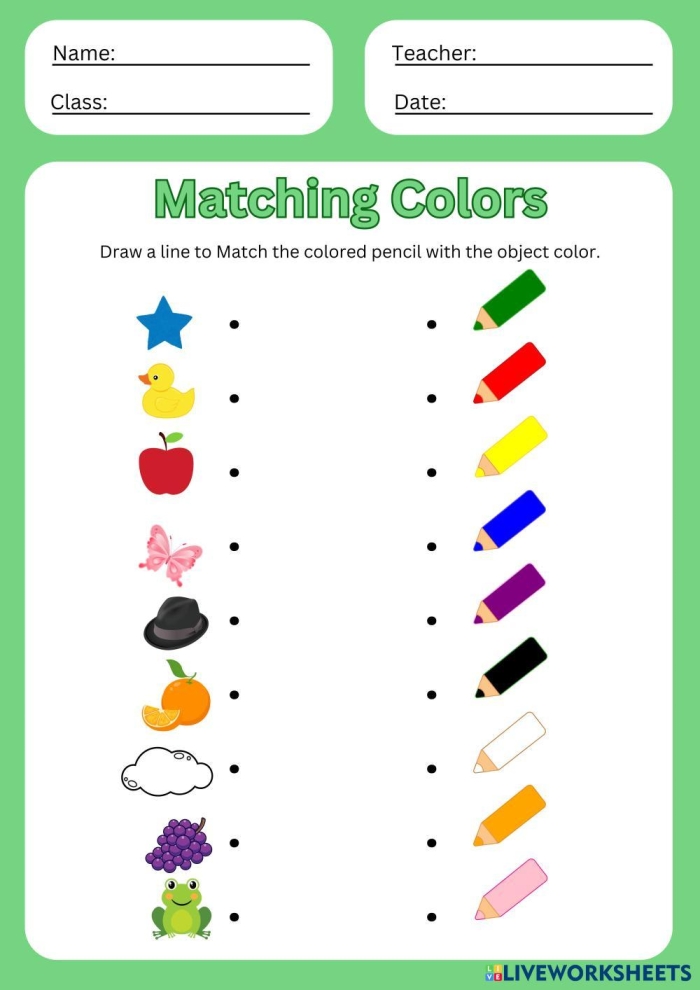
Most Pre-K teachers can tell you that color recognition is one of the foundational skills students need before they’re ready for more complex learning. But knowing the names of colors and actually being able to identify them on demand are two different things. A coloring activity designed as a color knowledge check-in gives you a quick, practical way to see where each child stands.
The beauty of this approach is its simplicity. Rather than drilling colors through flashcards or repetitive naming exercises, you’re observing how students apply color knowledge in a real task. When a child picks up a crayon and colors a picture, they’re demonstrating both recognition and decision-making. Do they grab the red crayon when asked to color the apple? Do they hesitate or confidently select the right shade? These moments reveal whether color learning has actually stuck.
For Pre-K classrooms, this kind of activity serves double duty. While you’re assessing color knowledge, students are also practicing fine motor skills and following directions. The coloring itself keeps them engaged, which means you get more authentic responses than you would from a formal test. Kids are naturally more willing to participate in an activity that feels like play rather than evaluation.
You can make this even more effective by pairing it with other foundational skill-builders. Activities like counting flowers or identifying which item doesn’t belong complement color work nicely. You might also try alphabet path activities alongside color tasks to build multiple skills simultaneously.
The results from a color knowledge check-in give you concrete information about what to review and what to move past. Some students will be ready to advance, while others benefit from more exposure. That’s the real value of checking in regularly rather than assuming everyone’s on the same page.
Start Practicing with These Worksheets