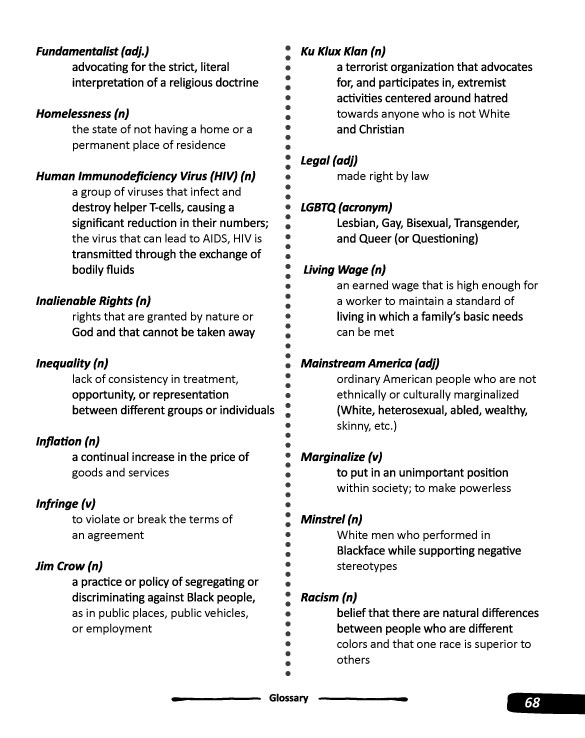
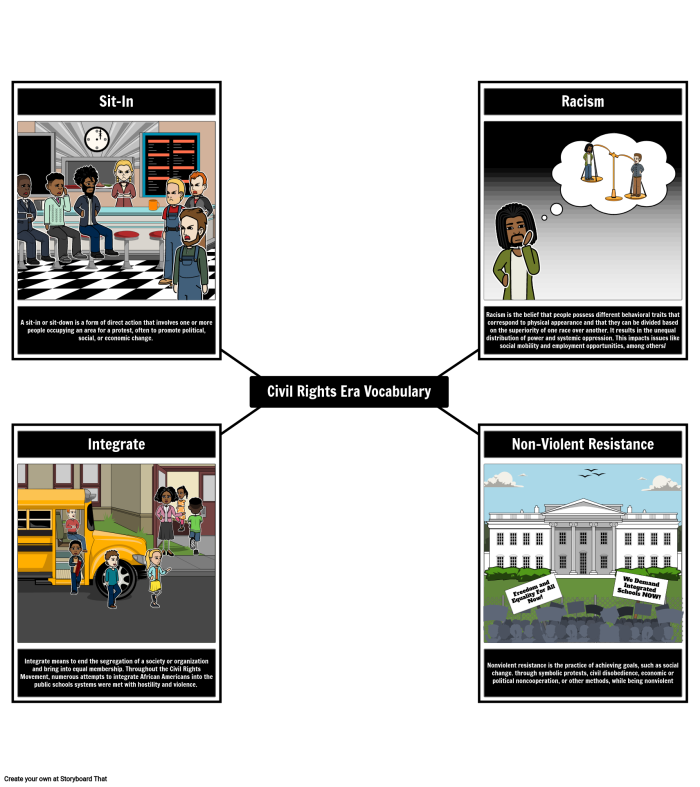
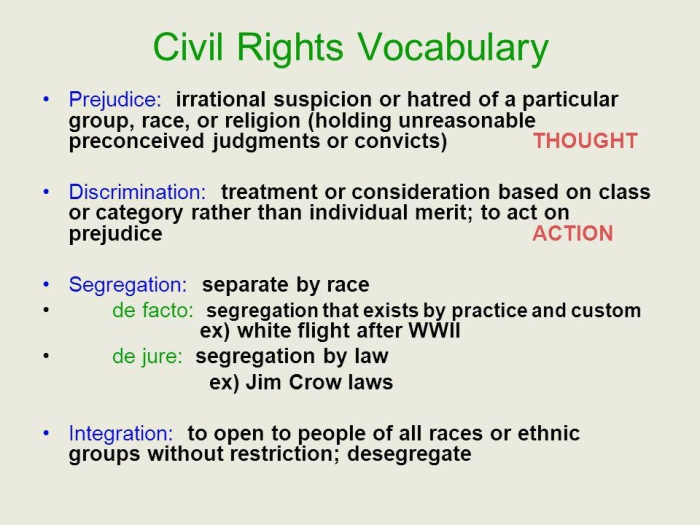
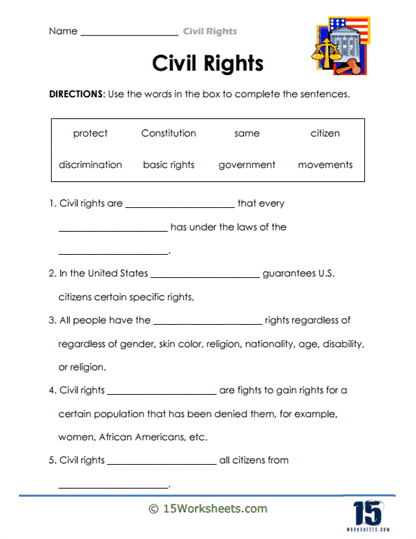
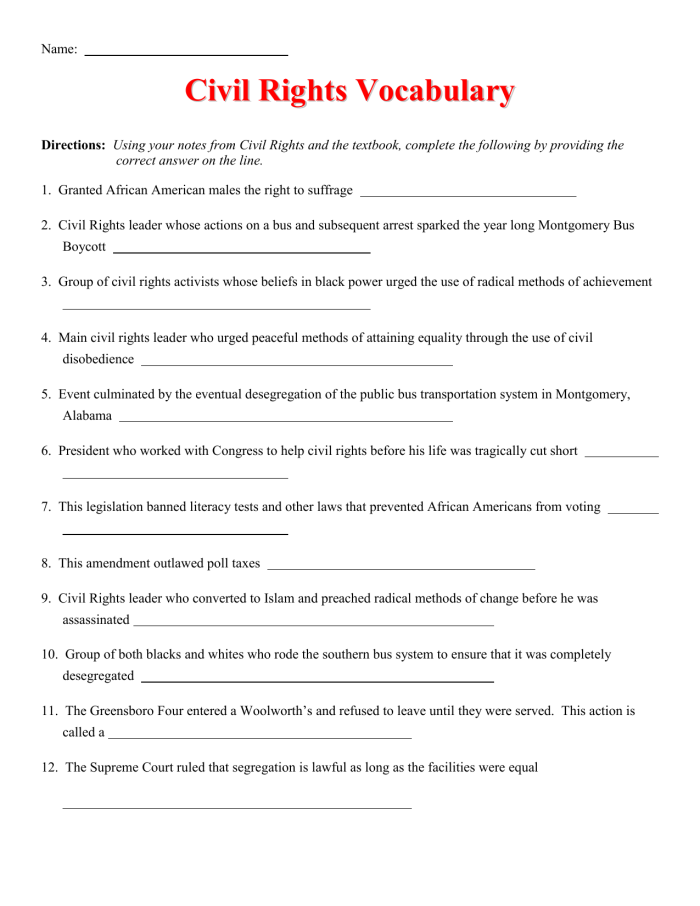
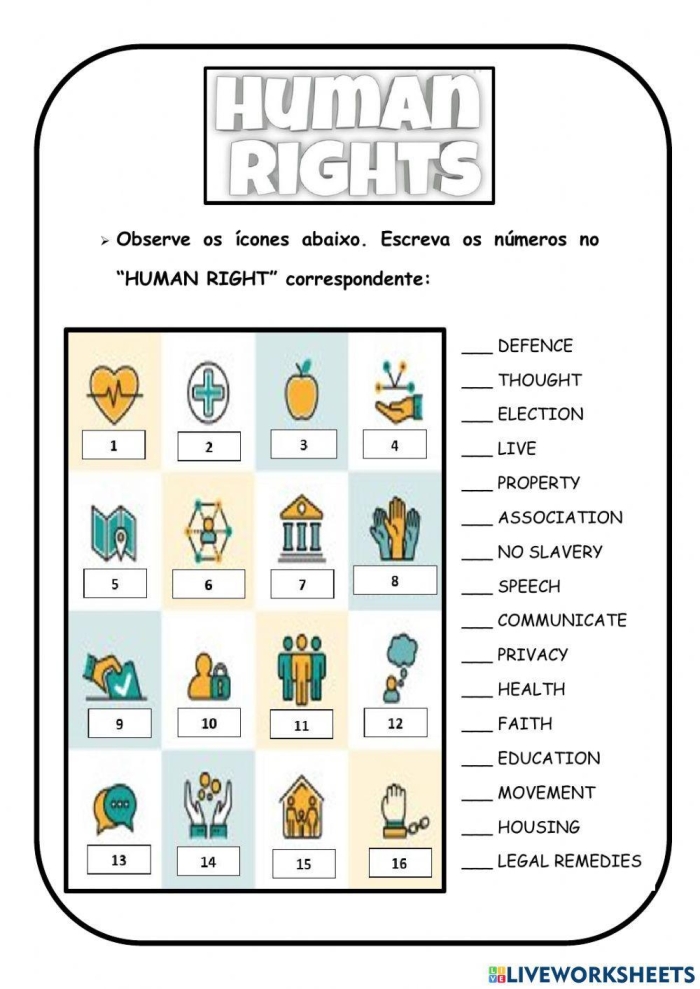
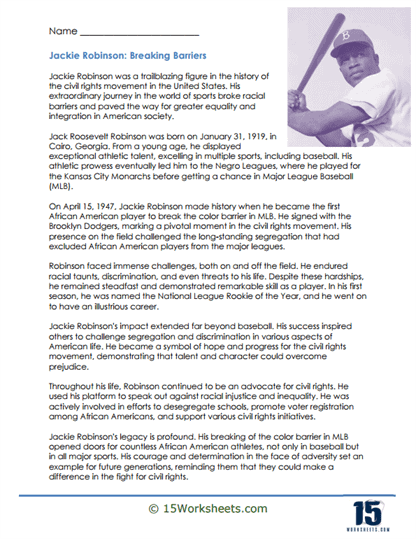
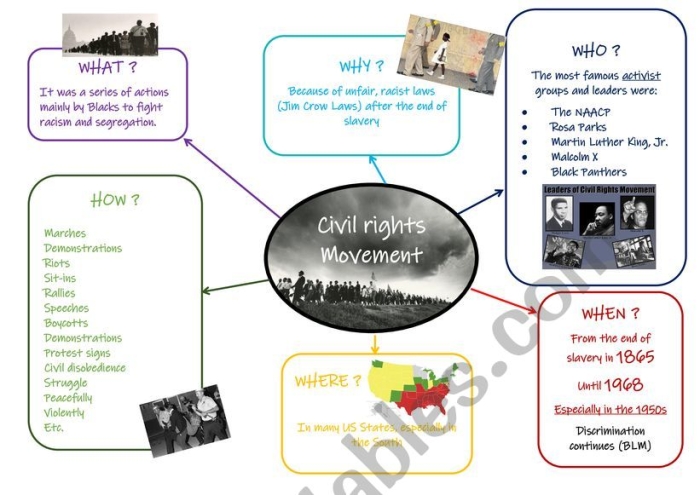
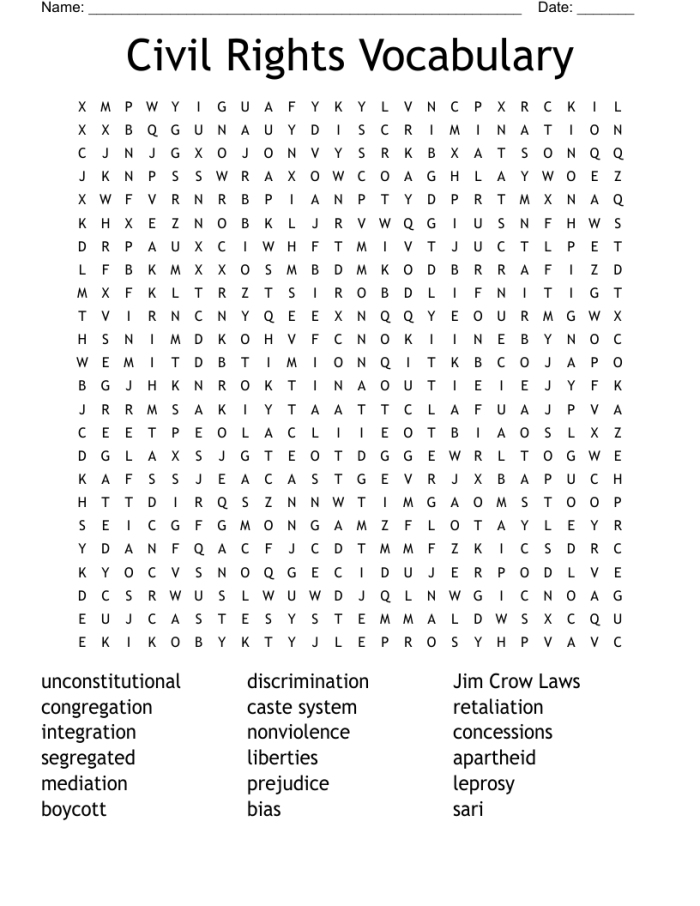
The civil rights movement, both in American history and in contemporary society, is rich with unique vocabulary that expresses the struggles, triumphs, and ongoing fight for equality. Understanding this specialized language is essential for anyone looking to grasp the depth of these movements. Terms like “segregation,” “discrimination,” and “justice” have powerful meanings that resonate deeply within the context of civil rights.
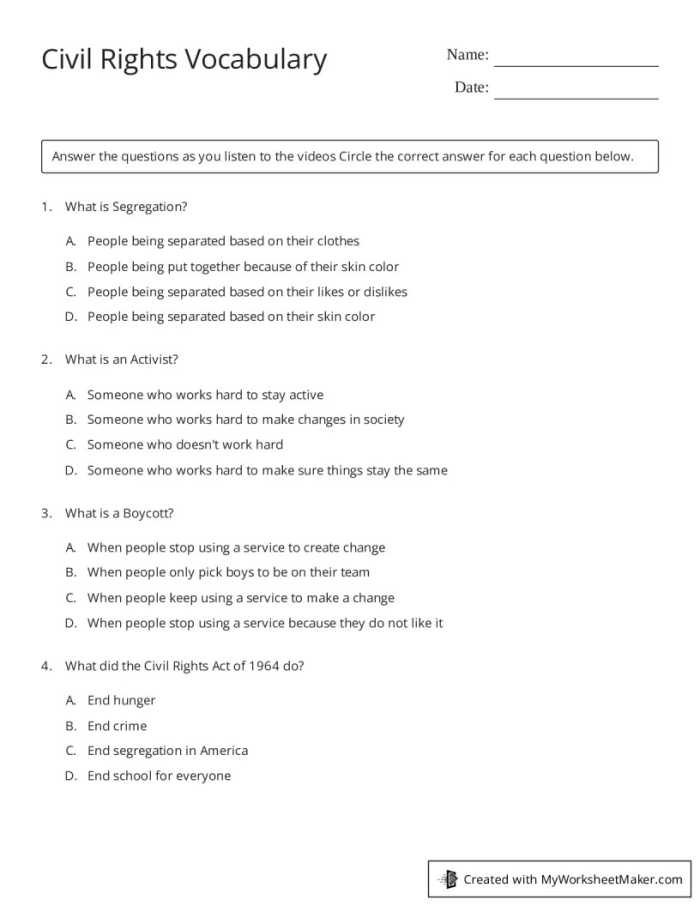
Take “segregation,” for example. Historically, it referred to the enforced separation of races, particularly in the South, where laws dictated that African Americans and whites could not share public spaces. This term still applies today as various forms of social and economic segregation persist, highlighting that the fight for integration is ongoing. Additionally, the word “discrimination” encompasses not just racial inequality but also gender, sexual orientation, and disability rights, reflecting a broader spectrum of civil rights issues.
Language evolves, and so does the vocabulary of civil rights. The term “intersectionality,” coined by Kimberlé Crenshaw, has gained traction in recent years. It emphasizes how different aspects of a person’s identity—race, gender, class, and more—interact to create unique experiences of oppression. Understanding such terms is vital for engaging in meaningful discussions about equality and social justice.
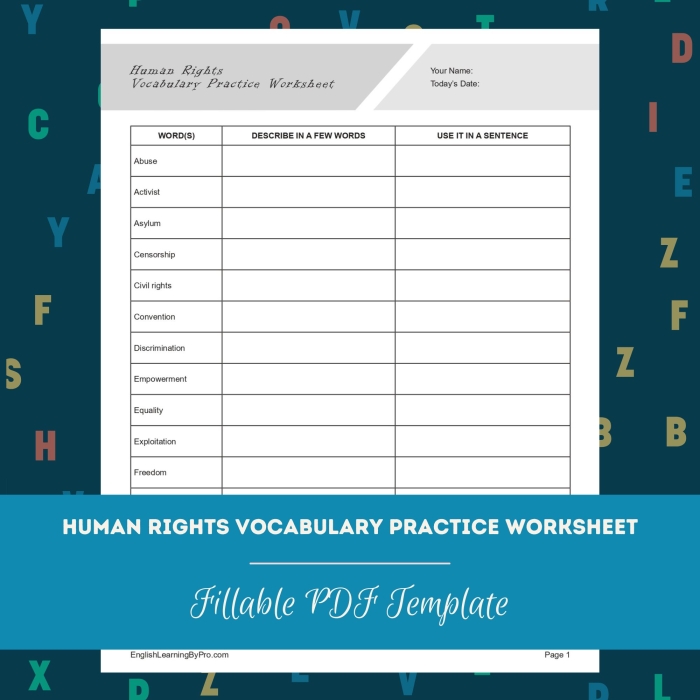
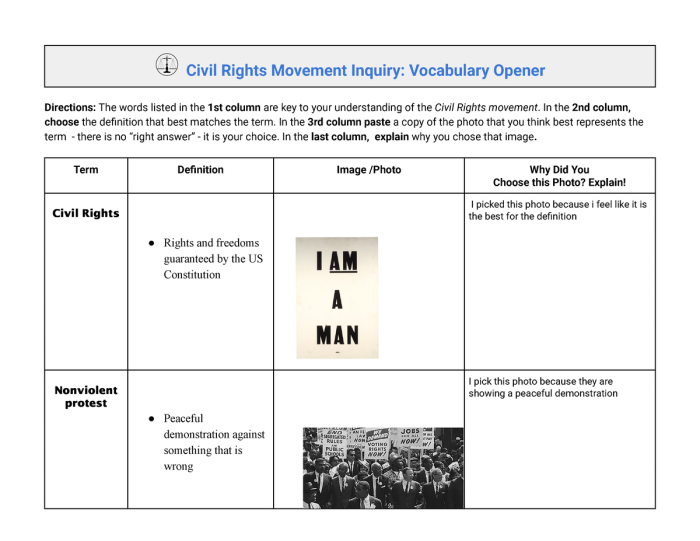
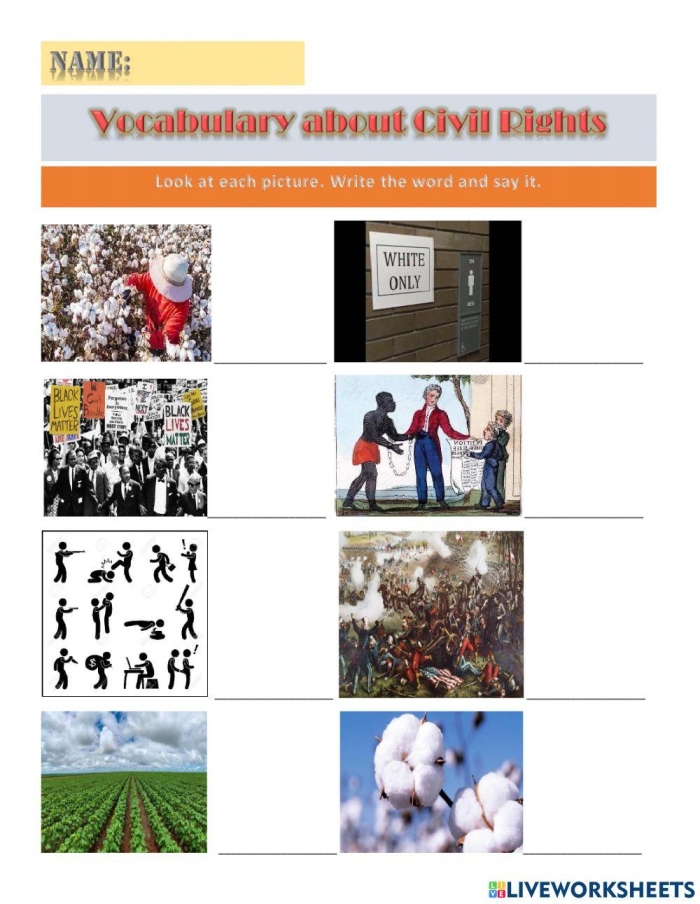
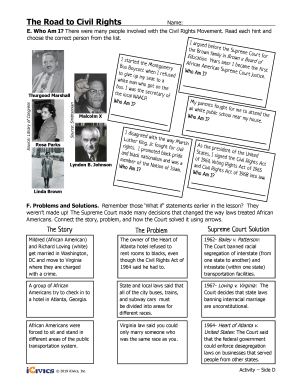
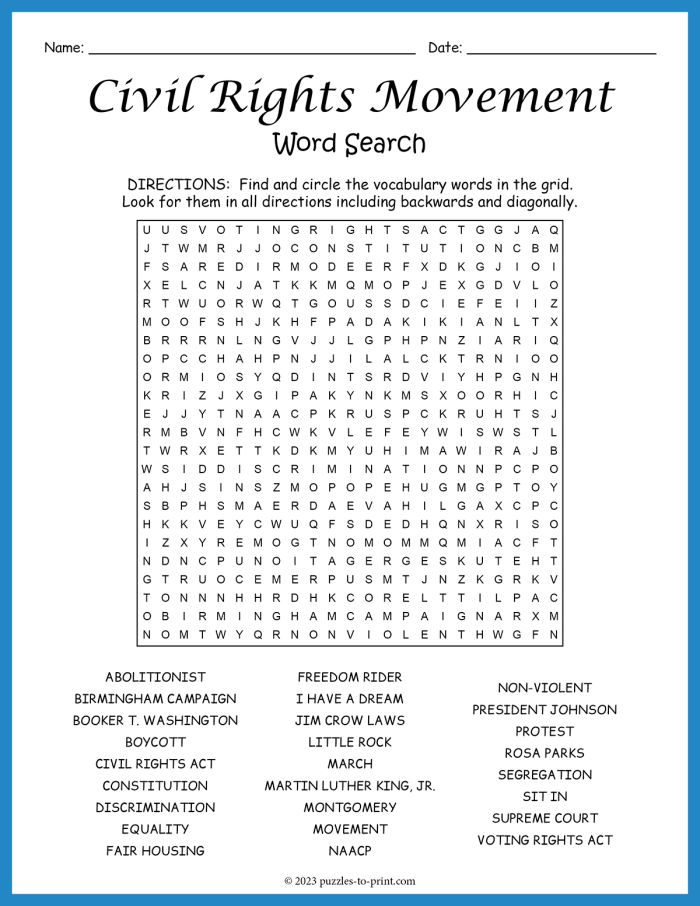
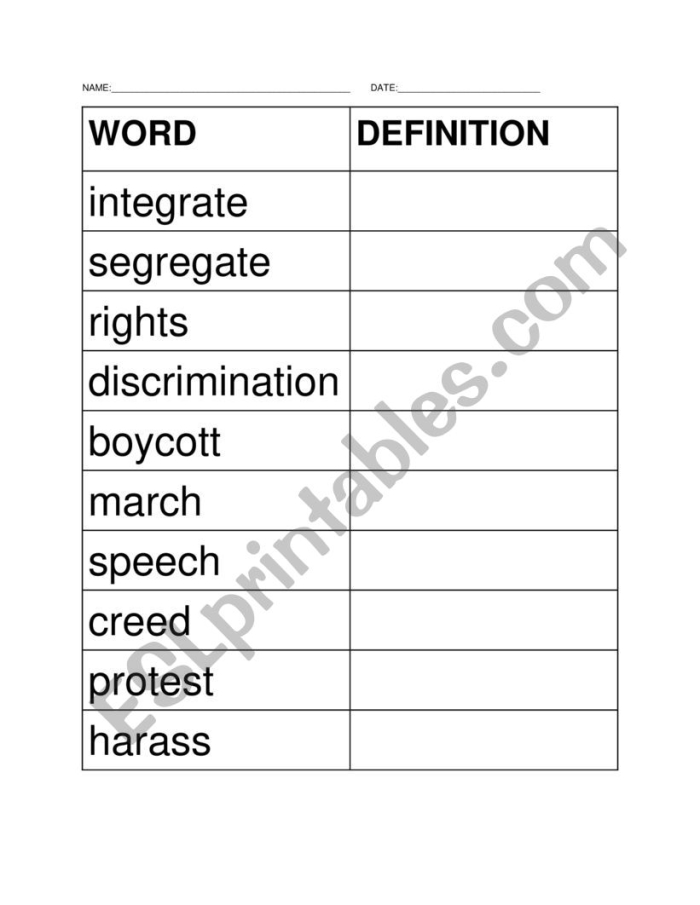
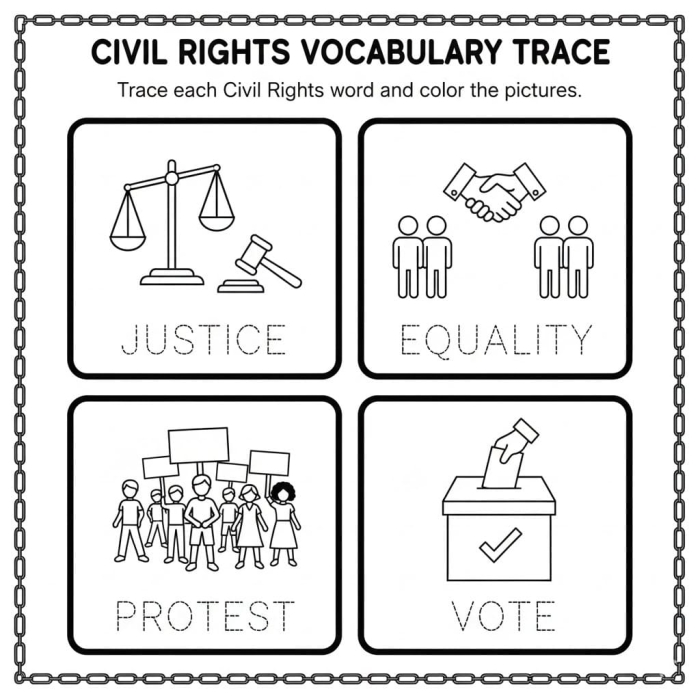
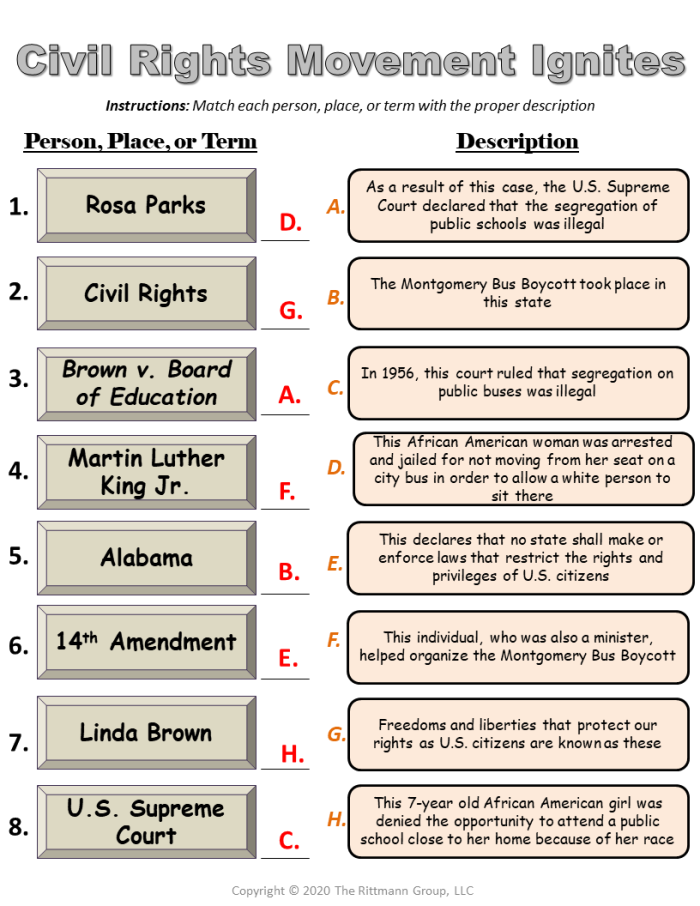
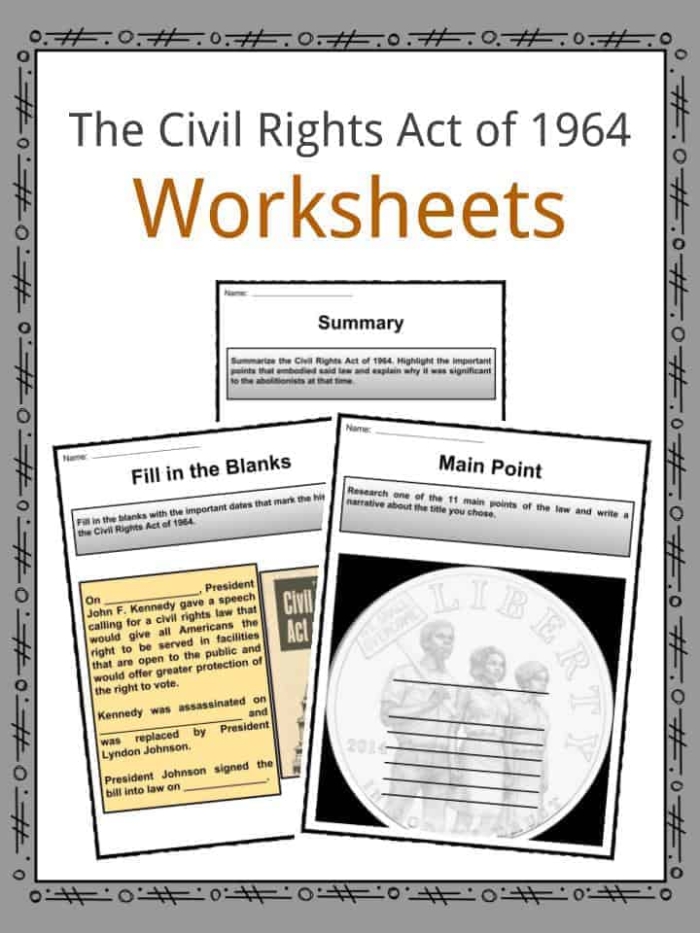
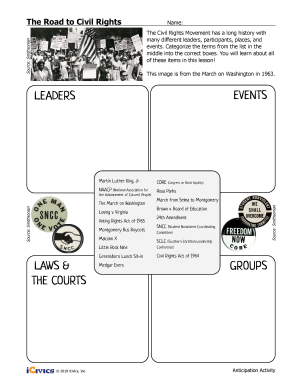
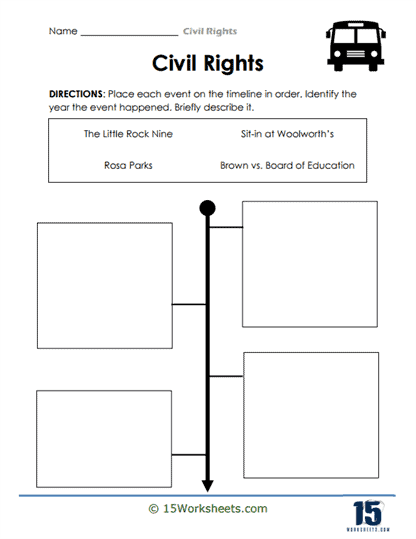
For fifth graders learning about these concepts, incorporating civil rights vocabulary into their studies can enhance their understanding of history and its relevance today. Printable civil rights vocabulary worksheets can serve as excellent resources for teachers, helping students connect with the material in a structured way. Engaging with vocabulary not only bolsters grammar and mechanics skills but also fosters critical thinking about important social issues.
As we continue to address civil rights challenges today, the language we use remains a powerful tool in advocating for change. Familiarity with this vocabulary empowers individuals to articulate their thoughts and participate actively in ongoing dialogues about justice and equality.
Practice with These Worksheets