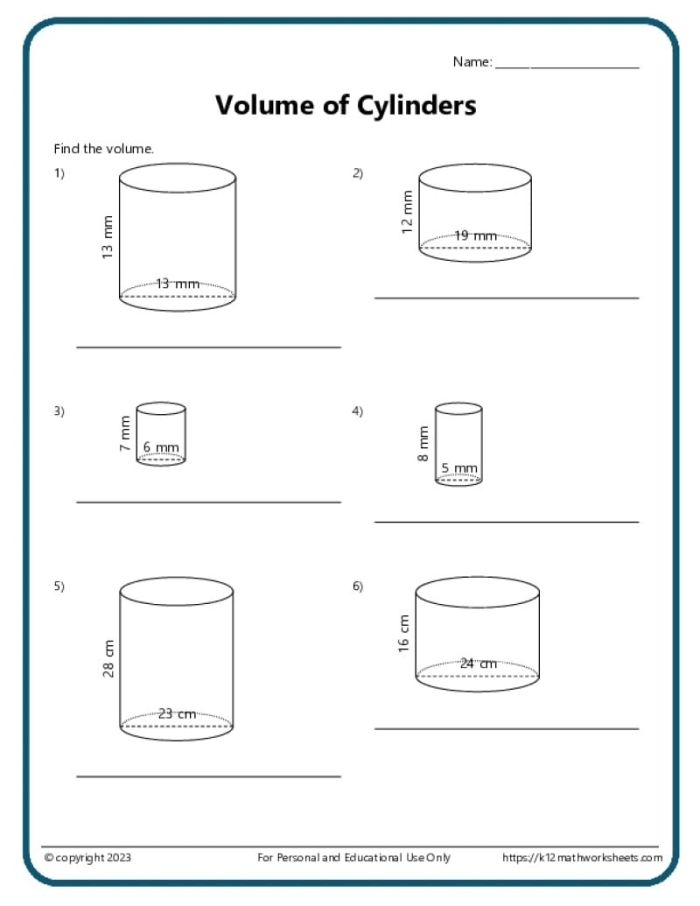
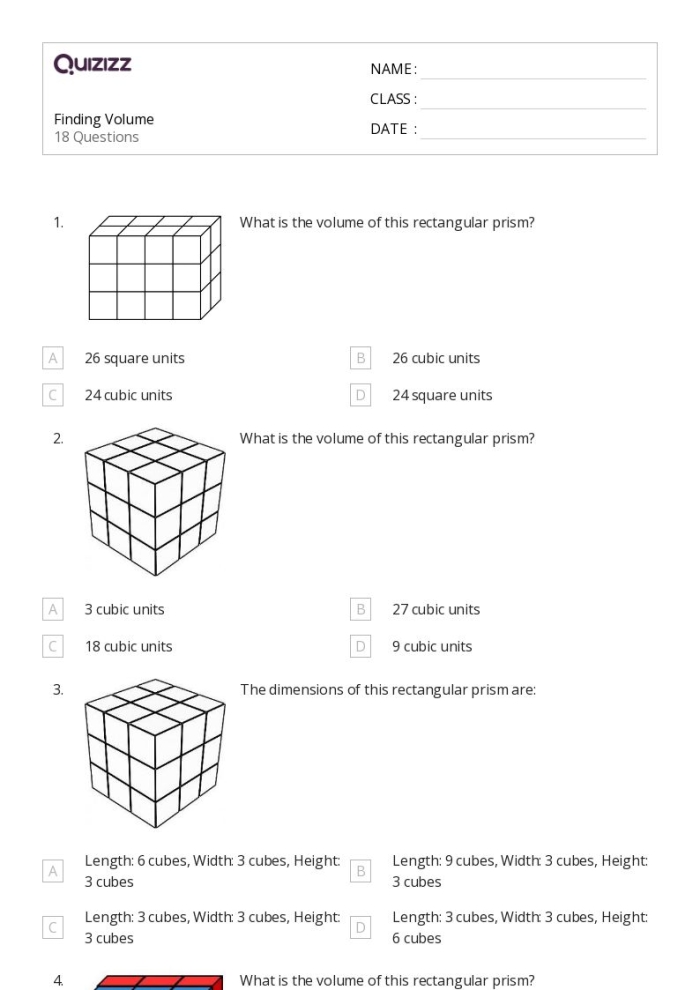
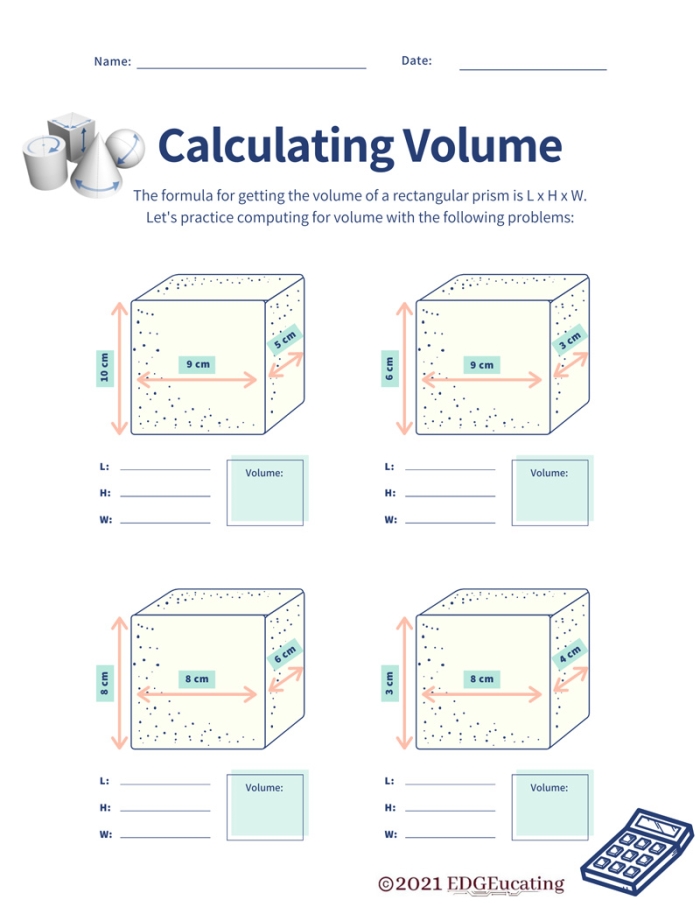
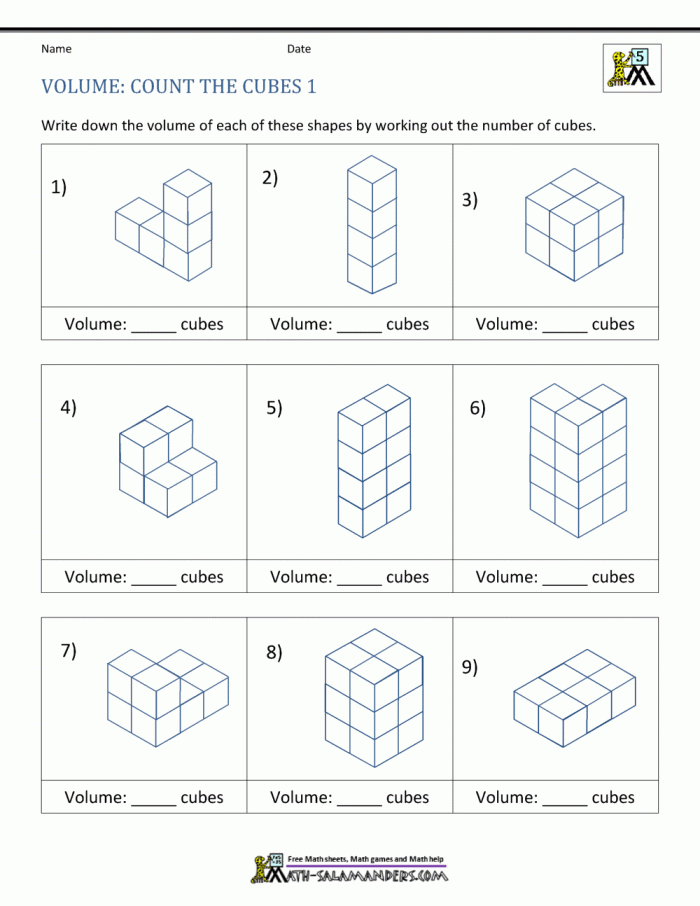
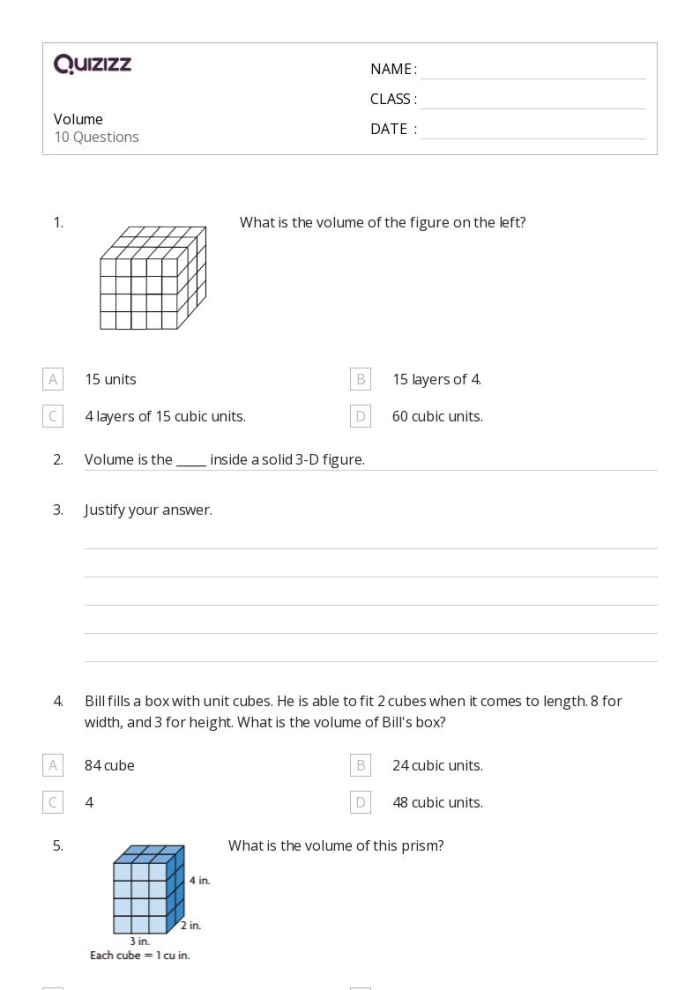
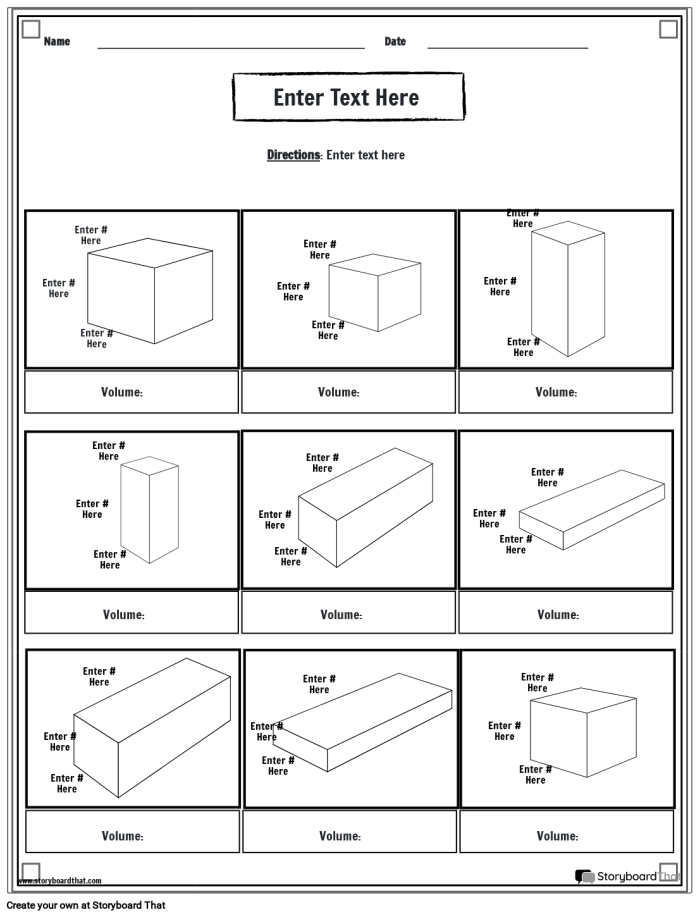
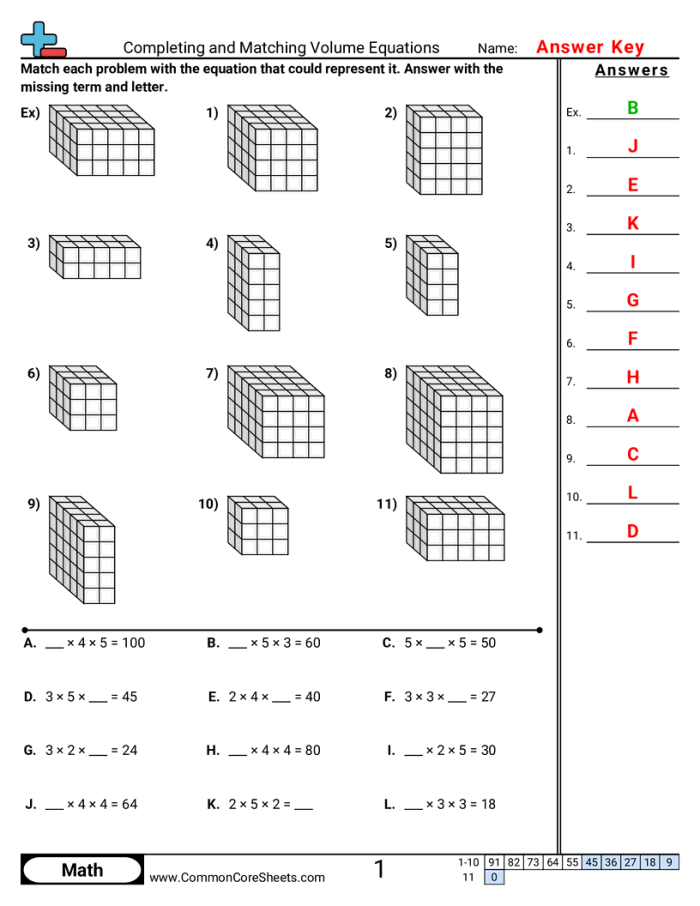
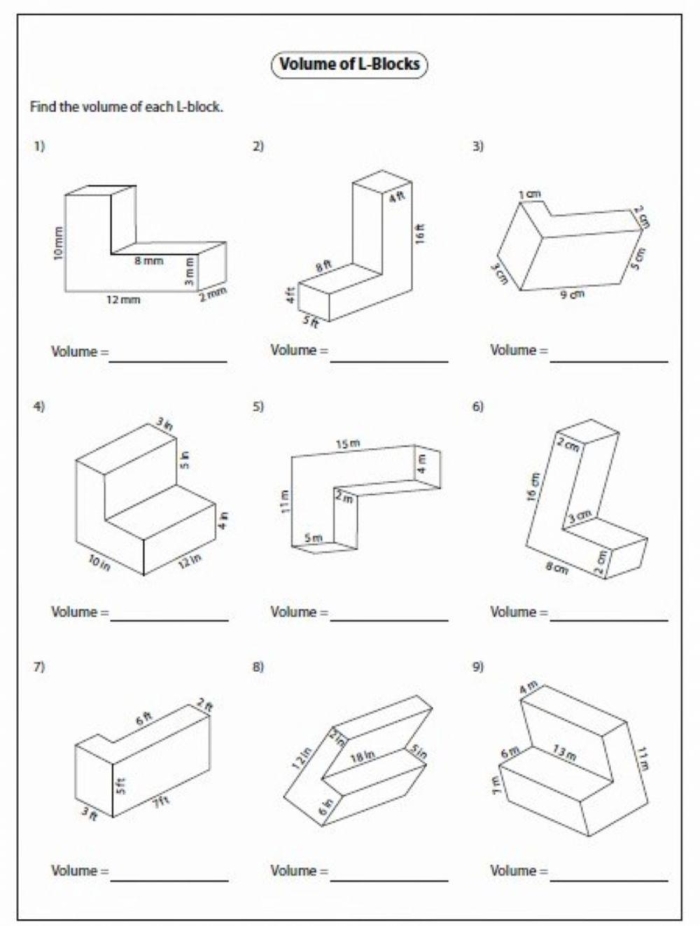
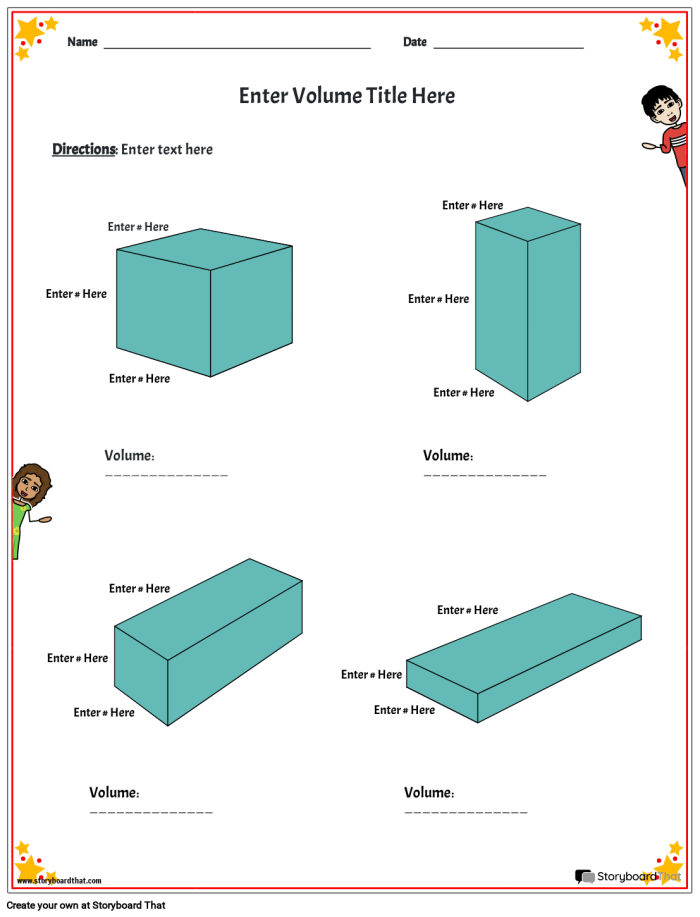
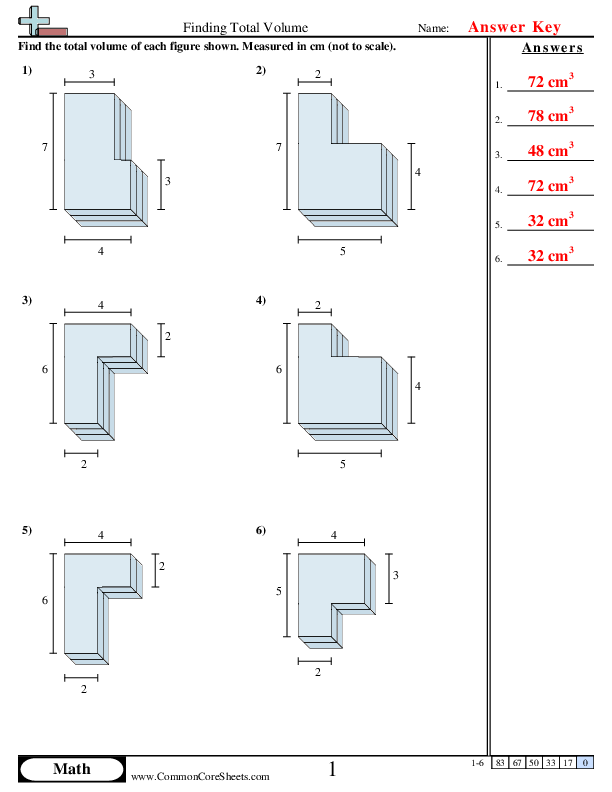
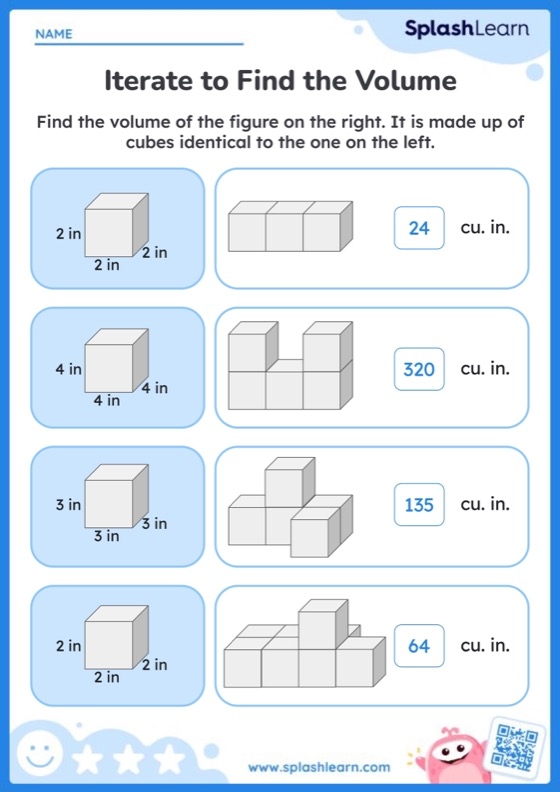
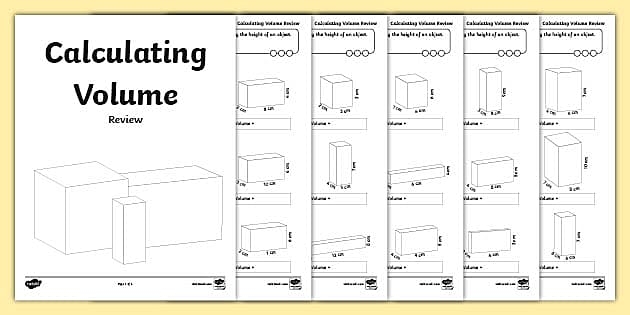
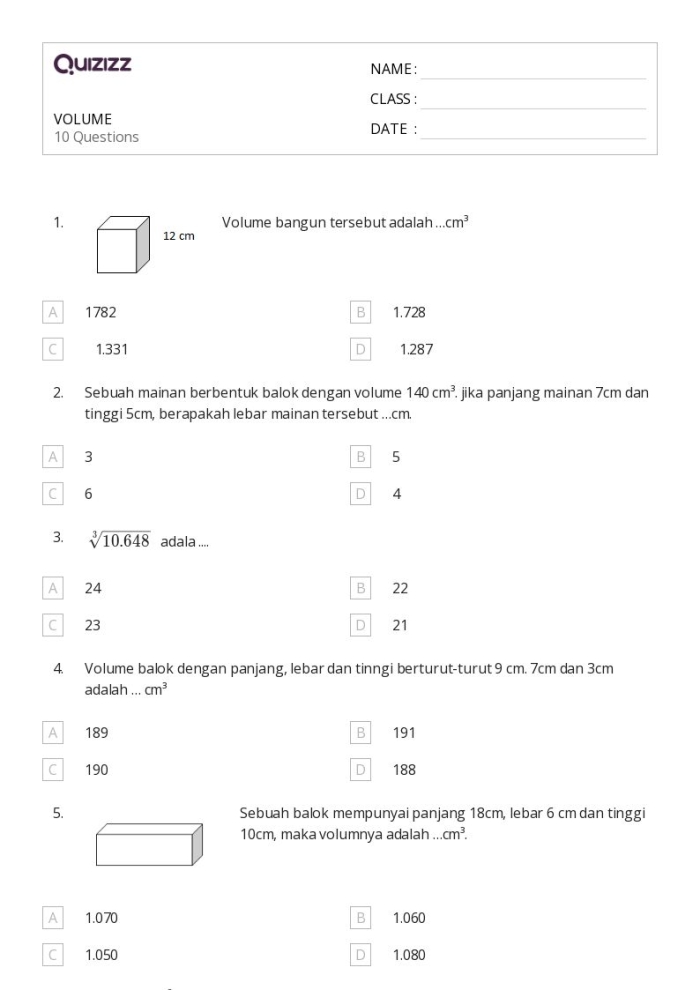
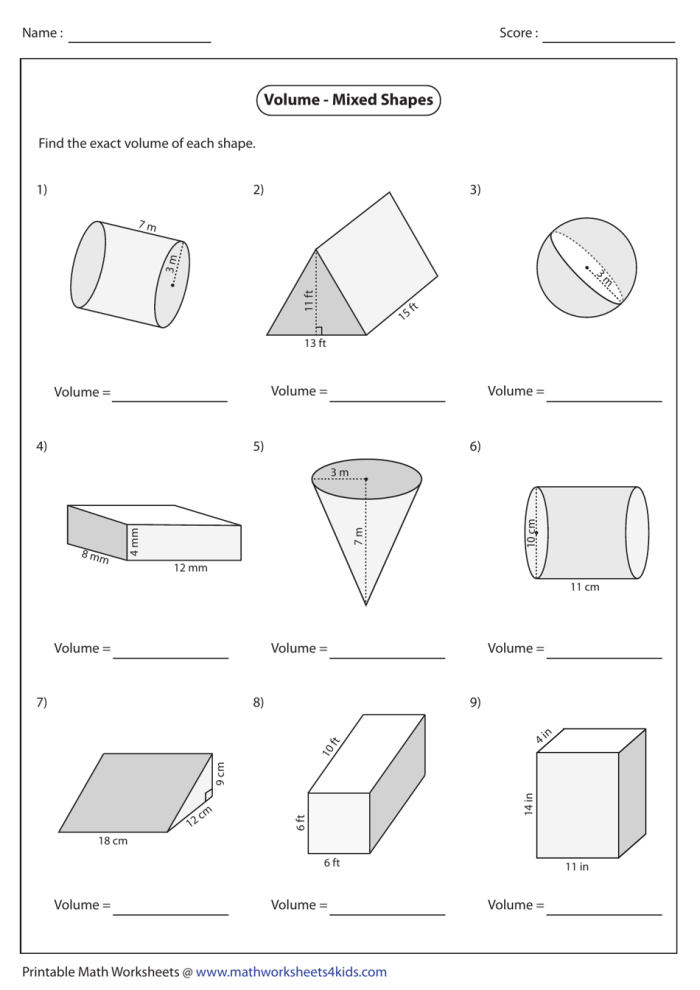
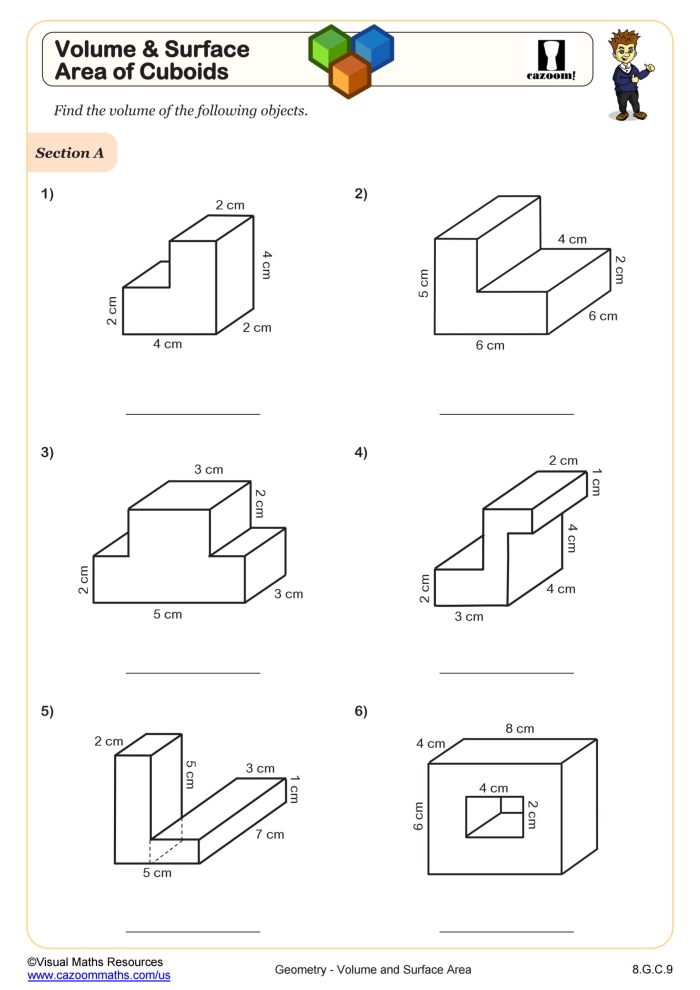
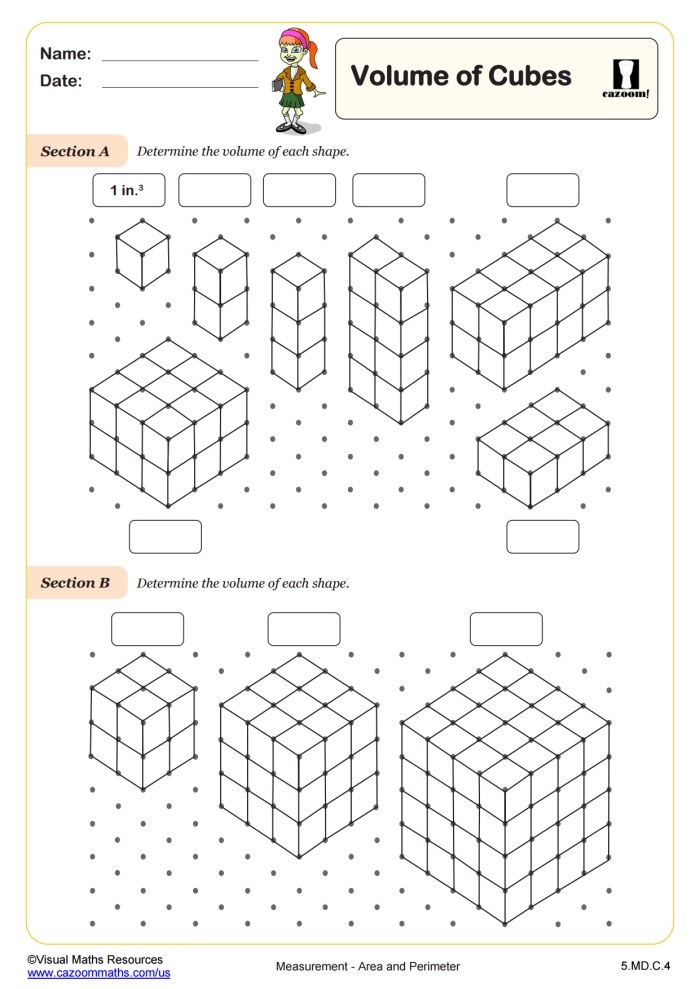
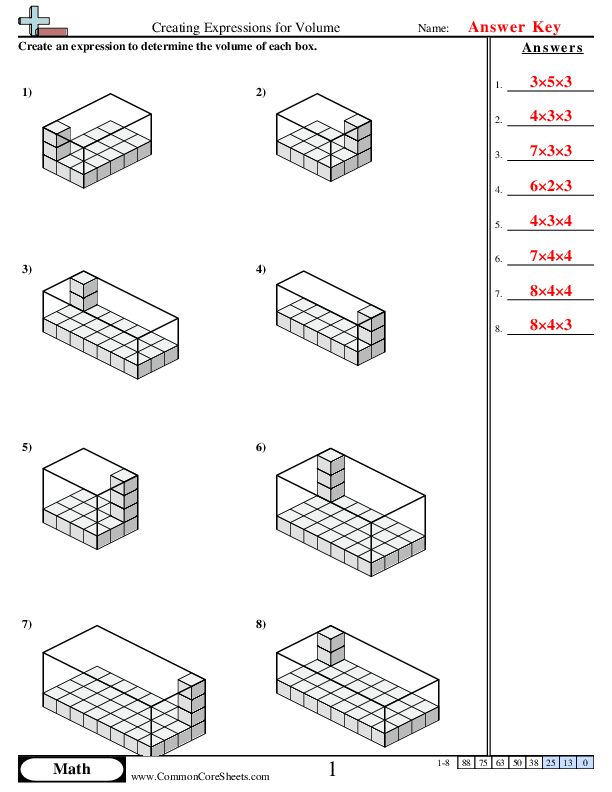
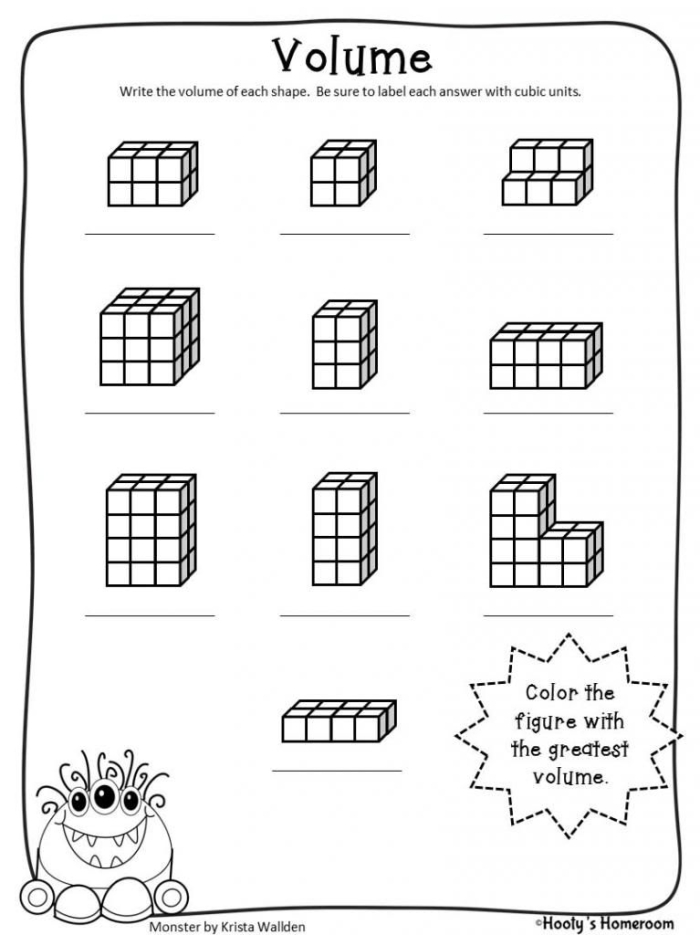
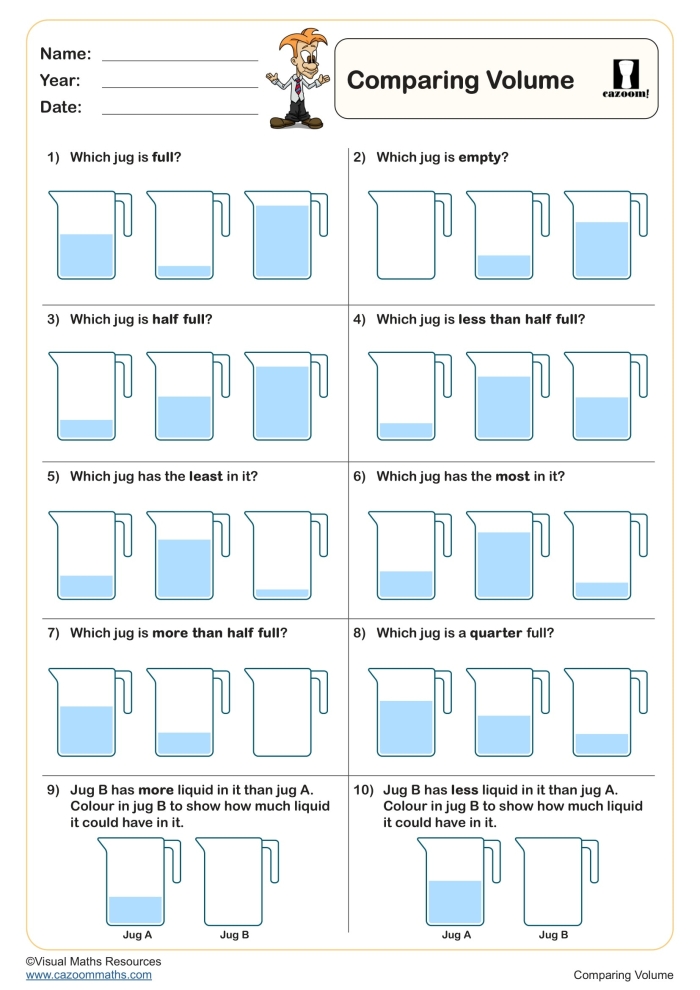
Understanding volume is essential for students as they progress in mathematics. It is a fundamental concept in geometry that lays the groundwork for more advanced topics in upper-level math. This is where a well-structured worksheet focused on calculating volume can make a significant difference for fifth graders. These worksheets provide students with a practical way to practice and reinforce their understanding of volume.
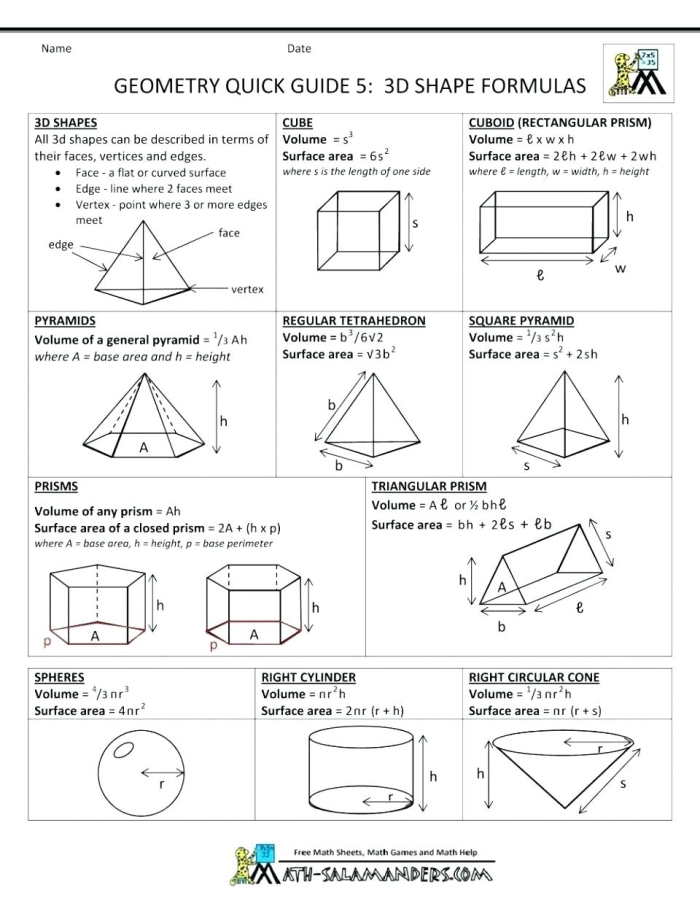
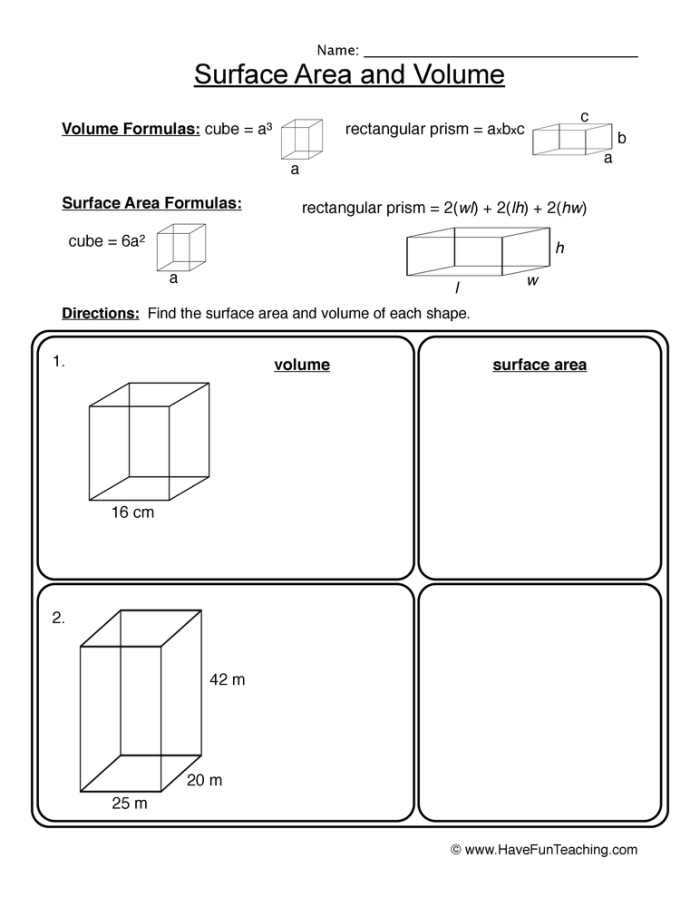
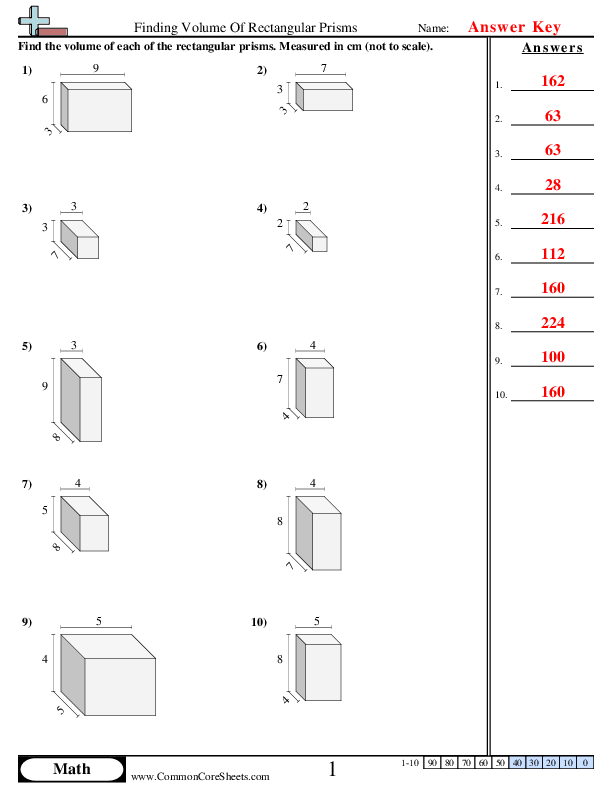
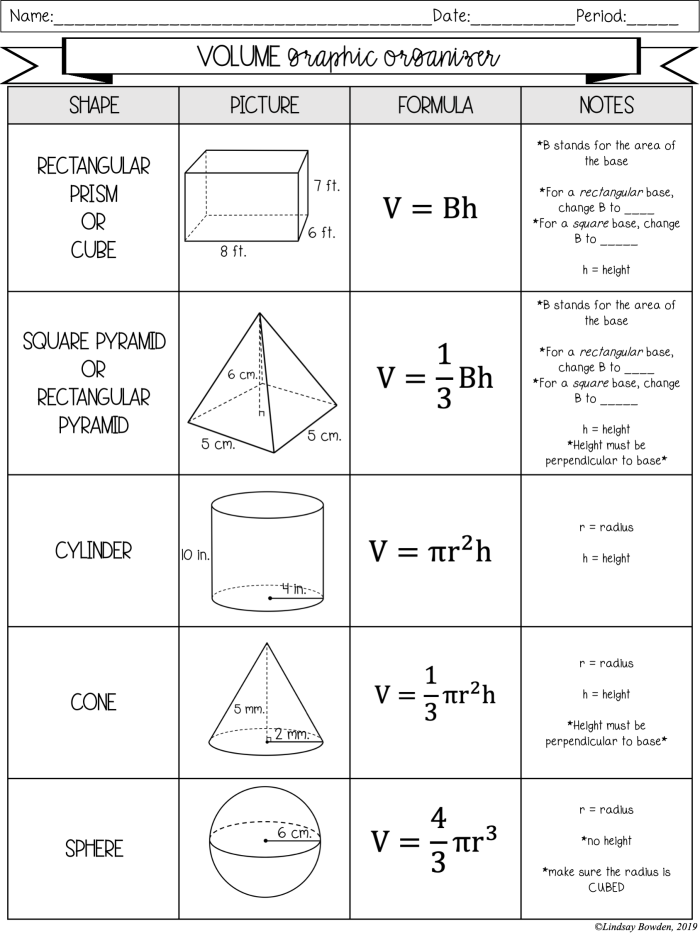
Calculating volume involves determining the amount of space an object occupies, typically measured in cubic units. For example, when working with rectangular prisms, students learn to multiply length, width, and height to find the volume. This hands-on approach not only enhances their computation skills but also helps them visualize and comprehend the dimensions of three-dimensional objects.
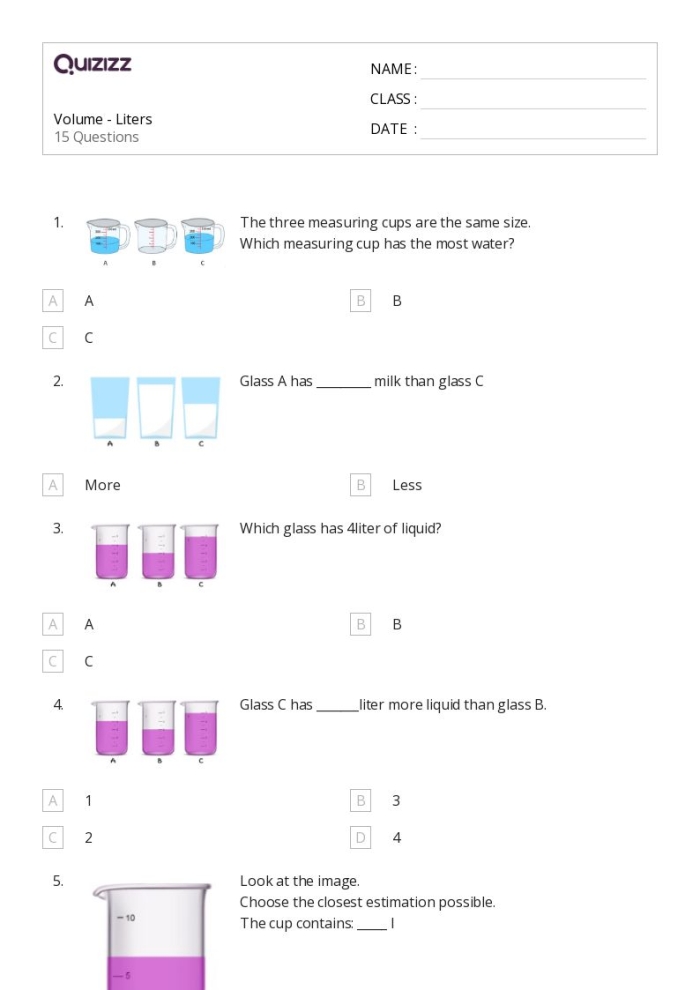
One practical benefit of these worksheets is that they often include real-world scenarios. By applying mathematical concepts to everyday situations, such as figuring out how much water a fish tank can hold or how many boxes can fit in a storage unit, students can see the relevance of what they are learning. Engaging with these kinds of problems helps solidify their understanding and keeps them motivated.
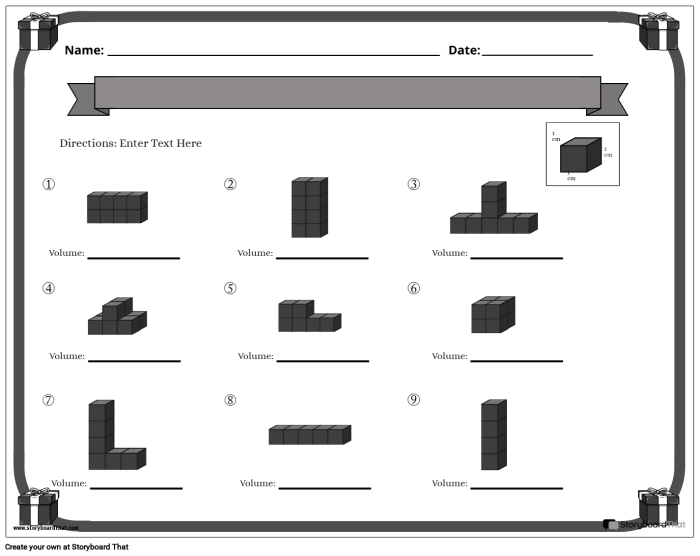
Moreover, these worksheets can vary in complexity, offering a range of problems that cater to different learning paces. This adaptability is crucial in a classroom setting, allowing teachers to provide support where needed while challenging students who are ready to advance. For instance, worksheets can introduce concepts like volume of composite shapes, which encourages critical thinking and problem-solving skills.
For teachers seeking additional resources, worksheets on related topics, like line plots or rounding, can complement volume practice. By integrating various mathematical concepts, educators can create a well-rounded curriculum that enhances students’ skills in numbers and counting.
Start Practicing with These Worksheets