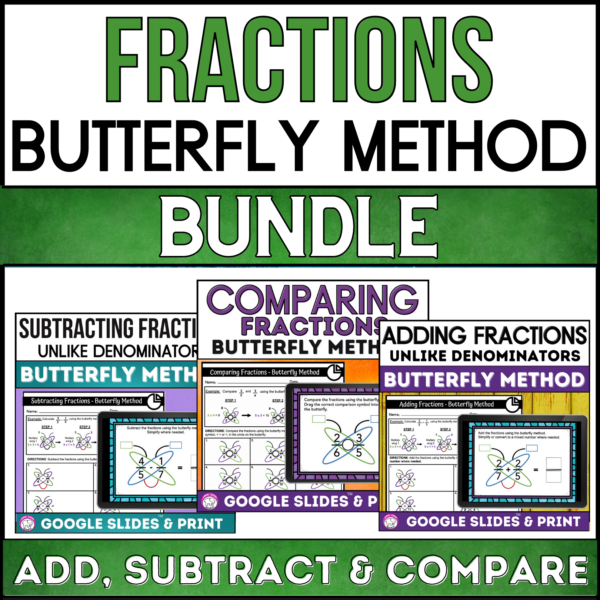
Struggling with fraction subtraction can be frustrating, especially for fifth graders. The butterfly method for fractions offers a visual and intuitive way to tackle these challenges, making the process simpler and more engaging for young learners.
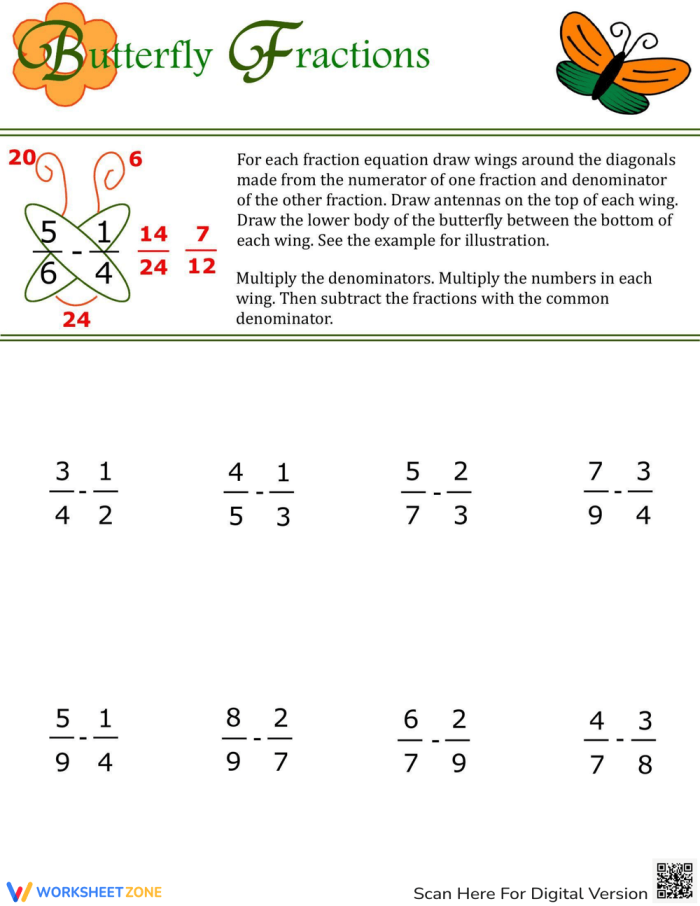
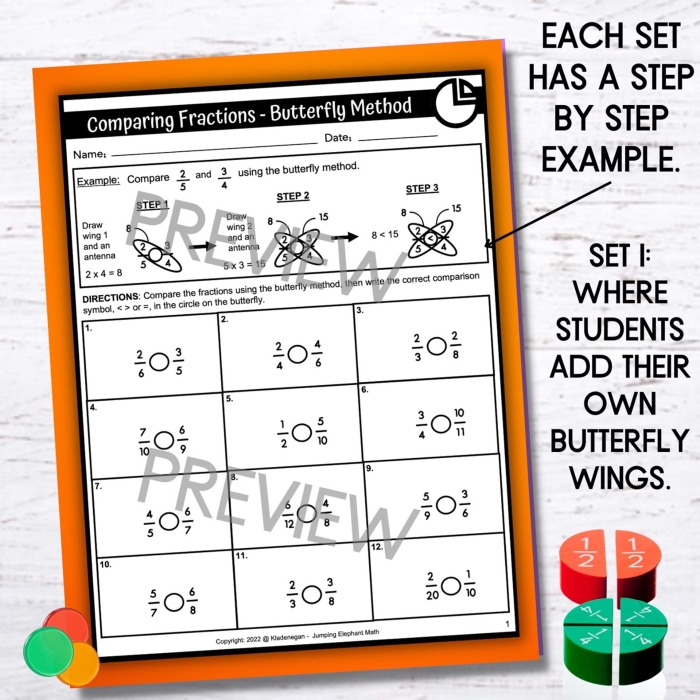
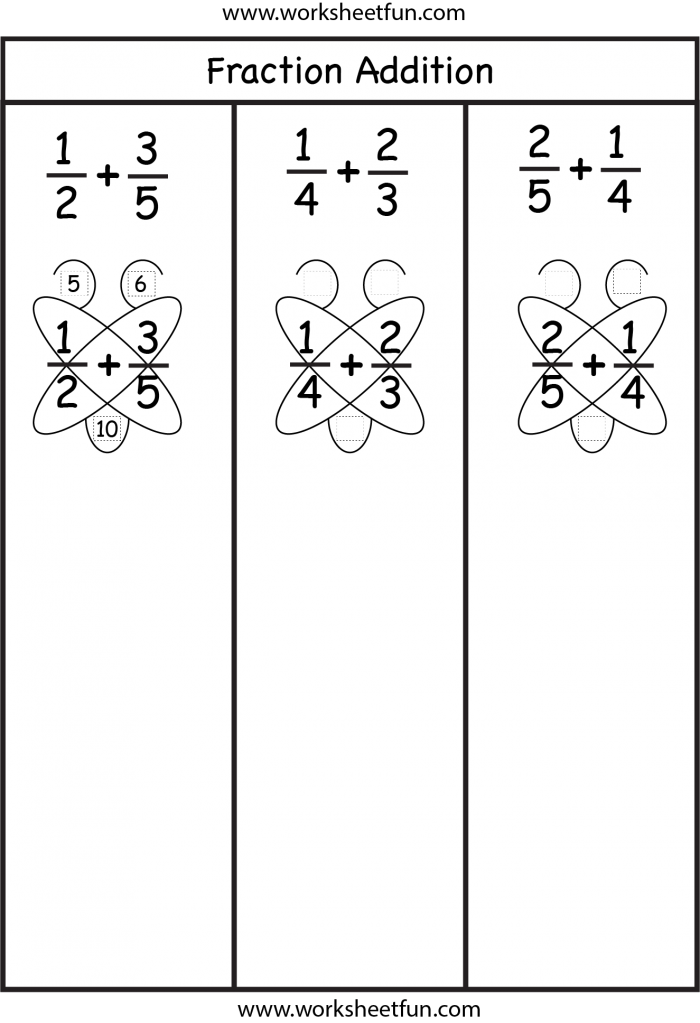
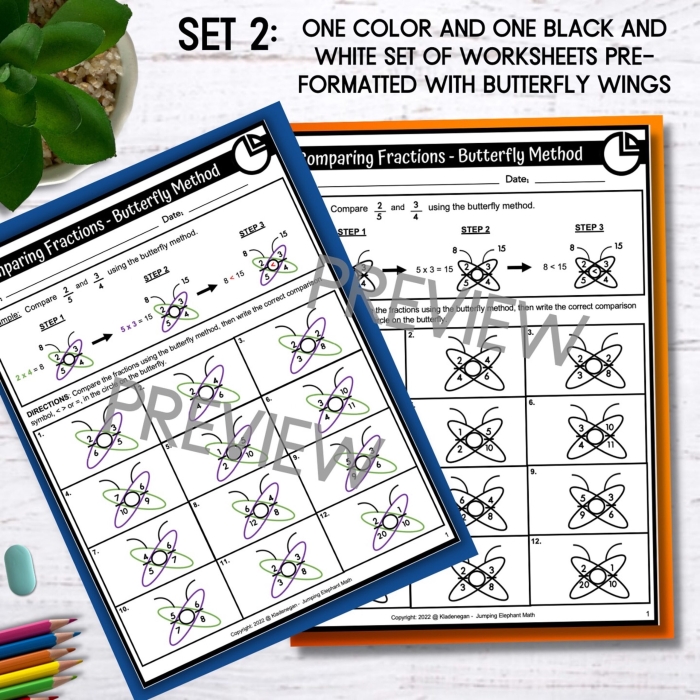
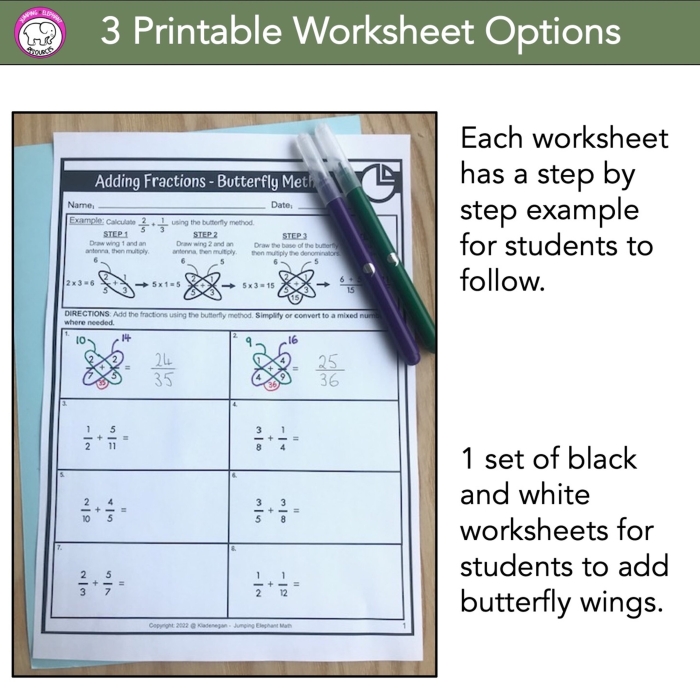
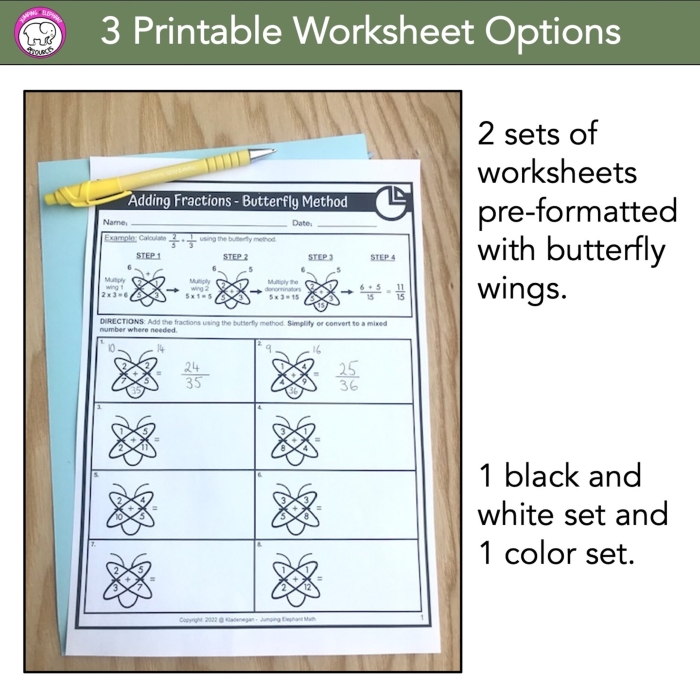
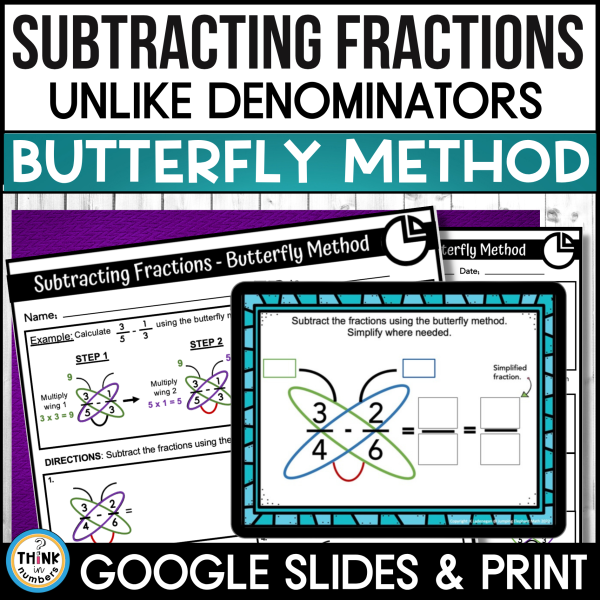
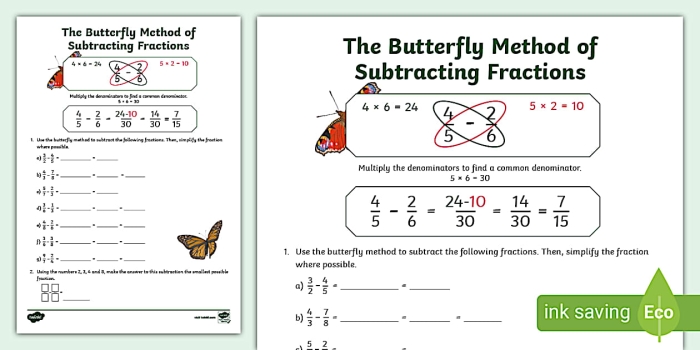
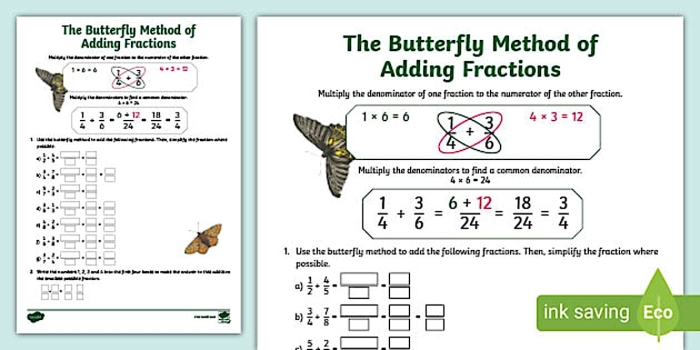
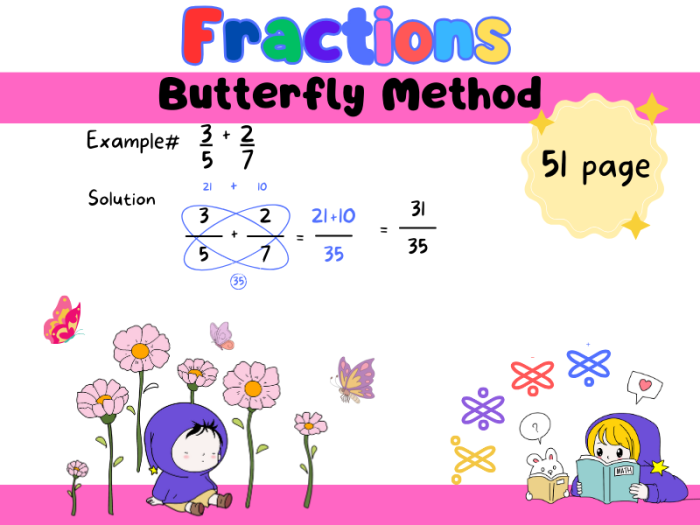
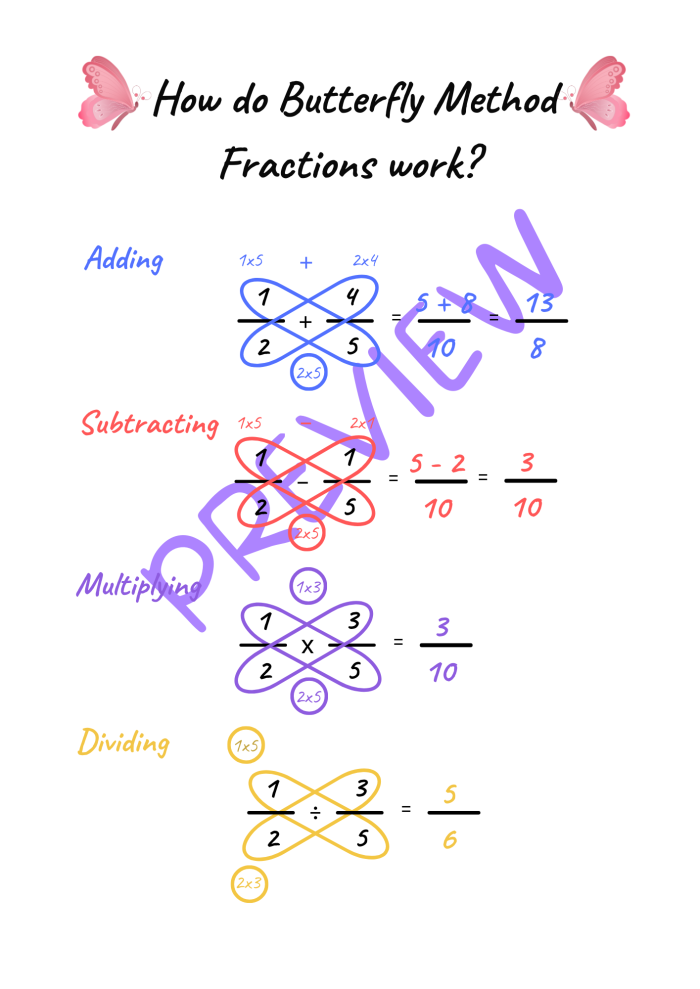
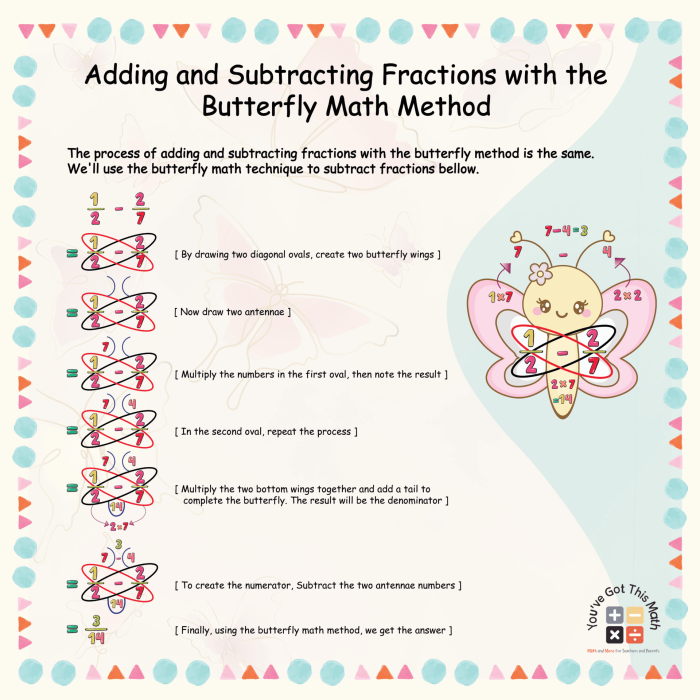
The butterfly method involves a few easy steps that can transform how students approach subtracting fractions. First, students draw two fractions side by side. Then, they create “wings” by drawing diagonal lines from the numerator of each fraction to the denominator of the other. This helps visualize the multiplication needed to find the new numerator. By multiplying across the fractions, students can easily find the values they need to subtract.
For example, consider the fractions 2/3 and 1/4. The first step is to draw the wings: from 2 to 4 and from 1 to 3. This results in 2 x 4 = 8 and 1 x 3 = 3. The next part is to combine these results: 8 – 3 = 5. The final step is to calculate the new denominator by multiplying the two denominators together: 3 x 4 = 12. Therefore, the final answer is 5/12.
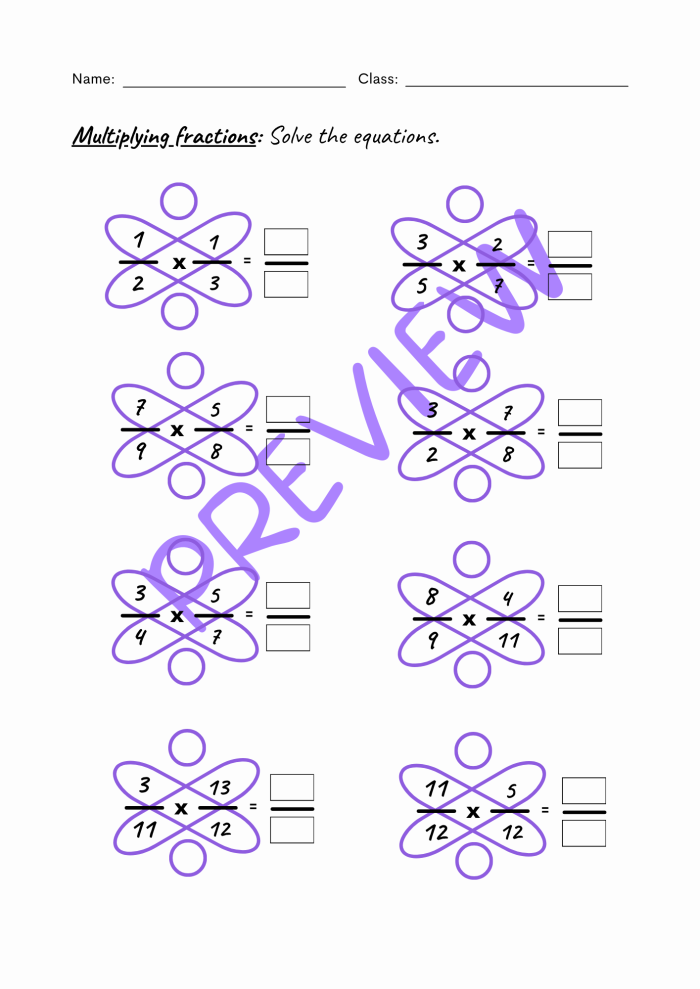
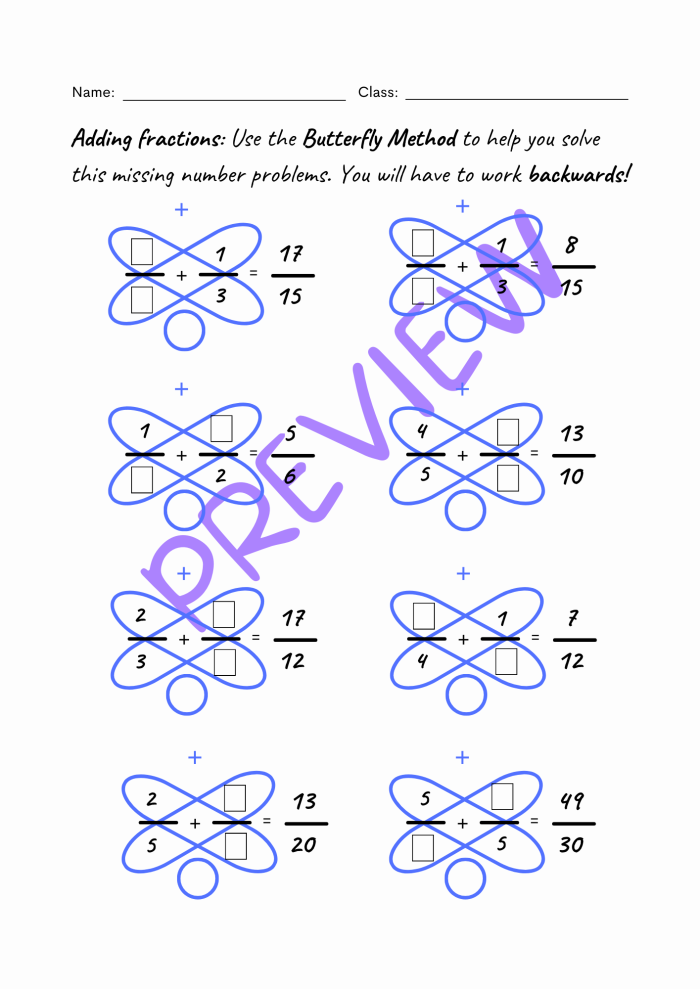
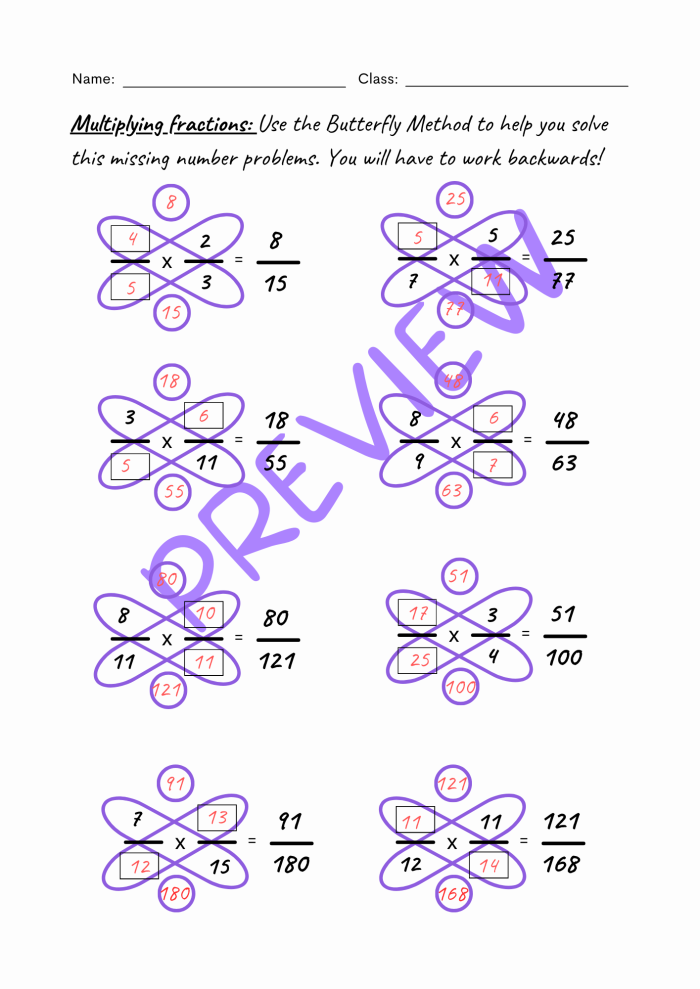
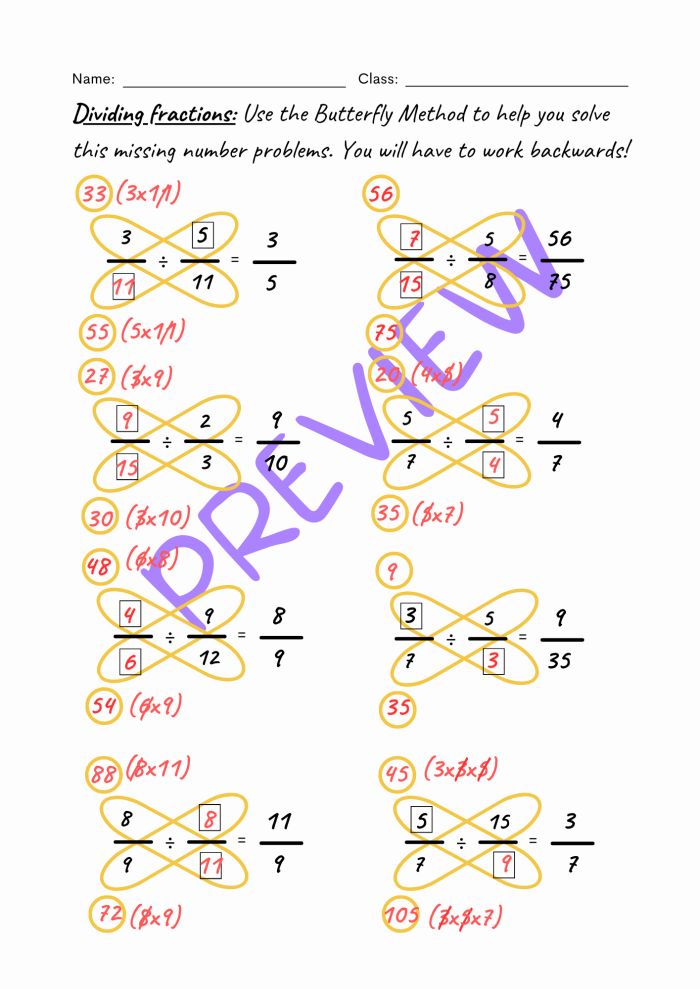
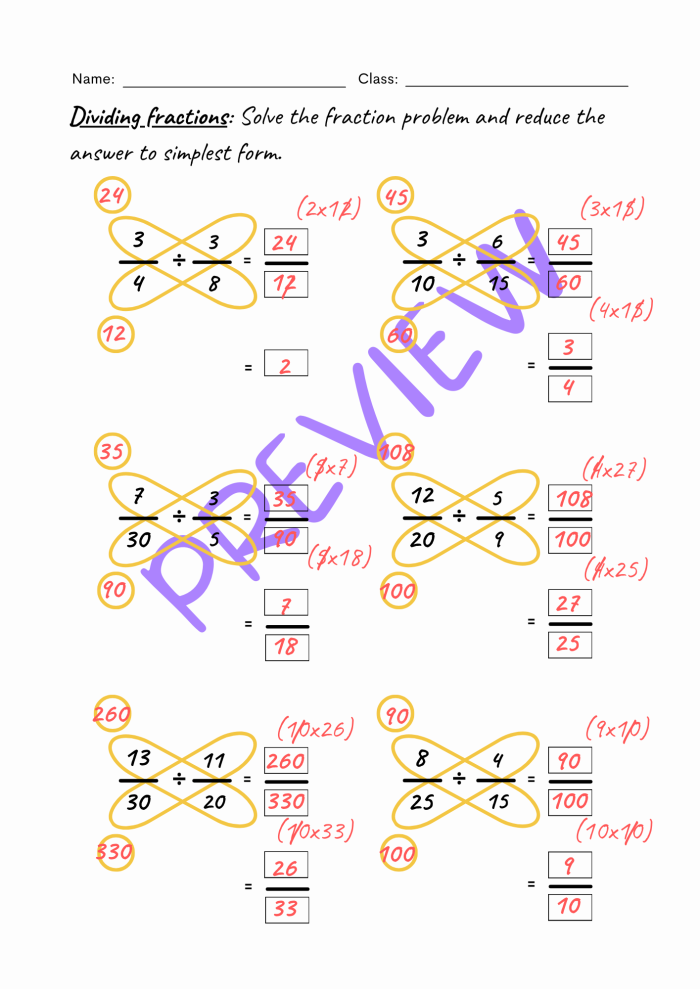
This method not only simplifies fraction subtraction but also helps reinforce the concept of equivalence in fractions. Students can practice this technique further with resources such as printable worksheets designed for the butterfly method. You can find a variety of helpful materials, like expanded form practice worksheets and others that support fifth-grade vocabulary and math skills.
Encouraging students to use the butterfly method can enhance their confidence and understanding of fractions. By making math visual and engaging, they can develop a stronger foundation for future mathematical concepts.
Worksheet Practice Section