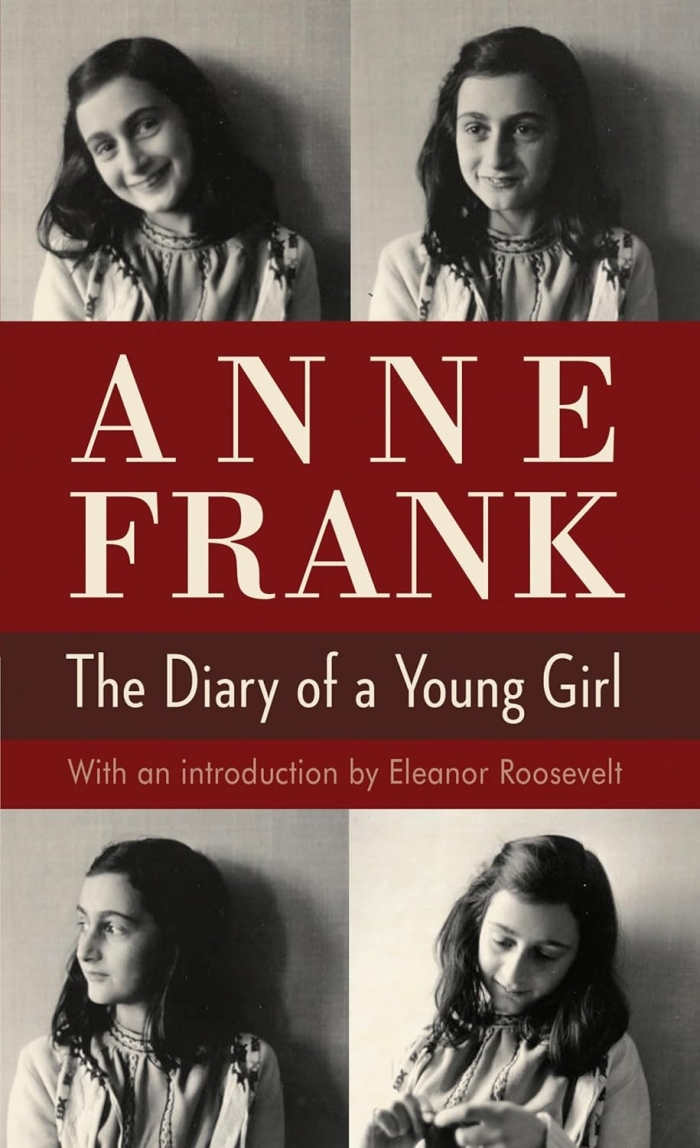
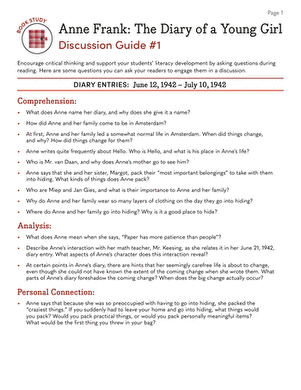
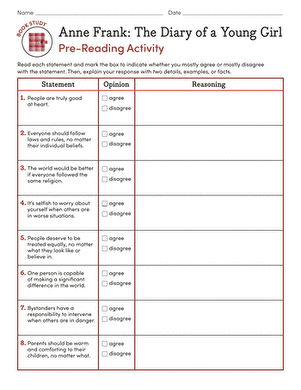
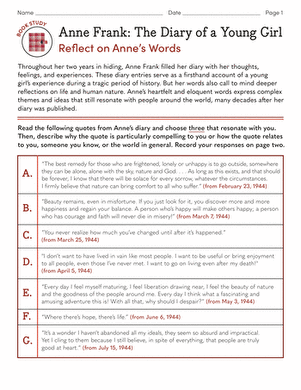
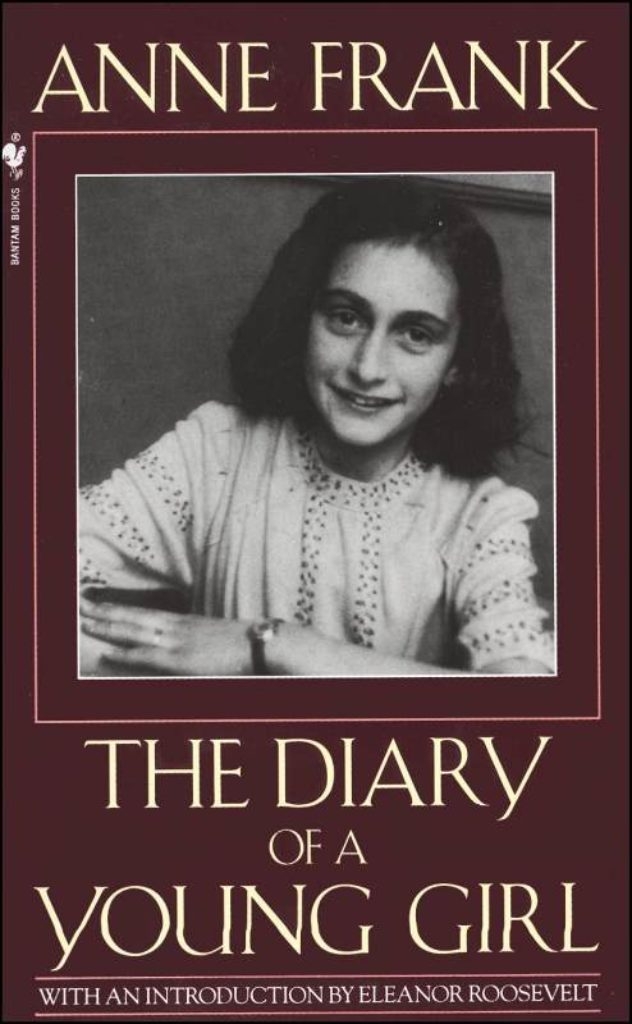
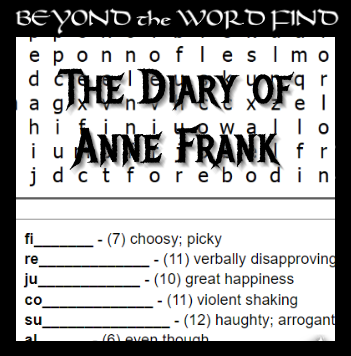
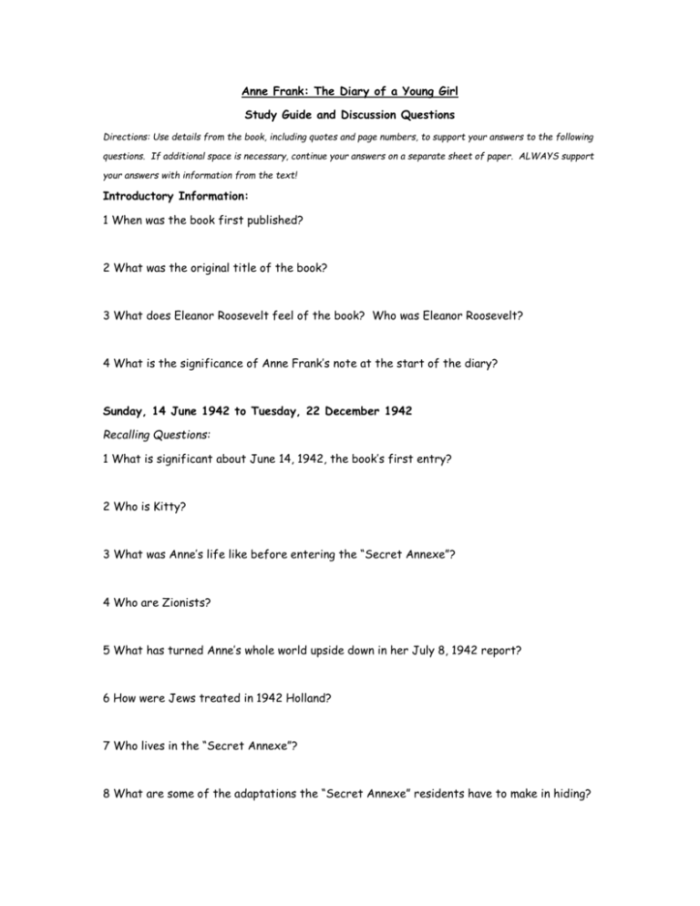
Preparing students for reading Anne Frank: The Diary of a Young Girl is an important step in fostering their understanding of the historical context and emotional depth of the text. Engaging students with an anticipation guide as a pre-reading activity can significantly enhance their experience. This approach not only piques their curiosity but also encourages critical thinking and personal connection to the material.
Students often approach classic literature with preconceived notions or limited knowledge about the subject matter. By utilizing an anticipation guide, educators can help students explore their thoughts and feelings about the themes presented in the diary, such as identity, conflict, and resilience. For example, questions might prompt them to consider how they would react in a similar situation or what freedom means to them. This sets the stage for deeper discussions as they read.
Moreover, using a structured guide allows students to reflect on their responses, leading to richer classroom conversations. They can track their evolving perspectives on issues like persecution and hope, which are central to Anne Frank’s experiences. This method aligns well with seventh-grade learning goals, as it integrates both literature and social studies, giving students a broader understanding of World War II and its impact on individuals.
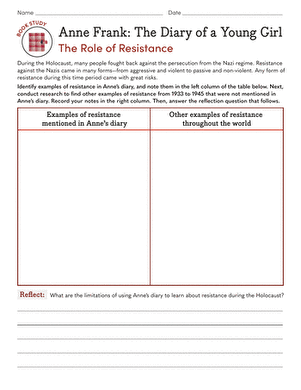
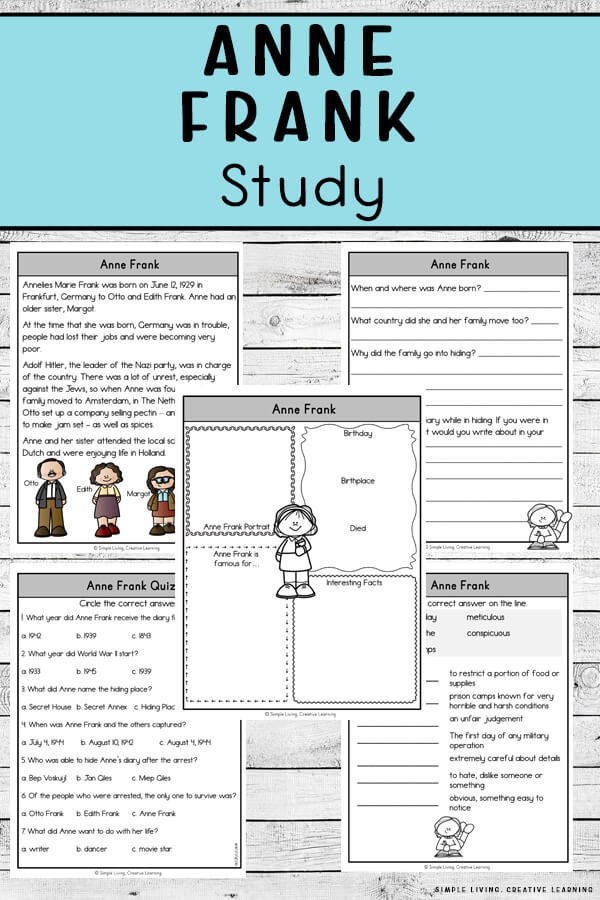
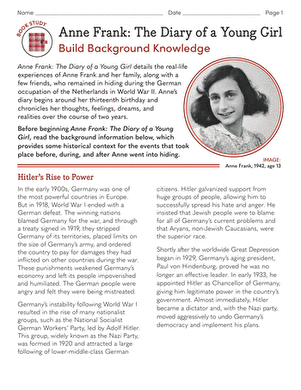
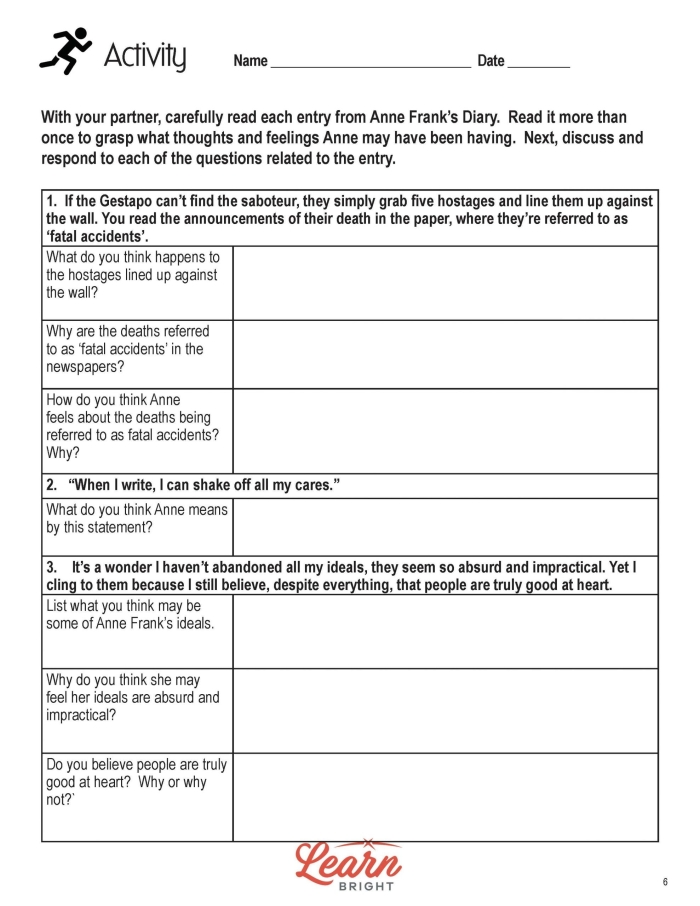
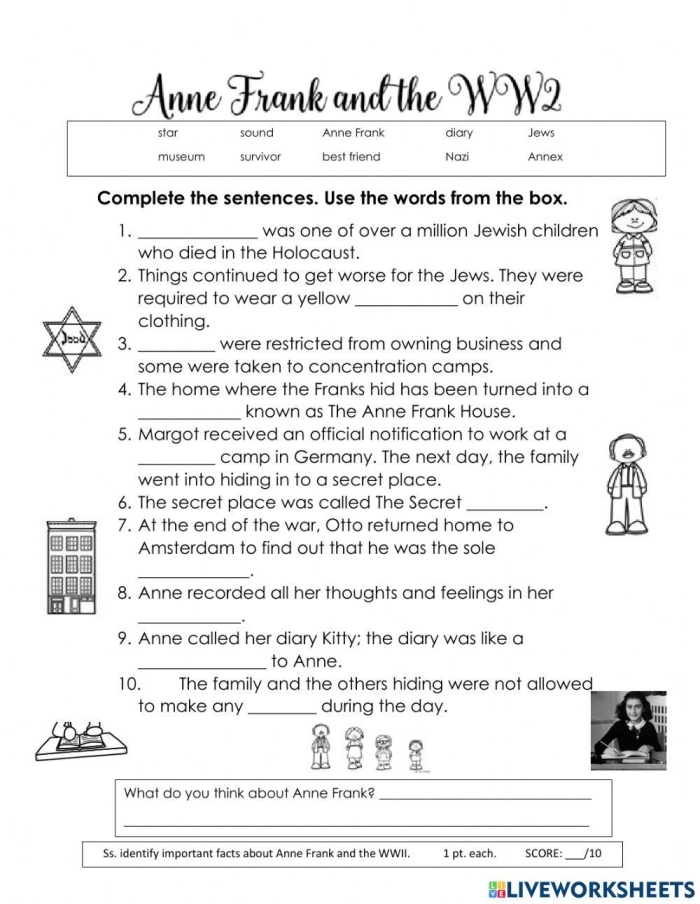
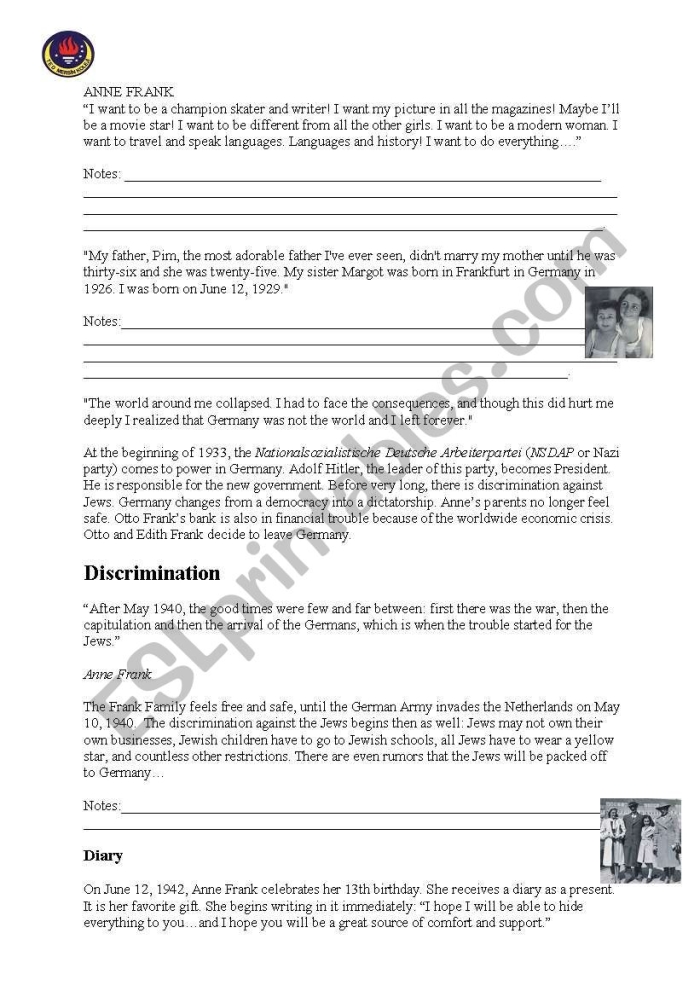
In addition to enriching their reading experience, anticipation guides also cater to various learning styles. Some students may thrive in group discussions, while others might prefer written reflections. This versatility is beneficial in an algebra classroom, where students are often engaged in problem-solving and logical reasoning. For those interested in further activities, resources like the Printable Book Study: Anne Frank: The Diary of a Young Girl: Pre-Reading Activity Worksheets offer additional insights.
In conclusion, implementing an anticipation guide not only prepares students for the emotional journey they will encounter in the diary but also enriches their overall learning experience. It’s a simple yet effective way to bridge literature and real-world issues, making the reading both meaningful and memorable.
Printable Worksheets for Practice