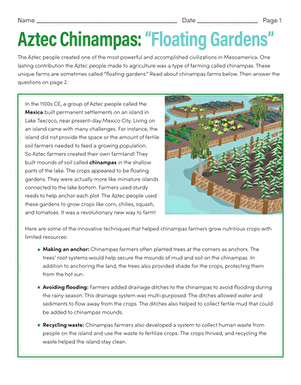
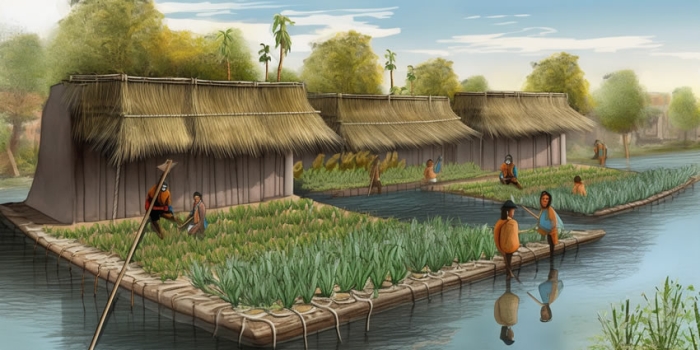
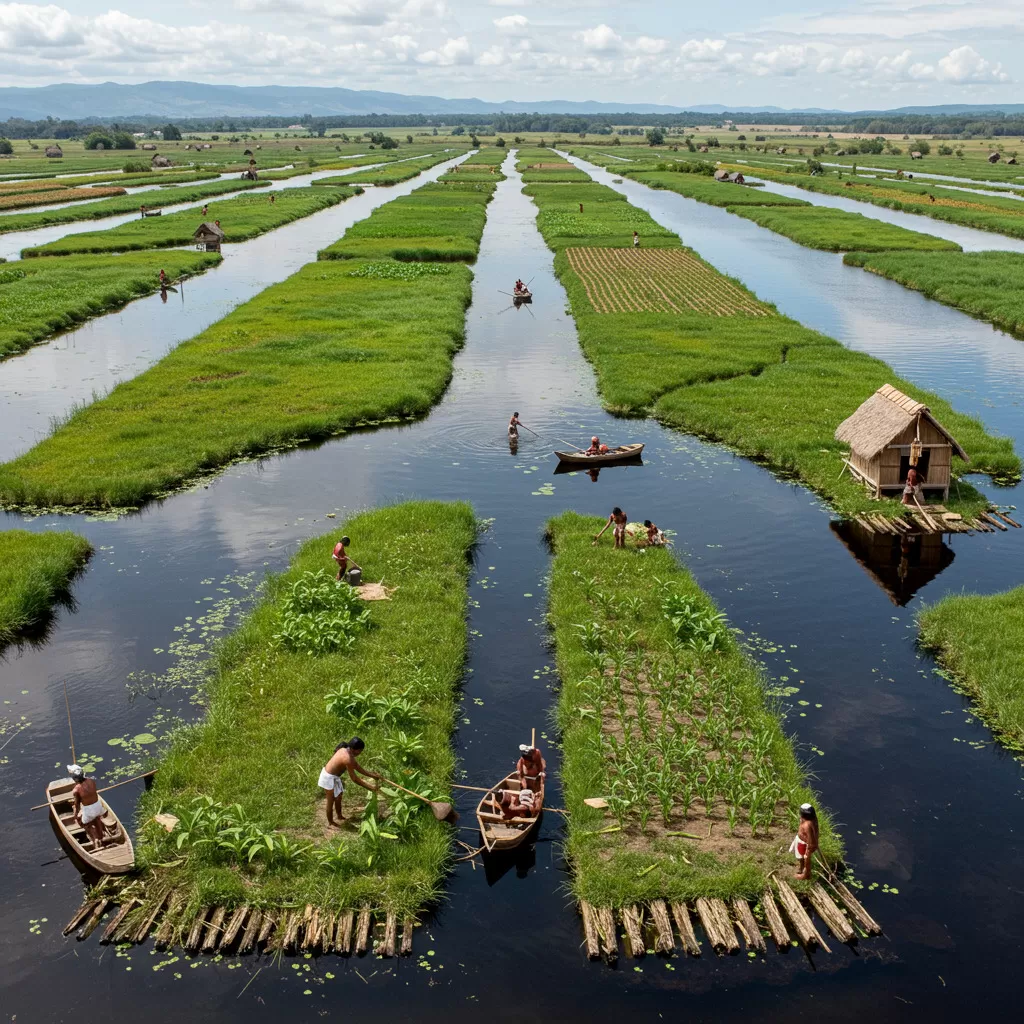
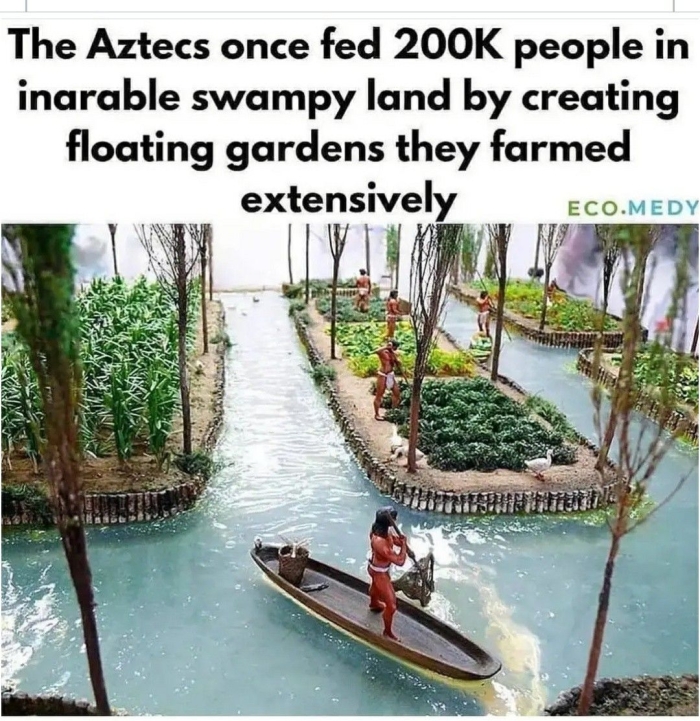
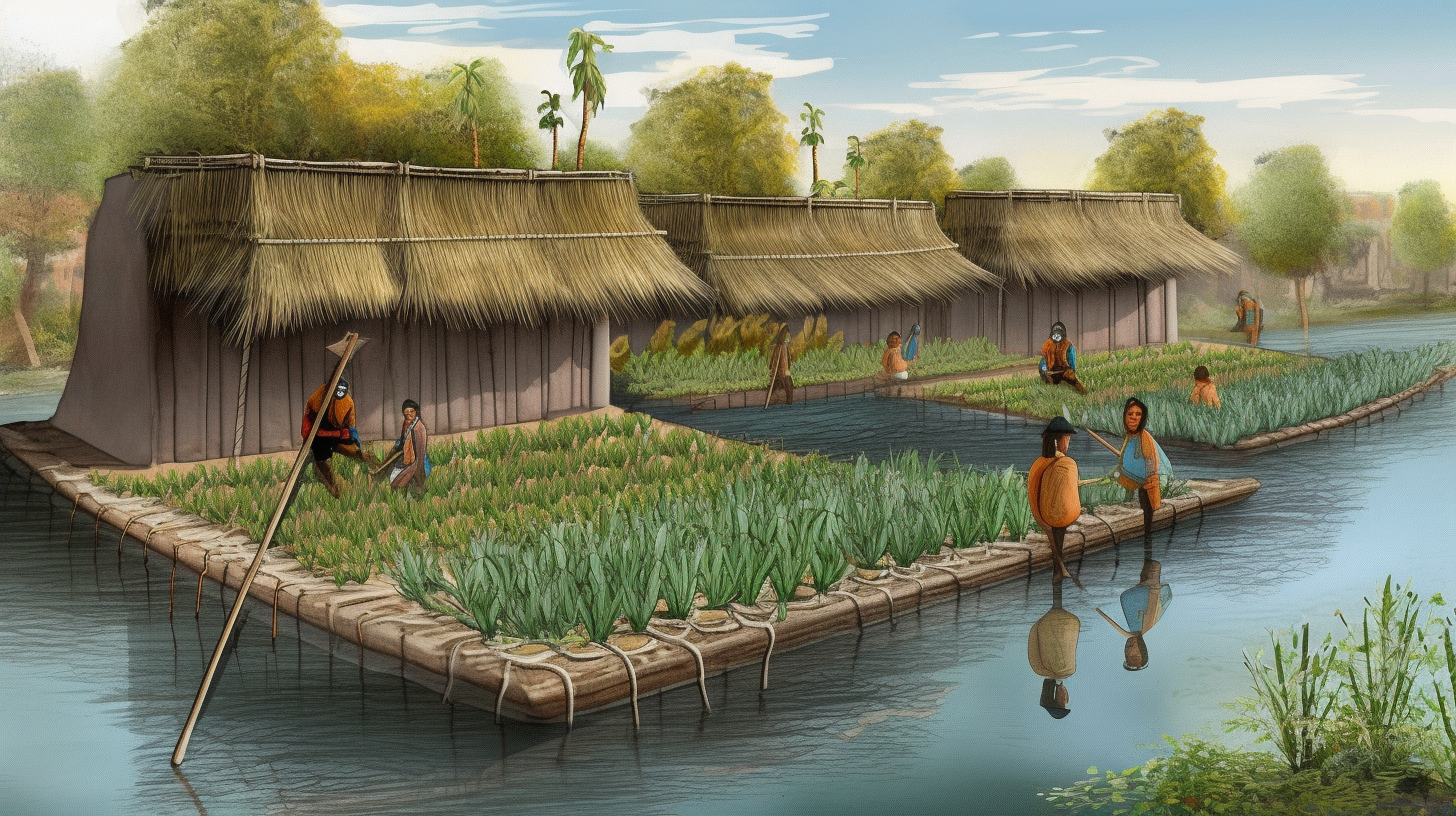
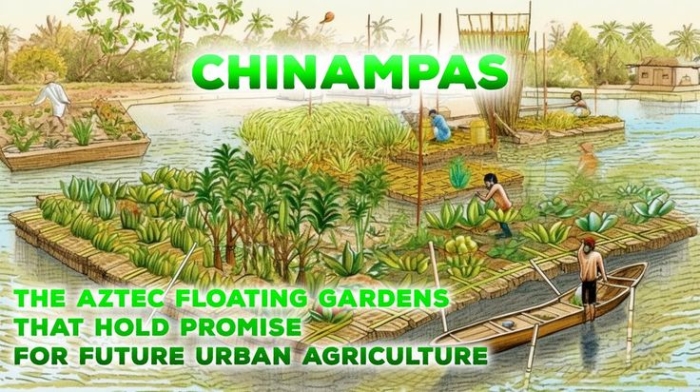
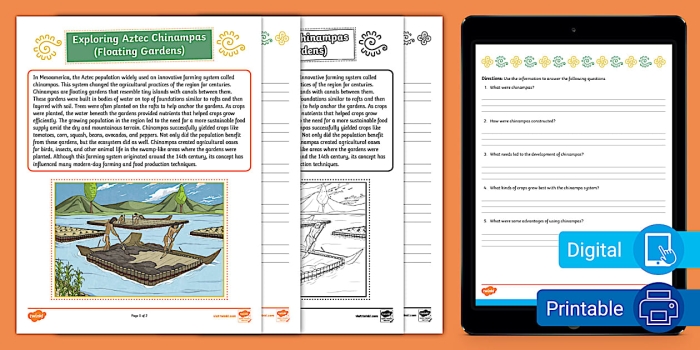
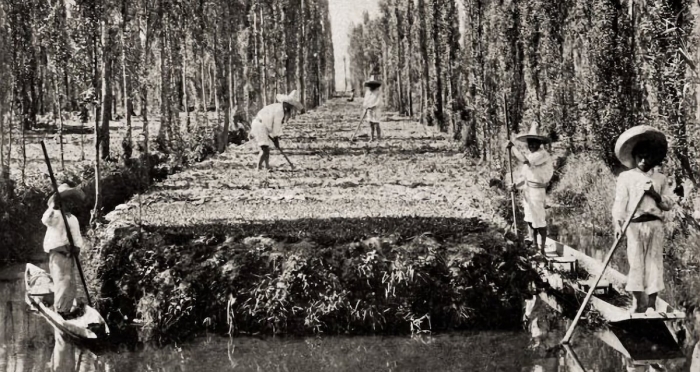
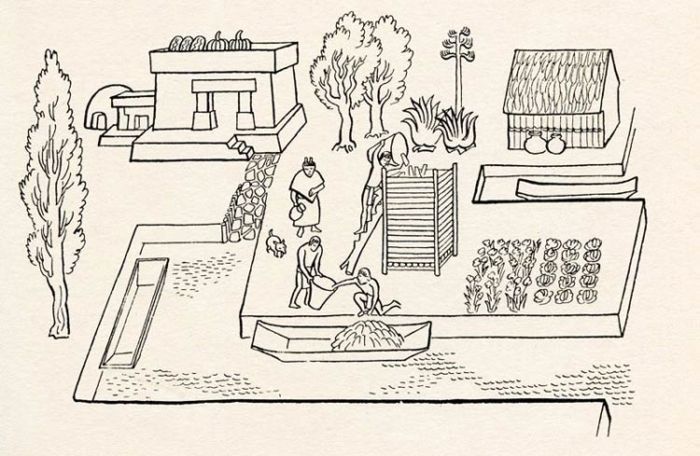
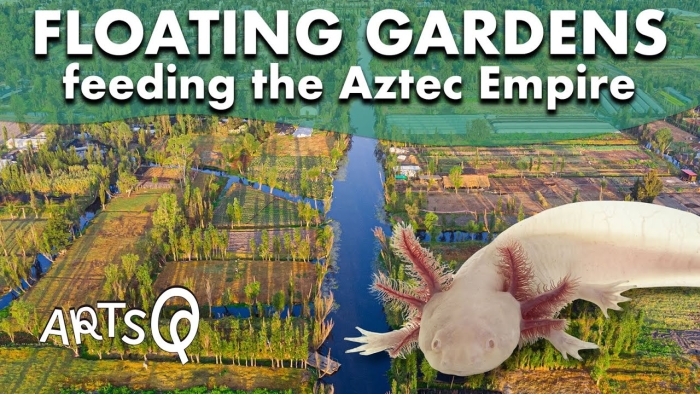
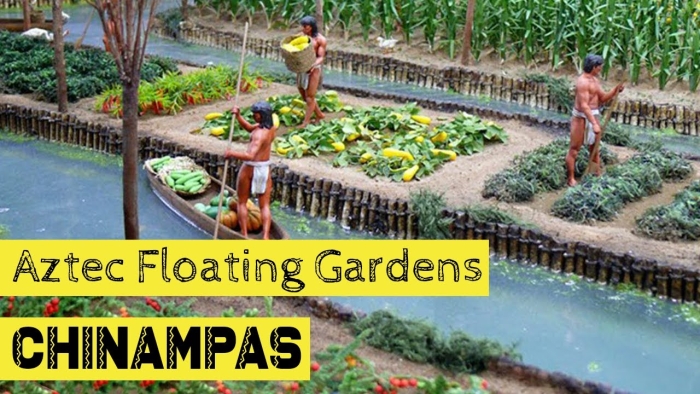
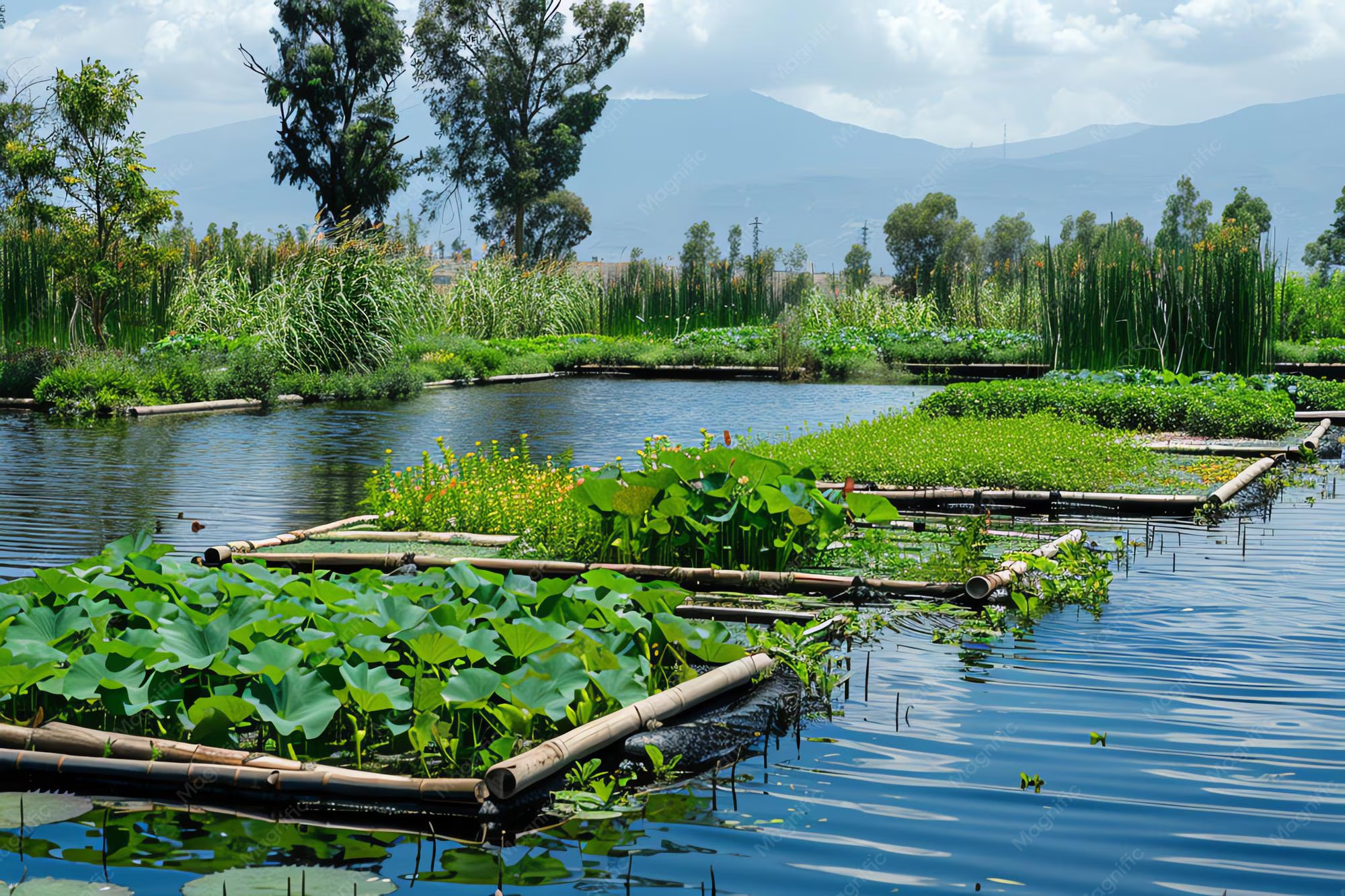
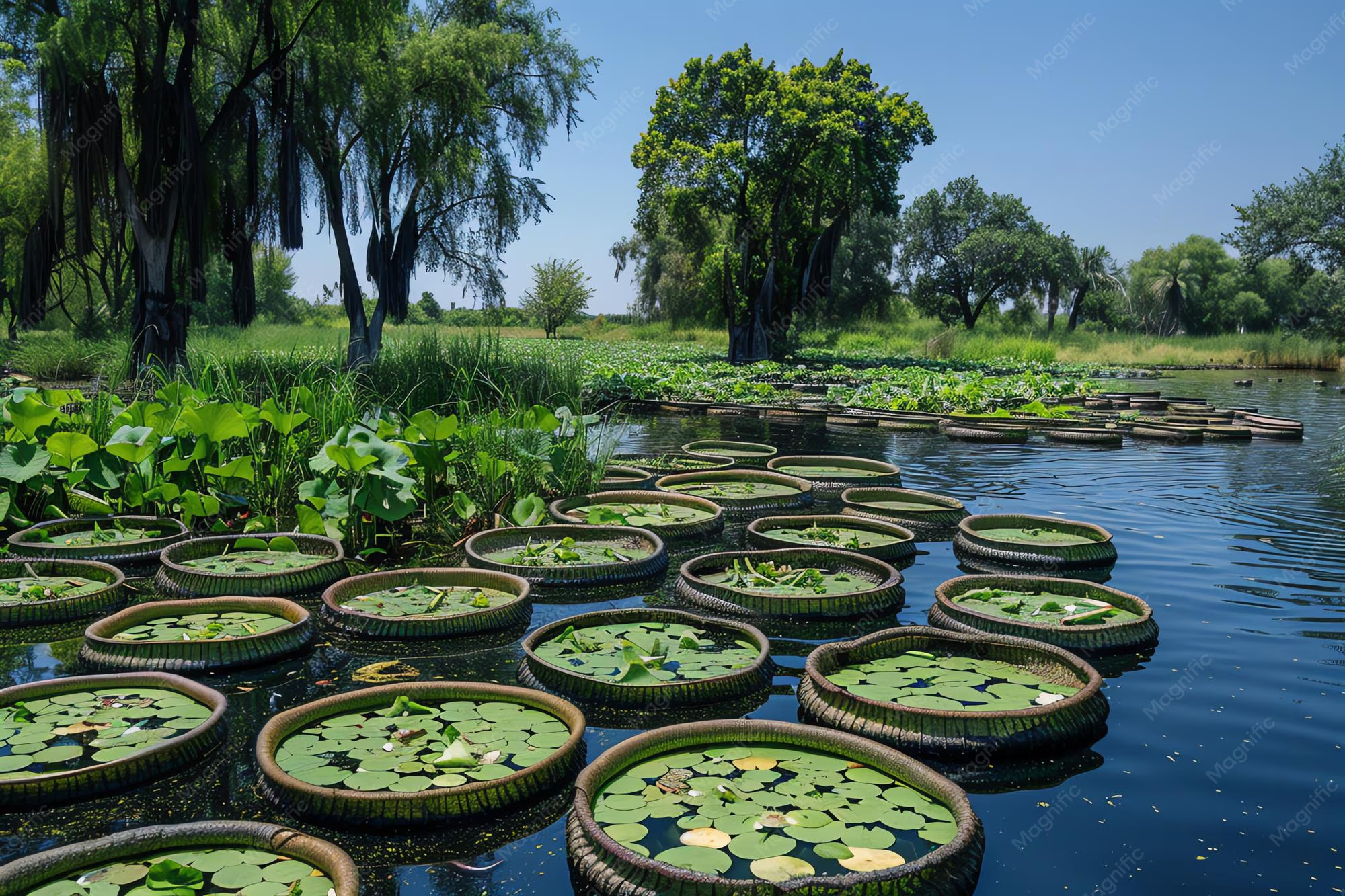
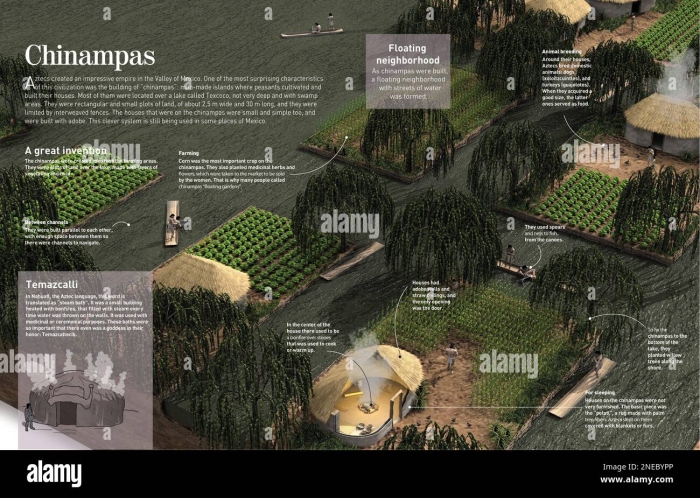
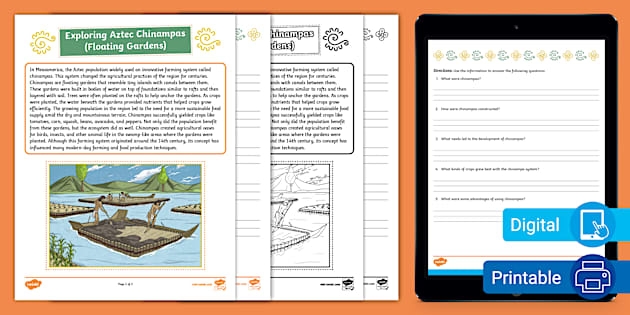
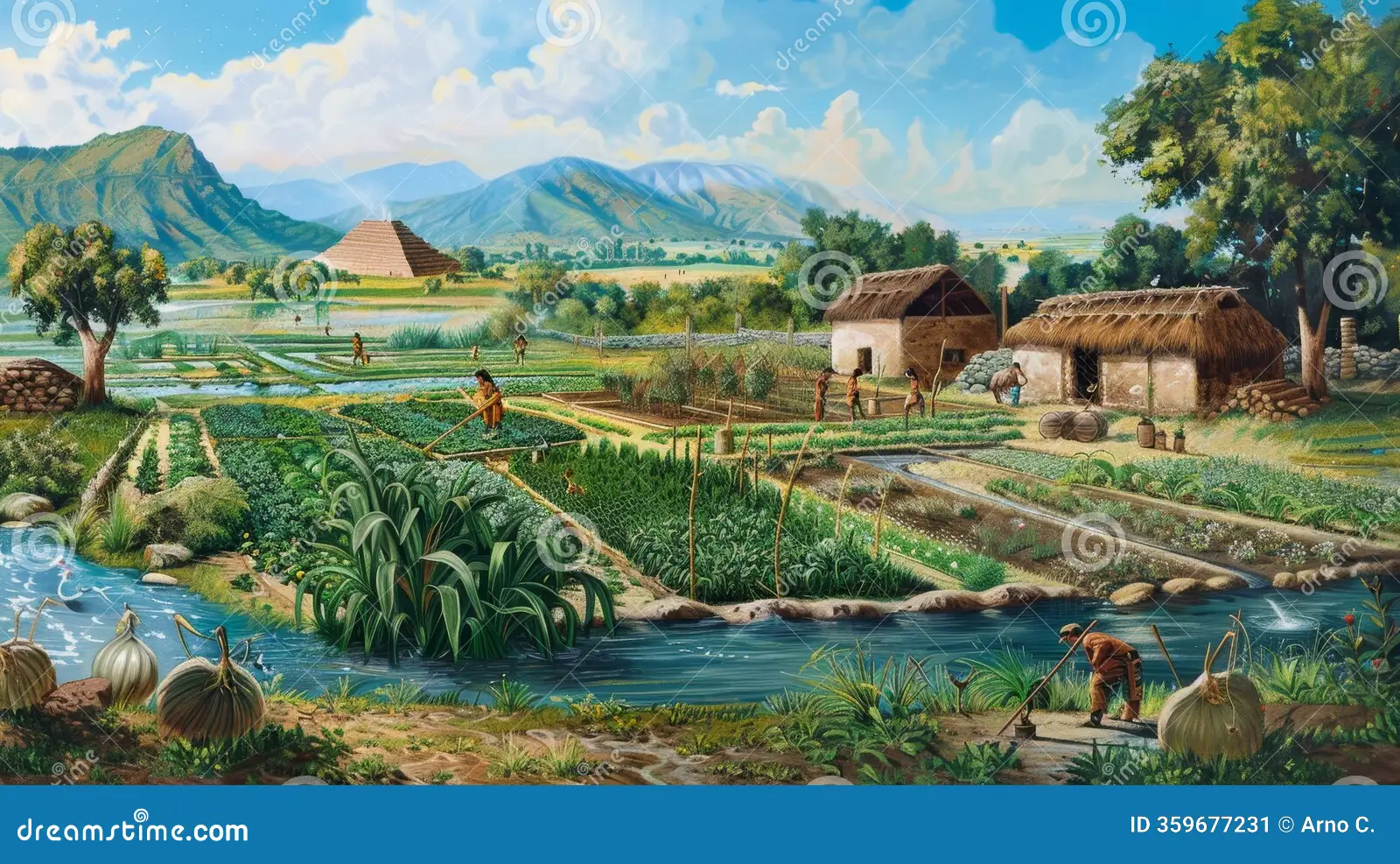
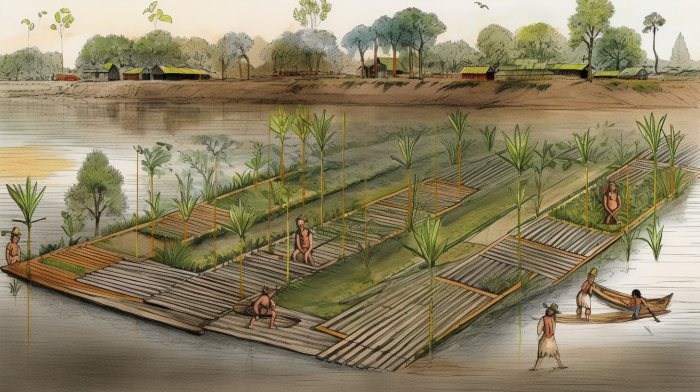
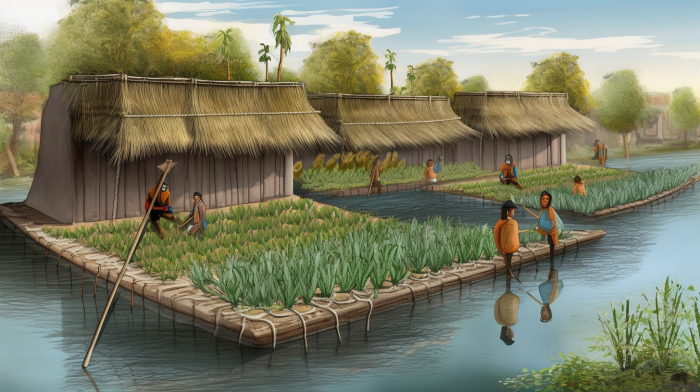
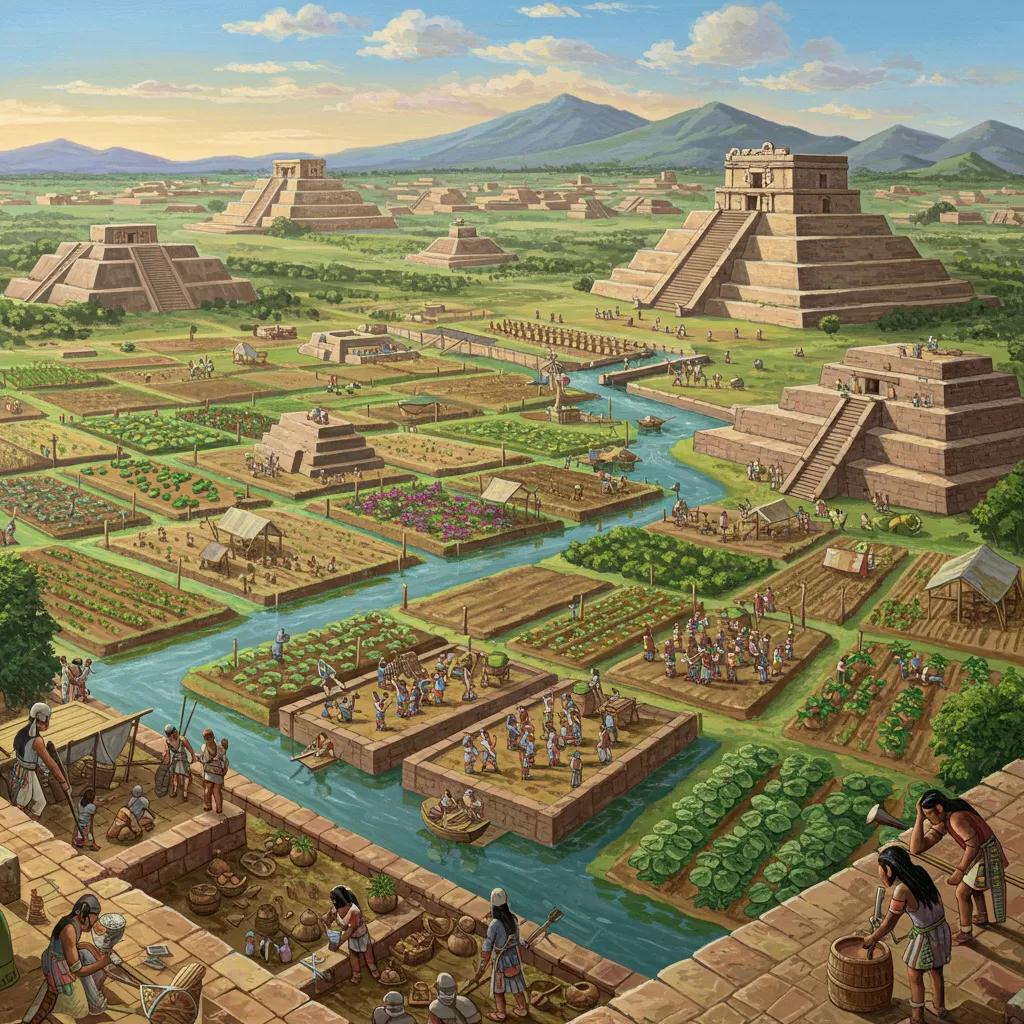
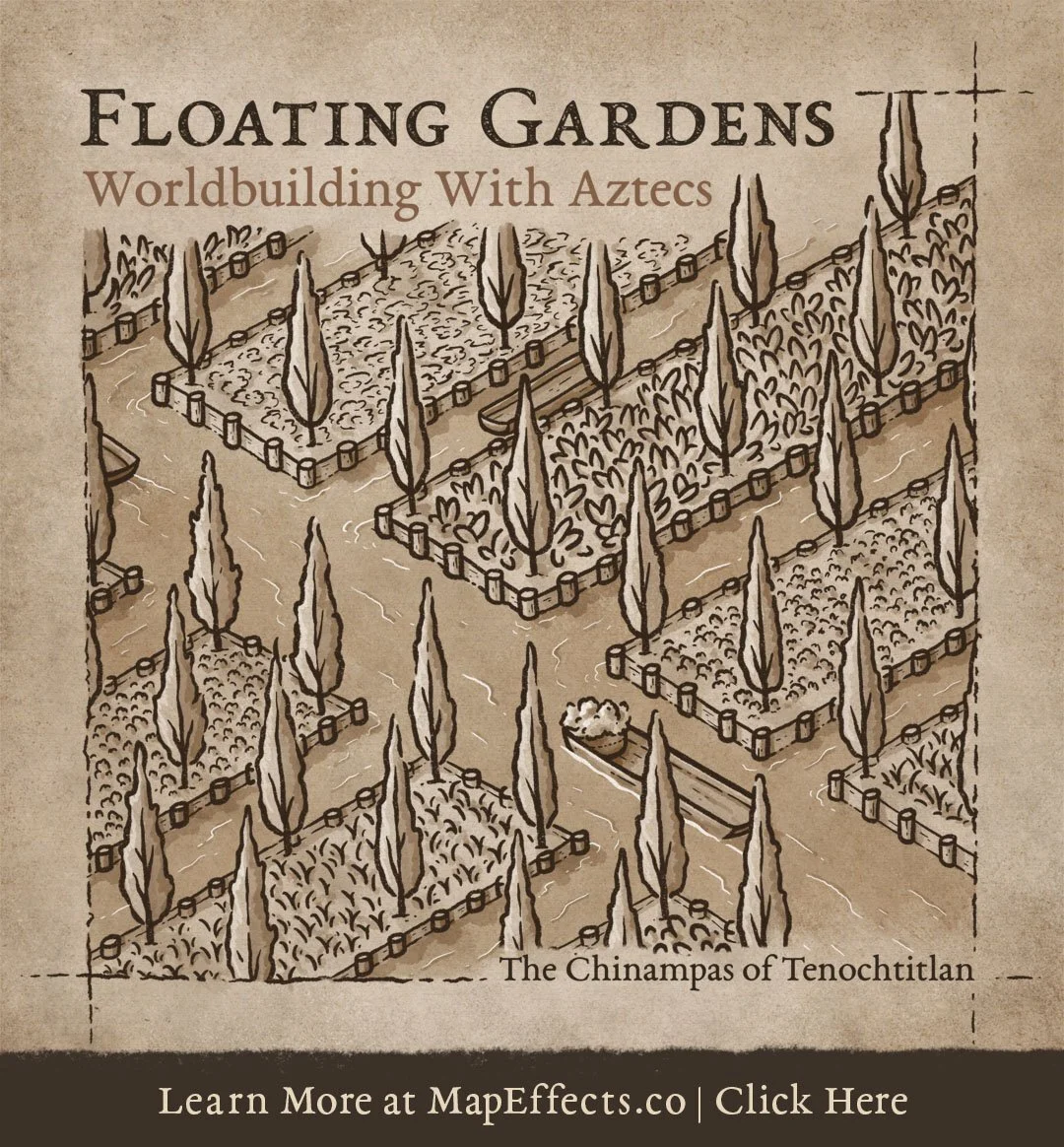
Learning about the Aztecs offers fascinating insights into their advanced agricultural practices, particularly the innovative technique known as chinampas, often referred to as “floating gardens.” These artificial islands were created in the shallow waters of lakes and marshes, allowing the Aztecs to cultivate crops efficiently. By introducing sixth graders to these methods through a reading comprehension worksheet, educators can ignite curiosity about ancient civilizations and their sustainable farming practices.
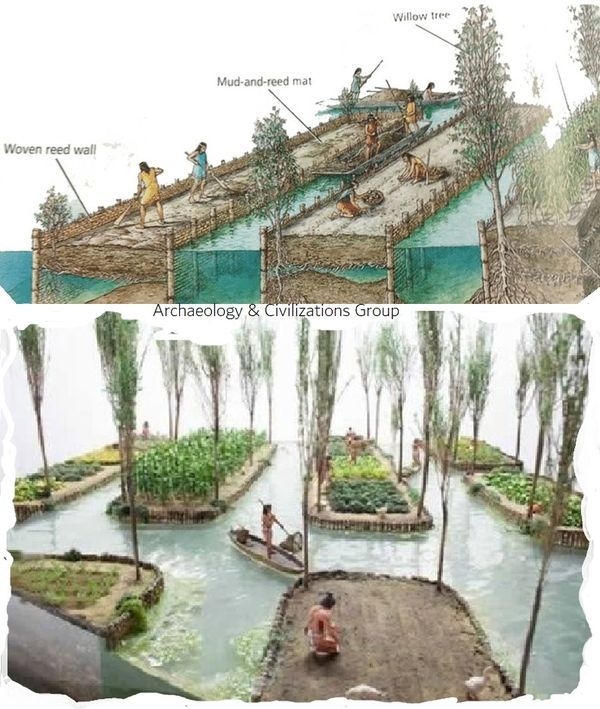
Chinampas represented a remarkable adaptation to the environment. Farmers built up layers of mud, vegetation, and decaying organic matter to create fertile land. This not only maximized productivity but also made farming possible in otherwise challenging conditions. The Aztecs grew a variety of crops, including maize, beans, and squash, which formed the basis of their diet. Understanding these techniques provides students with a concrete example of how innovation can arise from necessity and environmental awareness.
Incorporating this topic into a sixth-grade curriculum can enhance students’ comprehension skills as they engage with historical texts. A well-designed worksheet can challenge learners to think critically about the impact of agriculture on Aztec society. Questions might prompt students to consider how chinampas influenced trade, food security, and urban development in Tenochtitlan, the Aztec capital. This kind of inquiry fosters a deeper appreciation for history and the interconnectedness of human practices and the environment.
Additionally, exploring the concept of chinampas can lead to discussions on modern agricultural challenges and solutions. As students reflect on how ancient techniques can inform contemporary practices, they learn valuable lessons about sustainability and resource management. This relevance can make history feel alive, encouraging learners to connect the past with present-day issues.
To further enrich their understanding, teachers might also explore related worksheets, such as those focusing on crafting voice in informational writing or practicing mindfulness through grammar and mechanics. This approach not only reinforces language skills but also deepens the historical context, ultimately creating a more engaging learning experience.
Download These Worksheets for Practice