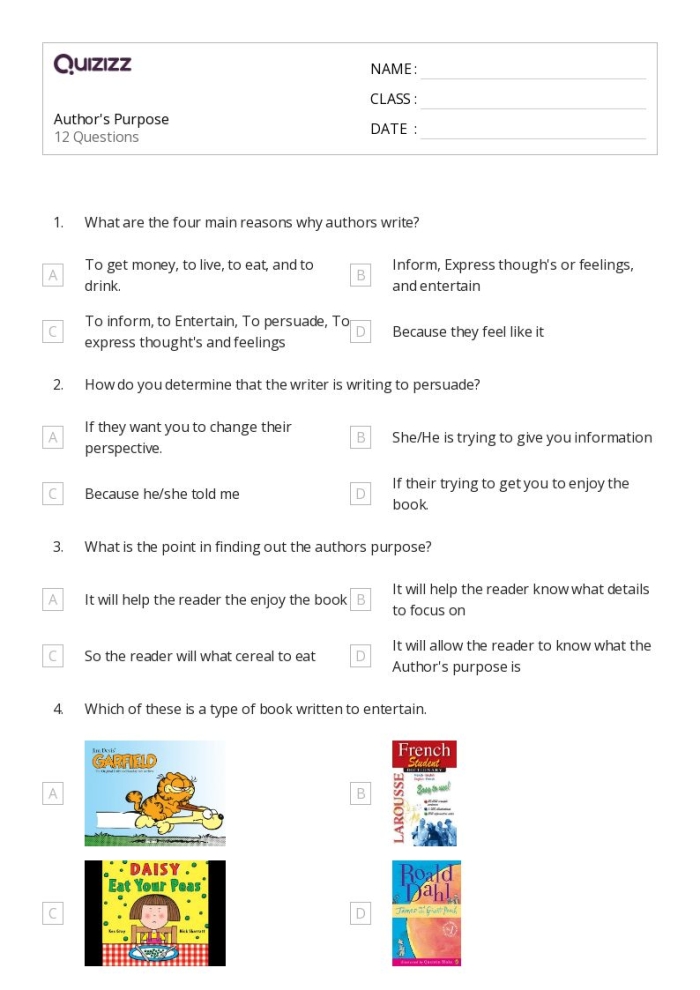
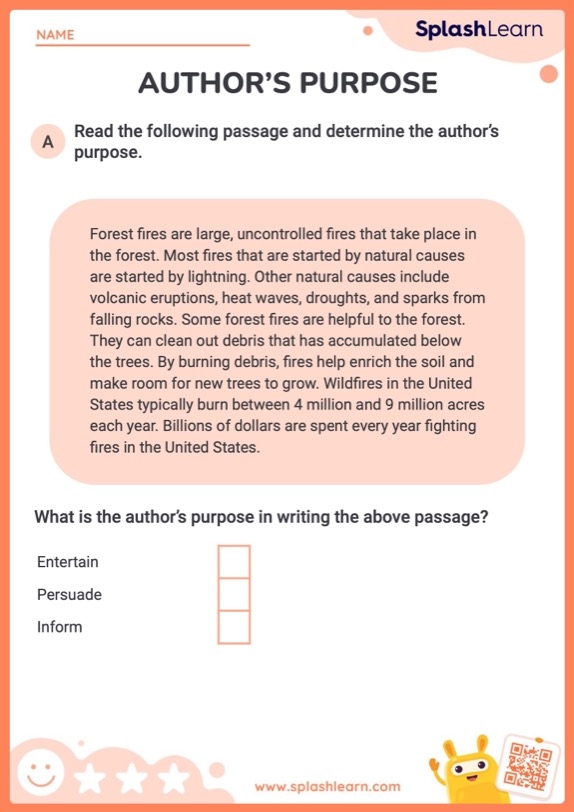
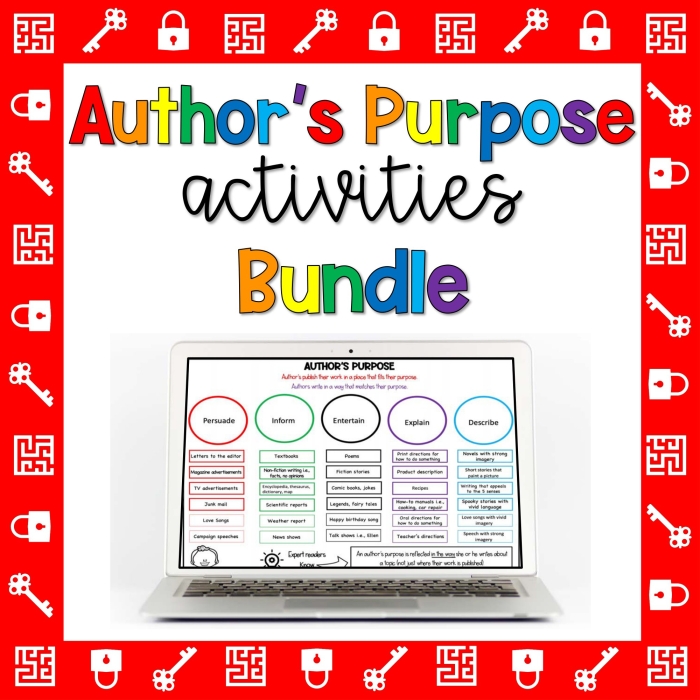
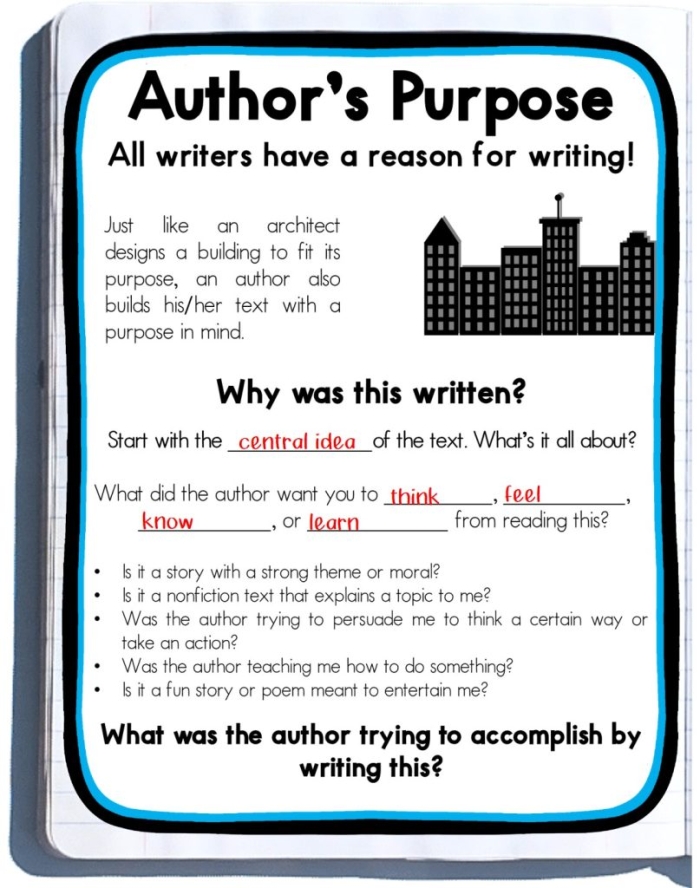
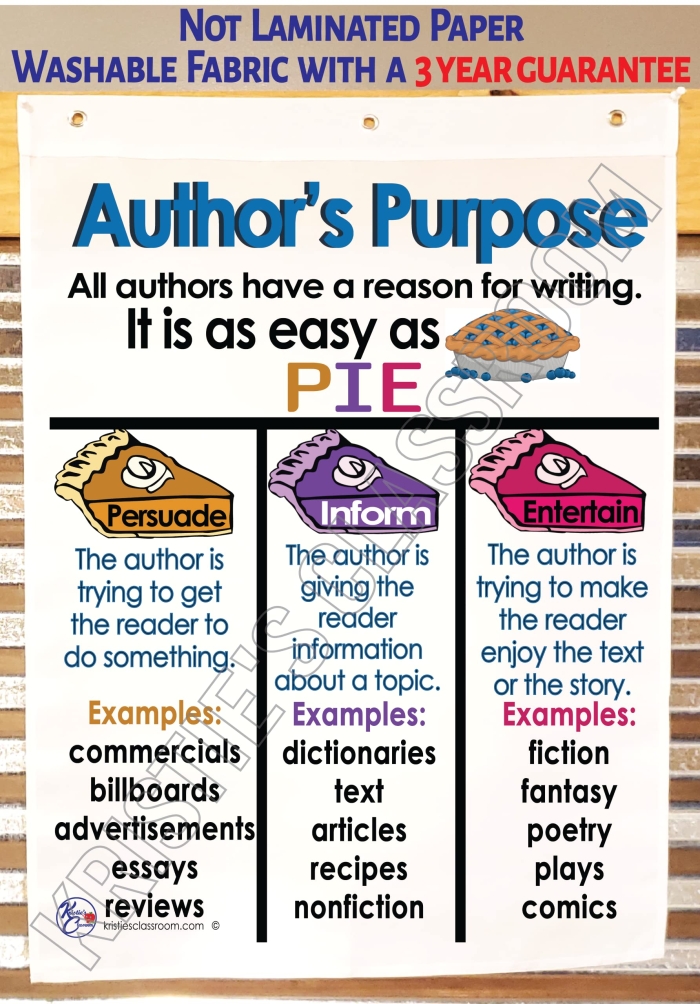
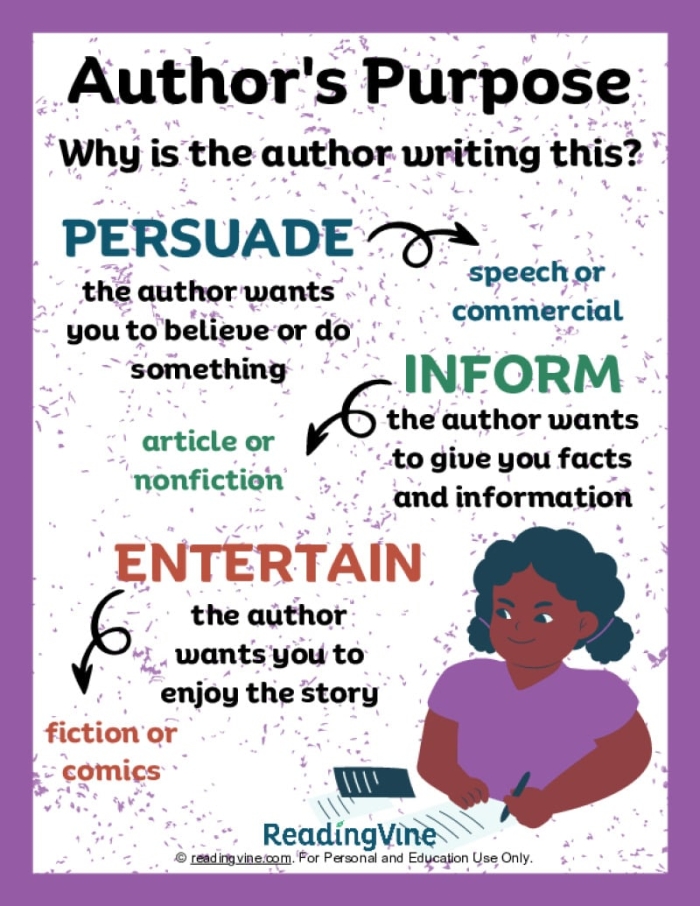
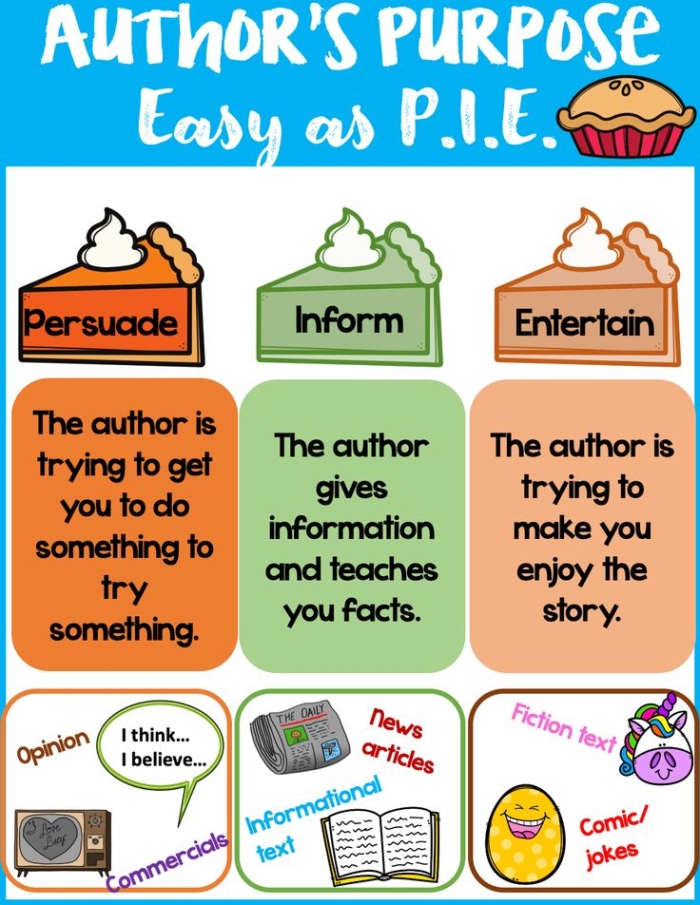
Understanding the author’s purpose is a crucial skill for third graders as they navigate through various texts. In a recent lesson, learners are encouraged to explore the different types of author’s purpose, which include to inform, entertain, persuade, or express feelings. By identifying these purposes, students can enhance their reading comprehension and critical thinking skills.
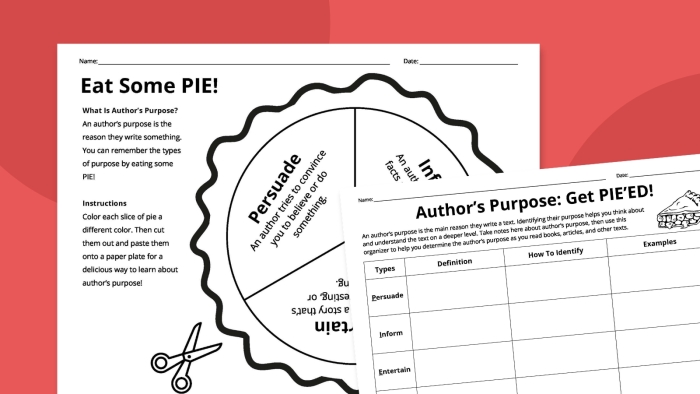
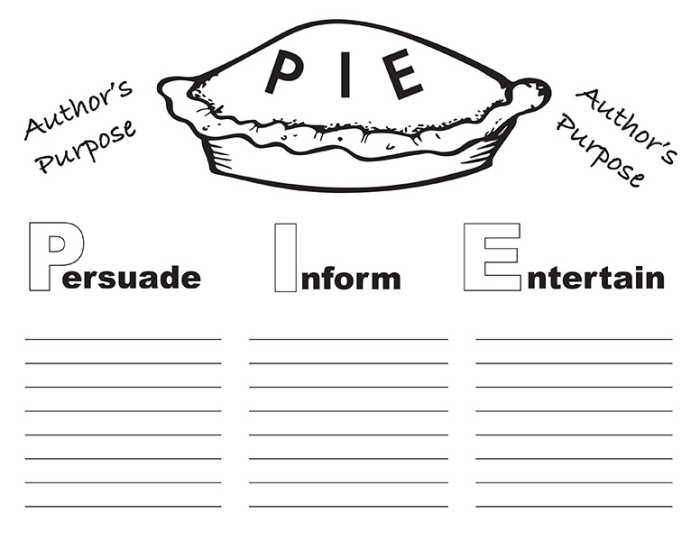
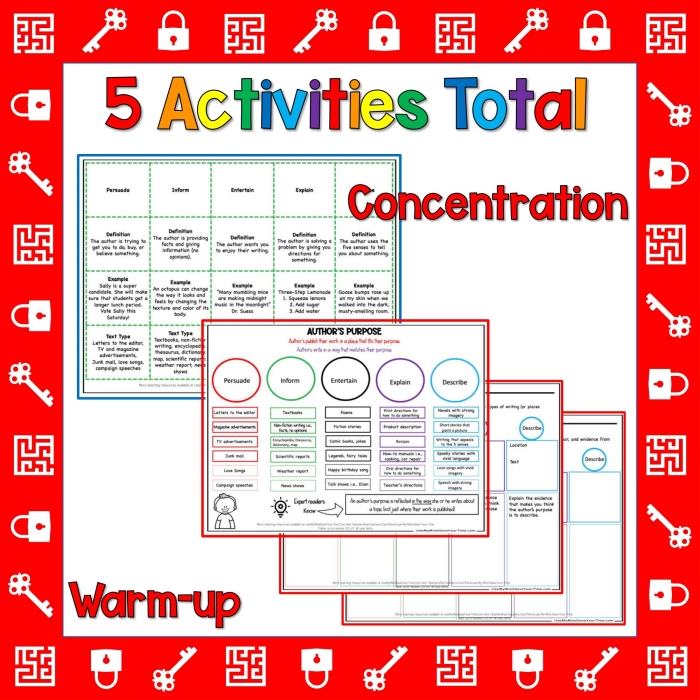
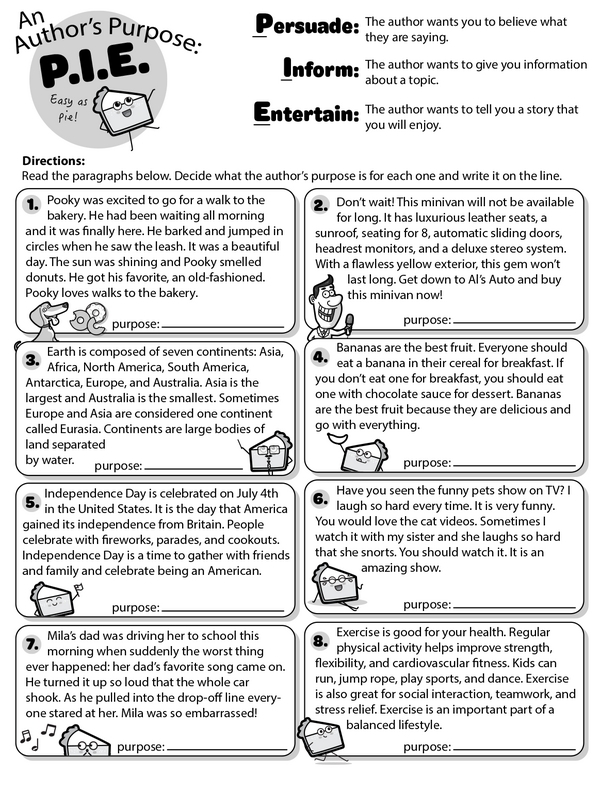
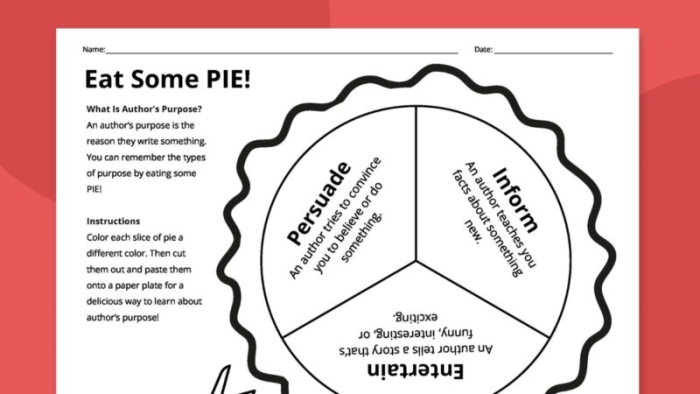
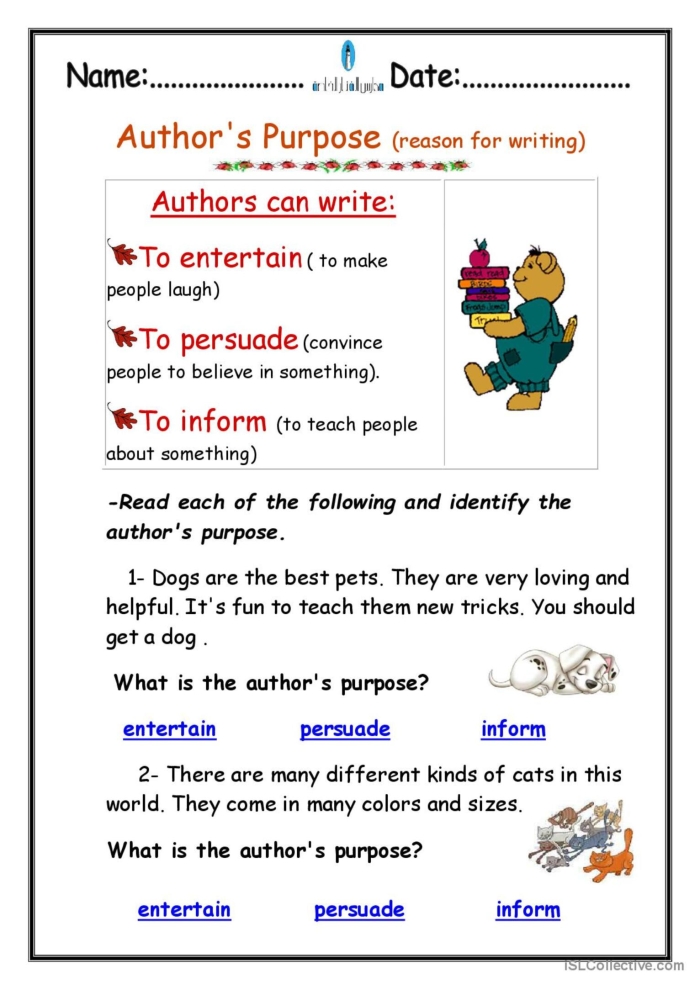
As part of this activity, students will first review definitions for each type of author’s purpose. For example, when an author writes to inform, they aim to provide factual information about a topic. In contrast, a piece written to entertain might include stories filled with humor or adventure. These clear distinctions help students understand why an author chose to write in a particular way.
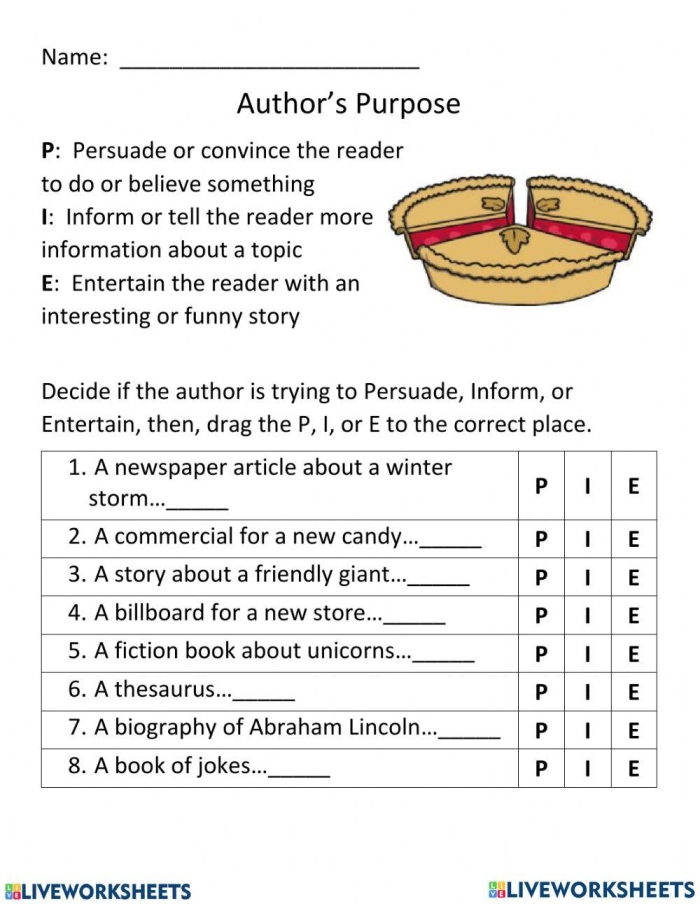
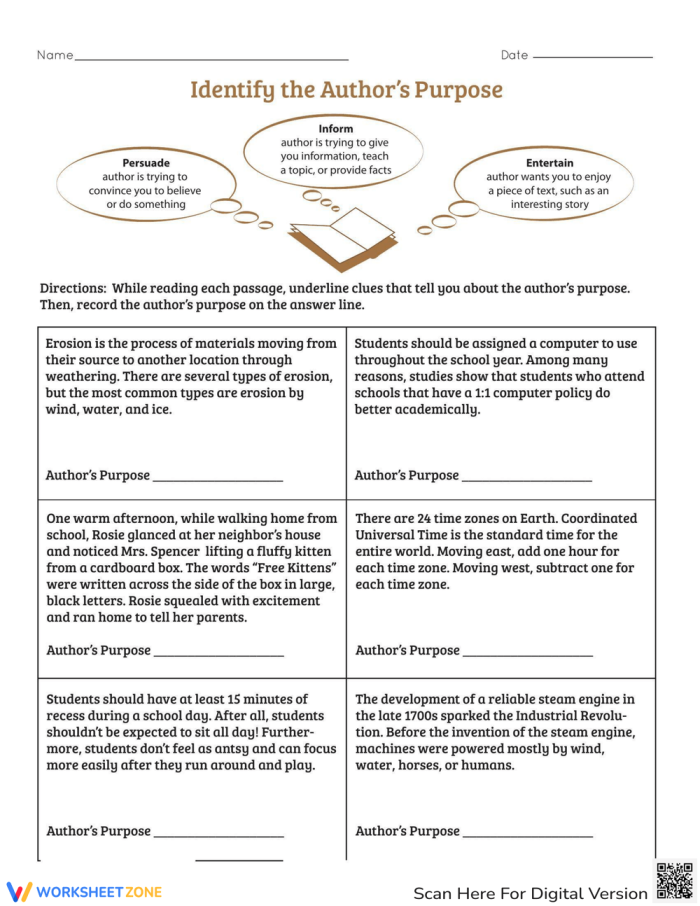
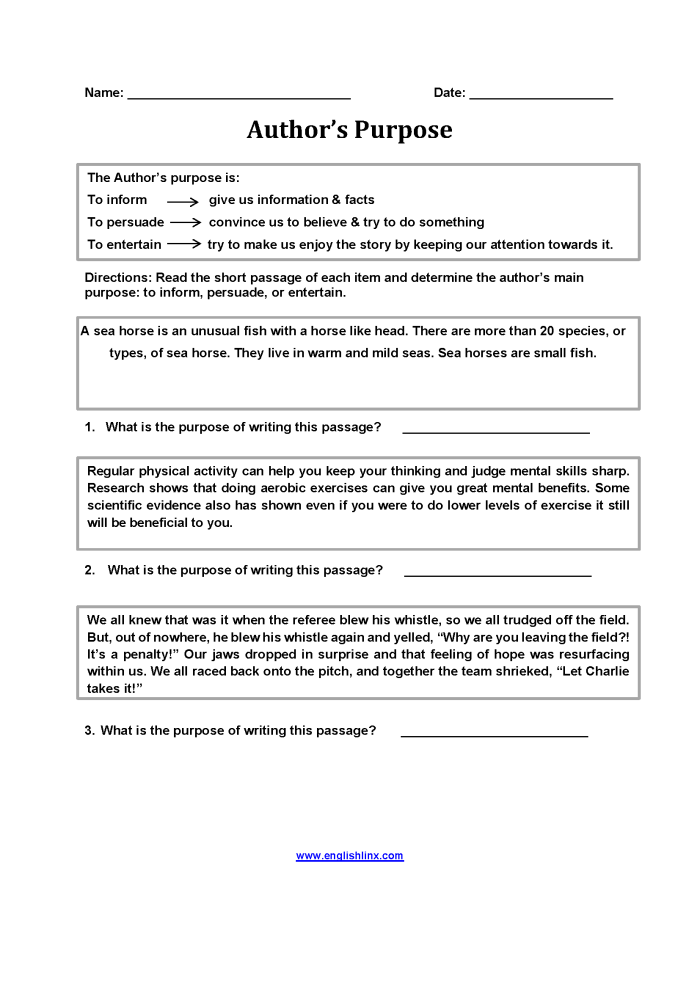
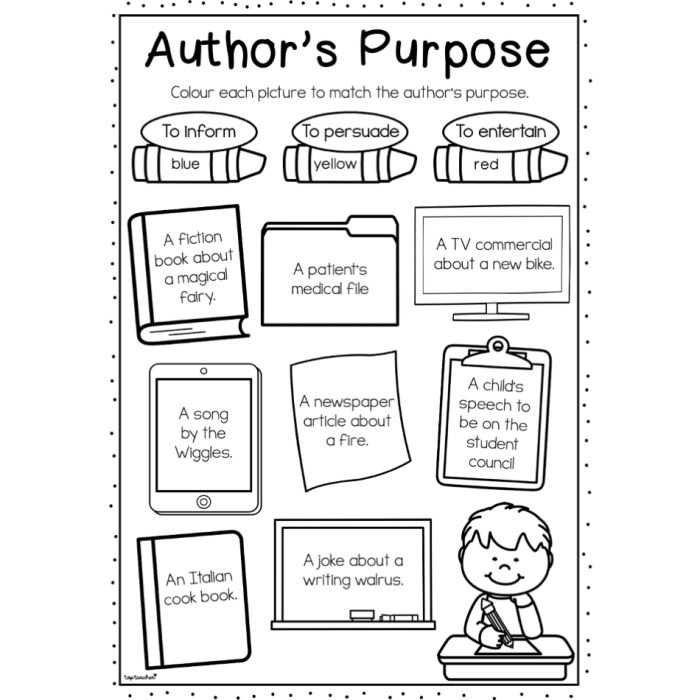
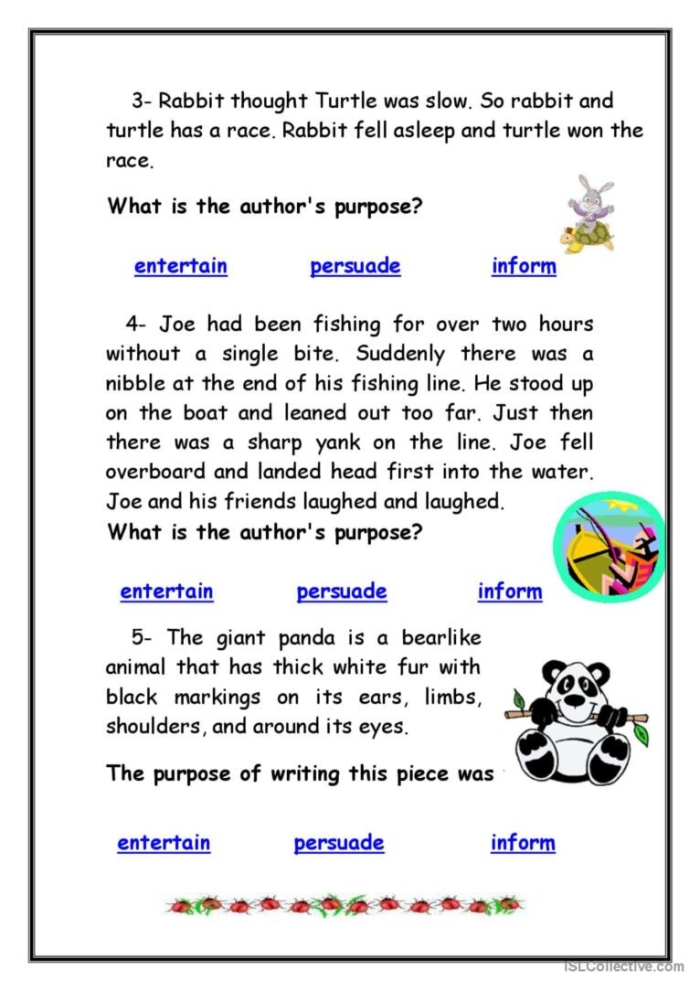
After grasping these definitions, learners will sort nine sentences according to the identified criteria. This sorting activity is not just a fun exercise; it allows students to apply what they’ve learned in a practical setting. For instance, they might encounter a sentence that reads, “The sun set beautifully over the horizon,” which would likely fall into the category of entertaining or expressive writing. Alternatively, a sentence stating, “Water boils at 100 degrees Celsius,” clearly serves to inform.
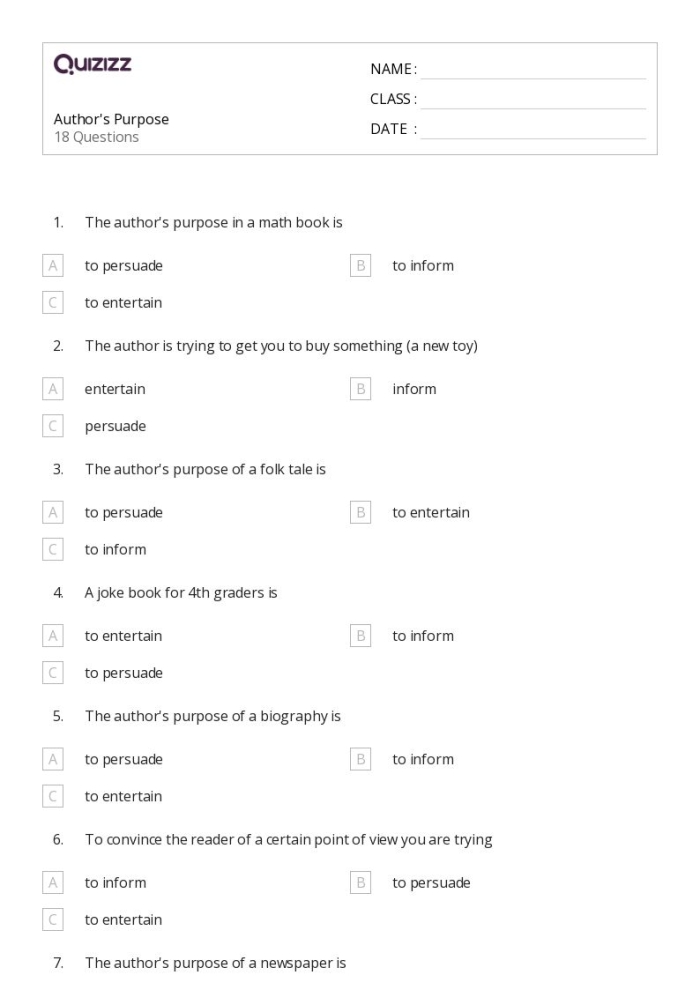
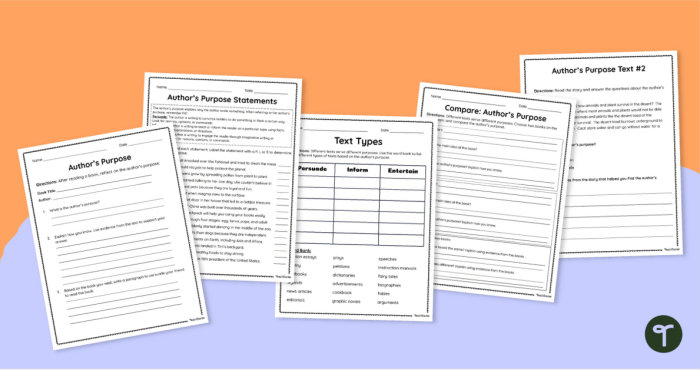
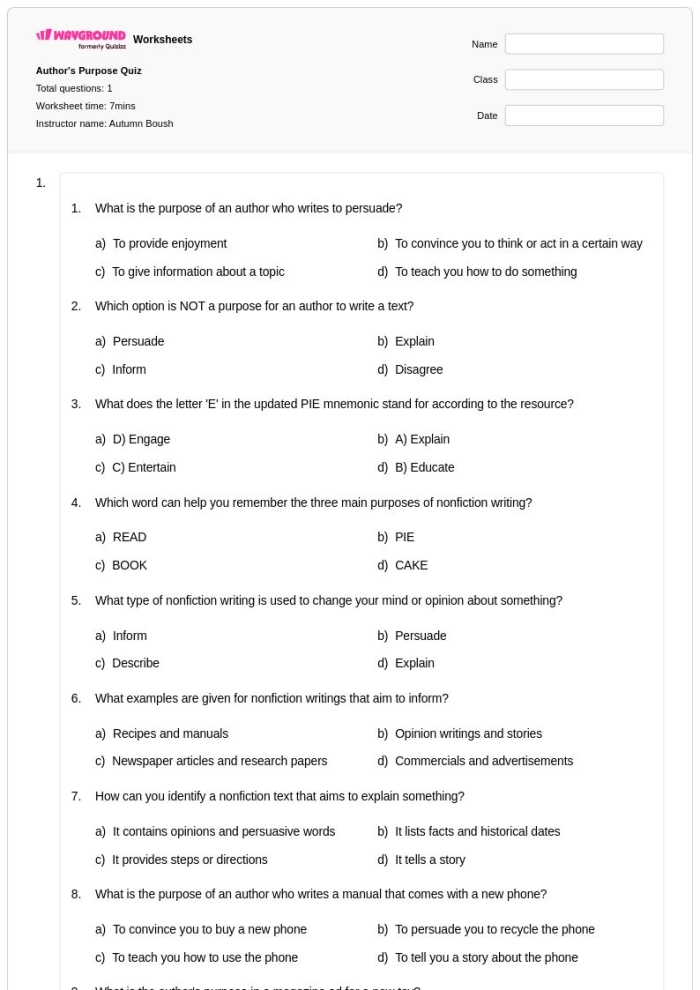
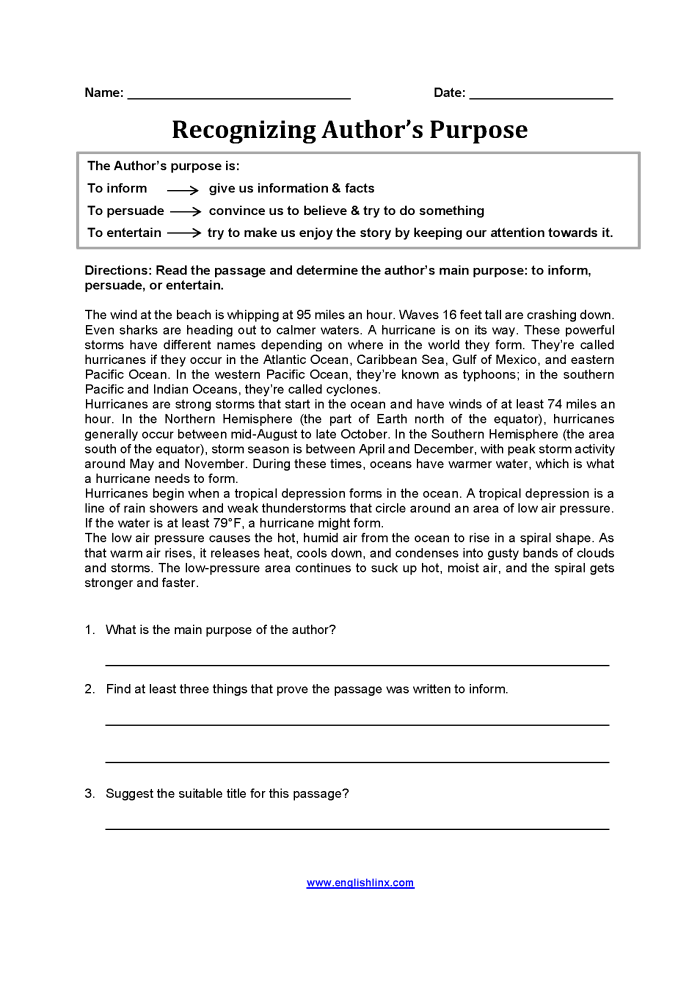
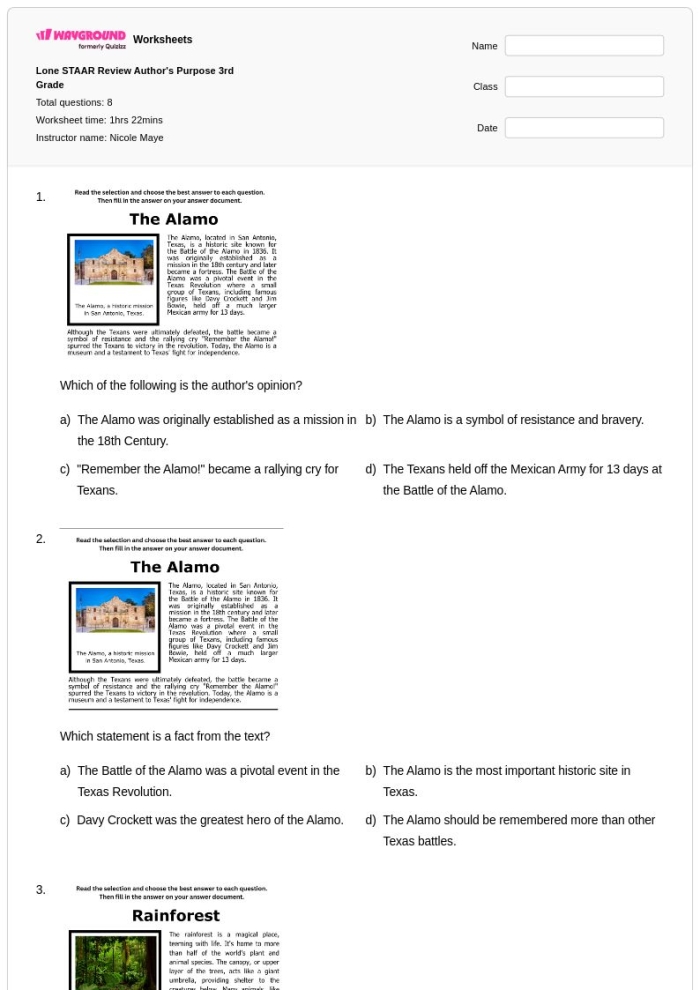
Incorporating this hands-on approach not only reinforces the concepts of author’s purpose but also enhances third graders’ sight word recognition as they engage with the content. By sorting sentences, students practice critical reading skills that will benefit them across all subjects. For those looking for additional resources, printable worksheets on author’s purpose can be found online, helping to further solidify these essential skills.
Activities like these encourage learners to think critically about what they read and why it matters. Understanding the author’s intent not only makes reading more engaging but also prepares students for future academic challenges. Resources like writing practice worksheets can be a great supplement to these lessons, offering more opportunities for skill development.
Hands-On Worksheet Activities