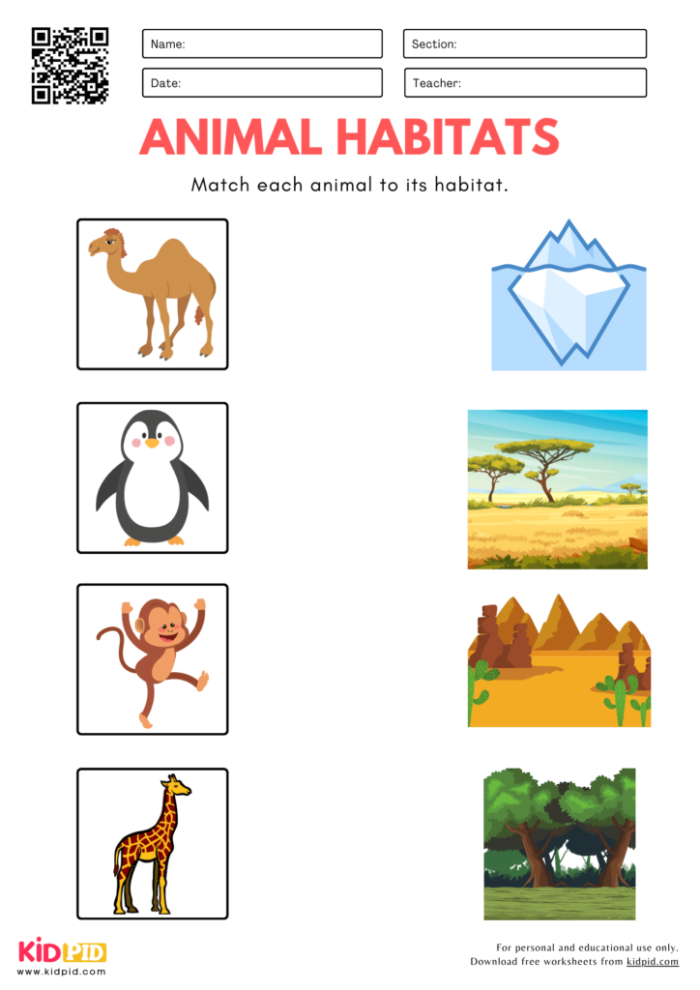
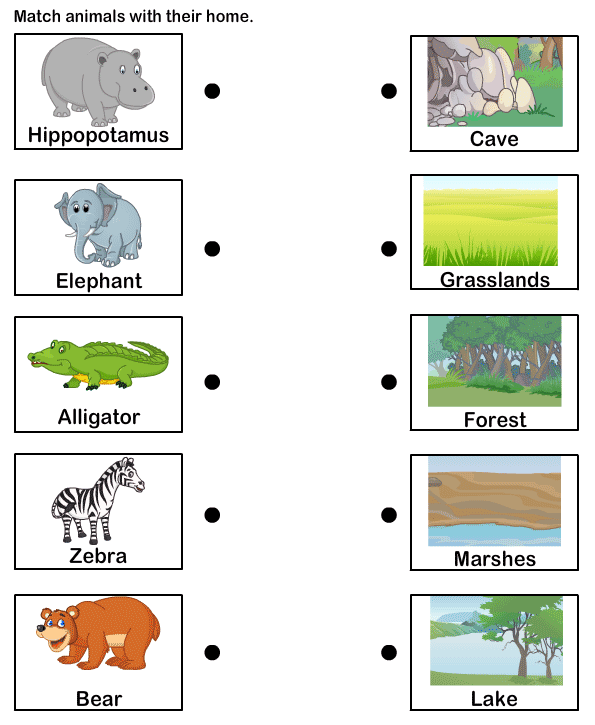
Do monkeys thrive in the lush rainforest or the arid desert? This intriguing question can captivate a child’s imagination and spark their curiosity about animals and their habitats. Engaging kids with this kind of inquiry not only nurtures their understanding of the natural world but also makes learning enjoyable. A fun and educational way to explore this topic is through an animal habitats match-up game.
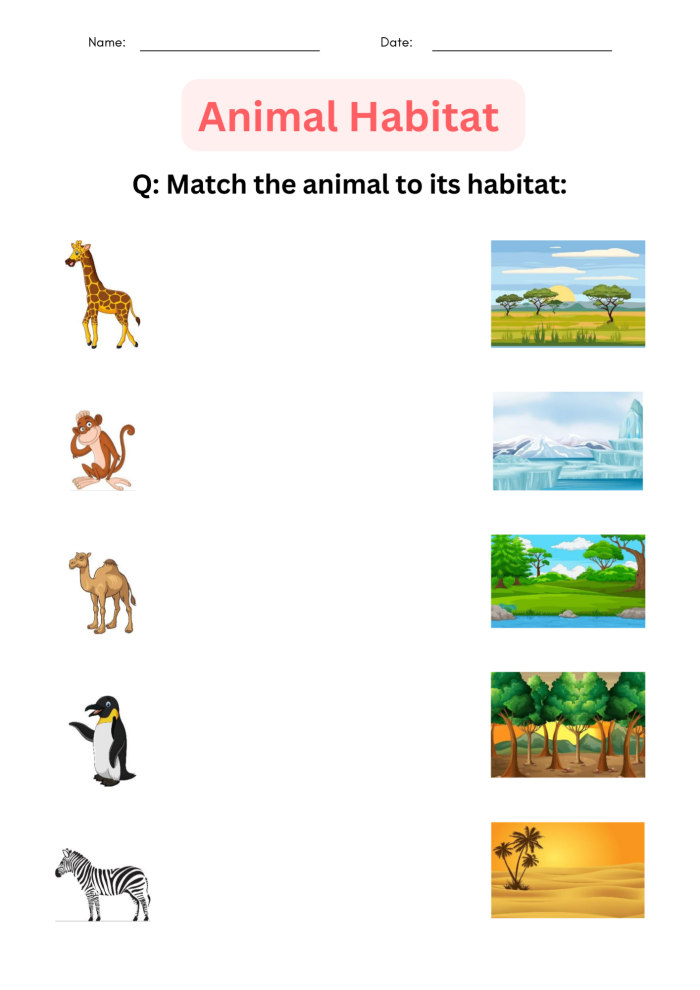
Monkeys primarily inhabit tropical rainforests, where the environment offers plenty of trees for climbing and a rich diversity of food sources. For instance, species like the spider monkey and capuchin monkey are often found in the canopies of Central and South American rainforests. These areas provide the perfect setting for their social structures and playful behaviors. In contrast, deserts are home to animals like camels and lizards, which have adapted to survive extreme temperatures and scarce water. This distinction highlights the importance of specific habitats for various species.
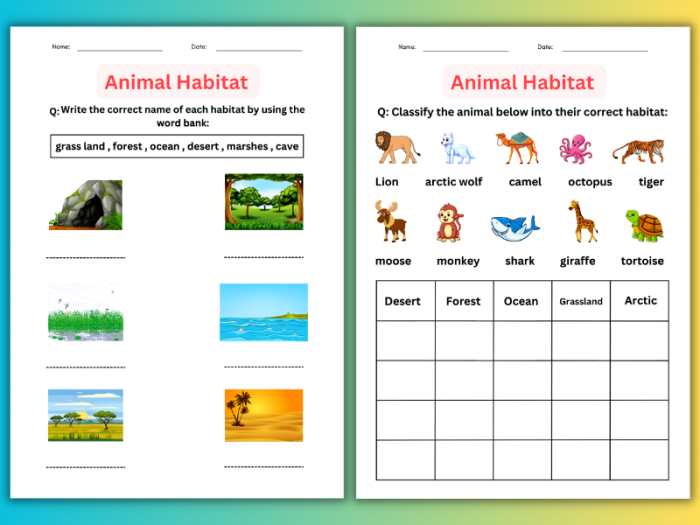
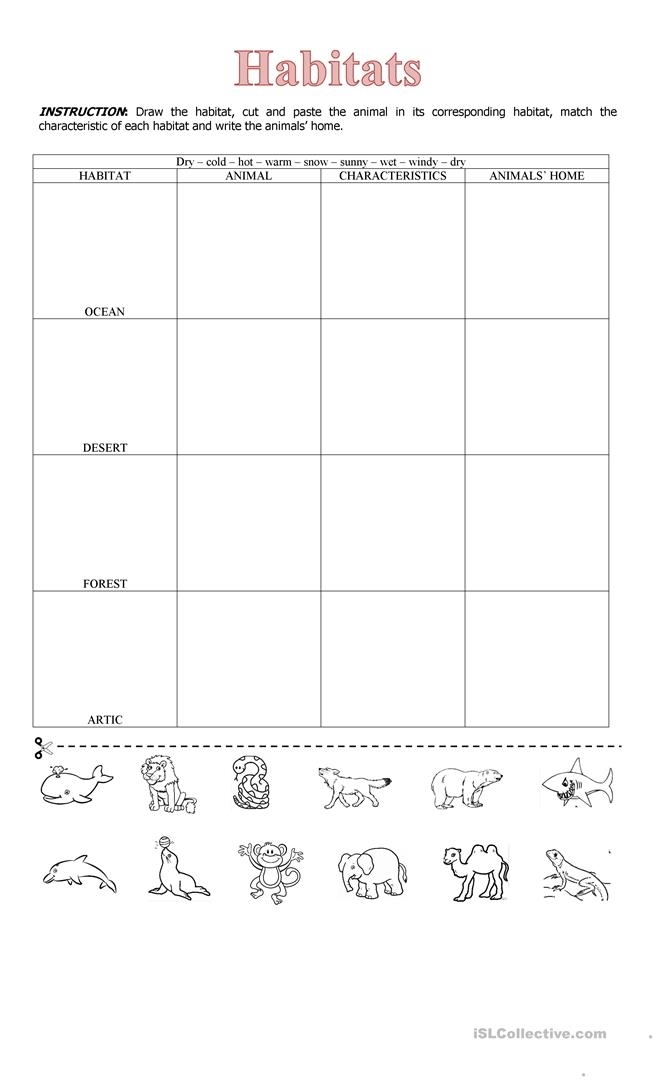
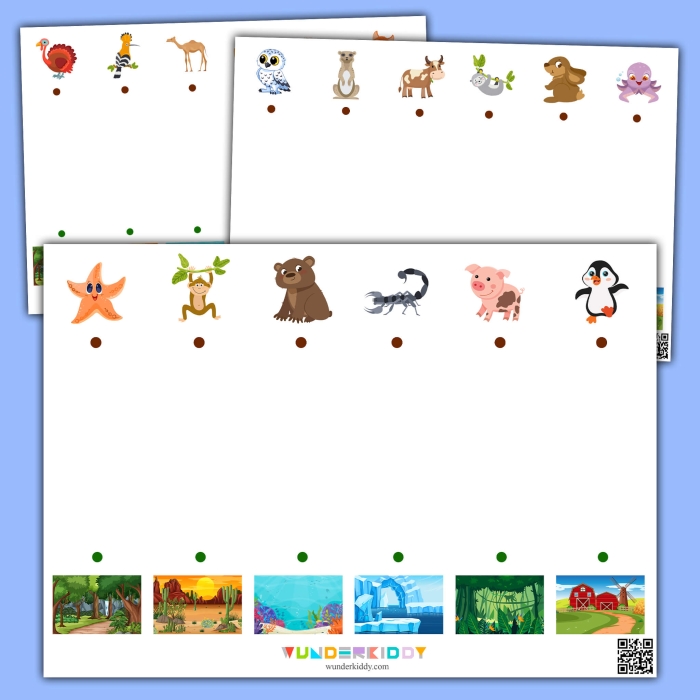
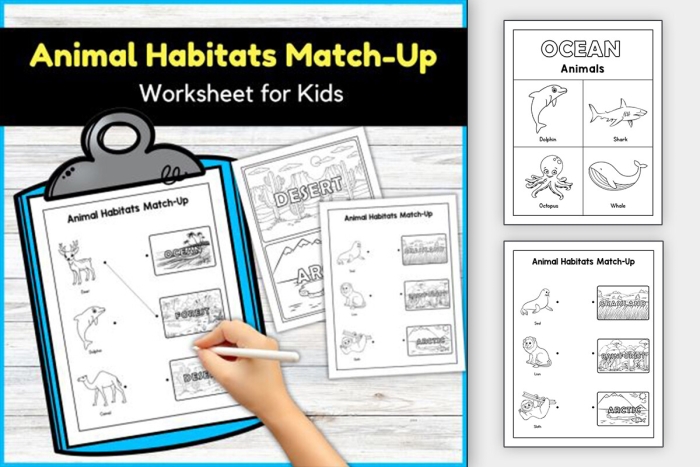
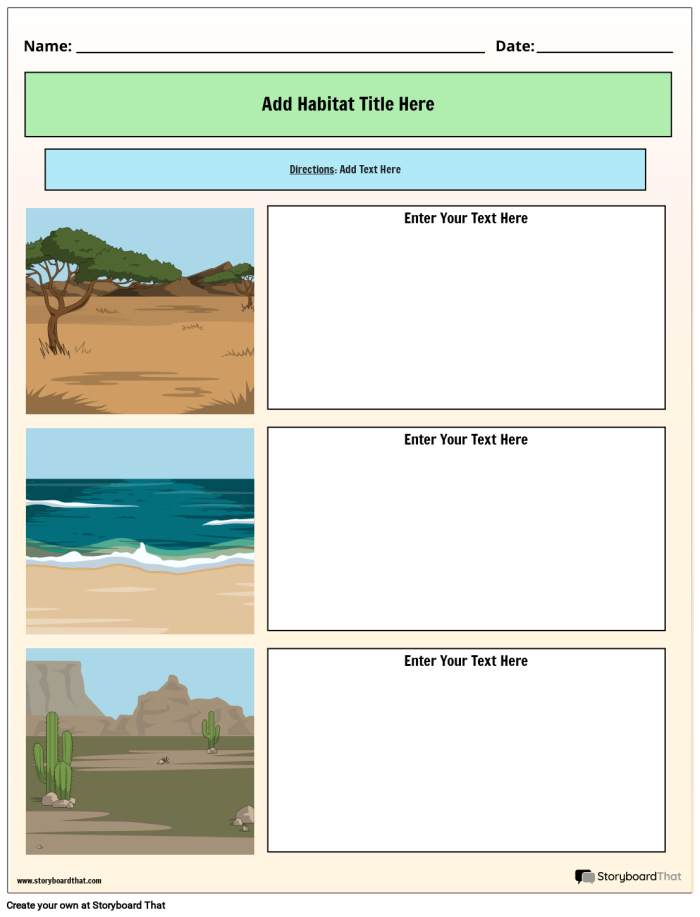
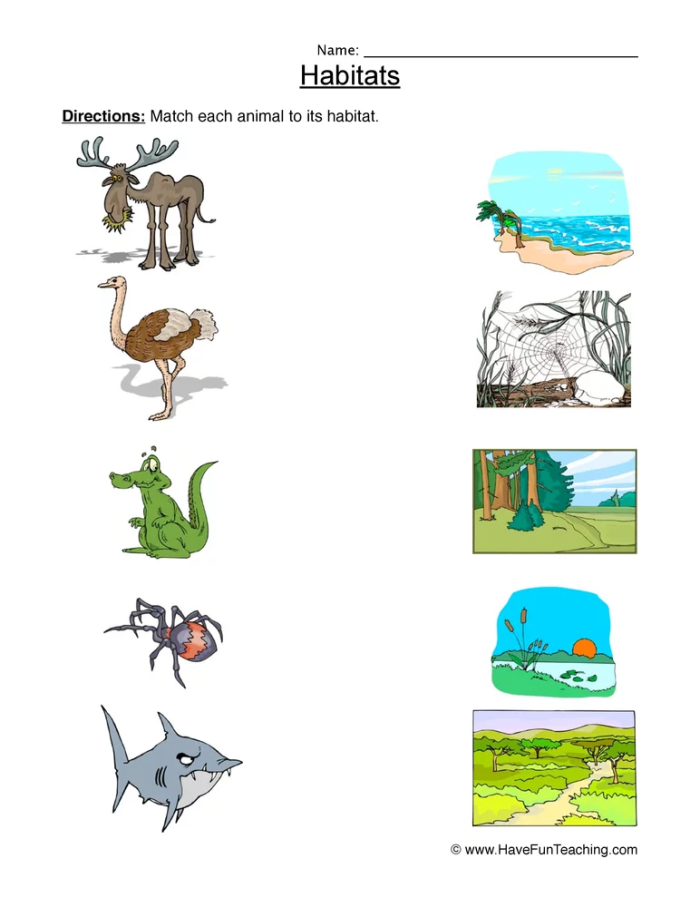
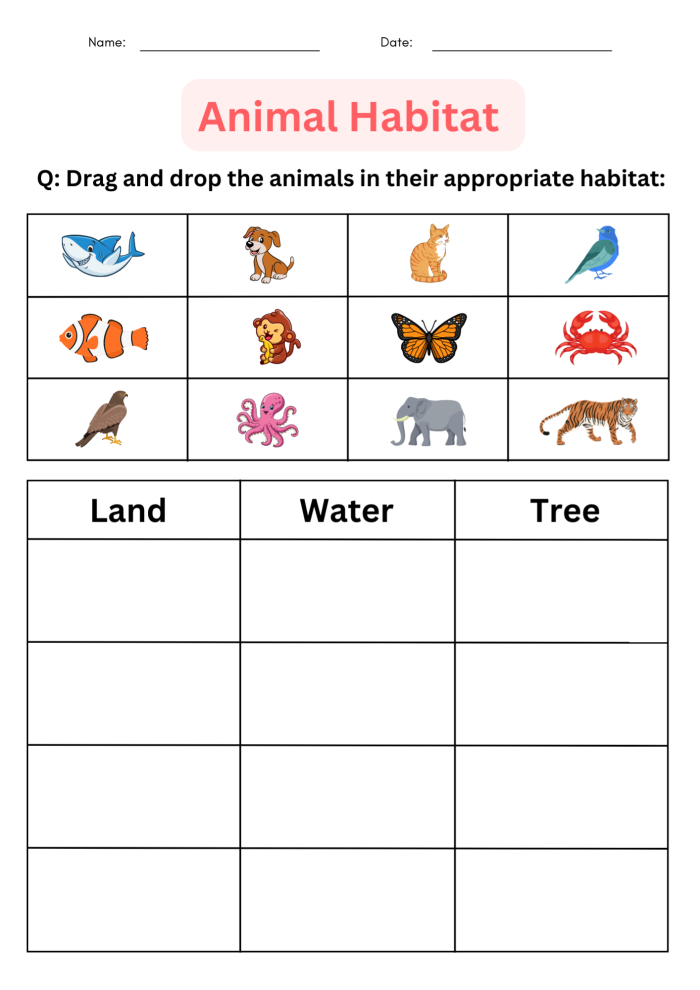
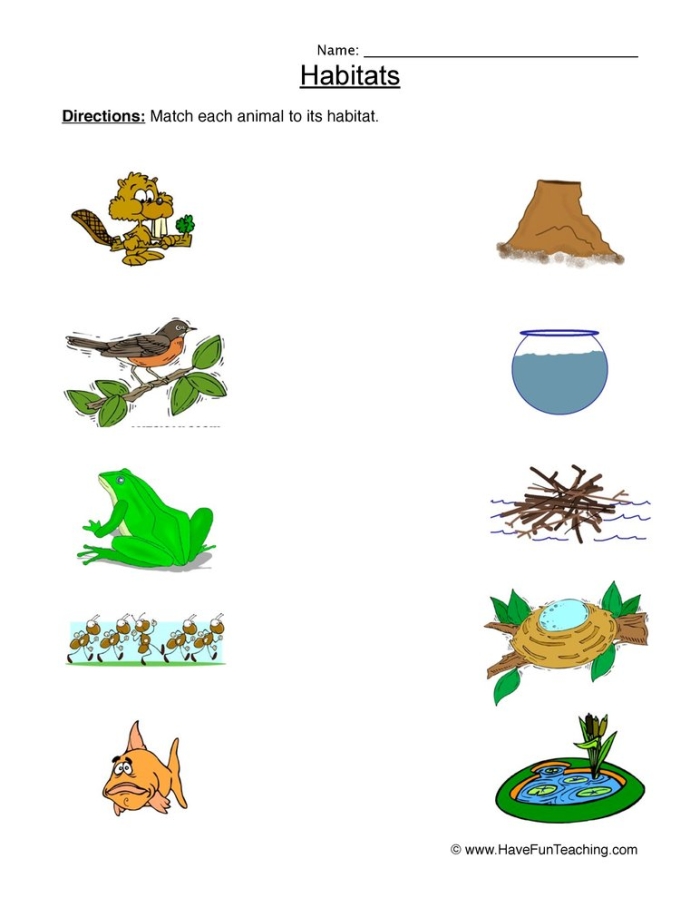
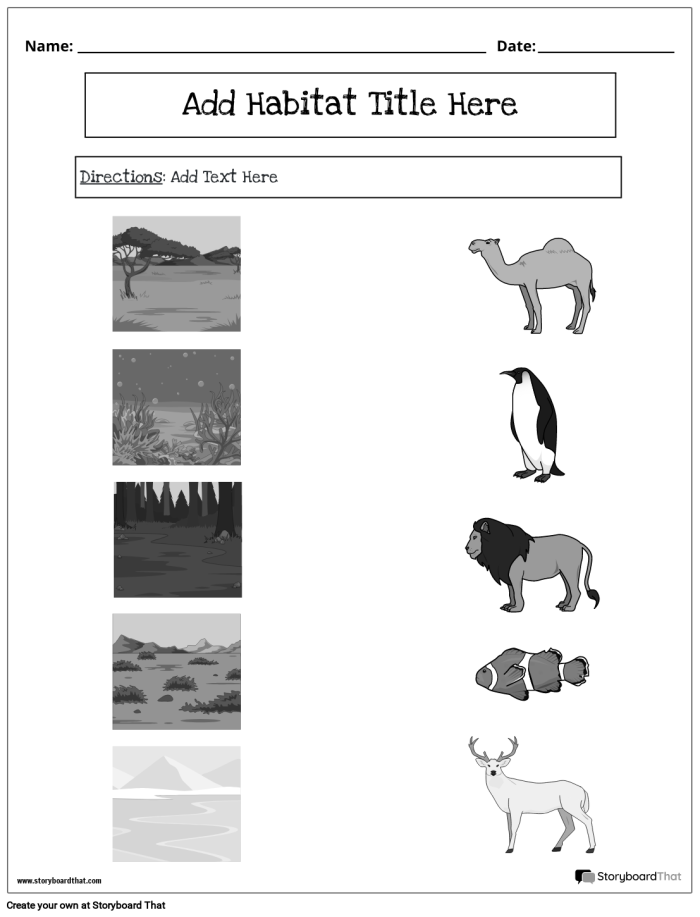
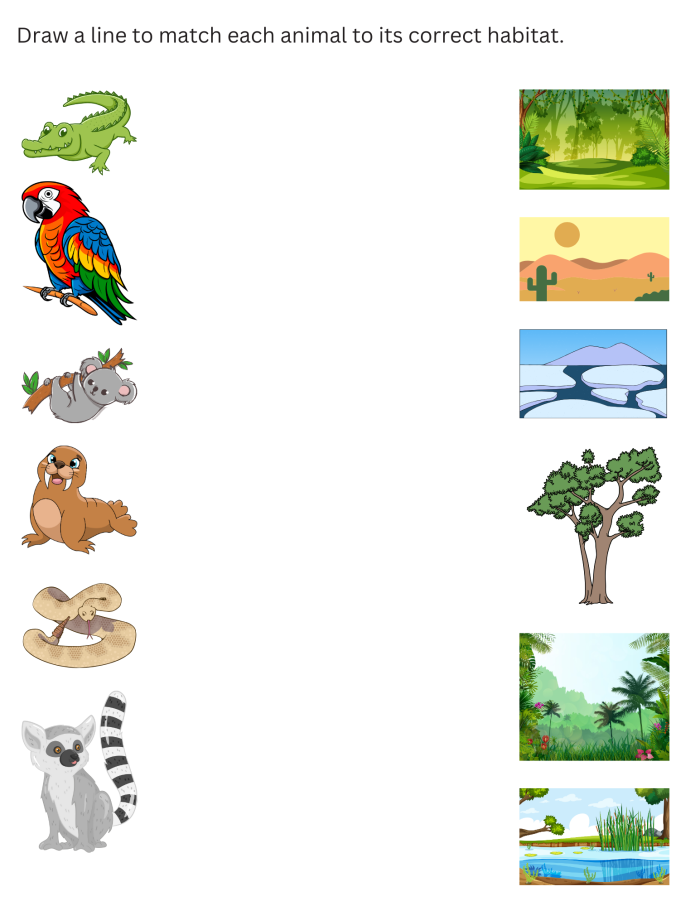
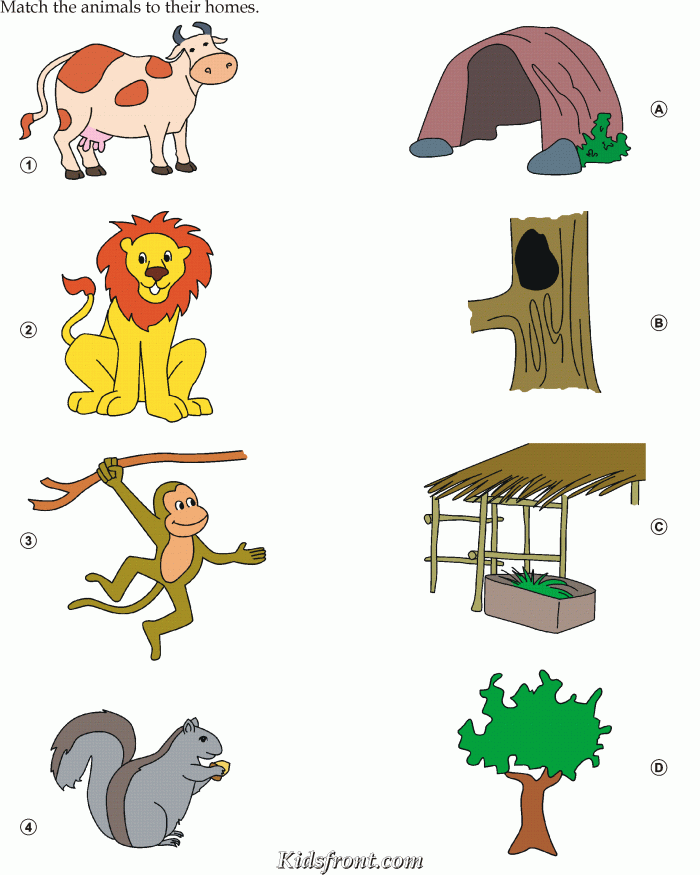
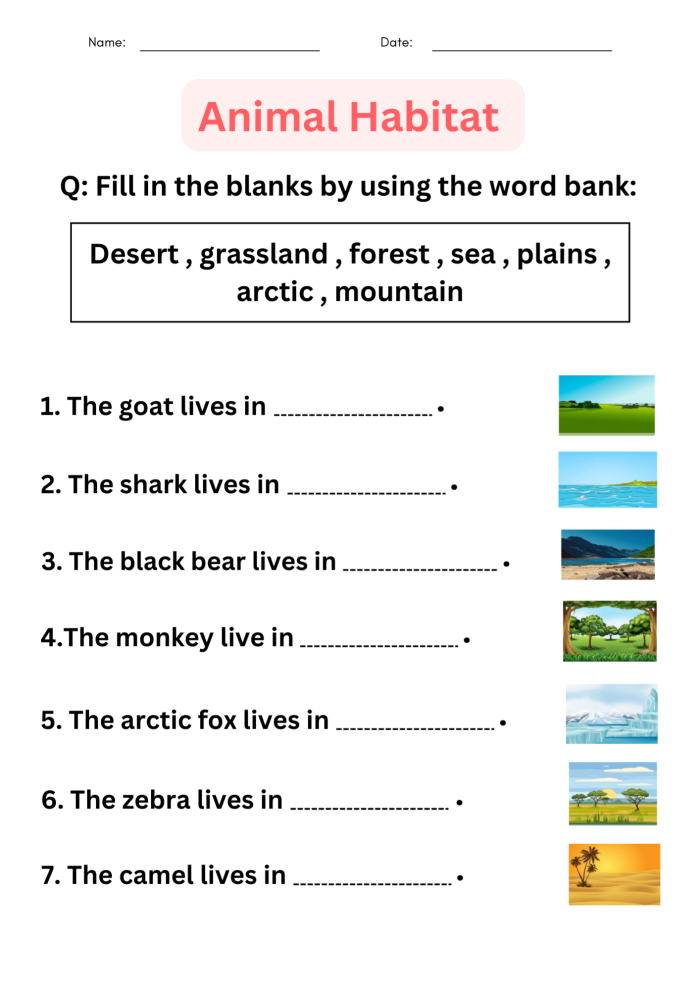
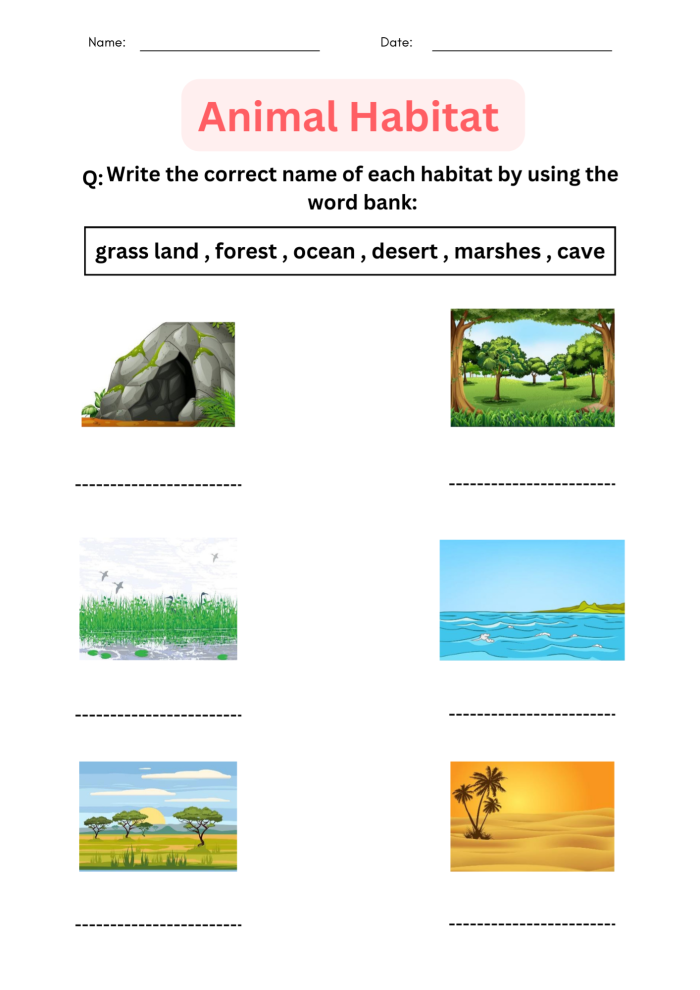
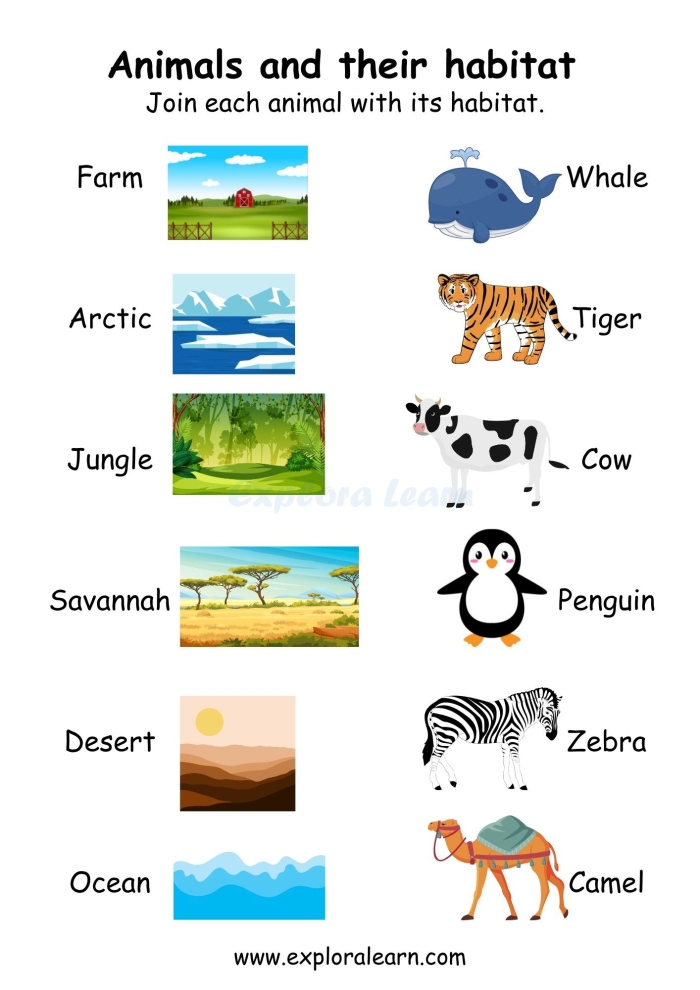
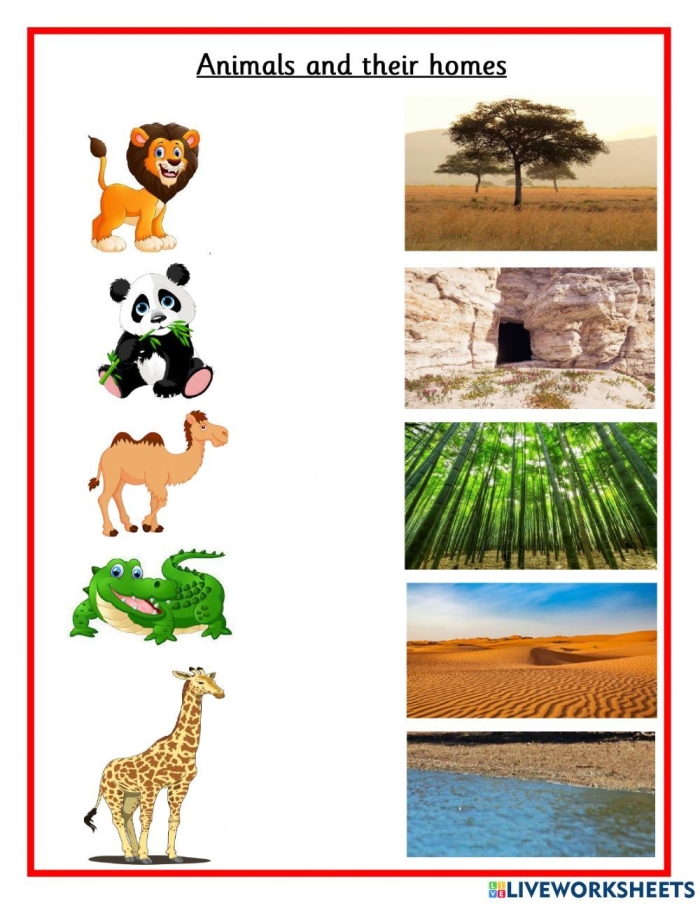
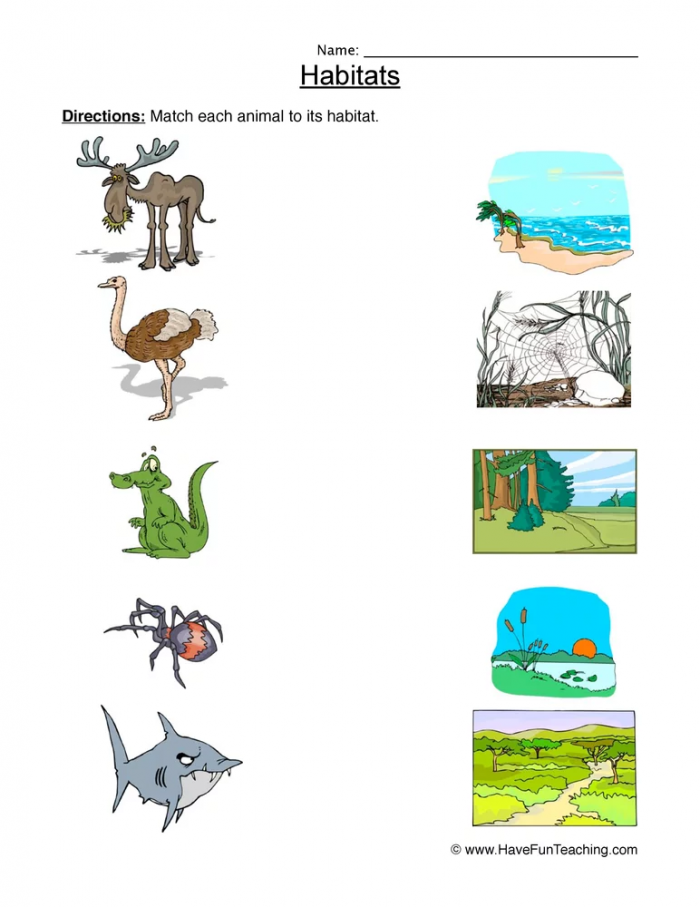
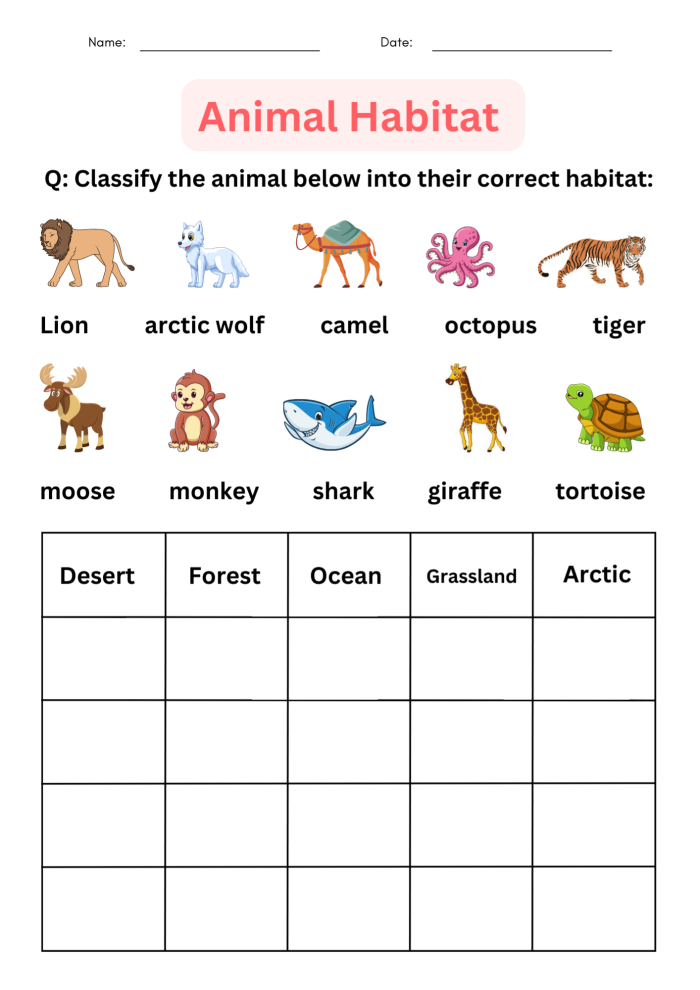
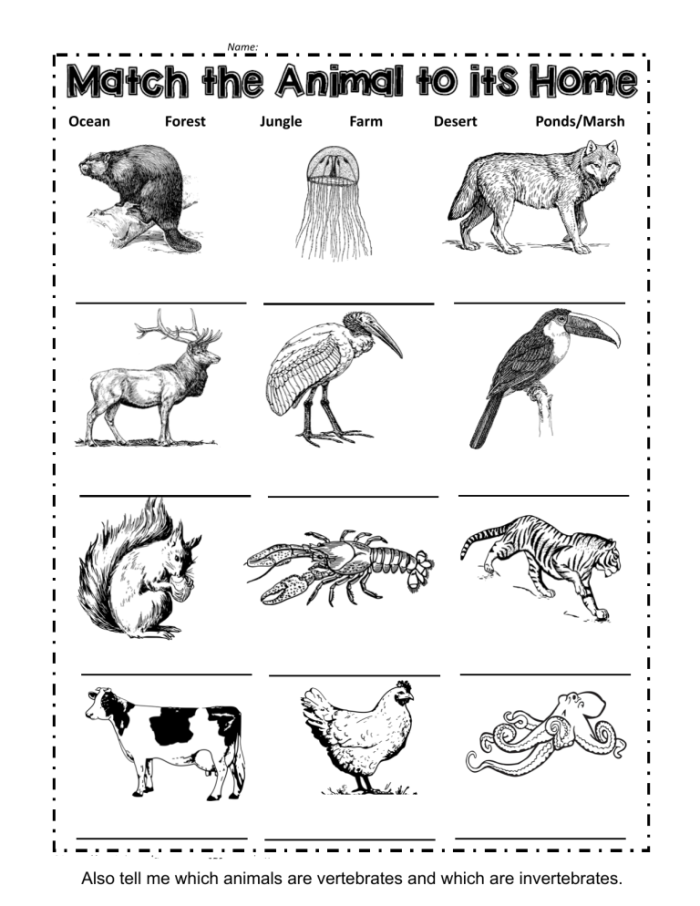
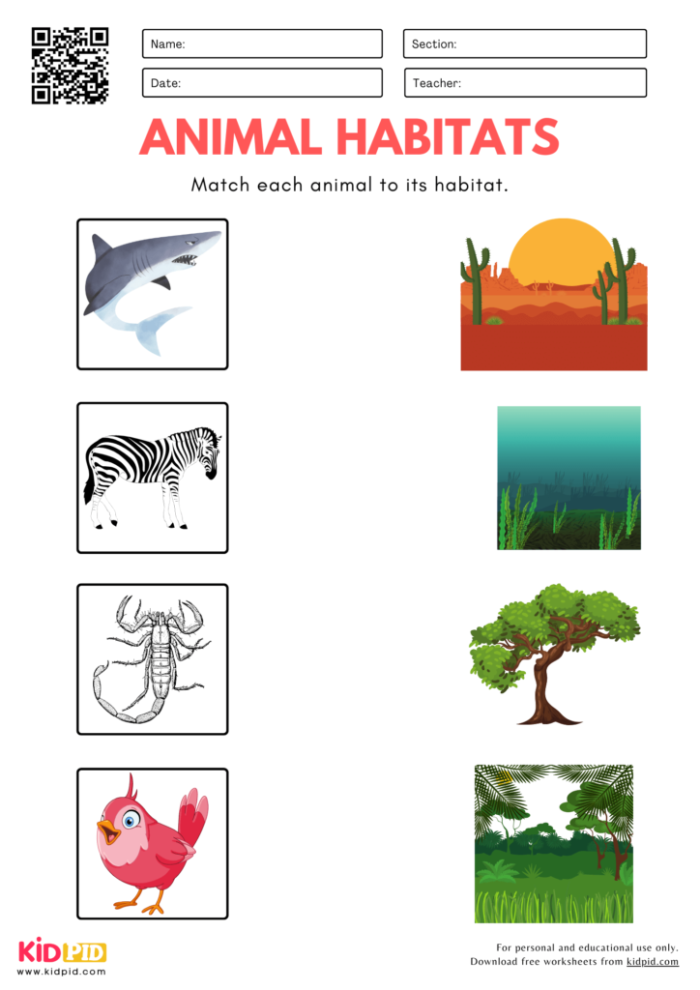
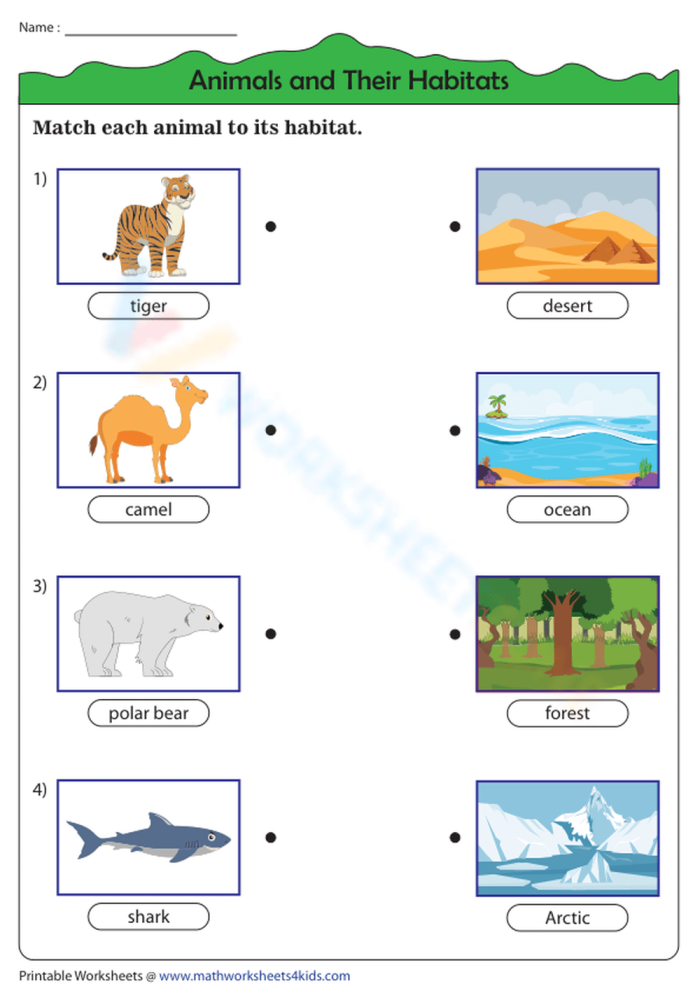
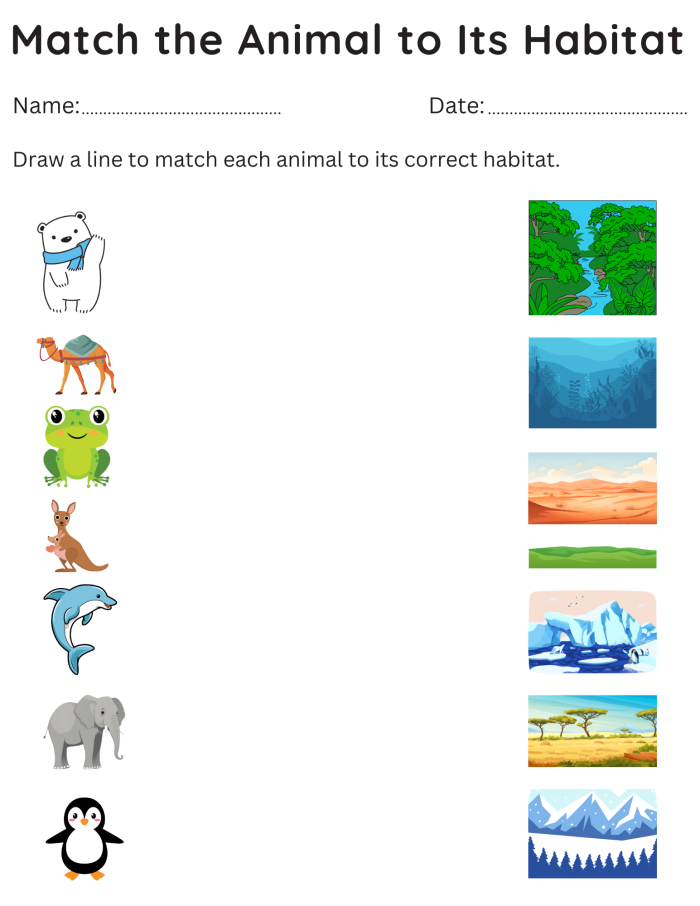
Through a match-up game, children can learn to identify which animals live in which environments. They can match pictures of monkeys with vibrant rainforest backgrounds while pairing desert-dwelling creatures with images of sandy landscapes. This interactive approach reinforces their understanding of animal habitats in a playful manner. Not only does this enhance their reading skills, but it also helps develop critical thinking as they classify animals based on their living conditions.
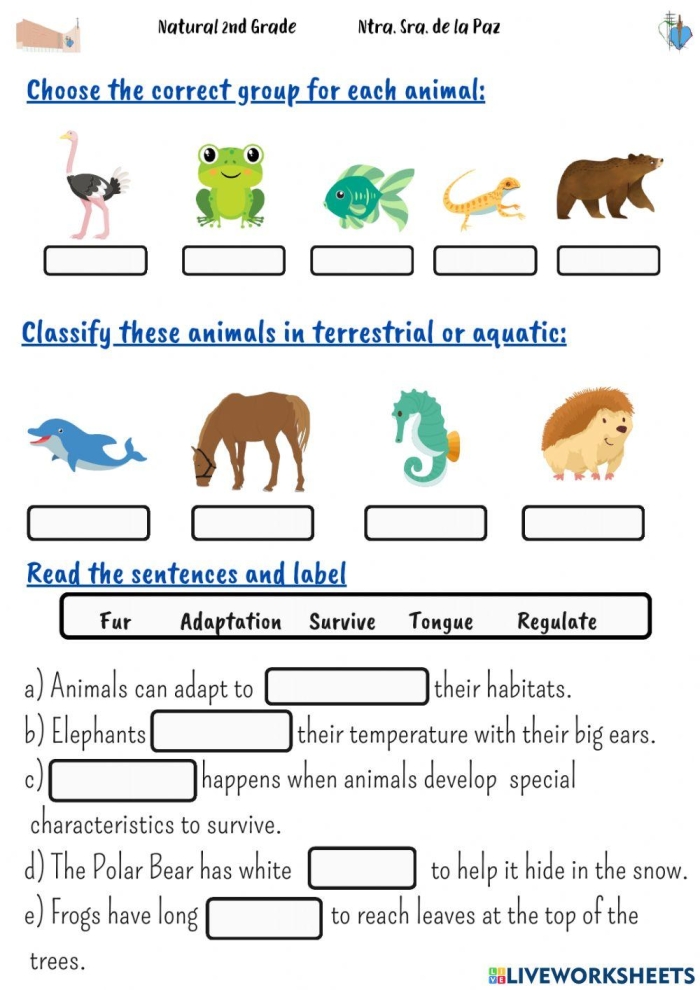
Printable animal habitats match-up worksheets can be a fantastic resource for kindergarten classrooms. They allow children to engage actively with their learning materials, making the experience both educational and fun. Activities like these can be complemented with other engaging worksheets such as Toy Time Counting or Finish That Sentence, providing a well-rounded educational experience.
Encouraging children to explore the differences between habitats like rainforests and deserts not only enriches their knowledge but also fosters a lifelong appreciation for the diversity of life on our planet.
Worksheet Practice Section