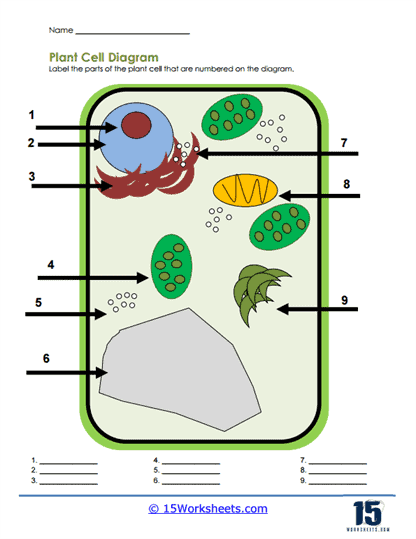
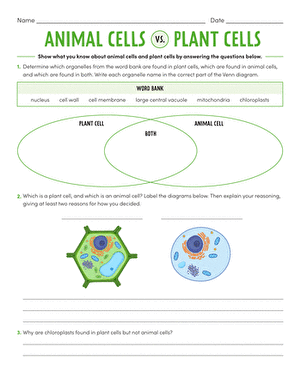
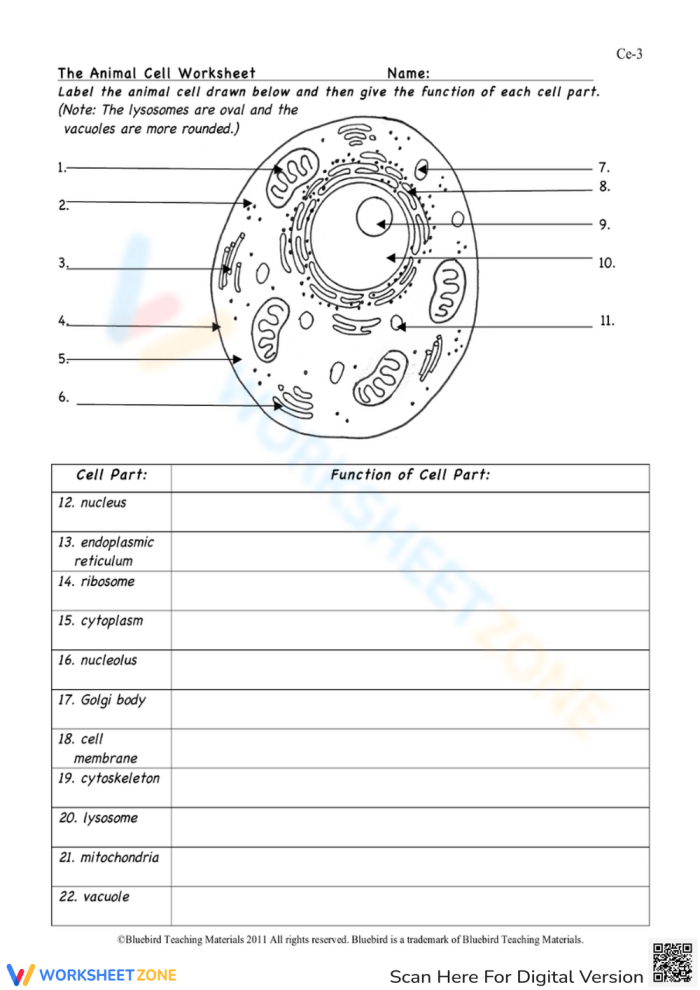
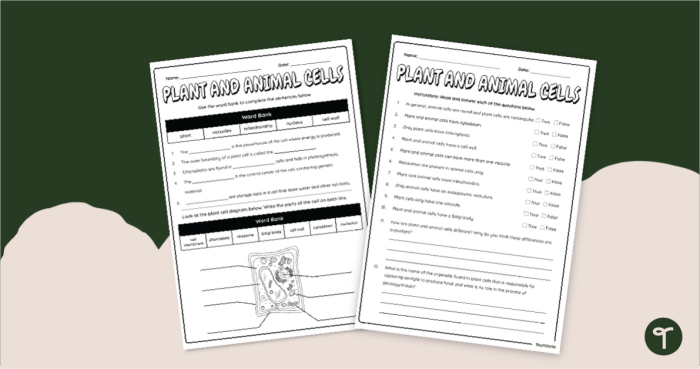
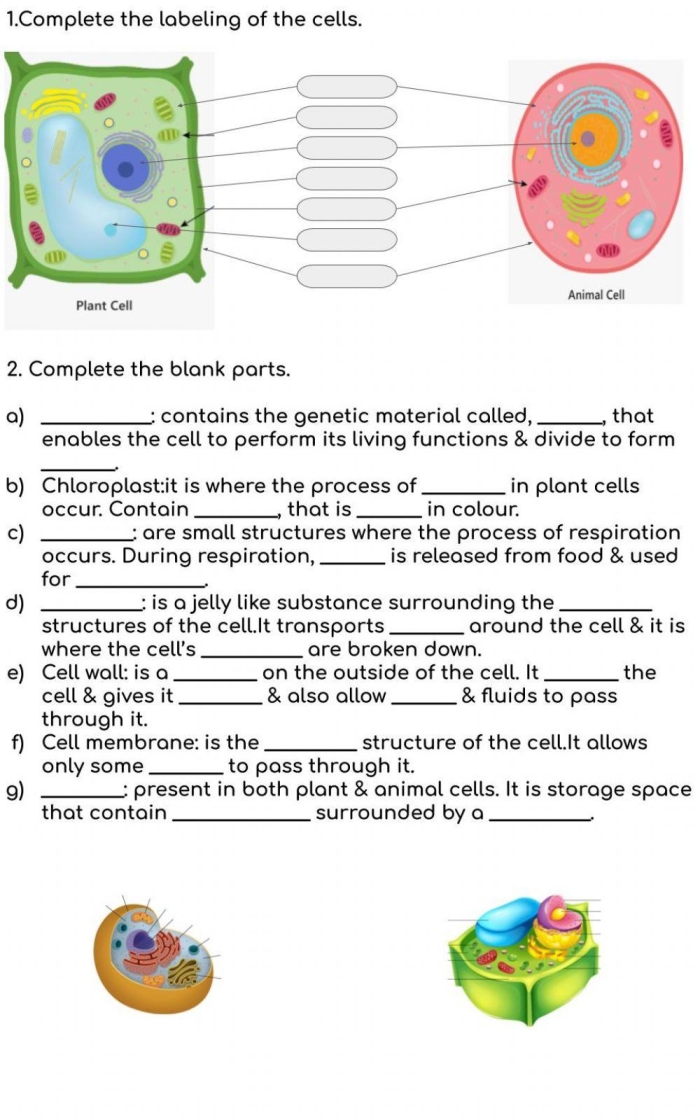
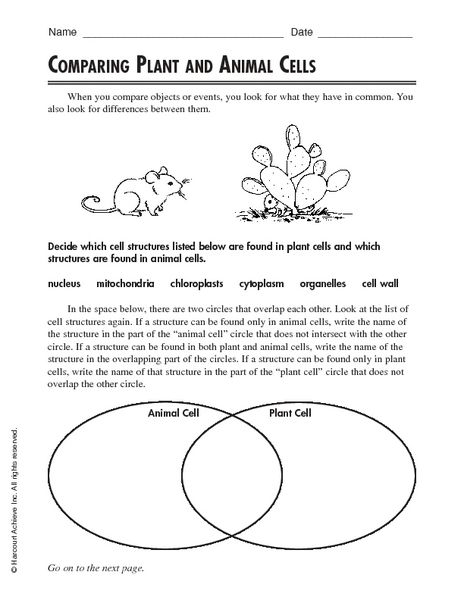
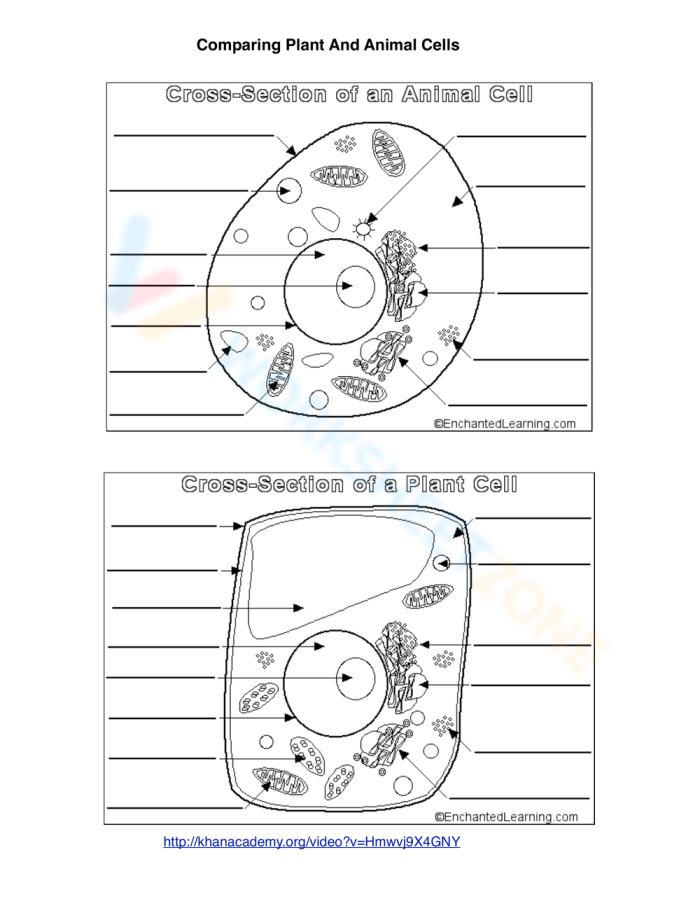
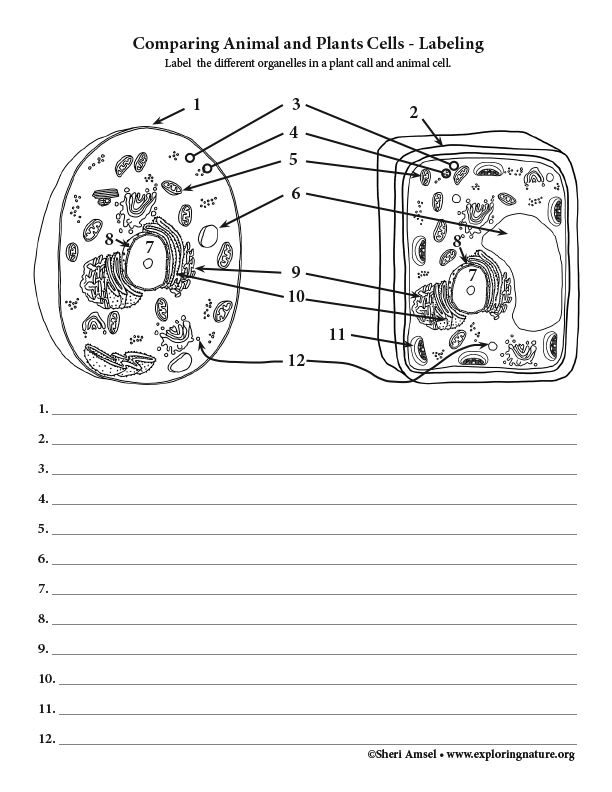
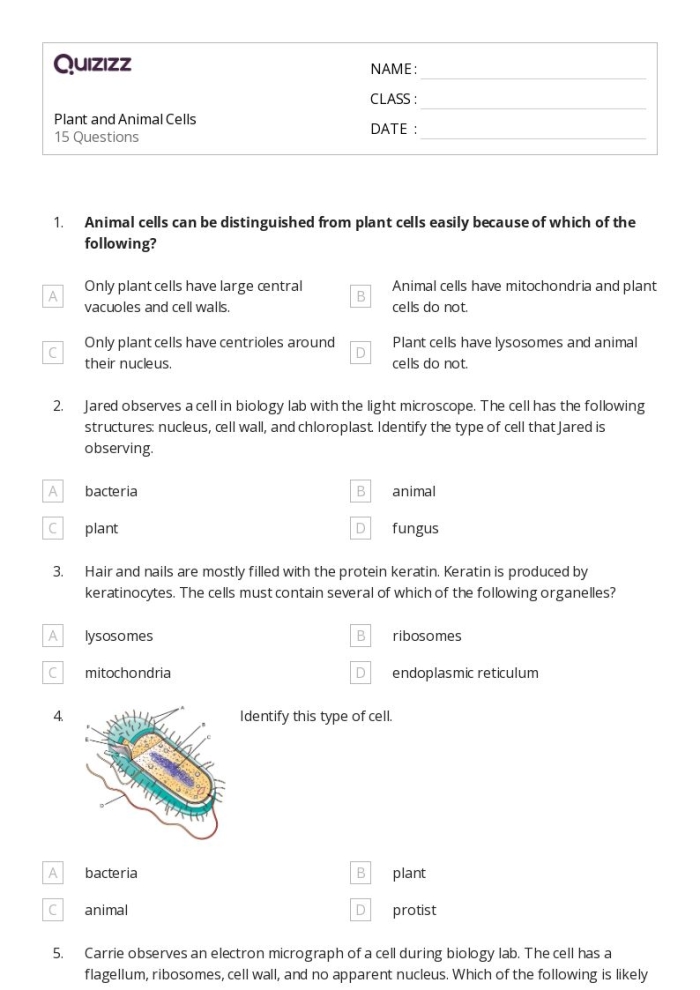
When sixth grade students first encounter cell biology, the differences between animal and plant cells often blur together into one confusing mass of organelles and functions. A solid worksheet breaks through that confusion by forcing students to examine what makes each cell type unique, while also recognizing their fundamental similarities.
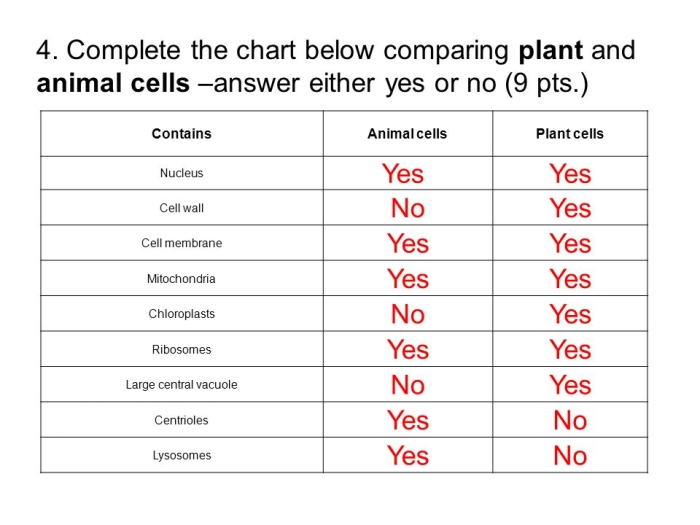
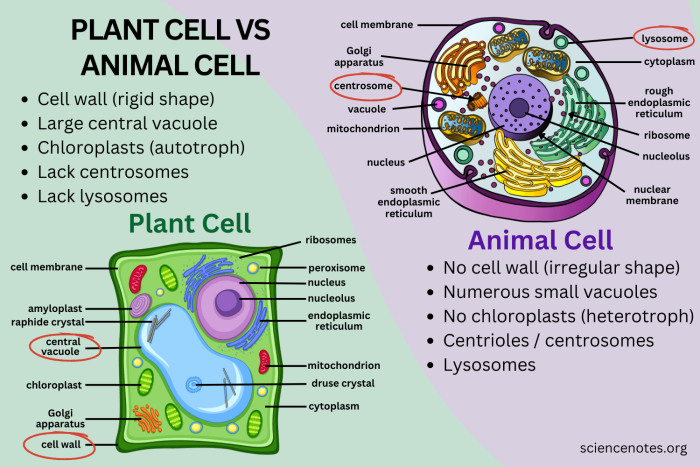
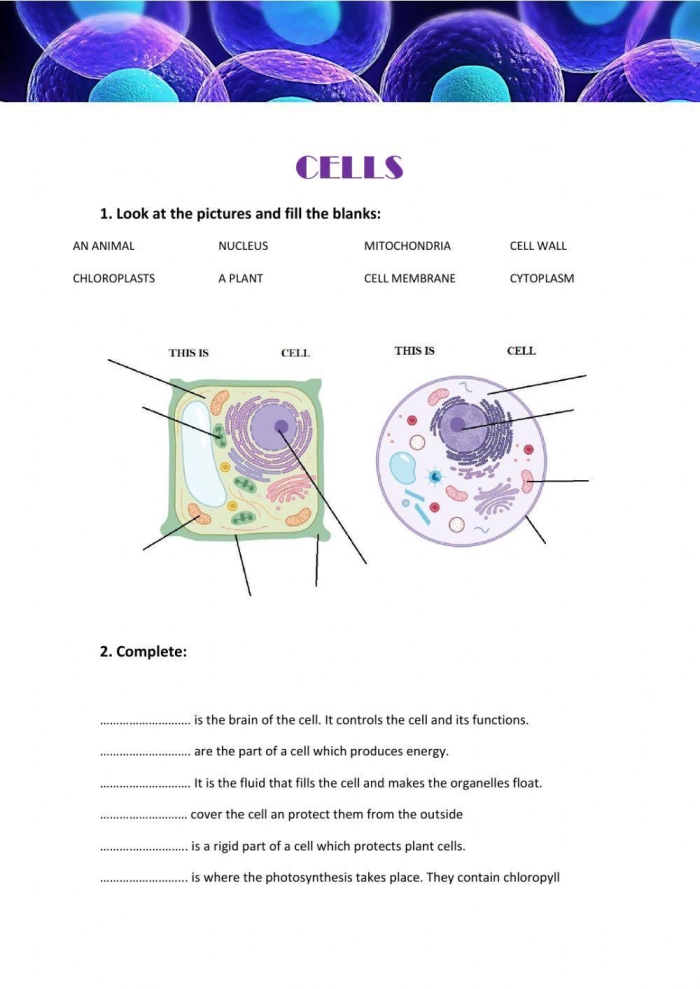
The core challenge at this grade level is moving beyond memorization. Students need to understand not just that plant cells have chloroplasts and animal cells don’t, but why that matters. Plant cells use chloroplasts to capture energy directly from sunlight through photosynthesis, while animal cells rely on consuming other organisms for energy. This functional difference shapes everything else about how these cells operate. Similarly, the rigid cell wall in plants provides structural support that allows trees to stand upright, whereas the flexible cell membrane in animals permits movement and shape changes that support locomotion.
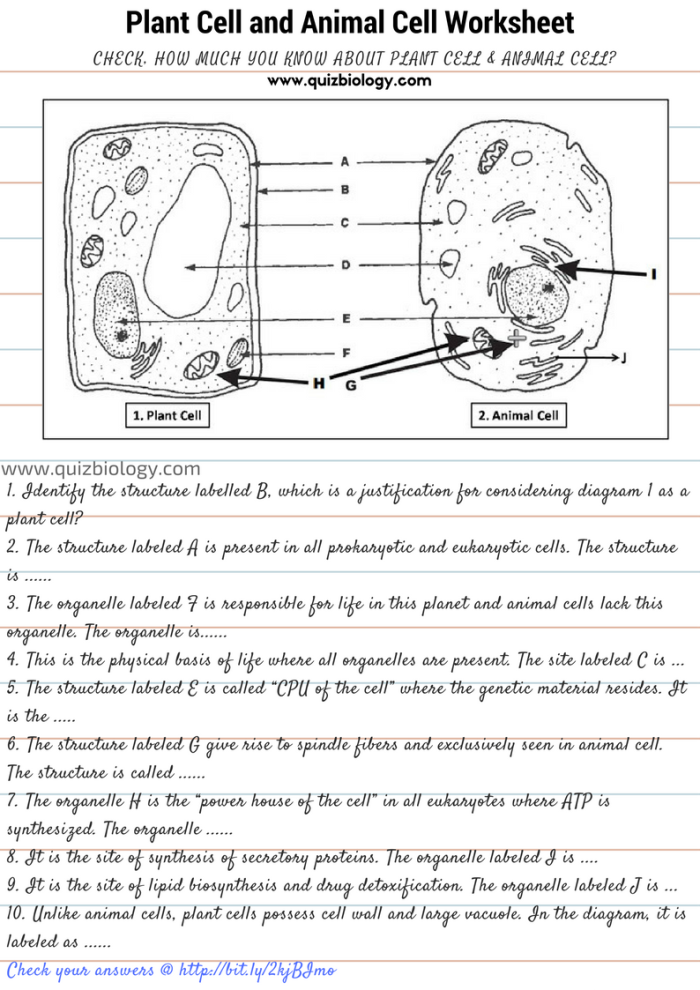
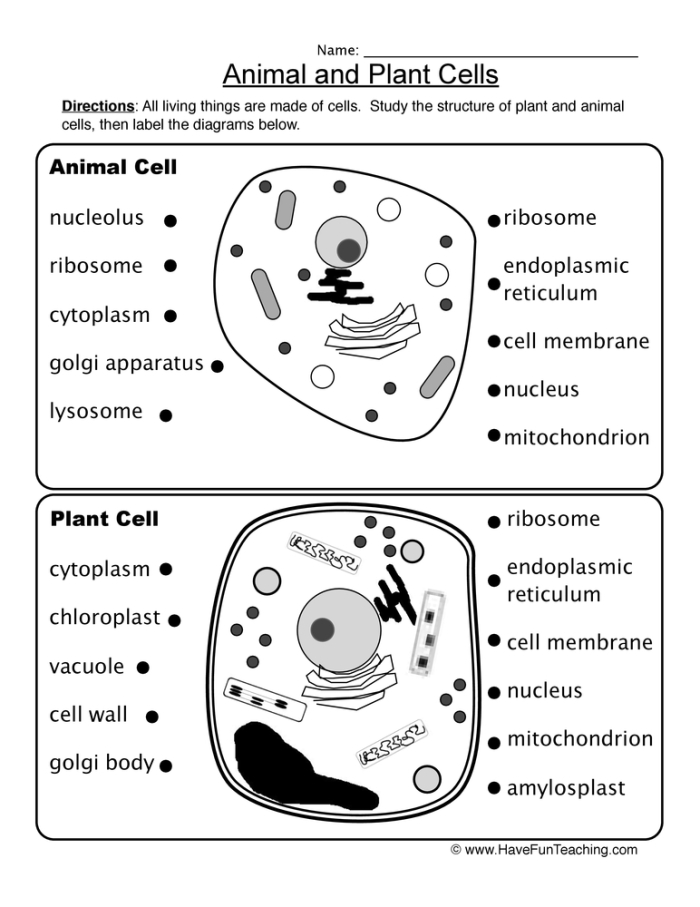
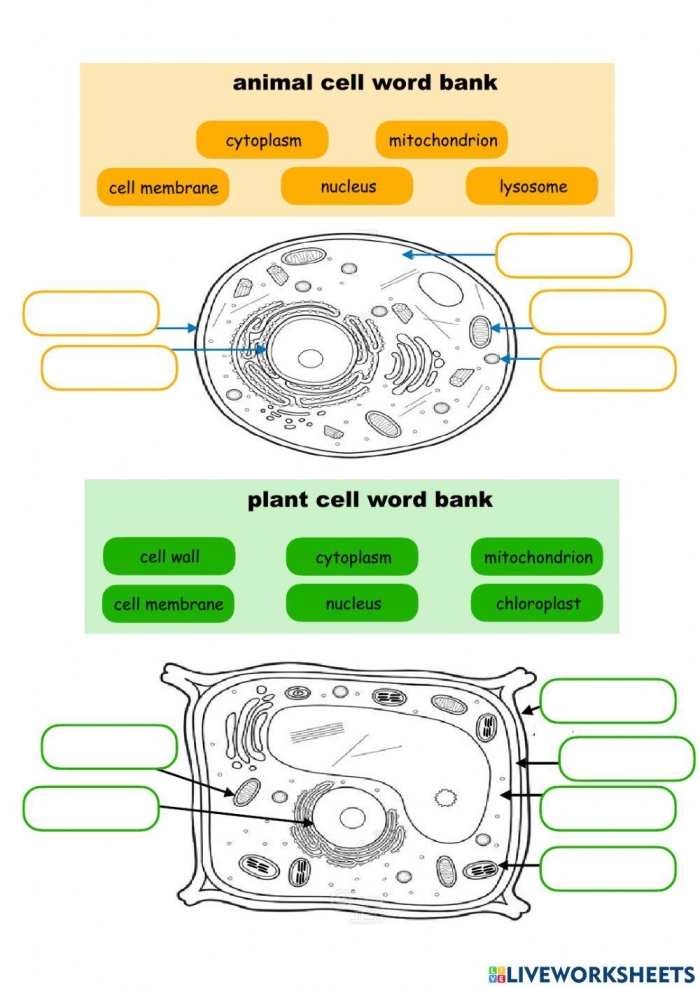
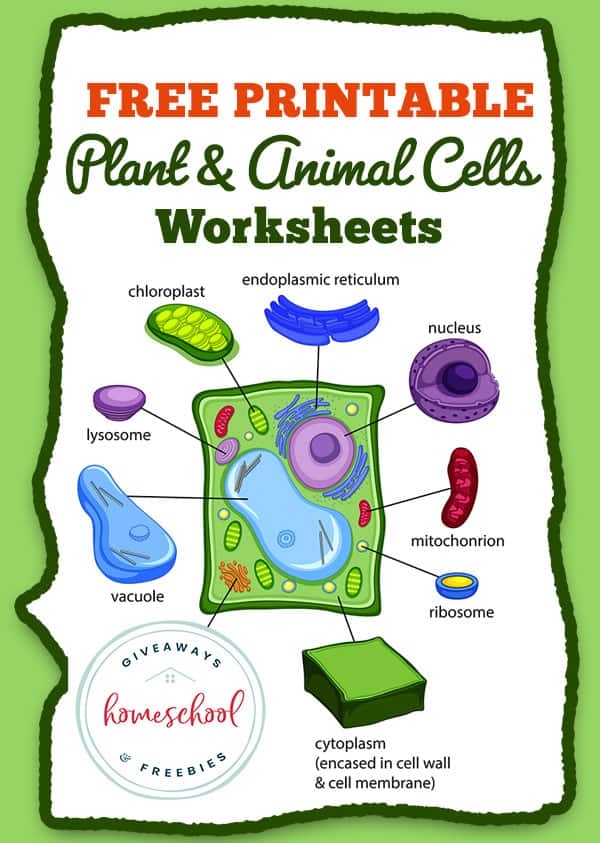
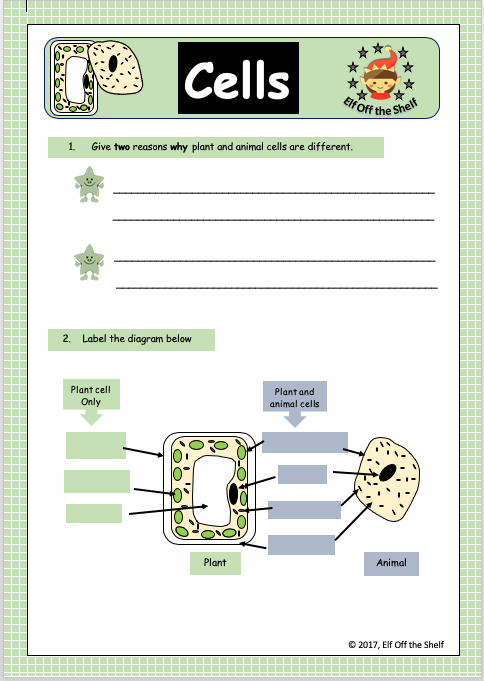
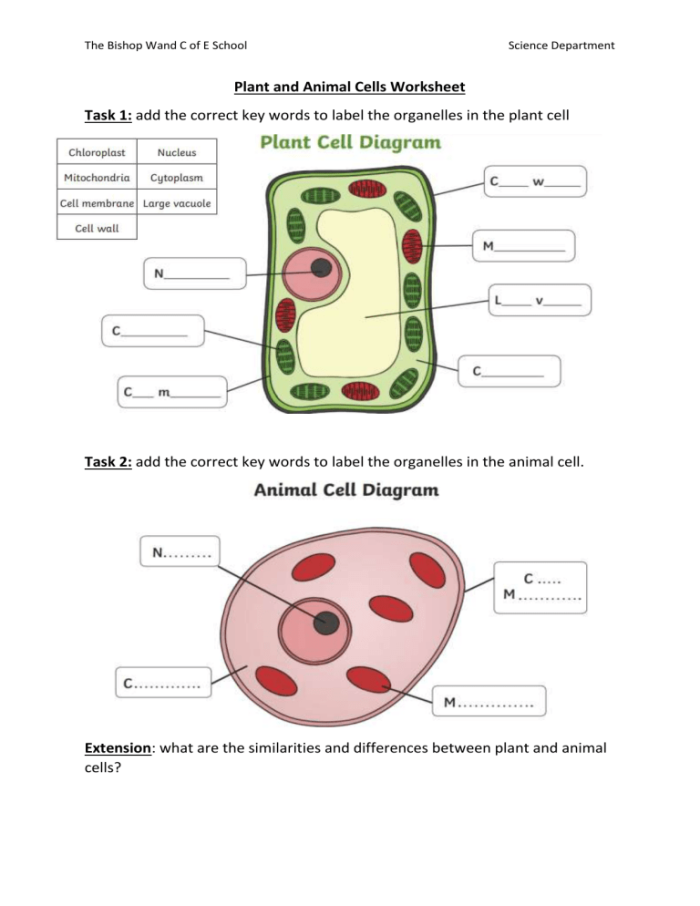
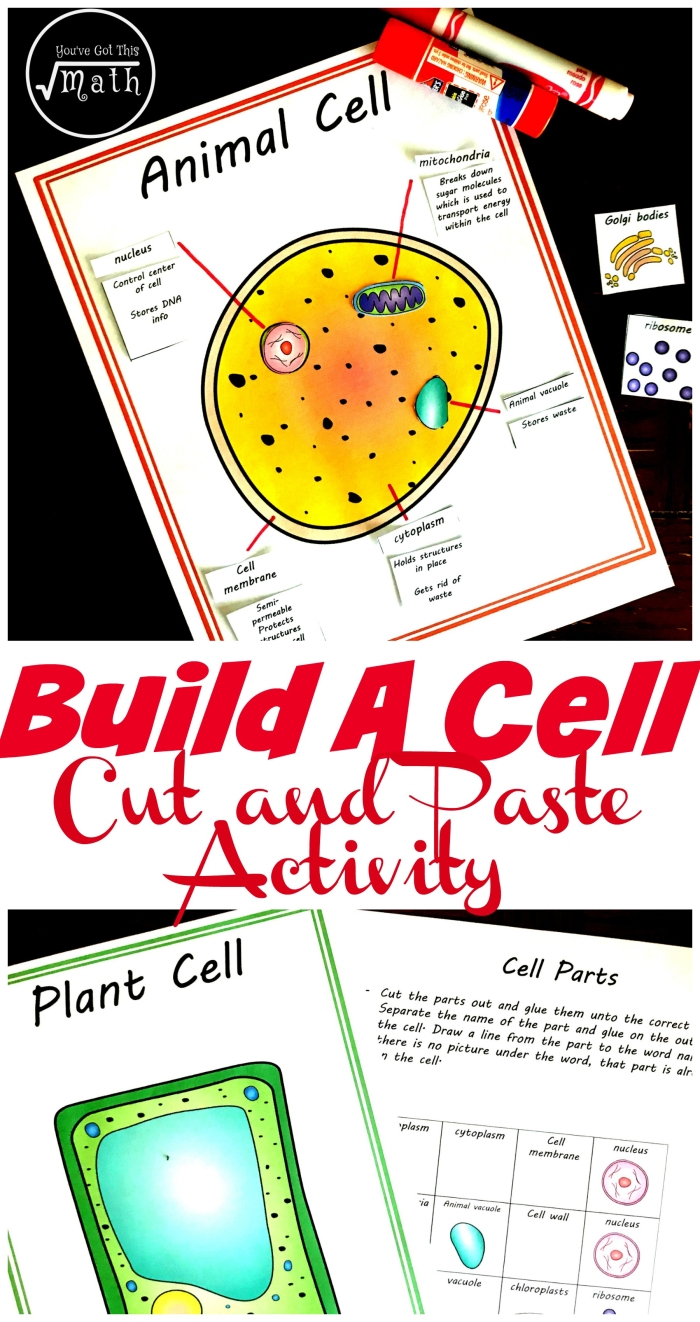
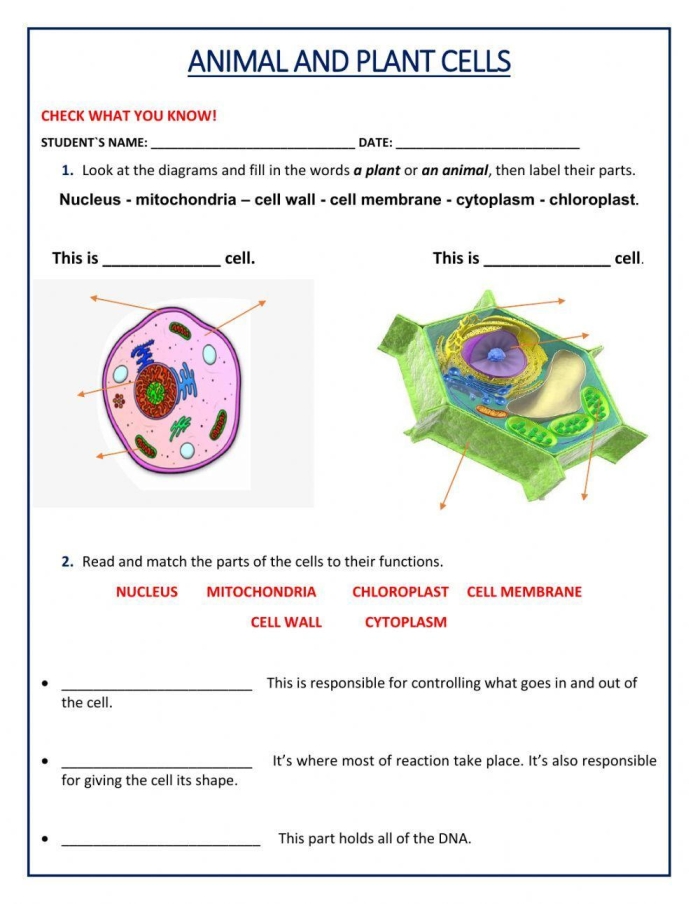
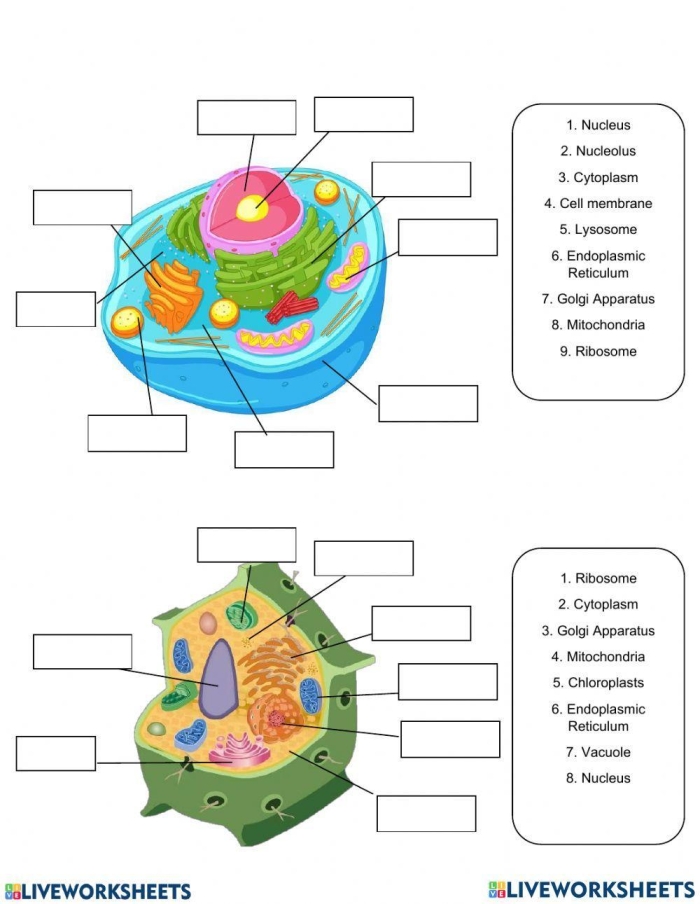
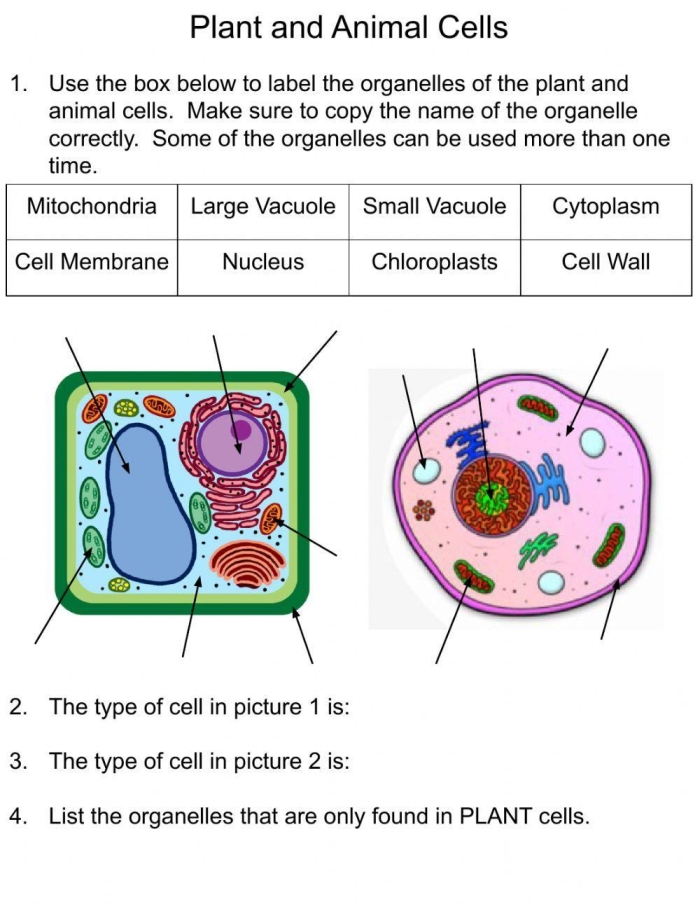
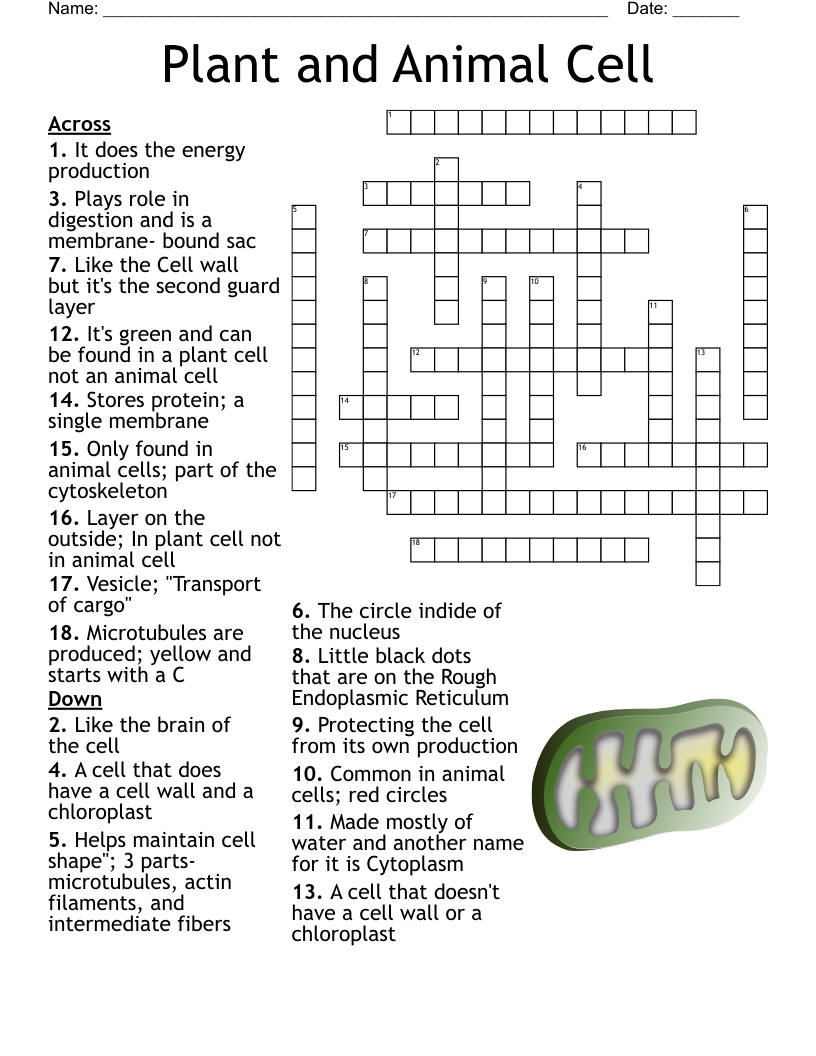
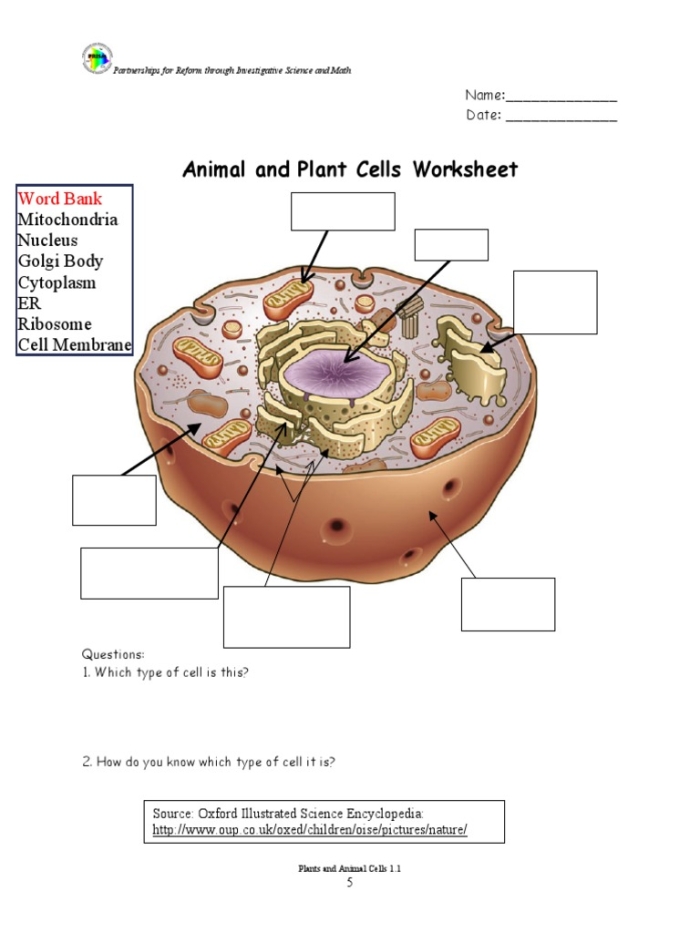
A well-designed worksheet creates space for students to work through these comparisons systematically. Rather than simply listing facts, effective worksheets ask students to categorize organelles, predict how cells would function without certain structures, or analyze diagrams showing both cell types side by side. This approach mirrors what students practice in other subjects, like when they work on making inferences with pictures during reading lessons or practice graphing data in math classes.
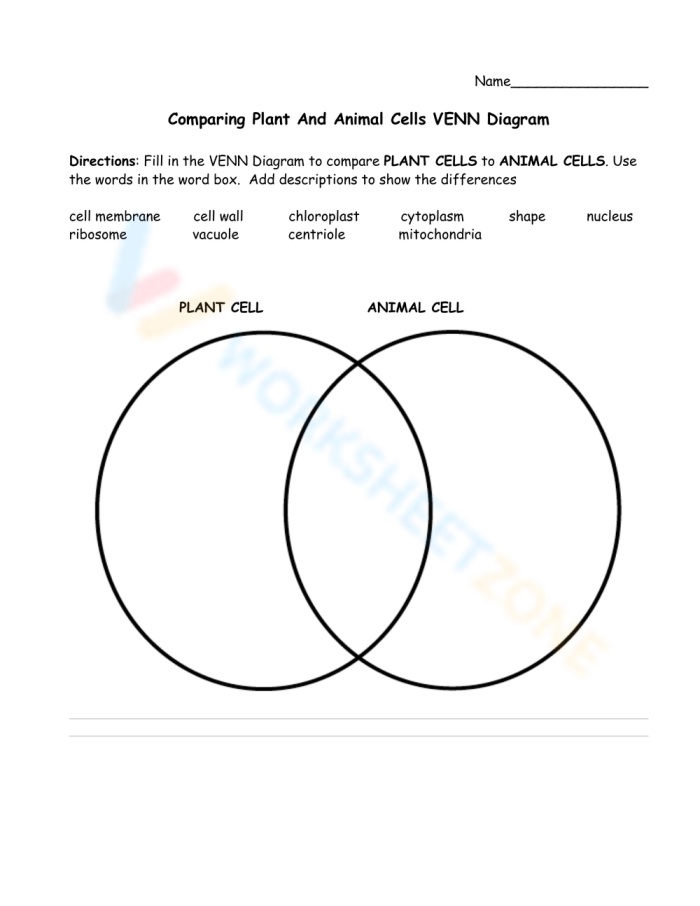
The real learning happens when students recognize that both cell types share the same basic structures: a nucleus, mitochondria, ribosomes, and a cell membrane. These shared features reveal that all cells, whether plant or animal, solve the same fundamental problems of survival and reproduction. The differences simply represent different solutions to different environmental challenges.
Use These Worksheets Today